মৃত্যুঞ্জয় শিব মন্দির, নাড়াজোল (দাসপুর- ১)
চিন্ময় দাশ
৬০০ বছরেরও বেশি সময়কাল আগের কথা। মেদিনীপুরের নাড়াজোল পরগণায় জনৈক উদয় নারায়ণ ঘোষ একটি জমিদারী প্রতিষ্ঠা করেছিলেন। তখন ৮২০ বঙ্গাব্দ, ইং ১৪১৩ সাল। বাংলার ইতিহাসে সেটি এক যুগসন্ধিক্ষণ। ইলিয়াস শাহী বংশের গিয়াসুদ্দিন আজম শাহের পতন, আর রাজা গনেশের শাসন পত্তন হচ্ছে সেসময়।
উদয় নারায়ণ রাজধানী গড়েন নাড়াজোল গ্রামে। মেদিনীপুর নগরী থেকে ১২ ক্রোশ (প্রায় ৪০ কিমি) দূরে। শিলাবতী আর কংসাবতী-- দুই নদীর উর্বর অববাহিকা অঞ্চল সেটি।
উদয় নারায়ণের পর, বাংলায় নবাবী শাসনের শেষ পর্ব পর্যন্ত, ক্রমান্বয়ে ১৩ জন জমিদারী করেছেন-- প্রতাপ নারায়ণ, যোগেন্দ্র নারায়ণ, ভরত নারায়ণ, কার্তিকরাম, জয়মণি, শ্যামসিংহ, বলবন্ত, গুণবন্ত, মহেশচন্দ্র, অভিরাম, যদুদাস এবং মতিরাম। এখানে দুটি-একটি কথা বলে নেওয়া যেতে পারে। ১. ৫ম জমিদার কার্তিকরাম নবাব দরবার থেকে 'রায়' খেতাব পেয়েছিলেন। ২. পরে, ৮ম জমিদার বলবন্ত 'খাঁন' উপাধি পান। তখন থেকে এই বংশ 'খাঁন' পদবি ব্যবহার করে আসছে। ৩. ১৭৫২ সালে মতিরাম খাঁন পুত্রহীন অবস্থায় মারা যান। তখন এই বংশে 'জ্যেষ্ঠাধিকার' রীতির বাইরে বেরিয়ে, মতিরামের খুড়তুতো ভাই (সভারামের পুত্র) সীতারাম খাঁন জমিদার হয়েছিলেন।
সীতারাম ছিলেন নবাবী শাসনকালের শেষ জমিদার। তাঁর পর এই বংশের সকলেই ইংরেজ আমলে জমিদারি করেছেন। সীতারামের শাসনকাল ৩২ বছর, ১৭৫২ থেকে ১৭৮৪ সাল। তাঁর শাসনের ৫ম বছরেই পলাশীর যুদ্ধ, বিদেশী শাসনের সূচনা। সীতারামের পুত্র আনন্দলাল জমিদার হয়ে, অপুত্রক অবস্থায় মারা যান। তখন তাঁর ভাইপো অযোধ্যারাম জমিদার হন। অযোধ্যারামের পর তাঁর পুত্র মহেন্দ্রলাল, পরে মহেন্দ্রলালের পুত্র নরেন্দ্রলাল জমিদার হন।জমিদারী বংশাবলী রেখে, মন্দির প্রসঙ্গে যাওয়ার আগে, শেষ দুই জমিদারের প্রসঙ্গে কয়েকটি কথা বলা দরকার। মহেন্দ্রলাল ছিলেন এই বংশের অন্যতম শ্রেষ্ঠ জমিদার। বাংলা, সংস্কৃত, ইংরেজি এবং পার্শি ভাষায় যেমন ব্যুৎপত্তি সম্পন্ন, তেমনই সঙ্গীতপ্রিয় ও কাব্যনুরাগী। পরিণত বয়সে অনেকগুলি কাব্য এবং সংগীত বিষয়ক গ্রন্থ রচনা করেছিলেন-- সংগীত-লহরী, মানমিলন, গোবিন্দ গীতিকা, মথুরা মিলন, শারদোৎসব ইত্যাদি তার অন্যতম। ১৮৮৭ সালে ইংরেজ সরকার তাঁকে 'রাজা' খেতাবে ভূষিত করেছিল।
মহেন্দ্রর শ্রেষ্ঠ কীর্তি ইংরেজি ভাষায় নাড়াজোল রাজবংশের ইতিহাস রচনা। মৃত্যুর ৩ বছর পূর্বে, ১৮৮৯ সালে HISTORY OF THE MIDNAPORE RAJ নামে গ্রন্থটি প্রকাশিত হয়। প্রকাশক—THAKER, SPINK & Co. । গ্রন্থের প্রচ্ছদে লেখা হয়েছিল-- COMPOSED BY RAJAH MOHENDRO LALL KHAN, ZEMINDAR OF MIDNAPORE AND NARAJOLE, &c.
মহেন্দ্রলালের পত্নী রানি নিস্তারিণী দেবী। তাঁদের একমাত্র পুত্র রাজা নরেন্দ্রলাল খাঁন। বাংলা, সংস্কৃত, ইংরেজি ভাষায় সুদক্ষ নরেন্দ্রলাল সঙ্গীত অনুরাগীও ছিলেন। শিক্ষাপ্রসার এবং জনকল্যাণে বহু অর্থ ব্যয় করেছিলেন তিনি। নাড়াজোলের রাজপ্রাসাদ, মেদিনীপুরে গোপগড়ে একটি সুরম্য প্রাসাদ নির্মাণ তাঁরই সুকীর্তি। পরবর্তীকালে, গোপগড়ের প্রাসাদটিতে মহিলা মহাবিদ্যালয় গড়ে উঠেছে। ১৮৯৫ সালে ইংরেজ সরকার নরেন্দ্রলালকে 'রাজা' খেতাব প্রদান করে।
তবে, নরেন্দ্রলালের বিরল কীর্তি, মেদিনীপুর নগরীতে পানীয় জলের ট্যাংক নির্মাণ করা। ইসলাম ধর্মাবলম্বীদের হাত ধরে, 'খিলান-রীতি'র কারিগরী এসেছিল বাংলায়। সেই রীতিতে বহু মন্দির, মসজিদ, গির্জা নির্মিত হয়েছে। নরেন্দ্রলাল এক বিরল পথে হেঁটেছিলেন। খিলান কারিগরি ব্যবহার করে, সাধারণ মানুষের পানীয় জলের জন্য, মেদিনীপুর শহরে জলাধার নির্মাণের ব্যবস্থা করেছিলেন। ‘RAJA NARENDRA LALL KHAN WATER WORKS’ নামে আজও সেটি সচল অবস্থায় মাথা উঁচু করে দাঁড়িয়ে আছে।
রাজকাহিনী থেকে আমরা এবার মন্দির প্রসঙ্গে যাই। রাজধানী নাড়াজোলের দুটি অংশ-- ভিতরগড় আর বাহিরগড়। ভিতরগড়েই রাজপ্রাসাদ, ঠাকুরবাড়ি ইত্যাদি। বংশের আদিপুরুষ উদয় নারায়ণ এখানে জয়দুর্গা মন্দির স্থাপন করেছিলেন। ঠাকুরবাড়ি নামে পরিচিত অন্দর মহলের বিখ্যাত মন্দির গোবিন্দজীউর নবরত্ন। এখানে অযোধ্যা থেকে আনা বেলেপাথরের আর একটি মন্দির হোল সীতারাম জীউর মন্দির।
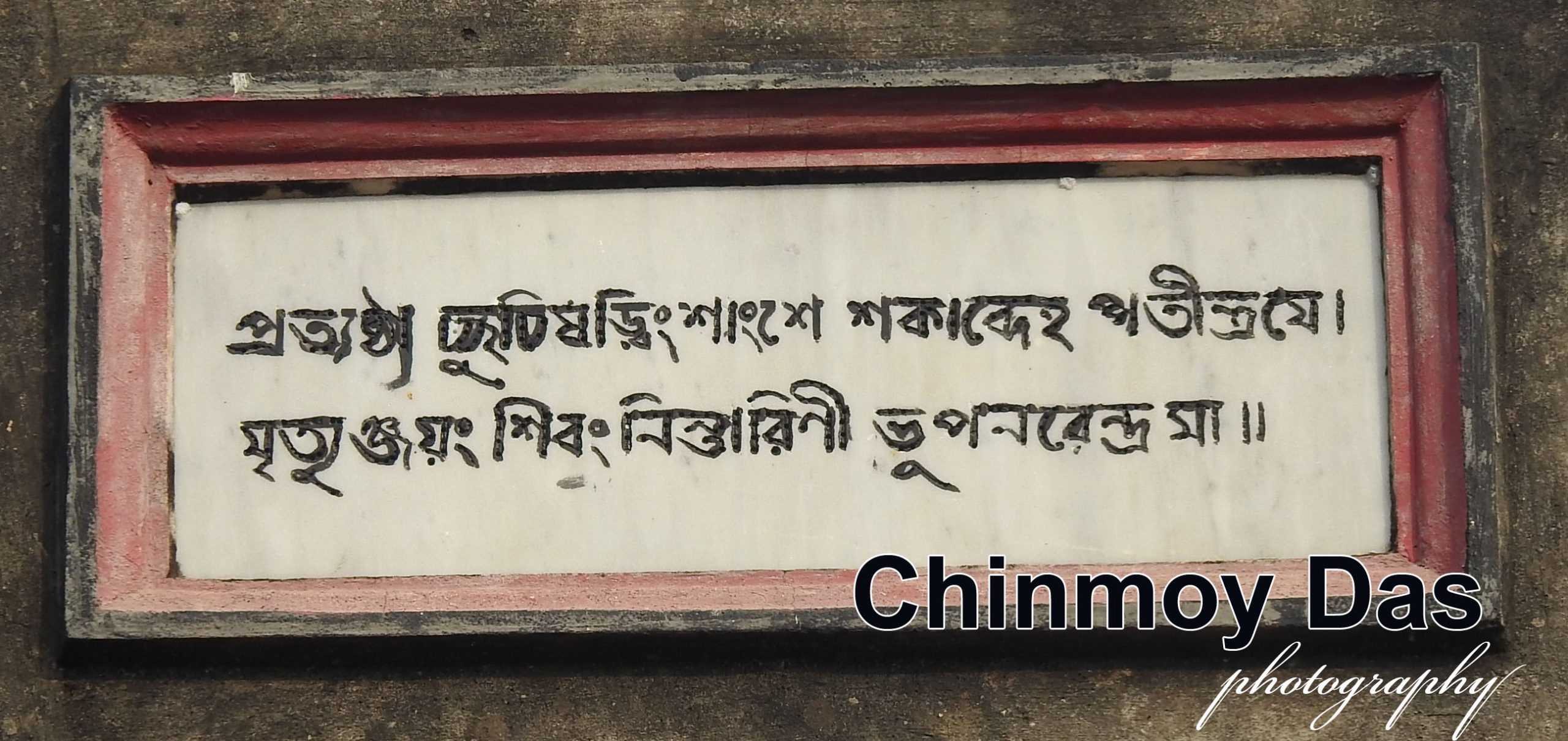
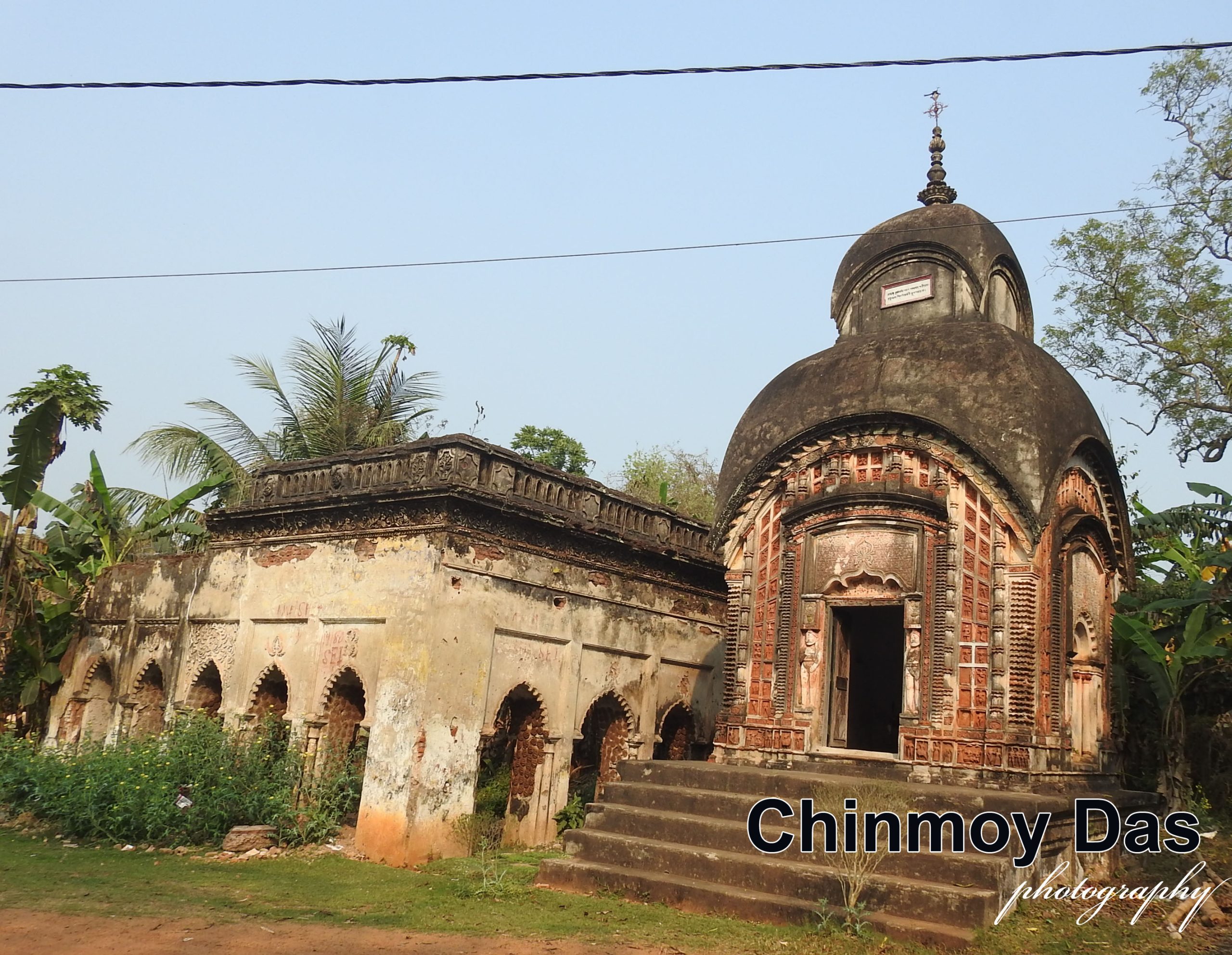
ঠাকুরবাড়ির ঠিক বাইরে, পশ্চিমমুখী একটি শিবমন্দির গড়ে তোলা হয়। রাজা মহেন্দ্রলালের পত্নী, এবং রাজা নরেন্দ্রলালের মাতা রানি নিস্তারিনী দেবী এটির প্রতিষ্ঠা করেছিলেন। মন্দিরের দ্বিতলের দেওয়ালে একটি প্রতিষ্ঠালিপি দেখা যায়।
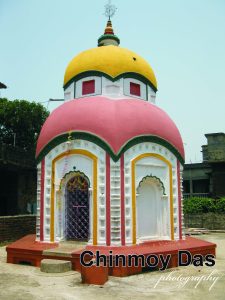
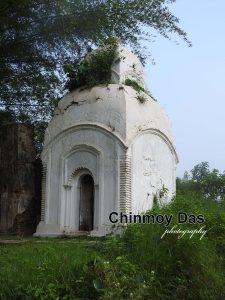
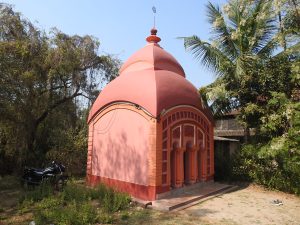
উঁচু পাদপীঠ আর প্রশস্ত প্রদক্ষিণ-পথ সহ ইটের তৈরী আট-চালা শৈলীর মন্দির। অলিন্দ নাই, সরাসরি গর্ভগৃহে প্রবেশ। দ্বারপথটি খিলান-রীতির। তবে, বাকি তিন দিকেও, তিনটি 'চাপা-জগমোহন' এবং 'প্রতিকৃতি দ্বারপথ' রচিত আছে।
মন্দিরের কার্নিশগুলির বঙ্কিম ভাবটি বেশ নয়ন মনোহর। সুন্দরী রমণীর আয়ত আঁখিপল্লবের কথা মনে করিয়ে দেয়।
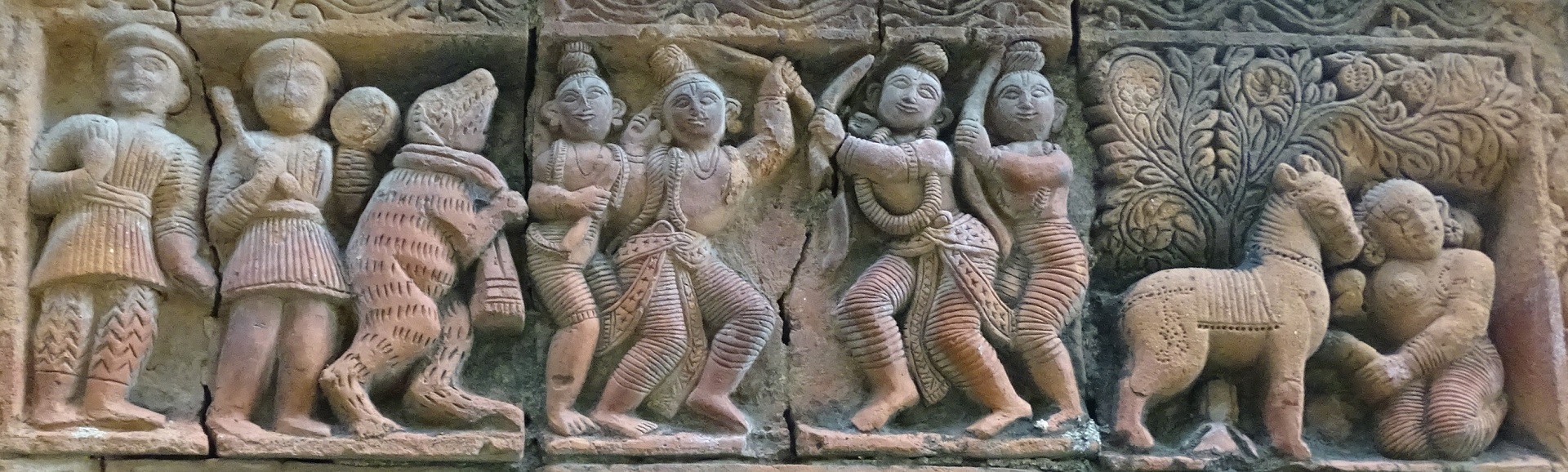
বহু টেরাকোটা ফলকে অলংকৃত করা হয়েছিল মন্দিরটিকে। কার্নিশগুলির নীচ বরাবর এবং কোনাচগুলির গায়ে খাড়া সারিতে ফলকগুলি লাগানো। মোটিফ হিসাবে দেখা যায়-- সীতা সহ রামের রাজ্যাভিষেক, রাধাকৃষ্ণ, হস্তিবাহন বিশ্বকর্মা, গরুড়বাহন বিষ্ণু, ষড়ভূজ গৌরাঙ্গ, বকাসুর বধ, হলধর বলরাম, দশাবতার ইত্যাদি।
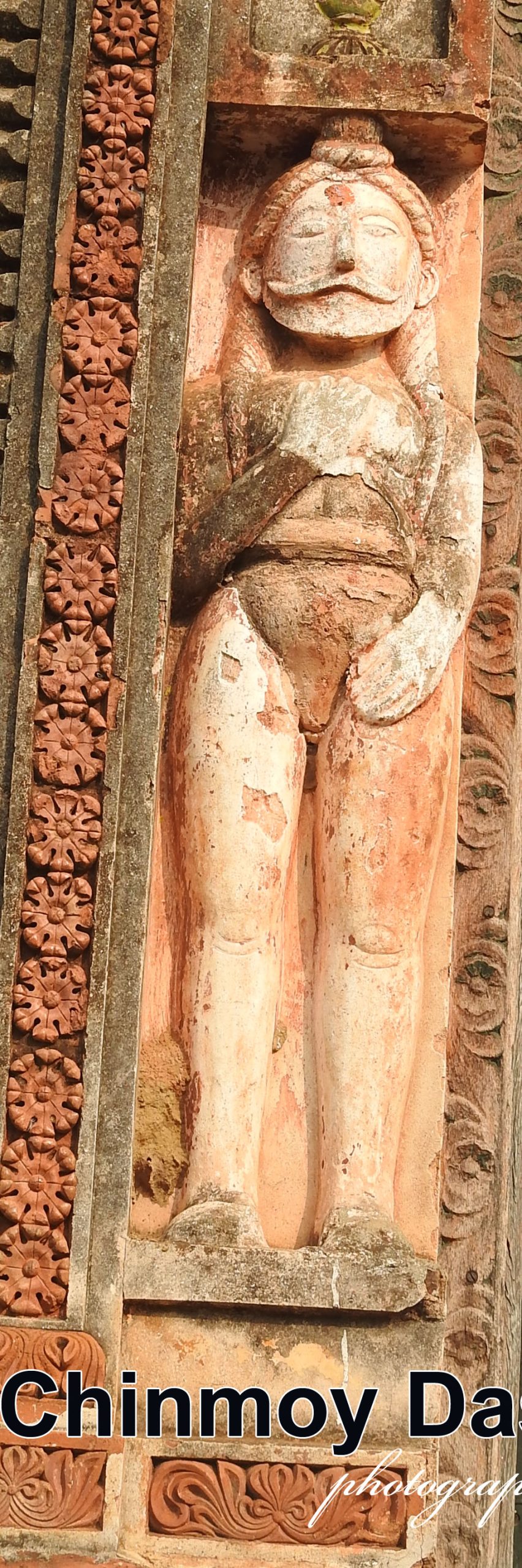
এগুলি পৌরাণিক বিষয় নির্ভর। সামাজিক বিষয় হিসাবে আছে-- ইউরোপীয় পোশাকে সৈনিকপুরুষ, রাখাল বালক, সন্ন্যাসীমূর্তি, অনেকগুলি নর্তকী মূর্তি ইত্যাদি। সন্ন্যাসীবেশে দ্বারপালক মূর্তিও আছে মন্দিরে। দ্বারপথের মাথার প্রস্থটিতে পঙ্খের কারুকাজ করা।
তবে, আশঙ্কার কথা, জীর্ণতা গ্রাস করতে শুরু করেছে মন্দির এবং ফলকগুলিকে। মন্দিরে দেবতার সেবাপূজা প্রচলিত থাকলেও, মন্দিরের উত্তরের নাটমন্দিরটি পরিত্যক্ত। প্রতিবেশীদের অত্যাচার শুরু হয়েছে সেই অংশটিতে।
Mrityunjay Shiva Temple, Narajole (Daspur-I)
Chinmoy Das
The story begins more than six hundred years ago. In 820 Bengali Era (1413 CE), a man named Uday Narayan Ghosh established a zamindari in the Narajole Pargana of Medinipur. It was a turning point in Bengal's history—the decline of Ghiyasuddin Azam Shah of the Ilyas Shahi dynasty and the rise of Raja Ganesha.
Uday Narayan established his capital at Narajole, about twelve krosh (approximately 40 km) from Medinipur town, in the fertile basin formed by the Shilabati and Kangsabati rivers.
After Uday Narayan, thirteen successive zamindars ruled the estate until the final phase of the Nawabi period: Pratap Narayan, Jogendra Narayan, Bharat Narayan, Kartikram, Jaymani, Shyamsingha, Balbanta, Gunabanta, Mahesh Chandra, Abhiram, Jadudas, and Matiram.
A few noteworthy facts may be mentioned here:
-
The fifth zamindar, Kartikram, received the title "Ray" from the Nawab's court.
-
Later, the eighth zamindar, Balbanta, was awarded the title "Khan." Since then, the family has used the surname Khan.
-
In 1752, Matiram Khan died without an heir. Departing from the family's traditional rule of primogeniture, his cousin Sitaram Khan (son of Sabharam) became the zamindar.
Sitaram was the last zamindar of the Nawabi era. All subsequent members of the family held the estate under British rule. His tenure lasted thirty-two years, from 1752 to 1784. During the fifth year of his rule occurred the Battle of Plassey, marking the beginning of foreign domination in Bengal.
Sitaram's son Anandalal inherited the estate but died childless. He was succeeded by his nephew Ayodhyaram, who was followed by his son Mahendralal, and later by Mahendralal's son Narendralal.
Before turning to the temple itself, it is worth noting a few facts about the last two zamindars.
Raja Mahendralal Khan was among the most distinguished members of the family. A scholar proficient in Bengali, Sanskrit, English, and Persian, he was also a lover of music and literature. In his later years he authored several literary and musical works, including Sangeet-Lahari, Manmilan, Gobinda Gitika, Mathura Milan, and Sharadotsav. In 1887, the British Government conferred upon him the title of "Raja."
His greatest achievement was the authorship of a history of the Narajole royal family in English. Three years before his death, in 1889, he published History of the Midnapore Raj. The book was published by Thacker, Spink & Co., and its title page described him as:
"Composed by Rajah Mohendro Lall Khan, Zemindar of Midnapore and Narajole, &c."
Mahendralal's wife was Rani Nistarini Devi, and their only son was Raja Narendralal Khan. Skilled in Bengali, Sanskrit, and English, Narendralal was also a patron of music. He spent considerable resources on education and public welfare. Among his notable achievements were the construction of the Narajole Palace and a magnificent palace at Gopgarh near Medinipur, which later became a women's college. In 1895, the British Government granted him the title of "Raja."
Narendralal's most remarkable contribution, however, was the construction of a public water reservoir in Medinipur town. The arch-building techniques introduced to Bengal through Islamic architecture had long been used in temples, mosques, and churches. Narendralal applied this engineering tradition in an innovative way by constructing a waterworks system for supplying drinking water to the public. Known as "Raja Narendra Lall Khan Water Works," the structure still stands and functions today.
Let us now turn from the history of the rulers to the temple itself.
The capital of Narajole was divided into two sections: Bhitargarh (Inner Fort) and Bahirgarh (Outer Fort). The royal palace and temple complex were situated within Bhitargarh. The family's founder, Uday Narayan, established the Jayadurga Temple here. The famous Navaratna Temple of Gobindajiu, located within the inner palace complex and known as the Thakurbari, is another important shrine. There is also a sandstone temple dedicated to Sitaram Jiu, whose image was brought from Ayodhya.
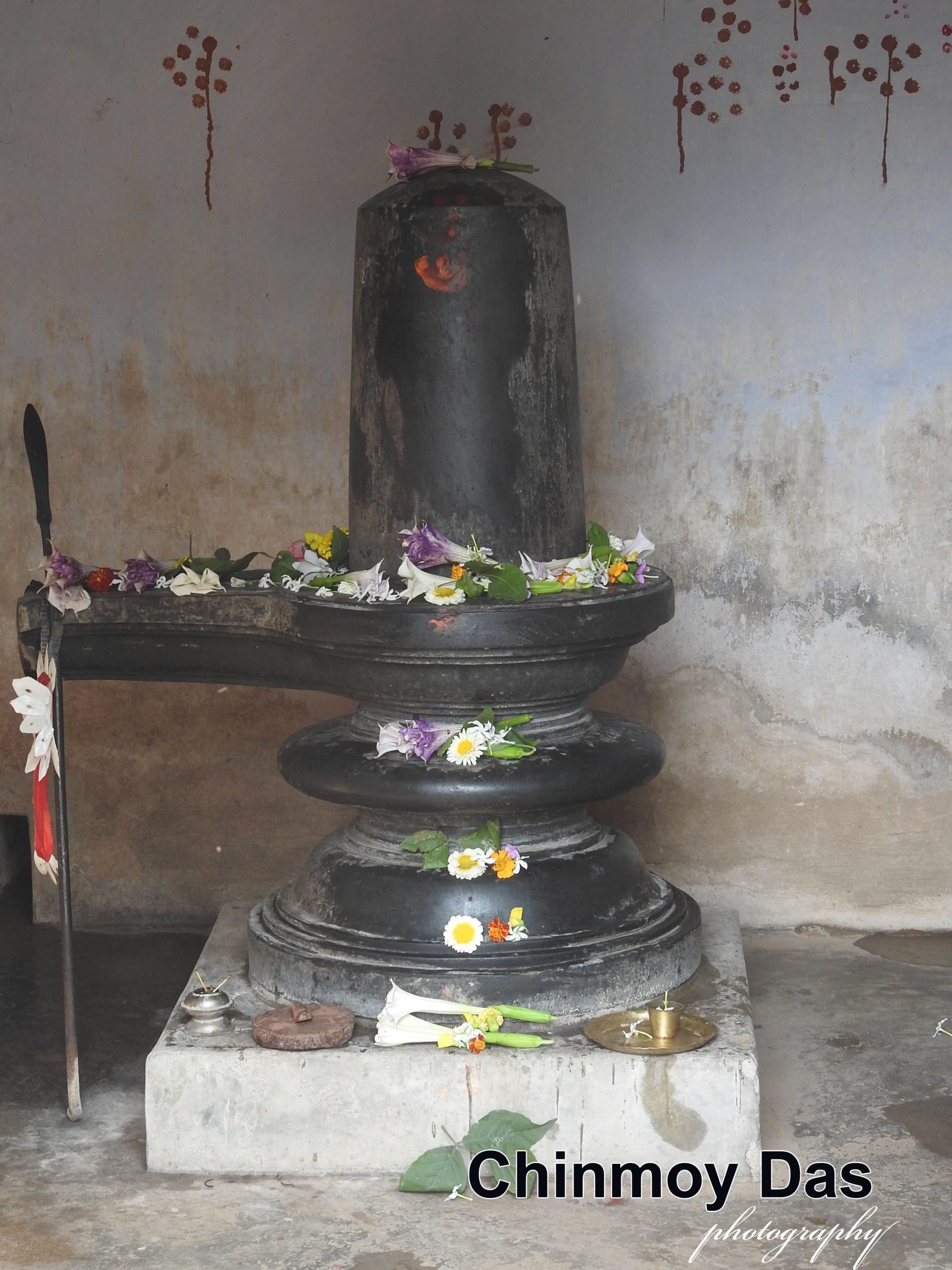
Just outside the Thakurbari, a west-facing Shiva temple was constructed. It was founded by Rani Nistarini Devi, the wife of Raja Mahendralal and mother of Raja Narendralal. An inscription commemorating its foundation can still be seen on the wall of the upper storey.
The temple is a brick-built Atchala structure, standing on a high plinth and surrounded by a spacious circumambulatory path. There is no verandah; entry is directly into the sanctum through an arched doorway. On the remaining three sides are three chapa-jagamohana projections along with blind (imitation) doorways.
The graceful curvature of the cornices is particularly attractive, evoking the image of the elongated eyelids of a beautiful woman.
The temple was richly decorated with numerous terracotta falak (plaques). These falak are arranged beneath the cornices and in vertical rows along the corner projections. Their motifs include:
Rama's coronation with Sita, Radha-Krishna, Vishvakarma riding an elephant, Vishnu mounted on Garuda, Shadbhuja Gauranga (the six-armed form of Chaitanya), the slaying of Bakasura, Haladhara Balarama, and the Dashavatara (Ten Incarnations of Vishnu).
These subjects are primarily drawn from mythology. Secular themes are also represented, including soldiers dressed in European attire, cowherd boys, ascetic figures, and numerous dancing female figures. The temple additionally features guardian figures depicted as ascetics. The broad space above the entrance doorway is embellished with elegant Ponkho ornamental carvings.
Unfortunately, the temple and its terracotta falak have begun to suffer from deterioration. Although daily worship of the deity continues, the Natmandir to the north of the temple has been abandoned. Encroachments and disturbances from neighbouring properties have begun to affect that part of the complex.