শিব ও শীতলা মন্দির, পাথরা (সদর কোতোয়ালি, মেদিনীপুর)
চিন্ময় দাশ
কোনও প্রতিষ্ঠা-ফলক নাই মন্দিরে। সেবাইতবংশ থেকে জানা যায়, পাথরার জমিদার জনৈক শীতল নারায়ণ বন্দ্যোপাধ্যায় শিব এবং শীতলার দুটি মন্দির গড়েছিলেন। অষ্টাদশ শতকের কোনও এক সময়ে। শীতলার মন্দিরটি সম্পূর্ণ বিলুপ্ত হয়ে গিয়েছে। শিবের মন্দিরটি টিকে আছে কোনও রকমে।
বন্দ্যোপাধ্যায় বংশ পাথরার আদি জমিদার নন। দৌহিত্রসূত্রে জমিদারির অংশ পেয়ে এখানে এসে বসতি করেছিলেন তাঁরা। পাথরার জমিদারি আর বন্দ্যোপাধ্যায় বংশ বিষয়ে জানতে গেলে, মেদিনীপুর জেলার ইতিহাসের অনেকগুলি পাতা উল্টে দেখতে হবে আমাদের।
আজকের কলকাতার এড়িয়াদহের বাসিন্দা, নবাব আলীবর্দী খাঁ-র দেওয়ান, জনৈক বিদ্যানন্দ ঘোষাল পাথরা গ্রামে এসে জমিদারী প্রতিষ্ঠা করে বসবাস করতেন। বিদ্যানন্দের কনিষ্ঠ পৌত্র কৃষ্ণদেব ছিলেন অপুত্রক। তাঁর একমাত্র কন্যার বিবাহ হয় হাওড়া জেলায় বালির চট্টোপাধ্যায় বংশের জনৈক রামচরণ-এর সাথে। রামচরণের কনিষ্ঠ পুত্র সীতারামের কন্যা সাইমণির বিবাহ হয়েছিল জনৈক রামসুন্দর বন্দ্যোপাধ্যায়-এর সাথে। এই রামসুন্দর এবং সাইমণির ৪ পুত্র, দৌহিত্র হিসাবে, পাথরার জমিদারির অংশ পেয়েছিলেন।
রামসুন্দরের এক পৌত্র করালী চরণ। তাঁর কনিষ্ঠ পৌত্র ছিলেন শীতল নারায়ণ। পিতার মৃত্যুর পর, তিনি যখন সম্পত্তির অংশ পেলেন, সেটি নামেই জমিদারি। আসলে একটুখানি খন্ড অংশ মাত্র। পাথরা লাগোয়া ছোট্ট একটি মৌজা বিন্দা পাথরা। সেটিই জুটেছিল তাঁর ভাগে।
বিদ্যানন্দ ঘোষাল বা মজুমদার থেকে শুরু করে, চট্টোপাধ্যায় এবং বন্দ্যোপাধ্যায় বংশের অনেক জমিদারই ততদিনে অনেকগুলি মন্দির প্রতিষ্ঠা করে ফেলেছেন পাথরা এবং লাগোয়া গ্রামগুলিতে। সামান্য সম্পত্তি পেলেও, দেবালয় প্রতিষ্ঠার ধারা থেকে দূরে থাকেননি শীতল নারায়ণ। বিখ্যাত কলাইচন্ডী খাল যেখানে কাঁসাই নদীর সাথে মিলিত হয়েছে, সেই মোহনা ছুঁয়ে বিন্দা পাথরা মৌজা। সেখানেই শিব এবং শীতলা-- দুই দেব-দেবীর দুটি মন্দির গড়েছিলেন তিনি। মন্দিরময় গ্রাম পাথরায় প্রবেশের মুখে, প্রথম দেবস্থান এইটি।
বিন্দা পাথরা গ্রামেরই ভট্টাচার্য্য পদবীর একটি ব্রাহ্মণবংশ এখানে পৌরহিত্য করে চলেছেন। এই বংশের আদি কথাটি বিশদে বলা আবশ্যক।
মেদিনীপুর জেলায় দুই পন্ডিত খ্যাতিমান, যাঁরা " বিদ্যালঙ্কার " উপাধিতে ভূষিত ছিলেন। প্রথম জন মৃত্যুঞ্জয় বিদ্যালঙ্কার। বিদ্যাসাগর মশাইর পূর্বে তিনি জন্মেছিলেন। ওডিশা রাজ্যের গা-লাগোয়া ভেটিয়া (দাঁতন থানা) গ্রামে। তবে তাঁর ভাষা চর্চা মহানগর কোলকাতাতে।
অন্যজন হলেন জনৈক রাধাশ্যাম বিদ্যালঙ্কার। আদি নিবাস হুগলি জেলায় খানাকুল এলাকার কৃষ্ণনগর গ্রামে। পরিবারের আদি পদবী ছিল 'মুখোপাধ্যায়'। সংস্কৃত ভাষায় বিশেষ পান্ডিত্যের জন্য, " ভট্টাচার্য্য " উপাধি পেয়েছিল পরিবারটি। তখন থেকে এই বংশ "ভট্টাচার্য্য" পদবীতে পরিচিত হয়ে আছেন। সংস্কৃতবেত্তা হিসাবে, রাধাশ্যাম-এর বংশে আরও যাঁরা উপাধি পেয়েছিলেন-- ছোট্ট একটি তালিকা দিলে, এই বংশের পান্ডিত্বের ছবিটি অনুধাবনে সুবিধা হবে।
রাধাশ্যাম-এর ১. প্রপিতামহ ছিলেন-- নিধিরাম 'তর্কালঙ্কার'। ২. পিতামহ-- কার্তিকরাম 'তর্কবিশারদ'। ৩. পিতা-- রাজারাম 'ন্যায়ভূষণ'। ৪. কার্তিকরাম-এর সহোদর ভাই-- কাশীরাম 'বিদ্যাবাগীশ'। রাধাশ্যাম-এর দুই সহোদর ভাই-- ৫. রমানাথ 'তর্কপঞ্চাশ', এবং ৬. ত্রৈলোক্য 'বিদ্যানিধি'।
এই তিন সহোদর ভাইয়ের পুত্রগণও কৃতবিদ্য ছিলেন। রাধাশ্যাম-এ জ্যেষ্ঠ পুত্র ছিলেন-- ৭. শৈলজা চরণ 'ন্যায়ভূষণ'। কনিষ্ঠ পুত্র-- ৮. শরৎচন্দ্র 'ব্যাকরণতীর্থ'। ৮. রমানাথ-এর পুত্র-- উপেন্দ্র 'কাব্যপুরাণ পঞ্চতীর্থ'। ত্রৈলোক্য-এর পুত্র-- ৯. মহেন্দ্র 'বিদ্যাভূষণ' এবং পৌত্র-- ১০. সুবোধ 'বিদ্যারত্ন'। এমনই রত্নগর্ভা ছিল রাধাশ্যাম-এর বংশ। সংস্কৃত চর্চায় উজ্বল জ্যোতিষ্কমন্ডলীর উদয় হয়েছিল এই বংশে।
পৌনে দু'শ বছর আগের কথা। ইংরেজ শাসনের সুবাদে, মেদিনীপুর নগরী তখন শিক্ষা-সংস্কৃতির চর্চায়, ব্যবসা-বাণিজ্যে দ্রুত বিকশিত হয়ে উঠছে। উন্নতি ঘটছে যাতায়াত ব্যবস্থারও। পূর্বকাল থেকে কয়েকজন জমিদারের বাস ছিল এই নগরীতে। গ্রাম এলাকার জমিদাররাও এখানে এসে বসতি গড়ে তুলছেন তখন। এই পটভূমিকায়, রাধাশ্যাম তর্কালঙ্কার নিজের ভদ্রাসন ছেড়ে, হুগলি থেকে মেদিনীপুর চলে আসেন।
যতদূর জানা যায়, বড় পরিসরে সংস্কৃত চর্চার বাসনা নিয়ে মেদিনীপুর এসেছিলেন রাধাশ্যাম। কিন্তু শহরে তখন ছোট-বড় বেশ কয়েকটি টোল প্রতিষ্ঠিত ছিল। কয়েকজন রাজা-জমিদারের পৃষ্ঠপোষকতায় চলত টোলগুলি। বিখ্যাত একটি টোল ছিল ' মাণিক্যরাম চতুস্পাঠী'। নাড়াজোল রাজার দেওয়া সম্পত্তিতে গড়ে উঠেছিল এই শিক্ষাকেন্দ্রটি।
পাথরার জমিদারদের খ্যাতি আর গৌরব তখন মধ্যগগণে। শহরের মায়া ত্যাগ করে, পাথরা চলে আসেন রাধাশ্যাম। বিন্দা পাথরা গ্রামে বসবাস শুরু করেন। জানা যায়, একটি টোল প্রতিষ্ঠা করেছিলেন তিনি। রাধাশ্যামের পান্ডিত্যের কথা জেনে, জেলার কয়েকজন জমিদার অর্থ এবং সম্পত্তি দান করেছিলেন। তার ফলে, ৪০০ থেকে ৫০০ ছাত্র নিয়ে, বিশাল আকারের একটি আবাসিক সংস্কৃত শিক্ষা কেন্দ্র গড়ে উঠেছিল। সুদূর দাক্ষিণাত্য থেকেও ছাত্ররা আসত এই প্রতিষ্ঠানে।
এহেন রাধাশ্যামের কনিষ্ঠ পুত্র শরৎচন্দ্র কিছুকাল কাশীধামে অবস্থান করতেন। কাশী থেকে ফিরে এলে, শরৎচন্দ্রের হাতে জমিদাররা শিব এবং শীতলার পূজার দায়ভার তুলে দিয়েছিলেন। তখন থেকে আজও, ভট্টাচায্যরাই মন্দিরে এই দুই দেবতার পূজার ভার বহন করে চলেছেন।
শিব এবং শীতলা-- দুই দেব দেবীর জন্য নির্মিত হয়েছিল দুটি পৃথক মন্দির। পূর্বে শিব, পশ্চিমে শীতলা। শীতলার মন্দিরটি নষ্ট হয়ে গিয়েছে। দেবীর বিগ্রহ শিবের মন্দিরে থেকে পূজিত হচ্ছেন।
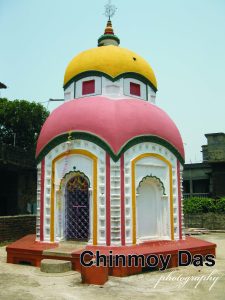
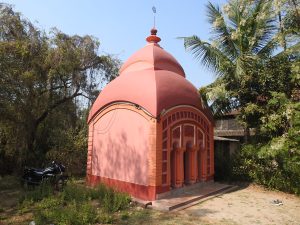
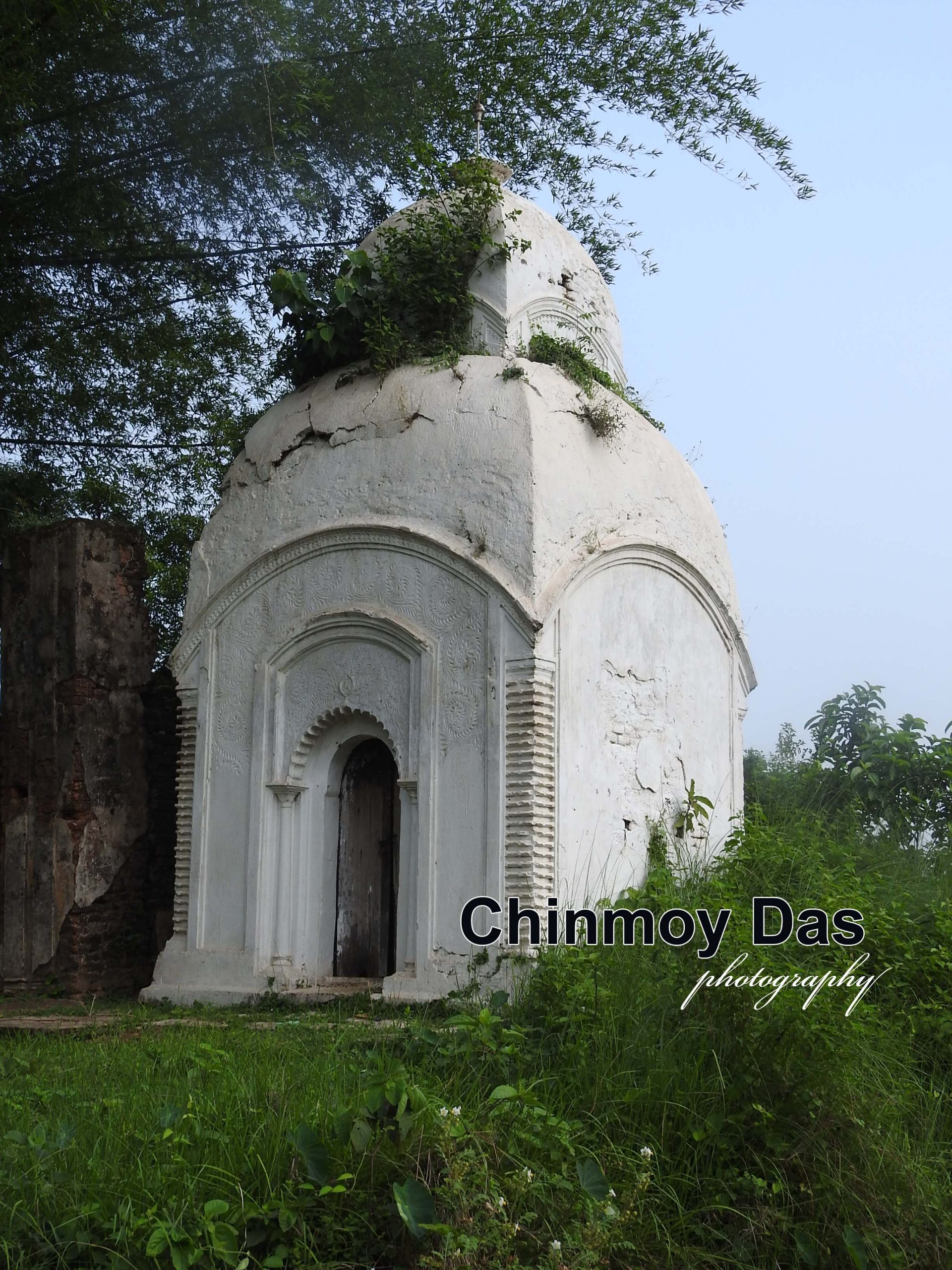
দুটি মন্দিরই ইটের তৈরী, আট-চালা রীতির। নির্মিত হয়েছিল দক্ষিণমুখী করে। নদীতীরবর্তী পলিমাটি সমৃদ্ধ হওয়ার কারণে, মন্দিরের ভিত্তিবেদীর প্রায় সম্পূর্ণ অংশই ইতিমধ্যে ভূমিগত হয়ে গিয়েছে। কেবল পাদপীঠ অংশটি টিকে আছে। তবে বর্তমানে ভারী জীর্ণ দশা তার।
কোন অলিন্দ নাই মন্দিরে। সরাসরি গর্ভগৃহে প্রবেশ। দ্বারপথটি খিলান-রীতির। তবে, একটু বৈশিষ্ট দেখা যায়-- মন্দিরের সামনের দেওয়ালের উপর একটি 'প্রতিকৃতি জগমোহন' গড়ে, তার উপরেই দ্বারপথটি রচিত হয়েছে। গর্ভগৃহের সিলিং হয়েছে চার দেওয়ালে চারটি পাশ-খিলান নির্মাণ করে, মাথায় গম্বুজ স্থাপন করে।
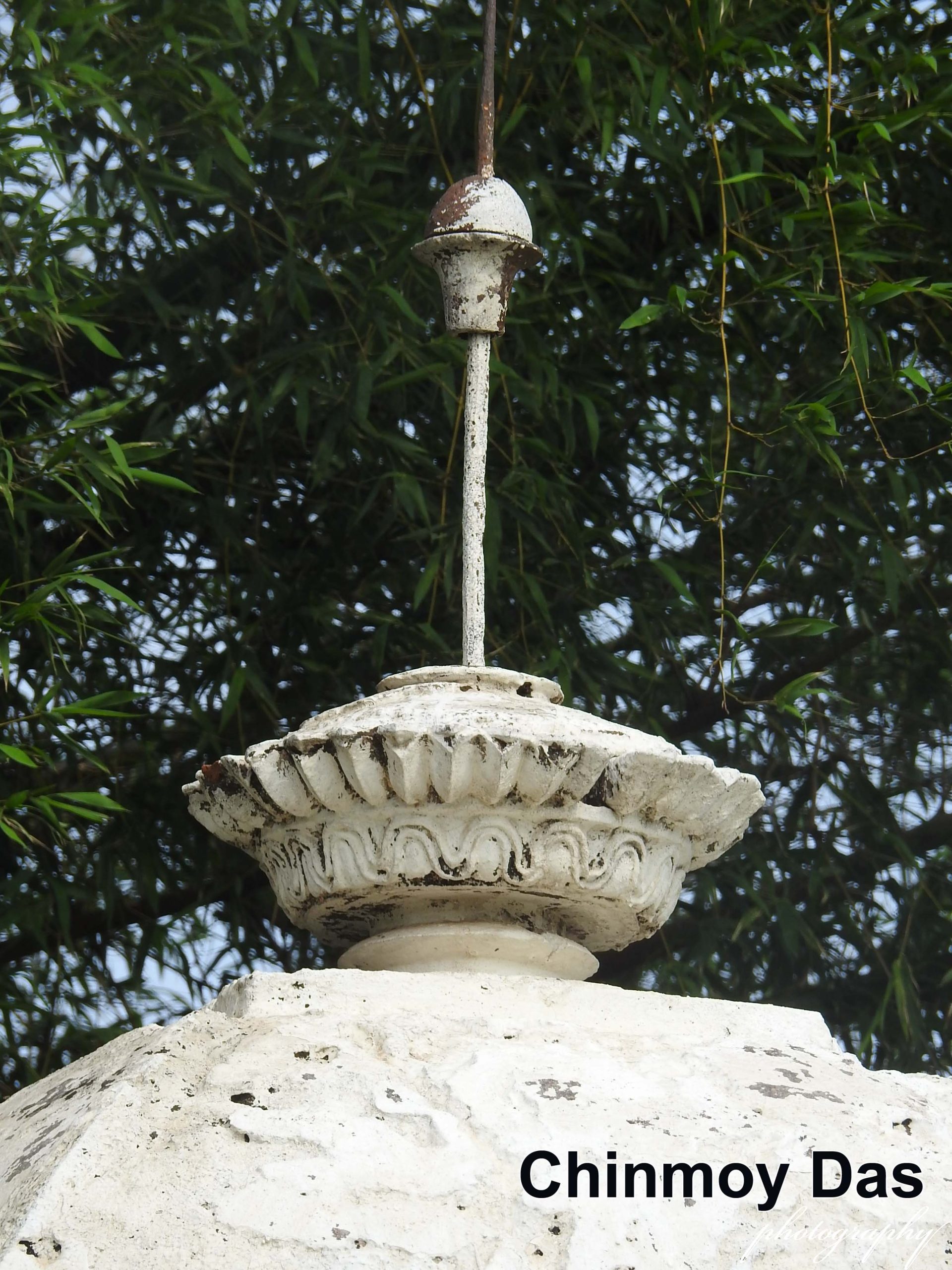
মন্দিরের বাইরের গড়ন বা ছাউনি উত্তল আকারের। হস্তীপৃষ্ঠের মত উঁচু। তবে, ছাউনির নিচের প্রান্ত বা কার্নিশ অংশের বঙ্কিমভাবটি বেশ মনোরম। সুন্দরী রমণীর আয়ত আঁখিপল্লব যেন। একেবারে উপরে, শীর্ষক অংশে, ক্রমান্বয়ে বেঁকি, আমলক, কলস এবং ত্রিশূল-দণ্ড স্থাপিত।
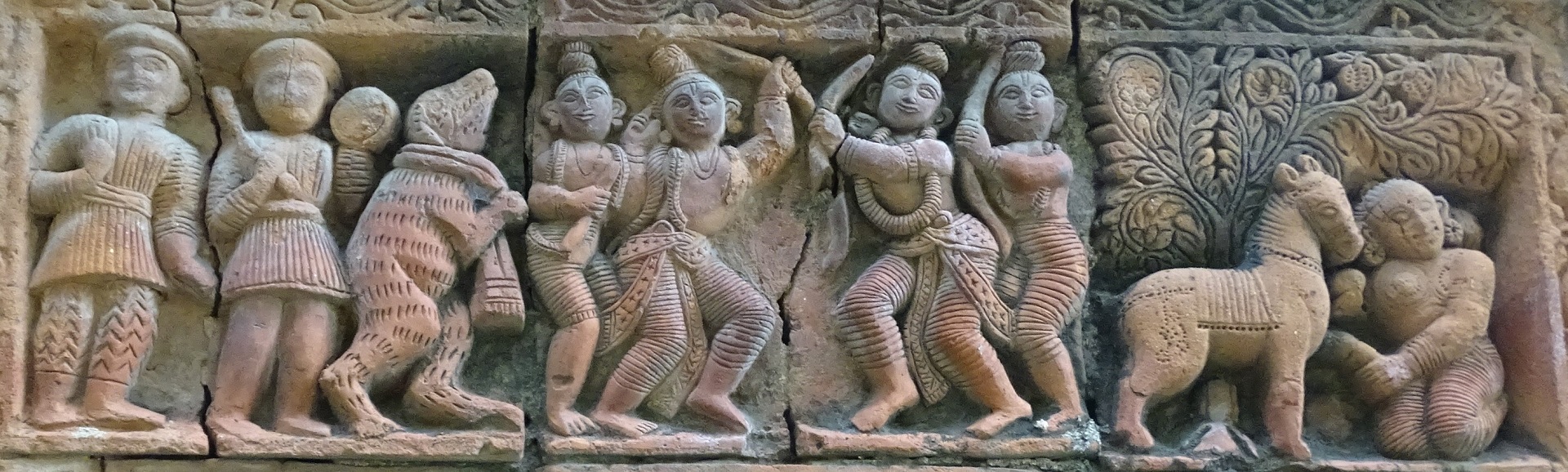
কোনও অলংকরণ নাই। তবে, সামনের দেওয়ালে চুন-বালির স্ট্যাকোর কিছু কাজ ছিল, কয়েক বার সংস্কারের পরেও, কেবল তার কিছু চিহ্ন আজও অবশিষ্ট আছে।
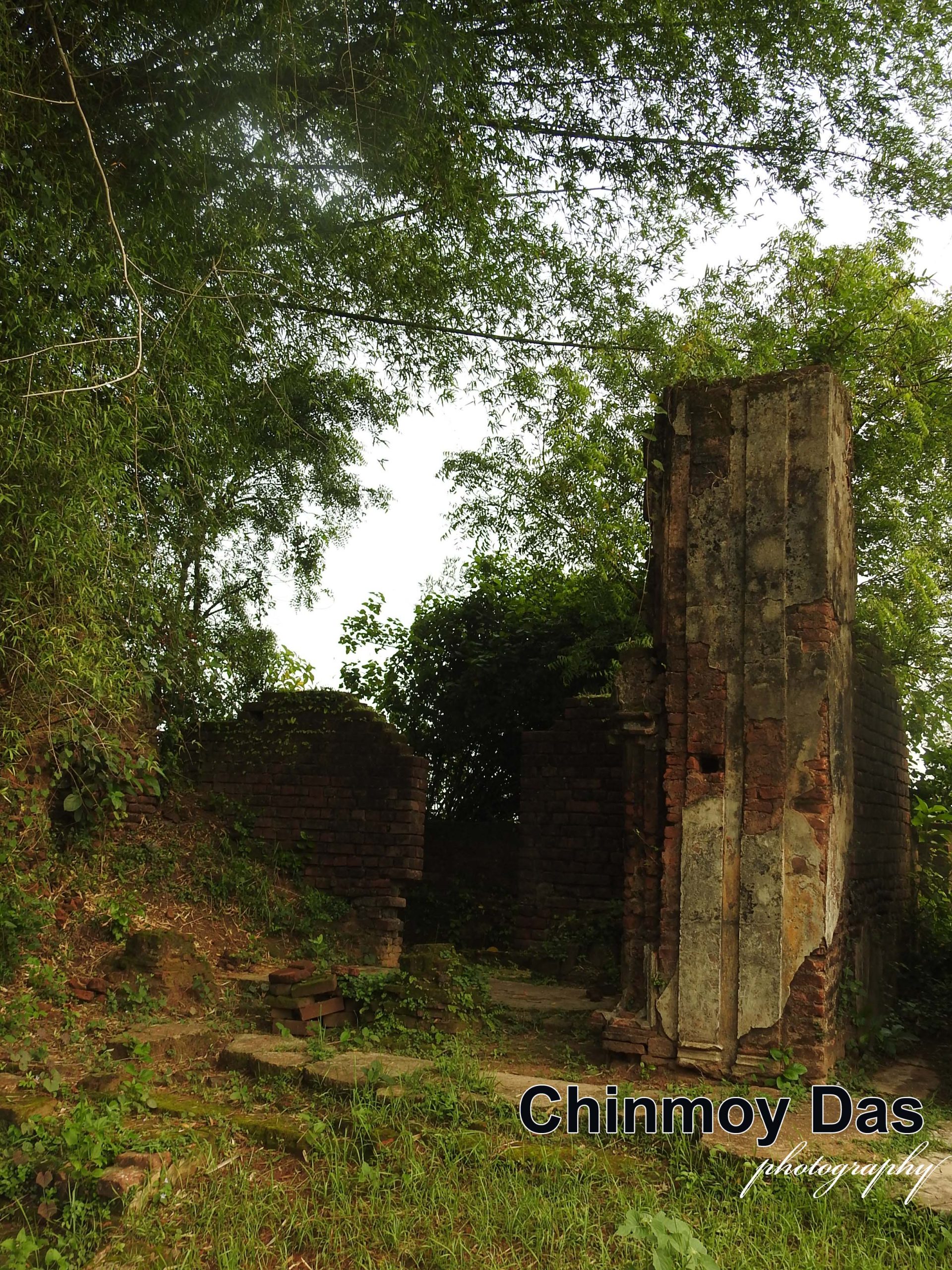
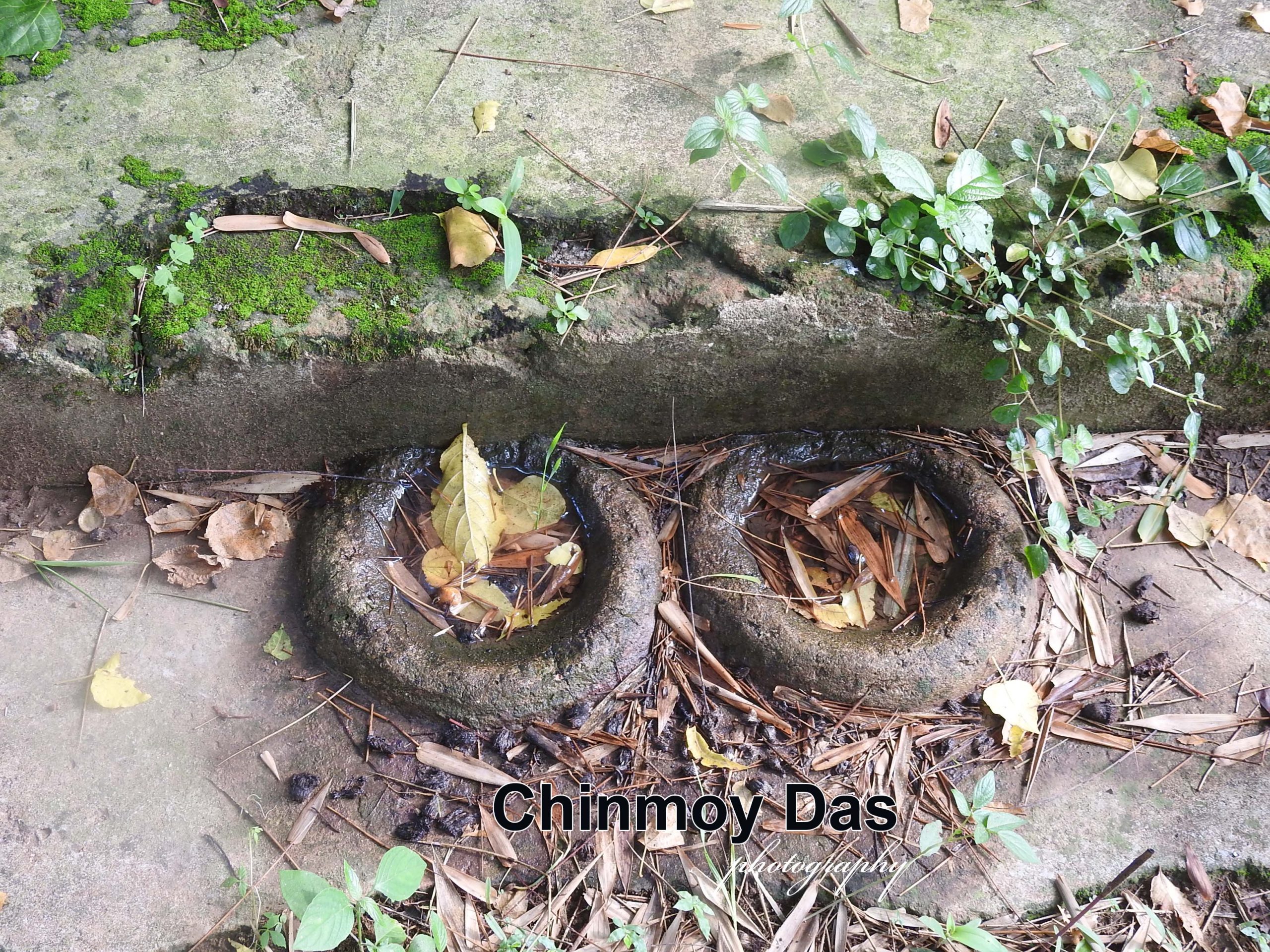
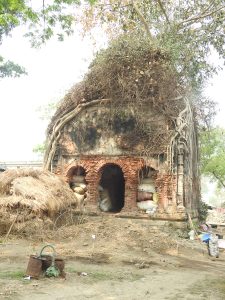
পূর্বেই বলেছি, শীতলার মন্দিরটির কোনও অস্তিত্ব নাই আর। তবে, সামান্য একটু ভাঙা দেওয়াল, থামের একটু অংশ, বা শীতলা মনসা দুই দেবীর ঘটের বেদীর চিহ্ন ইত্যাদি দেখা যায়।
একটি সংবাদ জানিয়ে, শেষ করি। আমেরিকা প্রবাসী জনৈক সেবাইত শিবের জীর্ণ মন্দিরের সংস্কার এবং শীতলার মন্দিরটি পুনর্নির্মাণের উদ্যোগ নিয়েছেন।
Shiva and Shitala Temples, Pathra (Sadar Kotwali, Medinipur)
Chinmoy Das
There is no foundation inscription on the temple. According to the hereditary custodians (sebaits), a local zamindar of Pathra named Shital Narayan Bandyopadhyay built two temples dedicated to Shiva and Shitala sometime during the eighteenth century. The Shitala temple has completely disappeared, while the Shiva temple survives in a dilapidated condition.
The Bandyopadhyay family were not the original zamindars of Pathra. They settled here after acquiring a share of the estate through maternal inheritance. To understand the Pathra zamindari and the Bandyopadhyay family, one must turn several pages of Medinipur's history.
A certain Vidyananda Ghoshal, a resident of present-day Ariadaha in Kolkata and a dewan of Nawab Alivardi Khan, came to Pathra and established a zamindari there. Vidyananda's youngest grandson, Krishnadev, had no sons. His only daughter was married to Ramcharan of the Chattopadhyay family of Bali in Howrah district. Ramcharan's youngest son, Sitaram, had a daughter named Saimani, who married Ramsundar Bandyopadhyay. As maternal grandsons of the estate-holding family, the four sons of Ramsundar and Saimani inherited portions of the Pathra zamindari.
One of Ramsundar's grandsons was Karali Charan, whose youngest grandson was Shital Narayan. When he inherited his share after his father's death, the zamindari existed more in name than in reality. His portion consisted only of a small tract of land—the tiny mouza of Binda Pathra, adjacent to Pathra.
By then, many members of the Ghoshal (Majumdar), Chattopadhyay, and Bandyopadhyay families had already established numerous temples in Pathra and neighboring villages. Though his inheritance was modest, Shital Narayan did not depart from this tradition. At the confluence where the famous Kalaichandi Khal meets the Kangsabati (Kasai) River, lies Binda Pathra. There he built two temples dedicated to Shiva and Shitala. Situated at the entrance to temple-filled Pathra village, this shrine complex is the first sacred site one encounters.
A Brahmin family of the Bhattacharya surname from Binda Pathra has long served as the priests of these temples. The history of this family deserves detailed mention.
Medinipur district produced two renowned scholars who were honored with the title "Vidyalankar." The first was Mrityunjay Vidyalankar, born before Ishwar Chandra Vidyasagar in Bhetia village (under Dantan police station), near the Odisha border, though he pursued his literary activities in Kolkata.
The second was Radhashyam Vidyalankar, whose ancestral home was in Krishnanagar village of the Khanakul area in Hooghly district. The family's original surname was Mukhopadhyay. Owing to their profound scholarship in Sanskrit, they received the title "Bhattacharya," which subsequently became their family surname.
To appreciate the scholarly stature of this lineage, it is worth noting some of the distinguished titles held by its members:
-
Great-grandfather: Nidhiram Tarkalankar
-
Grandfather: Kartikram Tarkavisharad
-
Father: Rajaram Nyayabhushan
-
Kartikram's brother: Kashiram Vidyabagish
-
Radhashyam's brother: Ramanath Tarkapanchanan
-
Another brother: Trailokya Vidyanidhi
The next generation was equally accomplished:
-
Radhashyam's eldest son: Shailaja Charan Nyayabhushan
-
Younger son: Sharatchandra Byakaranatirtha
-
Ramanath's son: Upendra Kavyapuran Panchatirtha
-
Trailokya's son: Mahendra Vidyabhushan
-
Trailokya's grandson: Subodh Vidyaratna
Such was the illustrious scholarly heritage of Radhashyam's family. A brilliant constellation of Sanskrit scholars emerged from this lineage.
About one hundred and seventy-five years ago, under British rule, Medinipur town was rapidly developing as a center of education, culture, trade, and commerce. Transportation facilities were also improving. Several zamindars had already established residences in the town, and many rural zamindars were moving there as well. Against this backdrop, Radhashyam Tarkalankar left his ancestral home in Hooghly and settled in Medinipur.
It is believed that Radhashyam came to Medinipur with the ambition of promoting Sanskrit learning on a larger scale. However, the town already possessed several Sanskrit schools (tols), supported by local kings and zamindars. Among the most famous was the Manikyaram Chatuspathi, established on land donated by the Raja of Narajole.
At that time, the fame and prestige of the Pathra zamindars were at their peak. Abandoning the attractions of town life, Radhashyam moved to Pathra and settled in Binda Pathra village. There he established a Sanskrit tol. Upon learning of his scholarship, several zamindars of the district donated money and property. As a result, a large residential Sanskrit educational institution grew around the tol, accommodating between 400 and 500 students. Students even came from distant South India to study there.
Radhashyam's younger son, Sharatchandra, spent some time in Kashi (Varanasi). After his return, the zamindars entrusted him with the responsibility of worshipping Shiva and Shitala. Since then, the Bhattacharya family has continued to serve as priests of these deities.
Separate temples were originally built for Shiva and Shitala. The Shiva temple stood to the east and the Shitala temple to the west. The Shitala temple has been destroyed, and the image of the goddess is now worshipped inside the Shiva temple.
Both temples were built of brick in the at-chala style and faced south. Because the riverside alluvial soil is soft and fertile, most of the plinths have gradually sunk below ground level. Only the pedestal portions remain visible, and these too are now in a severely deteriorated state.
The temple has no porch or vestibule; one enters directly into the sanctum. The entrance is formed by an archway. A distinctive feature is the presence of an ornamental replica jagamohan motif on the front wall, upon which the doorway has been incorporated. The sanctum ceiling was created by constructing four side arches against the walls and placing a dome above them.
The exterior roof is convex and elevated, resembling the back of an elephant. Particularly attractive is the graceful curve of the cornice, which evokes the elongated eyelids of a beautiful woman. At the summit are placed, in succession, a beki (neck element), amalaka, kalasha, and trident finial.
The temple lacks decorative ornamentation. However, the front wall once featured lime-and-sand stucco work. Though repeated repairs have erased most of it, traces still survive.
As mentioned earlier, the Shitala temple no longer exists. Yet a few remnants remain—a fragment of wall, part of a pillar, and traces of the pedestal that once held the ritual pots (ghats) of the goddesses Shitala and Manasa.
Before concluding, one piece of good news may be mentioned. A descendant of the temple's custodian family now living in the United States has undertaken efforts to restore the dilapidated Shiva temple and rebuild the lost Shitala temple.