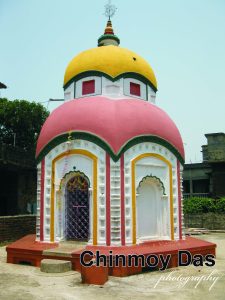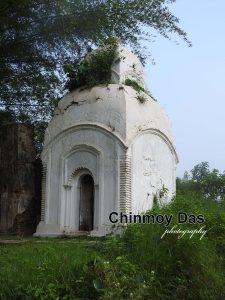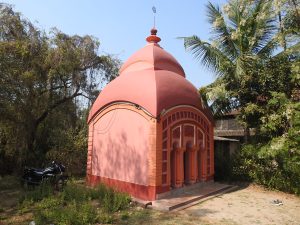

পশ্চিম মেদিনীপুর জেলার খড়গপুর থানার অন্তর্গত মালঞ্চ গ্রামে একটি কালীমন্দির আছে। দক্ষিণ দিকে মুখ করা আটচালা এই মন্দিরটির বিগ্রহ দক্ষিণাকালী। মন্দিরের প্রতিষ্ঠা লিপি থেকে দেখা যায় এটি ১৬৩৪ শকাব্দ অর্থাৎ ১৭১২ খ্রিস্টাব্দে প্রতিষ্ঠিত হয়েছিল। ৺গোবিন্দরাম রায় এবং তার পরিবার এই মন্দিরটি প্রতিষ্ঠা করেন।
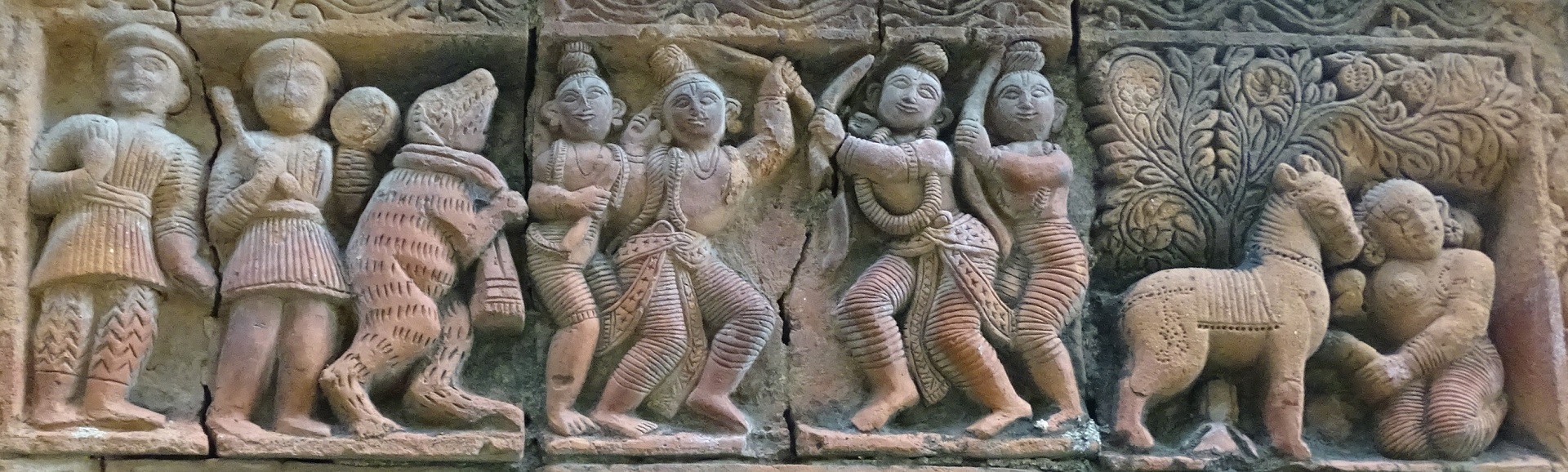
মন্দিরটিতে সংস্কার হয়েছে এবং বেশ কিছু টেরাকোটা মূর্তি এখনো দেখতে পাওয়া যায়। মন্দিরটি তে বেশ কিছু পোড়ামাটির লিপি ছিল কিন্তু অনেকাংশেই তা ভেঙ্গে গেছে।
There is a Kali temple in Malancha village under Kharagpur police station in Paschim Medinipur district. The deity of this temple, which is atachala and faces south, is Dakshinakali. The foundation inscription of the temple shows that it was established in 1634 Shakabda i.e. 1712 AD. Late Govindaram Roy and his family founded this temple.
The temple has been renovated and several terracotta idols are still visible. The temple has several terracotta inscriptions
চিন্ময় দাশ
খড়গপুর-এর পরিচয় তার রেলস্টেশন-এর কারণে। কিন্তু ইন্দা মহল্লার উঁচু দমদমার উপর রেল যখন পাতা হয়েছিল, তারও দেড়শ' আগে খড়্গপুরের মালঞ্চ এলাকায় একটি কালী মন্দির গড়েছিলেন এক জমিদার। খড়গপুরের অদূরে জকপুর গ্রামের এই জমিদারবংশ নবাবের খেতাব পেয়ে, “মহাশয় বংশ “ নামে পরিচিত হয়েছিলেন।
এই বংশের মাধবরাম রায়ের পুত্র ছিলেন জনৈক গোবিন্দরাম রায়। তিনি ধারেন্দা পরগণার কয়েকটি মৌজা কিনে নিজের একটি জমিদারি গড়েছিলেন। গোবিন্দরাম সেসময় জকপুর থেকে খড়গপুরের মালঞ্চ চলে আসেন। তিনিই এখানে কালিমন্দিরটি প্রতিষ্ঠা করেন।
দেবীর কোনও মূর্তি নাই এখানে। পঞ্চমুণ্ডী আসন, তাতে একটি ঘটের উপর মোমের প্রলেপ দেওয়া একটি মুন্ডমূর্তি স্থাপিত।
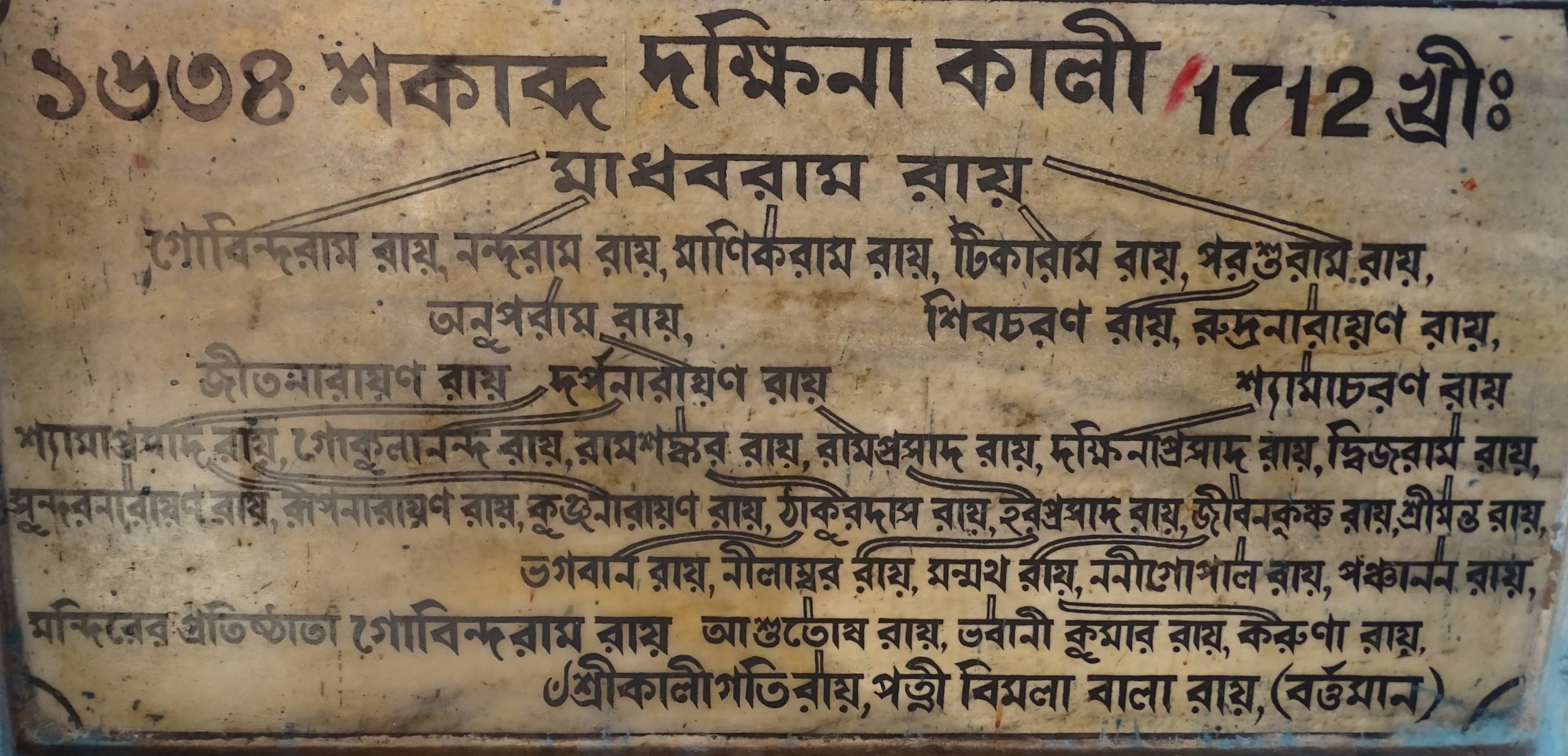
কীর্তিই রাজার পরিচয়। মন্দিরে সেই পরিচয় রেখেছেন গোবিন্দরাম। অনুচ্চ পাদপীঠের উপর আট-চালা রীতির মন্দির। কিন্তু আয়তনে বেশ বড়-- দৈর্ঘ্য ২৫ ফুট, প্রস্থ ২৩ ফুট, মাথার উচ্চতা ৪৭ ফুট। টেরাকোটার সংক্ষিপ্ত একটি প্রতিষ্ঠা-ফলক আছে-- " শুভমস্তু শকাব্দ ১৬৩৪ "। অর্থাৎ ইং ১৭১২ সালে এটি নির্মিত। ৩০০ বছর অতিক্রম করেছে মন্দিরের আয়ু।
ইটের তৈরী দক্ষিণমুখী মন্দিরে প্রথমে একটি অলিন্দ। তাতে খিলান-রীতির তিনটি দ্বারপথ। গর্ভগৃহে দ্বারপথ একটিই। অলিন্দের সিলিং হয়েছে টানা-খিলান করে। গর্ভগৃহে প্রথমে দুদিকে দুটি বড় খিলানের উপর ক্রমান্বয়ে ভল্ট নির্মাণ করে সিলিং নির্মিত হয়েছে।
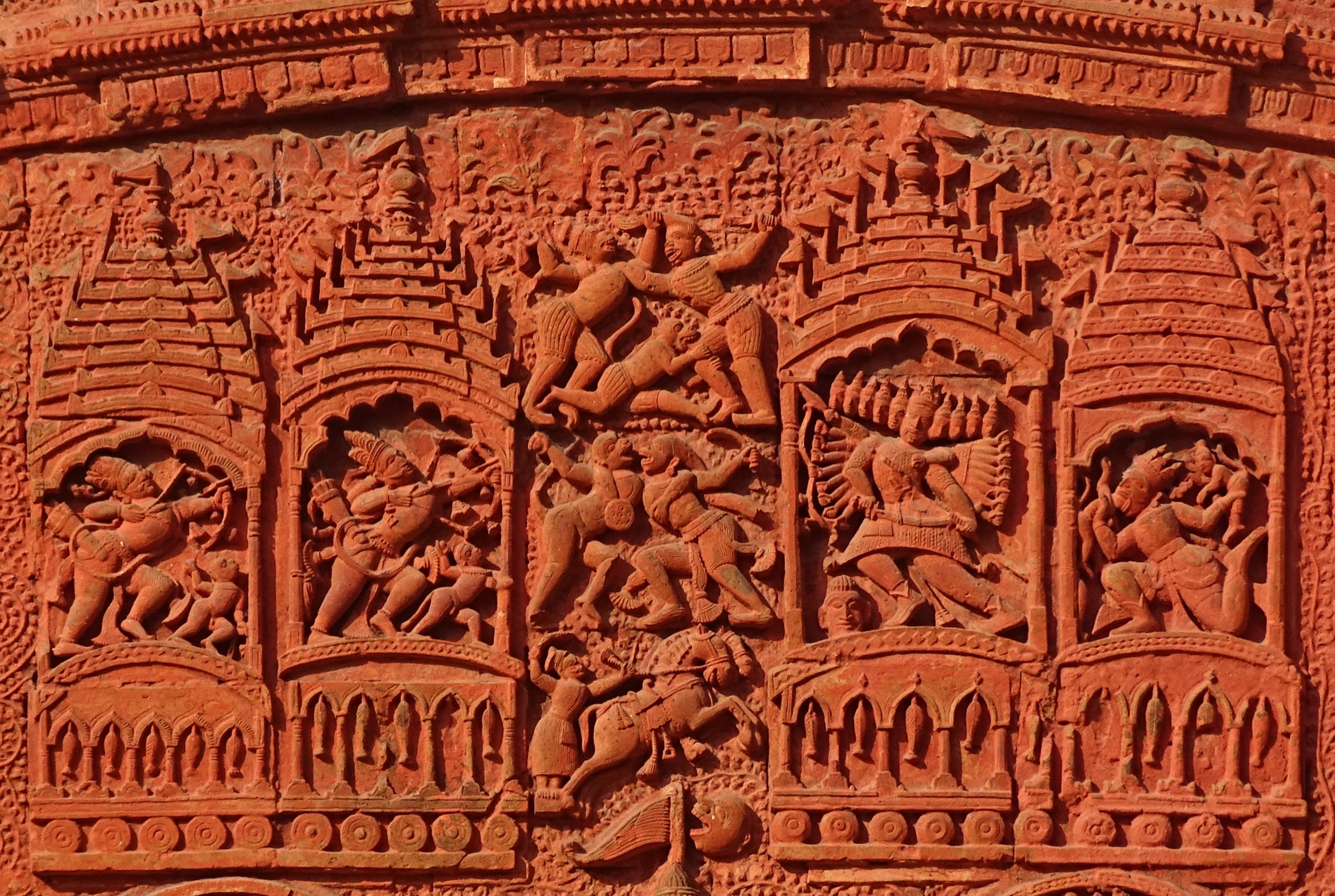
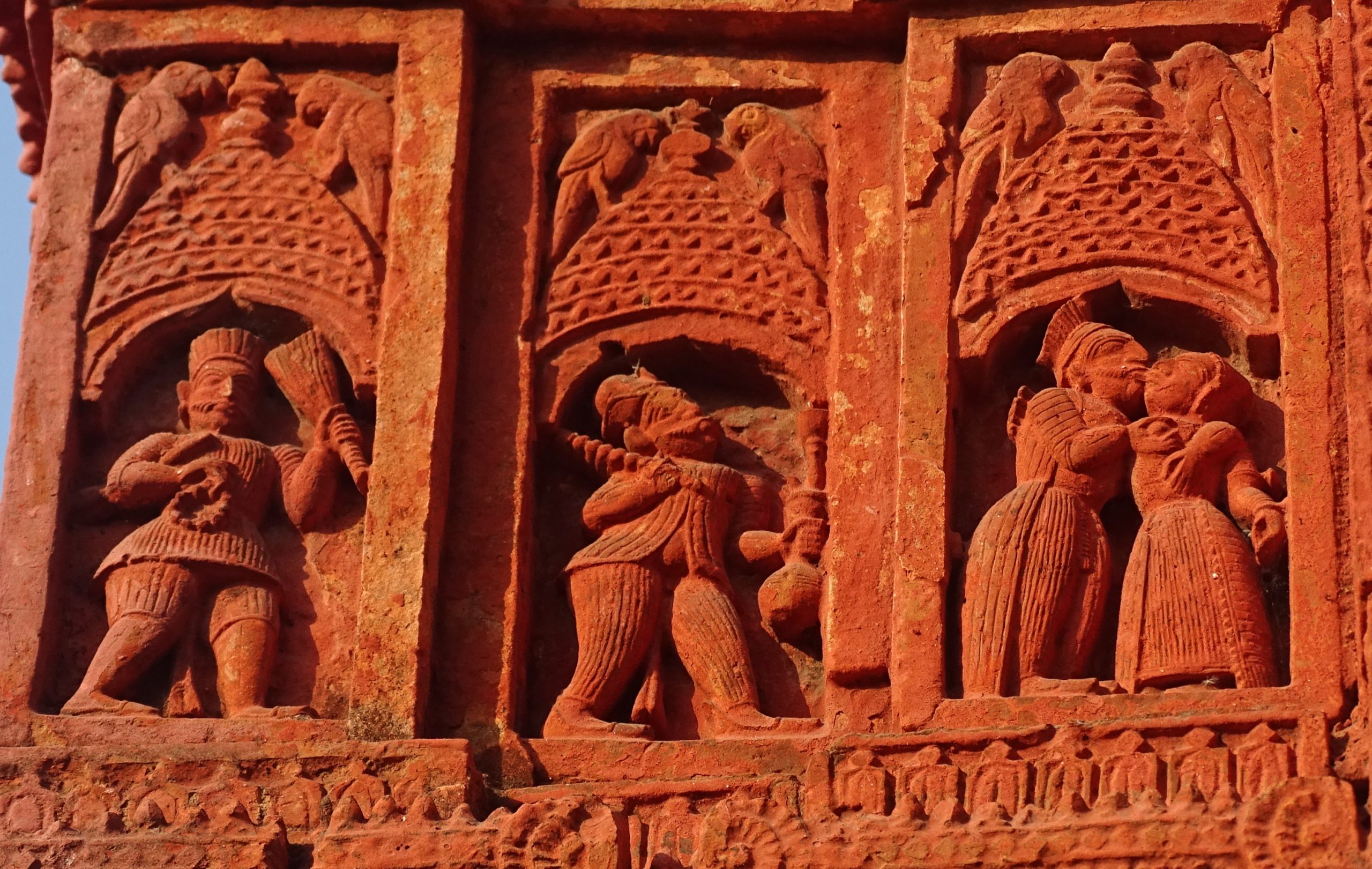
টেরাকোটা ফলকে সাজানো মন্দির এটি। একেবারে ভিত্তিবেদীর যে প্যানেল, সেখানে ফলকের মোটিফ সামাজিক বিষয়-- শিকার, যুদ্ধদৃশ্য, বাইজি নাচ প্রভৃতি। খিলান ও কার্নিশের মধ্যবর্তী অংশে তিনটি প্যানেল। তাতে রামায়ন, কৃষ্ণকথা, পুরান কাহিনী ইত্যাদি রূপায়িত। রাম-রাবণের যুদ্ধ ফলকটি বেশ আকর্ষক। রাম, লক্ষ্মণ, রাবণ এবং কুম্ভকর্ণ-- প্রত্যেকেই পৃথক চারটি রথে আরূঢ়। রাবণের দশানন মূর্তিটি ভারী নিপুন হাতের কাজ। কার্নিশের নীচ বরাবর এবং দুই কোনাচের গায়ে সমান্তরাল ভাবে তিনটি সারিতে বহু দেবদেবীর ছোট আকারের মূর্তি। দুটি রাসমন্ডল চক্র আর বীণাবাদনরত গন্ধর্ব মূর্তিটি অপরূপ। এছাড়া গায়ক, সাধু, অপ্সরা, যোদ্ধা, নর্তকী মূর্তিগুলিও উল্লেখ করার মত। দুটি মিথুন মূর্তিও দেখা যায়। এককথায় সমৃদ্ধ টেরাকোটা ফলকে বিশেষ গৌরবের অধিকারী দেবালয়টি।
কিন্তু জীর্ণতা গ্রাস করছে ৩০০ বছর আয়ুর সৌধটিকে। স্থাপত্যপ্রেমী জনৈক সুভাষ চন্দ্র বসুকে দেখা যায়, বুকে করে আগলে রেখেছেন দেবালয়টিকে। সাধ্যমত চেষ্টা করছেন মন্দিরটিকে জরার হাত থেকে বাঁচিয়ে রাখবার। কিন্তু একজনের ক্ষমতা আর কতটুকু?
Chinmoy Das
Kharagpur is best known for its railway station. However, nearly one and a half centuries before railway tracks were laid across the elevated lands of the Inda area, a zamindar had established a Kali temple in the Malancha locality of Kharagpur.
This zamindar family belonged to Jakpur village, near Kharagpur. Having received the title of Nawab from the ruling authorities, the family came to be known as the “Mahashaya Bansh” (Mahashaya Family).
One of the descendants of this family was Gobindaram Ray, son of Madhabram Ray. He purchased several mouzas in Dharenda Pargana and established his own zamindari estate. Later, Gobindaram moved from Jakpur to Malancha in Kharagpur and founded the Kali temple there.
There is no conventional idol of the goddess in this shrine. Instead, the deity is represented by a Panchamundi Asana (a sacred seat associated with Tantric worship), upon which rests a ritual vessel (ghat) surmounted by a head-shaped figure coated with wax.
A ruler is remembered through his deeds, and Gobindaram left behind this enduring monument as his legacy. The temple stands on a modest plinth and is built in the Atchala (eight-roofed) style. Though not imposing in elevation, it is quite substantial in size, measuring approximately 25 feet in length, 23 feet in width, and 47 feet in height.
A brief terracotta foundation plaque bears the inscription:
“Shubhamastu, Shakabda 1634”
This corresponds to 1712 CE, indicating that the temple was built in that year. The structure has thus surpassed three hundred years of age.
The south-facing brick temple opens into a verandah with three arched entrances. The sanctum itself has a single doorway. The verandah ceiling is constructed with continuous arches, while the sanctum ceiling is formed through a series of vaults resting upon two large arches on either side.
The temple is richly adorned with terracotta plaques. The lowest frieze along the foundation depicts scenes from everyday life and society, including hunting expeditions, battle scenes, and performances by dancing girls (baijis). Between the arches and the cornice are three narrative panels portraying episodes from the Ramayana, Krishna legends, and various Puranic stories.
One particularly attractive panel depicts the battle between Rama and Ravana. Rama, Lakshmana, Ravana, and Kumbhakarna are each shown riding separate chariots. The ten-headed image of Ravana is rendered with remarkable skill and artistry.
Beneath the cornice and along the corner projections of the temple are three parallel rows of small sculpted figures of various deities. Two Rasamandala medallions and a beautiful figure of a Gandharva playing the veena are especially noteworthy. Other figures include singers, ascetics, celestial nymphs (apsaras), warriors, and dancers. Two mithuna (amorous couple) sculptures can also be seen.
In short, this shrine possesses an exceptionally rich collection of terracotta art and occupies a distinguished place among Bengal's historic temple monuments.
Yet the ravages of time are steadily consuming this three-hundred-year-old structure. Local heritage enthusiast Subhash Chandra Bose has devoted himself to safeguarding the temple. He continues to do everything within his means to protect it from decay. But the efforts of a single individual can only achieve so much.