তারকনাথ শিব মন্দির, গোবিন্দপুর (পাঁশকুড়া- ১)
চিন্ময় দাশ
আজকের জার্নাল শুরু করা যাবে ভারী কৌতূহল জাগানো এক তথ্য দিয়ে। খড়গপুর জংশন স্টেশন থেকে পাঁশকুড়া-- রেলের তৃতীয় লাইন পাতার কাজ চলছে তখন। পাঁশকুড়াপৌছুবার মুখে কাঁসাই নদীতে ব্রীজ বানানোর খোঁড়াখুঁড়ির সময়, মস্ত একটা লোহার শেকল উঠে এসেছিল মাটির তলা থেকে। জাহাজে নোঙর বাঁধবার শেকল। তাতে ইংরেজী অক্ষরে এমবস করে লেখা—BHARAT CHANDRA DEY ।
কে এই মানুষটি? জাহাজ ছিল যাঁর নিজের ! নিজের নামটাও লিখিয়েছিলেন নোঙরের শেকলে! সেই শেকল কিনা কাঁসাইয়ের নদীগর্ভে ! অনেক অনুসন্ধানের পর বোঝা গেল, ভারত চন্দ্রের পরিচয় জানতে হলে, ইতিহাসের পাতায় চোখ বোলাতে হবে আমাদের।
কালাপাহাড় যখন পুরী আক্রমণ করেন, পুরীর রাজা দেবরাজ-এর এক সেনাপতি ছিলেন গঙ্গানারায়ণ সিংহ। পাঞ্জাবের শিরহন্দ এলাকার অধিবাসী, জাতিতে ক্ষত্রিয়। কালাপাহাড়ের আক্রমণ প্রতিরোধে বিপুল পরাক্রম দেখিয়েছিলেন তিনি। দেবরাজ সন্তুষ্ট হয়ে, 'রায়' খেতাব দিয়ে বাংলার কাশীজোড়া (বর্তমান মেদিনীপুর জেলার পাঁশকুড়া থানায়) পরগণার জায়গীরদার হিসাবে প্রতিষ্ঠা করেছিলেন গঙ্গানারায়ণকে। তখন ইং ১৫৭৩ সাল।
এই বংশের ১০ম রাজা সুন্দর নারায়ণ রায় (১৭৭০ -১৮০৬)-এর সময়ে রাজস্ব বকেয়া হওয়ায়, সংকটের সৃষ্টি হয়। এমনকি, সেই বিবাদের কারণে, গভর্ণর জেনারেল ওয়ারেন হেস্টিংস-এর সাথে সুপ্রিম কোর্টের সংঘাতও সৃষ্টি হয়েছিল। ফলশ্রুতিতে, কাশীজোড়া রাজ্যটি সরকার ক্রোক করে নেয়, এবং ১৩টি ভাগে ভাগ করে নিলামে বিক্রি করে দেওয়া হয়। কলকাতার দালাল এবং শীল পরিবার, মহিষাদলের রাজা প্রমুখ সম্পত্তিগুলি ক্রয় করে নেন। পরবর্তীকালে ঐসকল সম্পত্তি ছোট ছোট খন্ডে ভাগ হয়ে বিভিন্ন পত্তনিদারের হাতে চলে যায়।
কাশীজোড়ার ৫ম রাজা লক্ষ্মীনারায়ণ রায় (১৬৬৯ - ১৬৯২) জঙ্গল হাসিল করে কতকগুলি গ্রাম পত্তন করেছিলেন। বিভিন্ন জাতি ও বিভিন্ন বৃত্তির যে প্রজারা এসেছিলেন, তাঁদের মধ্যে 'দে' পদবীর 'একাদশ তিলি' সম্প্রদায়ের একটি পরিবারও ছিল। সেসময় চন্দ্রকোণা, দাসপুর, পাঁশকুড়া, ডেবরা প্রভৃতি এলাকায় রেশম শিল্পের ভারি রমরমা। তারই সুবাদে ধনী হয়ে উঠেছিল দে পরিবারও। সেই অর্থে পূর্বোক্ত নিলামী সম্পত্তির কিছু অংশ পত্তনি নিয়ে জমিদারী গড়ে তুলেছিলেন তাঁরা।
এই পর্যন্ত দে পরিবারের জমিদারী প্রতিষ্ঠার কাহিনী। মন্দির প্রতিষ্ঠার কাহিনীটি বেশ চমকপ্রদ। সেটিও জেনে নেওয়া যাক এই অবকাশে।
ঊনবিংশ শতাব্দীর শেষ পর্ব তখন। রেশম ব্যবসা চলছে রমরমিয়ে। পূর্বোক্ত ভারত চন্দ্র তখন দে পরিবারের কর্তা। একবার ব্যবসার কাজে কলকাতা বন্দরে গিয়েছেন। সেখানে বিদেশী জাহাজ চোখে পড়ল তাঁর। রঙিন মাটি ভর্তি করে, সুমাত্রা থেকে এসেছে জাহাজটি। আলো জ্বলে উঠেছিল ভারত চন্দ্রের চোখে। এই মাটি থেকেই তো 'বনক' (রঙ) তৈরী হয়!মৃৎশিল্পে, রেশমশিল্পে ভীষণ চাহিদা সেই রঙের।
পুরো জাহাজটিই কিনে নেওয়া দরকার। অথচ সেই মুহূর্তে তেমন অর্থ নাই পকেটে। হাতের হীরের আংটি খুলে অগ্রিম দিয়ে, জাহাজ ধরে নিয়েছিলেন ভারত চন্দ্র। এদেশের গ্রামীণ হস্তশিল্পীরা, বিশেষত মৃৎশিল্পী আর রেশমশিল্পীরা, লুফে নিয়েছিল বিদেশী রঙ। তাতে সোনায় সোহাগা যোগ হোল ভারতচন্দ্রের। রেশম আর রঙ-- দুই মিলিয়ে ফুলে ফেঁপে উঠতে লাগল ব্যবসা। নিজের জাহাজ করেছিলেন তিনি। নাম খোদাই করেছিলেন তার শেকলেও। রেশমের গাঁট নিয়ে জাহাজ যেত সাত সমুদ্র পাড়ি দিয়ে। ফিরবার সময় নিয়ে আসত বিদেশের মাটি। তেমনি কোন জাহাজের শেকল পাওয়া গিয়েছিল কাঁসাইয়ের নদীগর্ভ থেকে।
দেবতার কৃপা ছাড়া এমন কপাল খোলে না কারও। দেব-ঋণ শোধ করতে, একটি আট-চালা মন্দির গড়ে শিবলিঙ্গ প্রতিষ্ঠা করেন ভারত চন্দ্র। কিন্তু তিনি তো ব্রাহ্মণ নন, পুরোহিত প্রয়োজন সেবাপূজার জন্য। বর্গী আক্রমণের সময়, জনৈক দ্বারিকানাথ চক্রবর্তী বর্ধমান থেকে মেদিনীপুর চলে এসেছিলেন পরিবার নিয়ে। বসত গেড়েছিলেন কাঁসাইয়ের দক্ষিণ পাড়ের নছিপুর গ্রামে। তাঁর পুত্র শ্রীনাথ চক্রবর্তীর তখন ভারী নামডাক হয়েছে নিষ্ঠাবান ব্রাহ্মণ হিসাবে। মন্দির, দেবতা, আর ভরন-পোষণের জন্য জায়গীর জমি-- সব দিয়ে শ্রীনাথকে পুরোহিত নিয়োগ করেছিলেন ভারত চন্দ্র। শুধু পৌরোহিত্যই নয়, চিরকালের জন্য সেবাইতের অধিকারও তুলে দেওয়া হয়েছিল চক্রবর্তী বংশের হাতে। প্রতিষ্ঠা-ফলকে দেখা যায়, ১২৮৮ বঙ্গাব্দ বা ইং ১৮৮১ সালে মন্দিরটি প্রতিষ্ঠিত হয়েছিল।
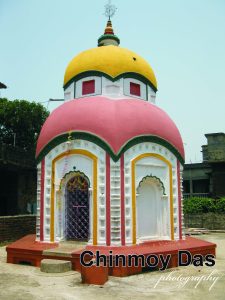
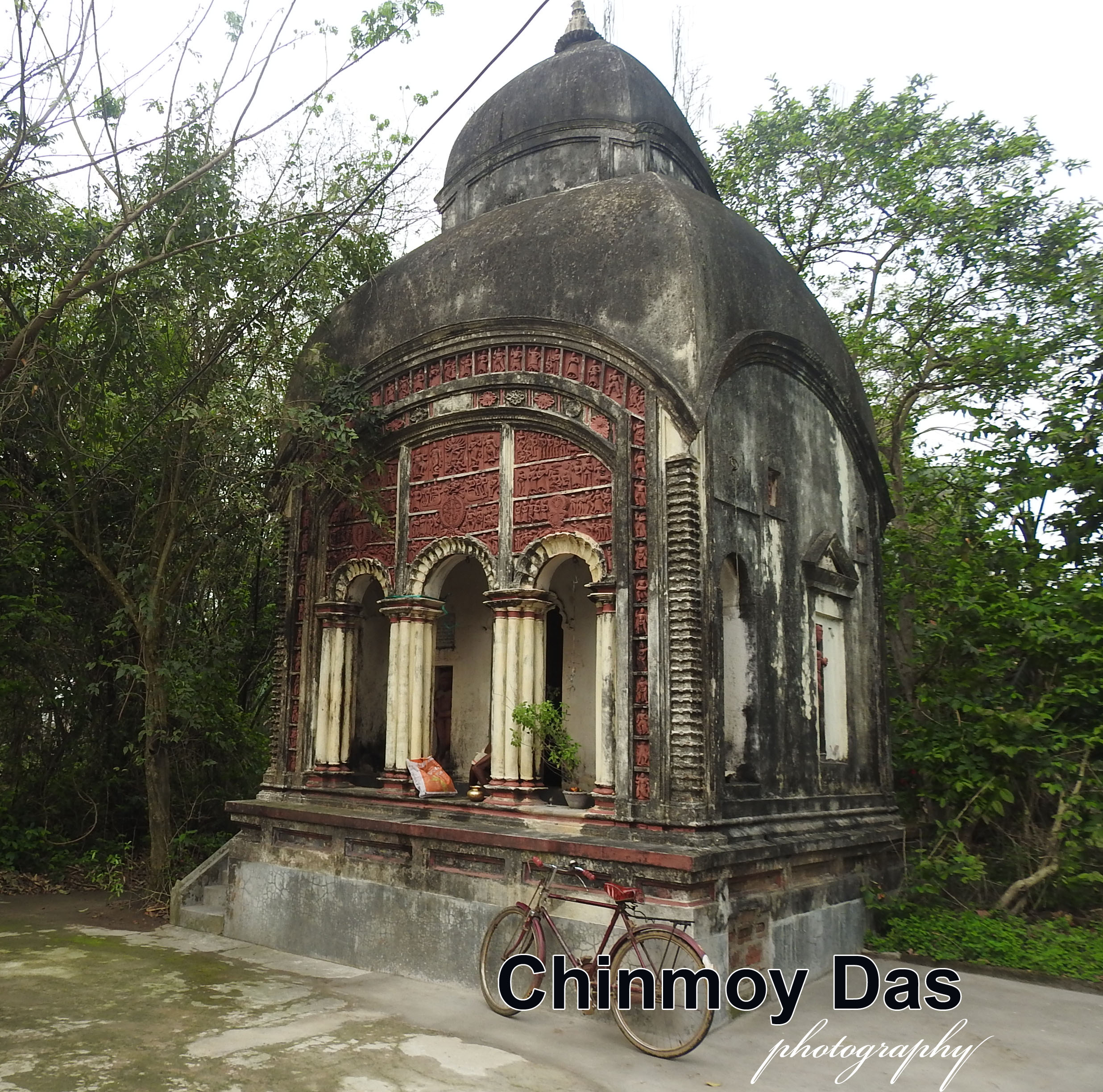
ইটের তৈরী ছোটমাপের পূর্বমুখী মন্দির। দৈর্ঘ্য ১৩ ফুট, প্রস্থ ১১ ফুট আর উচ্চতা ফুট তিরিশেক। কলাগেছ্যা রীতির গুচ্ছ থাম আর খিলান রীতির তিনটি দরজা সহ সংকীর্ণ অলিন্দ। গর্ভগৃহটি একদ্বারী।
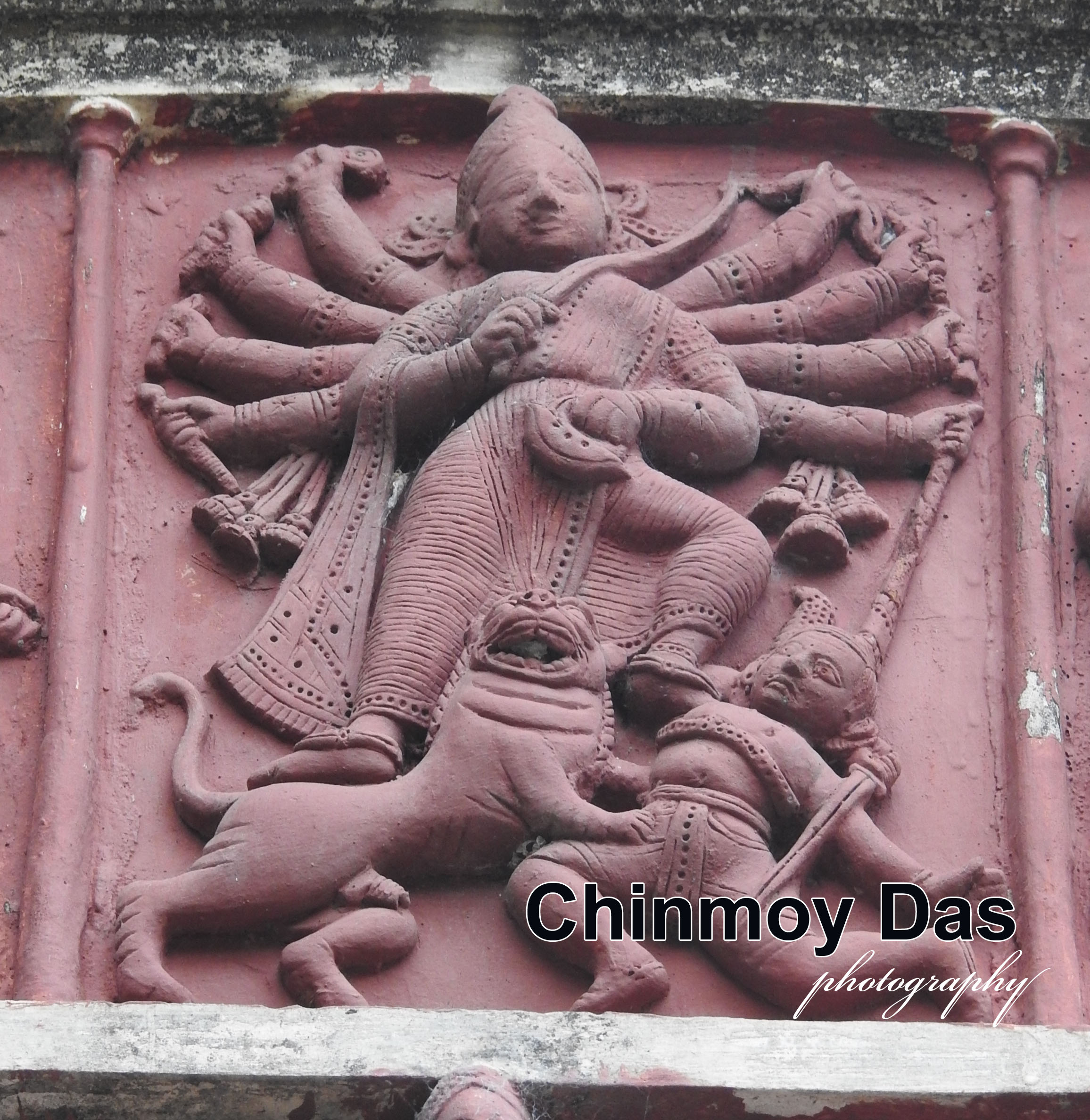
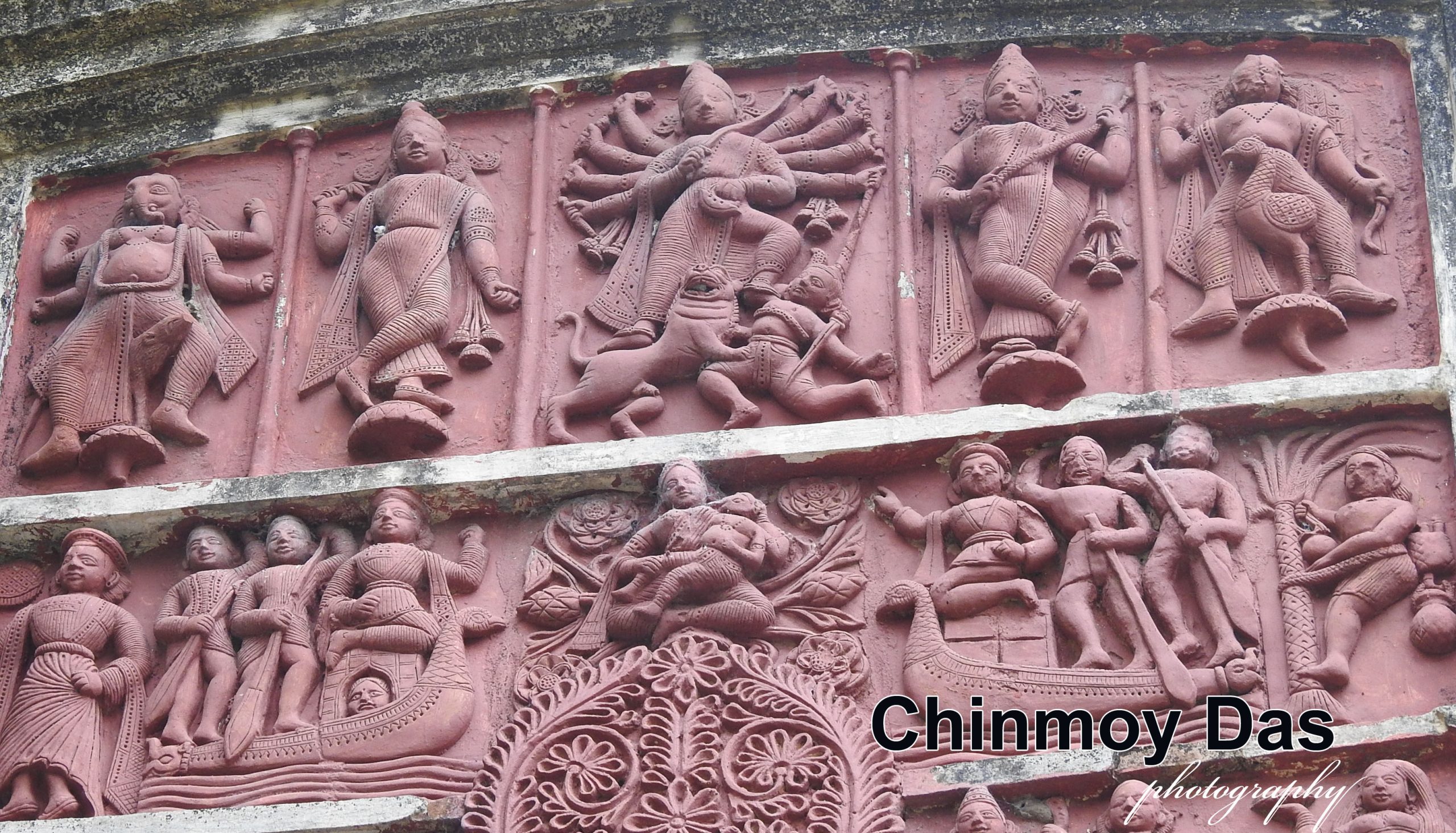
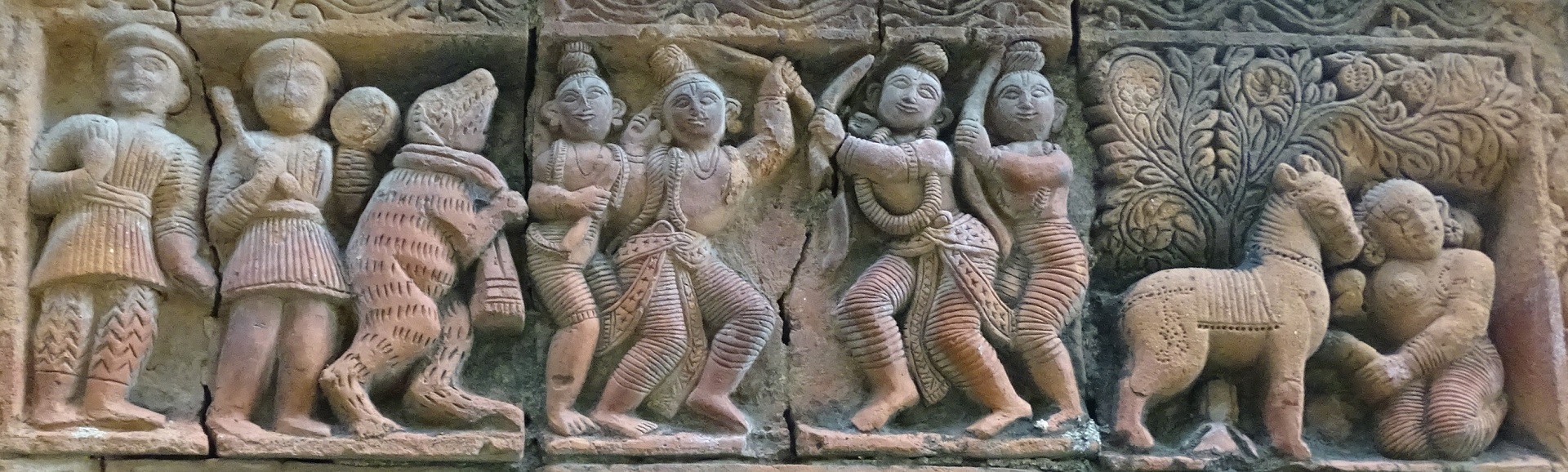
আট-চালা রীতির এই মন্দিরের গরিমা তার দেওয়ালের অলংকরণের জন্য। টেরাকোটা ফলকগুলি মুখ্যত তিনটি দ্বারপথের মাথার উপরের তিনটি প্রস্থে, কার্নিশের নিচে একটি সমান্তরাল সারিতে, আর দুই কোনাচের গায়ের দুটি খাড়া সারিতে লাগানো।
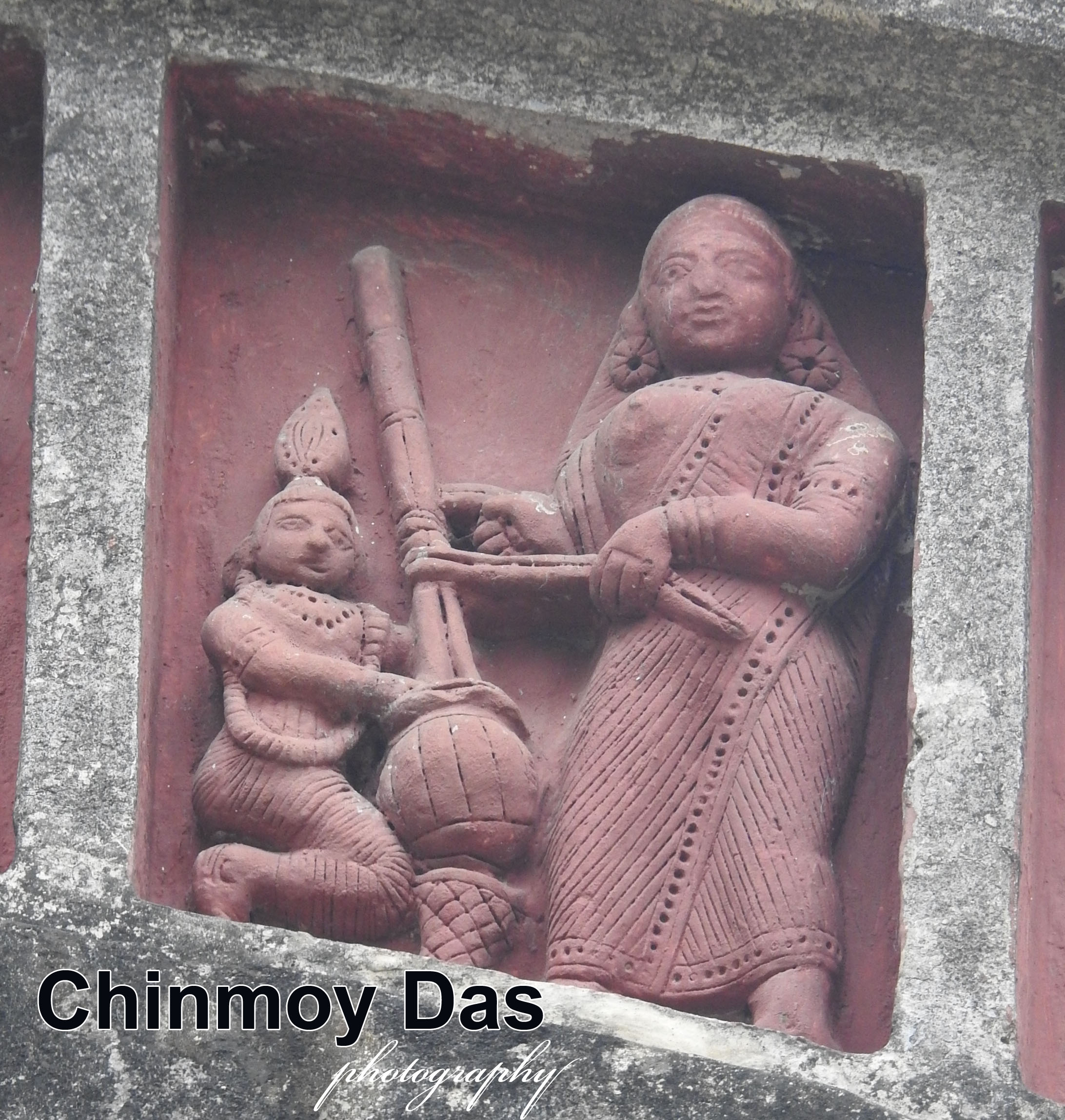
ফলকের মোটিফগুলিকে কয়েকটি শ্রেণীতে ভাগ করে দেখা যায়। ১. পুরাণ-কথা-- চার পুত্র-কন্যা সহ দশভূজা মহিষমর্দিনী, গণেশ-জননী, শিব-দুর্গা, কমলে-কামিনী, একক জগন্নাথদেব, বিষ্ণুর বিভিন্ন অবতার ইত্যাদি। ২. রামায়ণ-কাহিনী-- রাম-রাবণের যুদ্ধ, রামের রাজ্যাভিষেক, বানর সেনাবাহিনী। ৩. কৃষ্ণ-লীলা : মা যশোদার দধিমন্থন, কৃষ্ণের ননী চুরি, গোপিনীদের বস্ত্রহরণ, নৌকাবিলাস ইত্যাদি। ৪. চৈতন্য-লীলা : ষড়ভূজ গৌরাঙ্গ, গৌরাঙ্গ-নিত্যানন্দ, মহাপ্রভুর নৃত্য-গীত ইত্যাদি। ৫. সামাজিক বিষয়-- নবাব ও ইংরেজ বাহিনীর যুদ্ধ, ইংরেজের পাইক-বরকন্দাজ, বীণাবাদিনী নারী, বাঁকবাহক পুরুষ, খেজুর রস সংগ্রহকারী শিউলী ইত্যাদি।
গর্ভগৃহের দ্বারপথের দু'পাশে দুটি দ্বারপালক মূর্তি আছে। উত্তরের দেওয়ালে আছে অর্ধোন্মুক্ত ভিনিশীয় দরজায় প্রতীক্ষারত একটি দ্বারবর্তিনী মূর্তি। তার ঘাগরা, কাঁচুলি পরিধানটি ভাবনার অবকাশ দেয়। মন্দিরের উত্তর, দক্ষিণ আর পশ্চিম দেওয়াল শূন্য নয়। বিভিন্ন ভঙ্গিমার অনেকগুলি মিথুন-মূর্তি রচিত আছে, দেখা যায়।
পাঁশকুড়া থানায় যে কয়েকটি টেরাকোটা খচিত মন্দির অভিজ্ঞ মহলের দৃষ্টি আকর্ষণ করে, জীর্ণ হয়ে ওঠা এই মন্দিরটি তাদের অন্যতম।
Taraknath Shiva Temple, Gobindapur (Panskura–I)
By Chinmoy Das
Today's journal may begin with a remarkably intriguing discovery. During the construction of the third railway line between Kharagpur Junction and Panskura, workers excavating the Kansai River near Panskura unearthed a massive iron chain from beneath the riverbed. It was an anchor chain used for mooring ships, and embossed upon it in English letters was the name “BHARAT CHANDRA DEY.”
Who was this man? He owned a ship—and even had his name engraved on its anchor chain! How did such a chain end up buried beneath the Kansai River? To uncover Bharat Chandra's identity, one must turn to the pages of history.
When Kalapahad invaded Puri, one of King Devaraja’s commanders was Ganganarayan Singh, a Kshatriya from Sirhind in Punjab. He displayed exceptional valor in resisting the invasion. Pleased with his service, Devaraja granted him the title “Ray” and established him as the jagirdar of Kashijora Pargana (present-day Panskura region of Medinipur) in 1573 CE.
During the reign of the tenth ruler of this lineage, Raja Sundar Narayan Ray (1770–1806), arrears in revenue payments created a serious crisis. The dispute became so significant that it contributed to a conflict between Governor-General Warren Hastings and the Supreme Court. As a result, the Kashijora estate was confiscated by the government and auctioned in thirteen separate lots. Wealthy families from Calcutta, including the Dals and the Shils, as well as the Raja of Mahishadal, purchased various portions of the estate. Over time, these properties were further subdivided among numerous leaseholders.
Earlier, the fifth ruler of Kashijora, Lakshminarayan Ray (1669–1692), had reclaimed forest land and founded several villages. Among the settlers were members of the Ekadash Tili community bearing the surname Dey. At that time, the silk industry flourished in Chandrakona, Daspur, Panskura, and Debra. The Dey family prospered through this trade and eventually acquired portions of the auctioned estates, establishing themselves as local zamindars.
This is the story of the Dey family's rise. The story of the temple's foundation is equally fascinating.
By the late nineteenth century, the silk trade was thriving. Bharat Chandra Dey was then the head of the family. On a business trip to the Calcutta port, he noticed a foreign ship that had arrived from Sumatra carrying colorful clay. He immediately realized its potential, for such clay was used in producing dyes that were in great demand among potters and silk artisans.
Determined to acquire the cargo, Bharat Chandra decided to purchase the entire ship. Lacking sufficient cash at that moment, he offered his diamond ring as an advance payment and secured the vessel. Rural craftsmen eagerly embraced the imported pigments, bringing him immense profits. His business expanded rapidly through both silk and dye trading. Eventually, he owned ships of his own, with his name engraved on their anchor chains. These vessels carried silk across the seas and returned laden with foreign clay. The chain discovered in the Kansai River was believed to have belonged to one of those ships.
Believing his success to be the blessing of the divine, Bharat Chandra sought to repay that debt by constructing an At-Chala (eight-roofed) temple and installing a Shiva linga. As he was not a Brahmin, he required a priest for the temple rituals. During the Bargi invasions, Dwarikanath Chakrabarti had migrated from Bardhaman to Medinipur and settled in Nachipur on the southern bank of the Kansai River. His son, Srinath Chakrabarti, had earned a reputation as a devout Brahmin. Bharat Chandra appointed him as the temple priest, granting him the temple, its deity, and lands for maintenance. Not only priestly duties but hereditary rights as the temple's custodian were also entrusted to the Chakrabarti family. An inscription records that the temple was established in 1288 Bengali Era (1881 CE).
The temple is a modest east-facing brick structure measuring approximately 13 feet in length, 11 feet in width, and about 30 feet in height. A narrow porch with clustered Kalagachhiya-style columns and three arched entrances leads to a single-doored sanctum.
The temple's distinction lies in its rich terracotta ornamentation. Plaques are arranged mainly above the three entrance arches, in a continuous band below the cornice, and in vertical rows along the corner pilasters.
The terracotta motifs may be grouped into five principal categories:
-
Puranic Themes – Mahishasuramardini Durga with her four children, Ganesh-Janani, Shiva-Durga, Kamale-Kamini, Jagannath, and various incarnations of Vishnu.
-
Ramayana Scenes – The battle between Rama and Ravana, Rama’s coronation, and the monkey army.
-
Krishna-Lila – Yashoda churning curd, Krishna stealing butter, the episode of the gopis’ garments (Vastra Harana), and the boat pastime (Nauka Bilas).
-
Chaitanya-Lila – Shadbhuja Gauranga, Gauranga and Nityananda, and scenes of Mahaprabhu’s devotional singing and dancing.
-
Social Themes – Battles involving Nawabi and British forces, British guards and soldiers, a woman playing the veena, a porter carrying loads on a shoulder pole, and a date-palm sap collector.
Two guardian figures (dvarapalas) stand on either side of the sanctum entrance. On the northern wall appears a waiting female figure framed within a partially open Venetian-style doorway; her attire, consisting of a ghagra and bodice, is particularly striking. The north, south, and west walls are also adorned with numerous mithuna (amorous) figures in various poses.
Among the terracotta temples of the Panskura region, this shrine remains one of the most noteworthy, though age and neglect have begun to take their toll.