খড়গেশ্বর শিব মন্দির, কদমকুণ্ডু (ক্ষীরপাই শহর, মেদিনীপুর )
চিন্ময় দাশ
শীলাবতি, রূপনারায়ণ, কেঠিয়া, কুবাই, বুড়িগাং, আমোদর ইত্যাদি ছোট-বড় অনেকগুলি নদীর জলধারায় পুষ্ট ঘাটাল মহকুমা। নদীগুলির অববাহিকা এলাকা জুড়ে উর্বর কৃষিভূমি। সারা মহকুমার অর্থনীতি পুষ্ট হয়েছিল তাতে।
এগুলি ছাড়াও, নীল চাষ, লোহা-কাঁসা-পিতলের ধাতু শিল্প, পটশিল্প, শঙ্খশিল্প ছিল এই এলাকায়। সোনায় সোহাগা হয়েছিল বয়নশিল্প। পাট, বিশেষ করে রেশম উৎপাদন আর বয়ন, সমৃদ্ধির একেবারে শিখরে নিয়ে গিয়েছিল মহকুমার অর্থনীতিকে।
এই মহকুমার চন্দ্রকোণা, রাধানগর, দাসপুরের মতো, ক্ষীরপাইও সেসময় রেশম শিল্পের সুবাদে ভারতের বাইরেও পরিচিত হয়ে উঠেছিল। সরাসরি এই এলাকায় এসে, রেশমশিল্পে অংশ নিয়েছিল ওলন্দাজ, ফরাসী, আর্মেনীয়, ইংরেজ প্রভৃতি বিদেশি বণিকের দল। এইসকল ইউরোপিয়ান বণিকদের নীলকুঠি, রেশমকুঠি, বসবাসের অট্টালিকা ইত্যাদি গড়ে উঠেছিল এখানে। কিছু নিদর্শন এখনও দেখা যায়।
অর্থনীতি সমৃদ্ধ হওয়ার কারণে, অন্যান্য নানা পেশাগোষ্ঠীর মানুষজনও উপস্থিত হয়েছিল ক্ষীরপাইতে। এসেছিল মালাকার, কুম্ভকার, কর্মকার, স্বর্ণবণিক, গন্ধবনিকেরা। বিত্তবান হয়ে উঠে, মন্দির প্রতিষ্ঠাও করেছিলেন এঁদের কেউ কেউ।
সেই বিকাশের সময় হালদার এবং দত্ত—এই পদবীর দুটি গন্ধবণিক পরিবার বিশেষ সম্পদ শালী হয়ে উঠেছিল। মন্দির প্রতিষ্ঠা করেছিল দুটি পরিবারই।
মুঘল আমলের একটি বিখ্যাত পথ হল—বাদশাহী সড়ক। গৌড় থেকে, গড় মান্দারণ পার হয়ে, ক্ষীরপাইয়ের উপর দিয়ে দক্ষিণে প্রসারিত হয়েছে এই পথ। বাণিজ্যের ভারী সহায়ক ছিল পথটি। ক্ষীরপাই নগরীতে, এই পথের সামান্য পূর্বে, কদম কুণ্ডু। সেখানে একটি শিব মন্দির প্রতিষ্ঠা করেছিল দত্ত পরিবার। সেই মন্দির নিয়েই এই আলচনা।
রেশম শিল্পের পতনের কাল থেকেই মন্দিরেও সঙ্কটের সূচনা দেখা গিয়েছিল। দত্ত পরিবার অপারগ হয়ে পড়লে, স্থানীয় ধর্মপ্রাণ মানুষজন এগিয়ে এসেছিলেন। দাঁড়িয়ে ছিলেন মন্দিরের পাশে। আজও তাঁরা আছেন। একটি কমিটি গড়ে, দেবতার সেবা পূজা আর মন্দিরের দেখভাল সব দায়িত্বই পালন করে এই কমিটি।
মন্দিরে একটি প্রতিষ্ঠা- লিপি আছে—“শ্রীশ্রীখড়কে / সর শিব ঠাকুর / সকাব্দ ১৭৮৩/৫/২১ / সন ১২৬৮ সাল শ্রী গঙ্গাধর দত্ত”। এই বয়ান অনুসারে জানা যাচ্ছে, শকাব্দ ১৭৮৩, বা বঙ্গাব্দ ১২৬৮ সন, অর্থাৎ ইং ১৮৬১ সালে মন্দিরটি প্রতিষ্ঠিত হয়েছিল। প্রতিষ্ঠাতা ছিলেন জনৈক গঙ্গাধর দত্ত।
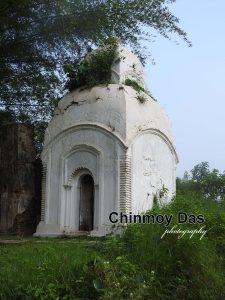
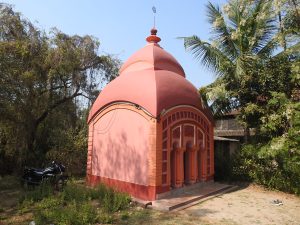
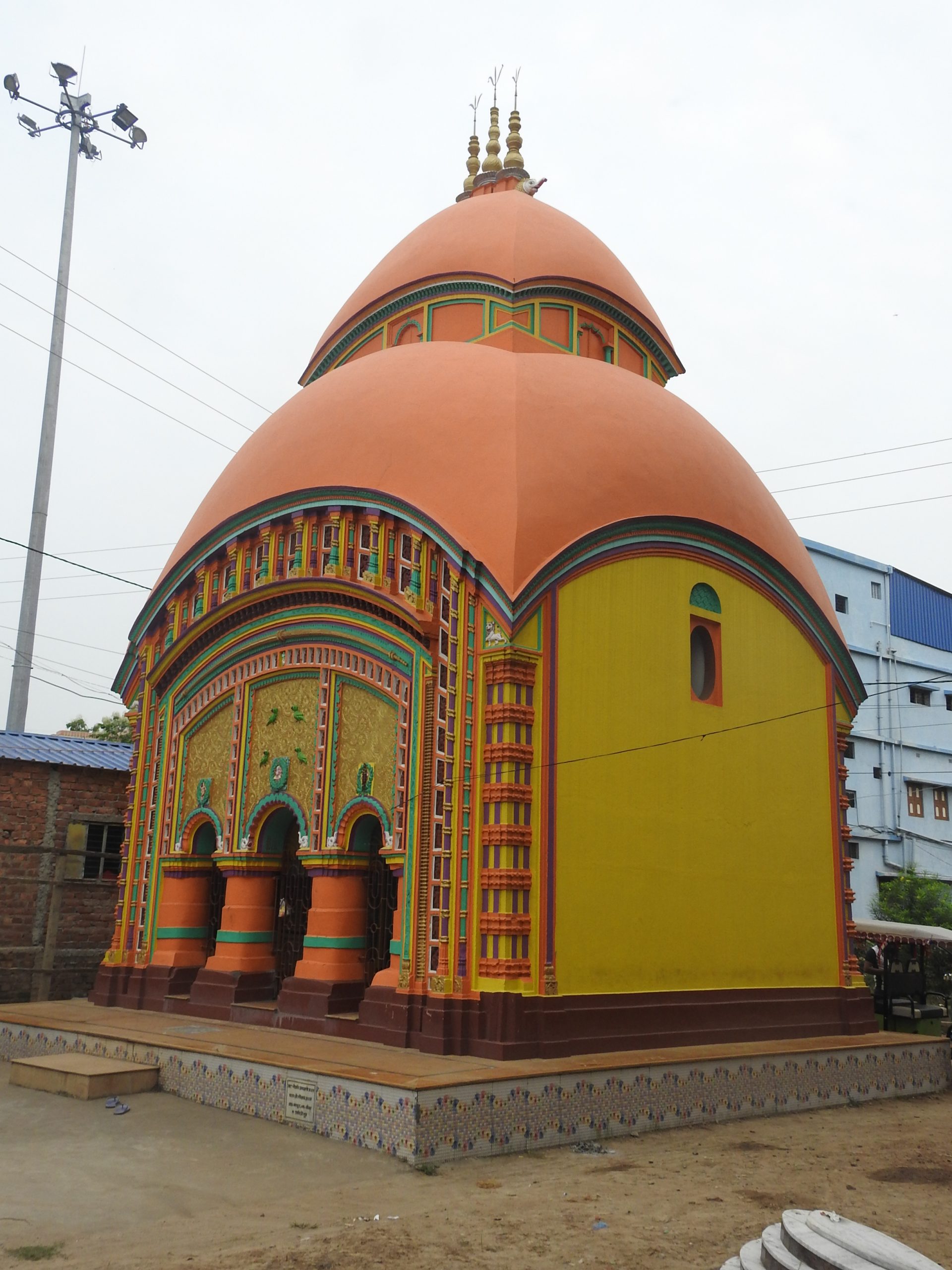
উঁচু ভিত্তিবেদির উপর, দক্ষিণমুখী আটচালা রীতির মন্দির। উচ্চতায় প্রায় ৪৫ ফুট। সামনে ইমারতি থাম আর খিলানের তিনটি দ্বারযুক্ত অলিন্দ। (পরে, সংস্কার কাজের সময় আকার বদল হয়েছে) পিছনে এক-দ্বারি গর্ভগৃহ। পশ্চিমের দেওয়ালে তিনটি ‘প্রতিকৃতি দ্বার-পথ’ রচিত হয়েছে।
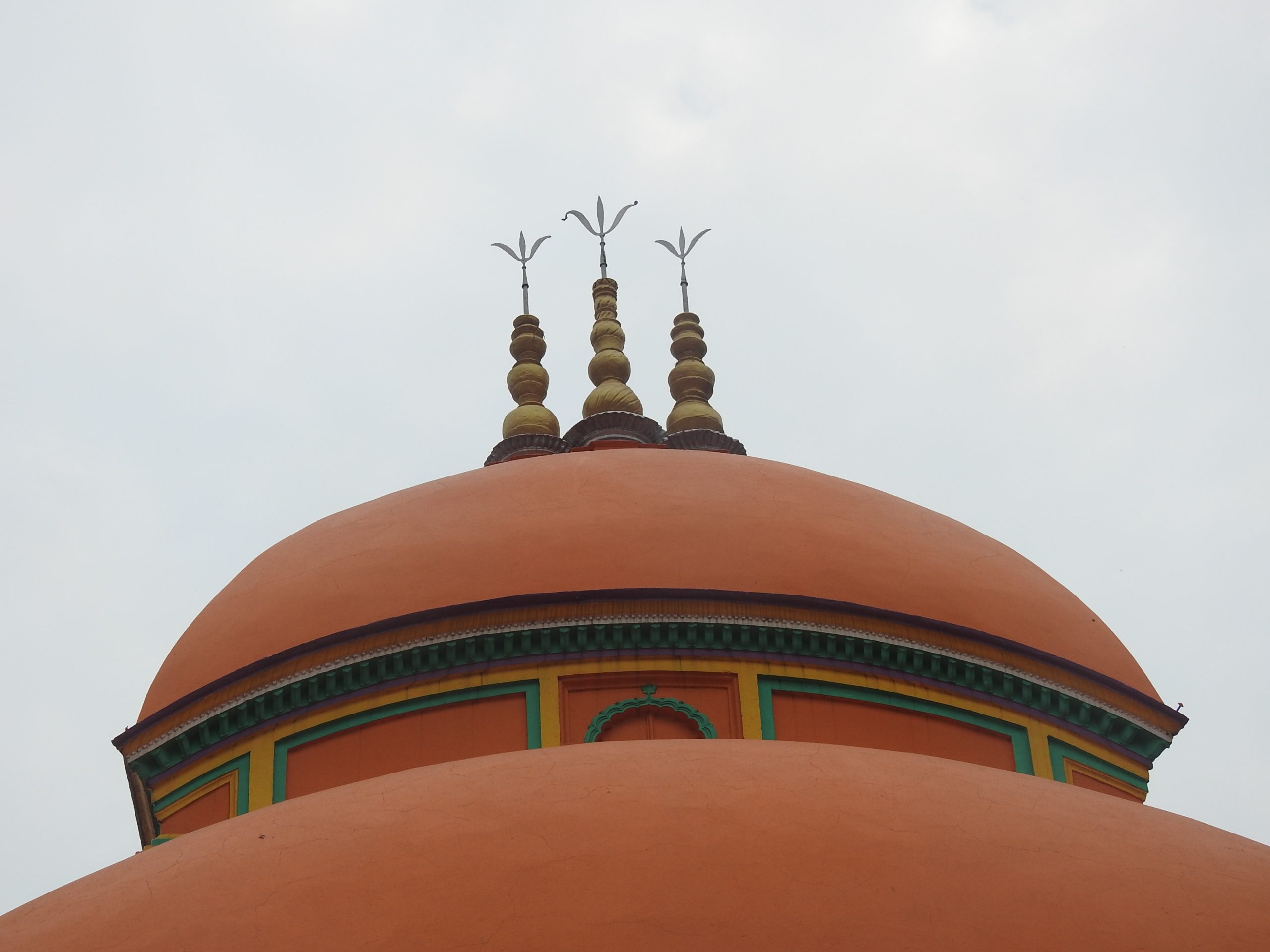
দুটি বৈশিষ্ট আছে মন্দিরে—১. গর্ভগৃহের পূর্ব দেওয়ালে বড় আকারের গোলাকার ‘সূর্য ভেদ’ রচিত আছে। ২. মন্দিরের মাথায় একটির বদলে, তিনটি শীর্ষক বা চুড়া নির্মিত হয়েছে। প্রতিটিতে বেঙ্কি, আমলক, ৩টি করে কলস এবং ত্রিশূল-দণ্ড স্থাপিত। এই জেলার তমলুক শহরের জগন্নাথ মন্দিরেও এই নিদর্শন দেখা যায়।
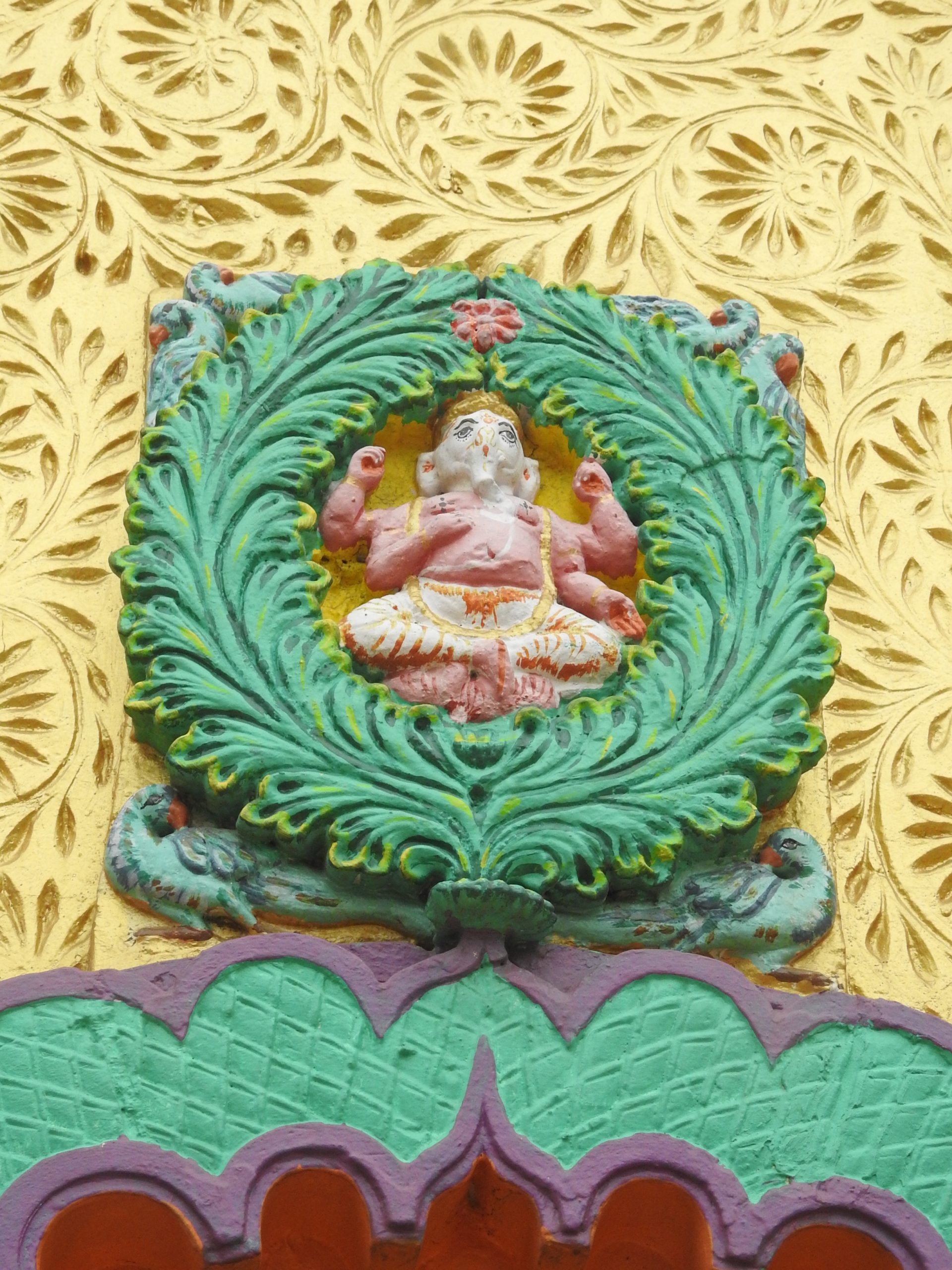
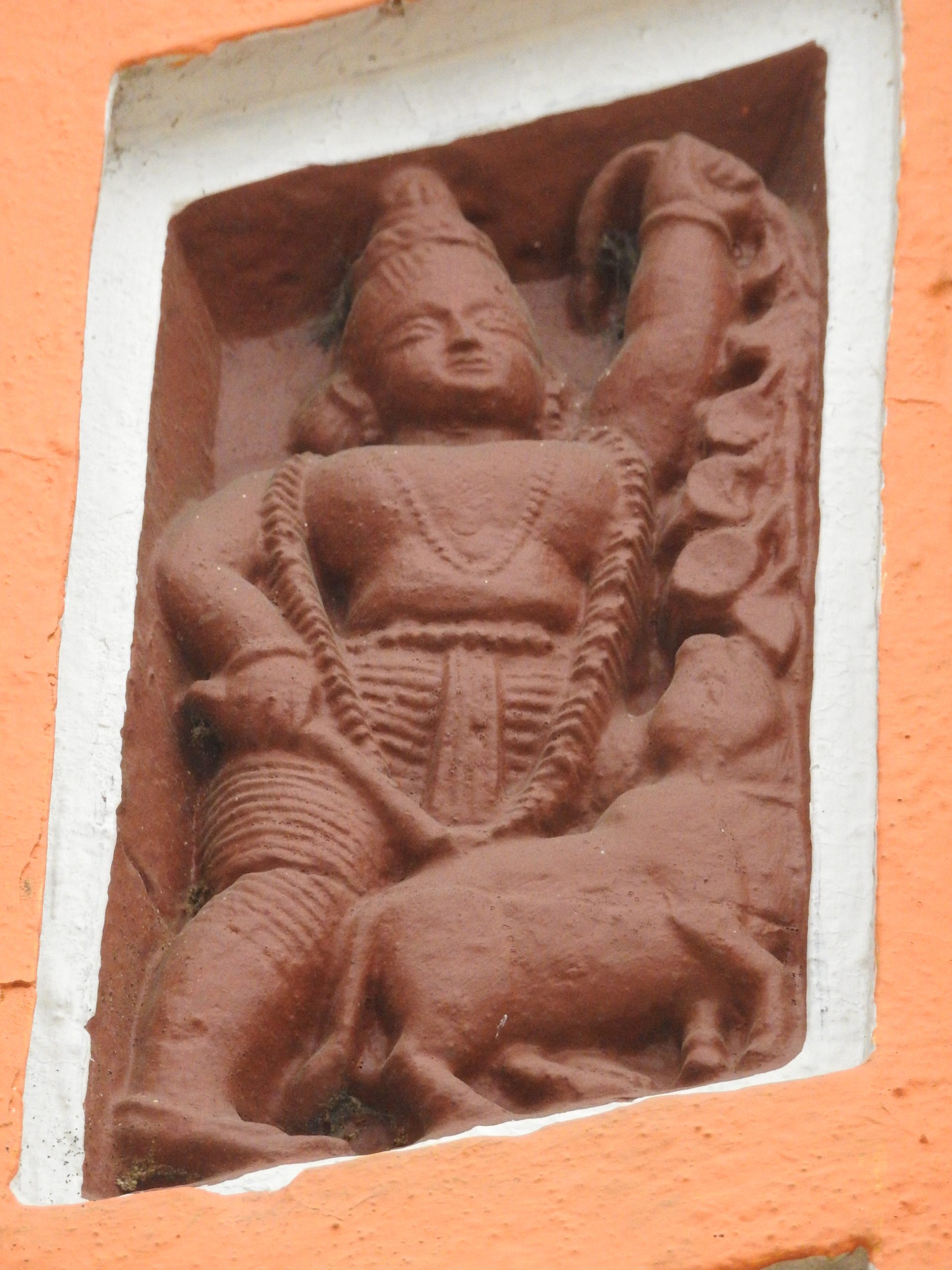
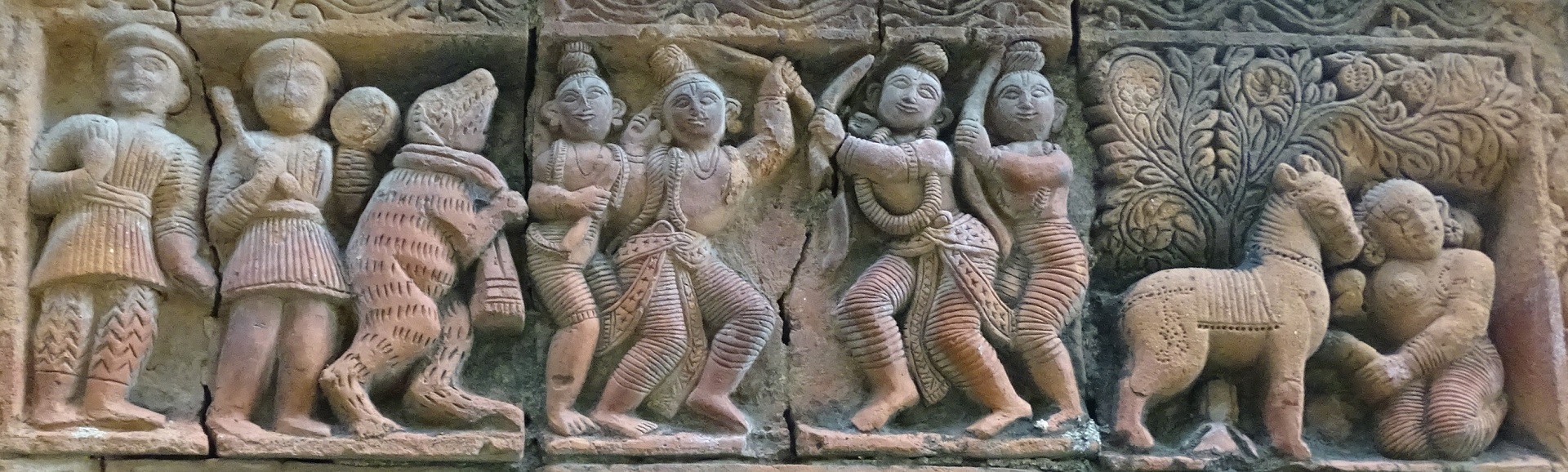
মন্দিরে অলঙ্করণের কাজ সামান্য-- ছোট ছোট খোপে ৩ সারি টেরাকোটা ফলক, পঙ্খের কিছু ফুলকারি নকশা, আর দুটি দ্বারপালক মূর্তি।
তবে, মন্দিরটি বেশ সযত্ন রক্ষিত এবং দৃষ্টিনন্দন।
Kharageshwar Shiva Temple, Kadamkundu (Kshirpai Town, Medinipur)
Chinmoy Das
The Ghatal subdivision is nourished by the waters of numerous rivers, both large and small, including the Silabati, Rupnarayan, Kethia, Kubai, Buriganga, and Amodar. The fertile agricultural lands spread across their river basins sustained the economy of the entire subdivision.
Apart from agriculture, the region was also known for indigo cultivation, iron, bell-metal and brass industries, scroll painting (patachitra), and conch-shell craftsmanship. The crowning glory, however, was the weaving industry. Jute, and especially the production and weaving of silk, elevated the subdivision’s economy to remarkable heights.
Like Chandrakona, Radhanagar, and Daspur, Kshirpai became renowned beyond the borders of India because of its silk industry. Dutch, French, Armenian, and British merchants came directly to this region and participated in the silk trade. Indigo factories, silk warehouses, grand residences, and other establishments belonging to these European traders were built here. Some of these remnants can still be seen today.
Economic prosperity attracted people from many occupational groups to Kshirpai. Among those who settled here were the Malakars (garland makers), potters, blacksmiths, gold merchants, and perfume merchants (Gandhabaniks). Some of these wealthy individuals went on to establish temples.
During this period of growth, two Gandhabanik families bearing the surnames Haldar and Dutta became particularly affluent. Both families established temples.
One of the famous roads of the Mughal period was the Badshahi Road. Extending southward from Gaur via Garh Mandaran, it passed through Kshirpai and served as an important route for commerce. Slightly east of this road, within Kshirpai town, lies Kadamkundu, where the Dutta family established a Shiva temple. This temple is the subject of the present discussion.
The decline of the silk industry also marked the beginning of difficulties for the temple. When the Dutta family became unable to maintain it, local devotees stepped forward to support the shrine. They have continued to stand by the temple to this day. A committee was formed, and it now bears the responsibility for the deity’s worship and the maintenance of the temple.
There is an inscription in the temple which reads:
“Śrī Śrī Khaṛake / Sar Śiva Ṭhākur / Śakābda 1783/5/21 / San 1268 sāl Śrī Gaṅgādhar Datta”
According to this inscription, the temple was established in Shaka Era 1783, corresponding to Bengali Era 1268 or 1861 CE. The founder was Gangadhar Dutta.
The temple is a south-facing Atchala-style structure built upon a high plinth and rises to a height of approximately 45 feet. In front is a verandah supported by masonry pillars and provided with three arched entrances (its appearance was altered during later renovations). Behind lies the sanctum, entered through a single doorway. Three false or imitation doorways have been created on the western wall.
The temple possesses two distinctive features:
-
A large circular Surya-bheda (sun-window or circular opening) is constructed on the eastern wall of the sanctum.
-
Instead of a single finial, the temple is crowned with three pinnacles (spires). Each pinnacle is decorated with a curved neck (benki), an amalaka, three kalashas (finials), and a trident. A similar feature may also be seen on the Jagannath Temple of Tamluk.
The decorative work on the temple is modest, consisting of:
-
Three rows of small terracotta panels set within niches,
-
Floral motifs on the arches,
-
Two guardian figures flanking the entrance.
Despite its simplicity, the temple is well maintained and visually appealing.