লক্ষ্মীবরাহ মন্দির, বাগরুই (কেশপুর থানা, মেদিনীপুর)
চিন্ময় দাশ
চিরপ্রবাহিনী কংসাবতী। মেদিনীপুর শহর ছাড়িয়ে এই নদী পূর্ববাহিনী। উত্তর পাড়ে মাইলের পর মাইল জুড়ে মেদিনীপুর পরগণার ভূভাগ। সেখানে মাইতি পদবীর একটি বনেদি বংশের বাস ছিল নদীর একেবার কোলে, বাগরুই গ্রামে।
শ’দুই বছর আগের সময়কাল। সদ্য চিরস্থায়ী বন্দোবস্ত প্রথার প্রচলন হয়েছে। সেই সুবাদে ছোট একটি জমিদারী প্রতিষ্ঠা করেছে মাইতিবংশ। বিষ্ণুকে আরাধ্য হিসাবে গ্রহণ করে, একটি মন্দির গড়েছিলেন জমিদার।
এক বছর ভয়াণক বন্যায় বসতবাড়ি, মন্দির ইত্যাদি ডুবে গিয়েছিল। সেকারণে, জমিদার বংশের অনেকগুলি শরিক পরিবার বাগরুই ছেড়ে অন্যত্র চলে গিয়েছিলেন। তাঁদেরই একজন সেবাপূজার জন্য, দেবতার বিগ্রহ শালগ্রামটিকেও সাথে নিয়ে যান। সেদিন থেকে মন্দিরটি পরিত্যক্ত হয়ে পড়ে আছে।
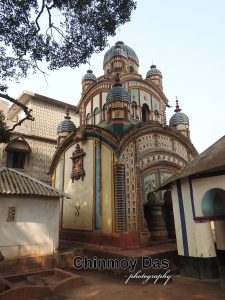
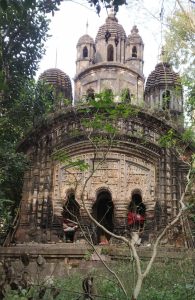
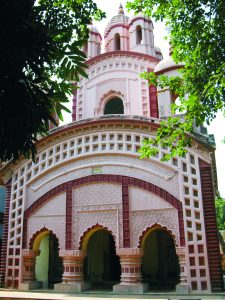
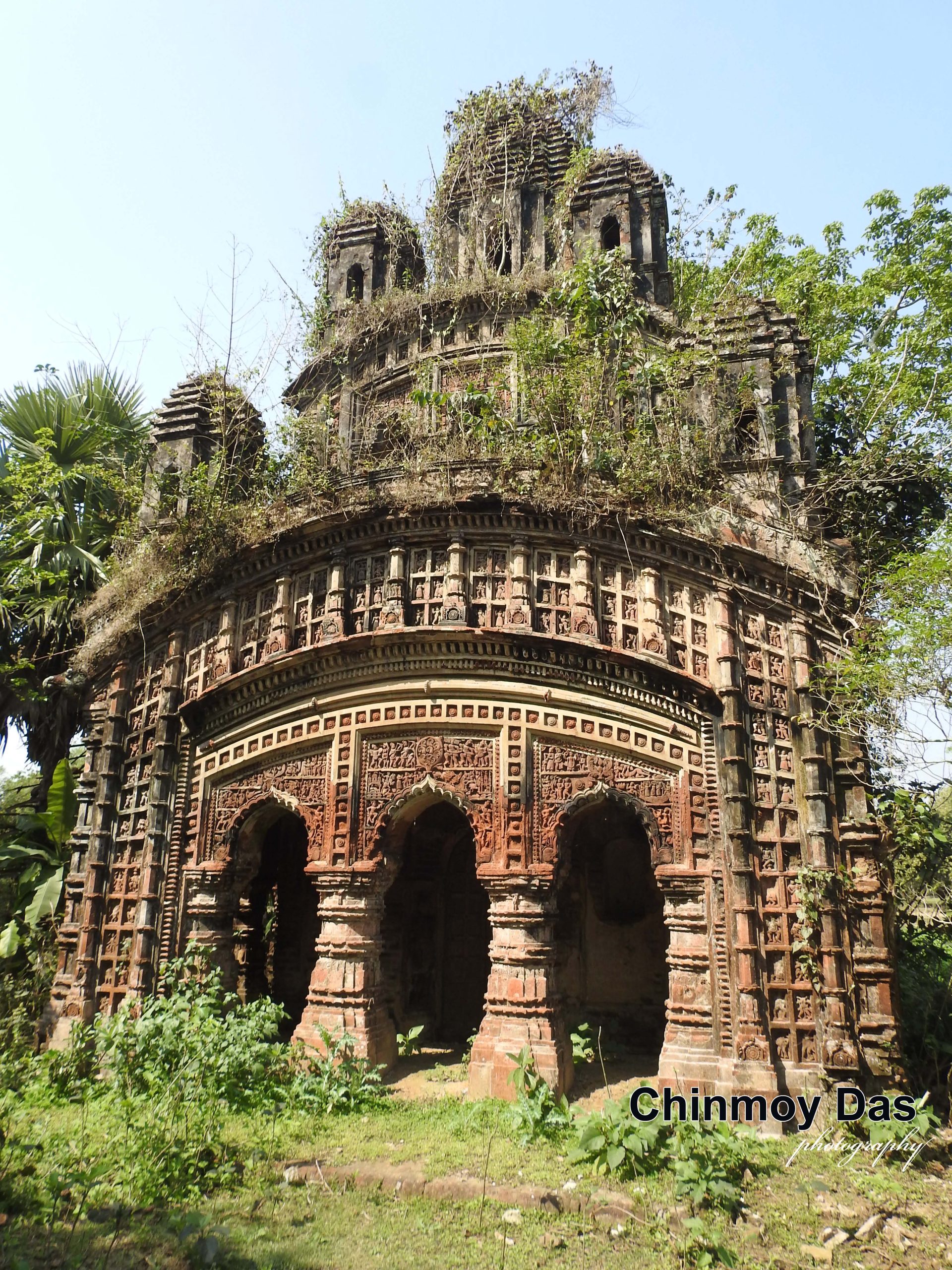
ইটের তৈরি পূর্বমুখী নব-রত্ন রীতির মন্দির। ফুট চল্লিশেক উঁচু। সৌধটির গড়ন সম্পূর্ণ বর্গাকার। গর্ভগৃহে দক্ষিণেও একটি দ্বার এবং ভিতরে অতিরিক্ত একটি বেদী আছে উত্তর দিকে। একটি সিঁড়িও রচিত আছে একেবারে দ্বিতল পর্যন্ত। মন্দিরের রত্নগুলি শিখর রীতিতে নির্মিত।
দীর্ঘকাল বিগ্রহ নাই। অনাদরে উপেক্ষায় ক্ষয়রোগ বাসা বাঁধছে মন্দিরের শরীরে । প্রথম আক্রমণ শুরু হয়েছে টেরাকোটা ফলকগুলির উপর।
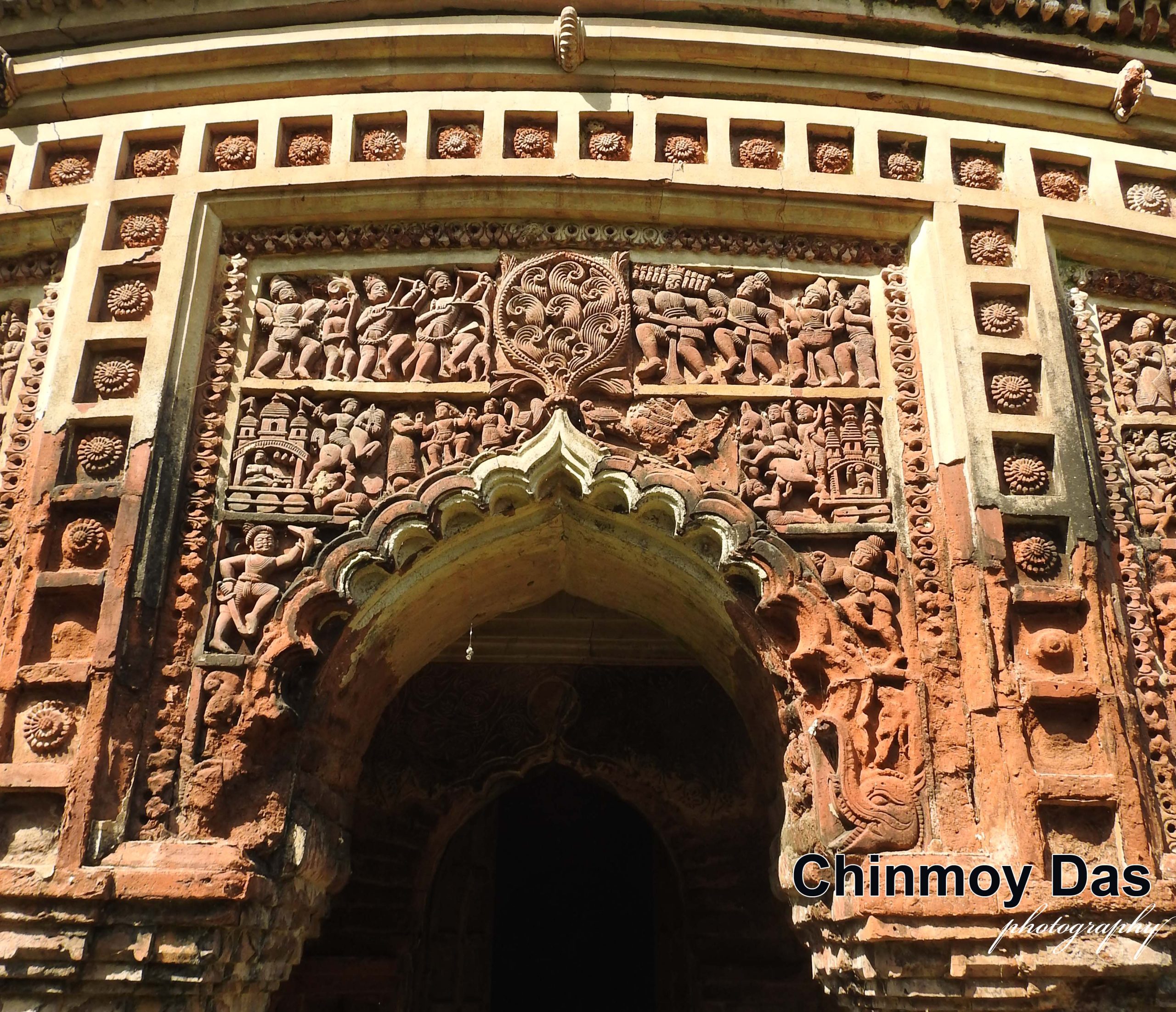
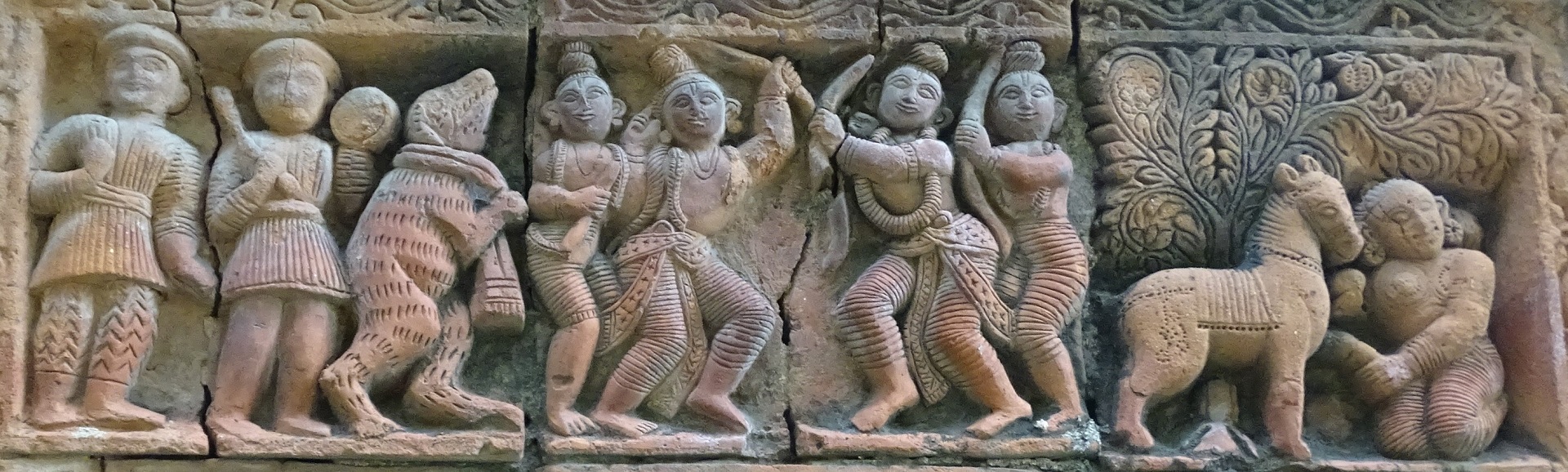
ফলকের বিন্যাস করা আছে মন্দিরের পূর্ব আর দক্ষিণের প্রথম আর দ্বিতীয় তল জুড়ে। স্তম্ভগুলির সর্বাঙ্গ জুড়ে ফলক। ফলক আছে কার্ণিশের নীচে সমান্তরাল সারিতে। কোণাচ অংশের লাগোয়া করে খাড়া সারিগুলিতে। তিনটি দ্বারপথের খিলানের মাথায়। গর্ভগৃহের দুটি দ্বারপথের দু’পাশেও। কোথায় নেই ফলক?
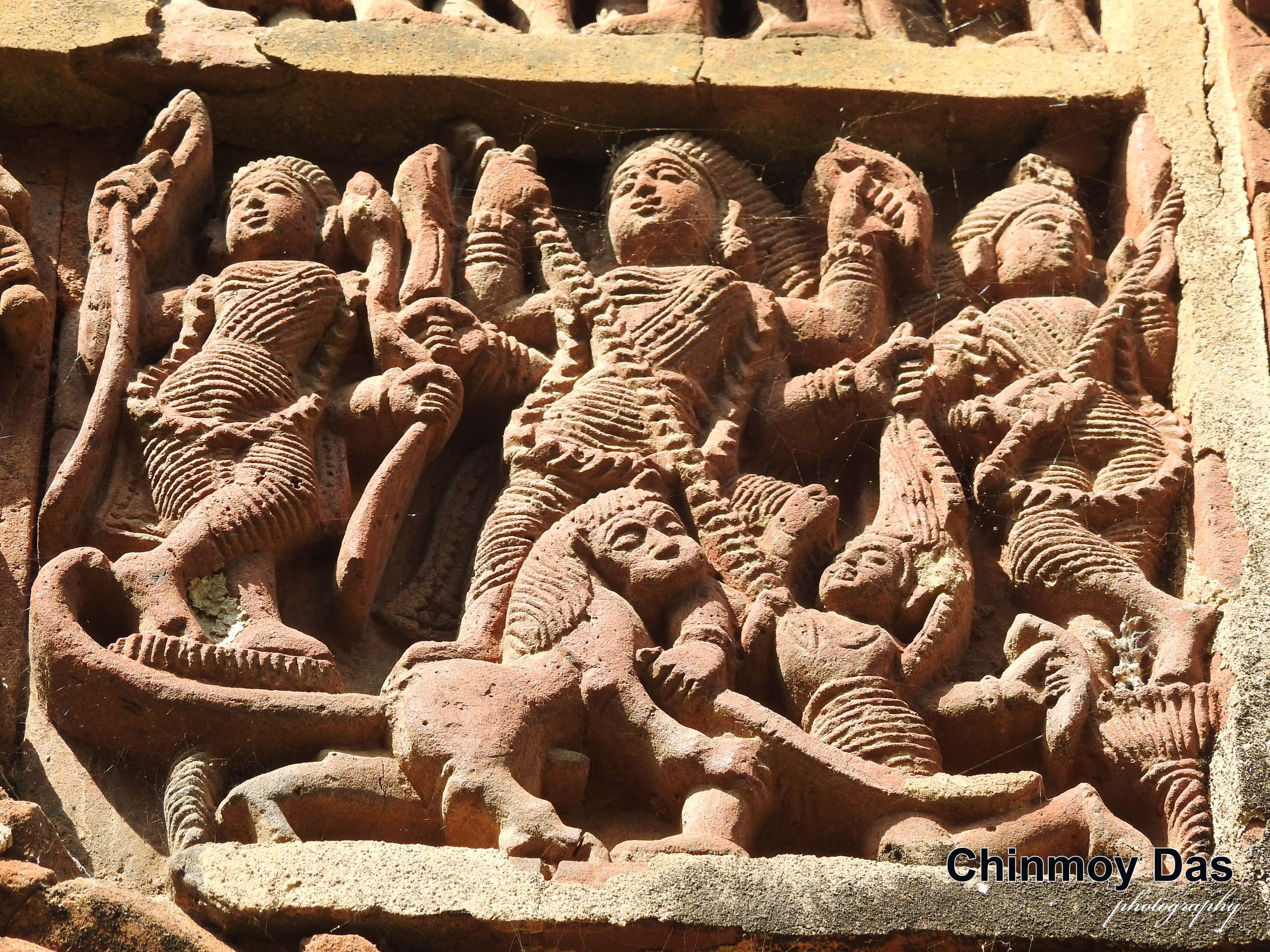
প্রথম তলে সামনের দেওয়াল জুড়ে রামায়ণ, কৃষ্ণকথা আর পুরাণ কাহিনীর ছড়াছড়ি। স্বর্ণমৃগরূপী মারীচ নিধন, রাম আর রাবণের লঙ্কাযুদ্ধ। গোপিনীদের বস্ত্রহরণ, জটিলা-কুটিলা, কৃষ্ণকালী, নৌকাবিলাস, শ্রীকৃষ্ণের মথুরা গমণ, শ্রীরাধিকার কৃষ্ণপূজা। পুরাণকথা থেকে সমুদ্র মন্থন, বিষ্ণুর অনন্তশয্যা, চতুর্ভূজা দেবীদুর্গা। চৈতন্যদেবের নগর সংকীর্তন। আছে মিথুন ফলকও। আর আছে বহুসংখ্যক পাখি—ময়ুর, পারাবত আর লক্ষ্মীপেঁচা। পেঁচার অনেকগুলি ফলক। প্রতিটি দ্বারপথের খিলানের গায়ে।
পূর্ব আর দক্ষিণ—দ্বিতলের দু’দিকের দেওয়ালেই ফলকের সমাবেশ। তবে পূর্বের দেওয়ালেই বেশি ফলক। ভারি বিশিষ্ট বিষয়ের ফলক আছে এখানে। যেমন—কর্ণ আর পদ্মাবতীর পুত্র বৃষকেতুর হত্যাদৃশ্য, হাতির পদতলে দুই বণিক ধনপতি আর শ্রীপতি হত্যার উদ্যোগ, যমলার্জুন উদ্ধার, ধেনুকাসুর বধ, কংসচানুর মর্দন ইত্যাদি। খুব বেশি মন্দিরে এগুলি চোখে পড়ে না।
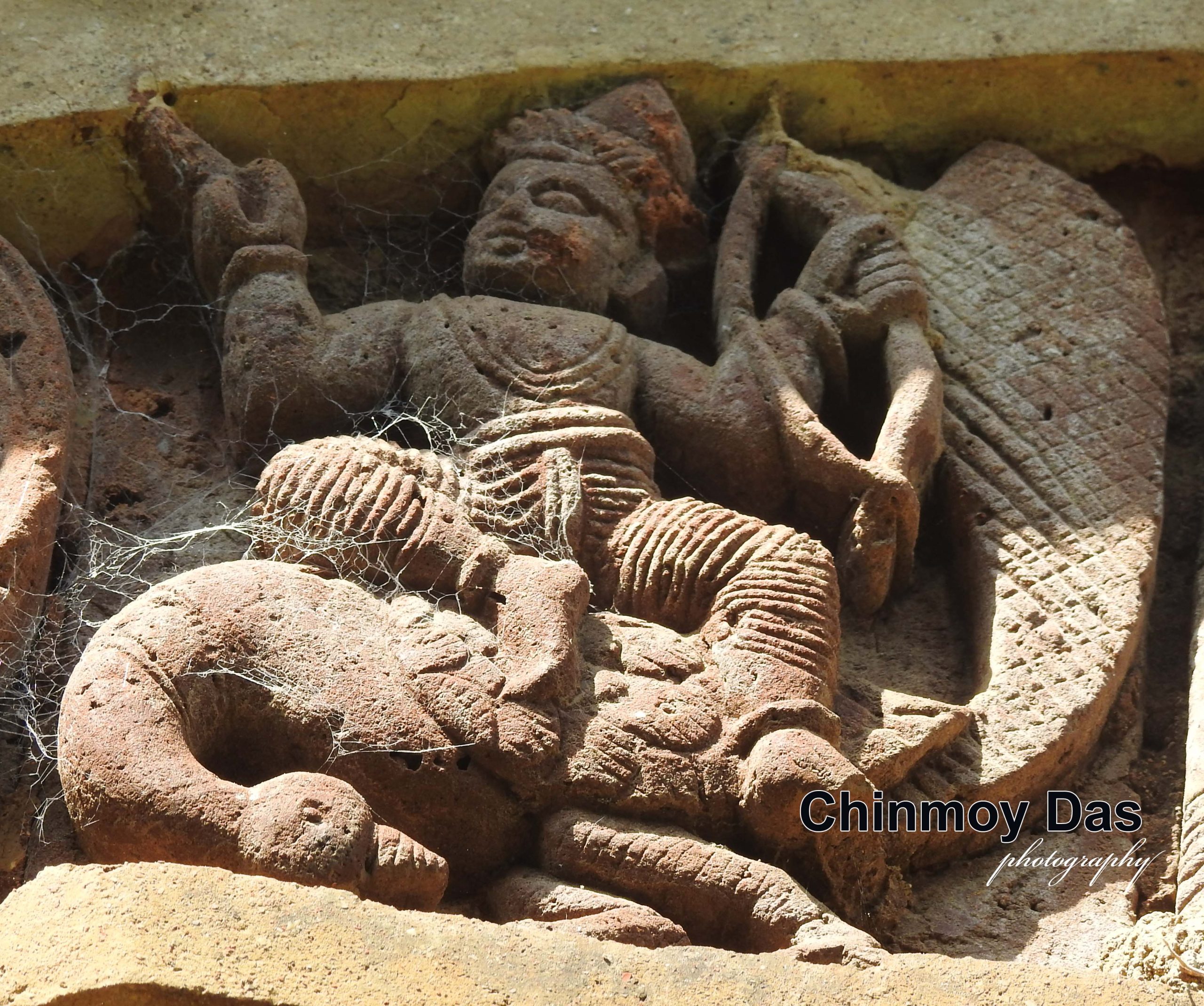
মোটিফ হিসাবে এছাড়াও আছে—বিষ্ণুর অনন্ত শয্যা, নন্দীবাহন মহাদেব, বলরাম ও রেবতী, শিব ও অন্নপূর্ণা, চর্চরীবাদিকা ইত্যাদি ফলক। সমকালীন কিছু বিষয়ও দেখা যায়-- নারীর গাত্রমার্জনা, হাতে শাঁখ নিয়ে ঘাগরা পরা রমণী, ইউরোপীয় সাহেব মূর্তি ইত্যাদি।
দ্বিতলের দক্ষিণের দেওয়ালে একটি টানা প্যানেল। তাতে রূপায়িত হয়েছে—জগন্নাথ-সুভদ্রা-বলরাম। তার সাথে ত্রিভঙ্গ মুরারী শ্রীকৃষ্ণ। এটি টেরাকোটা নয়, স্টাকোর কাজ। এই রীতির আর একটি কাজ আছে-- একটি দ্বারপালিকা মূর্তি।
পঙ্খের ফুলকারী নক্সার কাজও আছে মন্দিরের দেওয়ালে। মন প্রাণ ঢেলে মন্দিরটিকে সাজিয়েছিলেন জমিদারবাবু আর সূত্রধর শিল্পী।
কিন্তু ক্ষয় হতে শুরু করেছে ফলকগুলি। রক্ষা করার উদ্যোগ নেই কারও। এমন একটি অনিন্দসুন্দর মন্দির আর অমূল্য সাংস্কৃতিক সম্পদ—বিনষ্ট হচ্ছে সকলের চোখের সামনে। হেলদোল নাই কারও।
Lakshmivaraha Temple, Bagrui (Keshpur Police Station, Medinipur)
Chinmoy Das
The ever-flowing Kangsabati River, after passing Medinipur town, turns eastward. Along its northern bank stretches the land of the historic Medinipur Pargana for miles. On the very edge of the river, in the village of Bagrui, lived an aristocratic family bearing the surname Maity.
The story dates back about two hundred years. The Permanent Settlement system had recently been introduced. Taking advantage of this new arrangement, the Maity family established a small zamindari estate. Accepting Lord Vishnu as their tutelary deity, the zamindar built a temple.
One year, a devastating flood submerged the family residences, the temple, and the surrounding area. As a result, many branches of the zamindar family left Bagrui and settled elsewhere. One of them took away the deity's Shalagram stone, which had been worshipped in the temple, in order to continue the daily rituals. Since that day, the temple has remained abandoned.
The temple is an east-facing Navaratna (nine-towered) structure built of brick, approximately forty feet high. The building is perfectly square in plan. The sanctum has an additional doorway on the south side, and inside there is an extra altar on the northern side. A staircase leads all the way up to the second storey. The temple's towers are built in the shikhara style.
The deity has long been absent. Neglect and indifference have allowed decay to take hold of the structure. The first victims of this deterioration have been the terracotta plaques.
The terracotta decoration extends across the first and second storeys of the eastern and southern façades. The pillars are completely covered with plaques. They also appear in horizontal rows beneath the cornices, in vertical rows beside the corner recesses, above the arches of the three entrances, and on both sides of the sanctum doorways. There is hardly any place where plaques are absent.
The front wall of the first storey is crowded with scenes from the Ramayana, Krishna legends, and Puranic narratives. Among them are the slaying of Maricha in the form of the golden deer, the battle of Lanka between Rama and Ravana, Krishna's theft of the gopis' garments, Jatila and Kutila, Krishna Kali, Naukabilas (Krishna's boat pastime), Krishna's journey to Mathura, and Radha's worship of Krishna. Puranic scenes include the Churning of the Ocean, Vishnu reclining on Ananta, and the four-armed Goddess Durga. There is also a depiction of Chaitanyadeva's Nagar Sankirtan (public devotional procession). Mithuna (amorous couple) panels are present as well. Numerous birds appear on the plaques—peacocks, pigeons, and Lakshmi owls. Many owl plaques can be seen, especially around the arches of the doorways.
The second storey also contains a rich collection of plaques on both the eastern and southern walls, though the eastern wall possesses the larger number. Some panels depict unusually rare subjects, such as the slaying of Vrishaketu, son of Karna and Padmavati, the attempted execution of the merchants Dhanapati and Sripati beneath an elephant's feet, the deliverance of the Yamala-Arjuna trees, the slaying of Dhenukasura, and the defeat of Kamsa and Chanura. Such themes are not commonly found in temple terracotta.
Other motifs include Vishnu on Ananta, Mahadeva with Nandi, Balarama and Revati, Shiva and Annapurna, and female musicians. Contemporary social scenes are also represented, including a woman engaged in personal grooming, a lady wearing a ghagra and holding a conch shell, and figures of European gentlemen.
On the southern wall of the second storey there is a long panel depicting Jagannath, Subhadra, and Balarama, accompanied by Sri Krishna in the tribhanga posture. This is not terracotta but stucco work. Another example of stucco decoration is a female doorkeeper figure.
The temple walls also display elegant floral and foliage designs. The zamindar and the master craftsmen clearly devoted their heart and soul to adorning this monument.
Unfortunately, the plaques have begun to deteriorate, and no effort is being made to preserve them. This exceptionally beautiful temple and priceless cultural heritage are being destroyed before everyone's eyes, yet no one seems concerned.