রাধাবল্লভ মন্দির, মির্জাবাজার (মেদিনীপুর শহর)
চিন্ময় দাশ
বৈষ্ণব যুগের মধ্যভাগে তিনজন প্রভুর আবির্ভাব হয়েছিল-- শ্যামানন্দ, শ্রীনিবাস এবং নরোত্তম। বৈষ্ণব সমাজে শ্রীচৈতন্য, নিত্যানন্দ এবং অদ্বৈতাচার্য যে সম্মান লাভ করেছিলেন, পরবর্তীকালে এই তিনজন প্রভুও সেই সম্মানের অধিকারী হয়েছিলেন।
বাংলার দক্ষিণ-পশ্চিম এলাকা, সংলগ্ন বিহার (অধুনা ঝাড়খন্ড) এবং ওডিশার ব্যাপক এলাকা জুড়ে ধর্মপ্রচারের কাজ করেছিলেন শ্যামানন্দ। নরহরি চক্রবর্তীর 'ভক্তি-রত্নাকর' গ্রন্থে শ্যামানন্দের ধর্মপ্রচারের বিবরণ পাওয়া যায়। শ্যামানন্দ এবং তাঁর শিষ্য রসিকানন্দ সেসময় কেশিয়াড়ি এবং মেদিনীপুর-- দুই নগরীর মুঘল রাজকর্মচারীদের উপরও বিপুল প্রভাব বিস্তার করতে পেরেছিলেন তিনি। দুটি এলাকায় বৈষ্ণবদের জন্য আশ্রয় স্থাপনও করতে পেরেছিলেন তাঁরা।
মেদিনীপুর শহরে বৈষ্ণবধৰ্ম এবং বৈষ্ণবীয় রীতিতে দেবারাধনার যে বিস্তার আজও চোখে পড়ে, তা শ্যামানন্দ প্রভুরই অবদান। তাঁর প্রভাবে নতুন করে বহু দেবালয় গড়ে উঠেছিল এখানে। এমন কোনও জমিদারবাড়ি, এমনকি কোনও ধনী পরিবারও ছিল না, যাঁরা নতুন করে বিষ্ণু বা কৃষ্ণ মন্দির গড়েননি। তেমনই একটি মন্দির নিয়ে আজকের এই বিবরণ।
মন্দিরটির প্রতিষ্ঠা-লিপি থেকে জানা যায়, বঙ্গাব্দ ১২৬৪ সনে ( ইং .... সালে) এটি নির্মিত হয়েছিল। শহরের মির্জাবাজার কুমোরপাড়ায় জনৈক মৃৎশিল্পী কুঞ্জবিহারী পাল এটি প্রতিষ্ঠা করেছিলেন। নিঃসন্তান কুঞ্জবিহারী শেষ বয়সে পুরোহিত সতীশ চন্দ্র চক্রবর্তীকে মন্দিরটি সমর্পন করে গিয়েছিলেন।
নিঃসন্তান ছিলেন সতীশ চন্দ্রও। এক প্রতিবেশীর কন্যা ময়না এবং তাঁর স্বামী অতুল চন্দ্র ভট্টাচার্য্যকে দেবতা ও মন্দির দান করে গিয়েছিলেন তিনি। অতুল চন্দ্রের পুত্রগণই বর্তমানে মন্দিরের স্বত্ত্বাধিকারী। তাঁরাই দেবতার সেবাপূজা করে থাকেন।
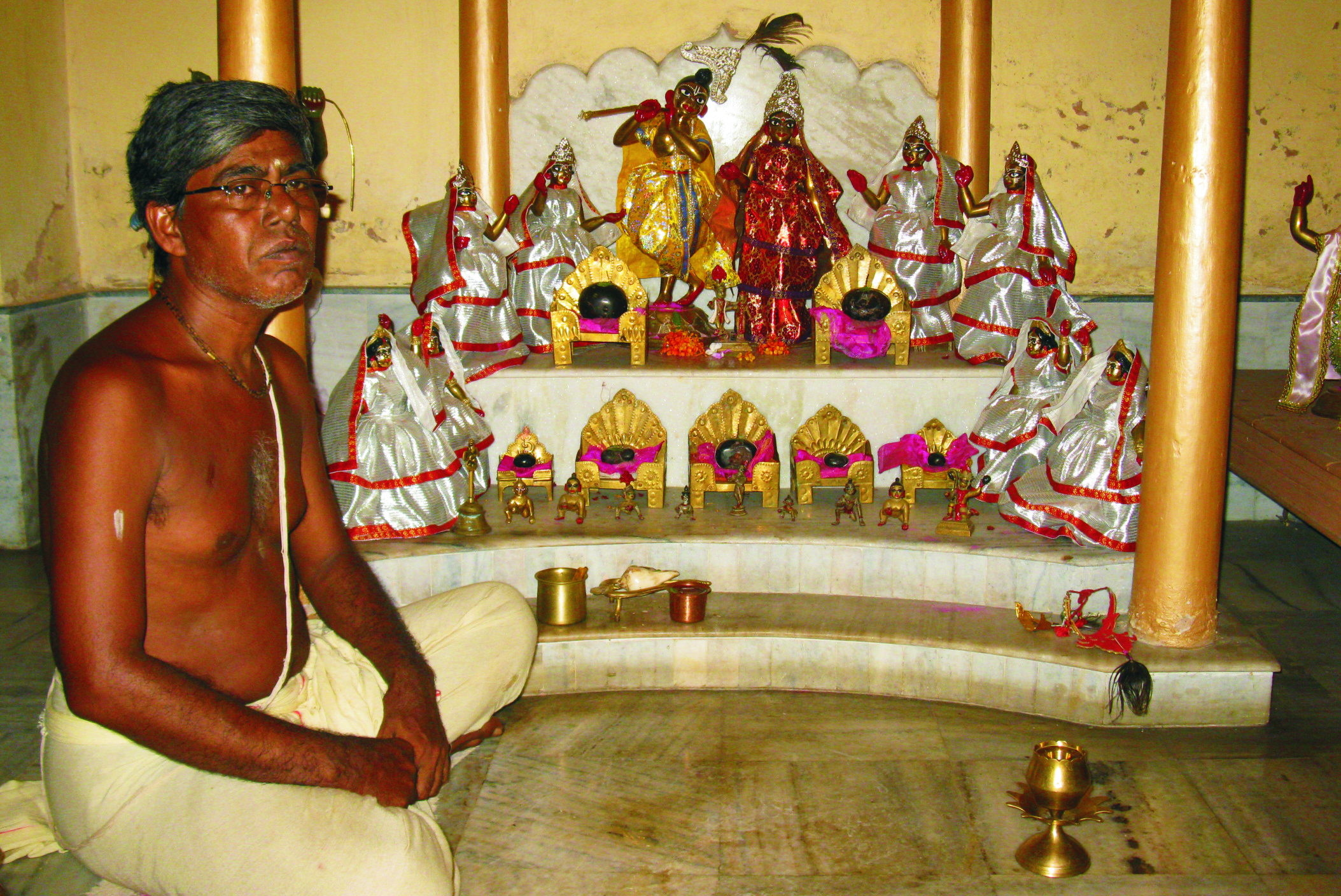
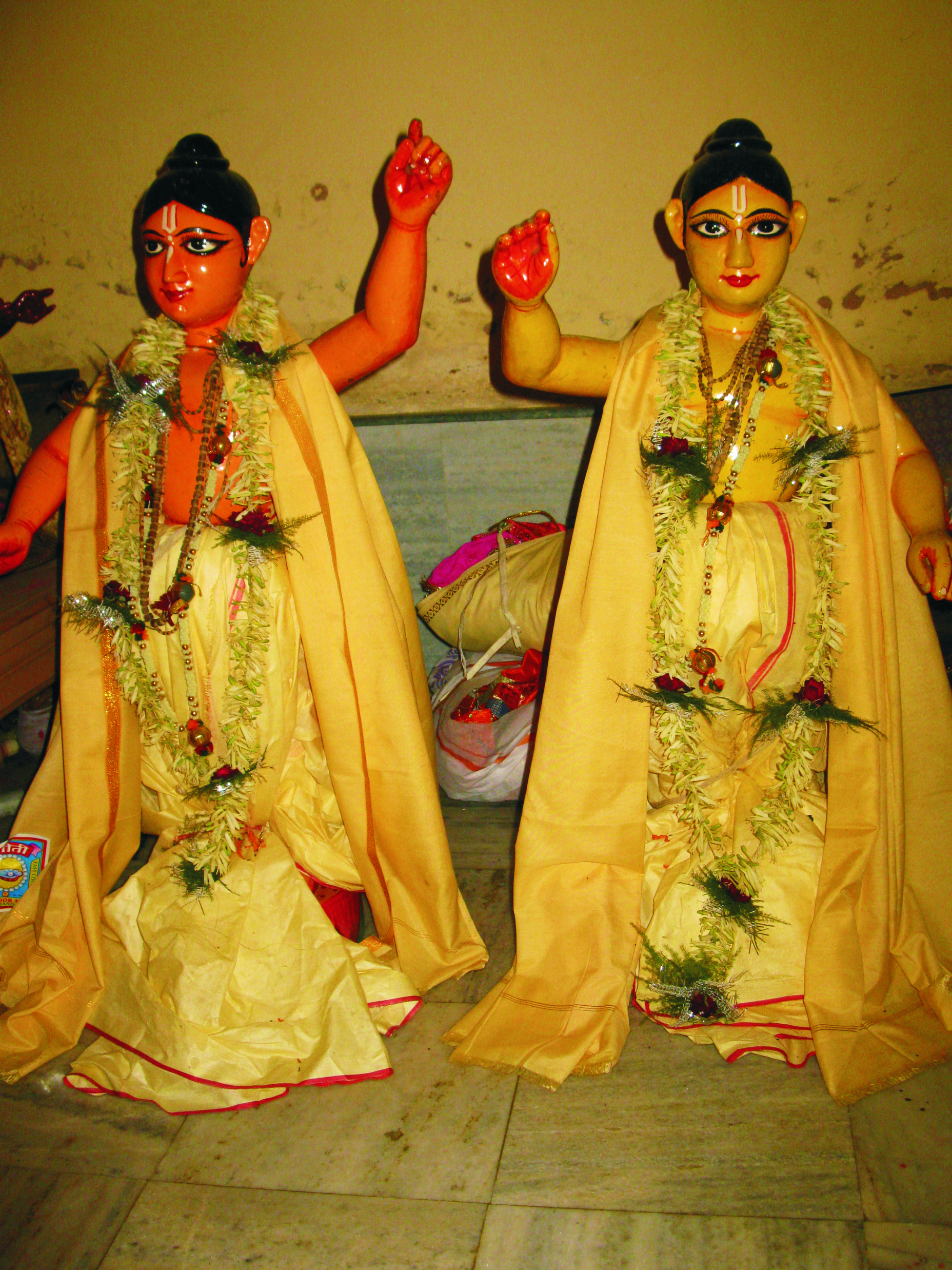
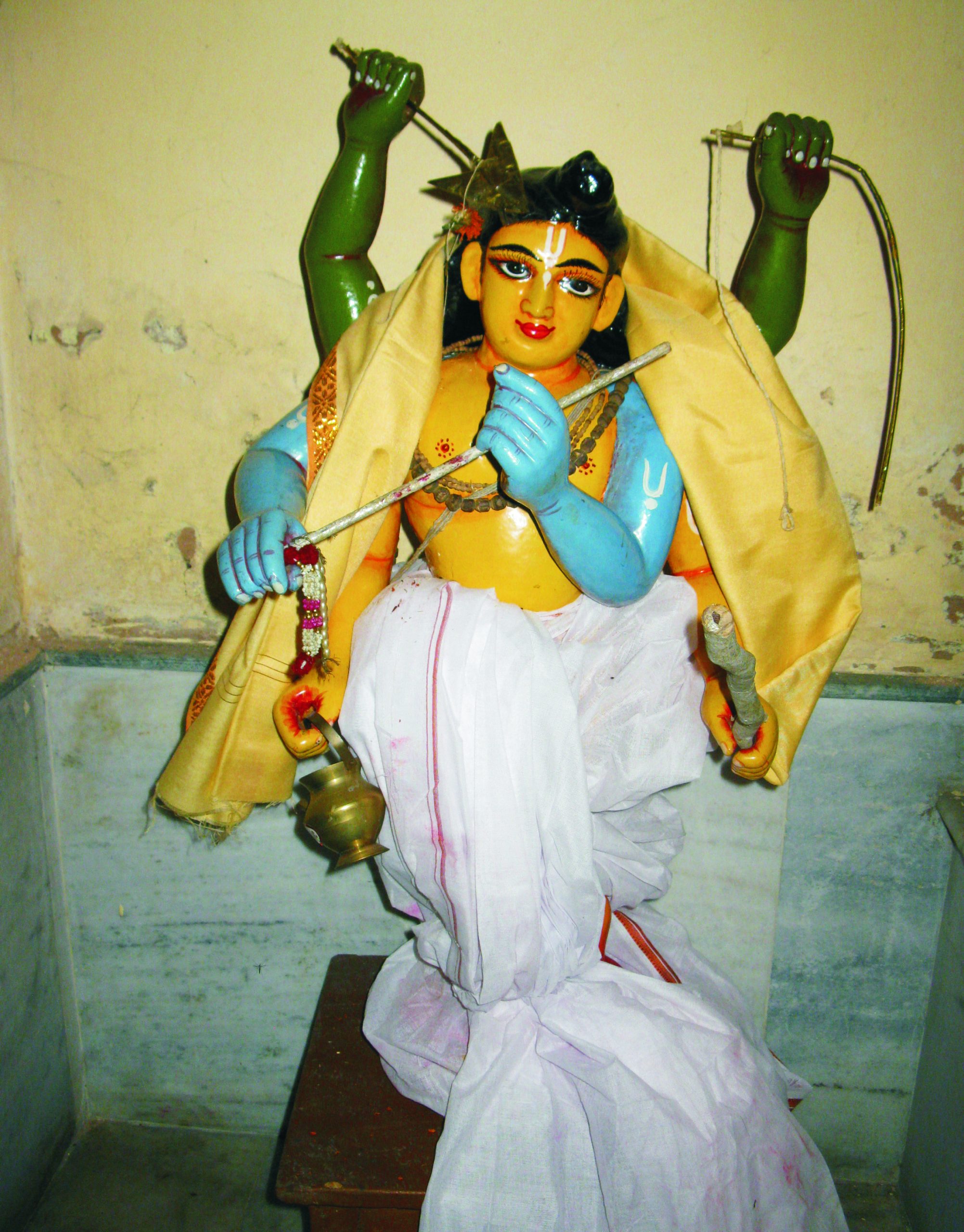
শ্রীকৃষ্ণ ও রাধারানীর ধাতুমূর্তি ছাড়াও, অষ্ট-সখী, সাতটি শালগ্রাম, ছ'টি গোপালমূর্তি এবং গৌরাঙ্গ-নিত্যানন্দের দারু-মূর্তি বিরাজিত আছে মন্দিরে। এছাড়া, শ্রীচৈতন্যের একটি 'ষড়-ভূজ মূর্তিও মন্দিরে প্রতিষ্ঠিত আছে।
অন্নভোগ সহ নিত্যপূজা হয় মন্দিরে। বারো মাসে তেরো পার্বণের আয়োজন। তার ভিতর রাস যাত্রা আর দোল উৎসবের বিশেষ খ্যাতি। পূর্বকালে একটি ঘূর্ণায়মান রাসমঞ্চ ছিল এখানে। দোল পূর্ণিমায় চাঁচুরি, অধিবাস, যোগমায়া দেবীর পূজা, দধি, অন্নকূট-- নানান অনুষ্ঠান দেখা যায় মন্দিরে।
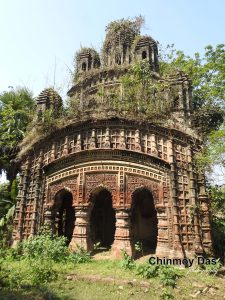
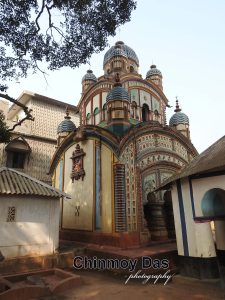
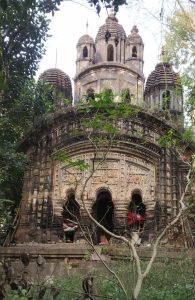
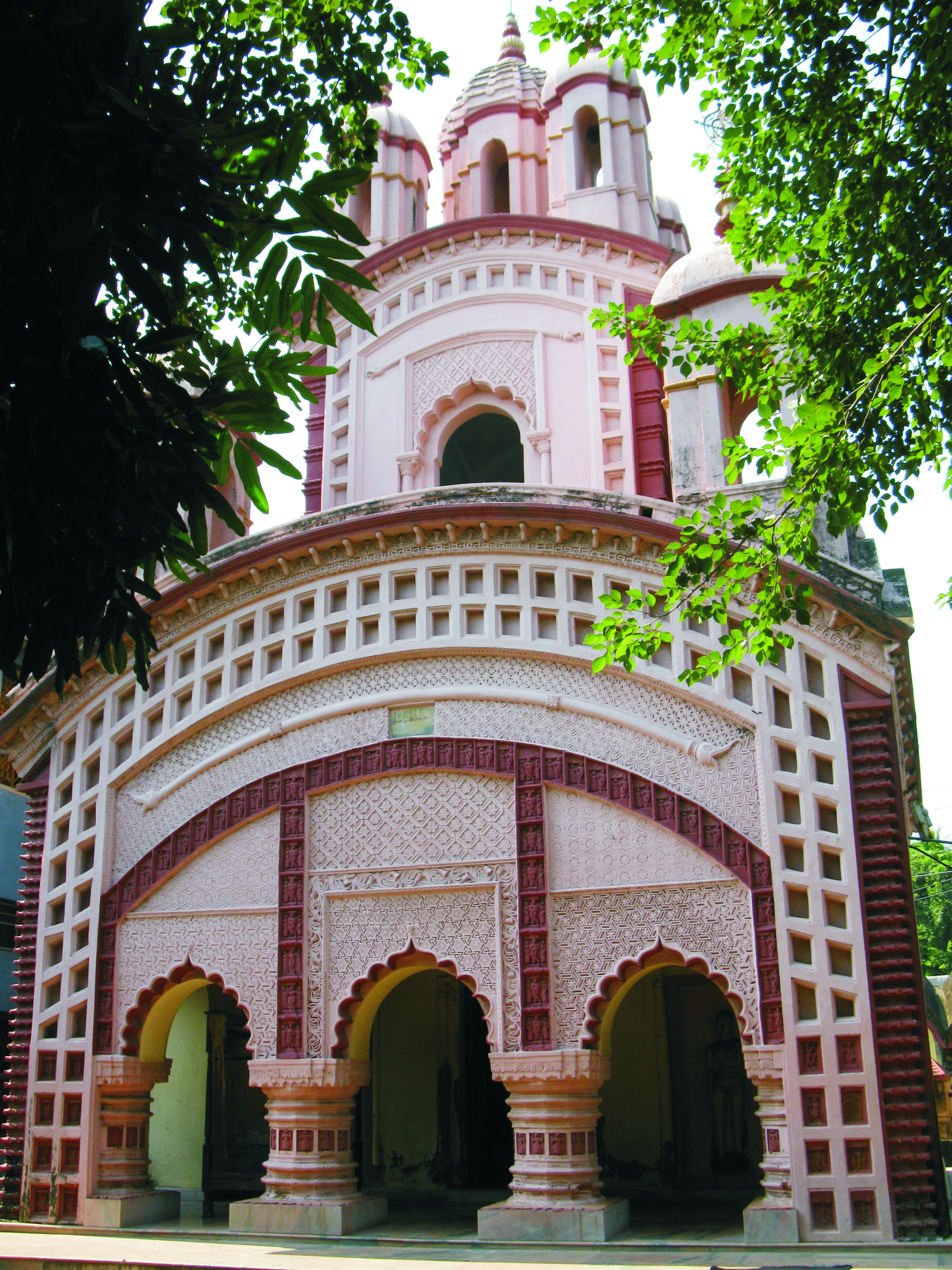
ইটের তৈরী অতি সুদর্শন নব-রত্ন রীতির এই মন্দিরটি পূর্বমুখী হিসাবে নির্মিত হয়েছে। বেশ উঁচু পাদপীঠ। একটি প্রশস্ত প্রদক্ষিণ পথও আছে মন্দিরকে ঘিরে। প্রথমে খিলান-রীতির তিনটি দ্বারপথ। তার পিছনের অলিন্দটির মাথায় টানা খিলানের সিলিং। গর্ভগৃহের একটিই দ্বার। সিলিং হয়েছে খিলানের মাথায় গম্বুজ স্থাপন করে। দ্বিতলেও একদ্বারী একটি গর্ভগৃহ আছে।
রত্নগুলি শিখর রীতির। কেন্দ্রীয় রত্নে পঞ্চ-রথ এবং কোণের রত্নগুলিতে বাঢ় এবং গন্ডী অংশে ত্রি-রথ বিভাজন দেখা যায়। কেবল কেন্দ্রীয় রত্নটির গন্ডীতে পীঢ়ভাগ করা হয়েছে, বাকিগুলিতে নয়।
অলংকরণের কিছু কাজ দেখা যায় মন্দিরে। তিন দ্বারপথের মাথার উপর পঙ্খের জ্যামিতিক কারুকাজ করা হয়েছে। গর্ভগৃহের দ্বারপথের দু'পাশে দুটি বিশেষ মূর্তি আছে। সচরাচর যেখানে দ্বারপাল-এর মূর্তি দেখা যায়, সেখানে দুটি সন্তান-কোলে জননী মূর্তি স্থাপিত আছে। অলিন্দের সামনের দেওয়ালে, কার্ণিশের নীচে এক সারি এবং দুই কোনাচ অংশে চার সারি যে টেরাকোটা ফলক দেখা যায়, সেগুলি কোনও সংস্কারকাজের সময় লাগানো হয়েছে বলে, মনে হয়। সেবাইত পরিবারের সযত্ন দৃষ্টির ছাপ দেখা যায় মন্দিরের সর্বাঙ্গে।
Radhaballabh Temple, Mirzabazar (Medinipur Town)
Chinmoy Das
During the middle phase of the Vaishnava period, three great spiritual masters appeared—Shyamananda, Srinivas, and Narottam. Just as Sri Chaitanya, Nityananda, and Advaitacharya had attained great reverence within Vaishnava society, these three masters subsequently came to enjoy a similar position of honour.
Shyamananda carried out extensive missionary activities across the south-western parts of Bengal, the adjoining areas of Bihar (present-day Jharkhand), and large parts of Odisha. An account of Shyamananda's religious activities can be found in Narahari Chakravarti's Bhakti-ratnakara. Shyamananda and his disciple Rasikananda were also able to exert considerable influence over the Mughal officials of the two towns of Keshiyari and Medinipur during that period. They succeeded in establishing places of refuge for Vaishnavas in both areas.
The extensive presence of Vaishnavism and Vaishnava forms of deity worship that can still be seen in Medinipur town is largely an outcome of the efforts of Shyamananda Prabhu. Under his influence, many new temples were established here. There was hardly a zamindar household, or even a wealthy family, that did not establish a new temple dedicated to Vishnu or Krishna. The following is an account of one such temple.
According to the temple's foundation inscription, it was constructed in 1264 Bengali Era (Bangabda) (corresponding to .... CE). A potter named Kunjabihari Pal, from the Kumorpara neighbourhood of Mirzabazar in the town, established the temple. Kunjabihari, who had no children, eventually handed over the temple to the priest Satish Chandra Chakravarti in his old age.
Satish Chandra was also childless. He subsequently donated the deity and the temple to Moyna, the daughter of a neighbour, and her husband, Atul Chandra Bhattacharya. At present, Atul Chandra's sons are the owners of the temple. They are responsible for the worship and service of the deity.
Besides metal images of Sri Krishna and Radharani, the temple houses the Ashta-sakhis (eight companions of Radha), seven Shalagram stones, six images of Gopal, and wooden images of Gauranga and Nityananda. In addition, a six-armed image of Sri Chaitanya (Shad-bhuja Chaitanya) is also installed in the temple.
Daily worship is performed in the temple, including the offering of annabhoga. Numerous festivals are celebrated throughout the year. Among them, the Rasa Yatra and Dol festival are particularly renowned. In former times, there was a revolving Rasamancha here. On Dol Purnima, various rituals and ceremonies are held, including Chanchuri, Adhibasa, worship of Yogamaya Devi, Dadhi, Annakuta, and others.
This handsome brick temple was built facing east in the Nava-Ratna (nine-towered) style. It stands on a fairly high plinth and is surrounded by a broad circumambulatory passage. There are three arched doorways at the front. Behind them is a porch whose ceiling is formed with a barrel vault. The sanctum has a single entrance, and its ceiling is formed by placing a dome over the arched roof. There is also a single-doored sanctum on the second storey.
The ratnas are built in the shikhara style. The central ratna has a five-ratha division, while the corner ratnas display barha projections and three-ratha divisions in their gandi sections. Only the gandi of the central ratna is divided into pidha sections; the others are not.
Some decorative work can be seen on the temple. Geometric designs in pankha ornamentation have been executed above the three doorways. On either side of the doorway of the sanctum are two unusual figures. In the position where figures of door guardians are normally found, there are instead two images of mothers holding children in their arms.
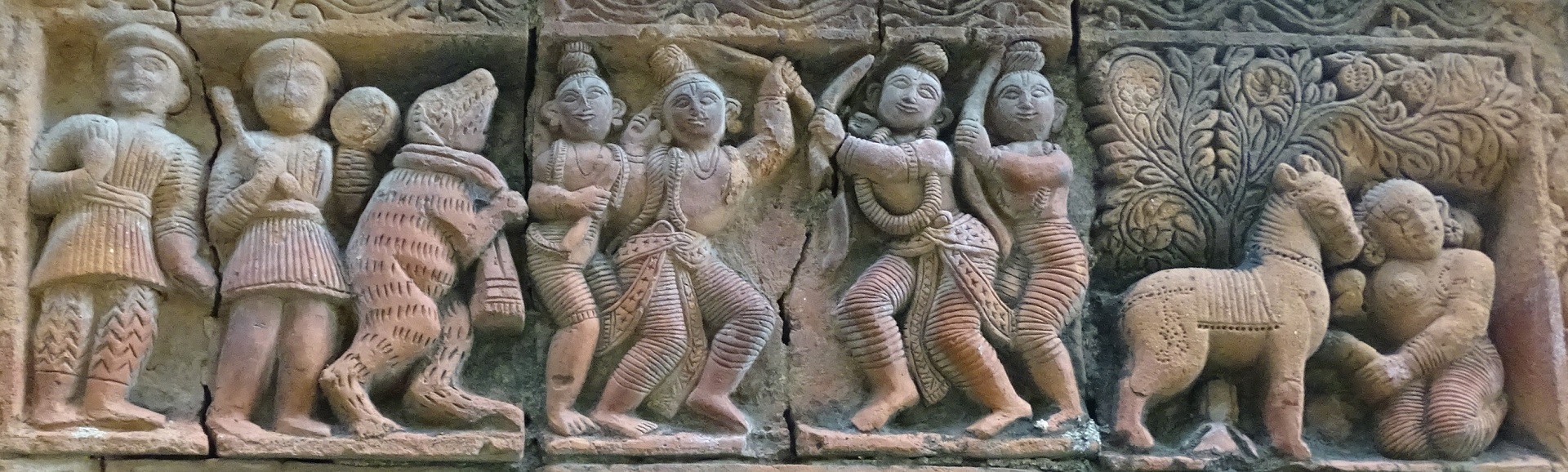
On the front wall of the porch, a row of terracotta panels can be seen beneath the cornice, while four rows occur on each of the two corner sections. These panels appear to have been installed during some later restoration work. The entire temple bears evidence of the careful attention of the hereditary custodian family.