লক্ষ্মীনারায়ণ মন্দির, অমর্ষি কশবা (পটাশপুর)
চিন্ময় দাশ
আরবি ‘কসবাহ’ শব্দ থেকে ‘কশবা’ শব্দের উদ্ভব হয়েছে, এমনটাই বলা হয়। শব্দটির অর্থ হোল—শহরের চেয়ে ছোট, আবার গ্রামের চেয়ে বড়, কোনও সমৃদ্ধ গঞ্জ বা গণ্ডগ্রাম। কোন স্থানের মূল নামটির আগে কিংবা পরে, পূর্ব-পদ বা অন্ত-পদ হিসাবে, কশবা শব্দের ব্যবহার হয়ে থাকে। মেদিনীপুর জেলায় কশবা নারায়ণগড়, কশবা এগরা ইত্যাদি নাম তার উদাহরণ।
কাঁথি মহকুমার এমনই আর একটি প্রাচীন জনপদ—অমর্ষি কশবা। অতীতে এই এলাকার এক খ্যাতিমান হিন্দু নৃপতি ছিলেন জনৈক অমর সিংহ। তাঁর রাজধানি ছিল অমর্ষিতে। অমর সিংহের নাম থেকেই ‘অমর্ষি’ নামের উদ্ভব— ঐতিহাসিকগণের তেমনটাই অভিমত।
এক সময় খ্যাতনামা এক পীর ছিলেন এখানে। সকল ঐতিহাসিকের বিবরণে সেই পীর খাজা মখদুম সিহাবুদ্দিন চিস্তি এবং তাঁর মাজার ও তিন-গম্বুজ মসজিদের বিবরণ পাওয়া যায়।
কিন্তু অত্যন্ত পরিতাপের কথা, অমর্ষি কশবা গ্রামেরই পুরাকীর্তি হিসাবে, অন্তত ৩০০ বছরের প্রাচীন, একটি মন্দিরের উল্লেখ কোথাও দেখা যায় না। সেই জীর্ণ পরিত্যক্ত মন্দিরটির সালতামামি আমাদের এবারের এই জার্ণালে।
মেদিনীপুর জেলার একমাত্র মুসলমান শাসক ছিলেন, জেলার সর্ব দক্ষিণে, সমুদ্র তীরবর্তী হিজলী রাজ্যের জমিদা্ তাজ খাঁ ‘মসনদ-ই-আলা’। ষোড়শ শতাব্দীর মাঝামাঝি সময়ে, গুরুদেব মখদুম সাহেবের আদেশে, তিনি অমর্ষি রাজ্যটি অধিকার করে নিয়েছিলেন।
পরবর্তীকালে, ষোড়শ শতাব্দীর শেষ দশকে, ১৫৯৪ সালে, যশোহরের রাজা প্রতাপাদিত্য হিজলী অধিকার করে নিলে, সেই অভিঘাতে অমর্ষিও হিজলীর জমিদার তাজ খাঁর বংশের হাতছাড়া হয়ে যায়। সেসময় অমর্ষি রাজ্যটি কয়েকটি ছোট ছোট মহালে বিভক্ত হয়ে গিয়েছিল। একটি বড় অংশে বাল্যগোবিন্দপুরে রায়চৌধুরী বংশ, পালপাড়া এলাকায় মহাপাত্র (যদু মহাপাত্র) বংশ প্রমুখ নতুন জমিদার হিসাবে প্রতিষ্ঠিত হয়েছিল।
তেমনই ছোট একটি জমিদারী গড়ে উঠেছিল অমর্ষি এলাকাতেও। সেটির জমিদার রায়বংশের বসতি ছিল অমর্ষি কশবা (জে এল নং ১৩৪) গ্রামে। বসতবাড়ির সাথে কুলদেবতার জন্য একটি মন্দিরও গড়েছিলেন জমিদাররা।
বলা হয়, পটাশপুর থানা মহাপ্রভু চৈতণ্যদেবের পদধুলিধন্য। জগন্নাথধাম পুরীর উদ্দেশ্যে যাত্রাকালে, কেলেঘাই নদীর পাথরঘাটায় নৌকা থেকে নেমে, পদব্রজে এই থানার উপর দিয়েই, তিনি রেমুনা অভিমুখে রওণা হয়েছিলেন । তাঁর সেই মহান অভিযাত্রার ফলশ্রুতিতে, বৈষ্ণবীয় প্রেমধর্মের বন্যা বয়ে গিয়েছিল সারা থানা জুড়ে। ঘরেঘরে ভগবান বিষ্ণু বা রাধাকৃষ্ণের আরাধনা প্রচলিত হয়েছিল।
জমিদার রায়বংশও সেই পথের অনুসারী হয়েছিল। কুলদেবতা হিসাবে গ্রহণ করা হয়েছিল বিষ্ণুকে। লক্ষ্মীনারায়ণ নামিত শালগ্রাম শিলাকে কুলদেবতা হিসাবে গ্রহণ করে, বসতবাড়ির সাথেই মন্দির গড়ে তোলা হয়েছিল দেবতার জন্য।
জানা যায়, একবার স্থানীয়ভাবে হিন্দু-মুসলমান বিবাদের সময়, নিরাপত্তার প্রয়োজনে মন্দির থেকে শালগ্রাম বিগ্রহটি সরিয়ে নিতে হয়েছিল। পার্শ্ববর্তী পঁচেটগড় জমিদারবাড়ীর কুলদেবতা শ্রীশ্রীকিশোররায় জীউর মন্দিরে রেখে আসা হয়েছিল বিগ্রহকে। সেখানেই আজও বিগ্রহটি পূজিত হয়ে চলেছেন।
সেই ডামাডোলের সময়, কেবল বিগ্রহ স্থানান্তরিত হয়েছিল, তা কিন্তু নয়। জমিদার রায়বংশও সেসময়েই অমর্ষি এলাকা ছেড়ে, অন্যত্র চলে গিয়েছিলেন। সেসময় তাঁদের এই মন্দির, সংলগ্ন বাস্তু এলাকা ইত্যাদি স্থানীয় অধিবাসী জনৈক দীননাথ চন্দ্রকে হস্তান্তর করে দিয়ে যান। দীননাথের উত্তরপুরুষগণই বর্তমানে সেসকলের স্বত্ত্বাধিকারী।
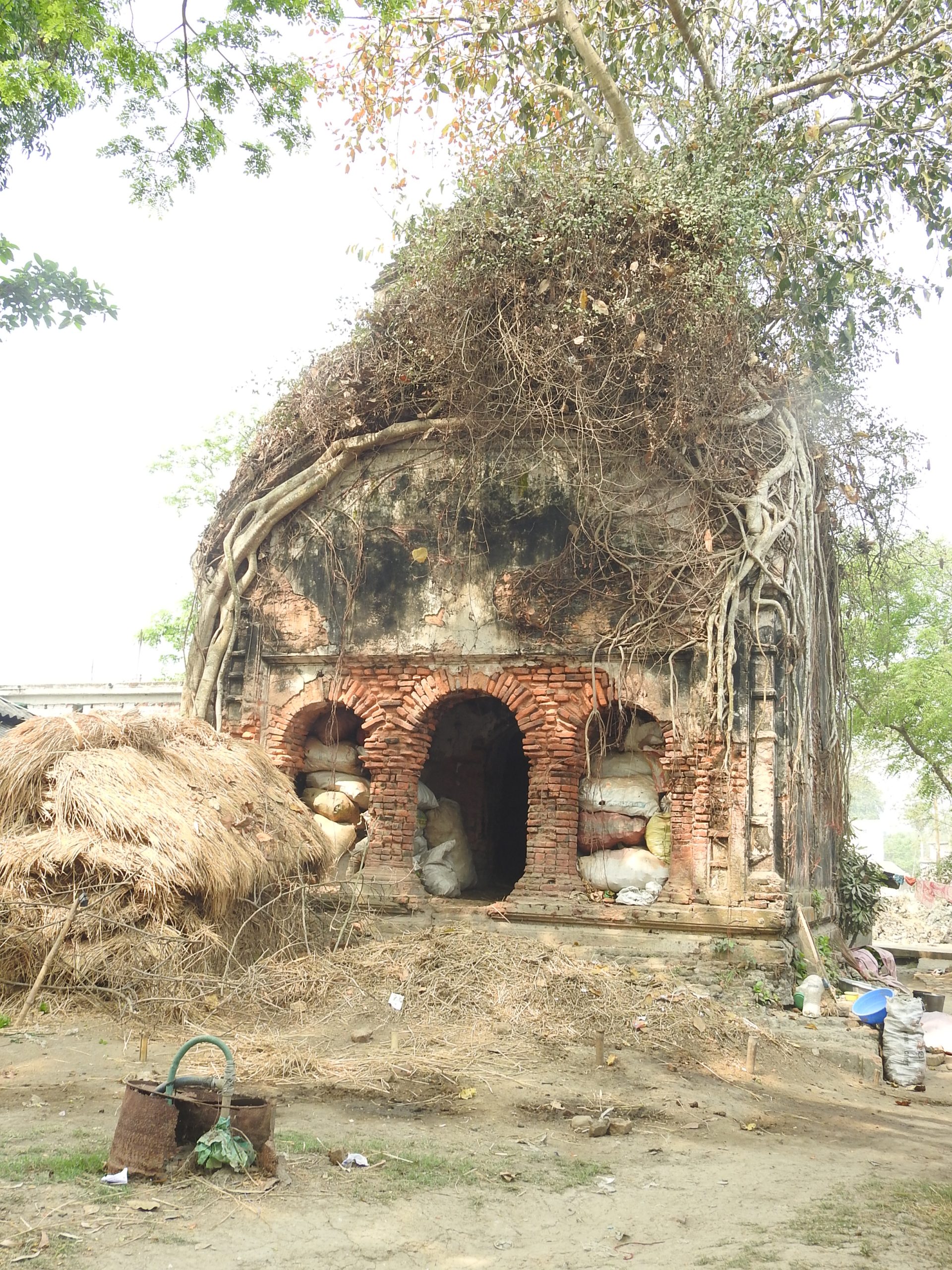
যেদিন দেবতা সরিয়ে নেওয়া হয়েছে মন্দির থেকে, সেদিন থেকেই পরিত্যক্ত শূণ্য মন্দিরটি অনাদর আর অবহেলার শিকার। কালের করাল ছোবল তার সর্বাঙ্গে। ধীরে ধীরে নোনা হাওয়া, আর মানুষের অত্যাচারে, ভারি করুণ দশা দেবালয়টির।
যে গর্ভগৃহে দেবতার আসন পাতা হয়েছিল, কাঁসর-ঘন্টায় দেবতার পদবন্দনা হত যেখানে, সেটিতে আজ আবর্জনার ডাঁই। গৃহপালিত গবাদি পশুর গোয়ালঘর হিসাবে ব্যবহার করা হয়। গর্ভগৃহের মেঝেতে পোঁতা চারটি খুঁটিও দেখেছি আমরা। হায়, আমাদের পোড়া কপাল!
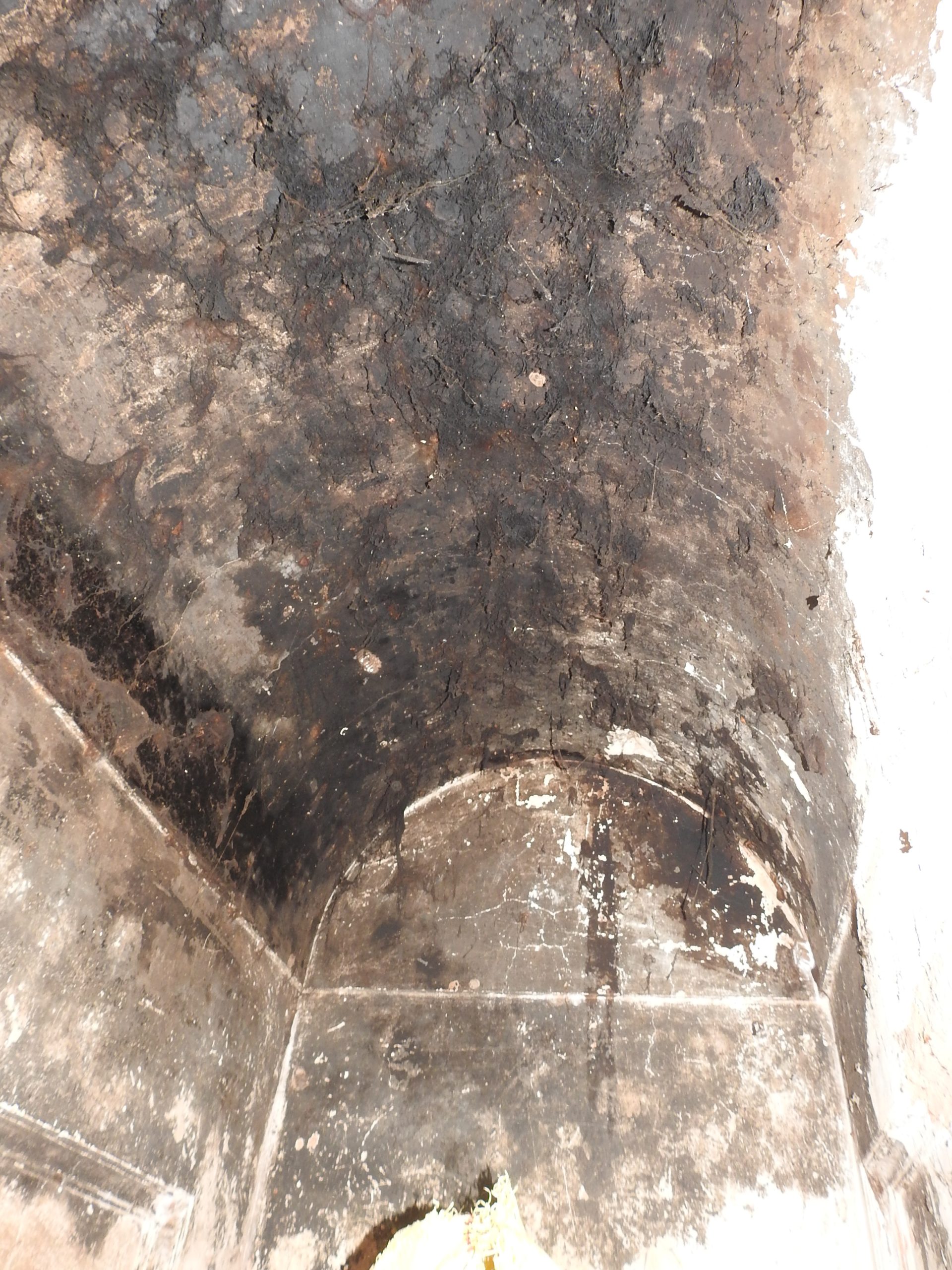
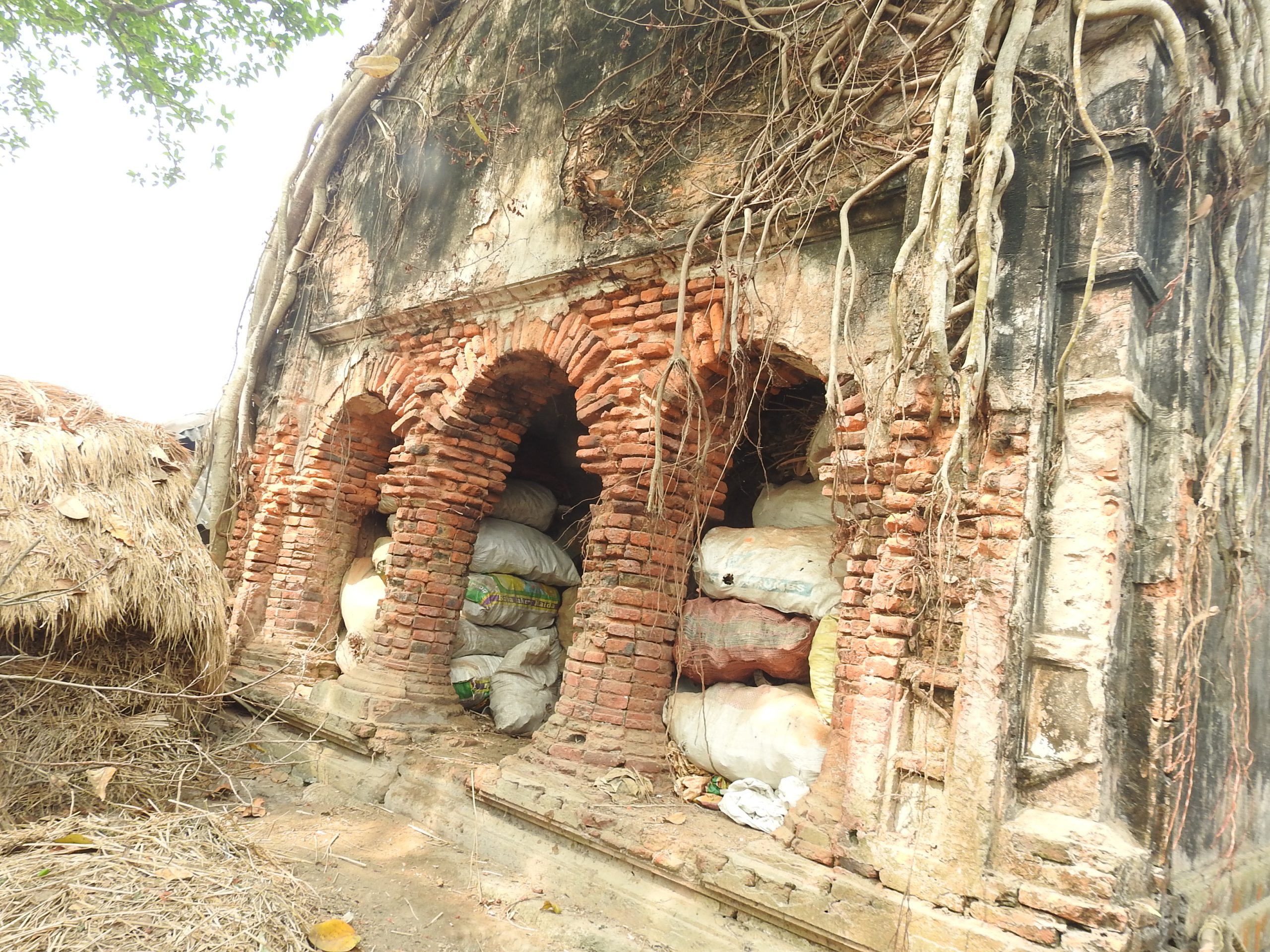
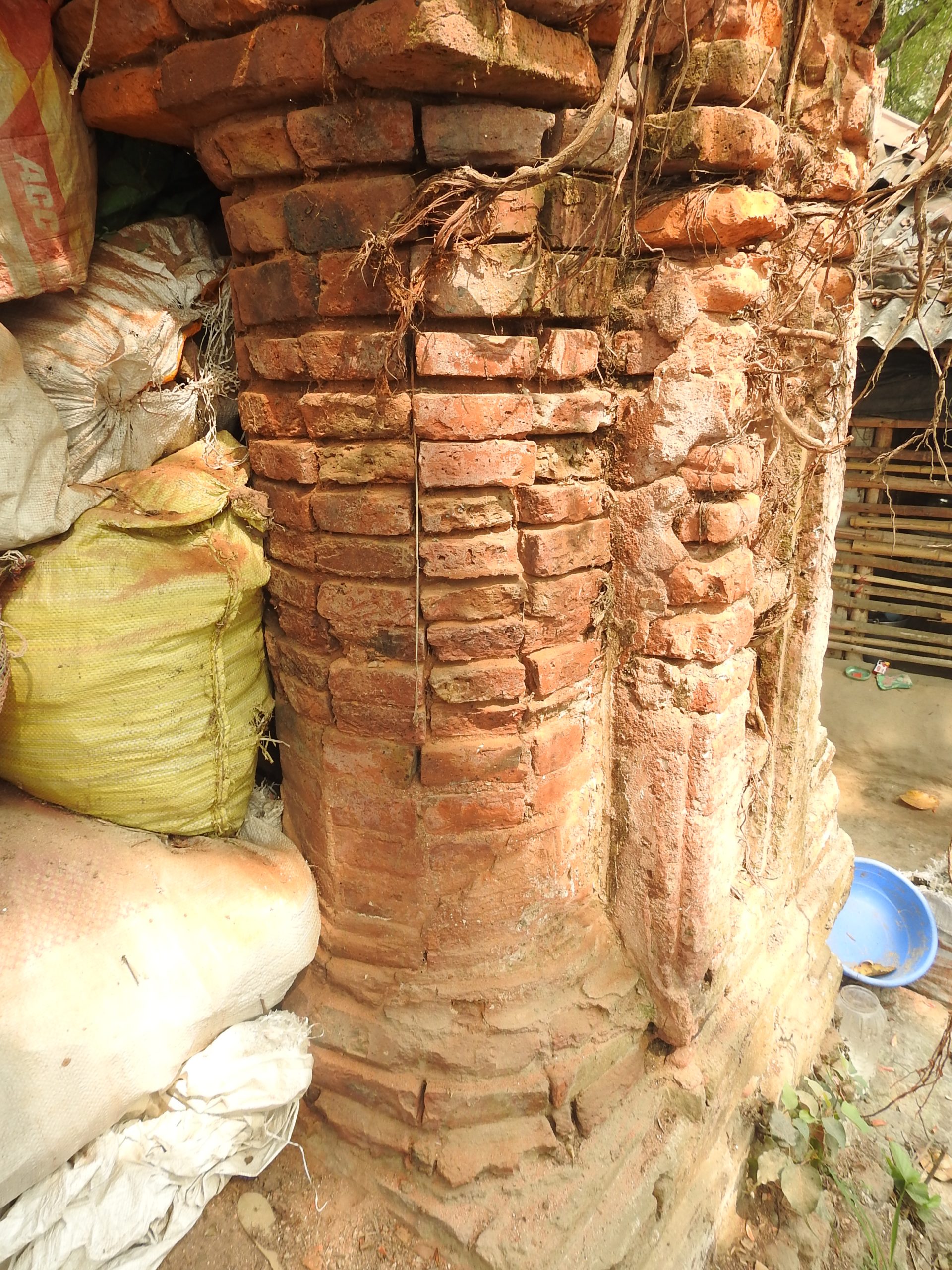
পূর্বমুখী ইটের দেবালয়টি নির্মিত হয়েছিল আট-চালা হিসাবে। এখনও ফুট আড়াই উচ্চতা আছে মন্দিরের ভিত্তিবেদীটির। পলেস্তারা বহুপূর্বেই উধাও হয়ে গিয়েছে। গোলাকার থামের কঙ্কালগুলির মাথায় দেখা যায়, খিলানগুলি ‘দরুণ-রীতি’তে রচিত হয়েছিল। তিন খিলানের অলিন্দের সিলিং ‘টানা-খিলান’ রীতির। পিছনে একদ্বারী গর্ভগৃহ। সেটির সিলিং হয়েছে খিলানের উপর গম্বুজ রচনা করে।
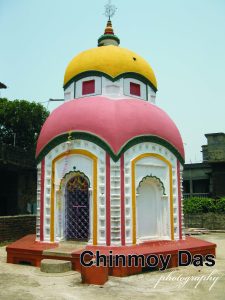
আট-চালা মন্দির। উপর এবং নীচ—দুটি তলেরই ছাউনির চালগুলি দেওয়ালের সাথে চাপা। বড় আকারের কার্ণিশগুলির বঙ্কিম ভাব বেশ সুদর্শন। অলঙ্করণ হিসাবে স্টাকোর কারুকাজ ছিল, তার কিছু চিহ্ন দেখা যায়।
শীর্ষক বা চুড়া অংশটি বহুকাল পূর্বেই বিলীন হয়ে গিয়েছে। বেঁকি, আমলক, কলস, চক্র ইত্যাদি কিছুই আর অবশিষ্ট নাই।
জমিদার নাই। দেবতার বিগ্রহ নাই। কাঁসর-ঘন্টার আওয়াজ নাই। নাই মন্দিরের সৌন্দর্যের চিহ্নমাত্রও। যা আছে তা হোল আমাদের ঔদাসীন্য, অনাদর আর অত্যাচারের চালচিত্র। আর আছে বট-অশ্বত্থ মহীরুহের শিকড়ের বজ্রবাহুতে জড়িয়ে ধরা একটি দেবালয়ের মৃত্যুপথযাত্রার জলছবি।
কত দূর দূর দেশ পর্যটন করি আমরা। বেরিয়ে পড়ি বিখ্যাত দেবালয় দর্শনে। কিন্তু দু’পা ফেলে, বাড়ির অনতিদূরের এই জীর্ণ দেবালয়টি হয়ত, আজও দেখা হয়নি আমাদের অনেকেরই। এটি কম পরিতাপের কথা নয়।
Lakshminarayan Temple, Amarshi Kashba (Patashpur)
Chinmoy Das
It is said that the word “Kashba” originated from the Arabic word qasbah. It refers to a prosperous market settlement or large village that is smaller than a town but larger than an ordinary village. The word Kashba is often used as a prefix or suffix before or after the original name of a place. In Medinipur district, Kashba Narayangarh and Kashba Egra are examples of such usage.
Amarshi Kashba is another such ancient settlement in the Contai subdivision. In the past, a renowned Hindu ruler named Amar Singh ruled this area, with his capital at Amarshi. According to historians, the name “Amarshi” originated from the name of Amar Singh.
A famous Pir once lived here. Historical accounts mention the Pir Khwaja Makhdoom Shihabuddin Chishti, as well as his mausoleum and the three-domed mosque.
But it is deeply regrettable that no historical account appears to mention a temple in Amarshi Kashba village that is at least 300 years old. The history of that dilapidated and abandoned temple is the subject of this issue of our journal.
The only Muslim ruler of Medinipur district was Taj Khan Masnad-i-Ala, the zamindar of the coastal Hijli kingdom in the extreme south of the district. In the middle of the sixteenth century, at the command of his spiritual preceptor, Makhdoom Sahib, he conquered the kingdom of Amarshi.
Later, in 1594, during the final decade of the sixteenth century, Raja Pratapaditya of Jessore conquered Hijli. As a consequence of this upheaval, Amarshi too passed out of the hands of the family of Taj Khan, the zamindar of Hijli. At that time, the kingdom of Amarshi had been divided into several small mahals. In one large part, the Ray Chowdhury family established itself as zamindars at Balyagobindapur, while in the Palpara area the Mahapatra family, led by Yadu Mahapatra, and others became established as new zamindars.
A similarly small zamindari was established in the Amarshi area. The zamindar Ray family lived in Amarshi Kashba village (J.L. No. 134). Alongside their residential house, the zamindars also built a temple for their family deity.
It is said that Patashpur is blessed by the footprints of Mahaprabhu Chaitanyadeva. While travelling towards Jagannath Dham in Puri, he is said to have disembarked from a boat at Patharghata on the Keleghai River and then proceeded on foot through this police-station area towards Remuna. As a result of his great pilgrimage, a wave of Vaishnava devotional religion swept across the entire area. Worship of Lord Vishnu or Radha-Krishna became customary in household after household.
The zamindar Ray family also followed this path. Vishnu was adopted as their family deity. A Shalagrama stone named Lakshminarayan was accepted as the family deity, and a temple was built for the deity beside their residence.
It is learnt that once, during a local Hindu-Muslim conflict, the Shalagrama image had to be removed from the temple for security reasons. The image was taken to the temple of Sri Sri Kishor Ray Jiu, the family deity of the neighbouring Panchetgarh zamindar house. The deity continues to be worshipped there to this day.
During that period of turmoil, it was not only the deity that was relocated. The zamindar Ray family also left the Amarshi area and moved elsewhere at that time. They handed over their temple, the adjoining residential property and other belongings to a local resident named Dinanath Chandra. The descendants of Dinanath are now the owners of these properties.
From the very day the deity was removed from the temple, the now-empty temple was abandoned and subjected to neglect and indifference. The ravages of time have left their mark on every part of it. Gradually, the salty air and human neglect have reduced the temple to a very pitiable condition.
The garbhagriha, where the deity once occupied its sacred seat and where the worship of the deity once resounded to the sound of gongs and bells, is now filled with heaps of rubbish. It is being used as a cowshed for domestic cattle. We have even seen four posts embedded in the floor of the garbhagriha. Alas, what a tragic fate!
The east-facing brick temple was built in the At-Chala style. The foundation platform still rises to a height of about two and a half feet. The plaster disappeared long ago. On the surviving skeletons of the round pillars, it can be seen that the arches were constructed in the darun-rīti style. The ceiling of the three-arched olinda is of the tana-khilān (continuous-vaulted arch) type. At the rear is a single-doored garbhagriha, whose ceiling was formed by constructing a dome over the arches.
It is an At-Chala temple. The roof structures of both the upper and lower levels are pressed closely against the walls. The graceful curvature of the large cornices is quite attractive. There was once stucco ornamentation, traces of which can still be seen.
The shikhara or chura has disappeared many years ago. Nothing remains of the beki, amalaka, kalasha, chakra, or other elements.
There is no zamindar. There is no image of the deity. There is no sound of gongs and bells. Not even a trace of the temple's former beauty remains. What remains is a tableau of our indifference, neglect and abuse. And there is also the haunting image of a temple on its deathbed, tightly gripped by the thunder-like roots of enormous banyan and peepal trees.
We travel to distant lands and set out to visit famous temples. Yet many of us may never have visited this dilapidated temple, just a few steps away from our homes. That is certainly no less regrettable.