কাশীশ্বর শিব মন্দির, কাশীপুর-ঔরঙ্গাবাদ (থানা-- কেশিয়াড়ি। মেদিনীপুর)
চিন্ময় দাশ
শ'-তিনেক বছর আগের কথা। তখন কেশিয়াড়ি বলতে একটি মৌজাকেই বোঝাতে না। ৩৬টি গ্রাম নিয়ে গড়ে উঠেছিল সেদিনের কেশিয়াড়ির পরিচিতি। রেশমশিল্পের সুবাদে, তখন কেশিয়াড়ি এলাকার অর্থনীতি পুষ্ট হয়েছিল বিপুলভাবে। ৩৬টি গ্রাম ভাগ করা ছিল ১২টি ভাগে। প্রত্যেক ভাগের কেন্দ্রস্থলে ছিল ১টি করে শিবমন্দির। সেই ১২টি মন্দির বা মাড়ো পরিচিত ছিল ' বারো মাড়ো ' নামে।
মেদিনীপুর জেলায় রেশম শিল্পের বিকাশ হয়েছিল অনেকগুলি কেন্দ্রে। চন্দ্রকোণা, দাসপুর, কিংবা আনন্দপুর ইত্যাদির মত, কেশিয়াড়িও ছিল তেমনই একটি কেন্দ্র। রেশম উৎপাদন এবং তার বাণিজ্য থেকে বহু পরিবার বিশেষ সম্পন্ন হয়ে উঠেছিল কেশিয়াড়িতে। বিশেষ করে কেশিয়াড়ি সদর গঞ্জটিতে। সেখানে অনেকগুলি দেবমন্দির নির্মিত হয়েছিল বিত্তশালী পরিবারগুলির হাতে। ৩টি জগন্নাথ মন্দির। দামোদর, গৌরাঙ্গ ইত্যাদি নামের কয়েকটি বিষ্ণু মন্দির। ১টি শীতলা মন্দির। আর তৈরী হয়েছিল শিব মন্দির। অনেক নামে অনেকগুলি শিব মন্দির।
একই 'কাশীশ্বর' নামে ২টি শিবমন্দির আছে এখানে। একটি আছে ভবানীপুর গ্রামে। কাশীপুর-ঔরঙ্গাবাদ গ্রামে আছে বর্তমান আলোচ্য অন্য মন্দিরটি। গ্রামের কাশীপুর নাম থেকেই দেবতার নাম হয়েছিল-- কাশীশ্বর শিব।
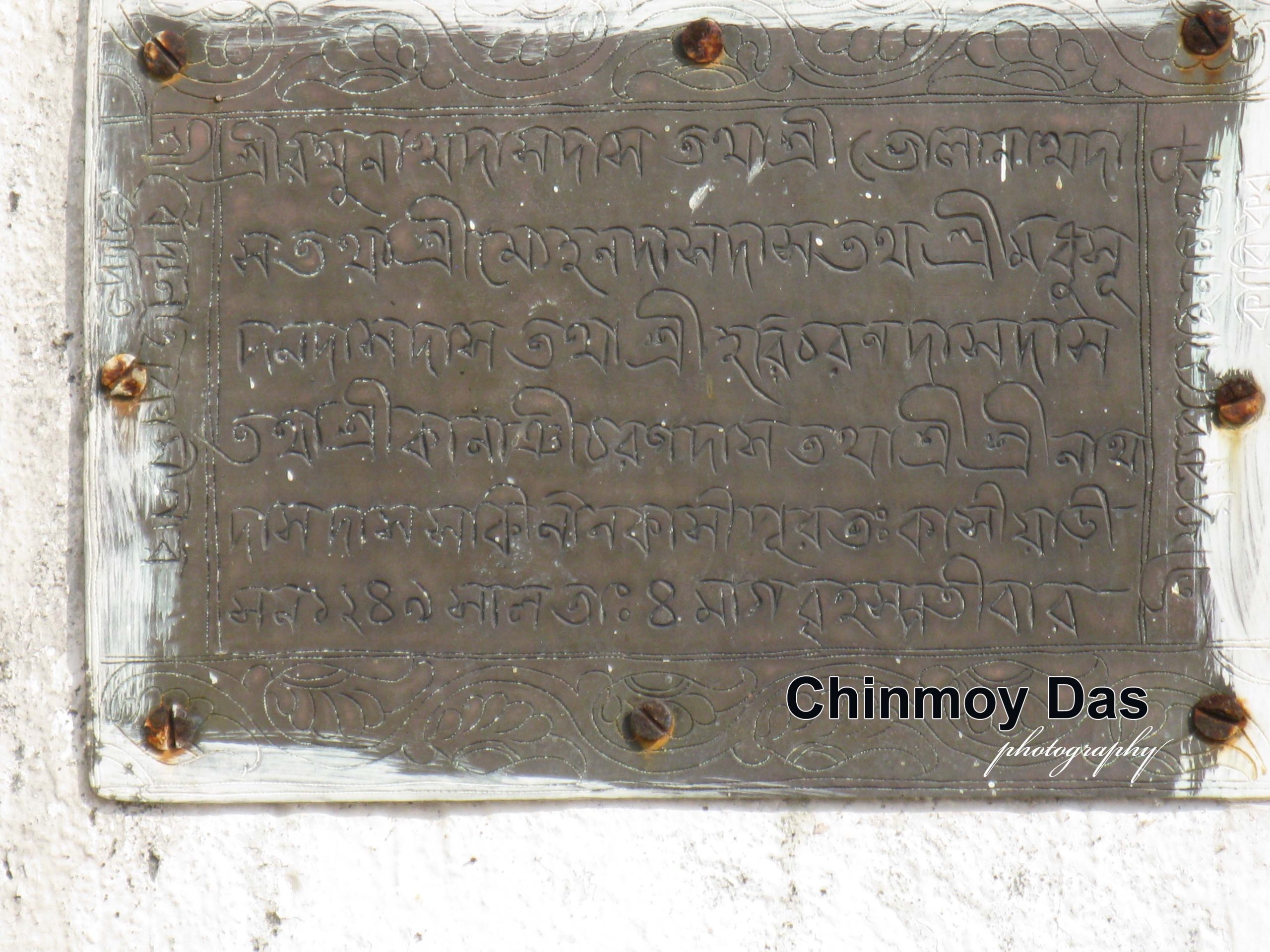
মন্দিরের প্রতিষ্ঠাতা কে ছিলেন, সঠিকভাবে জানা যায় না। তবে একটি তামার প্রতিষ্ঠা-ফলক আছে মন্দিরে। ভারী বিচিত্র বয়ান সেটির-- " শ্রী রঘুনাথ দাসদাস তথা শ্রী ভোলানাথ দা/ স তথা শ্রী মোহনদাসদাস তথা শ্রী মধুসূ/ দন দাসদাস তথা শ্রীহরিচরণদাসদাস/ তথা শ্রীকানাইচরণ দাস তথা শ্রী শ্রীনাথ/ দাসদাস সাকিনীন কাসীপুর তঃ কাসীয়াড়ী/ সন ১২৪৯ সাল তাঃ ৪ মাগ বৃহস্পতিবার "।
আরও দুটি নাম আছে ফলকটিতে। ফলকের দুই প্রান্তে আড়াআড়ি ভাবে লেখা। ডাইনে-- " শ্রী স্বরূপমোহন মিস্তরী/ কারিকর "। আর, বামে-- " শ্রী বৈদ্যনাথ কামীলার/ খোদিত "।
লিপির বয়ান থেকে এটি জানা গেল যে-- বাংলা ১২৪৯ সন, বা ১৭৬৪ শকাব্দ, কিংবা ইং ১৮৪২ সালে মন্দিরটি নির্মিত হয়েছিল। কারিগর ছিলেন শ্রী স্বরূপমোহন মিস্ত্রী। ফলক খোদাইকার-- শ্রী বৈদ্যনাথ কামিল্যা। বর্তমানে মন্দিরের আয়ু হয়েছে প্রায় পৌনে দু'শ বছর। কিন্তু প্রতিষ্ঠাতার পরিচয় সঠিকভাবে জানা যায় না। স্থানীয় দাস পদবীর পরিবারগুলিতে ঘুরে ঘুরে প্রশ্ন করেও, কোন তথ্য সংগ্রহ করা সম্ভব হয়নি। আমাদের অনুমান, ফলকে উল্লিখিত ৬ জন ব্যক্তির যৌথ উদ্যোগে শিবের এই মন্দিরটি প্রতিষ্ঠিত হয়ে থাকতে পারে।
যাই হোক, কাশীপুর গ্রামটি ২টি পাড়ায় বিভক্ত-- উপর কাশীপুর, নীচ কাশীপুর। দুটি পাড়া বছরে ৬ মাস হিসাবে মন্দিরে সেবাপূজার দায় বহন করে। কিছু সম্পত্তিও আছে দেবতার। তার উপস্বত্ত্ব থেকে নিত্যপূজা ছাড়াও, শিব চতুর্দশী এবং গাজন আয়োজিত হয় বেশ আড়ম্বরের সাথে। বারোটি মাড়ো-র কথা আমরা পূর্বে বলেছি। প্রত্যেক মাড়ো-র জন্য প্রচলন হয়েছিল নিজস্ব নিশান। নিশানে সিংহ, বাঘ, ময়ূর, কুমির ইত্যাদি পৃথক পৃথক বিভিন্ন প্রতীক (বা, লাঞ্ছন-চিহ্ন) আছে প্রত্যেকের। গাজনের সময় ‘আলমস্বামী’ নামের সন্ন্যাসীরা সেই নিশান নিয়ে শোভাযাত্রা করেন। আজও প্রচলিত আছে সেই রীতি। গাজনের শেষ দিন-- মেল। সেদিন বারোটি মাড়ো-র বারো দল সন্ন্যাসী নিজেদের প্রতীক-লাঞ্ছিত নিশান নিয়ে শোভাযাত্রায় সামিল হন। পাট বা মহামেল-এর দিন অগ্নিশুদ্ধি, জলভরা, গৌড়িয়া ভার, জামডালি ইত্যাদি কতকগুলি কৃত্যক পালন করতে হয় সন্ন্যাসীদের। উল্লেখ্য করা দরকার, এইসব কৃত্যকের অধিকাংশই সীমান্ত-রাজ্য ওডিশার প্রভাবে সৃষ্ট। কেশিয়াড়ির বর্ণাঢ্য গাজন উৎসব আজও তার প্রাচীন ঐতিহ্য বহন করে চলেছে।
এবার মন্দিরের কথা একটু বলা যাক। দালান, শিখর, রত্ন এবং চালা-- বাংলায় প্রাচীন মন্দিরগুলি মূলত এই ৪টি ধারায় নির্মিত। অবশ্য এর সাথে, ' পীঢ় ' রীতিরও সামান্য কয়েকটি মন্দির দেখা যায়। তবে, সেগুলি মূলত বাংলার ওডিশা-সীমান্তলগ্ন দক্ষিণ এলাকায় নির্মিত হয়েছিল।
মন্দিরময় গ্রাম কেশিয়াড়ি। কয়েকশো বছরের প্রাচীন অনেকগুলি মন্দির আছে কেশিয়াড়িতে। লক্ষণীয় বিষয় হল, মুখ্য ৪টি ধারার মন্দির তো আছেই। ' পীঢ় ' রীতির মন্দিরও আছে এখানে। কাশীশ্বর শিবের এই মন্দিরটি নির্মিত হয়েছে " চালা-রীতি"তে।
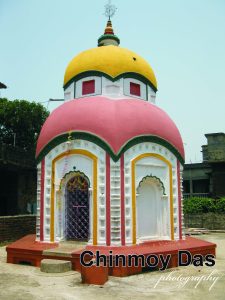
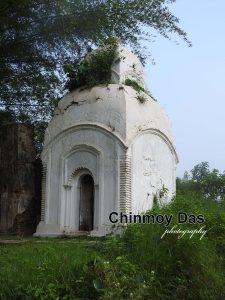
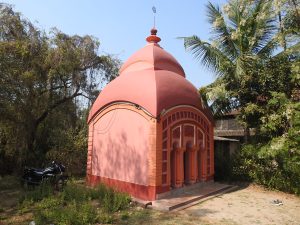
চালা-রীতির পশ্চিমমুখী এই মন্দির নির্মাণ করা হয়েছে আট-চালা হিসাবে। দুটি তলের আটটি চালই সুন্দর গড়ানো। ফলে, কার্ণিশগুলি ভারী সুদৃশ্য। মাথায় চূড়াটি বেঁকি, আমলক, কলস আর ত্রিশূল দিয়ে সাজানো।
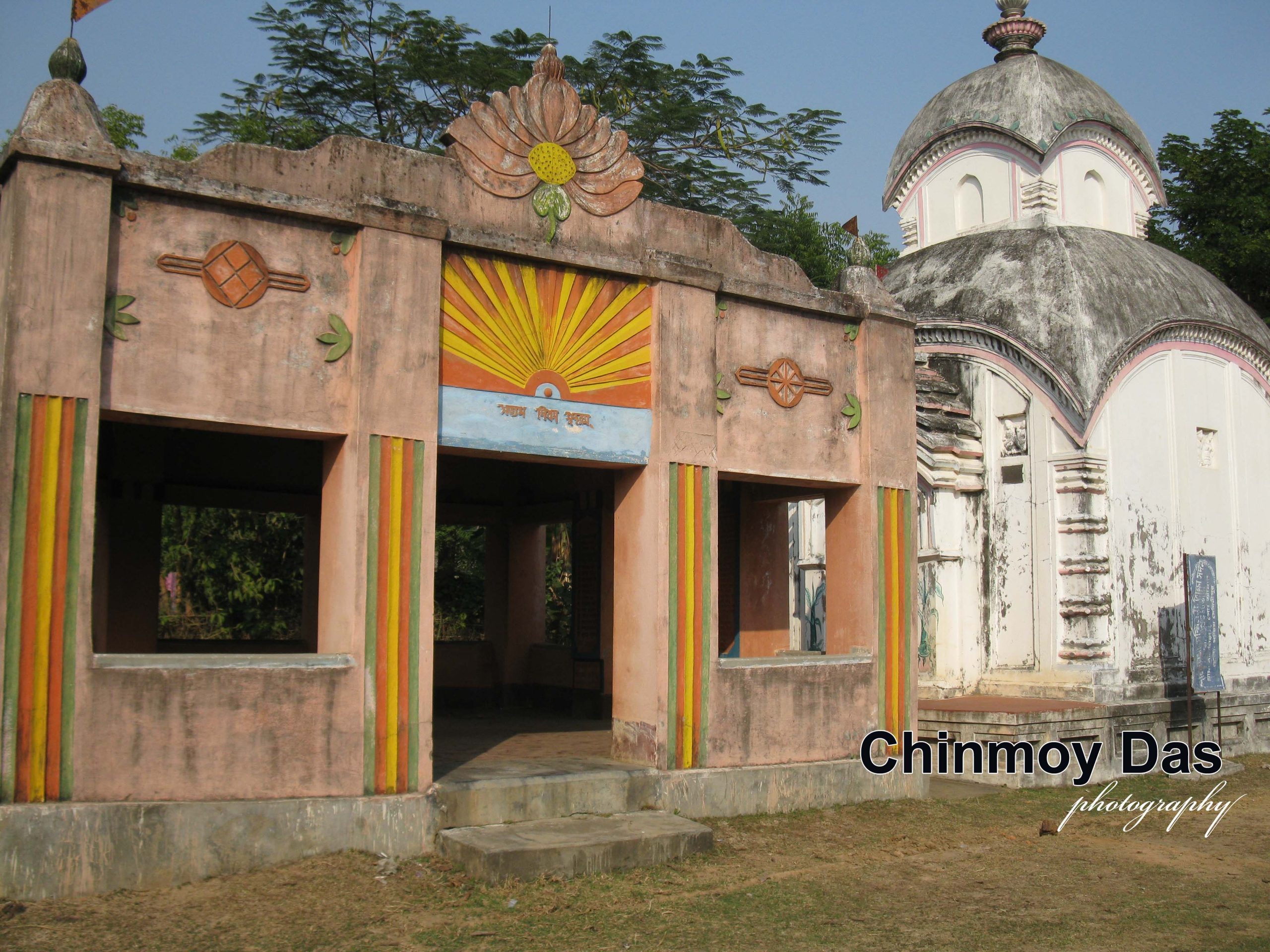
মন্দিরের ভিত্তিবেদীটি বর্তমানে সামান্যই উঁচু। তবে, বেদীর চতুষ্কোণ ব্লকগুলি দেখে অনুমান করে নেওয়া যায়, ভিত্তির অনেকখানি অংশই কালের আঘাতে ভূমিগত হয়ে গিয়েছে। পরবর্তী কালে পৃথক একটি নাটমন্দির নির্মাণ করেছেন গ্রামবাসীগণ। মন্দিরের একেবারে সামনে সেটি অবস্থিত।
গর্ভগৃহে প্রবেশের একটিই দ্বারপথ। সেটি খিলান-রীতির। তবে দ্বিতলের চার দিকের দেওয়ালে, চারটি প্রতিকৃতি-দ্বার রচনা করা হয়েছে।
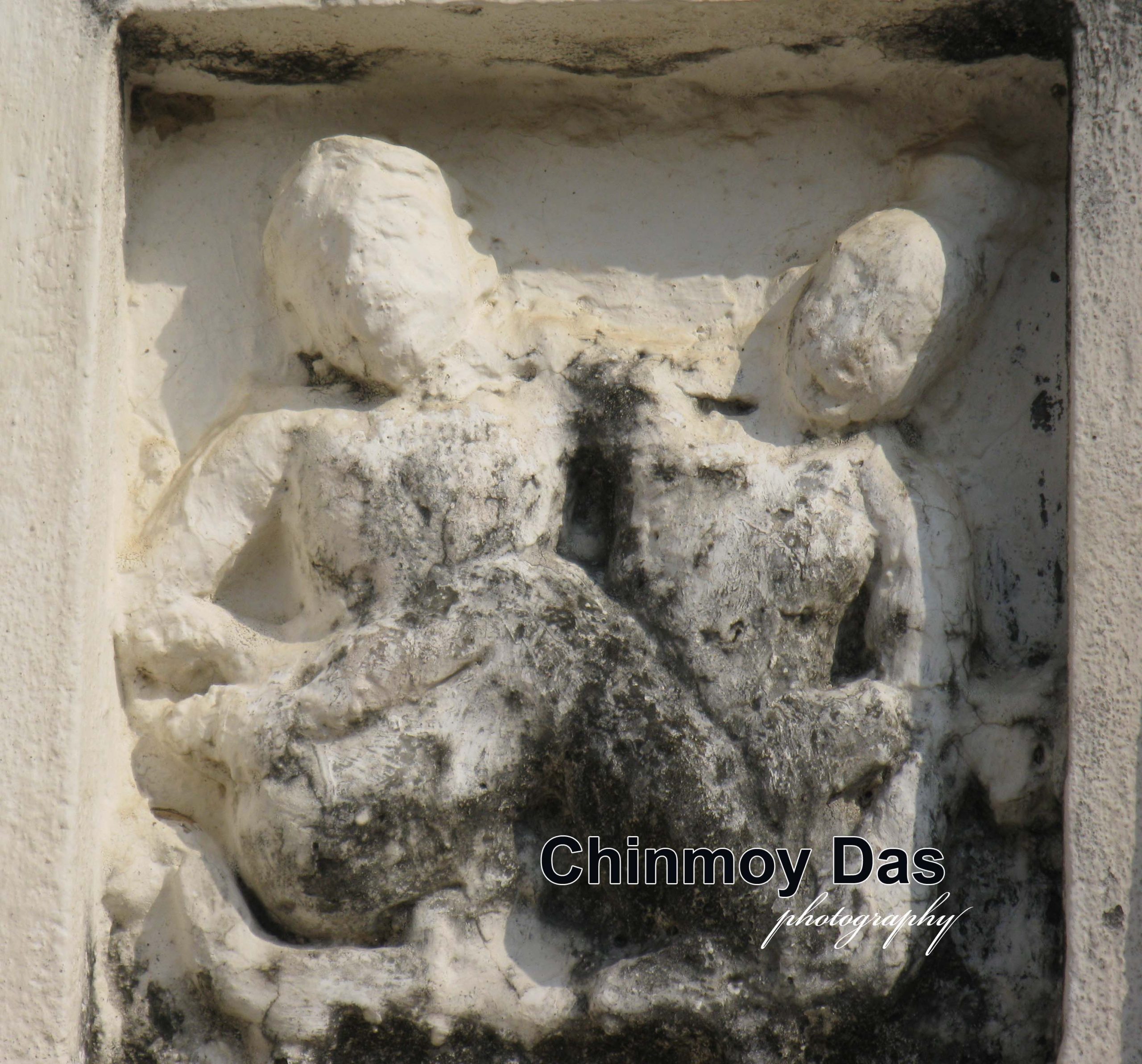
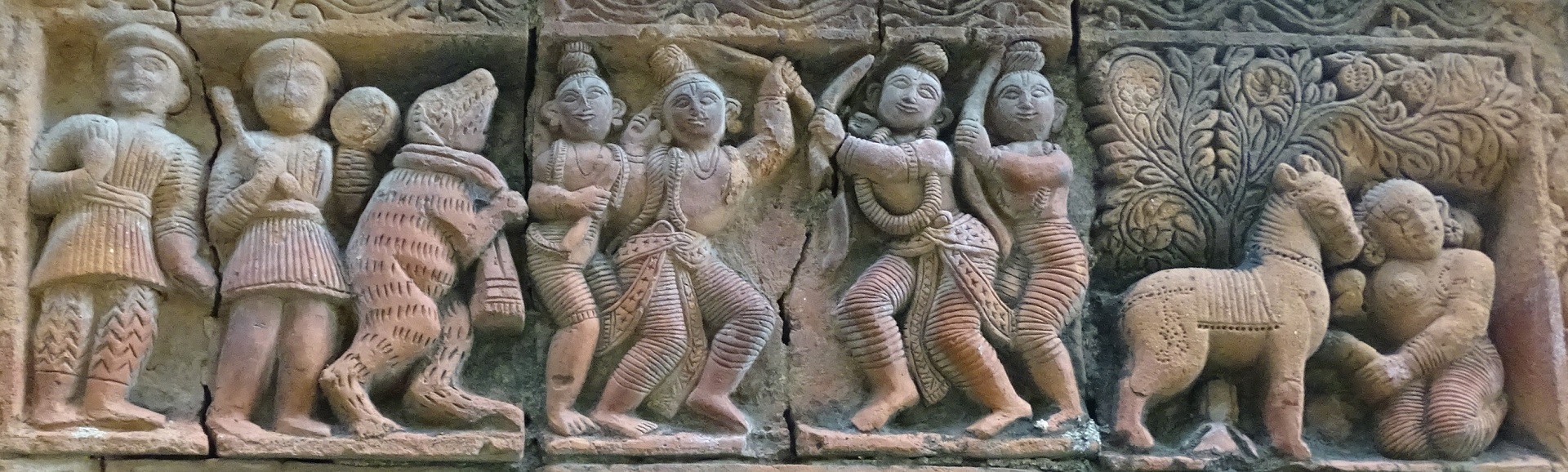
একেবারে সাদামাটা গড়ন। কোনও অলংকরণ নাই মন্দিরে। তিন দিকের দেওয়ালে কয়েকটি মিথুন-মূর্তি দেখা যায় কেবল। তবে, ভারী কাঁচা হাতের কাজ সেগুলি। তবুও আজকের জার্নালে এই মন্দির স্থান পেয়েছে কয়েকটি বিশেষত্বের কারণে :
১. ১. একটি প্রতিষ্ঠা-ফলক আছে মন্দিরে, পূর্বেই বলেছি আমরা। ফলক তো বহু মন্দিরেই থাকে, আছেও। সেসব ফলক অধিকাংশই টেরাকোটা কিংবা পাথরে খোদাই করা। কিন্তু প্রাচীন মন্দিরে ধাতু-ফলক প্রায় দেখাই যায় না। সেই বিরল দৃষ্টান্ত এই মন্দিরে দেখা যায়। এখানে লিপিটি তাম্র-ফলকের উপর খোদাই করা।
২. মন্দির সাধারণভাবে নির্মিত হয় স্থানীয় ভাবে পাওয়া যায়, এমন উপাদান ব্যবহার করে। ল্যাটেরাইট বা মাকড়া পাথর কেশিয়াড়িতে সহজলভ্য। বেশ কয়েকটি মন্দির তা দিয়েই নির্মিত হয়েছে এখানে। কিন্তু এই কাশীশ্বর মন্দিরে পাথরের ব্যবহার করা হয়নি। নির্মাণ করা হয়েছে ইট পুড়িয়ে, চুন আর সুরকির মর্টারদিয়ে।
৩. চালা-রীতির একক মন্দির। কিন্তু সরাসরি গর্ভগৃহে প্রবেশ নয়। সামনে, দ্বারপথের উপরে একটি প্রতিকৃতি-জগমোহন' নির্মাণ করা হয়েছে। সেটি চালা-রীতির নয়, নির্মিত হয়েছে 'শিখর-দেউল' রীতিতে। এছাড়াও, সেই দেউলের মাথার ছাউনি বা গন্ডী অংশে 'পীঢ়-রীতি' প্রয়োগ করে ৮টি থাক কাটা হয়েছে। এমনটিও কমই দেখা যায়।
৪. লিপির কথা তো আগেই উল্লেখ করা হয়েছে। এমন বয়ান একান্তই বিরল।
৫. শিবের মন্দিরে বিগ্রহ অধিষ্ঠিত থাকেন ৩টি রীতিতে-- গর্ভগৃহের ভূতলে, ভূতলে বেদীর উপর কিংবা একটি গম্ভীরার ভিতর। সেই গম্ভীরা গোলাকার বা চতুষ্কোণ-- দুই-ই হয়ে থাকে। এই মন্দিরের গর্ভগৃহের সম্পূর্ণ অংশ জুড়েই গম্ভীরা। কয়েক ধাপ সিঁড়ি ভেঙে নিচে নেমে, তবে দেবতার লিঙ্গ-বিগ্রহটি স্থাপিত আছে।
Kashishwar Shiva Temple, Kashipur–Aurangabad (Keshiari Police Station, Medinipur)
Chinmoy Das
About three hundred years ago, the name Keshiari did not refer to a single village or mouza. Rather, it was a cluster of 36 villages collectively known as Keshiari. Owing to its flourishing silk industry, the region enjoyed considerable economic prosperity. These 36 villages were divided into 12 divisions, each centered around a Shiva temple. These twelve temples, or maros, were collectively known as the “Baro Maro” (Twelve Maros).
The silk industry developed in several centers across Medinipur district. Like Chandrakona, Daspur, and Anandapur, Keshiari was one such important center. The production and trade of silk brought wealth to many local families, particularly in the Keshiari market town. Numerous temples were built by these affluent families—three Jagannath temples, several Vaishnava temples dedicated to deities such as Damodar and Gauranga, a Shitala Temple, and many Shiva temples dedicated to different forms of Shiva.
Interestingly, there are two Shiva temples named “Kashishwar” in the area. One is located in Bhabanipur village, while the temple discussed here stands in Kashipur–Aurangabad village. The deity's name, Kashishwar Shiva, was derived from the name of the village, Kashipur.
The identity of the temple's founder is not known with certainty. However, a copper foundation plaque survives in the temple. Its inscription is rather unusual:
"Śrī Raghunāth Dāsdās tathā Śrī Bholānāth Dās, tathā Śrī Mohandāsdās tathā Śrī Madhusūdan Dāsdās, tathā Śrī Haricharan Dāsdās, tathā Śrī Kanāicharan Dās tathā Śrī Śrīnath Dāsdās, sākinīn Kāśīpur taḥ Kāśiyāṛī, san 1249, tāḥ 4 Māgh, Brihaspatibār."
Two additional names appear on the plaque, engraved horizontally on either side:
Right side:
“Śrī Svarūpamohan Mistrī / Kārīkar”
Left side:
“Śrī Baidyanāth Kāmilār / Khodita”
From this inscription, we learn that the temple was constructed in Bengali Year 1249, corresponding to Shaka 1764 or 1842 CE. The chief craftsman was Sri Swarupmohan Mistri, while the inscription was engraved by Sri Baidyanath Kamilya. Thus, the temple is now nearly 175 years old. Yet the precise identity of the founder remains unknown. Despite inquiries among local Das families, no definitive information could be gathered. It is therefore assumed that the six individuals named on the plaque jointly established this temple of Shiva.
Kashipur village is divided into two neighborhoods—Upper Kashipur and Lower Kashipur. Each takes responsibility for the temple's worship and maintenance for six months of the year. The deity also owns certain endowed properties, whose income supports daily worship as well as the grand celebrations of Shiva Chaturdashi and Gajan.
As mentioned earlier, the twelve maros each possessed their own distinctive ceremonial banner (nishan). These banners bore symbols such as lions, tigers, peacocks, crocodiles, and other emblems unique to each group. During Gajan, ascetics known as Alamswamis carry these banners in processions. This tradition continues to the present day.
The final day of Gajan is known as Mel. On that day, twelve groups of ascetics representing the twelve maros participate in a grand procession carrying their emblem-bearing banners. During Pat or Mahamel, the ascetics perform various rituals such as Agnishuddhi (purification by fire), Jalbhara (water-bearing ritual), Gouriya Bhar, and Jamdali. Most of these ritual practices are believed to have developed under the influence of neighboring Odisha. Even today, the colorful Gajan festival of Keshiari preserves this ancient heritage.
Let us now turn to the temple itself.
Traditional temples of Bengal were primarily built in four architectural styles—Dalan, Shikhara, Ratna, and Chala. Besides these, a small number of temples were built in the Pidha style, mainly in the southern border areas adjoining Odisha.
Keshiari may truly be called a village of temples. It contains numerous temples that are several centuries old. Notably, all four principal architectural styles are represented here, along with examples of the Pidha style. The Kashishwar Shiva Temple belongs to the Chala tradition.
This west-facing Atchala (eight-roofed) temple possesses eight beautifully curved roofs arranged in two tiers. The graceful curvature of these roofs creates particularly attractive cornices. The crowning finial consists of a beki, amalaka, kalasha, and trident.
The temple platform is only slightly elevated today. However, judging from the square foundation blocks, it appears that a significant portion of the original base has gradually sunk below ground level over time. At a later date, the villagers constructed a separate Natmandir (assembly hall) directly in front of the temple.
There is only a single entrance to the sanctum, designed in the arch style. However, four false doorways have been created on the walls of the upper storey, one on each side.
The temple is extremely plain in appearance and lacks decorative ornamentation. Only a few mithuna (amorous couple) sculptures can be seen on three of the outer walls. These are rather crudely executed. Nevertheless, the temple deserves attention for several distinctive features:
1. A Rare Copper Foundation Plaque
The temple possesses a foundation inscription, as already mentioned. While inscriptions are common in many temples and are usually carved on terracotta or stone, metal inscriptions are extremely rare in old temples. Here, the inscription is engraved on a copper plate, making it an unusual example.
2. Uncommon Building Material
Temples are generally constructed from materials readily available in the locality. Laterite stone is abundant in Keshiari, and several temples in the region were built from it. However, the Kashishwar Temple was not constructed with stone. Instead, it was built of fired brick bonded with lime and surki mortar.
3. A Unique Architectural Combination
Although it is fundamentally a single Chala-style temple, the entrance is not a direct opening into the sanctum. Above the entrance doorway stands a mock Jagamohana. Interestingly, this structure is not Chala in style but built in the Shikhara-Deul tradition. Furthermore, the superstructure (gandi) of this deul incorporates eight stepped tiers in the Pidha style, a rare architectural feature.
4. An Exceptional Inscription
The unusual wording and format of the temple inscription are themselves quite rare and noteworthy.
5. An Unusual Sanctum Arrangement
In Shiva temples, the deity's linga is generally installed in one of three ways:
-
Directly on the floor of the sanctum,
-
On a pedestal above floor level,
-
Or within a gambhira (sunken shrine chamber).
A gambhira may be either circular or square. In this temple, the entire sanctum is occupied by a gambhira. One must descend several steps into the chamber before reaching the Shiva linga installed below ground level.