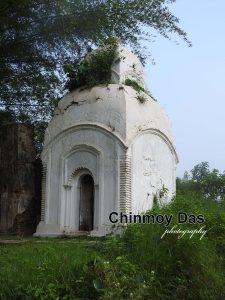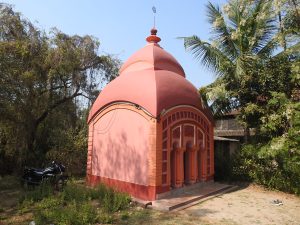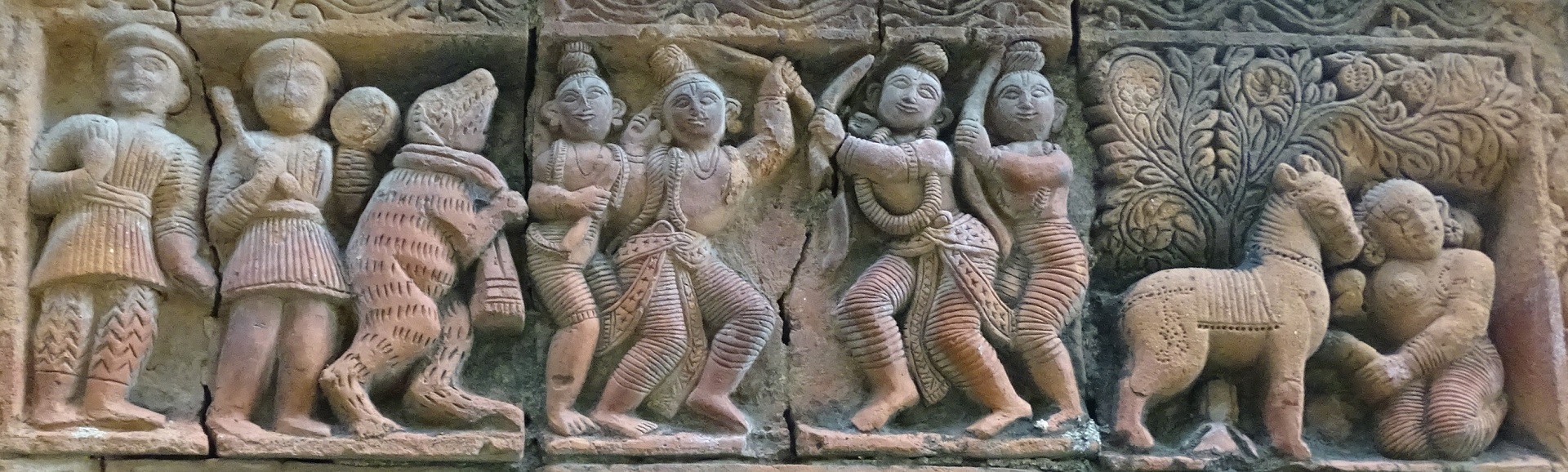
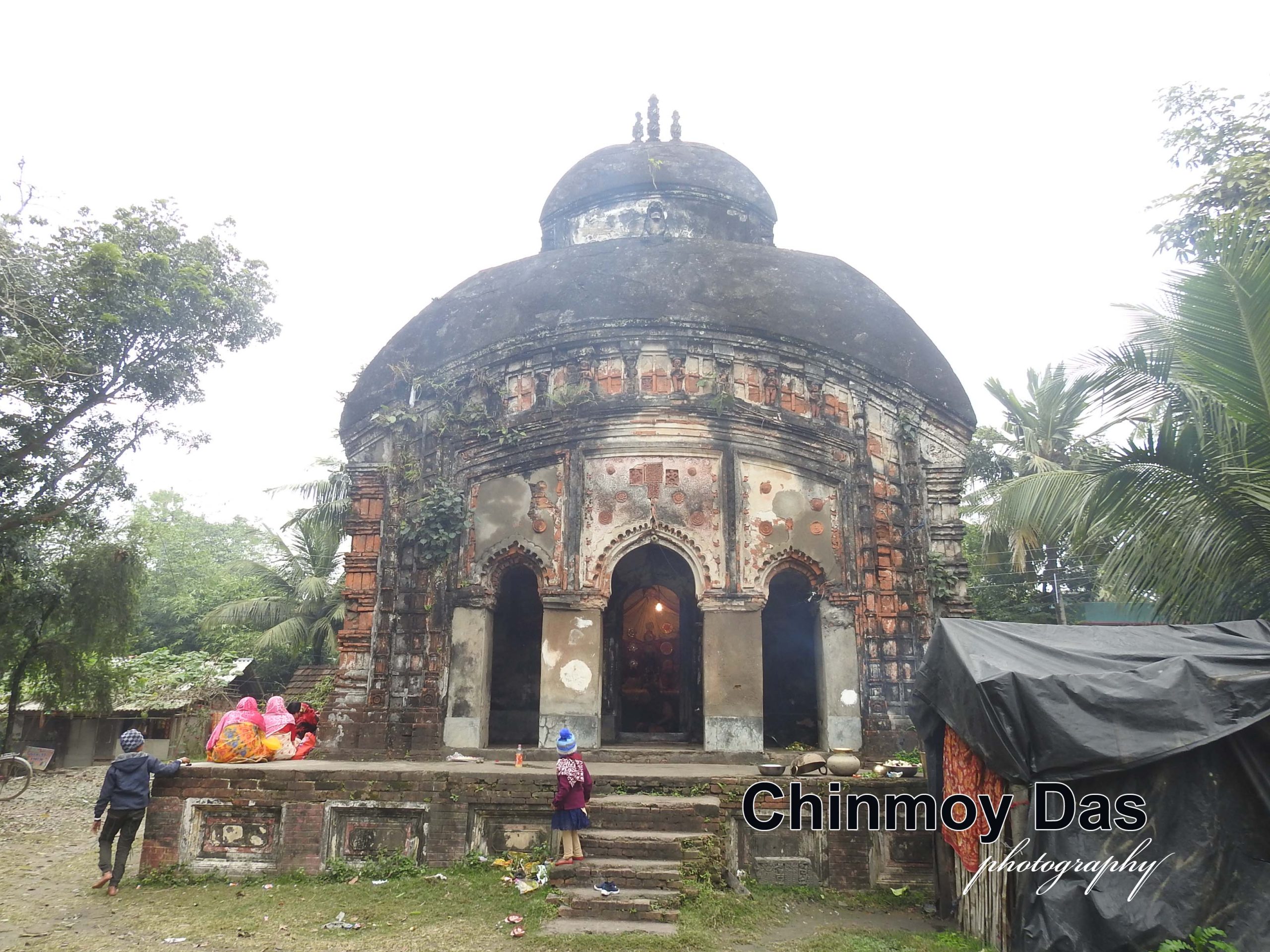
ক্ষেপুতেশ্বরী মন্দির, ক্ষেপুত (থানা- দাসপুর, মেদিনীপুর)
চিন্ময় দাশ
ধীর প্রবাহী নদ রূপনারায়ণ। এর পশ্চিম পাড়ের একাংশ জুড়ে মেদিনীপুর জেলার দাসপুর থানা। সেখানে উত্তরবাড় আর দক্ষিণবাড় দুই মৌজা মিলে একটি গ্রাম গড়ে উঠেছে-- ক্ষেপুত। গ্রামের হঠাৎ এমন নাম হোল কেন? হবে নাই বা কেন? সেই কোন সুদূর কাল থেকে ক্ষিপ্তেশ্বরী নামের এক দেবী বিরাজ করেন এখানে। কালে কালে দেবীর নাম হয়েছে-- ক্ষেপুতেশ্বরী। আর, সেই দেবীর নাম থেকেই গ্রামের নাম হয়েছে-- ক্ষেপুত। ক্ষেপুত বেশ বিখ্যাত গ্রাম। তার খ্যাতির ৩টি মুখ্য উপাদান।
১. খ্যাতির প্রথম উপাদান দেবী ক্ষেপুতেশ্বরী। এলাকা জোড়া নাম আর খ্যাতি দেবীর। রূপনারায়ণের এপার ওপার বিশাল এলাকা জুড়ে তাঁর সাম্রাজ্য। মেদিনীপুরজেলা তো বটেই, নদী উজিয়ে হাওড়া জেলা বা কলকাতা নগরীর বহু ভক্তও মন্দিরে এসে পূজা দিয়ে যান দেবীকে।
২. এককালে সারা বাংলা জুড়ে পরিচিতি গড়ে উঠেছিল ক্ষেপুত গ্রামের। সেটি সম্ভব হয়েছিল বিশেষ একটি পরিবারের জন্য। ইতিহাসের পাতায় চোখ বুলোলে জানা যায়, জব চার্ণক কলকাতার পত্তন করেননি। কলকাতার পত্তন হয়েছিল সাবর্ণ রায়চৌধুরী বংশের হাতে। এই বংশের একটি শাখা মেদিনীপুর জেলার পূর্ব এলাকায় চলে এসেছিলেন জমিদারি করতে। জমিদারীর একটি অংশ ছিল রূপনারায়ণ নদের পশ্চিম পারের অন্তর্ভুক্ত। সাবর্ণদের ২৬তম জমিদার ছিলেন কেশবরাম রায়চৌধুরী। তাঁর ৬ষ্ঠ পুত্র কুশল-এর জ্যেষ্ঠ পুত্র রামদুলাল রায়চৌধুরী সেই অংশের (পরগণা মন্ডলঘাট) শরিকী মালিকানা নিয়ে জমিদারি প্রতিষ্ঠা করেছিলেন। বসত গড়েছিলেন এই ক্ষেপুত গ্রামে। সাবর্ণ রায়চৌধুরী বংশের কারণে, বাংলা জুড়ে পরিচিতি পেয়েছিল ক্ষেপুত গ্রাম।
৩. মন্দিরের পুরোহিত হিসাবে ভটাচার্য্য পদবীর এক সিদ্ধপুরুষ এখানে এসেছিলেন হুগলি থেকে। তাঁরই বংশে বিখ্যাত বামপন্থী চিন্তাবিদ মানবেন্দ্রনাথ রায় (ছদ্মনাম ) বা এম. এন. রায় জন্ম গ্রহণ করেছিলেন। এই মনীষী সম্পর্কে সংক্ষেপে কিছু বলা দুরূহ কাজ। আমরা এটুকুই বলি, মানবেন্দ্রের কারণে, বিশ্বজোড়া পরিচিতি হয়েছিল খেপুত গ্রামের।
যাইহোক, গ্রাম ছেড়ে, মন্দির প্রসঙ্গে ফিরে আসি। রূপনারায়ণের পশ্চিমে মেদিনীপুর। পূর্বতীরে হুগলির একাংশ। সেখানে সোনাটিকুরি গ্রামের অধিবাসী ছিলেন জনৈক রাধাকান্ত ভট্টাচার্য্য। সিদ্ধপুরুষ ছিলেন রাধাকান্ত। একবার স্বপ্নযোগে অষ্টভুজা দেবী ক্ষিপ্তেশ্বরীর দর্শন পান তিনি। দেবীর আদেশে জন্মভিটে ছেড়ে, ক্ষেপুত গ্রামে এসে দেবীর পূজার ভার তুলে নিয়েছিলেন। বর্ধমান রাজবাড়ি থেকে ৩৬৫ বিঘা সম্পত্তি দেওয়া হয়েছিল। নিত্য এক বিঘা সম্পত্তির উপস্বত্ত্বে ভোগ নিবেদন হোত দেবীকে। নিত্য ছাগবলি সহ অন্নভোগের প্রচলন হয়েছিল।
জমিদারী উচ্ছেদের সময়, ৯২ বিঘা সম্পত্তি রাখা হয়েছিল দেবীর জন্য। পরবর্তী রাজনৈতিক ডামাডোলে তার সবই হাতছাড়া হয়ে গিয়েছে। তবে, কাছে-দূরের ভক্তদের পূজা নিয়ে আসা লেগেই থাকে নিত্যদিন। দেবীর এখন সেই পূজাই ভরসা। পঞ্চ 'ম'কার দ্বারা তন্ত্রমতে দেবীর পূজা হয়। এছাড়া, দেবীর 'আনন্দভোগ' (এটিই নাম অন্নভোগের)-এ শোলমাছের একটি ব্যঞ্জন থাকতেই হয় প্রতিদিন। সব উপচার ভক্তরাই নিয়ে আসেন। বর্তমানে রাধাকান্তের বংশধরগণই সেবাপূজা করে চলেছেন।
মন্দিরের বিগ্রহগুলি সম্পর্কেও একটু বিবরণ দিয়ে রাখা যেতে পারে। কৃষ্ণপাথরে নির্মিত দেবীর অষ্টভূজা সিংহবাহিনী মূর্তি অধিষ্ঠিত। মূর্তির পদমূলে লক্ষ্মী এবং গণেশ। বামে কালভৈরব আর দক্ষিণে ভৈরব। আরও কয়েকটি মূর্তি আছে বেদীতে-- দ্বি-ভূজ মহাকাল, ভৈরবী মহেশ্বরী এবং মহেশ। মহেশ নামক বিগ্রহটি সূর্যদেব হিসাবে পূজিত হন। সবগুলি মূর্তিই 'বা-রিলিফ' রীতিতে পাথরে খোদাই করা।
দু'টি পঞ্চমুণ্ডী আসন আছে গর্ভগৃহে-- একটি আছে মূর্তির বেদীর নীচে, অন্যটি গর্ভগৃহের ঈশান কোণে।
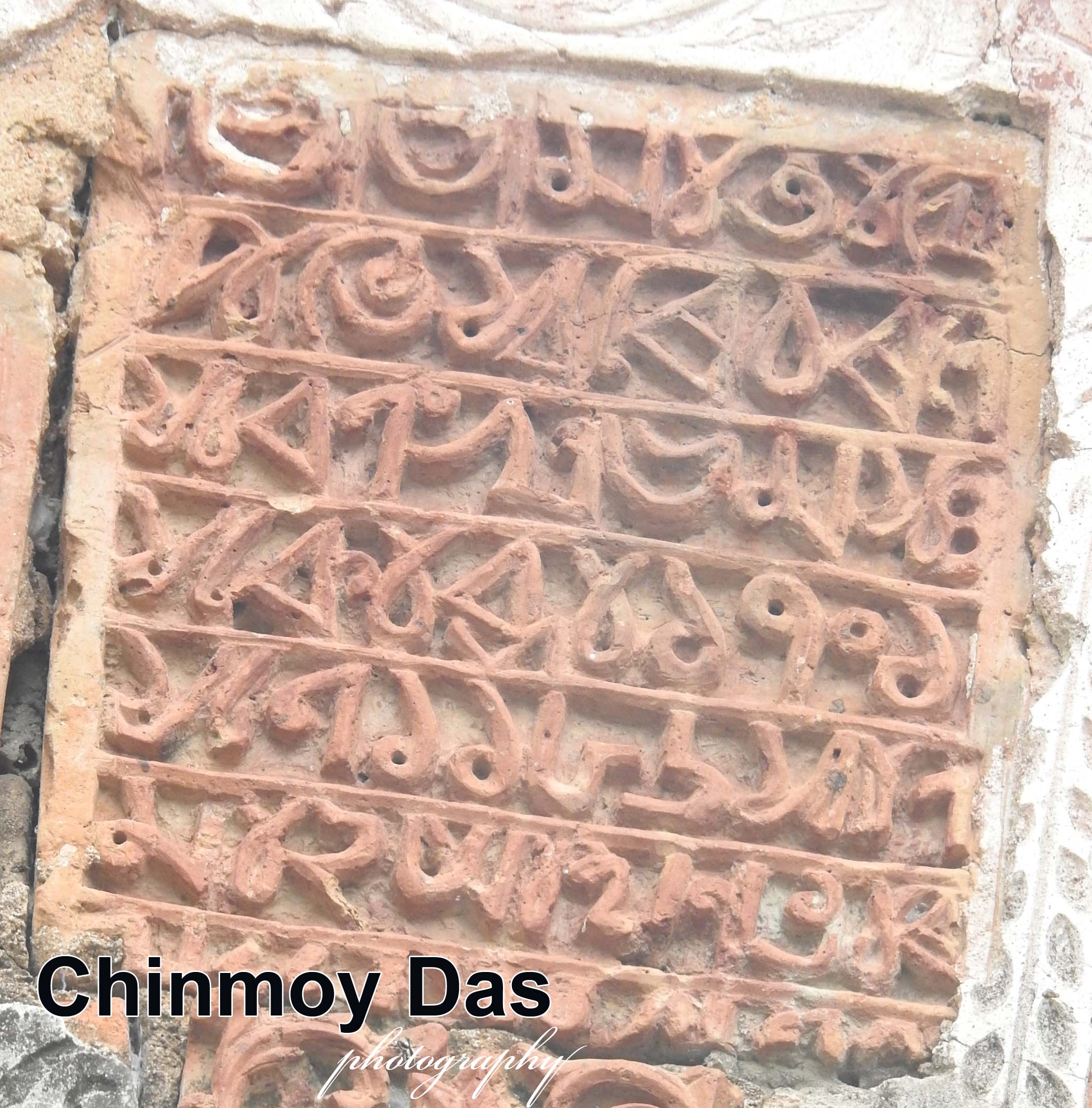
" শ্রীশ্রী মাতা খেপ / তেস্বরি চরনে / স্বরনং ষুভমস্তু / সকাব্দা ১৭০১ / সন ১১৮৬ / মাহ আশ্বিন তারি / খ ... "-- হুবহু এমনই একটি ক্ষয়াটে ফলক দেখেছি আমরা মন্দিরে, মুখ্য দ্বারপথের মাথা বরাবর। বোঝা গেল, ইং ১৭৭৯ সালে মন্দিরটি নির্মিত হয়েছিল। সেই হিসাবে, মন্দিরের বয়স দাঁড়িয়েছে ২৪০ বছর। কিন্তু সারা গ্রামে সন্ধান করেও, মন্দিরটির প্রতিষ্ঠাতার নাম-পরিচয় জানা যায়নি। সুখের কথা, কলকাতা থেকে প্রকাশিত 'প্রবর্তক' নামের একটি পত্রিকার সন্ধান পাওয়া গিয়েছে। ৬৭ বছর পূর্বে, সেই পত্রিকার জৈষ্ঠ্য ১৩৬০ সন সংখ্যায় একটি নিবন্ধ ছাপা হয়েছিল। নাম-- 'ক্ষিপ্তেশ্বরী দেবী দর্শনে'। তাতে উল্লেখ আছে, ক্ষেপুত গ্রামের জনৈক রামমোহন চট্টোপাধ্যায় মন্দিরটি নির্মাণ করেছিলেন।
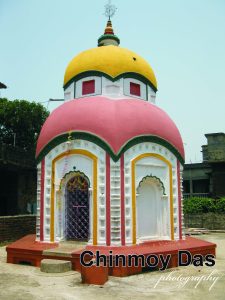
আট-চালা রীতির দক্ষিণমুখী মন্দিরটি ইটের তৈরী। পাদপীঠের উচ্চতা ফুট আড়াই। মন্দিরের দৈর্ঘ্য পৌনে ২৫ ফুট, প্রস্থ সাড়ে ২৩ ফুট, আর উচ্চতা প্রায় ৪৫ ফুট। একটি প্রদক্ষিণ পথ মন্দিরকে বেষ্টন করে আছে।
মন্দিরের অভ্যন্তর অংশটি ভারী বিশিষ্ট রীতিতে নির্মিত। সামনে চার-কোণা থাম আর খিলান-রীতির তিনটি দ্বারপথ সহ একটি প্রশস্ত টানা অলিন্দ। তার পিছনে গর্ভগৃহটি আয়তাকার তো বটেই, চোখে পড়বার মত লম্বাটে। মূল দ্বারপথে প্রবেশ করলে, ডাইনে বামে অনেকখানি বিস্তার কক্ষটির। এমনটা গোটা জেলায় অন্য কোথাও নাই। পশ্চিমেও একটি দ্বার আছে গর্ভগৃহের।
অলিন্দের সিলিং হয়েছে টানা-খিলান করে। গর্ভগৃহটি লম্বাটে হওয়ার কারণে, তার সিলিং গড়া হয়েছে প্রথমে দুদিকে দুটি বড় খিলান, পরে বিপরীত দিকেও দুটি খিলান, সেগুলির মাথায় ছোট্ট আকারের একটি গম্বুজ স্থাপন করে। বিগ্রহের অধিষ্ঠান বেদী সংলগ্ন উত্তরের দেওয়ালে একটি চাপা-খিলান দেখা যায়।
বাইরে চালাগুলির ছাউনি উত্তল আকারের। মন্দিরের শীর্ষ অংশটিও বিশিষ্ট। দ্বিতলের ছাউনির মাথায় একটি নয়, তিনটি শীর্ষক নির্মিত হয়েছে।
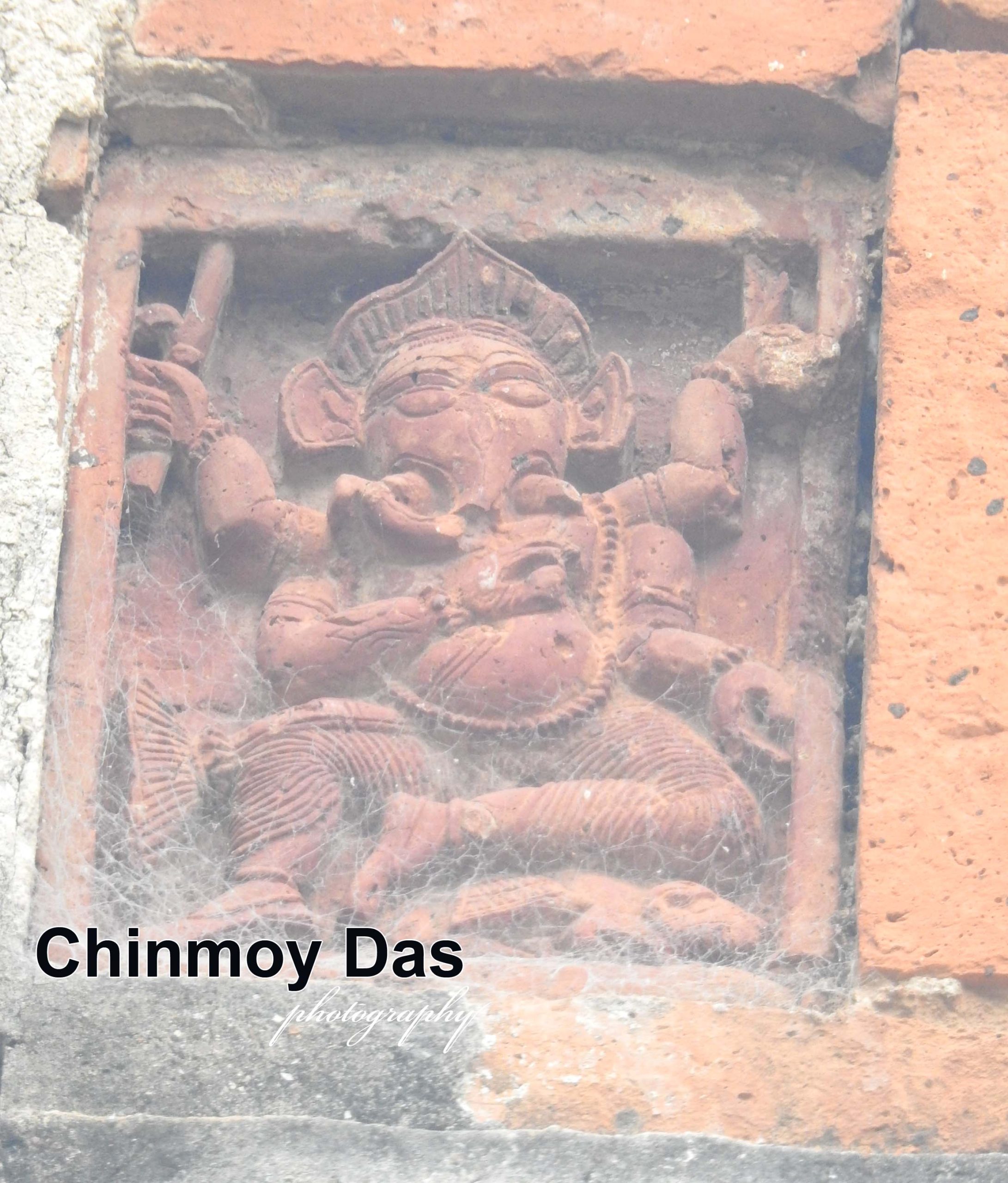
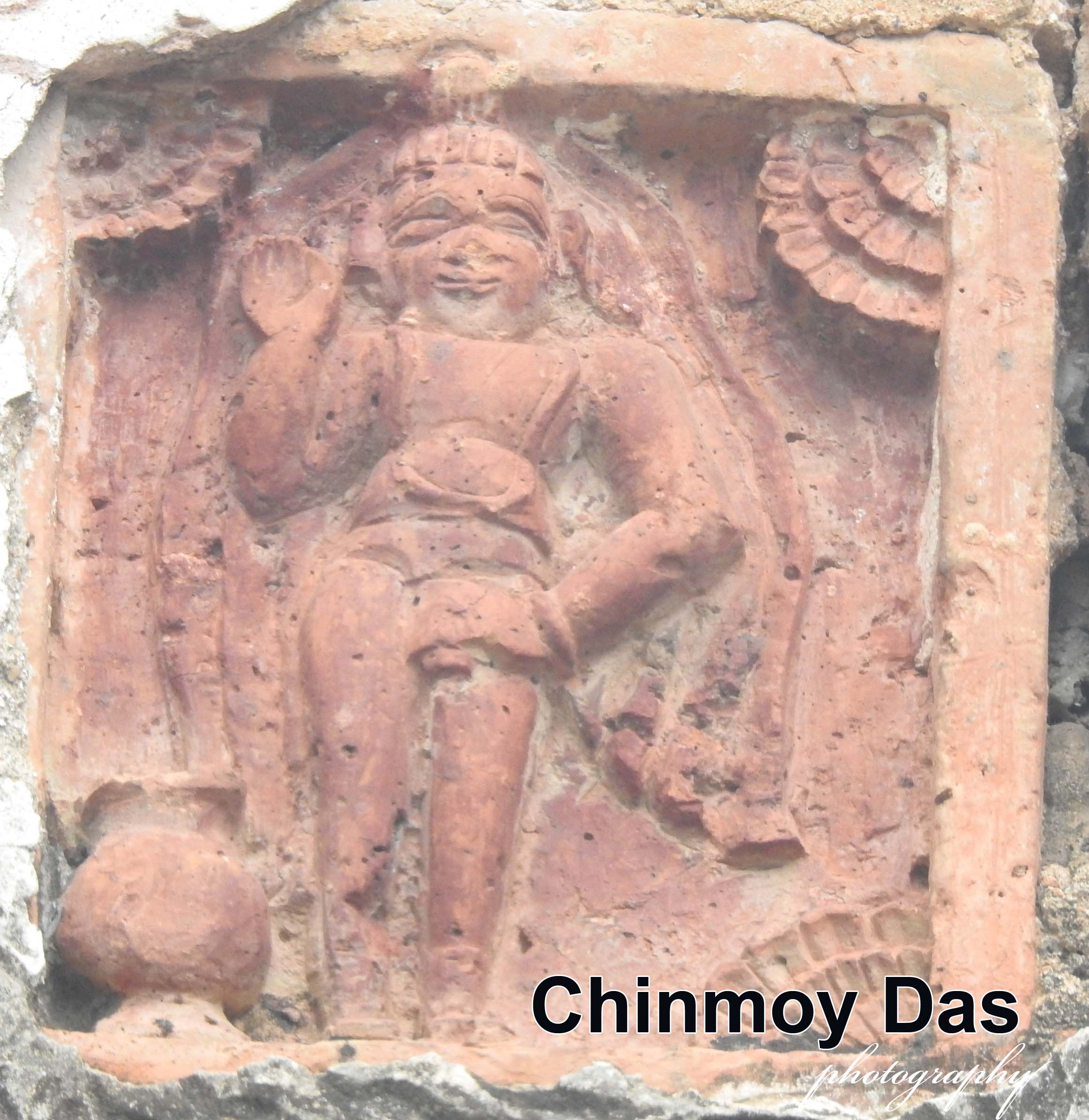
তেমন কোনও অলংকরণ নাই মন্দিরে। জীর্ণ সৌধটিতে যা দেখা যায়-- ১. তিনটি দ্বারপথের উপরের তিনটি প্রস্থে টেরাকোটার কয়েকটি ফুল। ২. প্রতিষ্ঠা ফলকের দু'দিকে দুটি টেরাকোটা ফলক। বামদিকের ফলকটিতে দন্ডায়মান এক সাধুপুরুষ। ডাইনের ফলকটি ভারী বিশিষ্ট। উপবিষ্ট এক পুরুষের মুখে, দন্ডায়মান এক রমণীর পরিধেয় উন্মুক্ত করে প্রস্রাব করবার দৃশ্য। ক্ষেপুত গ্রামের একটি শিবমন্দিরেও হুবহু এরকম একটি ফলক আমরা দেখেছি। ৩. সামনের দেওয়ালে কার্নিশের নিচ বরাবর একটি সারিতে ৯টি ফলক। একেবারে মাঝখানে একটি গণেশ মূর্তি। দুদিকের ৪টি করে ৮টি ফলকের ক্ষতিগ্রস্ত মূর্তিগুলি দন্ডায়মান সাধু-সন্তদের বলে অনুমান হয়েছে। ৪. গণেশ মূর্তির মাথা বরাবর, দ্বিতলের দেওয়ালে, একটি সিংহমূর্তি আছে। সেটি স্টাকোর কাজ, টেরাকোটার নয়।
Kheputeshwari Temple, Kheput (Daspur Police Station, Medinipur)
Chinmoy Das
The Rupnarayan is a slow-flowing river. A part of Daspur Police Station in Medinipur district stretches along its western bank. Two mouzas—Uttarbar and Dakshinbar—together form a village called Kheput. Why did the village suddenly come to bear such an unusual name? There is a reason. Since some very distant age, a goddess named Kshipteshwari has been worshipped here. In course of time, her name came to be pronounced as Kheputeshwari, and the village itself came to be known as Kheput, after the goddess.
Kheput is a fairly famous village. Three principal factors account for its renown.
1. Goddess Kheputeshwari
The first and foremost source of the village's fame is Goddess Kheputeshwari. The goddess is renowned throughout the surrounding region. Her sphere of influence extends over a vast area on both banks of the Rupnarayan. Not only devotees from Medinipur district but also many worshippers from upstream areas of Howrah district and from Kolkata come to the temple to offer worship to the goddess.
2. The Sabarna Raychaudhuri Family
At one time, Kheput became known throughout Bengal because of a particular family. A glance at history reveals that Job Charnock did not found Kolkata. The city was founded under the patronage of the Sabarna Raychaudhuri family. One branch of this family later moved to the eastern part of Medinipur district to establish a zamindari. A portion of their zamindari lay on the western bank of the Rupnarayan.
Keshabram Raychaudhuri was the twenty-sixth zamindar of the Sabarna family. His sixth son, Kushal, had an eldest son named Ramdulal Raychaudhuri, who established his zamindari by acquiring a share in the family estate of Pargana Mandalghat. He made his residence in Kheput village. Through its association with the Sabarna Raychaudhuri family, Kheput became known throughout Bengal.
3. M. N. Roy
A siddha purusha (spiritual adept) belonging to the Bhattacharya family came here from Hooghly to serve as the temple priest. The famous left-wing thinker Manabendra Nath Roy, better known as M. N. Roy, was born into his lineage.
It is difficult to give even a brief account of such an illustrious intellectual here. Suffice it to say that through the life and work of Manabendra Nath Roy, Kheput acquired international recognition.
Leaving the village's history aside, let us return to the temple.
To the west of the Rupnarayan lies Medinipur; on the eastern bank lies part of Hooghly district. A certain Radhakanta Bhattacharya, a resident of Sonatikuri village on the eastern bank, lived there. Radhakanta was regarded as a siddha purusha. Once, in a dream, he received a vision of the eight-armed Goddess Kshipteshwari. At the goddess's command, he left his ancestral home and came to Kheput, taking responsibility for her worship.
The Burdwan Raj Estate granted him 365 bighas of land. Offerings of food (bhog) were made to the goddess every day from the produce of one bigha of land. Daily goat sacrifice and food offerings became established practices.
At the time of the abolition of the zamindari system, 92 bighas of land were retained for the goddess. Subsequent political upheavals, however, resulted in the loss of all of it. Nevertheless, devotees from near and far continue to come every day to offer worship. The goddess now depends entirely upon these offerings.
The goddess is worshipped according to Tantric rites involving the Pancha-Makara. In addition, the goddess's daily Anandabhog—the local name for the food offering—must include a preparation of shol fish. Devotees themselves bring all the necessary offerings. At present, the descendants of Radhakanta continue to conduct the worship.
The Deities
A description of the temple's images may also be given. The principal deity is an eight-armed, lion-riding image of the goddess, carved from black stone. Lakshmi and Ganesha are depicted at the feet of the goddess. Kalabhairava is positioned on the left and Bhairava on the right.
Several other images are installed on the altar: two-armed Mahakala, Bhairavi Maheshwari, and Mahesha. The image known as Mahesha is worshipped as Surya, the Sun God. All these figures are carved in stone in bas-relief.
There are two Panchamundi seats inside the sanctum—one beneath the deity's altar and the other in the north-eastern corner of the sanctum.
We saw a faded inscription above the main entrance of the temple, exactly as follows:
"Sri Sri Mata Khep / Teswari Charane / Swaranam Shubhamastu / Sakabda 1701 / San 1186 / Mas Ashwin Tari / Kha..."
From this it can be understood that the temple was built in 1779 CE. By that calculation, the temple is about 240 years old.
However, despite searching throughout the village, we could not discover the identity of the temple's founder. Fortunately, we came across a journal published from Kolkata called Prabartak. Sixty-seven years ago, its Jaistha 1360 Bengali Era issue carried an article entitled “Kshipteshwari Devi Darshane”. It states that a resident of Kheput named Rammohan Chattopadhyay built the temple.
The south-facing temple is built of brick in the At-Chala style. Its plinth is about 2½ feet high. The temple measures approximately 24¾ feet in length, 23½ feet in width, and about 45 feet in height. A circumambulatory passage surrounds the temple.
The interior of the temple is constructed in a highly distinctive manner. At the front is a broad, continuous veranda with square pillars and three arched entrances. Behind it lies the rectangular sanctum, which is unusually elongated. Upon entering through the principal doorway, the chamber extends considerably to both the right and left. Nothing quite like this is found elsewhere in the district. There is also a doorway on the western side of the sanctum.
The ceiling of the veranda is formed with continuous arches. Because of the elongated shape of the sanctum, its ceiling was constructed with two large arches running in one direction, followed by two arches in the opposite direction, with a small dome placed above them. On the northern wall adjoining the deity's altar is a shallow arch.
Externally, the roofs of the chalas are convex in form. The uppermost portion of the temple is also unusual. Instead of a single pinnacle above the roof of the second storey, three crowning elements have been constructed.
Terracotta Decoration
The temple has very little ornamentation. What can be seen on the dilapidated structure includes:
-
Three horizontal panels of terracotta floral motifs above the three entrances.
-
Two terracotta plaques on either side of the foundation inscription. The plaque on the left depicts a standing holy man. The plaque on the right is particularly unusual: it depicts a seated man while a standing woman exposes herself and urinates. We have seen an identical plaque in one of the Shiva temples of Kheput.
-
Nine plaques in a single row beneath the cornice of the front wall. At the exact centre is a figure of Ganesha. The damaged figures on the four plaques on either side—eight in all—appear to represent standing saints and ascetics.
-
At the level of Ganesha's head, on the wall of the upper storey, is a lion figure. This is executed in stucco, not terracotta.