রঘুনাথ মন্দির, রানাপুর ( দাসপুর )
চিন্ময় দাশ
৫০ মাইল দীর্ঘ নদীবেষ্টিত থানা দাসপুর। মেদিনীপুর জেলার একেবারে পূর্ব সীমানায়, রূপনারায়ণের কোল ঘেঁষে অবস্থান থানাটির। নদীবিধৌত, সেকারণে,কৃষিভূমি অতি উর্বর। বহুকাল যাবৎ কৃষিজ সম্পদে সমৃদ্ধ হয়েছে দাসপুর থানার অর্থনীতির বুনিয়াদ।
এরসাথে যুক্ত হয়েছিল নীল চাষ আর রেশম উৎপাদন। বিশেষত রেশম শিল্পের সুবাদে আর্থিক উন্নতির একেবারে শিখরে উঠেছিল দাসপুর। চেতুয়া পরগণার জমিদার ছিলেন রাজা শোভা সিংহ। তাঁর একজন পত্তনিদার ছিলেন বঙ্গরাম চৌধুরী। সতের শতকের সাত দশক থেকে ৫০ বছর তাঁর শাসনকাল। দাসপুরের শিল্প, সংস্কৃতি , অর্থনীতির বিকাশে বঙ্গরামের অবদান অতুলনীয়। দাসপুরের বহুমুখী সমৃদ্ধির স্বর্ণযুগ সৃষ্টি করেছিলেন তিনি।
বঙ্গরামের সময়েই গ্রামীণ শিল্পের গোড়াপত্তন আর বিকাশ ঘটেছিল এই এলাকায়। বহু হস্তশিল্পী সপরিবারে বাইরে থেকে এসে বসবাস শুরু করেছিল এখানে। তাদের মধ্যে উল্লেখযোগ্য হল-- গন্ধবণিক, সুবর্ণবণিক, মালাকার, কর্মকার, কুম্ভকার, নীল-উৎপাদক প্রমুখ। তবে, উল্লেখযোগ্য সম্প্রদায় হল-- মন্দির নির্মাতা সূত্রধর এবং বয়নশিল্পের কারিগর তন্তুবায়গণ।
সমগ্র ঘাটাল মহকুমা জুড়ে বয়নশিল্পের রমরমা ছিল সেসময়। পট্টবস্ত্র আর রেশমবস্ত্রের উৎপাদনে ঘাটাল মহকুমার খ্যাতি প্রচারিত হয়েছিল জগৎ জুড়ে। ওলন্দাজ, আর্মেনীয়, ইংরেজ আর ফরাসী বণিকেরা এসে ঘাঁটি গেড়েছিল গোটা মহকুমায়। তাঁদের তৈরী রেশমকুঠি এখনও ছড়িয়ে আছে এখানে ওখানে।
বেশি সংখ্যায় ছিলেন তন্তুবায়গণ। তাঁদের অনেকে আবার রেশম বয়নের সাথে বাণিজ্যেও যুক্ত হয়ে, ধনবান হয়ে উঠেছিলেন। জমিদারিও গড়েছিলেন তাঁদের কেউ কেউ।
দাসপুর থানায় শিলাবতী নদীর কোলের গ্রাম-- রানাপুর। সেখানে বাস ছিল প্রামাণিক পদবীর একটি ধনী তন্তুবায় পরিবারের। রেশমশিল্পের সাথে কয়েক পুরুষ ধরে যুক্ত। মালিকও হয়েছেন প্রভূত সম্পদের। সুন্দর টেরাকোটায় মোড়া একটি নব-রত্ন মন্দির গড়েছিল এই পরিবার।
চারটি সারিতে বিন্যস্ত একটি প্রতিষ্ঠা ফলক আছে মন্দিরে-- " শ্রী শ্রী / রাম: ষুভম / স্তু সকা / ব্দা ১৭২৩ / সন ১২০৮ / সাল তা / রিক ২ / ৬ জস্ট শ্রী শ্রী গু / রুচরনে / সরনং "। (বানান, যতিচিহ্ন এবং সারি অপরিবর্তিত)। অর্থাৎ বাংলা ১২০৮ সন বা ইং ১৮০১ সালে মন্দিরটি নির্মিত হয়েছিল। পরে. বাংলা ১৩৭৯ সনের রামনবমীতে মন্দিরের কিছু অংশ সস্কার হয়েছিল, তারও একটি ফলক আছে।
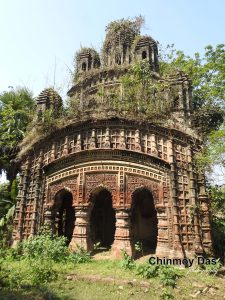
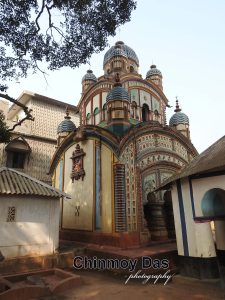
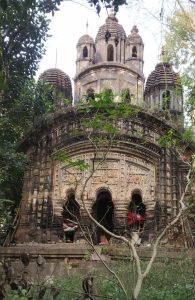
বেশ বড় আকারের দক্ষিণমুখী নব-রত্ন মন্দির। সম্পূর্ণ বর্গাকার-- দৈর্ঘ্য-প্রস্থে পৌণে ২০ ফুট, আর উচ্চতা প্রায় ৫০ ফুট। মন্দিরের সিংহভাগ অংশ ইটের তৈরী। তবে, চারটি কোনাচ অংশে ল্যাটেরাইট পাথরের ব্যবহার হয়েছে। এমনটা কমই দেখা যায়।
দক্ষিণে এবং পশ্চিমে দুটি অলিন্দ। তাতে খিলান-রীতির তিনটি করে দ্বারপথ। থামগুলি ইমারতি রীতি আর খিলান দরুণ রীতির। দ্বিতল মন্দির-- দুটি তলেরই মাথায় চালা-রীতির ছাউনি। আর, অলিন্দের ভিতরের ছাদ বা সিলিং হয়েছে টানা-খিলান রীতিতে। দুটি গর্ভগৃহের সিলিং-এ চারটি পাশ-খিলানের মাথায় গম্বুজ। নব-রত্ন মন্দির। কোণের আটটি রত্নে কলিঙ্গ-শৈলীর ত্রি-রথ এবং উপরের কেন্দ্রীয় রত্নে পঞ্চ-রথ বিন্যাস করা।
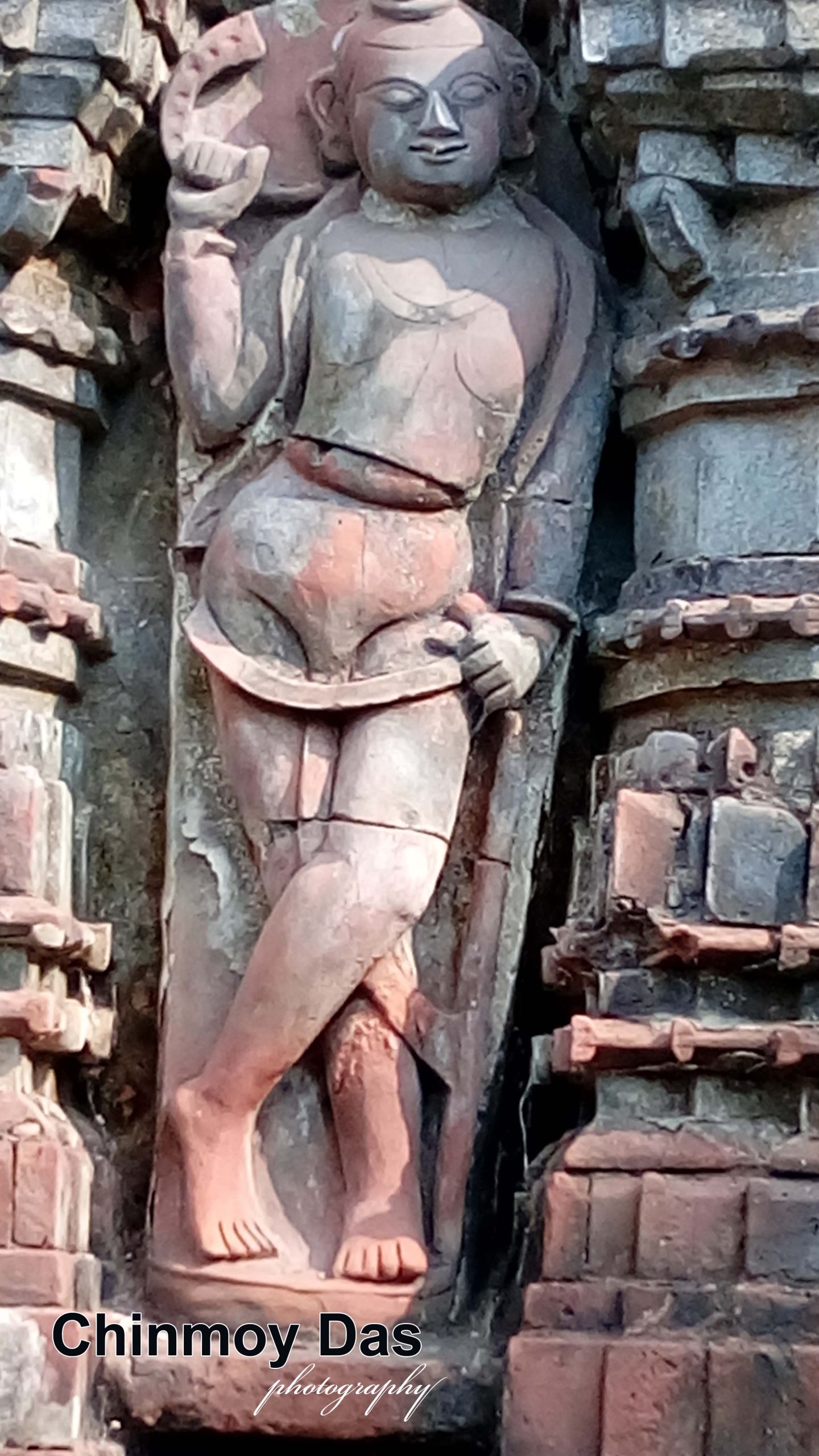
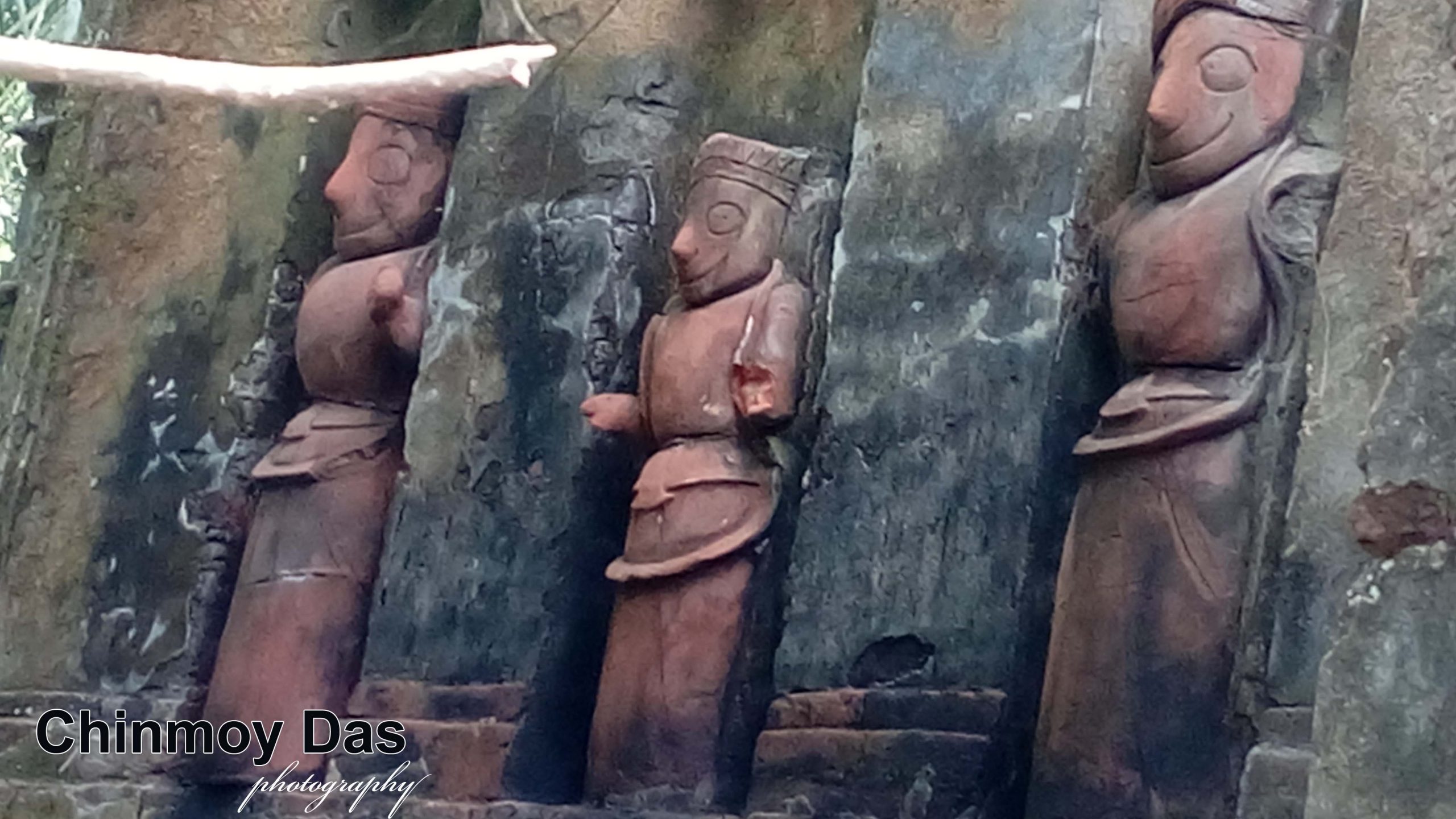
গর্ভগৃহে দুটি দ্বারপথ-- দক্ষিণ ও পশ্চিমে। প্রতিটির দু'পাশে দ্বারপাল মূর্তি। দ্বারপাল ও বাদিকা মুর্তি আরও কয়েকটি আছে মন্দিরে। এগুলি ছাড়াও, অজস্র টেরাকোটা ফলকে মোড়া মন্দিরটি। প্রথম তলের দক্ষিণ আর পশ্চিম দুদিকের দেওয়াল ফলকে ভরা। কিন্তু ফলক লাগানো দ্বিতলের চার দিকেই। আছে অনেকগুলি পূর্ণাবয়ব পুরুষ, নারী ও দ্বারপালিকা মূর্তি। জগন্নাথ, বলরাম আর সুভদ্রার তিনটি একক মূর্তি। আছে শিব-দূর্গা বা অন্যান্য দেব-দেবীর মূর্তিও। রাম-রাবনের যুদ্ধ, রাবণকে হনুমানের আক্রমণ, রামচন্দ্রের অভিষেক ইত্যাদি।
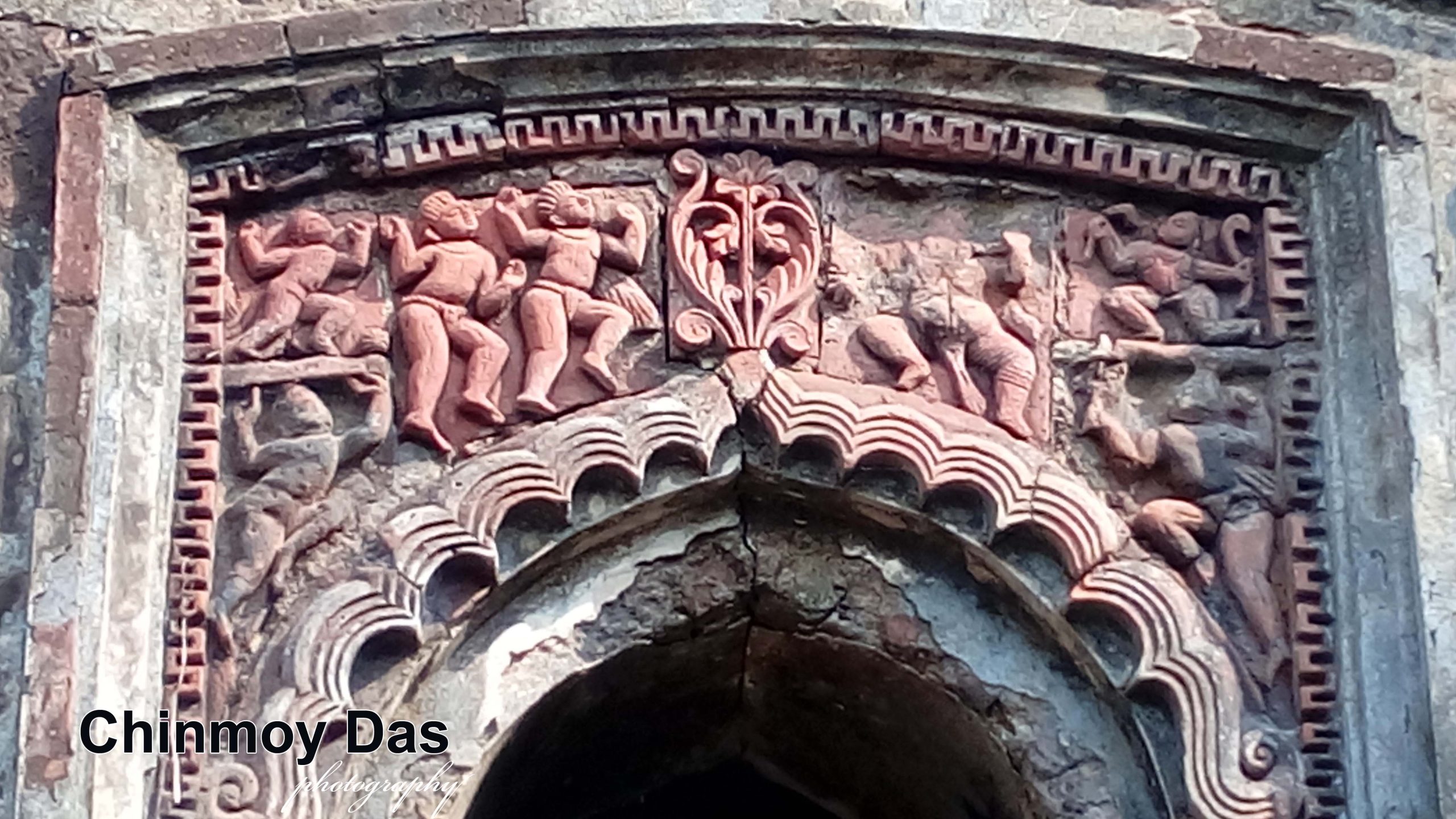
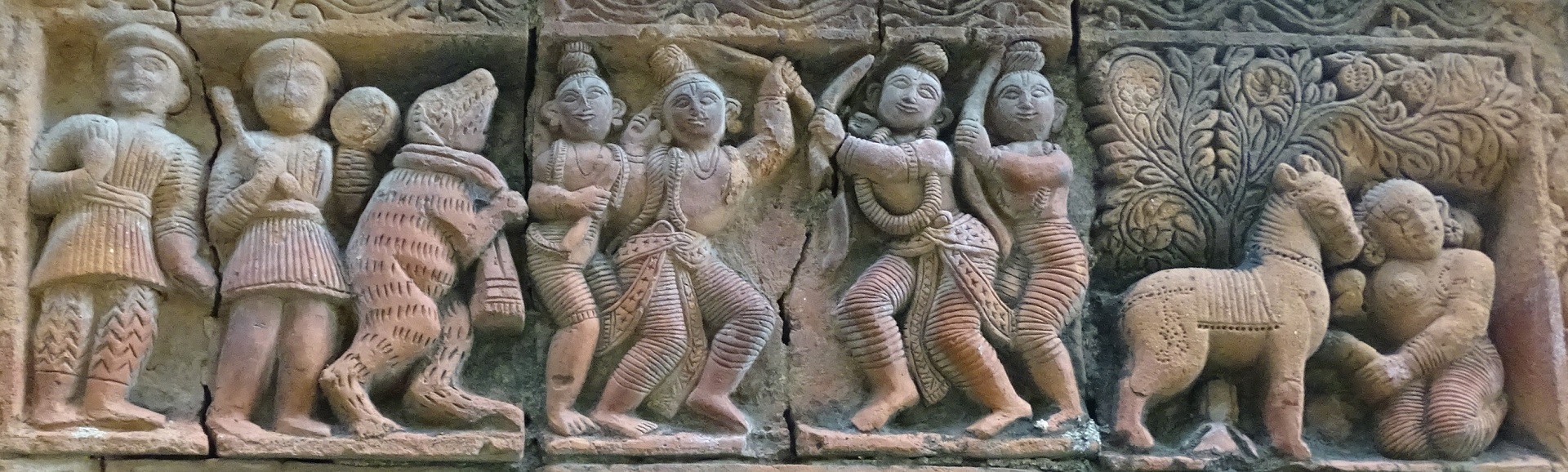
দুটি ফলকের কথা বিশেষভাবে বলতে হয়-- ১. একজন অশ্বমানব ও তার দিকে তীরনিক্ষেপকারী তীরন্দাজ। দুটি ফলকে বিভক্ত ফলক দুটি আছে মূল দ্বারপথের খিলানের দু 'দিকে। ২. রাসমন্ডল ফলকটি আছে ঐ খিলানের মাথায়।
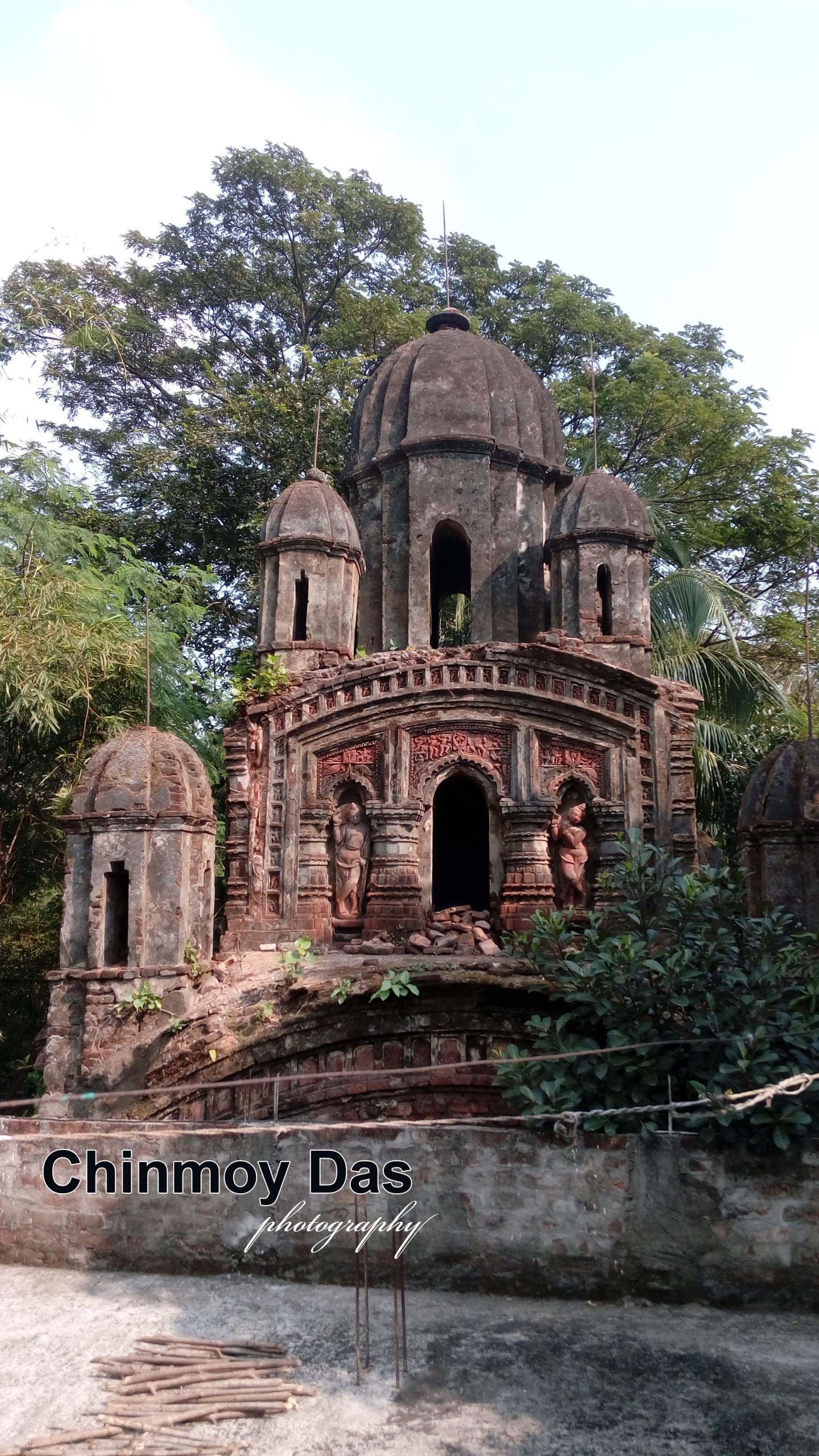
একদিন খ্যাতির অধিকারী ছিল অজস্র ফলকে মোড়া মন্দিরটি। মাত্র ২০০ বছরে ভারী জীর্ণ দশা আজ তার। সেবাইত পরিবারের সাধ্য নাই একে রক্ষা করেন। আর, ঐতিহ্য রক্ষায় প্রশাসন তো চিরকালই উদাসীন।
Raghunath Temple, Ranapur (Daspur)
Chinmoy Das
Daspur is a police-station area surrounded by rivers, stretching about 50 miles in length. Situated on the extreme eastern boundary of Medinipur district, along the banks of the Rupnarayan River, the region has long benefited from fertile alluvial soil. Consequently, agriculture became the foundation of Daspur’s economy and prosperity.
To this was added indigo cultivation and silk production. It was particularly through the silk industry that Daspur reached the pinnacle of economic prosperity. Raja Shobha Singh was the zamindar of Chetua Pargana, and one of his leaseholders (pattanidar) was Bangaram Chowdhury. His rule lasted for fifty years, beginning in the 1670s. Bangaram’s contribution to the development of Daspur’s industry, culture, and economy was unparalleled. He ushered in a golden age of multifaceted prosperity for the region.
It was during Bangaram’s time that rural industries were established and flourished in this area. Numerous artisans migrated here with their families and settled permanently. Among them were members of the Gandhabanik, Subarnabanik, Malakar, Karmakar, Kumhar (potter), and indigo-producing communities. Particularly noteworthy were the Sutradhars (temple builders) and the Tantubays (weavers).
At that time, weaving flourished throughout the Ghatal subdivision. Ghatal became renowned across the world for the production of silk and fine textiles. Dutch, Armenian, English, and French merchants established trading centers throughout the subdivision. The silk factories (resham kuthis) built by them can still be found scattered across the region.
The weaver community was especially numerous. Many of them became involved not only in silk weaving but also in trade, accumulating great wealth. Some even established their own zamindaris.
Ranapur, a village on the banks of the Shilabati River in Daspur, was home to a wealthy weaving family bearing the surname Pramanik. The family had been associated with the silk industry for several generations and had acquired considerable wealth. They built a beautiful Navaratna (Nine-Towered) temple adorned with terracotta decorations.
The temple contains an inscription plaque arranged in four lines:
“Śrī Śrī / Rāmaḥ Śubham / Stu Sakā / Bdā 1723 / San 1208 / Sāl Tā / Rik 2 / 6 Jasta Śrī Śrī Gu / Rucaraṇe / Saraṇaṁ”
(Original spelling, punctuation, and line arrangement preserved.)
This indicates that the temple was constructed in Bengali Era 1208 (1801 CE). Another plaque records that certain portions of the temple were renovated during Rama Navami in Bengali Era 1379.
The temple is a fairly large, south-facing Navaratna structure. It is perfectly square in plan, measuring approximately 19.75 feet on each side and rising to a height of nearly 50 feet. Most of the structure is built of brick, although laterite stone has been used at the four corner sections—a relatively uncommon feature.
There are two verandahs (olinds) on the south and west sides, each with three arched entrances. The pillars follow the imarati style, while the arches are of the darun type. The temple is two-storied, with both levels crowned by chala-style roofs. The ceilings of the verandahs are constructed using the barrel-vaulted arch technique. Inside the two sanctums, the ceilings consist of domes resting upon four side arches.
The temple follows the Navaratna style. The eight corner towers (ratnas) feature the tri-ratha arrangement characteristic of Kalinga architecture, while the central upper tower is designed in the pancha-ratha style.
The sanctum has two entrances, on the south and west sides. Flanking each doorway are images of gatekeepers (dwarapalas). Several other figures of gatekeepers and female attendants (badikas) are also found throughout the temple.
Beyond these, the temple is richly adorned with innumerable terracotta plaques. The south and west walls of the first storey are covered with them, while all four sides of the second storey bear terracotta panels. There are numerous full-length figures of men, women, and female gatekeepers. Individual images of Jagannath, Balarama, and Subhadra are present, as well as representations of Shiva, Durga, and other deities. Scenes depicted include the battle between Rama and Ravana, Hanuman’s attack on Ravana, the coronation of Rama, and many others.
Two terracotta panels deserve special mention:
- A panel depicting a horse-man figure and an archer shooting an arrow toward him. The composition is divided across two plaques placed on either side of the arch of the main entrance.
- A Rasa Mandala panel situated above the same arch.
Once celebrated for its profusion of terracotta ornamentation, the temple now stands in a severely dilapidated condition after only two centuries. The caretaker family lacks the means to preserve it, while the administration has, as so often happens, remained indifferent to the protection of this heritage monument.