রঘুনাথ মন্দির, বনপাটনা (খড়গপুর থানা, মেদিনীপুর)
চিন্ময় দাশ
আদি নিবাস ছিল তুষারমৌলি হিমালয়ের দেশ কাশ্মীরে। সেখান থেকে 'ধর' পদবীর এক কাশ্মীরি পন্ডিত জগন্নাথ দর্শনের জন্য পুরীধামে এসেছিলেন। সেই যে নেমে এসেছিলেন হিমালয়ের দেশ থেকে, পথ চলা শেষ হয়নি তাঁর। এমনকি তাঁর বংশধরদেরও। আজকের জার্নালের কথকতা সেই বংশের পথ-পরিক্রমা নিয়েই।
শৈবভূমির পন্ডিত জগন্নাথক্ষেত্রে পৌঁছে মোহিত হয়ে গিয়েছিলেন। পৈতৃক ভূমির মায়া কাটিয়ে নতুন করে ভিটে গড়ে তুলেছিলেন নতুন দেশে। পুরী নগরী থেকে অনতিদূরের এলাকা বিরামপুর শাসন। সেখানে রামচন্দ্রপুর গ্রামে নতুন ভিটেমাটির ব্যবস্থা করে, নতুন বংশের পত্তন করেছিলেন স্থায়ীভাবে। জানা যায়, কিছুকাল বাদে, নিষ্ঠা এবং পান্ডিত্যের গুণে, এই পন্ডিতবংশ পুরীর জগন্নাথ মন্দিরে পান্ডা হিসাবে নিযুক্ত হয়েছিল। সেই সুবাদে, ওডিশার সমাজ জীবনের সাথে অঙ্গাঙ্গীভাবে মিশে গিয়েছিল পন্ডিতবংশটি।
বংশটি হিমালয় থেকে এসেছিল 'ধর' পদবী নিয়ে। কিন্তু এই সমুদ্রের দেশে, এক রোমাঞ্চকর ঘটনায়, পুরাতনের বদলে, এক নতুন পদবীতে পরিচিত হয়ে উঠেছিল বংশটি। একবার বিরামপুর শাসন এলাকার দুই সম্পন্ন পরিবারের মধ্যে বৈষয়িক ব্যাপারে বিবাদের সূত্রপাত হয়। জানা যায়, পুরীরাজের দরবার পর্যন্ত গড়িয়েছিল বিবাদটি। বিচারের একেবারে শেষ পর্বে, ধরবংশের এক ব্যক্তিকে সাক্ষী হিসাবে হাজিরা দিতে ডাকা হয়েছিল। রায়দান তখন নির্ভর করছে তাঁর বয়ানের উপরই। বিবাদী পক্ষ মামলা জিতবার জন্য মরীয়া। তারা মিথ্যা সাক্ষ্য দেওয়ার জন্য চাপ দিতে শুরু করে সাক্ষীকে। প্রথমে আবেদন-নিবেদন, পরে প্রলোভন, অবশেষে প্রাণনাশের হুমকিও দেওয়া হয় তাঁকে। রাজাও সংগোপনে অবগত হচ্ছিলেন সমস্ত বিষয়টা।
সাক্ষী কিন্তু কোনও কিছুতেই মাথা নত করেননি। ভরা দরবারে সত্য উচ্চারণ করেছিলেন অকুতোভয় চিত্তে। ধন্য ধন্য করে উঠেছিল সভা। আর পুরীরাজ? সাক্ষীর সত্যভাষণে প্রীত হয়ে, "সৎ পথী" উপাধিতে ভূষিত করেছিলেন তাঁকে। তখন থেকে 'ধর' পদবি ত্যাগ করে, 'সৎপথী' পদবী প্রচলিত হয়েছে বংশটিতে।
মেদিনীপুর জেলা ওডিশার সীমান্ত লাগোয়া। পরবর্তীকালে সৎপথী বংশের এক সদস্য ব্যবসার সুবাদে রামচন্দ্রপুর ছেড়ে মেদিনীপুরে চলে এসেছিলেন। বলরামপুর পরগণার পরাণনগর গ্রামে স্থায়ী বসবাস শুরু করেছিলেন তিনি। বলা হয়, প্রথম যিনি এসেছিলেন, তাঁর নাম-- চৈতন্য চরণ সৎপথী। তাঁর এক উত্তর পুরুষ ছিলেন রামচন্দ্র। রামচন্দ্রের দুই পুত্র-- জানকীরাম ও বলরাম। ব্যবসা-বাণিজ্যের সুবাদে, বিপুল অর্থের মালিক হয়েছিলেন দুই সহোদর। জানকীরামের পুত্র নারায়ণ সৎপথীর সৌহার্দ্য গড়ে উঠেছিল বলরামপুরের রাজা নরহর চৌধুরীর সাথে।
একটি মর্মন্তুদ ঘটনা ঘটেছিল দুই সুহৃদের মধ্যে। যোগেশচন্দ্র বসু-র 'মেদিনীপুরের ইতিহাস' ছাড়াও, বহু গ্রন্থ বা সরকারী রিপোর্টেও, এর বিবরণ পাওয়া যায়।
এক বছর 'সূর্যাস্ত আইন'-এর আওতায়, রাজ সরকারে খাজনা জমা করবার প্রয়োজনে, নারায়ণের কাছ থেকে পঞ্চাশ হাজার টাকা ঋণ নিয়েছিলেন নরহর চৌধুরী। কিন্তু মেয়াদ পেরিয়ে গেলেও টাকা শোধ না দেওয়ায়, তাগাদা পাঠিয়েছিলেন নারায়ণ। এক ভয়ানক ঘটনার সূত্রপাত হয়েছিল তাতেই। ঋণ শোধ না করে, নারায়ণকে হত্যা করবার ষড়যন্ত্র করেছিলেন রাজা। অগত্যা অর্থের আশা ত্যাগ করে, প্রাণটুকু রক্ষার তাগিদ বড় হয়েছিল সেই বিপদের মুখে। নৃশংস নরহরের রাজ্যসীমা ছেড়ে, চিরকালের জন্য পালিয়ে আসতে হয়েছিল নারায়ণকে।
সেসময় পার্শ্ববর্তী নারায়ণগড়ের রাজা ছিলেন পরীক্ষিত পাল। তাঁর আশ্রয় নিয়ে, কিসমত নারায়ণগড় পরগণার বল্লার খাল পার হয়ে, বনপাটনা গ্রামে এসে স্থায়ী বসত গড়েছিলেন। এখানেও কাপড়ের ব্যবসাই ছিল নারায়ণের জীবিকা।
সেই ব্যবসার অর্থে, নতুন করে বড় আকারের একটি জমিদারি প্রতিষ্ঠা করেছিল এই বংশ। মহাল ছিল দিগপারুই, তপ্পে কেশিয়াড়ি, কিসমত নারায়ণগড় ইত্যাদি পরগণায়। ১৮০১ সালে মেদিনীপুরের জেলা ম্যাজিস্ট্রেট এইচ. স্ট্রেচি সাহেব, ভারতের গভর্ণর জেনারেল লর্ড ওয়েলেসলিকে, জেলার ১৮ জন সম্ভ্রান্ত এবং ক্ষমতাশালী ব্যক্তির নামের একটি তালিকা পাঠিয়েছিলেন। তালিকার তৃতীয় নামটি ছিল বনপাটনার জমিদার লক্ষ্মীশ্বর (মতান্তরে, লক্ষ্মীচরণ) সৎপথীর।
জমিদারি পরিচালনায় দক্ষতার কারণে, 'চৌধুরী' খেতাব পেয়েছিল এই বংশ। এই বংশে একজন খ্যাতনামা জমিদার ছিলেন চৌধুরী গজেন্দ্র নারায়ণ। ১৯১৭ সালে তাঁকে " রায় বাহাদুর " খেতাবে ভূষিত করেছিল ইংরেজ সরকার। এমন মান্যতা ছিল মানুষটির, রায় বাহাদুর-এর পালকি না পৌঁছলে, রেল কোম্পানির ট্রেন দাঁড়িয়ে থাকতো বেনাপুর স্টেশনে।
জমিদারী প্রতিষ্ঠা করে, অট্টালিকা, কাছারিবাড়ি, আস্তাবল, হাতি-ঘোড়ার জলপানের জন্য 'হাতিগেড়িয়া' নামের জলাশয়-- কতকিছুই না গড়ে তোলা হয়েছিল। সেই সাথে গড়া হয়েছিল কয়েকটি দেবালয়ও। চৈতন্যদেবের প্রভাবে বাংলায় তখন গৌড়ীয় প্রেমধর্মের প্লাবন। সেই প্রভাবে গড়া হয়েছিল লক্ষ্মীজনার্দন মন্দির। তাঁদের আদি পুরুষ এসেছিলেন শৈবভূমি হিমালয় থেকে। শিবমন্দিরও গড়া হয়েছিল একটি।
কিন্তু বর্তমান সৎপথীরা এসেছিলেন শ্রীক্ষেত্র পুরী জগন্নাথধাম থেকে। রায় বাহাদুর গজেন্দ্র নারায়ণের পিতা ব্রজমোহন-এর মনের সাধ ছিল, একটি জগন্নাথ মন্দির স্থাপন করবেন। কিন্তু মন্দির প্রতিষ্ঠার প্রাক্কালে, জগন্নাথের পরিবর্তে, রঘুনাথ মন্দির নির্মাণের স্বপ্নাদেশ পেয়েছিলেন তিনি। সেই অনুসারে, পিতা-পুত্র উভয়ের তৎপরতায়, ১৮৬৮ সালে বর্তমান আলোচ্য রঘুনাথ মন্দিরটি গড়ে তোলা হয়েছিল।
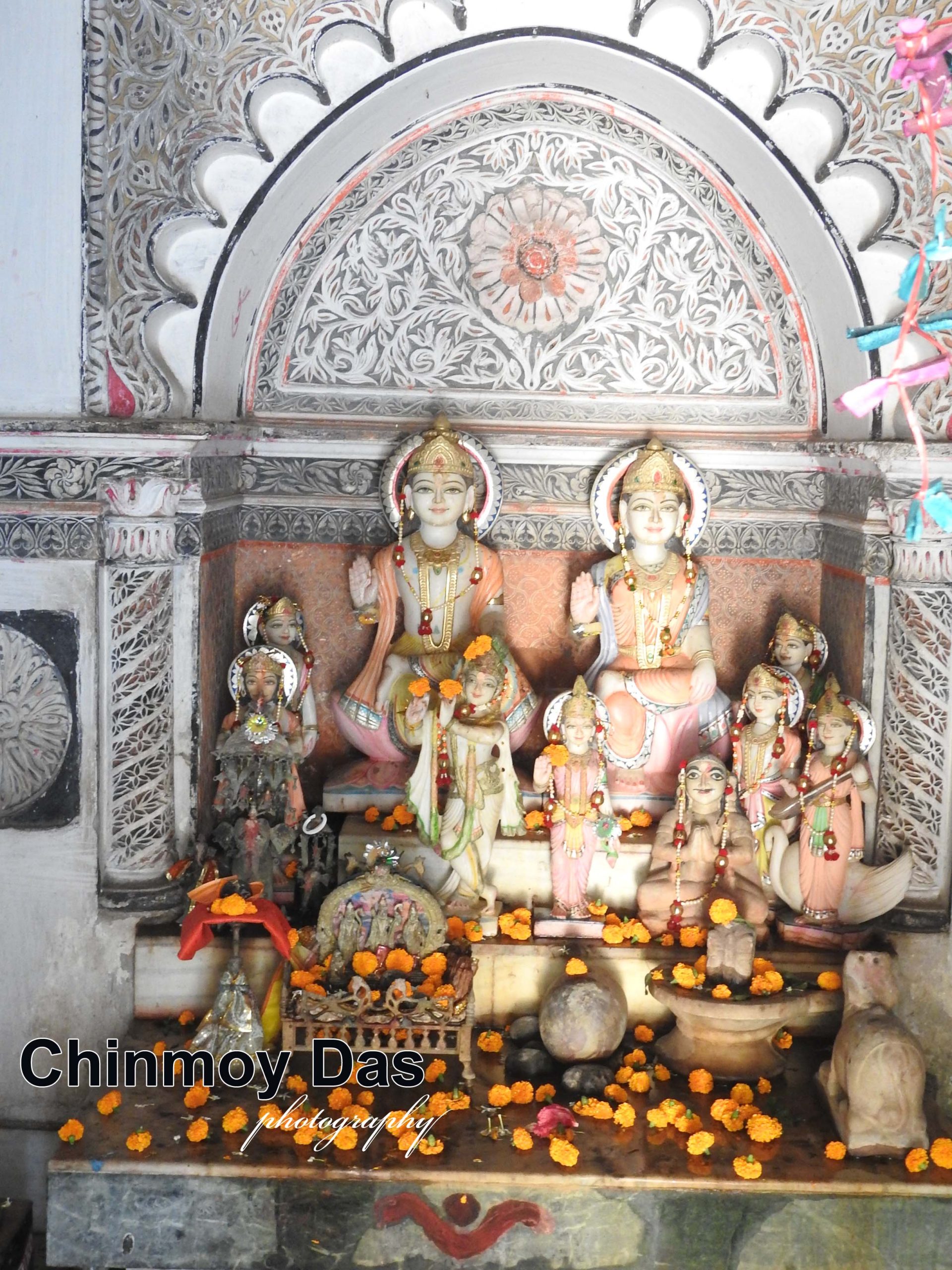
পূর্বকালের প্রতিষ্ঠিত বিশালাকার অষ্টধাতুর মূর্তিগুলি আজ আর নাই মন্দিরে। বর্তমানে পূজিত রামচন্দ্র-সীতাদেবী, ভরত, শত্রুঘ্ন, লক্ষ্মণ, সুগ্রীব, অঙ্গদ, হনুমান এবং শ্রীকৃষ্ণ ও রাধারাণীর সুশোভন মূর্তিগুলি শ্বেতপাথরে নির্মিত। এর সাথে ২৯টি শালগ্রাম শিলাও মন্দিরে পূজিত হন।
নিত্য দু'বার পূজা ছাড়াও, বারো মাসে তেরো পার্বণের আয়োজন হয় মন্দিরে। ১৯৭১ সালে গঠিত "চৌধুরী রমেশ চন্দ্র সৎপথী পাবলিক দেবোত্তর ট্রাস্ট বোর্ড" গঠিত হয়েছে। বর্তমানে সভাপতি-- শ্রী নয়নারঞ্জন সৎপথী। সম্পাদক-- শ্রী প্রণব রঞ্জন সৎপথী। বোর্ডই দেবতার সেবাপূজা পরিচালনা করে থাকে।
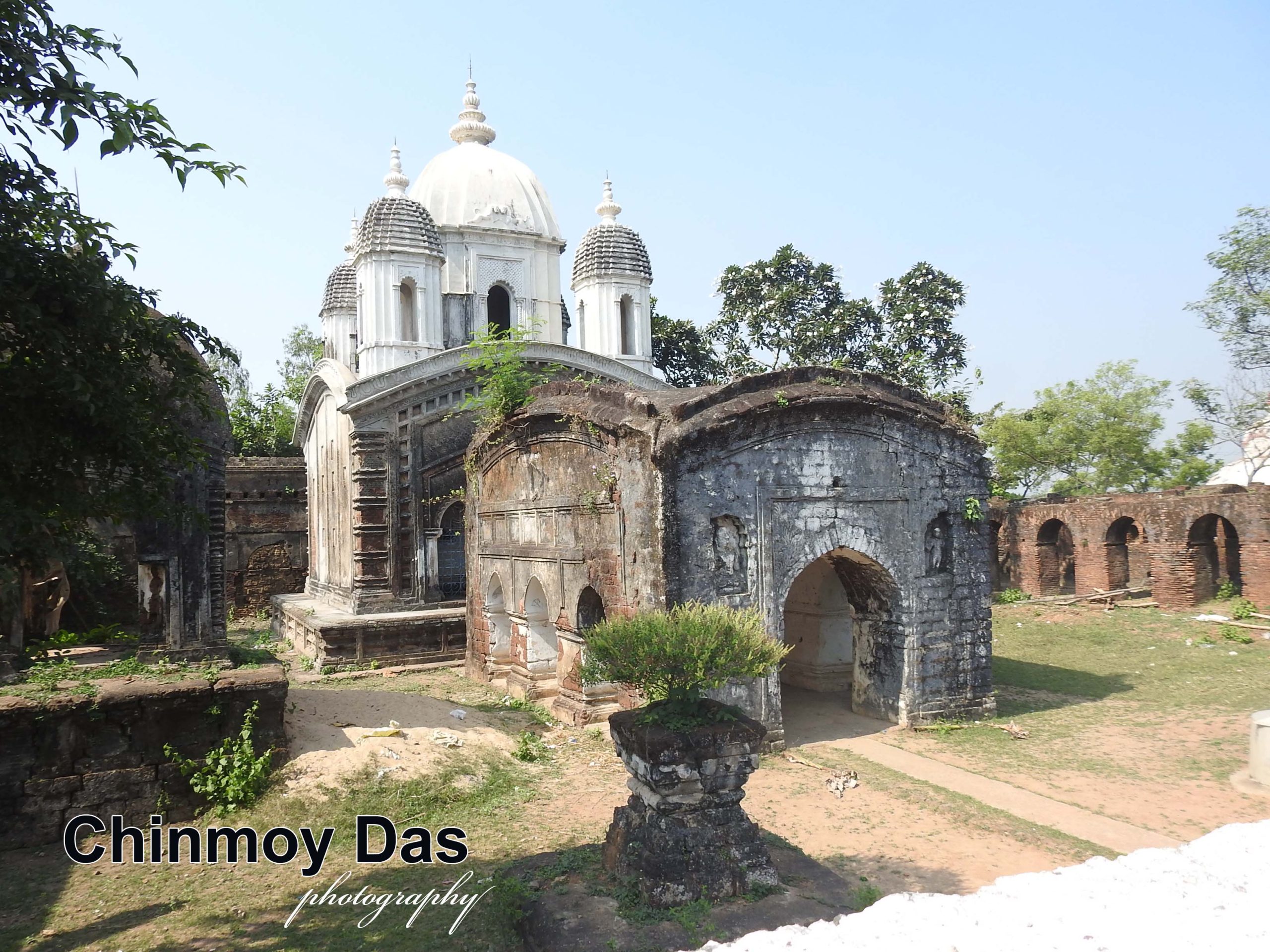
দক্ষিণ ভারতের 'দুর্গ-মন্দির'-এর আদলে গড়া হয়েছে মন্দিরটিকে। ৮/১০ ফুট উঁচু প্রাচীর দিয়ে ঘেরা। ভেতরের প্রাঙ্গণে রয়েছে মূল মন্দির, বিশাল স্নানবেদী, ইমারতি-রীতির তুলসীমঞ্চ, গরুড়-স্তম্ভ, পাকশালা, গুদামঘর, সারি সারি অতিথিশালা ইত্যাদি। সবকিছু নিয়ে "ঠাকুরবাড়ি" নামে পরিচিত এই দেবস্থলীটি। বনপাটনা গ্রামের সামান্য পূর্বদিকে প্রাচীন কটক রোড অবস্থিত। পূর্বকালে পুরী কিংবা গঙ্গাসাগর অভিযাত্রী সাধু-সন্ন্যাসীর দল এসে আতিথ্য নিতেন এখানে। হাতি বা উটের কাফেলা সাজিয়ে মাঝে মাঝেই অতিথিশালায় এসে উপস্থিত হতেন তাঁরা।
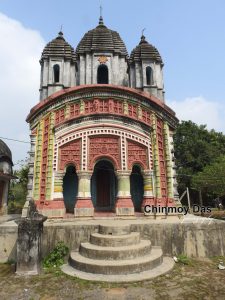
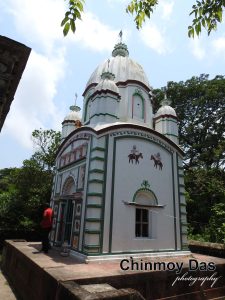
পঞ্চ-রত্ন রীতির পূর্বমুখী বর্গাকার মন্দির, উঁচু ভিত্তিবেদীর উপর প্রতিষ্ঠিত। মন্দিরের দৈর্ঘ্য-প্রস্থ ২৫ ফুট, উচ্চতা আনু. ৩৫ ফুট। একটি প্রশস্ত প্রদক্ষিণ-পথ মন্দিরকে বেষ্টন করে আছে।
গর্ভগৃহের চার দিক জুড়ে একটি অলিন্দ রচিত হয়েছে। তাতে খিলান-রীতির তিনটি করে দ্বারপথ। পূর্ব এবং উত্তরে দুটি দ্বারপথ আছে গর্ভগৃহে। একটি সিঁড়ি রচিত আছে গর্ভগৃহের ভিতর থেকে।
অলিন্দগুলির সিলিং হয়েছে টানা-খিলান রীতিতে। চার দেওয়ালে চাপা-খিলানের মাথায় বড় গম্বুজ স্থাপন করে, নির্মিত হয়েছে গর্ভগৃহের সিলিং। সবগুলি রত্নেই পঞ্চ-রথ বিন্যাস এবং পীঢ়-রীতি প্রয়োগ করা হয়েছে। শীর্ষক অংশ বেঁকী, আমলক, কলস এবং ধ্বজদন্ড শোভিত। রত্নগুলির মাথায় চালা-ছাউনি হলেও, কার্নিশগুলি সরলরৈখিক।
সামনে অষ্ট-দ্বারী একটি নাটমন্দির আছে এখানে। মাথায় চালা ছাউনি দেওয়া। ভিতরের সিলিং হয়েছে চারটি অর্ধ-খিলান রচনা করে।
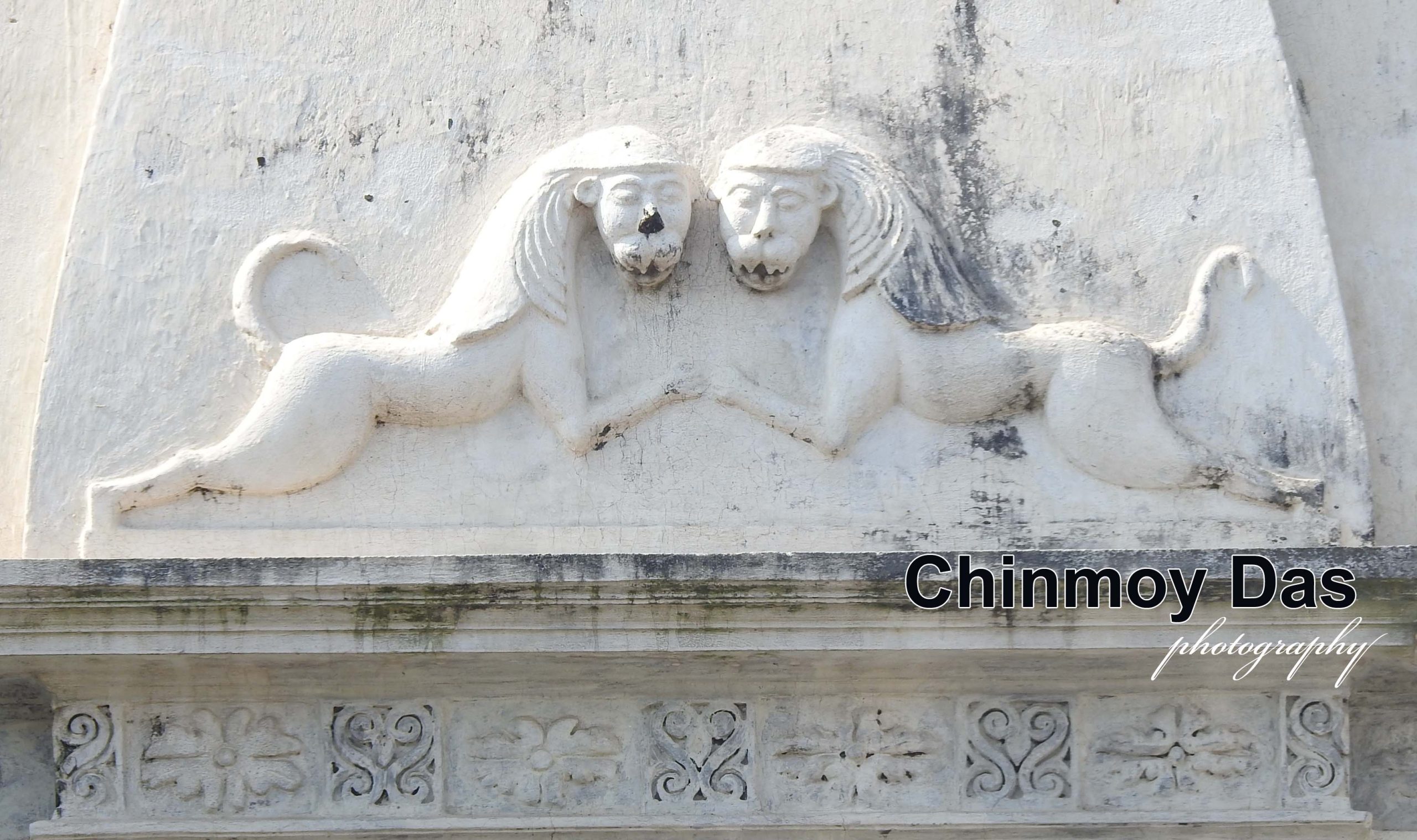
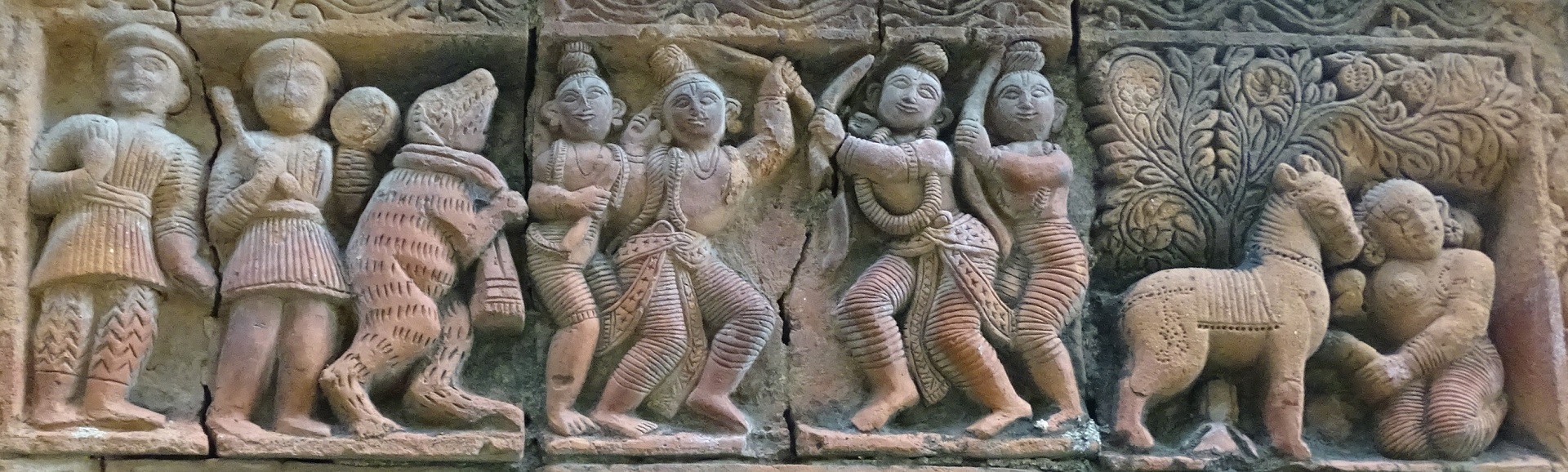
অলঙ্করণ হিসাবে দেখা যায়-- ১. কার্নিশের নীচ বরাবর এক সারি পারাবত। ২. কেন্দ্রীয় রত্নের সামনের রাহায় দুটি সিংহমূর্তি। ৩. স্নানবেদি এবং নাটমন্দিরে কয়েকটি পূর্ণাবয়ব মনুষ্যমূর্তি।
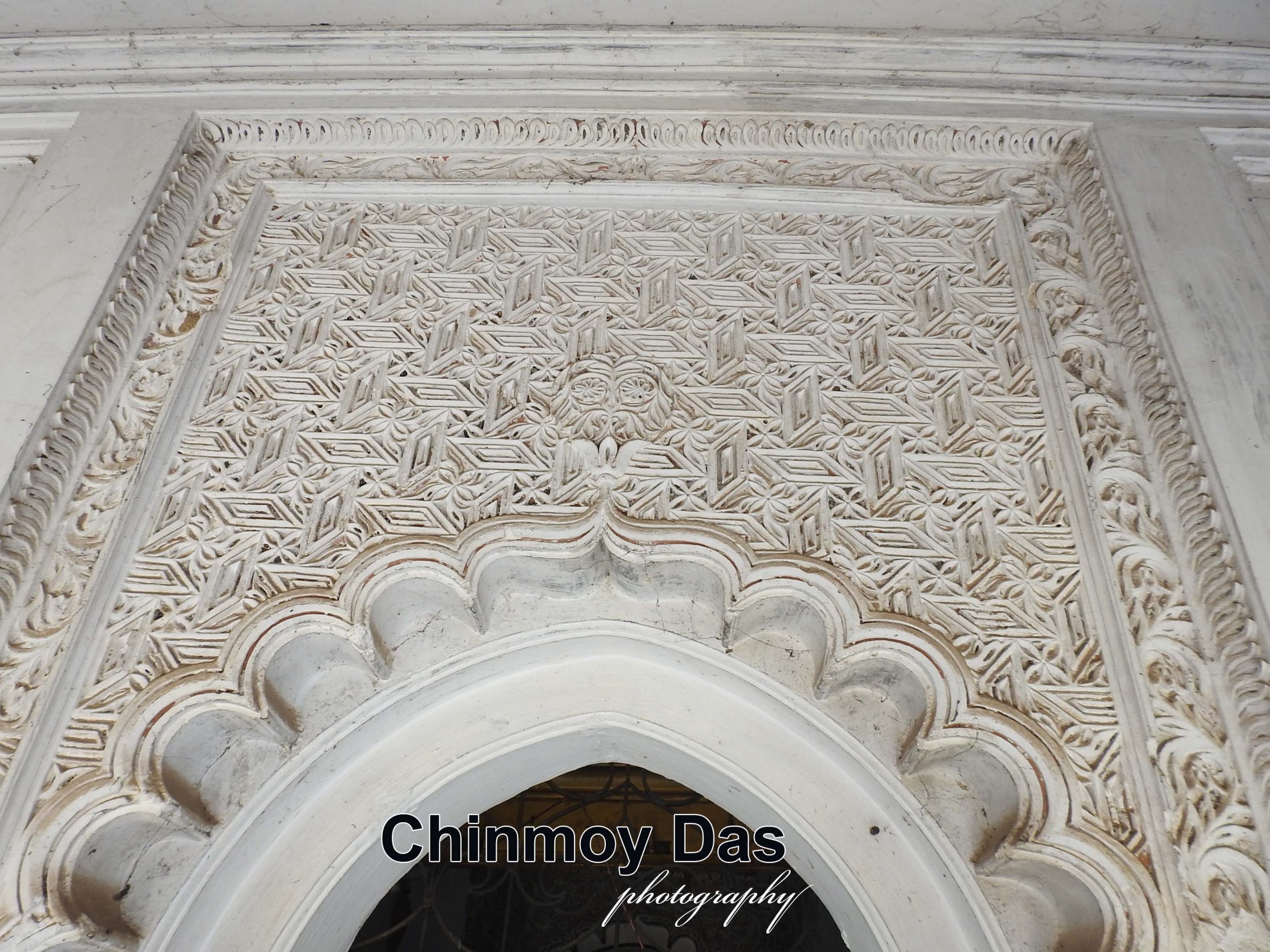
এছাড়া, মূলমন্দিরের বাইরের দেওয়াল এবং গর্ভগৃহের অভ্যন্তরে জ্যামিতিক ও ফুলকারী নকশায় উন্নত পঙ্খের কারুকাজ ছিল।
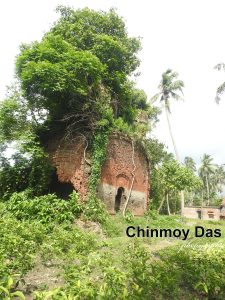
তবে, সৌধগুলির কাঠামো এবং কারুকাজ-- সবই বর্তমানে ভারী জীর্ণতার শিকার। অবিলম্বে এটির সংস্কারের কাজে এগিয়ে আসতে হবে আমাদের সকলকে। সরকারি-অসরকারী প্রতিষ্ঠানগুলি তৎপর হলে, এই ঐতিহাসিক সৌধটিকে এখনও রক্ষা করা যেতে পারে।
Raghunath Temple, Bonpatna (Kharagpur Police Station, Medinipur)
Chinmoy Das
The ancestral homeland of the family lay in Kashmir, beneath the snow-crowned Himalayas. From there, a Kashmiri scholar of the Dhar lineage journeyed to Puri to have the darshan of Lord Jagannath. Once he descended from the Himalayan region, his travels did not end—and neither did those of his descendants. The story of today's journal revolves around the migration and fortunes of this family.
The scholar from the land of Shaivism was deeply enchanted upon reaching Jagannath Kshetra. Renouncing attachment to his ancestral land, he established a new home in a new country. He settled permanently in Ramchandrapur village within the Birampur Shasan area near Puri and founded a new branch of the family there. It is said that, after some time, owing to their devotion and scholarship, members of this learned family were appointed as pandas (ritual guides) at the Jagannath Temple of Puri. Through this association, the family became closely integrated into the social life of Odisha.
The family had arrived from the Himalayas bearing the surname Dhar. However, in this coastal land they became known by a new surname due to a remarkable incident. A dispute once arose between two wealthy families of the Birampur Shasan area. The matter reportedly reached the court of the King of Puri. In the final stage of the trial, a member of the Dhar family was summoned as a witness, and the verdict depended largely upon his testimony.
The defendants were desperate to win the case. They pressured the witness to give false testimony—first through persuasion, then through temptation, and finally through threats to his life. The king was secretly informed of the entire matter.
Yet the witness refused to yield. In the royal court, he fearlessly spoke the truth. The assembly applauded his integrity. Pleased by his honesty, the King of Puri conferred upon him the title “Satpathi” (“Follower of the True Path”). From that time onward, the family abandoned the surname Dhar and adopted Satpathy.
Since Medinipur district borders Odisha, a member of the Satpathy family later moved from Ramchandrapur to Medinipur for business purposes. He settled permanently in Parannagar village of Balrampur Pargana. According to tradition, the first migrant was Chaitanya Charan Satpathy. One of his descendants was Ramchandra, who had two sons—Janakiram and Balaram. Through trade and commerce, the brothers accumulated great wealth. Janakiram's son Narayan Satpathy developed a close friendship with Raja Narahar Chowdhury of Balrampur.
A tragic episode later unfolded between the two friends. The incident is recorded not only in Yogesh Chandra Basu's History of Medinipur but also in several other books and official reports.
One year, under the provisions of the Sunset Law, Raja Narahar borrowed 50,000 rupees from Narayan to pay government revenue. Even after the repayment deadline had passed, the Raja failed to return the money. When Narayan sent reminders, a terrible chain of events began. Rather than repaying the debt, the Raja allegedly plotted to murder him. Forced to abandon hope of recovering the money and concerned only with saving his life, Narayan fled permanently from the domain of the cruel ruler.
At that time, the neighboring ruler of Narayangarh was Raja Parikshit Pal. Under his protection, Narayan crossed Ballar Khal in Kismat Narayangarh Pargana and established a permanent residence in Bonpatna village. Here too, the cloth trade became his livelihood.
Using the profits from this business, the family established a large zamindari estate. Their holdings extended across Digparui, Keshiyari Tappa, Kismat Narayangarh, and other parganas. In 1801, the District Magistrate of Medinipur, H. Strachey, sent Governor-General Lord Wellesley a list of eighteen influential and distinguished persons of the district. The third name on the list was Lakshmishwar (or, according to another version, Lakshmicharan) Satpathy, the zamindar of Bonpatna.
Because of their skill in estate management, the family received the title “Chowdhury.” Among its notable members was Chowdhury Gajendra Narayan. In 1917, the British Government conferred upon him the title of Rai Bahadur. Such was his prestige that trains at Benapur Station were said to wait until the Rai Bahadur's palanquin arrived.
After establishing their zamindari, the family built mansions, administrative offices, stables, and a reservoir known as Hatigeria for watering elephants and horses. Alongside these, several temples were constructed. Influenced by the spread of Gaudiya Vaishnavism inspired by Chaitanya Mahaprabhu, they built the Lakshmijanardan Temple. Since their ancestors had come from the Shaiva land of the Himalayas, they also erected a Shiva temple.
However, the present Satpathys traced their immediate roots to Jagannath Dham at Puri. Brajmohan, father of Rai Bahadur Gajendra Narayan, cherished the desire to establish a Jagannath Temple. Yet, shortly before construction, he reportedly received a divine instruction in a dream directing him to build a Raghunath Temple instead. Accordingly, through the combined efforts of father and son, the present Raghunath Temple was constructed in 1868 CE.
The large ashtadhatu (eight-metal) images originally installed in the temple no longer survive. At present, finely carved white-stone images of Rama and Sita, Bharata, Shatrughna, Lakshmana, Sugriva, Angada, Hanuman, and also Krishna and Radha are worshipped. In addition, 29 Shalagrama stones are venerated in the temple.
Besides the twice-daily worship, numerous festivals are celebrated throughout the year. In 1971, the Chowdhury Ramesh Chandra Satpathy Public Debottar Trust Board was established. The current President is Sri Nayanranjan Satpathy, and the Secretary is Sri Pranab Ranjan Satpathy. The Board oversees the worship and management of the temple.
The temple complex was designed after the model of a South Indian fortified temple. It is enclosed by walls approximately 8–10 feet high. Within the compound are the main temple, a large Snanabedi (ceremonial bathing platform), an Imarati-style Tulsi altar, a Garuda pillar, kitchen buildings, storehouses, and rows of guesthouses. Collectively, the complex is known as the “Thakurbari.”
The ancient Cuttack Road runs just east of Bonpatna village. In earlier times, pilgrims, ascetics, and monks traveling to Puri or Gangasagar would stay here as guests. Caravans of elephants and camels often arrived at the guesthouses during their journeys.
The main temple is a square, east-facing Pancha-Ratna (five-towered) temple built upon a high plinth. It measures approximately 25 feet by 25 feet, with a height of about 35 feet. A spacious circumambulatory passage surrounds the shrine.
A verandah (olinda) extends around all four sides of the sanctum, with three arched openings on each side. The sanctum itself has two entrances, located on the east and north sides. A staircase rises from within the sanctum.
The ceilings of the verandahs are built in the barrel-vaulted style. The sanctum ceiling consists of a large dome placed upon depressed arches on the four walls. All five towers feature Pancha-Ratha projections and employ the Pidha style. Their crowning elements consist of beki, amalaka, kalasha, and dhvaja-danda (flagstaff). Although the towers have chala-type roofs, the cornices are straight rather than curved.
In front of the temple stands an eight-doored Natmandir (festival hall), roofed in the chala style. Its ceiling is formed by four half-arches.
Decorative features include:
-
A row of pigeons running beneath the cornice.
-
Two lion sculptures on the front raha projection of the central tower.
-
Several full-figure human sculptures on the bathing platform and Natmandir.
In addition, the exterior walls of the main temple and the interior of the sanctum were once adorned with fine stucco work featuring geometric and floral designs.
Today, however, both the structures and their ornamentation have suffered severe deterioration. Immediate restoration efforts are necessary. With prompt action by governmental and non-governmental organizations, this historic monument can still be preserved.