শ্রীধরজীউ মন্দির, নতুক--বড় বাখুল (থানা ঘাটাল, মেদিনীপুর)
চিন্ময় দাশ
বাদশাহী সড়ক'-- বহু প্রাচীন কালের একটি রাজপথ। বলা হয়, খ্রিস্টপূর্ব ৩০০ অব্দ নাগাদ নির্মিত হয়েছিল প্রাচীন ও মধ্যযুগীয় ভারতের, মধ্য-ভারত থেকে কলিঙ্গগামী, এই গুরুত্বপূর্ণ সড়কটি। হুগলি জেলার গড় মান্দারণ হয়ে, মেদিনীপুরের ঘাটাল মহকুমায় প্রবেশ করেছে পথটি। এই পথের অদূরে নতুক নামের একটি গ্রাম। আমাদের আজকের সফর এই গ্রামে।
ঘাটাল মহকুমা অনেকগুলি নদ-নদী বিধৌত। পূর্বে রূপনারায়ণ, দক্ষিণে কংসাবতী। আর শিলাবতী প্রবাহিত হয়েছে এই জেলার বুক চিরে। এর সাথে আছে অনেকগুলি উপনদী আর শাখা নদী-- আমোদর, কেঠিয়া, জয়পণ্ডা, জুলি, ঝুমি, দ্বারকেশ্বর, সঙ্করী ইত্যাদি। এর সাথে আছে কতকগুলি খালও। একেবারে ছোট আকারের নদীর মত বিস্তার যেগুলির।
এতগুলি জলধারার কথা বিস্তারে বলা হল একারণে যে, এগুলির সুবাদে উর্বর কৃষিভূমি গড়ে উঠেছিল সমগ্র মহকুমা জুড়ে। সেই উর্বরতার সুবাদে, বহু পূর্বকাল থেকে সমৃদ্ধ হয়েছিল এলাকার অর্থনীতিও।
পরবর্তী কালে, রেশম শিল্পের প্রবর্তন এবং বিস্তার ঘটেছিল এই মহকুমায়। তার সাথে যুক্ত হয়েছিল নীল চাষ। রেশম এবং নীল-- এই দুই শিল্পের বিস্তারে গুরুত্বপূর্ণ ভূমিকা ছিল নদী-খালগুলির জলপথ পরিবহনের। আর্মেনিয়ান, ওলন্দাজ, ফরাসি আর ইংরেজ বণিকদের পাশাপাশি, সেসময় সারা মহকুমা জুড়ে, বহু স্থানীয় পরিবারও এই দুটি শিল্পে আত্মনিয়োগ করে, সমৃদ্ধ হয়ে উঠেছিল। ছোট বড় অনেকগুলি জমিদারি গড়ে উঠেছিল তাঁদের হাতে। বহু দেবমন্দিরও গড়েছিলেন তাঁদের প্রায় সকলেই।
কেঠে নদীর অববাহিকায় নতুক নামের এক গ্রাম। সেখানে জমিদারি প্রতিষ্ঠা করেছিল 'সাঁতরা' পদবীর একটি পরিবার। জমিদারির প্রতিষ্ঠাতা, এই বংশের আদি পুরুষ, ছিলেন-- বৃন্দাবন সাঁতরা। সাত-আট পুরুষ, বা দু'শ - আড়াই শ' বছর আগের কথা এটি। পূর্বকাল থেকে শিবের আরাধনা হোতই পরিবারে। পরে গৌড়ীয় বৈষ্ণব ধর্মের প্রভাবে, বিষ্ণুর আরাধনার প্রচলন হয়। নারায়ণের প্রতিমূর্তি, "শ্রীধর" নামিত শালগ্রাম শিলা, প্রতিষ্ঠা করে সেবাপূজার প্রচলন হয়েছিল জমিদার বংশে।
বৃন্দাবনের ৩ পুত্র-- তিলকরাম, অযোধ্যারাম এবং উদয়রাম। মধ্যম অযোধ্যারামের ২ পুত্র-- রামনারায়ণ এবং গোবর্ধন। ৪ জন পুত্র ছিল রামনারায়ণ-এর-- স্বরূপ, রামচাঁদ, তারাচাঁদ এবং মাধব। জমিদারির বেশ রমরমা ছিল এঁদের সময়ে। কুলদেবতা শ্রীধরজীউর জন্য, একটি স্থায়ী মন্দির নির্মাণ করেছিলেন জমিদার তারাচাঁদ সাঁতরা। নতুক গ্রামে সাঁতরা বংশের ৪র্থ প্রজন্মের সময়কালের ঘটনা এটি। কোন প্রতিষ্ঠা-লিপি মন্দির নাই। আজ থেকে প্রায় পৌনে দু'শ বছর আগে প্রতিষ্ঠিত হয়েছিল মন্দিরটি।
ইতিমধ্যে ছয়-সাত পুরুষ অতিবাহিত হয়েছে। বংশবৃদ্ধিও হয়েছে তাল মিলিয়ে। ফলে, তিনটি "বাখুল"-এ পৃথকন্ন হয়ে বাস করছেন জমিদাররা। নতুন বাখুল দুটিতে (মধ্য বাখুল এবং ছোট বাখুল)ও কুলদেবতার মন্দির গড়ে সেবাপূজার ধারা বহাল রাখা হয়েছে।
বড় বাখুলের এই মন্দিরে তারাচাঁদের বশধরগণই সেবাইত হিসাবে বহাল আছেন।
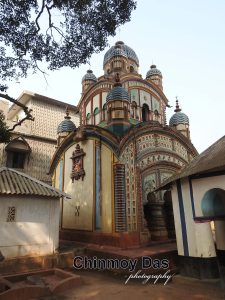
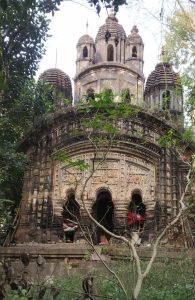
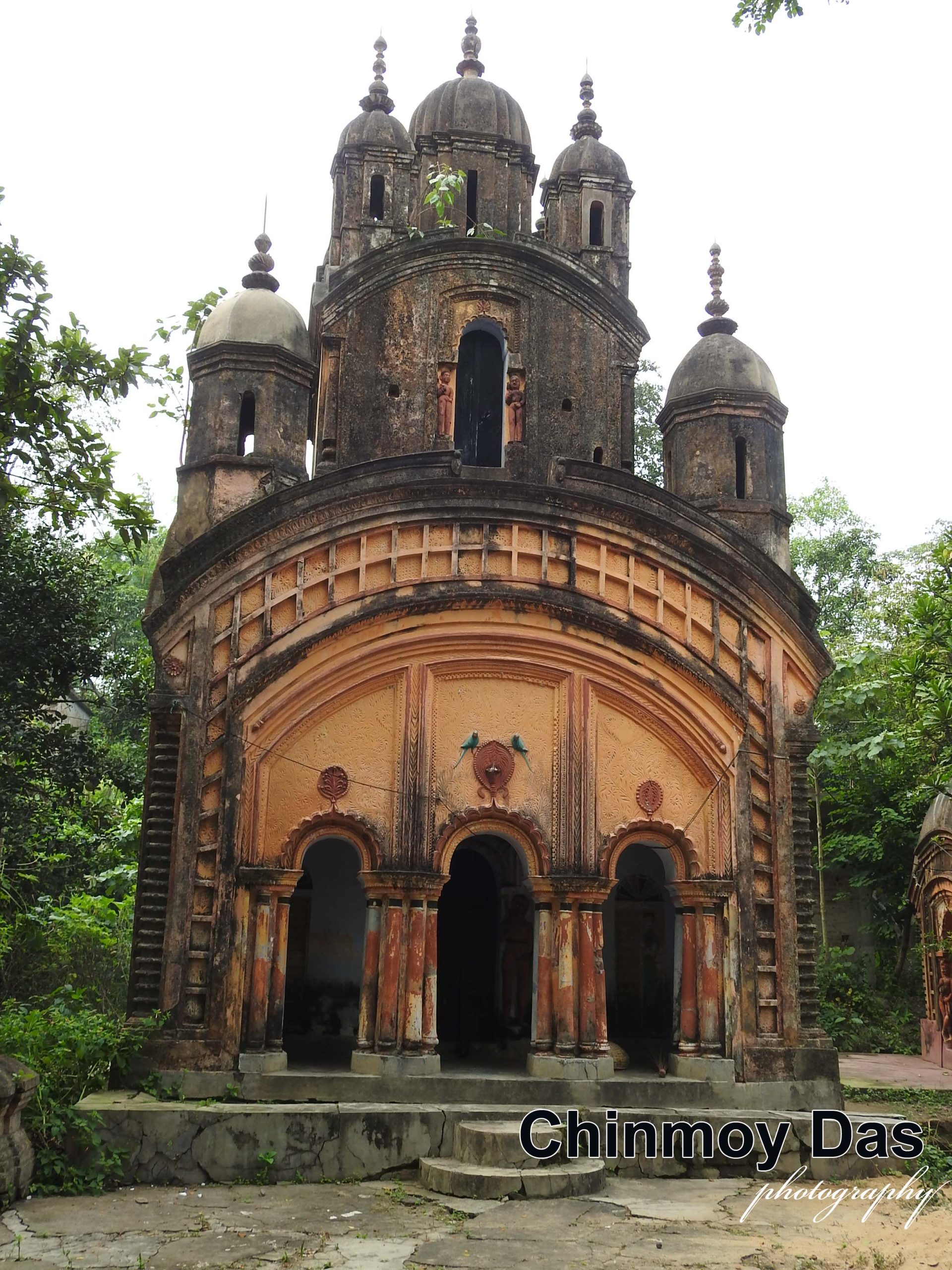
ইট-চুন-সুরকির উপাদানে পূর্বমুখী করে নির্মিত, নব-রত্ন রীতির মন্দির এটি। সামনে একটি অবিস্তার অলিন্দ এবং পিছনে গর্ভগৃহ। অলিন্দে কলাগেছিয়া রীতির গুচ্ছ থাম এবং দরুণ-রীতির খিলানের সাহায্যে নির্মিত তিনটি দ্বারপথ। গর্ভগৃহে পূর্বদিকের মূল দ্বারপথটি ছাড়াও, দক্ষিণে একটি অতিরিক্ত দ্বারপথ আছে। অলিন্দের সিলিং হয়েছে 'টানা-খিলান' রীতিতে। গর্ভগৃহে দেখা যায়, চার দিকের দেওয়ালে চারটি বড় আকারের খিলান, তার উপর গম্বুজ স্থাপিত। দ্বিতলে যাওয়ার জন্য একটি সিঁড়ি রচিত হয়েছে গর্ভগৃহের ভিতর থেকে।
সম্পূর্ণ বর্গাকার সৌধ-- দৈর্ঘ্য প্রস্থ উভয়ই সাড়ে ১৭ ফুট, উচ্চতা প্রায় ৪০ ফুট। অনুচ্চ পাদপীঠ-- তার উপর একটি প্রদক্ষিণ পথ আছে মন্দিরকে বেষ্টন করে।
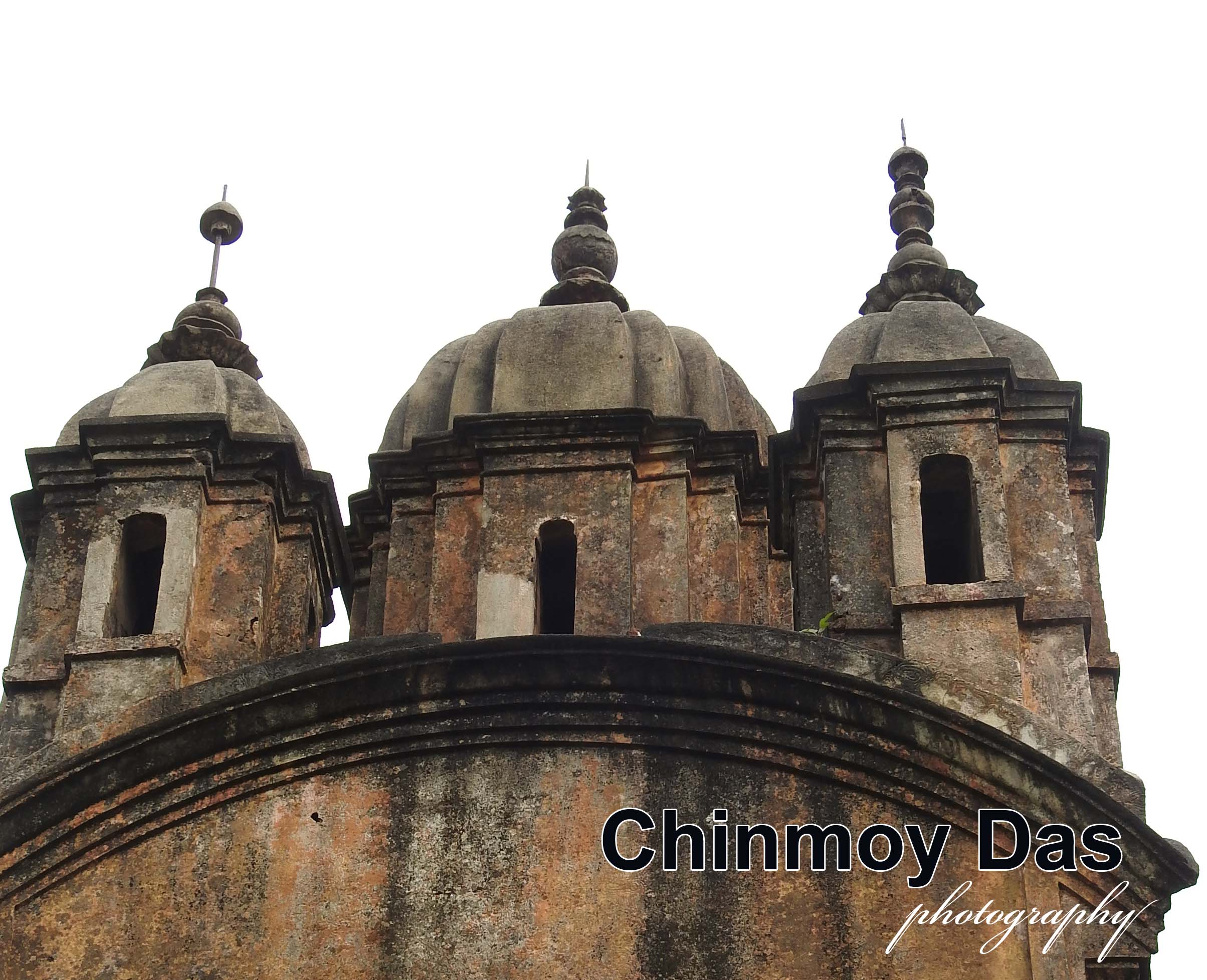
নব-রত্ন বিশিষ্ট এই মন্দিরের বৈশিষ্ট হোল-- এর রত্ন বা চূড়াগুলি একই রীতিতে রচিত হয়নি। দ্বিতলের চারটি এবং কেন্দ্রীয় চূড়া-- এই পাঁচটি চূড়া চতুস্কোণ বিশিষ্ট। সেগুলিতে বাঢ়, বরণ্ড এবং গন্ডী জুড়ে 'রথ বিভাজন' করা। কোণের চারটিতে ত্রি-রথ এবং কেন্দ্রীয় চূড়াটিতে পঞ্চ-রথ বিভাজন করা। প্রত্যেকটি দেওয়ালে একটি করে দ্বারপথ রচিত।
কিন্তু, প্রথম তলের চারটি চূড়া ভিন্ন রীতির। সেগুলি অষ্টকোণাকৃতি করে নির্মিত। তার দেওয়ালগুলিতে একটি অন্তর দ্বারপথ দেখা যায়। ন'টি রত্নেরই মাথায় চালা-রীতির ছাউনি এবং শিরোভাগে ক্রমান্বয়ে বেঁকী, আমলক, কলস এবং বিষ্ণুচক্র শোভিত।
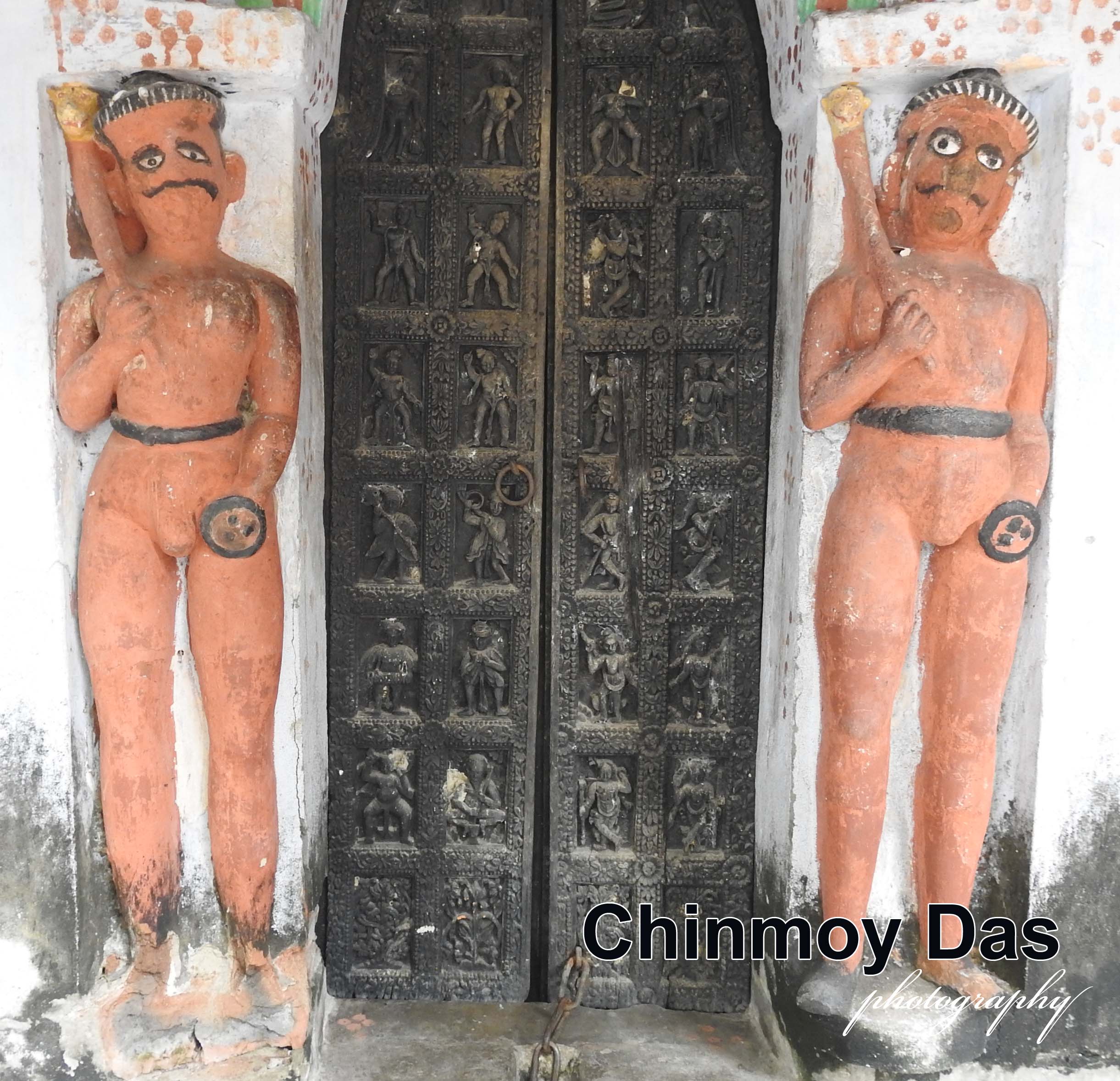
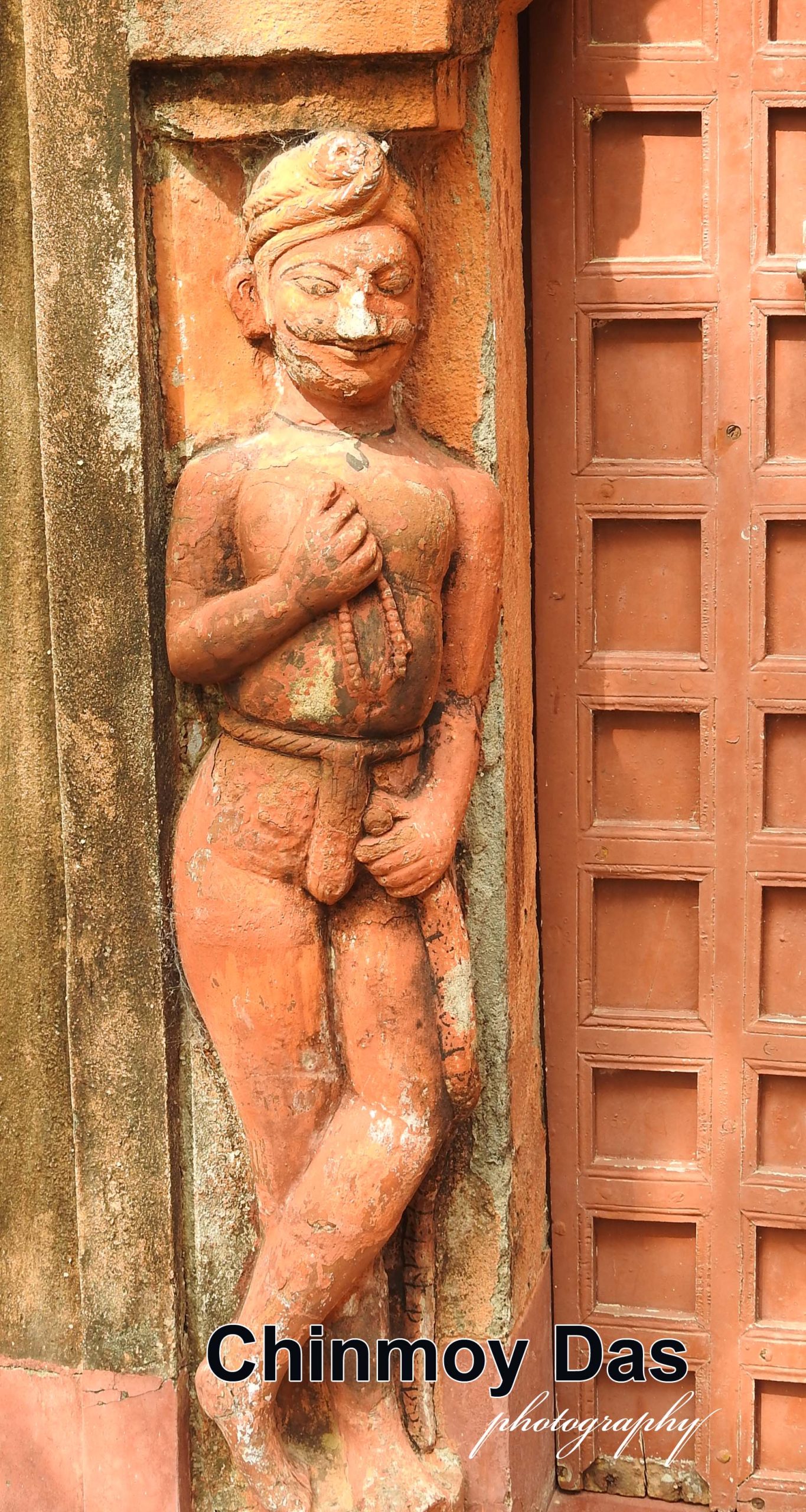
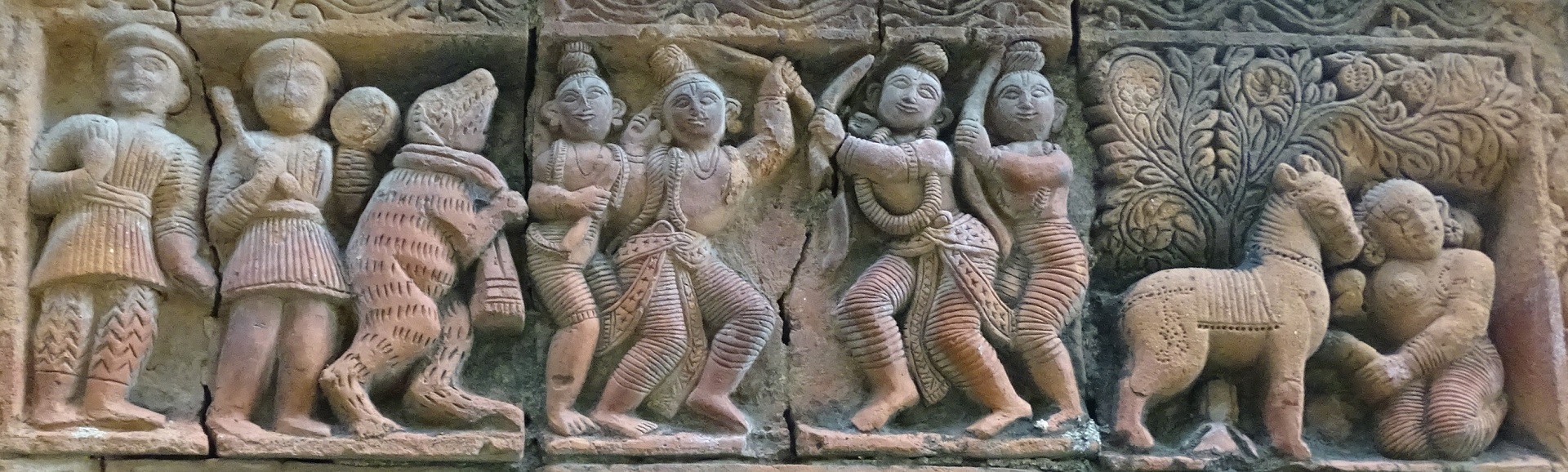
সাধারণভাবে ঘাটাল মহকুমা জুড়ে দেখা যায়, অজস্র টেরাকোটা ফলকে মন্দিরকে অলংকৃত করা হয়েছে। কিন্তু তেমন কোনও অলংকরণ নাই এই মন্দিরে। তবে, বা-রিলিফ রীতির বেশ কয়েকটি মূর্তির সন্নিবেশ দেখা যায়। যেমন-- গর্ভগৃহের সামনের দ্বারপথের দু'পাশে দুটি দ্বারপাল মূর্তি রচিত হয়েছে। দুটি দ্বারপালিকা মূর্তি দেখা যায় দ্বিতলের কক্ষটির দ্বারপথের দু'পাশে। এছাড়া, দুটি দ্বারবর্তিনী মূর্তি আছে এই মন্দিরে। ভিনিশীয় রীতির অর্ধোন্মুক্ত দরজার প্রান্তে প্রিয়জনের প্রত্যাগমণের প্রতীক্ষায় দাঁড়ানো উন্মুখ নারীমূর্তি। মেদিনীপুর জেলাজুড়ে এমন মূর্তির সন্নিবেশ দেখা যায় মন্দিরে মন্দিরে।
এর বাইরে আছে-- ১. পঙ্খের কাজ এবং ২. দারু-তক্ষণ। সুনিপুন হাতের পঙ্খের কাজ করা হয়েছে মন্দিরের সামনের এবং পিছনের দেওয়ালে। সবই জ্যামিতিক এবং ফুলকারী নকশা। দারু-তক্ষণ বা কাঠখোদাইয়ের কাজ আছে গর্ভগৃহের দরজার পাল্লায়। খোদাই কাজটি নজর করবার মত।
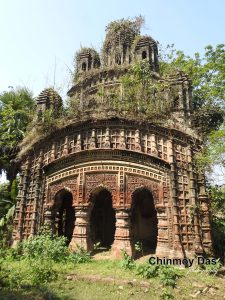
এই বংশের ৩টি বাখুলের কথা আমরা বলেছি। কুলদেবতা শ্রীধরের মন্দির ছাড়াও, শিব মন্দিরও প্রতিষ্ঠা করেছিলেন সকলে। মধ্য বাখুলে একটি চার-চালা রীতির শিবমন্দির আছে। তবে সেটির অতি জীর্ণ অবস্থা। এই বড় বাখুলেও আছে একটি শিব মন্দির। সেটি আট-চালা রীতির। শ্রীধর মন্দিরের কাছেই সেটির অবস্থান। দুটি মন্দিরেই সেবা-পূজা প্রচলিত আছে।
Shridhar Jiu Temple, Natuk–Boro Bakhul
(Ghatal Police Station, Medinipur)
Chinmoy Das
The Badshahi Road is an ancient royal highway. It is said to have been constructed around 300 BCE and served as an important route connecting Central India with Kalinga during ancient and medieval times. Passing through Garh Mandaran in Hooghly district, the road entered the Ghatal subdivision of Medinipur. Not far from this route lies the village of Natuk, the destination of our present journey.
The Ghatal subdivision is crisscrossed by numerous rivers. The Rupnarayan flows to the east, the Kangsabati to the south, while the Shilabati cuts through the heart of the region. In addition, there are many tributaries and distributaries such as the Amodar, Kethia, Joypanda, Juli, Jhumi, Dwarakeswar, and Sankari. Several canals are also found here, many of which are almost river-like in size.
These waterways deserve special mention because they helped create fertile agricultural lands throughout the subdivision. Owing to this fertility, the local economy had prospered from very early times.
Later, the silk industry was introduced and expanded in the region, followed by the cultivation of indigo. The rivers and canals played a crucial role in transporting silk and indigo products. Alongside Armenian, Dutch, French, and English merchants, many local families also became involved in these industries and amassed considerable wealth. Numerous small and large zamindaris emerged under their control, and almost all of these prosperous families established temples.
In the basin of the Kethia River lies the village of Natuk. A family bearing the surname Santra established a zamindari there. The founder of the estate and progenitor of the lineage was Vrindaban Santra. This occurred roughly seven or eight generations ago, about two to two-and-a-half centuries in the past. Shiva had long been worshipped in the family, but later, under the influence of Gaudiya Vaishnavism, the worship of Vishnu became prevalent. A Shalagram Shila representing Narayan, known as Shridhar, was installed, and regular worship began within the zamindar family.
Vrindaban had three sons—Tilakram, Ayodhyaram, and Udayram. Ayodhyaram, the middle son, had two sons—Ramnarayan and Gobardhan. Ramnarayan had four sons—Swarup, Ramchand, Tarachand, and Madhab. The zamindari flourished greatly during their time. For their family deity, Shridhar Jiu, Zamindar Tarachand Santra built a permanent temple. This occurred during the fourth generation of the Santra family in Natuk. No foundation inscription survives in the temple, but it was established approximately 175 years ago.
Six or seven generations have passed since then, and the family has expanded considerably. As a result, the descendants now reside separately in three different “Bakhuls” (family residential clusters). Temples dedicated to the family deity were also established in the two newer settlements—Madhya Bakhul and Chhoto Bakhul—to continue the tradition of worship.
In the temple at Boro Bakhul, the descendants of Tarachand still serve as hereditary custodians and priests.
Built of brick, lime, and surki mortar, the temple faces east and follows the Navaratna (nine-towered) style. In front is a shallow porch (olinda) and behind it the sanctum (garbhagriha). The porch contains three entrances supported by clustered Kolagechhia-style pillars and daru-style arches. Besides the main eastern entrance, the sanctum also has an additional doorway on the south side. The porch ceiling is built in the vaulted “tana-khilan” style. Inside the sanctum, four large arches rise from the surrounding walls, supporting a dome above. A staircase leading to the upper floor begins inside the sanctum.
The structure is completely square in plan, measuring about 17½ feet by 17½ feet, with a height of approximately 40 feet. It stands on a low plinth, around which runs a circumambulatory path.
A distinctive feature of this Navaratna temple is that its towers are not all built in the same style. The four corner towers of the upper storey and the central tower are square in shape. Their vertical faces are articulated with the traditional ratha divisions. The corner towers have tri-ratha projections, while the central tower has a pancha-ratha arrangement. Each side contains an arched opening.
The four towers of the first storey, however, are different. They are octagonal in form, with alternating openings in their walls. All nine towers are crowned with chala-style roofs, topped successively by beki, amalaka, kalasa, and Vishnu-chakra finials.
Throughout the Ghatal subdivision, temples are generally adorned with abundant terracotta plaques, but this temple lacks such decoration. Nevertheless, it contains several bas-relief sculptures. For example, two dvarapala (guardian) figures flank the entrance to the sanctum. Two female guardian figures stand on either side of the doorway of the upper chamber. There are also two dvaravartini figures—eager women standing at the edge of partially opened Venetian-style doors, waiting for the return of their loved ones. Such sculptures are found in many temples across Medinipur district.
Apart from these, the temple displays:
-
Decorative plasterwork (pankha work)
-
Wood carving (daru-takshan)
The front and rear walls are embellished with finely executed plaster designs consisting mainly of geometric and floral motifs. The wooden door leaves of the sanctum are decorated with carved panels of remarkable craftsmanship.
As mentioned earlier, the Santra family is divided among three Bakhuls. Besides the temples of the family deity Shridhar, all branches also established Shiva temples. In Madhya Bakhul stands a char-chala Shiva temple, though it is now in a severely dilapidated condition. In Boro Bakhul there is another Shiva temple, built in the at-chala style, situated near the Shridhar Temple. Worship continues in both temples.