রাধাবল্লভ মন্দির, নজরগঞ্জ (মেদিনীপুর শহর)
চিন্ময় দাশ
চতুর্দশ শতকের প্রথম দশকের ঘটনা। দিল্লী দখল করেছেন তুর্কী সম্রাট আলাউদ্দিন খিলজী। দাক্ষিণাত্য অভিযানের আগে, বারংবার গুজরাট এবং রাজস্থানের উপর আক্রমণ সগঠিত করছিলেন তিনি। এদিকে ত্রয়োদশ শতক থেকে শোলাঙ্কি সম্প্রদায়ের একটি শক্তিশালী শাখা গুজরাটের বিশাল এলাকা শাসন করছিল। তাঁদের আদি পুরুষের নাম মহাবীর শুক্ল।
মহাবীরের এক অধস্তন পুরুষ কর্ণদেবের শাসনকালে, আলাউদ্দিন তাঁর রাজ্য আক্রমণ করে কর্ণদেবকে হত্যা করেন। রানী ও রাজকুমারীকে বন্দী, ধর্মান্তরিত এবং বিবাহে বাধ্য করা হয়। সেসময় লুঠতরাজ, দেবালয় ও দেববিগ্রহ ধ্বংস, প্রাণহানি এবং সর্বোপরি ব্যাপকহারে ধর্মান্তর করা চলতে থাকে। এই পটভূমিকায়, প্রাণ এবং স্বধর্ম রক্ষার তাগিদে, শোলাঙ্কি রাজপুরুষেরা তীর্থ দর্শনের নামে, দলে দলে রাজপুতানা ত্যাগ করে দেশের বিভিন্ন এলাকায় ছড়িয়ে পড়েন।
শোলাঙ্কিদের একটি বাহিনী অযোধ্যা, হরিদ্বার, মথুরা, বৃন্দাবন, কাশী, গয়া ঘুরে, পুরীতে পৌঁছায়। সেখানে জগন্নাথ দর্শন সেরে গঙ্গাসাগর যাত্রার পথে, মেদিনীপুর জেলায় প্রবেশ করে কেদারকুণ্ড পরগণায় আসে। জনশ্রুতি আছে, এখানে দলের নেতা বীর সিংহ দেবী চন্ডীকার স্বপ্নাদেশ পেয়ে যাত্রাবিরতি ঘটান। বীরসিংহপুর (বর্তমান ডেবরা থানা) গ্রাম পত্তন করে, স্থায়ী বসবাস শুরু করেন। ময়ূরভঞ্জের রাজার 'তসেলা' (আবাদী সনদ) নিয়ে জমিদারী প্রতিষ্ঠা করেছিলেন বীরসিংহ।
পরে, বাংলার নবাব সামসুদ্দিন ইলিয়াস শাহ ওডিশা অভিযানের পথে, বীরসিংহকে আক্রমণ ও হত্যা করে, নির্বিচার হত্যালীলা ও ধর্মান্তর করতে থাকেন। সেকারণে, শোলাঙ্কিরা পুণরায় প্রাণ এবং স্বধর্ম রক্ষার জন্য, কেদারকুন্ড পরগণা ছেড়ে পালিয়ে আসতে বাধ্য হন। সেসময় অতি সংগোপনে ক্ষত্রিয়-চিহ্ন উপবীত এবং কৌলিক পদবী 'সিংহ' ত্যাগ করে 'রায়' পদবী গ্রহণ করেন শোলাঙ্কিরা। এঁদের একটি শাখা ডেবরা থানার গড়কিলা পৌঁছায়। অন্য একটি শাখা জনৈক সাগররাম সিংহ (রায়)-এর নেতৃত্বে কংসাবতী নদীপথে মেদিনীপুর পৌঁছে যায়।
মেদিনীপুর শহরের দক্ষিণ অংশ সেটি। শহরে প্রবেশ না করে, নদীর কুলেই স্থিত হয়েছিলেন সাগররাম। শহরবাসীর কাছে নিজেদের পরিচয় গোপনের জন্য, আবার পদবী পরিবর্তন করে নিয়েছিল শোলাঙ্কি গোষ্ঠীটি। এবারে স্থানীয় মাহিষ্য সম্প্রদায়ের সাথে মিশে যেতে চাইলেন তাঁরা। নতুন পদবি হল-- জানা। কয়েক শ' বছর ধরে সেই জানা পদবীতেই পরিচিত হয়ে গিয়েছেন এই বংশটি।
নিজের প্রায় সমস্ত সম্পদ নিয়ে চলে এসেছিলেন সাগররাম। নতুন করে একটি জমিদারি প্রতিষ্ঠা করেন এখানে। প্রাসাদ তৈরির সাথে সাথে কুলদেবতার জন্য একটি মন্দিরও গড়েন তিনি। শোলাঙ্কিরা এসেছিলেন পশ্চিমের কৃষ্ণ-ভূমি থেকে। কৃষ্ণ কেবল তাঁদের আরাধ্য দেবতা নন, তিনি আদরের দেবতাও। এদিকে বাংলায় তখন চৈতন্য প্রভাবে বৈষ্ণবীয় রীতিতে ধর্মচর্চার প্লাবন চলেছে।
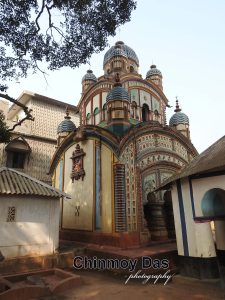
কেবল মেদিনীপুর শহর নয়, সারা জেলা জুড়েই তখন চৈতন্যদেব এবং গৌড়ীয় বৈষ্ণব ধর্মের গভীর প্রভাব। রাজা-জমিদার-সাধারণ প্রজাবর্গ-- সকলেই বৈষ্ণবীয় রীতিতে দেবারাধনা করছেন। জানা পরিবারও সেই পথের পথিক হন। কৃষ্ণকেই কুলদেবতা হিসাবে গ্রহণ করেছিলেন সাগররাম। দেবতার নাম করেছিলেন-- রাধাবল্লভ জীউ। ইং ১৮০৬ সালে জানা পরিবার রাধাবল্লভের জন্য এই নব-রত্ন মন্দিরটি প্রতিষ্ঠা করে।
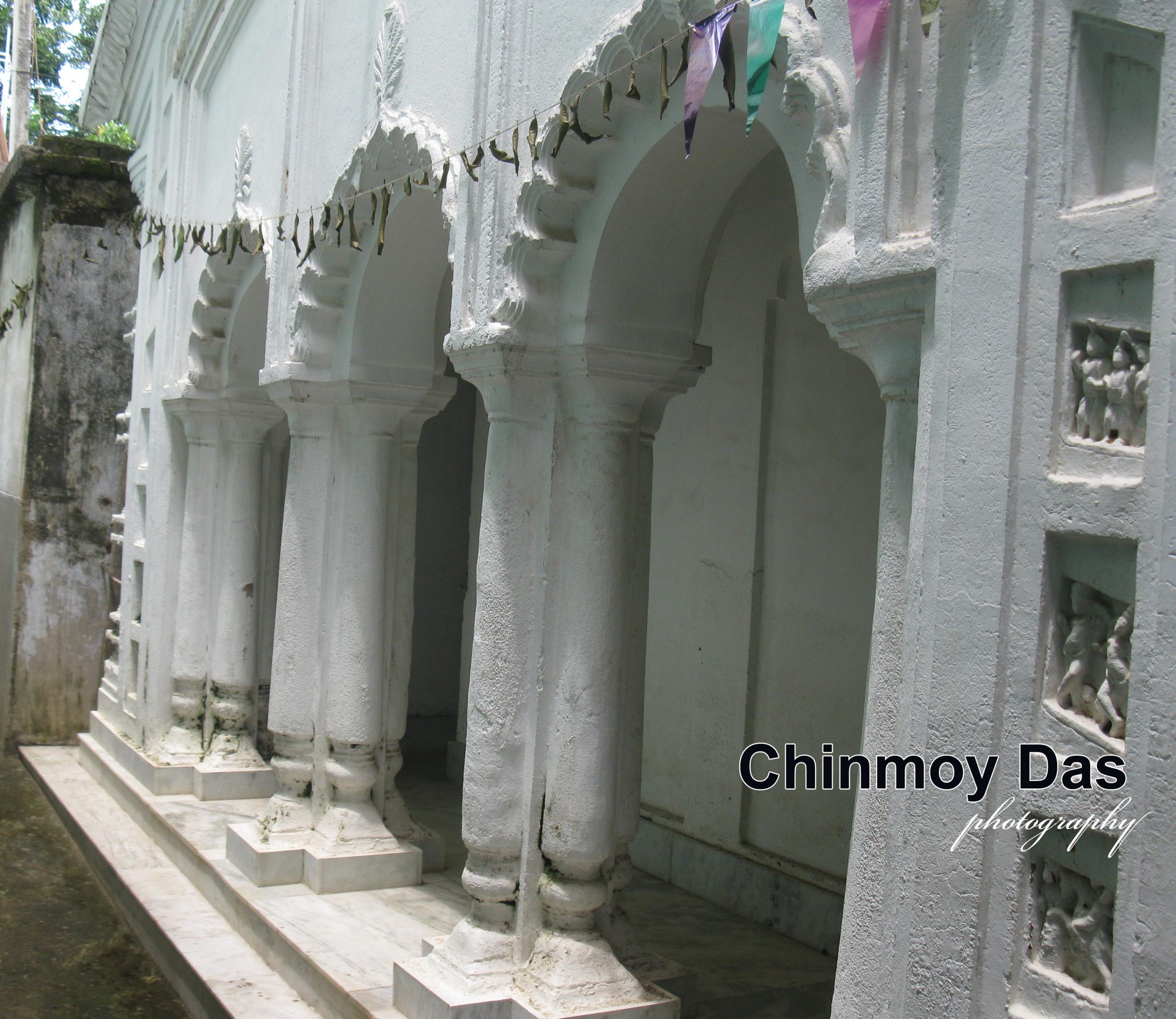
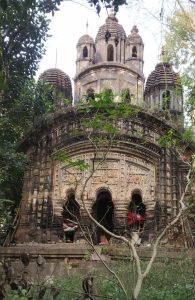
পৌনে ১৯ ফুট দৈর্ঘ্য-প্রস্থের বর্গাকার মন্দির। উচ্চতা ৪২ ফুট। পূর্বমুখী মন্দিরের চারদিকে চারটি অলিন্দ। প্রতিটিতেই তিনটি করে খিলান রীতির দ্বারপথ। অলিন্দগুলি পরস্পর যুক্ত। সেকারণে, প্রদক্ষিণ-পথ হিসাবেও কাজ করে সেটি।
গর্ভগৃহের ভিতর থেকে ত্রিতল পর্যন্ত সিঁড়ি রচিত আছে। দ্বিতলে পুর্ব-উত্তর-দক্ষিণ দিক জুড়ে অলিন্দ। পশ্চিমে অলিন্দ নাই, তার বাইরের দেওয়ালে তিনটি প্রতিকৃতি দ্বার দেখা যায়। দুটি তলের মাথাতেই চালা-রীতির গড়ানো ছাউনি। কার্নিশের বঙ্কিম ভাবটি বেশ মনোরম হয়েছে।
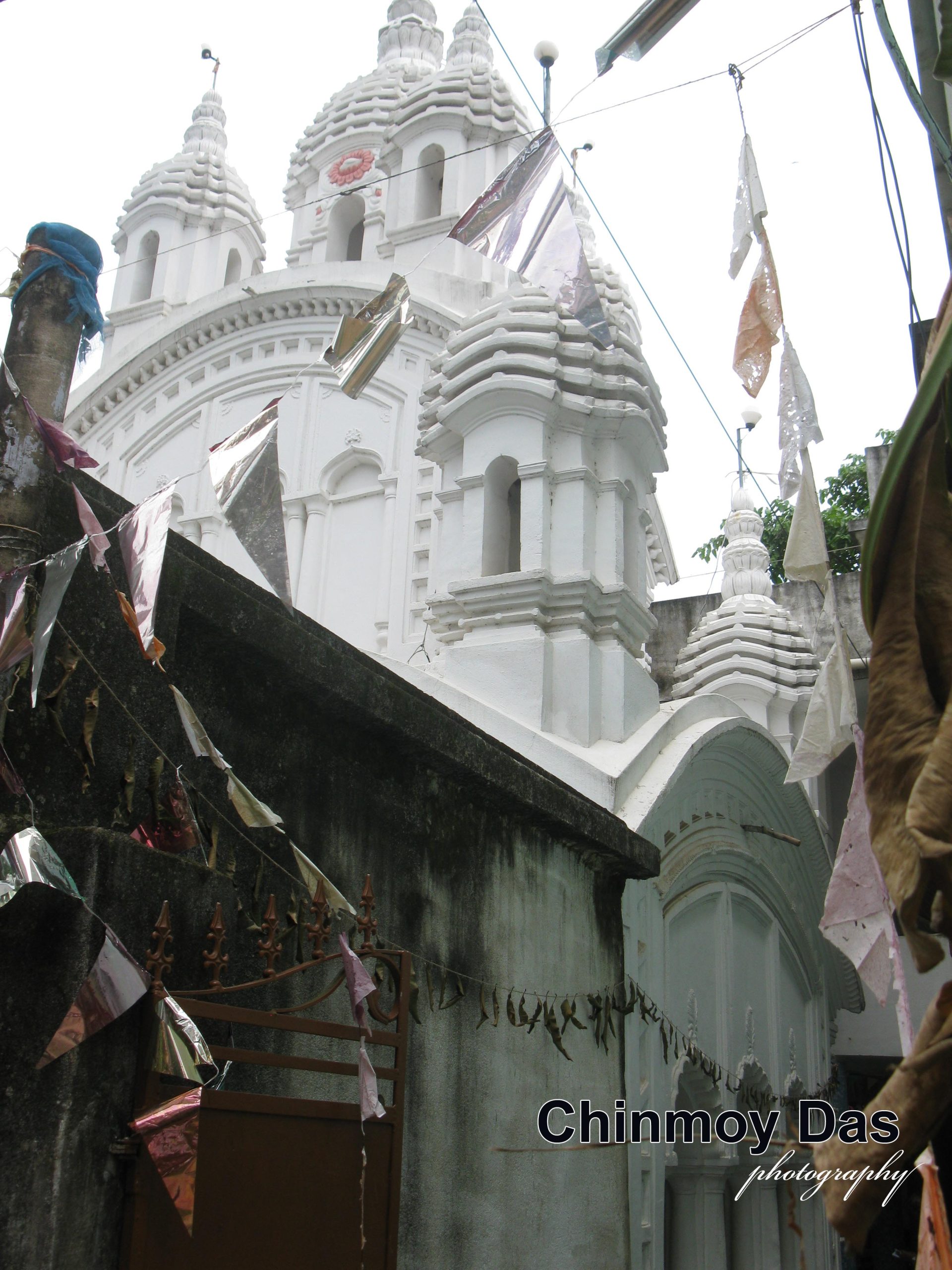
রত্নগুলি গড়া হয়েছে কলিঙ্গধারায়। বাঢ় এবং গন্ডী অংশ জুড়ে 'রথ-বিভাজন' এবং গন্ডী অংশে পীঢ় বা থাক ভাগ করা। দেখলে, রত্নগুলিকে এক একটি শিখর দেউল মন্দির বলে মনে হয়। কোণের আটটি রত্নে ত্রি-রথ এবং কেন্দ্রীয় রত্নে পঞ্চ-রথ ভাগ করা হয়েছে। রত্নগুলির শীর্ষক অংশে বেঁকি, আমলক, ঘন্টা, কলস, বিষ্ণুচক্র শোভিত। এক কথায়, রাধাবল্লভের এই মন্দির ভারী সুদর্শন।
মন্দিরের সামনে ছোট একটি অঙ্গণ ছিল। তাতে সম্প্রতি নাটমন্দির (দ্বিতলে কয়েকটি কক্ষ সহ) হিসাবে বড় আকারের একটি সিমেন্টের কাঠামো গড়ে তোলা হয়েছে। প্রথমেই মনে হয়, যেন উপলক্ষ (নাটমন্দির) আসল বস্তুকে (মূল মন্দির) ছাড়িয়ে গিয়েছে। আড়ালে চলে গিয়েছে দেব-সৌধটি। যেন, দেবতার বিগ্রহ চাপা পড়ে গিয়েছে ঢাকের তলায়।
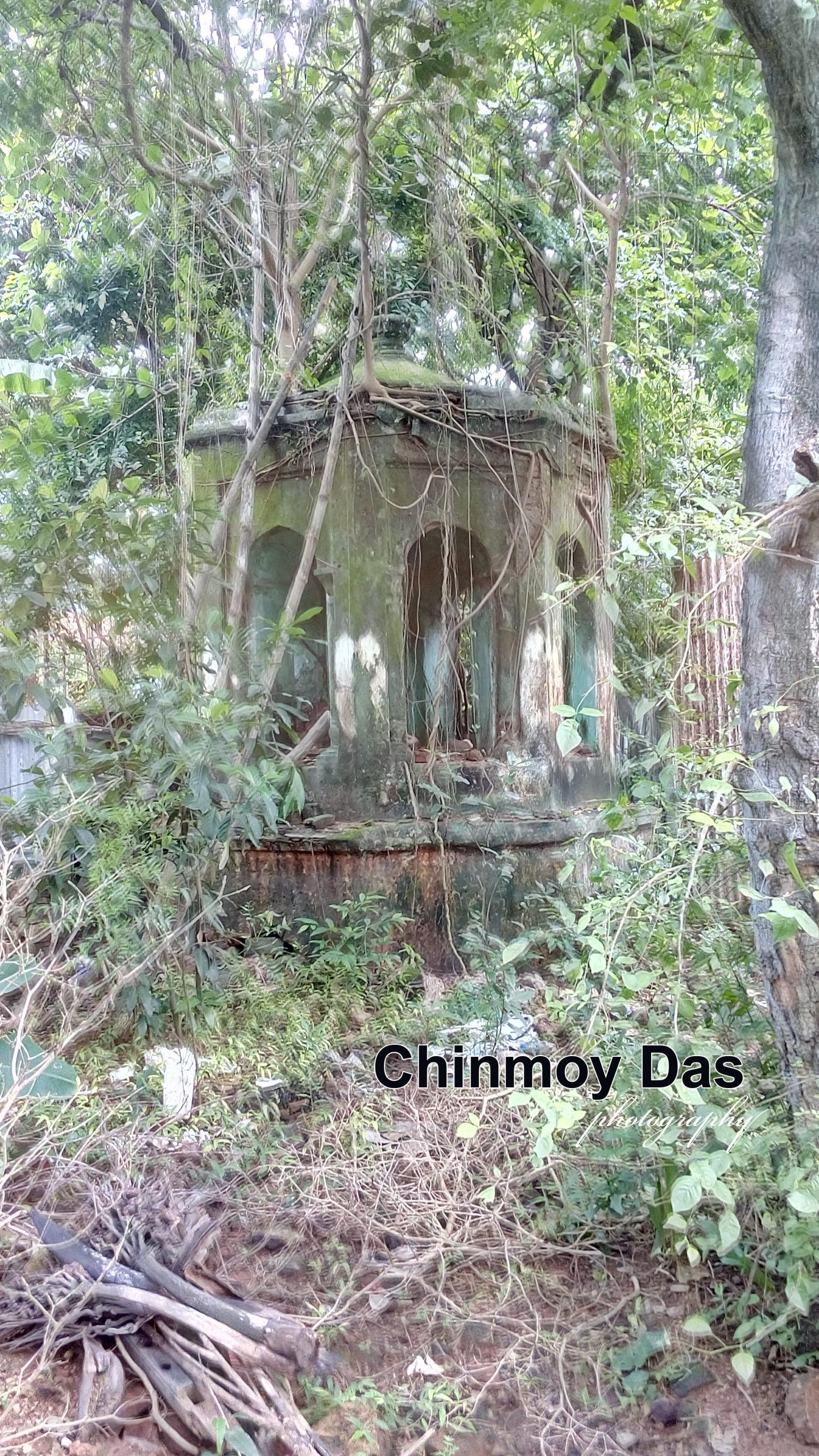
মেদিনীপুর শহরের একটি বিখ্যাত বনেদী পরিবার জানাবংশ। এক সময় শহরে বিশেষ খ্যাতি ছিল জানাবাড়ির রাস উৎসবের। মন্দিরকে নিয়ে অনেকখানি জায়গা জুড়ে প্রাচীর দিয়ে ঘেরা প্রশস্ত প্রাঙ্গণ আছে। প্রাঙ্গণের ভিতর একটি রাসমঞ্চও নির্মিত হয়েছিল দেবতার জন্য। বহুকাল সেটি পরিত্যক্ত, জীর্ণ। ঝোপঝাড় লতাগুল্মে ঢাকা হয়ে মৃত্যুর দিন গুনছে রাসমঞ্চটি।
জমিদারী উচ্ছেদ এবং শরিকী ভাগ-বাঁটোয়ারায়, দুর্দিনের সূচনা হয়েছিল মন্দিরের। পূজা-পার্বণে কাট-ছাঁট , মন্দির সংস্কারের কাজে সঙ্কট বিভিন্ন ভাবে ক্ষতি করেছে মন্দিরটির। জীর্ণতা বাসা বাঁধছিল সৌধটিতে। সেই পটভূমিকায়, নবদ্বীপের ' শ্রী চৈতন্য সারস্বত মঠ ' নামের একটি প্রতিষ্ঠান এই মন্দিরের পরিচালনার ভার গ্রহণ করেছেন। নাটমন্দিরটি নির্মাণ করেছেন যেমন, তাঁরাই সংস্কারের কাজও করেছেন মন্দিরের। তাতে নবজীবন লাভ করেছে মন্দিরটি, স্বীকার করতে হয়।
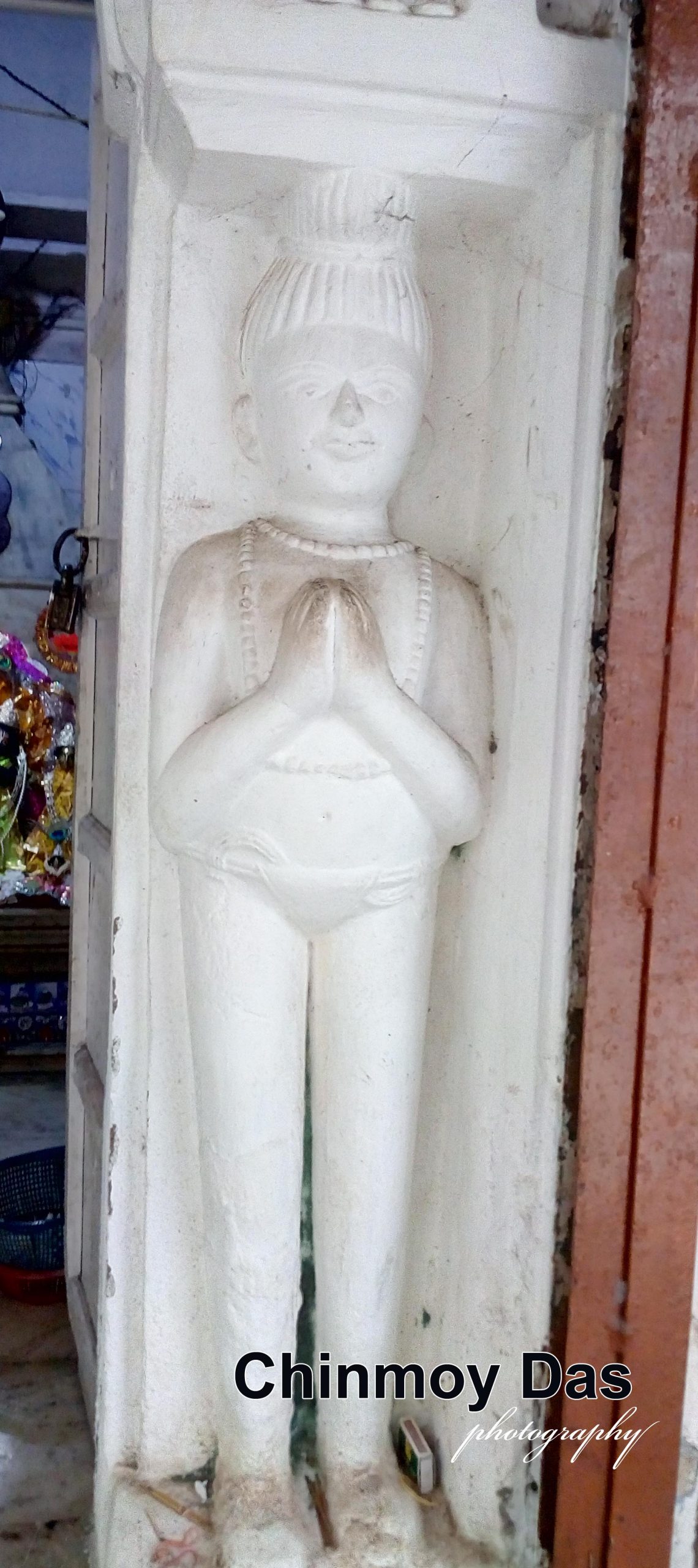
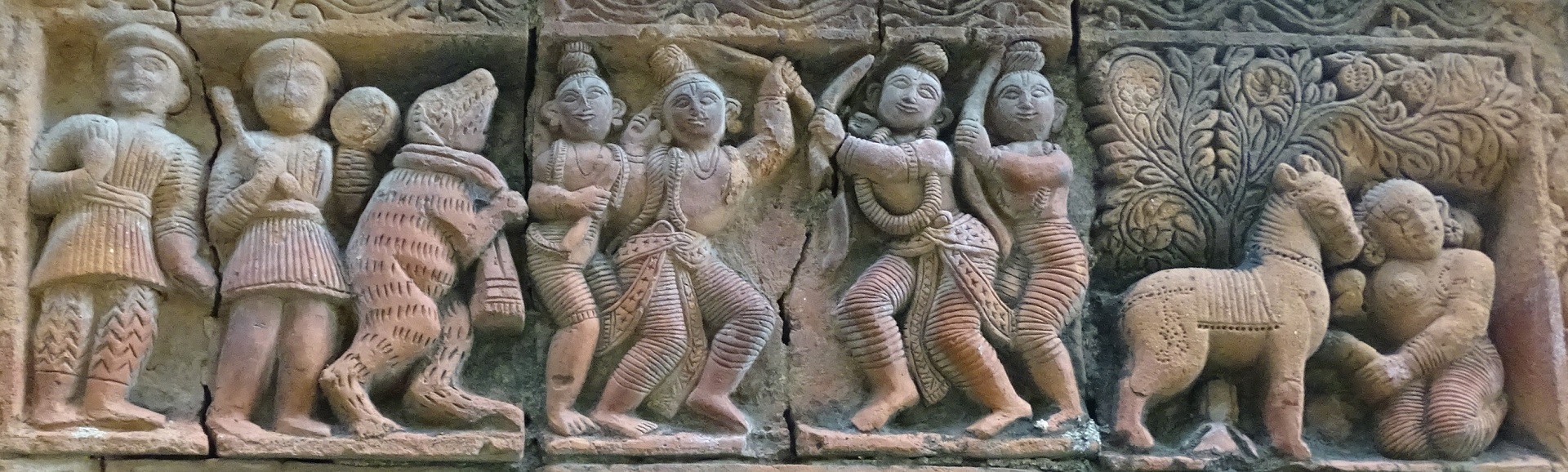
কিন্তু ...। একটা কিন্তু থেকে গিয়েছে, সংস্কার কাজকে ঘিরে। যাঁরা ঐতিহ্য এবং নন্দনশিল্পের প্রেমিক, সংস্কারকাজটি কিছু হতাশ করেছে তাঁদের। মন্দিরের সামনের দেওয়াল, এবং দক্ষিণের দেওয়ালে, অলংকরণের কিছু কাজ ছিল। সবই টেরাকোটা ফলক এবং পঙ্খের কাজ। ১. সংস্কারের সময়, জীর্ণ টেরাকোটা ফলকগুলি সরিয়ে, টেরাকোটারই কয়েকটি আধুনিক ফলক লাগানো হয়েছে। যা চোখে পীড়ারই উদ্রেক করে। ২. গর্ভগৃহের দ্বারপথের দু'পাশে পূর্ণাবয়ব দুটি গোস্বামী মূর্তি আছে। সেই দুটি সহ, মন্দিরের সমস্ত ফলকের উপর নির্বিচারে চুনের প্রলেপ লাগানো হয়েছে। তাতে টেরাকোটার সৌন্দর্য তো মুছেছেই, ফলকগুলির স্থায়িত্বকেও সংকটের মুখে দাঁড় করিয়ে দিয়েছে।
মন্দিরের সংস্কার কাজটি পুরাপ্রেমীদের আশ্বস্ত করলেও, এই খেদটুকু মুছবার নয়।
Radhaballav Temple, Nazarganj (Medinipur Town)
Chinmoy Das
This story dates back to the first decade of the fourteenth century. The Turkish Sultan of Delhi, Alauddin Khalji, had established his rule over Delhi. Before launching his campaigns in the Deccan, he repeatedly invaded Gujarat and Rajasthan. Meanwhile, from the thirteenth century onward, a powerful branch of the Solanki community ruled a vast region of Gujarat. Their legendary ancestor was Mahavir Shukla.
During the reign of Karnadeva, a descendant of Mahavir, Alauddin invaded the kingdom and killed Karnadeva. The queen and princess were taken captive, converted to Islam, and forced into marriage. At that time, widespread plunder, destruction of temples and idols, loss of life, and mass religious conversions were taking place. Against this backdrop, many Solanki nobles left Rajputana in groups under the pretext of undertaking pilgrimages, seeking to preserve both their lives and their ancestral faith.
One such Solanki group travelled through Ayodhya, Haridwar, Mathura, Vrindavan, Kashi, and Gaya before reaching Puri. After offering prayers to Lord Jagannath, they set out for Gangasagar and entered Medinipur district, arriving in the Kedarkund Pargana. According to local tradition, the group's leader, Bir Singh, received a divine command from Goddess Chandika in a dream and halted the journey there. He founded the village of Birsinghpur (present-day Debra Police Station area) and settled permanently. With a tasela (cultivation grant) obtained from the Raja of Mayurbhanj, Bir Singh established a zamindari estate.
Later, while marching toward Odisha, Sultan Shamsuddin Ilyas Shah of Bengal attacked and killed Bir Singh, unleashing indiscriminate slaughter and forced conversions. As a result, the Solankis were once again compelled to flee Kedarkund Pargana to protect their lives and faith. At this time, they secretly abandoned the sacred thread, the traditional Kshatriya emblem, and gave up their hereditary surname “Singh,” adopting the surname “Ray” instead. One branch settled in Garkilla under Debra Police Station, while another branch, led by Sagar Ram Singh (Ray), travelled along the Kansabati River and reached Medinipur.
The area was then the southern part of Medinipur town. Rather than entering the town itself, Sagar Ram settled along the riverbank. To conceal their identity from the local population, the Solankis once again changed their surname. This time they sought to merge with the local Mahishya community and adopted the surname Jana. Over the centuries, the family became known by this surname.
Sagar Ram had brought most of his wealth with him and established a new zamindari here. Alongside constructing a palace, he built a temple for the family's tutelary deity. The Solankis had come from the western land of Krishna, and Krishna was not only their object of worship but also their beloved deity. At the same time, Bengal was experiencing a great surge of Vaishnava devotion under the influence of Chaitanya Mahaprabhu.
Not only Medinipur town but the entire district was deeply influenced by Chaitanya and the Gaudiya Vaishnava tradition. Kings, zamindars, and common people alike worshipped according to Vaishnava customs. The Jana family also embraced this path. Sagar Ram accepted Krishna as the family's tutelary deity and named him Radhaballav Jiu. In 1806 CE, the Jana family established this Navaratna (Nine-Towered) Temple in honour of Radhaballav.
The temple has a square plan measuring nearly 19 feet on each side and rises to a height of 42 feet. Facing east, it is surrounded by four verandas, each with three arched entrances. The verandas are interconnected, serving as a circumambulatory passage around the shrine.
A staircase leads from the sanctum up to the third storey. On the second level, verandas extend along the east, north, and south sides. There is no veranda on the west; instead, three false doorways appear on the outer wall. Both upper storeys are topped with curved chala-style roofs. The graceful curvature of the cornices is particularly attractive.
The temple towers (ratnas) are built in the Kalinga architectural style. Their bada and gandi sections are divided into projecting rathas, while the gandi is further segmented into pidha tiers. Each tower resembles a miniature Shikhara Deul temple. The eight corner towers are divided into tri-ratha plans, while the central tower follows a pancha-ratha plan. The summits are adorned with beki, amalaka, bell, kalasha, and the Vishnu Chakra. In every respect, the Radhaballav Temple is an exceptionally handsome structure.
A small courtyard once stood before the temple. Recently, a large cement structure has been erected there as a Natmandir (assembly hall), complete with several rooms on the upper floor. At first glance, it appears that the subsidiary structure has overshadowed the principal monument. The temple itself has been pushed into the background, as though the deity's shrine has been hidden beneath the sound of ceremonial drums.
The Jana family is one of Medinipur town's most distinguished old families. The family's Ras Utsav was once especially famous throughout the town. The temple stands within a spacious walled compound. A Rasmancha was also built within the premises for the deity. However, it has long been abandoned and fallen into ruin. Overgrown with shrubs and creepers, the structure seems to be counting its final days.
The abolition of the zamindari system and the subsequent division of family property marked the beginning of difficult times for the temple. Reductions in ritual expenditure and a lack of resources for repairs gradually harmed the monument. Decay steadily took hold of the structure. Against this backdrop, an institution from Nabadwip known as the Sri Chaitanya Saraswat Math assumed responsibility for the temple's management. The organization not only built the new Natmandir but also undertook restoration work, giving the temple a new lease on life.
Yet a note of regret remains regarding the restoration. Admirers of heritage and aesthetic craftsmanship have found certain aspects disappointing. Decorative work once adorned the front and southern walls, consisting of terracotta plaques and stucco ornamentation.
-
During restoration, many of the damaged original terracotta plaques were removed and replaced with modern terracotta panels, which appear visually discordant.
-
On either side of the sanctum entrance stand two full-length images of Goswamis. These, along with all the temple's plaques, have been indiscriminately coated with limewash. This treatment has not only erased the beauty of the terracotta but has also endangered the long-term preservation of the panels.
Thus, while the restoration has reassured devotees and preservationists about the temple's survival, this sense of loss cannot easily be erased.
Interviews: Yogesh Chandra Jana, Mohit Kumar Jana, Shailen Kumar Jana, and Ranjit Kumar Jana — Janapara, Nazarganj, Medinipur Town.
Survey Companion: Shri Ravi De, artist — Nazarganj, Medinipur Town.
Directions: Medinipur town can be reached from any direction. The temple is located in Janapara, Nazarganj, a short distance south of the Patna Bazar–Juginitala bus stop in Medinipur town.