জগন্নাথ মন্দির, গোপীনাথপুর (থানা-- কেশপুর, মেদিনীপুর)
চিন্ময় দাশ
প্রাচীন মেদিনীপুর নগরীর গা ছুঁয়ে বয়ে চলেছে চিরপ্রবাহিনী কংসাবতী। বইতে বইতে একখানে পৌঁছে, দুটি শাখায় ভাগ হয়েছে নদী। সেখানে তার ডাইনে নদীর মূল শাখার এপারে ওপারে ডেবরা থানার শালডহরি আর কমলপুর গ্রাম। আর, নদীর জলরেখা দিয়ে ঘেরা বামের গ্রামটি হোল কাপাশটিকরী। তার থানা কেশপুর। এর পর, নদী তার দুই বাহুর বেষ্টনীতে যে ভূমিভাগকে ঘিরে বয়ে গিয়েছে দু'দিকে, সেটি দাসপুর থানা। এই হল এলাকার ভূগোল।
এই বিভাজনভূমিতে পৌঁছুবার আগে, নদী তার বাম তীরে অনেকখানি পথ এসেছে কেশপুর থানার মাটিকে ছুঁয়ে ছুঁয়ে। বিভাজনের কিছু আগে, পরপর অনেকগুলি গ্রাম-- কন্জাগেড়িয়া, বাদাড়, গোপীনাথপুর, ফেরুয়া, মীরপুর, মালিয়ান-- এইসব। সেখানে গোপীনাথপুর আর বাদাড় গ্রামে আছে দুটি প্রাচীন মন্দির। ৯ নং জার্নালে বাদাড় গ্রামের মন্দিরের বিবরণ আমরা শুনিয়েছি পাঠক-পাঠিকাদের। গোপীনাথপুরেও আছে সুন্দর দর্শন একটি জগন্নাথ মন্দির। আজ এই জার্নালে, রাজার হাতে তৈরী আর প্রজাদের বুক দিয়ে আগলে রাখা, সেই মন্দিরের কথকতা।
মন্দিরটি প্রতিষ্ঠা করেছিলেন কর্ণগড়ের খ্যাতকীর্তি রাজা যশোবন্ত সিংহ। প্রজাদের দেবার্চনার সুবিধার জন্য। তাঁর শাসনকাল ইং ১৭১১ থেকে ১৭৪৮ সাল। মন্দিরের কার্ণিশের গায়ে লাগানো একটি প্রতিষ্ঠা-ফলক এবং পূর্ববর্তী পুরাবিদগণের বিবরণ থেকেও জানা যায়, ১১১৯ বঙ্গাব্দ বা ইং ১৭১৯ সালে মন্দিরটি নির্মিত হয়েছিল।
যশোবন্তের পর, তাঁর পুত্র অজিত সিংহ ৭ বৎসর রাজত্ব করে মারা গেলে, তাঁর পত্নী ইতিহাসখ্যাত রানি শিরোমণি সিংহাসনে বসেছিলেন। তিনি ৩৬৫ বিঘা লাখেরাজ সম্পত্তি দিয়েছিলেন এই মন্দিরকে। পরিচালনার জন্য, পুরী নগরীর 'রাঘব দাস মঠ' নামের একটি ধর্মীয় প্রতিষ্ঠানকে পরিচালনার কাজে যুক্ত করেছিলেন।
জেলার বিভিন্ন ইতিহাস বইতে লেখা হয়েছে, একবার ম্যালেরিয়া মহামারীতে কংসাবতীর দু'পারের বহু গ্রাম একেবারে উজাড় হয়ে গিয়েছিল। দীর্ঘকাল ধরে ঘন জঙ্গলে পরিণত হচ্ছিল জনহীন গ্রামগুলি। গোপীনাথপুর, বাদাড় ইত্যাদিও ছিল সেই তালিকায়। বহু বছর পরে, মেদিনীপুর জেলার পূর্ব এলাকার কিছু ভাগ্যসন্ধানী মানুষ এসে হাজির হয়েছিলেন এখানে। প্রধানত রূপনারায়ণ অববাহিকার রাধামণি, কেলোমাল ইত্যাদি গ্রামের (তমলুক থানার অন্তর্ভুক্ত) মানুষ ছিলেন তাঁরা। এই দুটি এলাকায় অন্তত, একেবারে নতুন করে জনপদের সৃষ্টি হয়েছে তাঁদের হাত ধরে।
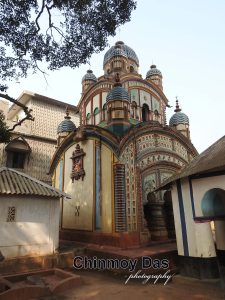
একজন গোমস্তাকে মন্দিরের দায়িত্বে রেখে, মঠের মোহান্তরা চলে গিয়েছিলেন আগেই। সেই গোমস্তাও চলে গিয়েছেন ১৯৬৫ সালে। তখন থেকে ধর্মপ্রাণ গ্রামবাসীরাই এগিয়ে এসে দাঁড়িয়েছিলেন দেবতা আর মন্দিরের পাশে। বুক দিয়ে আগলেছেন মন্দিরটিকে। তাঁরাই চালু রেখেছেন দেবতার সেবাপূজার ধারাটিকেও। ইতিমধ্যে "গোপীনাথপুর জগন্নাথজীউ সেবা সমিতি " নাম দিয়ে একটি পরিচালন কমিটিও রেজিস্ট্রী এখানে। নুতন করে রথযাত্রার প্রচলন হয়েছে মন্দিরে। সংস্কার করা হয়েছে বিশালাকার দেবালয়টির। চোখ ফেরানো যায় না মন্দির থেকে। বিশ্বাস করা কঠিন, ৩০০ বছর আয়ুষ্কাল পূর্ণ করেছে এই মন্দির।
জগন্নাথ, বলরাম ও সুভদ্রার তিনটি দারুমূর্তি পূজিত হয় মন্দিরে। পার্শ্বদেবতা হিসাবে আছে মহাদেব, নারায়ণ বিগ্রহ এবং ৫১টি শিলামূর্তি। নিত্যপূজা তো আছেই। বারো মাসে তেরো পার্বণ এই মন্দিরে। তার ভিতর জন্মাষ্টমী, রাধাষ্টমী, ঝুলন, রাস ইত্যাদি প্রধান। বিশেষ আড়ম্বরে আয়োজন হয় দোল উৎসবের। পাঁচ দিন ব্যাপী বিস্তার সেই উৎসবের। দোলের শেষ দিন-- দধিমঙ্গল। 'অন্নকূট' উৎসবের আয়োজন হয় সেদিন। ৩০ হাজারের বেশি ভক্তকে পাত পেড়ে জগন্নাথদেবের প্রসাদ খাওয়ানো হয় এখানে।
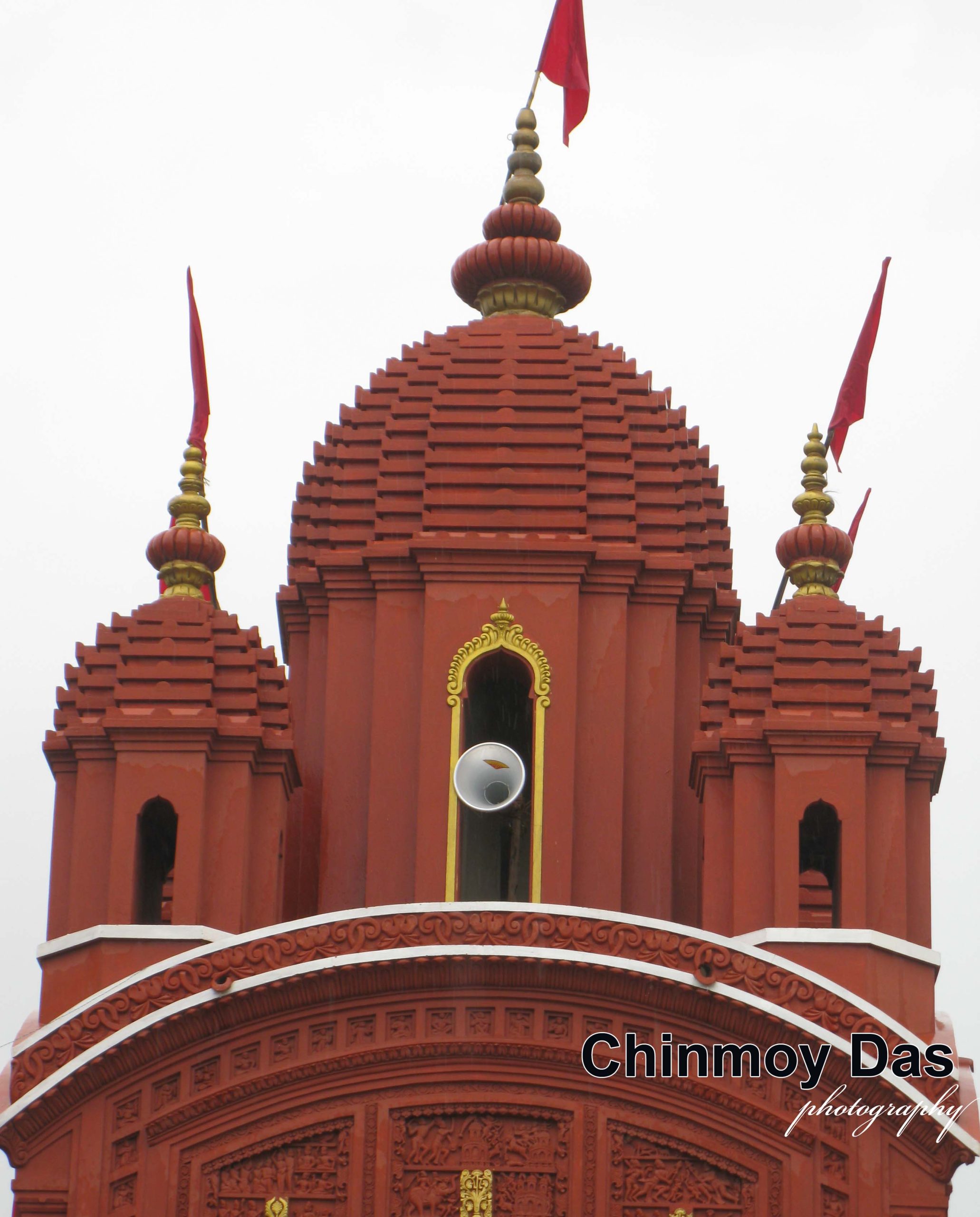
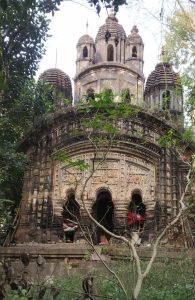
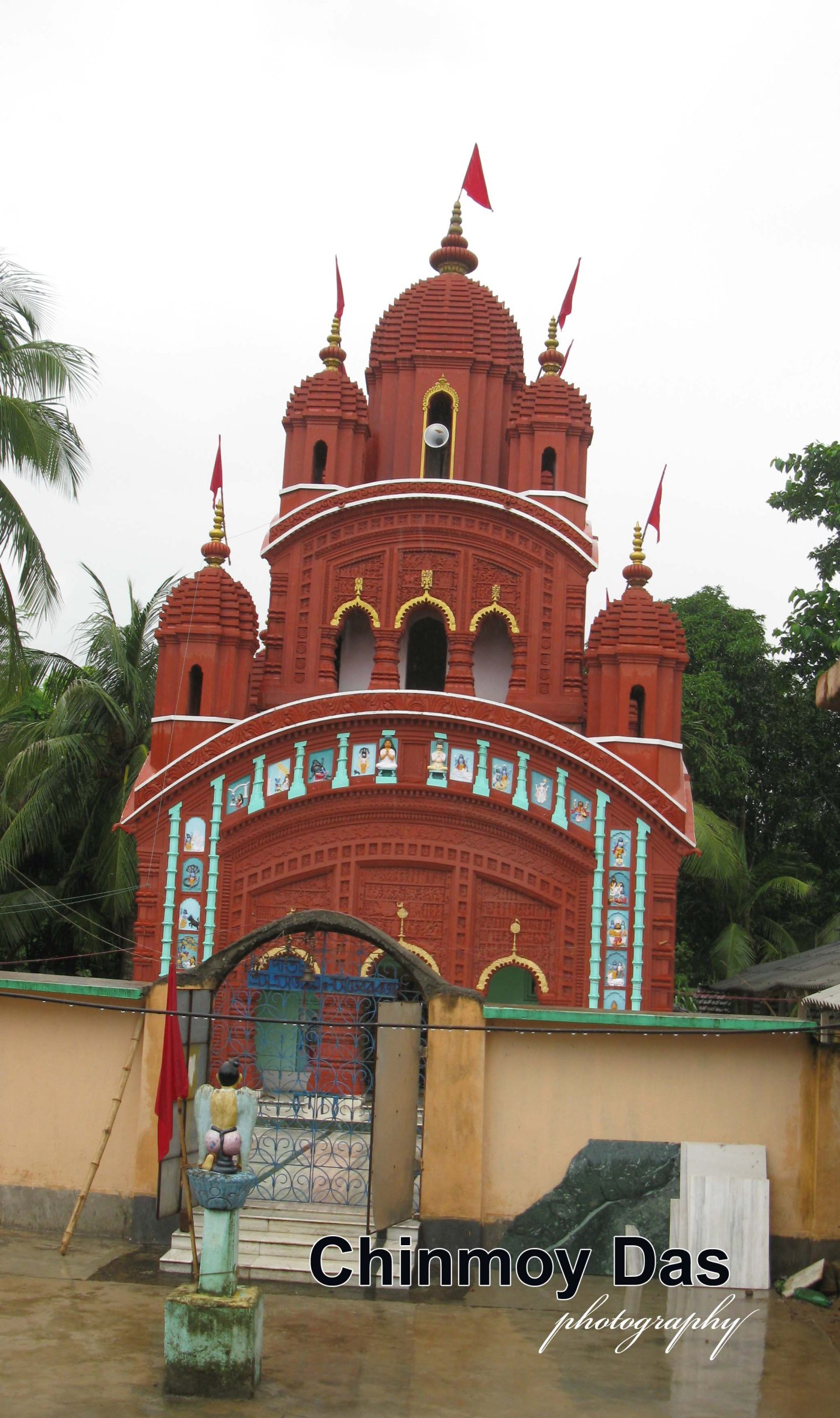
রাজার হাতে গড়া এই মন্দিরের গড়নটিও বেশ রাজকীয়। মাথায় ৫০ ফুট উঁচু, আড়ে আর বহরে প্রায় ২৪ ফুট বিস্তার। তিন-দুয়ারী অলিন্দ পার হয়ে, পিছনে গর্ভগৃহ। এই মন্দিরের বৈশিষ্ট হল, গর্ভগৃহটি ভূতল থেকে বেশ গভীরে অবস্থিত। রামনগর থানার পানিপারুল গ্রামে শিবের মন্দিরেও এমনই উদাহরণ দেখা যায়। ত্রিতল পর্যন্ত উঠবার সিঁড়ি, তিনদিক জুড়ে চাপা-অলিন্দ আছে এই মন্দিরে।
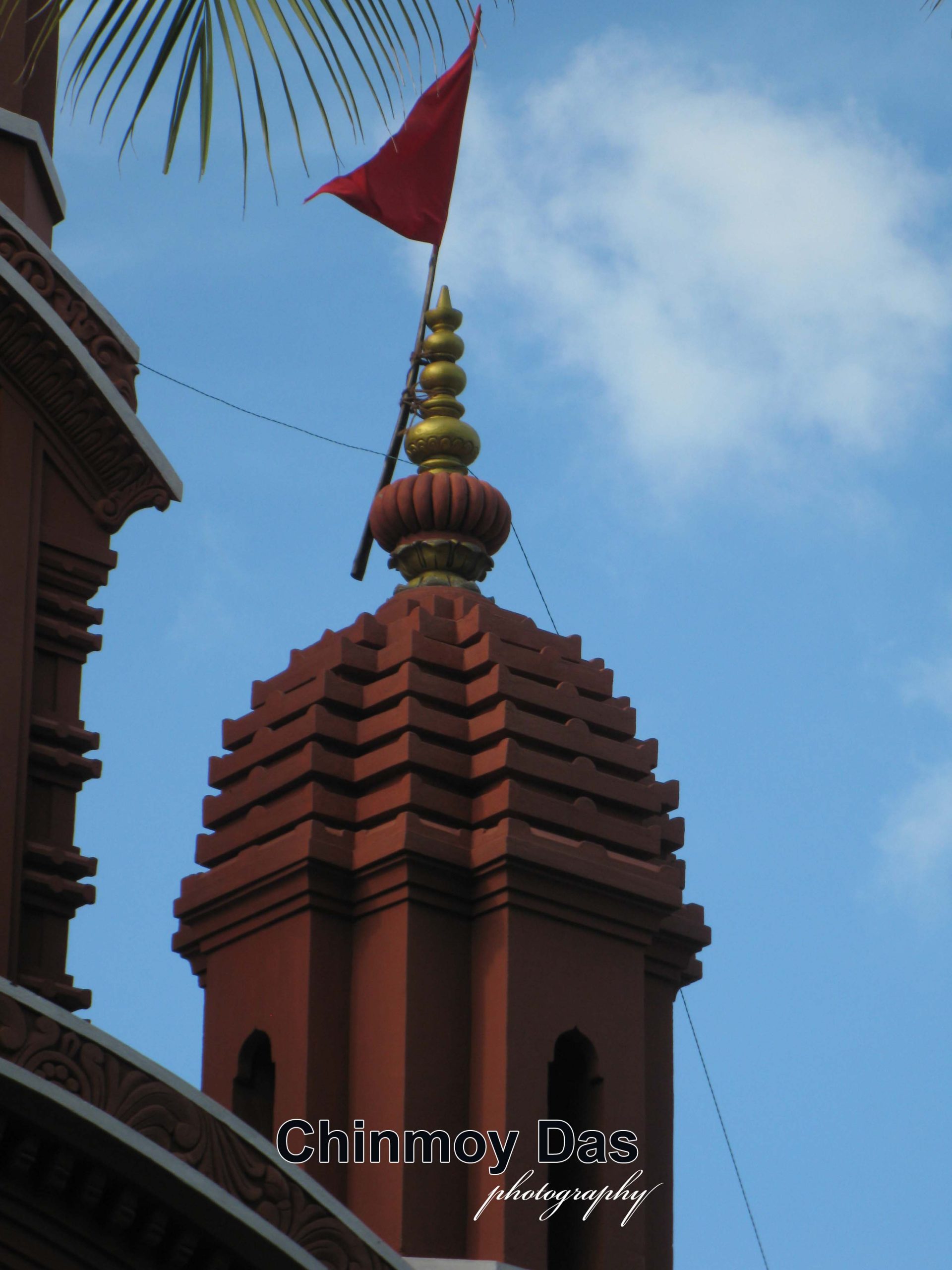
নব-রত্ন রীতির ইটের তৈরী পূর্বমুখী মন্দির। কোণের রত্নগুলিতে ত্রি-রথ এবং মাথার রত্নে পঞ্চ-রথ বিন্যাস করা। এছাড়া, প্রতিটি রত্নের গন্ডী অংশে পীঢ়-রীতি প্রয়োগ করা হয়েছে।
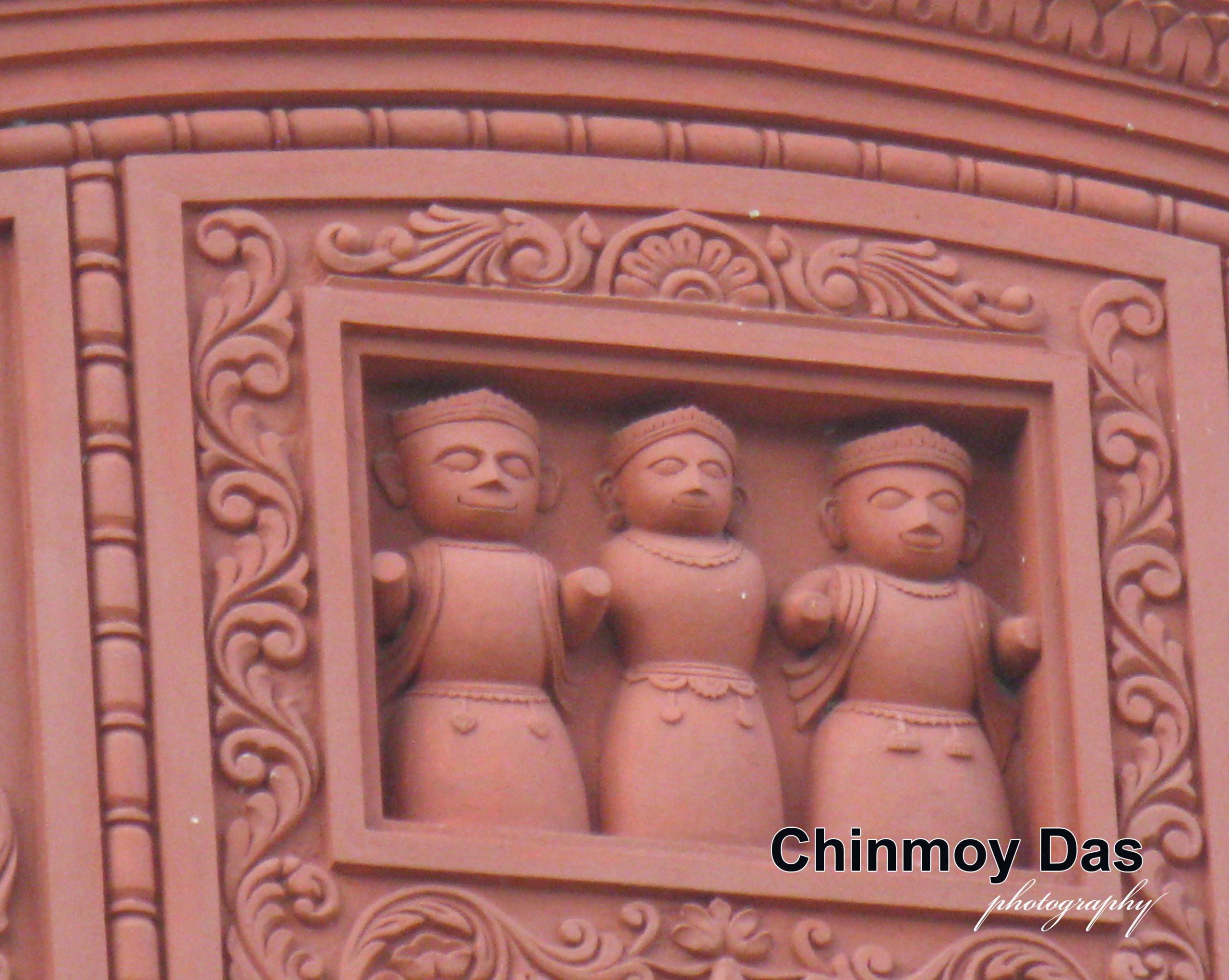
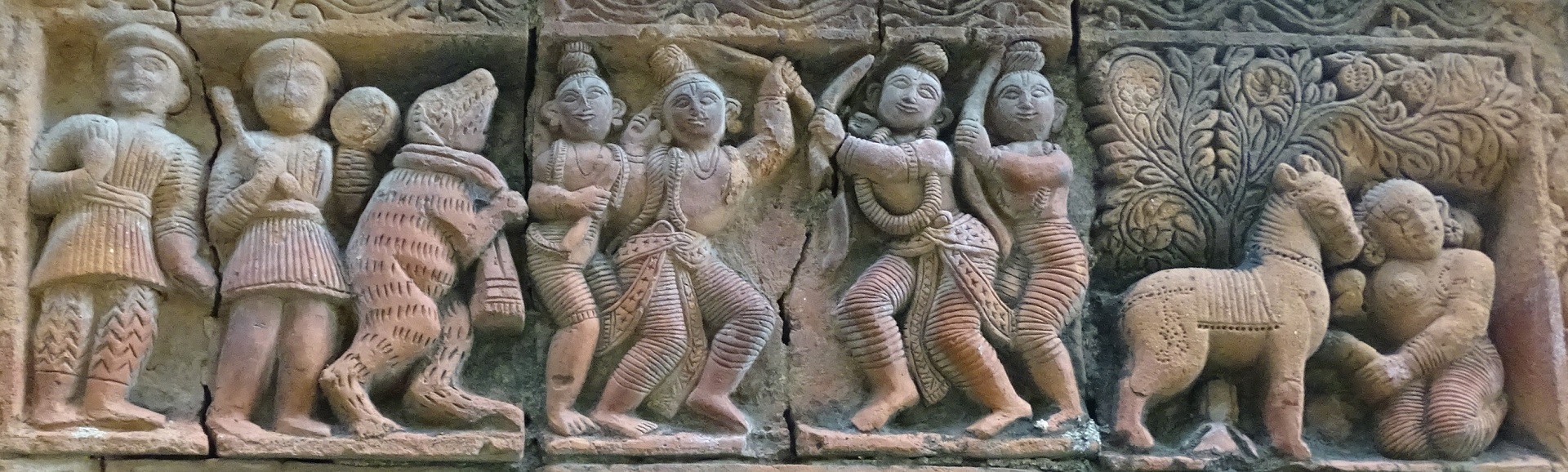
এই মন্দিরের গর্ব এর টেরাকোটা ফলকের অলংকরণ। রামায়ণ, মহাভারত, পুরাণ কাহিনী, কৃষ্ণকথা ইত্যাদির মোটিফ সেগুলিতে। আছে জগন্নাথ-বলরাম-সুভদ্রা মূর্তিও। কয়েকটি মিথুন-মূর্তি আর ফুলকারি নক্সার কাজও দেখা যায়।
Jagannath Temple, Gopinathpur (Keshpur Police Station, Medinipur)
Chinmoy Das
The ever-flowing River Kangsabati passes beside the ancient town of Medinipur. At one point along its course, the river divides into two branches. On the right side of the main channel lie the villages of Shaldahari and Kamalpur under Debra Police Station, situated on opposite banks. The village enclosed by the river's left branch is Kapashtikari, which falls under Keshpur Police Station. Beyond this point, the land embraced by the river's two arms forms the area of Daspur Police Station. Such is the geography of this region.
Before reaching this point of division, the river flows for a considerable distance along the lands of Keshpur Police Station. A little before the bifurcation are several villages in succession—Kanjageria, Badar, Gopinathpur, Ferua, Mirpur, and Malian. Among them, the villages of Gopinathpur and Badar each possess an ancient temple. In Journal No. 9, we described the temple of Badar village for our readers. Gopinathpur, too, has a beautiful Jagannath Temple. In this journal, we narrate the story of that temple—built by a king and lovingly protected by his subjects.
The temple was established by the renowned Raja Yashobanta Singh of Karnagarh for the convenience of his subjects in worshipping the deity. His reign lasted from 1711 to 1748 CE. An inscription attached to the temple cornice, along with accounts by earlier antiquarians, reveals that the temple was constructed in Bengali year 1119 (1719 CE).
After Yashobanta's death, his son Ajit Singh ruled for seven years and then passed away. Ajit's wife, the historically famous Rani Shiromoni, ascended the throne. She endowed the temple with 365 bighas of rent-free (lakheraj) land. For its management, she entrusted the religious institution known as the Raghab Das Math of Puri.
Various historical works on the district record that a devastating malaria epidemic once depopulated many villages on both banks of the Kangsabati. Over time, these abandoned settlements turned into dense forests. Gopinathpur and Badar were among those affected. Many years later, fortune-seeking settlers arrived here from the eastern part of Medinipur district, mainly from villages such as Radhamani and Kelomal in the Rupnarayan basin (under Tamluk Police Station). It was through their efforts that these localities were resettled and developed into thriving communities once again.
The mahants (heads) of the math had earlier departed after leaving a gomasta (estate manager) in charge of the temple. That gomasta also left in 1965. From then on, the devout villagers themselves came forward to protect the deity and the temple. They have safeguarded the shrine and maintained the tradition of daily worship. A registered management committee, named the "Gopinathpur Jagannath Jiu Seva Samiti," has since been formed. The tradition of the Ratha Yatra has been revived, and the massive temple has undergone restoration. Its appearance is so impressive that one cannot easily look away. It is hard to believe that this temple has already completed 300 years of existence.
The temple enshrines wooden images of Jagannath, Balaram, and Subhadra. The subsidiary deities include Mahadeva (Shiva), Narayan, and 51 stone images. Daily worship is conducted regularly. The temple celebrates numerous festivals throughout the year, among which Janmashtami, Radhashtami, Jhulan, and Ras are especially important. The Dol Festival (Holi) is celebrated with particular grandeur and continues for five days. The final day, known as Dadhimangal, features the Annakut Festival. On that occasion, more than 30,000 devotees are served Jagannath's sacred food (prasada).
The temple built by the king possesses a distinctly regal appearance. It rises to a height of about 50 feet and measures approximately 24 feet in width and length. Beyond a three-arched entrance veranda lies the sanctum. One unusual feature of the temple is that the sanctum is situated considerably below ground level. A similar arrangement may be seen in the Shiva temple at Paniparul village under Ramnagar Police Station. Stairways lead up to the third storey, and covered verandas run along three sides of the structure.
The temple is an east-facing brick-built Navaratna (nine-towered) temple. The corner towers are designed in the tri-ratha style, while the central tower follows a pancha-ratha arrangement. In addition, the gandi (main body) portions of each tower display the influence of the pidha style.
The pride of this temple lies in its terracotta ornamentation. The plaques depict scenes from the Ramayana, Mahabharata, Puranic legends, and Krishna narratives. Images of Jagannath, Balaram, and Subhadra are also represented. Several mithuna (amorous) figures and intricate floral decorative motifs can likewise be seen.