গোপাল জীউ মন্দির, কাজলাগড় (ভগবানপুর থানা)
চিন্ময় দাশ
শ' চারেক বছর আগের কথা। ওডিশার ময়ূরভঞ্জের পাহাড়ি এলাকা থেকে এক ব্যক্তি বাংলার সীমান্ত জেলা মেদিনীপুরে চলে আসেন। নাম-- গোবর্ধন রণঝাঁপ। জাতিতে ব্যাধ। লোকশ্রুতি হল, একবার দেবী কালিকার স্বপ্নাদেশ এবং একটি কালীমূর্তি পেয়ে, একটি মন্দির গড়েছিলেন গোবর্ধন। ক্রমে গড়খাই কেটে বস্তু ঘিরেছিলেন। নাম করেন-- কালীর গড়। সেই নামই পরে কাজলাগড় হয়েছিল।
শাহজাহানের রাজত্বকালে ২৮টি পরগনা নিয়ে হিজলী ফৌজদারী গঠিত হয়েছিল। সেসময় হিজলীর জমিদার ছিলেন তাজ খাঁ মসনদ-ই-আলা। সেই বংশের পতনের পর, জমিদারীটি ৩ ভাগে ভাগ হয়ে যায়-- জলামুঠা, মাজনামুঠা এবং সুজামুঠা। গোবর্ধন রণঝাঁপ সুজামুঠায় জমিদারি প্রতিষ্ঠা করেছিলেন। ষোড়শ শতাব্দীর একেবারে শেষ পর্ব তখন, ইং ১৫৮৪ সাল নাগাদ।
গোবধনের হাতে যে বংশের প্রতিষ্ঠা, আড়াই শ' বছর পরে, ১৮৩৭ সালে রাজা গোলকেন্দ্র নারায়নের হাতে তার বিলোপ। এর মাঝখানে আরও ১০ জন জমিদার হয়েছেন সুজামুঠা জমিদারিতে। তাঁরা হলেন-- মাধবচন্দ্র, শ্রীধর নারায়ণ, গোপাল নারায়ণ, গোরাচাঁদ, নরেন্দ্র নারায়ণ। তিন নাবালক পুত্র রেখে, নরেন্দ্র মারা যান. তখন তাঁদের জ্যেষ্ঠ পুত্র রাজেন্দ্র নারায়ণ সাবালক না হওয়া পর্যন্ত, নরেন্দ্রর পত্নী সুদক্ষ হাতে জমিদারি পরিচালনা করেছেন। তিনিই কাজলাগড়কে সুজামুঠা জমিদারীর রাজধানী হিসাবে ঘোষণা করেন।
রাজেন্দ্রর পর গজেন্দ্র নারায়ণ, মহেন্দ্র নারায়ণ, দেবেন্দ্র নারায়ণ, গোপালেন্দ্র নারায়ণ রাজা হন। ৩০ বছর রাজত্ব করে, অপুত্রক গোপালেন্দ্র মারা গেলে, তাঁর পত্নী সুলোচনা দেবী, দেবর-পুত্র গোলকেন্দ্র নারায়ণকে দত্তক নিয়ে রাজাসনে বসিয়েছিলেন। সময় ছিল ১৮৩৭ সাল।
১৮৩৭ থেকেই কাজলাগড় জমিদারীর পতনের সূচনা। শিক্ষিত ও তীক্ষ্ন বুদ্ধিধারী হলেও, গোলকেন্দ্রর বিলাসিতা, উপপত্নী, মোসায়েবদের নিয়ে মাদক সেবন ইত্যাদিতে ঋণের জালে জড়াতে থাকেন তিনি। হবে না-ই বা কেন? সিগারেট ধরাতেন টাকার নোট পুড়িয়ে। ঘুড়ি ওড়াতেন একশো টাকার নোট গেঁথে গেঁথে। পরে সেগুলো ইয়ার-বন্ধুদের বিলিয়ে দিতেন।
ফলও ফলেছিল হাতে হাতে। রাজস্ব বকেয়ায় জমিদারী নিলামে যায়। বর্ধমানের রানি নারায়ণকুমারী দেবী পুরো জমিদারি কিনে নেন। তবে, দয়াপরবশ হয়ে, হতভাগ্য রাজা এবং রানীকে মাসিক বৃত্তি দিতেন তিনি।
তবে, সুদক্ষ পরিচালনার জন্য একদিন 'চৌধুরী' এবং 'রায়' খেতাব পেয়েছিল এই বংশ। উল্লেখ করবার মত রাজাও ছিলেন কয়েকজন। ১. বিশাল রাজপ্রাসাদ নির্মাণ, মন্দির, রাসমঞ্চ দিয়ে তাকে সাজিয়ে তুলেছিলেন মহেন্দ্র নারায়ণ। ২. তাঁর পুত্র দেবেন্দ্র নারায়ণ ছিলেন বিদ্বান, গুনগ্রাহী, দানশীল। সদ ব্রাহ্মণ ও সংস্কৃতজ্ঞ পন্ডিতদের নিজের জমিদারিতে ভূমিদান করেছেন। ভাটপাড়ার বিখ্যাত পন্ডিত মহামহোপাধ্যায় পঞ্চানন তর্করত্নের পিতামহ প্রসিদ্ধ পন্ডিত রামকানাই বাচস্পতি ছিলেন তাঁদের অন্যতম। ৩. ১৮০১ সালে গভর্ণর জেনারেল ওয়েলেসলি জেলার সম্ভ্রান্ত ও ক্ষমতাশালী ব্যক্তিদের নামের তালিকা চাইলে, জেলা প্রশাসন যে উত্তর পাঠায়, তাতে ১৪ ক্রমিকে এই বংশের গোপালেন্দ্র নারায়ণের নাম ছিল। এসবই হল সুজামুঠা রাজবংশের রামায়ণ।
তবে, একটি সংযোজন আছে পরিশিষ্ট হিসাবে। পুরো পরগণা বর্ধমানের অধিকারে গেলে, জমিজমার জরীপ এবং জমাবন্দীর কাজে একজন সেটেলমেন্ট অফিসারকে পাঠানো হয়েছিল। কাজলাগড়ের একটি বাংলোবাড়িতে ৩ বছর অবস্থান করেছেন তিনি। একদিন সকালে কাজে বেরিয়ে যাওয়ার পর, অফিসার-পত্নী সামনের বকুলগাছের তলায় বসে একটি মালা গেঁথেছিলেন। দিনান্তে কর্মক্লান্ত স্বামী ফিরে এলে, স্বামীর গলায় পরিয়ে দিয়েছিলেন মালাটি। আবেগে আপ্লুত রাজকর্মচারীর কলম নিয়ে বসলেন। রচনা করলেন সেই বিখ্যাত সংগীতটি -- ''আমি সারাটি সকাল বসে বসে এই সাধের মালাটি গেঁথেছি। ..''। এখন বোধকরি বলে দেওয়ার প্রয়োজন নাই, অফিসার ছিলেন-- কবি ও নাট্যকার দ্বিজেন্দ্র লাল রায়।
ডি. এল. রায়ের কাজলাগড়ে অবস্থানকে স্মরণীয় করে রেখেছেন স্থানীয় সংস্কৃতিপ্রেমী মানুষজন। কাজলাদীঘির পাড়ে একটি স্মৃতিমন্দির গড়ে প্রণতি জানানো হয়েছে কবিকে।
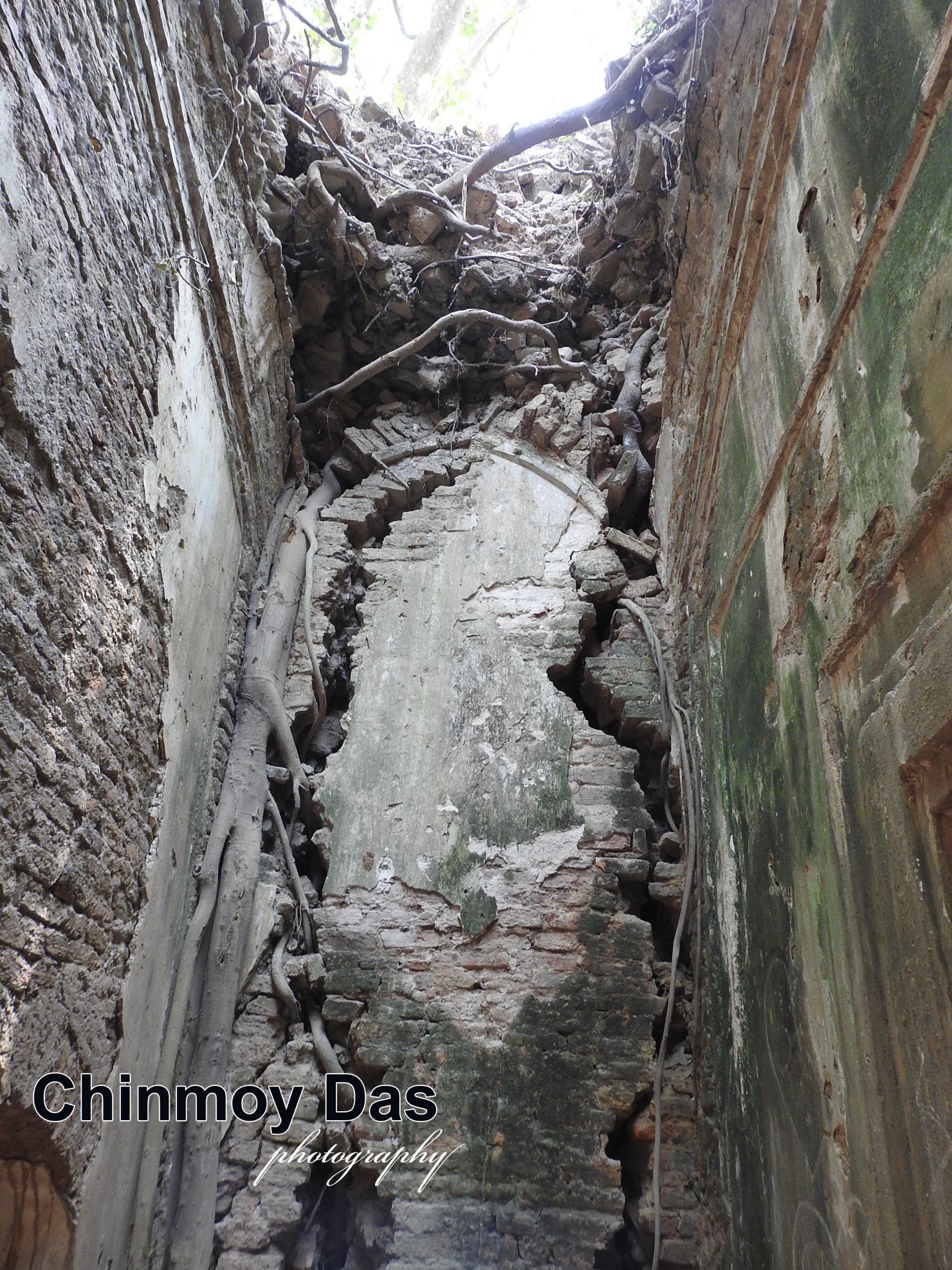
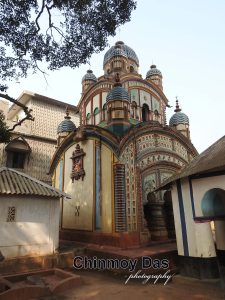
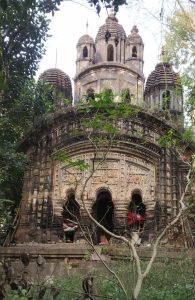
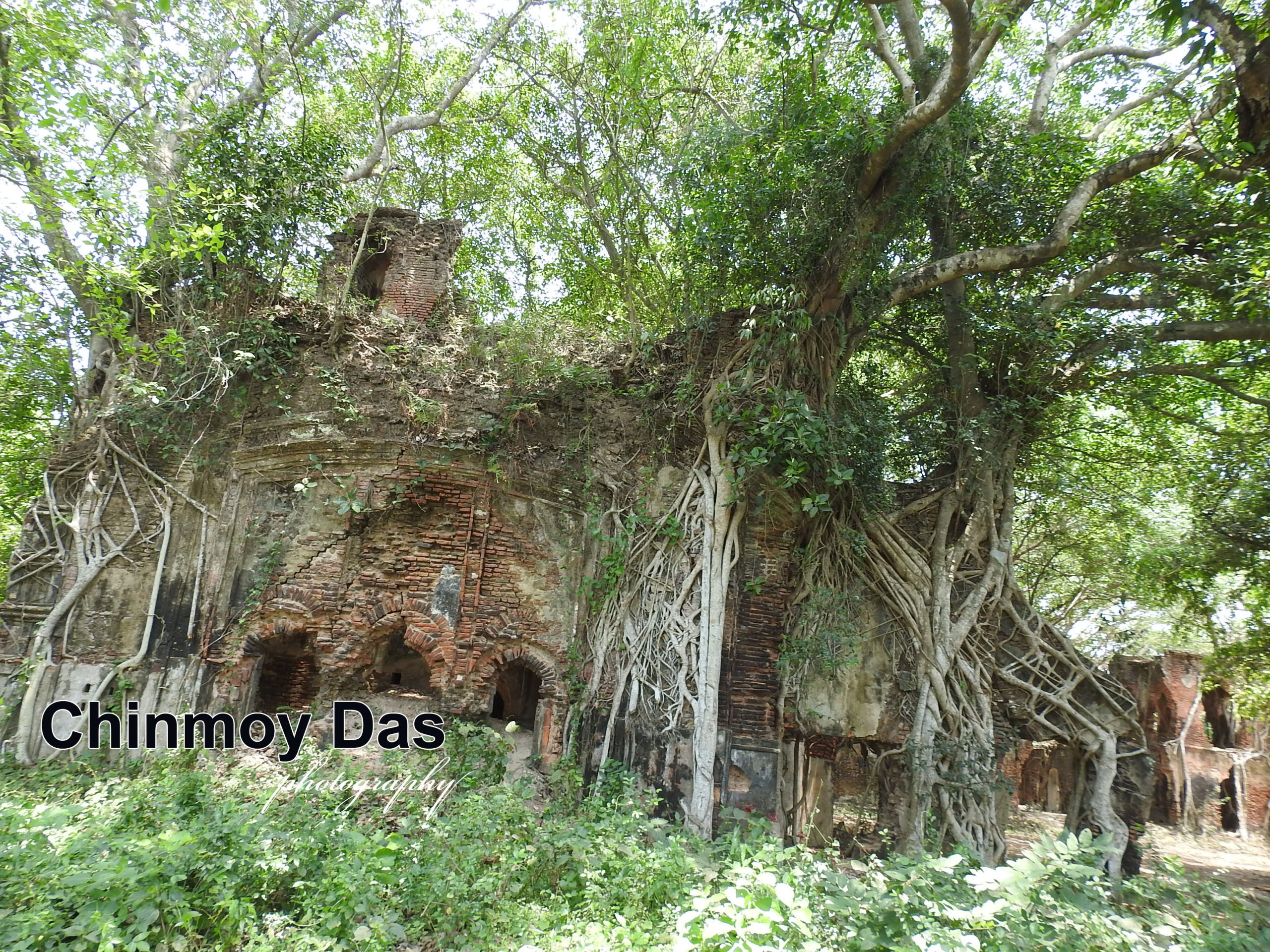
এসব থাক। আমরা এবার মন্দিরটির বিষয়ে ফিরে যাই। আমাদের আলোচ্য মন্দিরটি ছিল আকারে বিশাল, বর্গাকার। দৈর্ঘ্য প্রস্থ সাড়ে ৩৫ ফুট, উচ্চতা প্রায় ৫৫ ফুট. নবরত্ন রীতির ইটের তৈরি। নির্মিত হয়েছিল মহেন্দ্র নারায়নের হাতে, কুলদেবতা গোপাল জিউর জন্য। কিন্তু মন্দির নয়, আজ যা আছে, সেটি একটি ধ্বংসস্তূপ মাত্র। মন্দিরের টুকরো-টাকরা কঙ্কালই দেখা যায় কেবল।
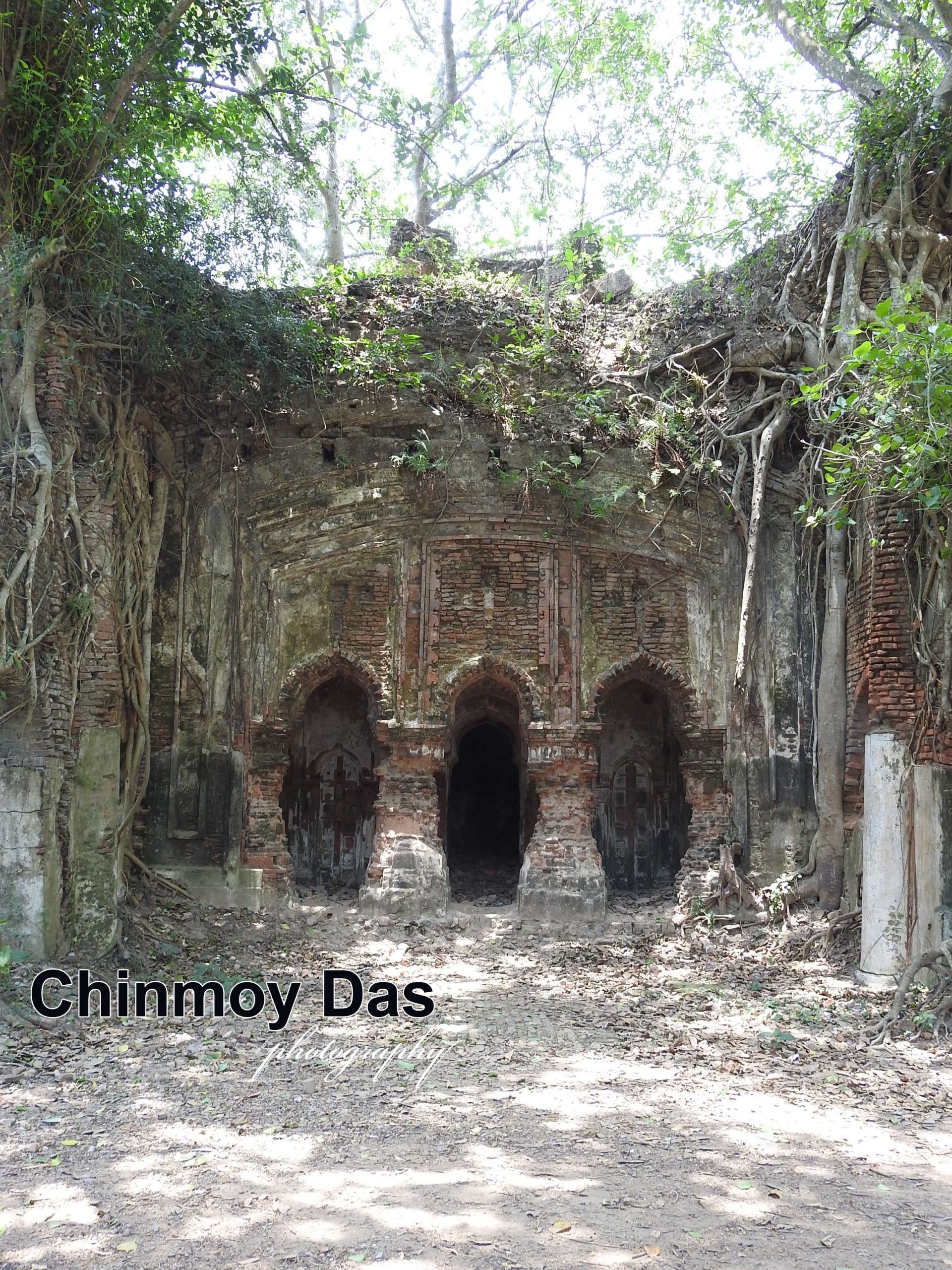
নবরত্ন রীতির ইটের তৈরি সৌধ। একেবারে রাজকীয় গড়ন। উত্তর ছাড়া, বাকি তিন দিকে প্রশস্ত অলিন্দ। তাতে ইমারতি রীতির স্তম্ভ এবং দরুণ রীতির খিলানে তিনটি করে দ্বারপথ।
এখানে অলিন্দের পরেই গর্ভগৃহ নয়। তিন দিকেই তিনটি করে কুঠুরি গড়া হয়েছিল। মাঝের কুঠুরি দিয়ে গর্ভগৃহে প্রবেশ, তিন দিক থেকেই।
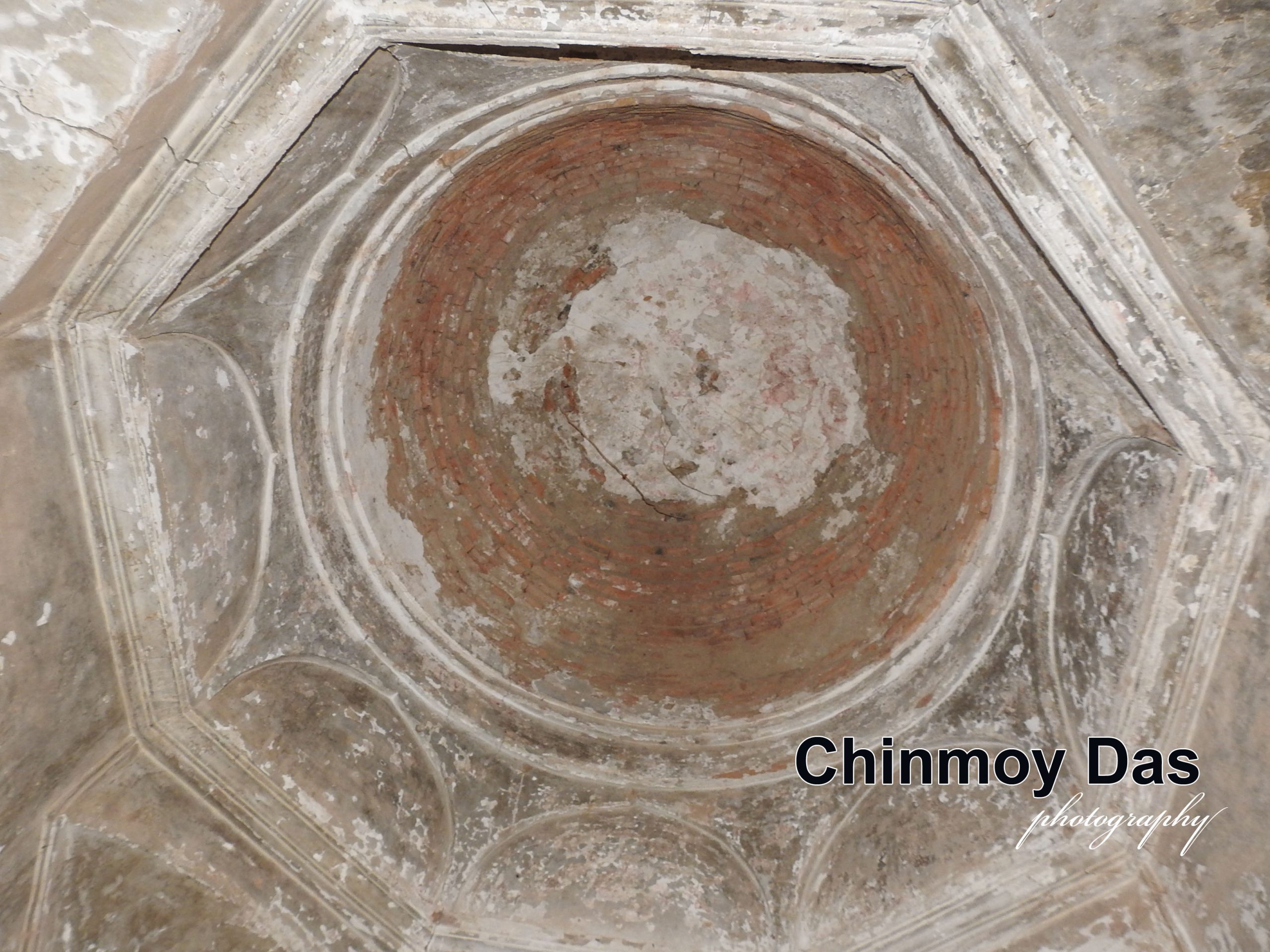
দ্বিতলের গর্ভগৃহটিও বেশ বড় ছিল, অনুমান করা যায়। ত্রিতলের কথা বলা যায় না। বলা যায় না রত্নগুলিরকথাও। সেগুলিতে রথ-ভাগ কিংবা পীঢ়-রীতি প্রয়োগ হয়েছিল কিনা, আজ আর জানবার পথ নাই। তবে ভগ্নস্তুপ থেকে নিচতলার কক্ষগুলির সিলিংয়ের কারিগরী বুঝে নেওয়া যায়। গর্ভগৃহের সিলিং হয়েছিল ধাপে ধাপে ভল্ট নির্মাণ করে। অলিন্দগুলিতে সিলিং ছিল টানা-খিলানের। আর ছোট ন'টি কক্ষে ছিল চারটি করে পাশ খিলানের সিলিং।
মন্দিরের সামনের অংশে দু'দিকে থামওয়ালা প্রলম্বিত দেওয়াল থেকে অনুমান করা যায়, বড় মাপের একটি নাটমন্দিরও ছিল এখানে।
Gopal Jiu Temple, Kajlagarh (Bhagabanpur Police Station)
By Chinmoy Das
The story begins about four hundred years ago. A man named Gobardhan Ranjhap, belonging to the hunter community, migrated from the hilly region of Mayurbhanj in Odisha to Medinipur, a frontier district of Bengal. According to local tradition, he once received a dream-command from Goddess Kali and discovered an image of the deity. He built a temple for the goddess and gradually enclosed the area with defensive earthworks. The place came to be known as Kalir Garh (“Fort of Kali”), a name that eventually evolved into Kajlagarh.
During the reign of Emperor Shah Jahan, the Hijli Faujdari was formed, comprising twenty-eight parganas. At that time, Hijli was ruled by the zamindar Taj Khan Masnad-i-Ala. After the decline of his lineage, the estate was divided into three parts—Jalamutha, Majnamutha, and Sujamutha. Gobardhan Ranjhap established his zamindari in Sujamutha around 1584 CE, during the closing years of the sixteenth century.
The dynasty founded by Gobardhan survived for nearly two and a half centuries before ending under Raja Golakendra Narayan in 1837. Between these two figures, ten other rulers governed the Sujamutha estate: Madhab Chandra, Sridhar Narayan, Gopal Narayan, Gorachand, Narendra Narayan, Rajendra Narayan, Gajendra Narayan, Mahendra Narayan, Debendra Narayan, and Gopalendra Narayan.
When Narendra Narayan died, leaving behind three minor sons, his capable widow administered the estate until their eldest son, Rajendra Narayan, came of age. It was she who declared Kajlagarh the capital of the Sujamutha estate.
After Rajendra came Gajendra Narayan, Mahendra Narayan, Debendra Narayan, and finally Gopalendra Narayan. When Gopalendra died childless in 1837 after a long reign, his widow Sulochana Devi adopted her nephew-in-law Golakendra Narayan and placed him on the throne.
The decline of the Kajlagarh estate began with Golakendra's accession. Though educated and intelligent, he became deeply immersed in luxury, concubines, and the company of flatterers, while indulging in intoxicants. Stories of his extravagance abound: he reportedly lit cigarettes with burning currency notes and flew kites decorated with one-hundred-rupee notes, later distributing them among friends.
The consequences were swift. Mounting debts and unpaid revenue dues led to the auction of the estate. The entire zamindari was purchased by Rani Narayan Kumari Devi of Burdwan, who nevertheless showed compassion by granting the unfortunate king and queen a monthly allowance.
The Sujamutha rulers had once earned the honorific titles “Chowdhury” and “Ray” for their efficient administration. Several rulers distinguished themselves through notable achievements:
-
Mahendra Narayan constructed the grand royal palace and embellished it with temples and a Rasmancha.
-
His son Debendra Narayan was a scholar, patron of learning, and philanthropist. He granted land to Brahmins and Sanskrit scholars, including the renowned scholar Ramkanai Bachaspati, grandfather of the famous Mahamahopadhyay Panchanan Tarkaratna of Bhatpara.
-
In 1801, when Governor-General Wellesley requested a list of influential and powerful individuals in the district, the district administration included Gopalendra Narayan at the fourteenth position.
This, in brief, is the saga of the Sujamutha royal family.
There is also an interesting epilogue. After the estate came under Burdwan's control, a settlement officer was sent to conduct land surveys and revenue settlements. He stayed for three years in a bungalow at Kajlagarh. One morning, after he had left for work, his wife sat beneath a bakul tree and strung together a garland. When her weary husband returned in the evening, she placed it around his neck. Deeply moved, he took up his pen and composed the famous song:
"Ami sarati sakal bose bose ei shader malati genthechi..."
(“All morning I sat and lovingly strung this garland...”)
The officer was none other than the celebrated poet and playwright Dwijendralal Roy.
The people of Kajlagarh have preserved the memory of D. L. Roy. A memorial shrine has been erected beside Kajla Dighi in his honor.
Let us now return to the temple itself.
The Gopal Jiu Temple, built by Mahendra Narayan for the family's tutelary deity, was once an immense structure. Measuring about 35½ feet in length and width and nearly 55 feet in height, it was a magnificent brick-built Navaratna (nine-towered) temple. Today, however, it survives only as a ruin. What remains are merely fragments of its skeletal structure.
The temple was conceived on a truly royal scale. Broad verandahs surrounded three sides of the building, excluding the north. These verandahs contained masonry pillars and three arched entrances of the traditional darun style on each side.
Beyond the verandahs lay not the sanctum directly, but a series of chambers. Three rooms were built on each side, with the central chamber providing access to the sanctum from all three directions.
The second-storey sanctum appears to have been quite spacious, though little can now be said about the third storey or the nine towers. It is impossible to determine whether the towers once featured ratha projections or pidha ornamentation.
The surviving ruins, however, reveal aspects of the temple's engineering. The sanctum's ceiling was formed through a series of stepped vaults. The verandahs were roofed with barrel vaults, while each of the nine smaller chambers had ceilings formed by four intersecting arches.
The elongated walls with attached pillars at the front suggest that a large Natmandir (festival hall) once stood before the temple.