রঘুনাথ মন্দির-- আলংগিরি (এগরা-- ১)
চিন্ময় দাশ
ইতিহাস থেকে জানা যায়, সম্রাট আকবরের রাজস্ব সচিব টোডর মল্ল বাংলাকে কয়েকটি সরকারে বিভক্ত করেছিলেন। বাংলার নাজিম আজিম ওসমানের পর, মুর্শিদ কুলি খাঁ শাসক হয়ে, সরকারগুলিকে ভেঙে কয়েকটি চাকলা গঠন করেন। প্রত্যেক চাকলায় একজন ফৌজদার, তাদের অধীনে কোতোয়াল এবং থানাদাররা নিযুক্ত হয়েছিল। সেই সময় ফৌজদারি, কাজী, দেওয়ানী এবং নিয়ামত -- ৪ প্রকার আদালতও প্রচলন করেছিলেন মুর্শিদ কুলী খাঁ।
জনৈক কুঙারী চরণ দাস এবং তাঁর পুত্র ভিখারি চরণ খাস মুর্শিবাদের সেরকমই একটি আদালতে ওকালতি করতেন। মেদিনীপুর জেলার দক্ষিণের কুরুলচৌর পরগণার আলংগিরি গ্রামে নিজের স্থায়ী বসত গড়ে তোলেন কুঙারী চরণ।
সেসময় শ্রীপাট গোপীবল্লভপুরের শ্যামানন্দ প্রভু এবং রসিকানন্দ-- দুই গোস্বামীর প্রচারে সমগ্র মেদিনীপুর জেলা বৈষ্ণব ধর্মের প্রবল স্রোতে প্লাবিত। জেলার সমস্ত ধনী আর বনেদি পরিবারেই রাধাকৃষ্ণ এবং বিষ্ণু পূজার প্রচলন হয়েছে। আলংগিরির দুই পিতা-পুত্রও তাতে প্রভাবিত হন। ছোট একটি মন্দির গড়ে রঘুনাথজীউ এবং বালগোবিন্দ জীউর বিগ্রহ স্থাপন করে সেবাপূজার প্রচলন করেন। বাংলা ১১৯০ সনে পরিবারের পক্ষ থেকে সেবাপূজার জন্য পৌনে দু'শ বিঘা সম্পত্তি দান করা হয় দেবতার নামে। এর তিন দশক পর, বাংলা ১২১৯ সনে (ইং ১৮১২ সল্) বর্তমান মন্দিরটি নির্মিত হয়। ভিখারি চরণের পৌত্র মদন মোহন-এর পুত্র ছিলেন তুলসীরাম দাস। মহাপ্রাণ এই ধার্মিক পুরুষ মন্দিরটি নির্মাণ করেছিলেন।
তুলসীরামের হাতে মন্দির নির্মাণ সম্পর্কে একটি মর্মস্পর্শী কাহিনী শোনা যায়। মন্দির নির্মাণের জন্য, একজন সুদক্ষ সূত্রধর পেতে বহু অনুসন্ধান করেছিলেন তুলসীরাম। শোনা যায়, শিল্পী তাঁকে আতপ চালের গুঁড়ি দিয়ে মন্দিরের তিনটি আদল এঁকে দেখিয়েছিলেন। সেরা নকশাটিই বেছেছিলেন তুলসীরাম । এই নকশায় মন্দির গড়ে তোলা তাঁর সাধ্যে কুলোবে না-- এই বলে বার বার তাঁকে সাবধান করেছিলেন সূত্রধর। কিন্তু পছন্দের ছবিটিতেই অবিচল ছিলেন তিনি।
এর পর মন্দির নির্মাণ যত এগিয়েছে, অর্থের অভাব হাড়ে হাড়ে টের পেয়েছেন তুলসীরাম। মন্দির নির্মাণ শেষ হয়নি তখনও, তুলসীরাম একেবারে নিঃস্ব হয়ে গেলেন। স্থাবর-অস্থাবর, এমনকি স্ত্রীর অলংকারও কিছু থাকলো না একসময়। তখন হাতের শেষ শাঁখাটিও খুলে দিতে বললেন পত্নীকে। পত্নী কুন্ঠিত হলে, একগাছি লাল সুতো স্ত্রীর হাতে জড়িয়ে, শেষ এয়োতি-চিহ্নটুকুও খুলে নিতে হয়েছিল তুলসীরামকে। কী গভীর ভগবৎপ্রেম, ত্যাগ আর নিষ্ঠা দিয়ে এই দেবালয়ের প্রতিটি ইট গাঁথা হয়ে আছে, এই কাহিনী না জানা হলে, তার সন্ধান পাওয়া যায় না।
ছান্দোগ্য উপনিষদে সাংখ্যায়ন বলেছেন-- " যথা হি বিষ্ণু শালগ্রামো: "। পদ্মপুরাণ-এ ১১শ অধ্যায়ের উল্লেখ-- " গন্ডক্যামেকদেশেতু শালগ্রাম স্থলং মহৎ। পাষাণস্তরভবং যত্তৎ শালগ্রামমিতি স্থিতিম।। " এখানে মন্দিরে এমনই একটি শালগ্রাম শিলাই প্রতিষ্ঠিত। তিনিই মন্দিরের মূল এবং মুখ্য দেবতা। শালগ্রামের মধ্যে ১৮টি শিলা মুখ্য। লক্ষ্মীনারায়ণ, লক্ষ্মীজনার্দন -এর পর, ৩য় শিলার নাম-- ' রঘুনাথ '। এই শিলাটিই এখানে পূজিত হন। তাঁর নামেই মন্দিরের নাম-- রঘুনাথ মন্দির।
নিত্যপূজায় ন্যূনতম পঞ্চ-ব্যঞ্জন ও পায়সান্ন সহ অন্নভোগ হয় দেবতার। প্রতিদিন সন্ধ্যায় বৈষ্ণবদের নামগানের আসর বসে। এর সাথে আছে বারো মাসে তেরো পার্বণ। জন্মাষ্টমী, রাধাষ্টমী, গিরিগোবর্ধন পূজা, নন্দ-উৎসব, পুষ্যাভিষেক, মকর ইত্যাদির সাথে বড় আকারের পূজা হল-- ১৩ দিনের ঝুলন পূর্ণিমা, ৩ দিনের রাস উৎসব। আর আছে-- রাধাষ্টমীর ৩ দিন পর, বামন দ্বাদশী এবং পৌষের শুক্ল পক্ষে ওড়ন ষষ্ঠী।
উৎসবের যেমন শেষ নাই, যাত্রী এবং ভক্ত আনাগোনারও শেষ নাই এই মন্দিরে। যাত্রীদের মধ্যে থাকেন কাছের দূরের পুরাপ্রেমীরাও। থাকবারই কথা। মেদিনীপুর জেলার সবার সেরা অলংকৃত মন্দির বলা যায় এটিকে।
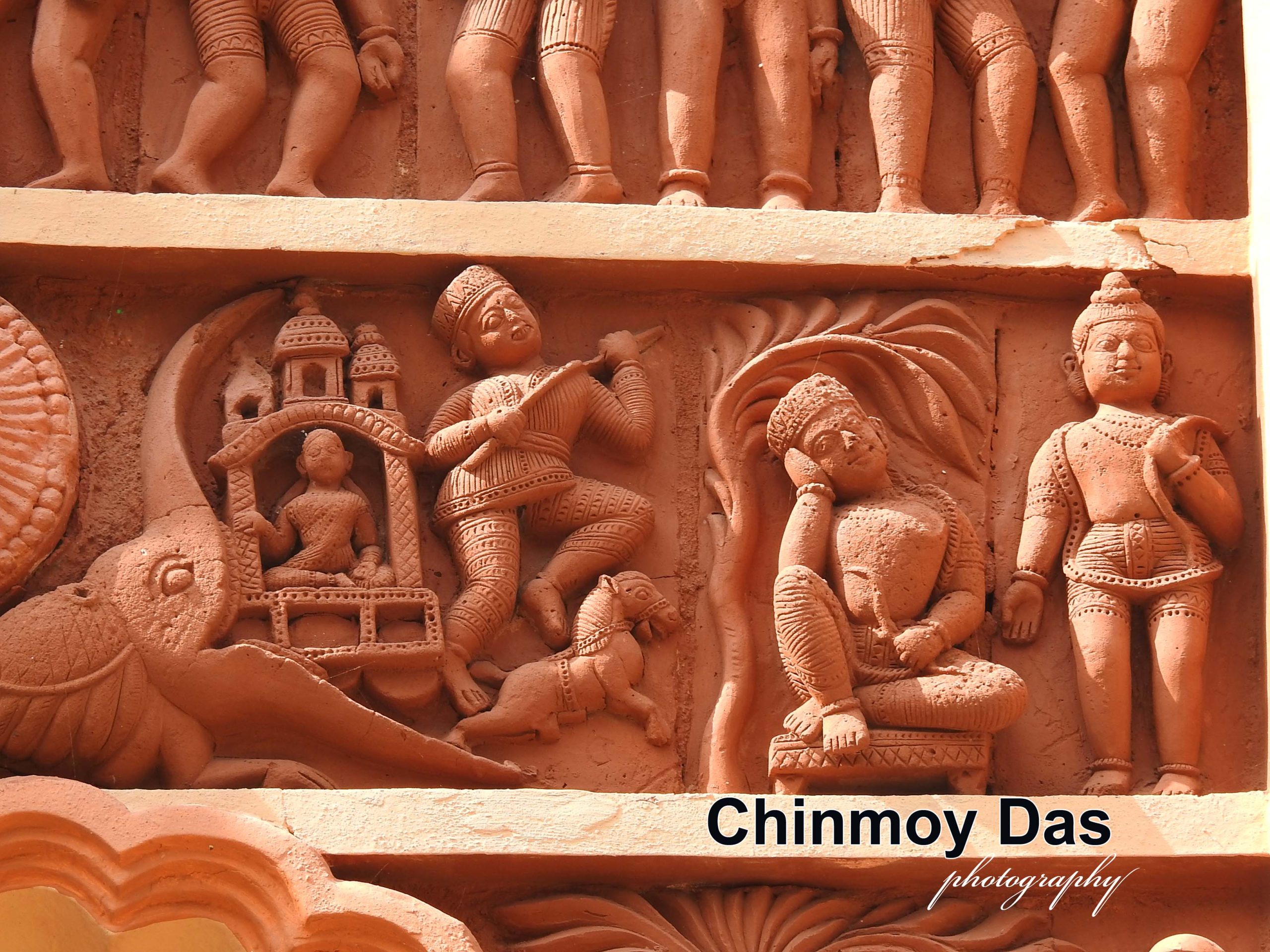
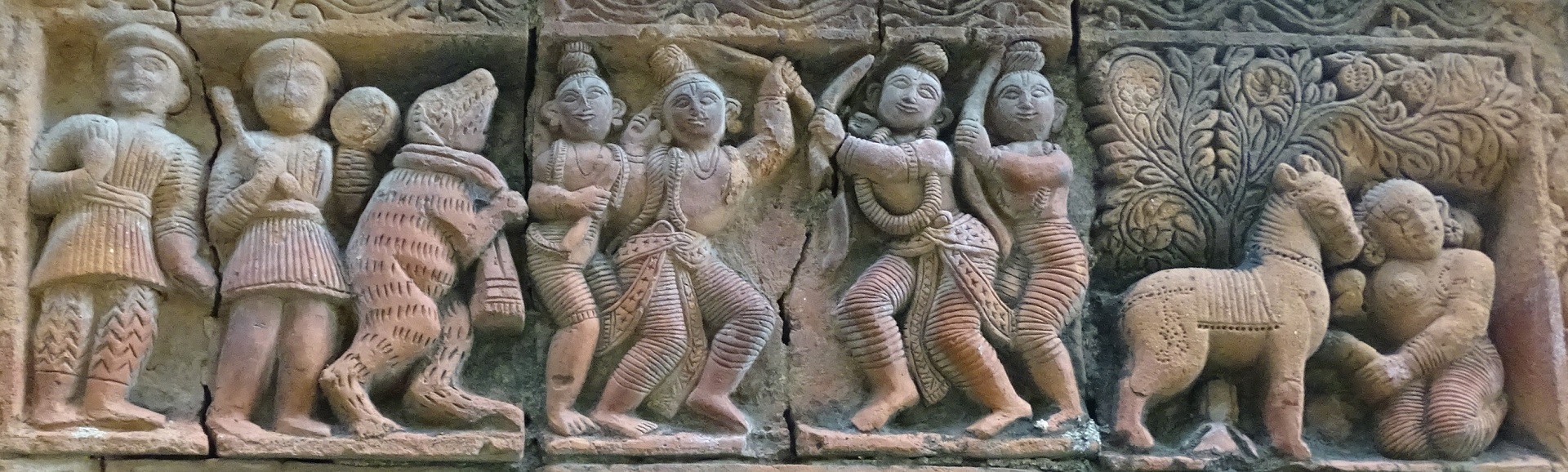
দেওয়ালগুলি টেরাকোটা ফলক দিয়ে মোড়া। ফলকগুলির যেমন সূক্ষ্ম কারুকাজ, তেমনই বিষয় বিন্যাস। শিল্পকর্ম অতি উন্নত মানের।
টেরাকোটা ফলকগুলির মোটিফ মুখ্যত শ্রীমদ্ভাগবত এবং রামায়ন কাহিনী নির্ভর। সামাজিক বিষয় নির্ভর কিছু ফলকও দেখা যায়। রামায়ন থেকে আছে-- সুর্পণখার নাসিকা ছেদন, স্বর্ণমৃগ, সীতা হরণ, জটায়ুর যুদ্ধ, রাম-রাবনের যুদ্ধ, কুম্ভকর্ণের নিদ্রাভঙ্গ, লক্ষ্মণের শক্তিশেল, রাবণের কাটা মুন্ড কোলে মন্দোদরীর বিলাপ-- অজস্র ফলক।
কৃষ্ণকথা রূপায়িত হয়েছে শ্রীমদ্ভাগবত থেকে। কৃষ্ণের জীবনে ঘটনার ঘনঘটা। তারই কিছু রূপায়িত হয়েছে এখানে-- তৃণাসুর - বকাসুর - বেণুকাসুর - কংস - পুতনা রাক্ষসী বধ, গোপিনীদের বস্ত্রহরণ, কৃষ্ণের গোষ্ঠবিহার, ননীচোর বালক কৃষ্ণকে জননী যশোদার রজ্জু দিয়ে বন্ধন, গোপিনীদের পার্বতী-পূজা, গিরি গোবর্ধন ধারণ ইত্যাদি।
বিবিধ বিষয়েও নানা ফলক-- দশভুজা দূর্গা, চতুর্ভুজা সিংহবাহিনী, গনেশ-জননী, চতুর্ভুজ কালী, ধেনুচারনা, জগন্নাথ-বলরাম-সুভদ্রা ইত্যাদি।দ্বারপাল, বাদক-বাদীকা মূর্তি অনেকগুলি।
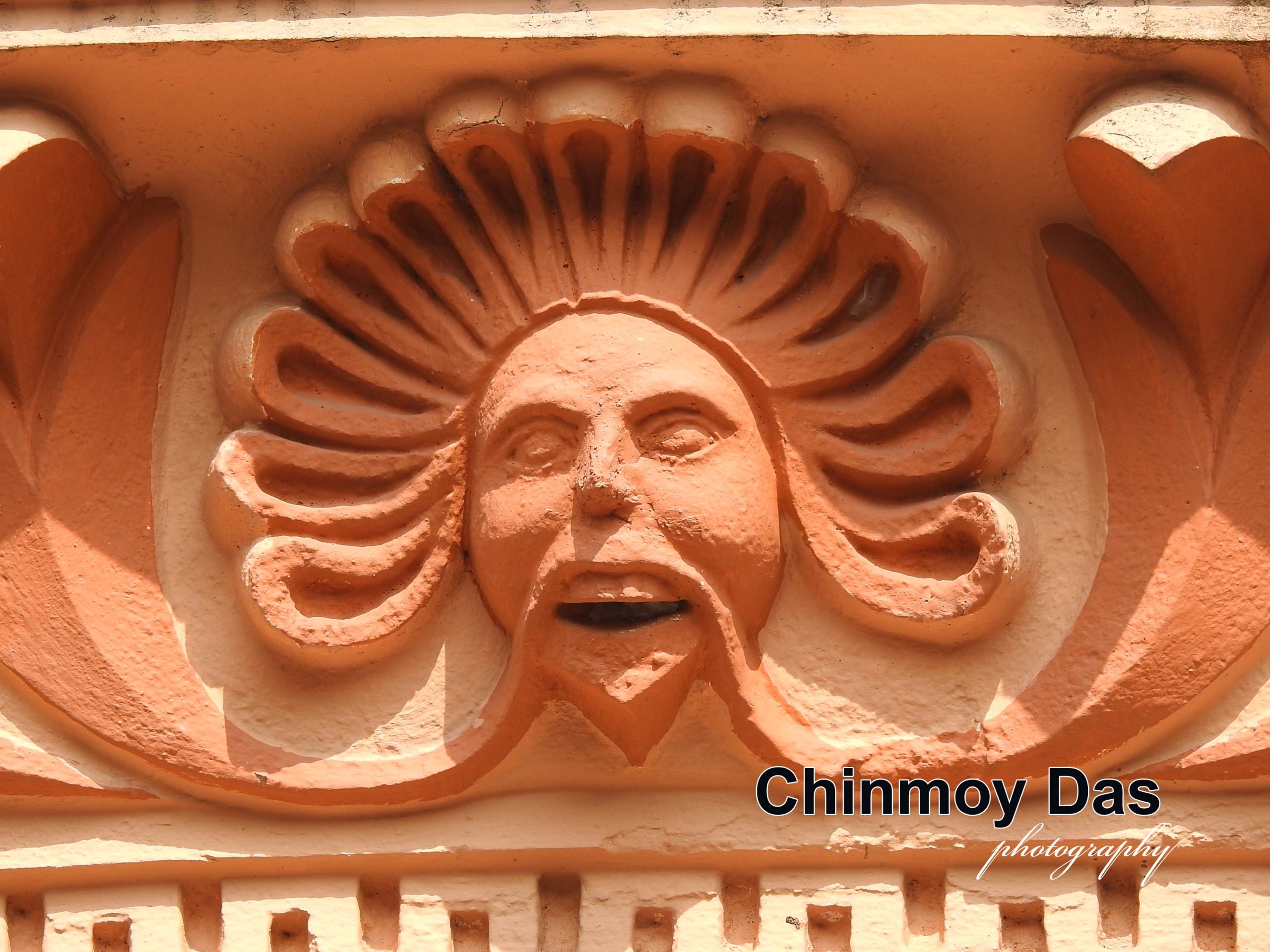
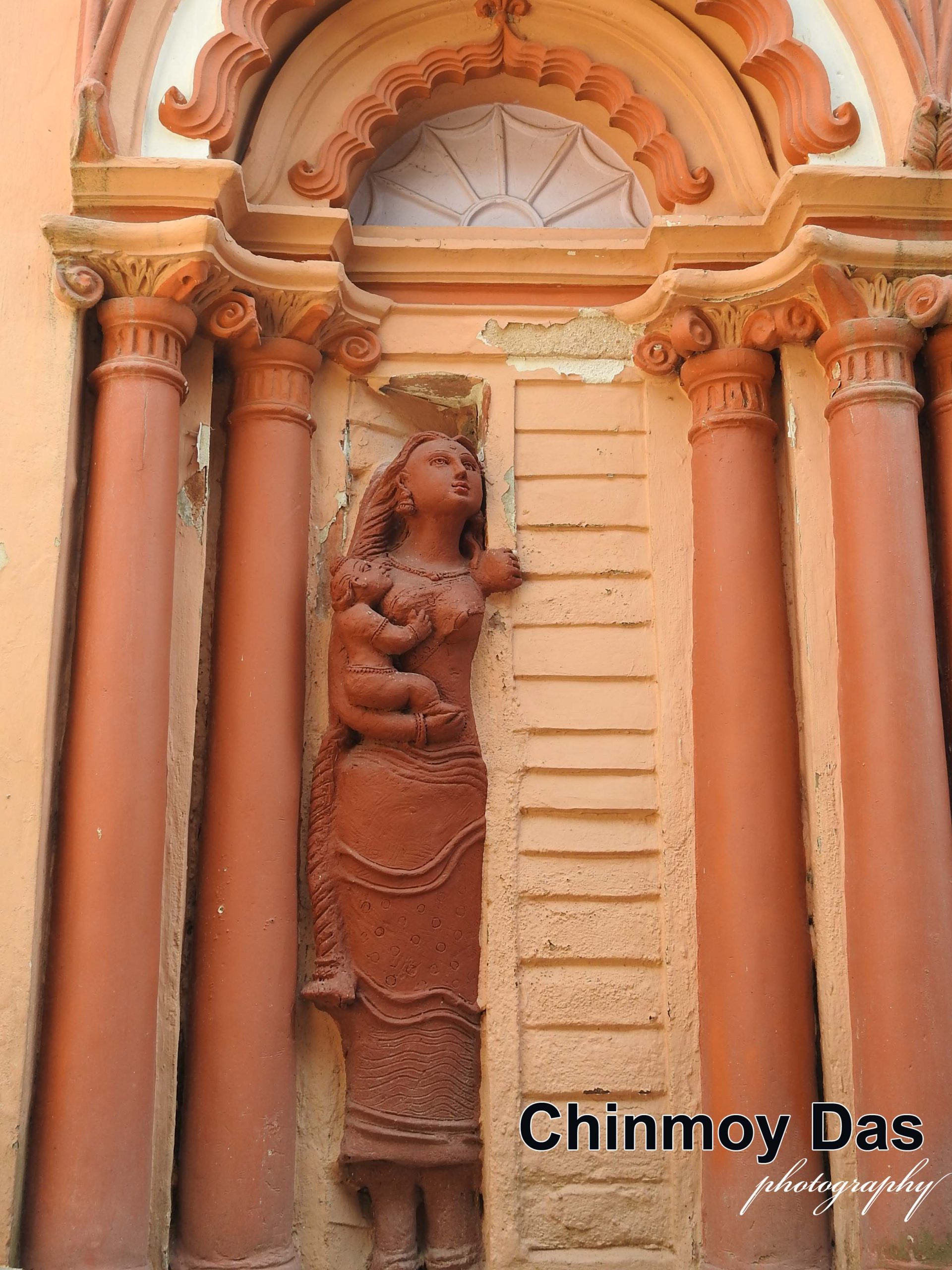
কয়েকটি মিথুন ফলকও আছে। আছে কয়েকটি নারী মূর্তিও-- দ্বারবর্তিনী এবং বাতায়নবর্তিনীর জননী মূর্তি, লোলচর্ম বৃদ্ধার মূর্তি উল্লেখ করবার মত। সূর্যদেবের মুন্ডমূর্তি, ব্যাদিত-বদন দুটি সিংহমূর্তি-- কত কিছুই যে রচিত হয়েছে এই মন্দিরে, তার লেখা জোখা নাই।
আর আছে দুটি মানব-মানবী মূর্তি-- একটি হল সেই সাধ্বী রমণীর-- যিনি হাসিমুখে নিজের হাতের শঙ্খ-বলয় খুলে দিয়েছিলেন স্বামীর হাতে। দ্বিতীয় মূর্তিটি মন্দির প্রতিষ্ঠাতা তুলসীরাম দাসের। যিনি অনুপম সৌন্দর্যের অধিকারী এই মন্দিরটি গড়েছিলেন নিজের স্থাবর-অস্থাবর সমস্ত কিছু উজাড় করে, একেবারে নিঃস্ব হয়ে। উপবিষ্ট ভঙ্গিমার প্রমান আকারের মূর্তি দুটি বা-রিলিফ রীতিতে নির্মিত।
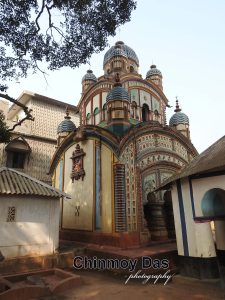
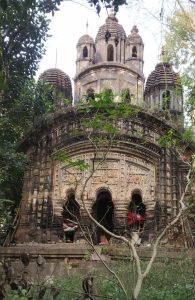
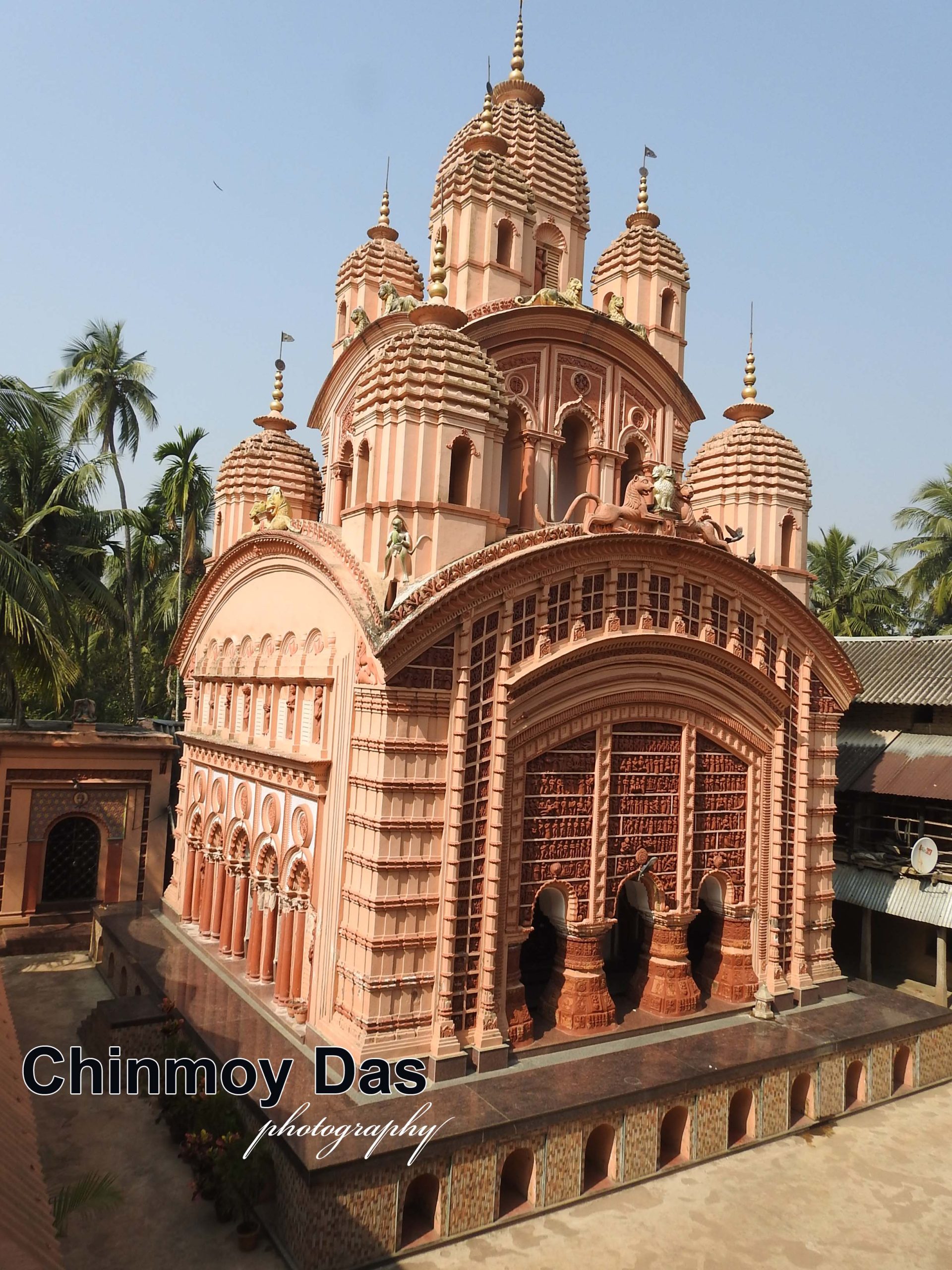
সম্পূর্ণ বর্গাকার সৌধ-- দৈর্ঘ্য-প্রস্থ ২৯ ফুট, উচ্চতা ৪০ ফুট। ৩ ফুট উঁচু পাদপীঠের উপর নব-রত্ন মন্দিরটি স্থাপিত। পূর্বমুখী এই মন্দির ইটের তৈরী। চারদিক জুড়ে প্রশস্ত প্রদক্ষিণ পথ। গর্ভগৃহের চার দিকেই চারটি আয়তাকার অলিন্দ। পশ্চিমে কোন দ্বার নাই, তিনটি প্রতিকৃতি দ্বার রচিত আছে। বাকি তিনদিকে খিলান-রীতির তিনটি করে দ্বারপথ। স্তম্ভগুলি ইমারতি শ্রেণীর।
দুটি তলেই গর্ভগৃহের মাথায় চালা ছাউনি। রত্নগুলি শিখর-দেউল রীতিতে নির্মিত। তাতে রথবিন্যাস এবং পীড় রীতির থাক ভাগ করা। একেবারে নয়ন মনোহর মন্দিরটি। একবার তাকালে, চোখ ফেরানো যায় না। সেবাইত পরিবারের হাতে ভারী যত্নে রাখা হয়েছে দেবালয়টিকে।
মন্দিরের সামনে প্রশস্ত নাটমন্দির। দক্ষিণ-পশ্চিম কোণে একটি দালান-মন্দিরে কালিকা-মঙ্গলা মাতার অধিষ্ঠান।
সেবাইতদের সতর্ক দৃষ্টি হার মানছে সমুদ্রের নোনা বাতাসের কাছে। মন্দিরে নোনা ধরা ঠেকানো যায় না। ঐতিহ্যপূর্ণ এমন একটি দেবালয় যাতে নষ্ট না হয়ে যায়, কেন্দ্র ও রাজ্য দুই পুরাতত্ত্ব দপ্তরের নজর রাখা জরুরি। মন্দিরটিকে ' হেরিটেজ ' ঘোষণার কথা ভাবা দরকার প্রশাসনের।
Raghunath Temple, Alangiri (Egra–I)
Chinmoy Das
Historical records reveal that Raja Todar Mal, the Revenue Minister of Emperor Akbar, divided Bengal into several administrative units known as Sarkars. Later, after Azim Osman, the Nazim of Bengal, Murshid Quli Khan became the ruler and reorganized these Sarkars into a number of Chaklas (administrative divisions). Each Chakla was administered by a Faujdar, under whom served Kotwals and Thanadars. Murshid Quli Khan also introduced four types of courts: criminal, qazis’ courts, civil courts, and niamat courts.
A certain Kungari Charan Das and his son Bhikhari Charan practiced law in one such court at Murshidabad. Kungari Charan later established his permanent residence in Alangiri village of Kurulchaur Pargana in southern Medinipur.
At that time, the entire district of Medinipur was swept by a strong wave of Vaishnavism through the preaching of two renowned Goswamis—Shyamananda Prabhu of Sripat Gopiballavpur and Rasikananda. Worship of Radha-Krishna and Vishnu became common among the affluent and aristocratic families of the district. The father and son of Alangiri were also influenced by this movement. They built a small shrine and installed the deities of Raghunath Jiu and Balagobinda Jiu, initiating regular worship.
In Bengali year 1190, nearly two hundred bighas of land were donated in the name of the deity for the maintenance of worship. Three decades later, in Bengali year 1219 (1812 CE), the present temple was constructed. Tulsi Ram Das, son of Madan Mohan and great-grandson of Bhikhari Charan, was the devout man who built this temple.
A touching story is associated with the temple's construction. Tulsi Ram searched extensively for a skilled architect. It is said that the master craftsman drew three temple designs for him using powdered atap rice. Tulsi Ram selected the finest design. The architect repeatedly warned him that such a grand structure would be beyond his financial means, but Tulsi Ram remained steadfast in his choice.
As construction progressed, he realized the burden of expenses. Before the temple was completed, he became utterly impoverished. One by one, all his movable and immovable properties were exhausted. Even his wife's ornaments had to be sacrificed. Finally, he asked his wife to remove the last conch bangles from her hands. When she hesitated, Tulsi Ram tied a strand of red thread around her wrist and removed even that final symbol of married life. Unless one knows this story, it is impossible to fully appreciate the depth of devotion, sacrifice, and dedication with which every brick of this temple was laid.
In the Chandogya Upanishad, Sankhyayana states: “Yatha hi Vishnu Shalagramo.” The Padma Purana (Chapter 11) mentions:
"Gandakyam ekadeshe tu Shalagrama-sthalam mahat,
Pashana-starabhavam yat tat Shalagramam iti sthitim."
A sacred Shalagram stone is enshrined in this temple and serves as its principal deity. Among the eighteen principal types of Shalagram stones, after Lakshmi-Narayana and Lakshmi-Janardana, the third type is known as Raghunath. It is this form that is worshipped here, and from it the temple derives its name—Raghunath Temple.
The deity is offered daily meals consisting of rice, payesh (sweet rice pudding), and at least five varieties of side dishes. Every evening, Vaishnav devotees gather for congregational chanting. In addition, the temple celebrates numerous festivals throughout the year. Major observances include Janmashtami, Radhashtami, Girigovardhan Puja, Nanda Utsav, Pushyabhishek, and Makar Sankranti. Particularly grand are the thirteen-day Jhulan Purnima festival and the three-day Ras festival. Other important celebrations include Vamana Dwadashi, observed three days after Radhashtami, and Oran Shashthi during the bright fortnight of the month of Poush.
As endless as the festivals are the streams of pilgrims and devotees who visit this temple. Among them are lovers of heritage and architecture from both near and far—and rightly so. This can be considered one of the most richly ornamented temples in the entire Medinipur district.
The temple walls are covered with terracotta plaques displaying remarkable artistic refinement and thoughtful thematic arrangement. The quality of craftsmanship is exceptionally high.
The terracotta panels primarily depict scenes from the Srimad Bhagavata and the Ramayana, though some social themes are also represented. From the Ramayana one finds scenes such as Surpanakha’s nose being cut off, the Golden Deer, the abduction of Sita, Jatayu’s battle, the war between Rama and Ravana, Kumbhakarna awakening from sleep, Lakshmana struck by the Shakti weapon, and Mandodari lamenting over Ravana’s severed head.
Episodes from Krishna’s life, drawn from the Bhagavata Purana, are equally abundant. These include the slaying of Trinavarta, Bakasura, Venukasura, Kamsa, and the demoness Putana; the stealing of the Gopis’ garments; Krishna’s pastoral sports; Mother Yashoda binding the butter-stealing child Krishna with a rope; the Gopis worshipping Parvati; and Krishna lifting Mount Govardhan.
Other terracotta subjects include the ten-armed Durga, the four-armed lion-riding goddess, Ganesha with his mother, four-armed Kali, pastoral scenes with cattle, Jagannath, Balarama and Subhadra, numerous gatekeepers, and male and female musicians.
A few erotic (mithuna) panels are also present. Several noteworthy female figures can be seen, including standing doorway attendants, women at windows, and an aged woman with wrinkled skin. There are sculpted heads of Surya, fierce lion figures with open jaws, and countless other decorative motifs throughout the temple.
Among the most remarkable sculptures are two human figures. One portrays the noble wife who smilingly surrendered her conch bangles to support the temple’s construction. The other depicts Tulsi Ram Das himself, the founder who sacrificed all his possessions and became destitute in order to build this magnificent shrine. Both life-sized seated figures are executed in the bas-relief style.
The temple is a completely square structure measuring 29 feet by 29 feet, with a height of 40 feet. It stands on a three-foot-high plinth and is built in the Navaratna (nine-spired) style. Facing east and constructed of brick, it is surrounded on all sides by a broad circumambulatory passage. The sanctum is enclosed by four rectangular verandahs. There is no entrance on the western side, though three imitation doorways have been created there. The remaining three sides each contain three arched entrances. The pillars belong to the masonry architectural tradition.
Both storeys are roofed above the sanctum, while the nine towers are built in the Shikhara Deul style, incorporating Ratha projections and Pida-type divisions. The temple is extraordinarily beautiful—once one gazes upon it, it is difficult to look away. The shrine has been carefully preserved by the family of hereditary priests.
In front of the temple stands a spacious Natmandir (assembly hall). In the south-west corner is a separate hall-temple housing the goddess Kalika-Mangala.
Despite the vigilance of the temple custodians, the salty sea breeze is taking its toll. The effects of salinity cannot be prevented. To ensure that such a heritage monument does not deteriorate further, both the Central and State Archaeological Departments should pay close attention to its preservation. The administration should seriously consider declaring it a protected heritage structure.