দামোদর মন্দির, আঙ্গুয়া-বিলাসবাড় (থানা-- কেশপুর, মেদিনীপুর)
চিন্ময় দাশ
সপ্তদশ-অষ্টাদশ শতাব্দী থেকে মেদিনীপুর জেলার বিখ্যাত হস্তশিল্পের মধ্যে অন্যতম ছিল কাঁসা শিল্প। জেলার একেবারে উত্তর-পূর্ব এলাকার খড়ার ছিল কাঁসাশিল্পের অগ্রণী কেন্দ্র। সেসময় পাটী পদবীর একটি সদগোপ পরিবার প্রভূত সম্পদের অধিকারী হয়ে উঠেছিল এই শিল্প থেকে।
সেই পরিবারের জনৈক রামদুলাল পাটী ছিলেন শিক্ষিত এবং সুদেহী। পারিবারিক ব্যবসায় না গিয়ে, ব্রিটিশ সেনাবাহিনীতে যোগ দিয়েছিলেন রামদুলাল। জানা যায়, সেনাবাহিনীর মাদ্রাজ রেজিমেন্টে কমান্ডার পদে যুক্ত ছিলেন তিনি।
বর্ধমান থেকে গড় মান্দারণ হয়ে যে 'বাদশাহী সড়ক'টি প্রসারিত, সেটি গিয়েছে খড়ারের প্রায় গা ঘেঁষে। সেই পথেই নিজের কর্মস্থলে যাতায়াত করতে হত রামদুলালকে। চন্দ্রকোণা নগরী ছাড়িয়ে দক্ষিণে এগোলে, পিংলাসের সাঁকো পার হয়ে পরপর তিন পাহাড়ি নদী-- কুবাই, তমাল আর পারাং। তিন নদীর বিস্তীর্ণ অববাহিকা অঞ্চল, সবুজে ভরা শস্যশ্যামল উর্বরা ভূমি। ভারী পছন্দ হয়ে গিয়েছিল তাঁর।
চাকুরী সেরে ফিরলেন যখন, ততদিনে 'চিরস্থায়ী বন্দোবস্ত' (ইং ১৭৯৩ সাল) প্রচলন হয়েছে বাংলায়। সেই সুবাদে নিজের একটি জমিদারী প্রতিষ্ঠা করেন রামদুলাল। খড়ারের পৈতৃক ভিটে ছেড়ে আঙ্গুয়া গ্রামে উঠে আসেন চিরকালের মত।
রামদুলাল কেবল সম্পন্ন পরিবারের সন্তান, কিংবা সামরিক বাহিনীর উচ্চপদের কর্মী ছিলেন, তা-ই নয়, কলকাতায় উঁচুমহলে যাতায়াত ছিল তাঁর। হৃদ্যতা ছিল সমাজের অগ্রগণ্যদের সাথে। তিন জনের নাম উল্লেখ করলে, ছবিটা পরিষ্কার হবে।
১. বাবু রাজচন্দ্র দাস (মৃত্যু ১৮৩৬)-- কলকাতার জানবাজারের বিখ্যাত জমিদার। যিনি ছিলেন রানি রাসমণির স্বামী। ২. প্রিন্স দ্বারকানাথ ঠাকুর (১৭৯৪-১৮৪৬)-- রবীন্দ্রনাথের পিতামহ। ব্যবসায় বিনিয়োগকারী প্রথম পর্বের বাঙ্গালি, সমকালীন ইউরোপীয় বণিকদের প্রতিনিধি ও কর্মকর্তা। এবং দ্বারকানাথ ছিলেন ব্রাহ্মধর্মের অগ্রণী প্রচারক। ৩. রাজা রামমোহন রায় (১৭৭২-১৮৩৩)--সতীদাহ প্রথা রোধ এবং প্রথম ভারতীয় ধর্মীয়-সামাজিক পুনর্গঠন আন্দোলনের অগ্রপথিক। রামমোহন ছিলেন ব্রাহ্মধর্মের অন্যতম প্রতিষ্ঠাতাও।
কলকাতার এইসকল শিক্ষিত ও প্রভাবশালী ব্যক্তিদের অধিকাংশই তখন পৌত্তলিকতা ত্যাগ করে, নিরাকার ব্রহ্মের উপাসনা আর ব্রাহ্মসমাজ প্রতিষ্ঠার আন্দোলন শুরু করেছেন। কিন্তু রামদুলাল ছিলেন নিজস্ব ধর্মবিশ্বাস আর চরিত্রে অটল। পারিবারিক ধর্মবিশ্বাসে অবিচল থেকে, একটি বিষ্ণুমন্দির প্রতিষ্ঠা করেছিলেন নতুন আবাসে।
খড়ারে থাকতে তিনতলা অট্টালিকার সাথে শিব, শীতলা আর বিষ্ণুর মন্দির ছিল পাটী পরিবারের। খড়ার শহরে এখনও সেগুলি দেখা যায়। সেই ধারায়, নতুন বসত আঙ্গুয়াতে এসে, বিষ্ণুকেই আশ্রয় করেছিলেন রামদুলাল। 'দামোদর' নামের শালগ্রাম শিলা প্রতিষ্ঠা করেছিলেন কুলদেবতা হিসাবে। বিশাল মন্দির গড়ে দিয়েছিলেন দামোদরের জন্য।
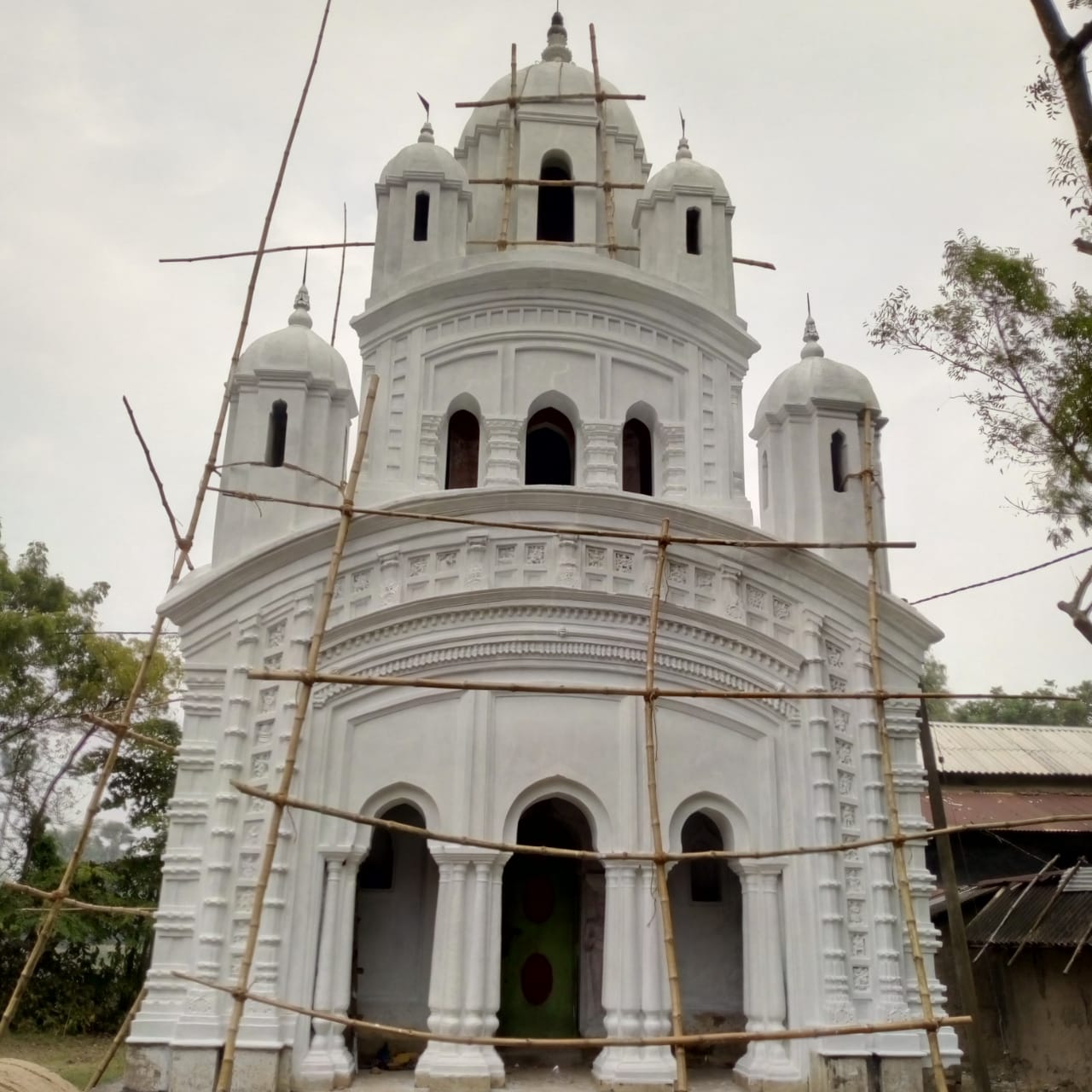
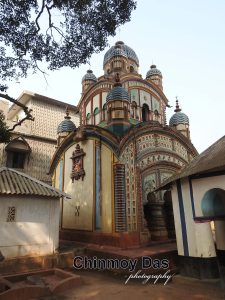
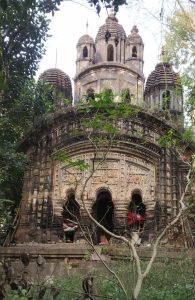
আনুমানিক ৬০ ফুট উচ্চতার সম্পূর্ণ বর্গাকার মন্দির। দৈর্ঘ্য-প্রস্থ উভয়ই ২০ ফুট হিসাবে। তবে, পাদপীঠের উচ্চতা সামান্য, ফুট দেড়েক মাত্র। ইটের তৈরী দক্ষিণমুখী মন্দিরটি নির্মিত হয়েছে নব-রত্ন হিসাবে।
সামনে অলিন্দ আর পিছনে গর্ভগৃহ নিয়ে মন্দিরের গড়ন। অলিন্দে খিলান-রীতির তিনটি দ্বারপথ। দ্বারগুলি রচিত হয়েছে কলাগেছিয়া রীতির গুচ্ছ থামের সাহায্যে। মন্দিরের দ্বিতলেও সামনে তিন-খিলানের দ্বারসহ অলিন্দ আছে। উপর-নীচ দুটি তলেই গর্ভগৃহ দুটি একদ্বারী। দুটি অলিন্দের সিলিং নির্মিত হয়েছে টানা-খিলান করে। গর্ভগৃহ দুটির সিলিং গম্বুজ রীতি প্রয়োগ করে নির্মিত হয়েছে।
মন্দিরের দুটি তলের মাথাতেই চালা-রীতির ঢালু ছাউনি দেওয়া। চালাগুলির জোড়মুখ বিষ্ণুপুরী চালার অনুকরণে নির্মাণ করা হয়েছে। কার্ণিশের বঙ্কিম ভাবটি হয়েছে ভারী মনোরম। সুন্দরী রমণীর আয়ত আঁখিপল্লবের মত।
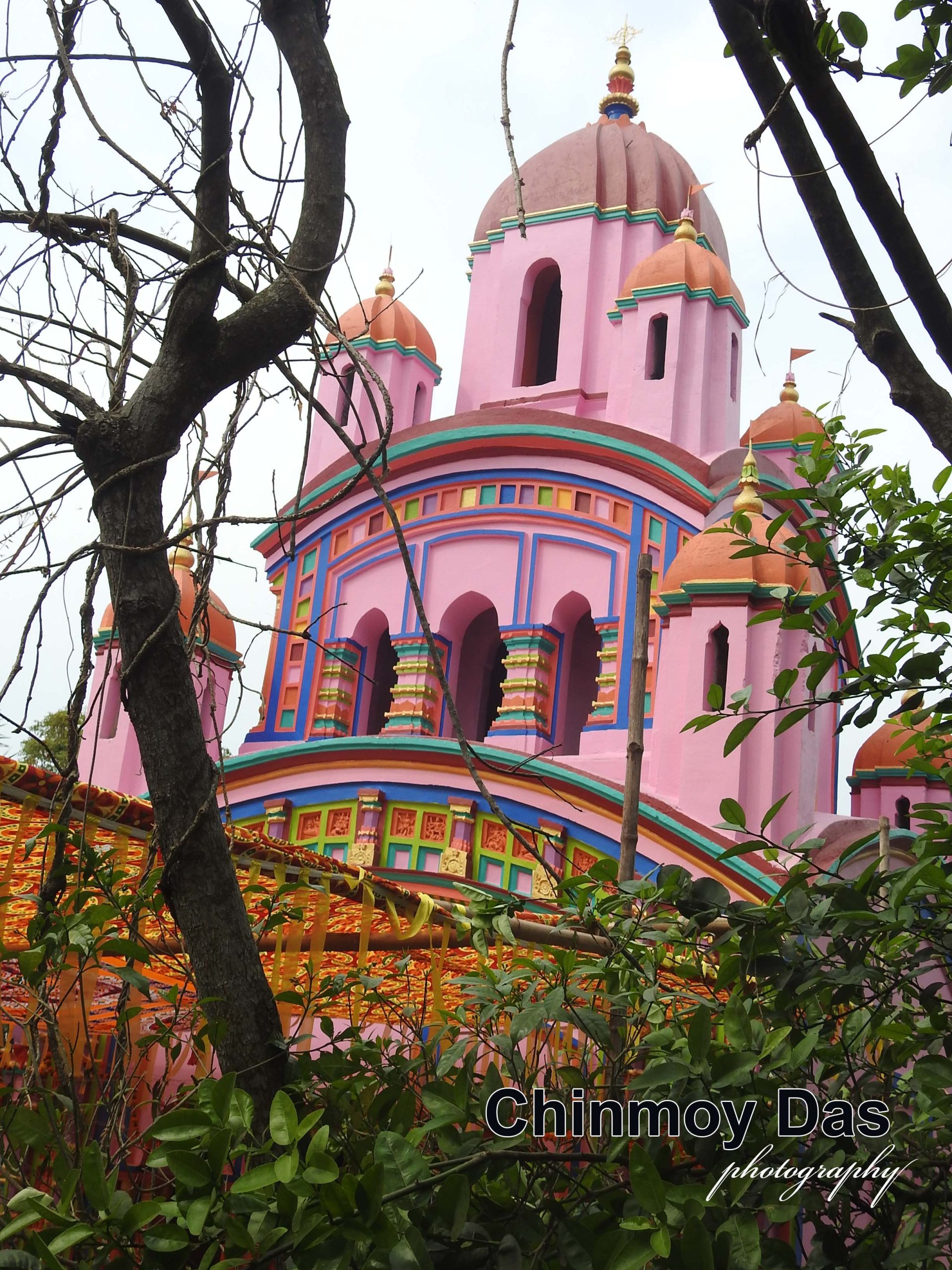
ন'টি রত্নই গড়া হয়েছে কলিঙ্গধারায়। প্রতিটি রত্নই শিখর-দেউল মন্দিরের আদলে নির্মিত। বাঢ় এবং গন্ডী দুই অংশ জুড়ে রথ-ভাগ করা হয়েছে। কেন্দ্রীয় বড় রত্নটিতে পঞ্চ-রথ এবং বাকি আটটি রত্নে ত্রি-রথ বিভাজন। রত্নের শীর্ষক অংশগুলি ভারী সুন্দর করে সাজানো হয়েছে বেঁকি, আমলক, কলস, চক্র দিয়ে।
দুটি বৈশিষ্ট দেখা যায় রত্নগুলিতে-- ১. রত্নগুলির জন্য কোনও বেদী রচনা না করে, ছাদের উপর সরাসরি স্থাপন করা হয়েছে। ২. মূল মন্দিরের ছাউনির মত, রত্নগুলির মাথাতেও গড়ানো ছাউনি দেওয়া। কিন্তু ছাউনির নিচের প্রান্ত বাঁকানো নয়, সরলরৈখিক।
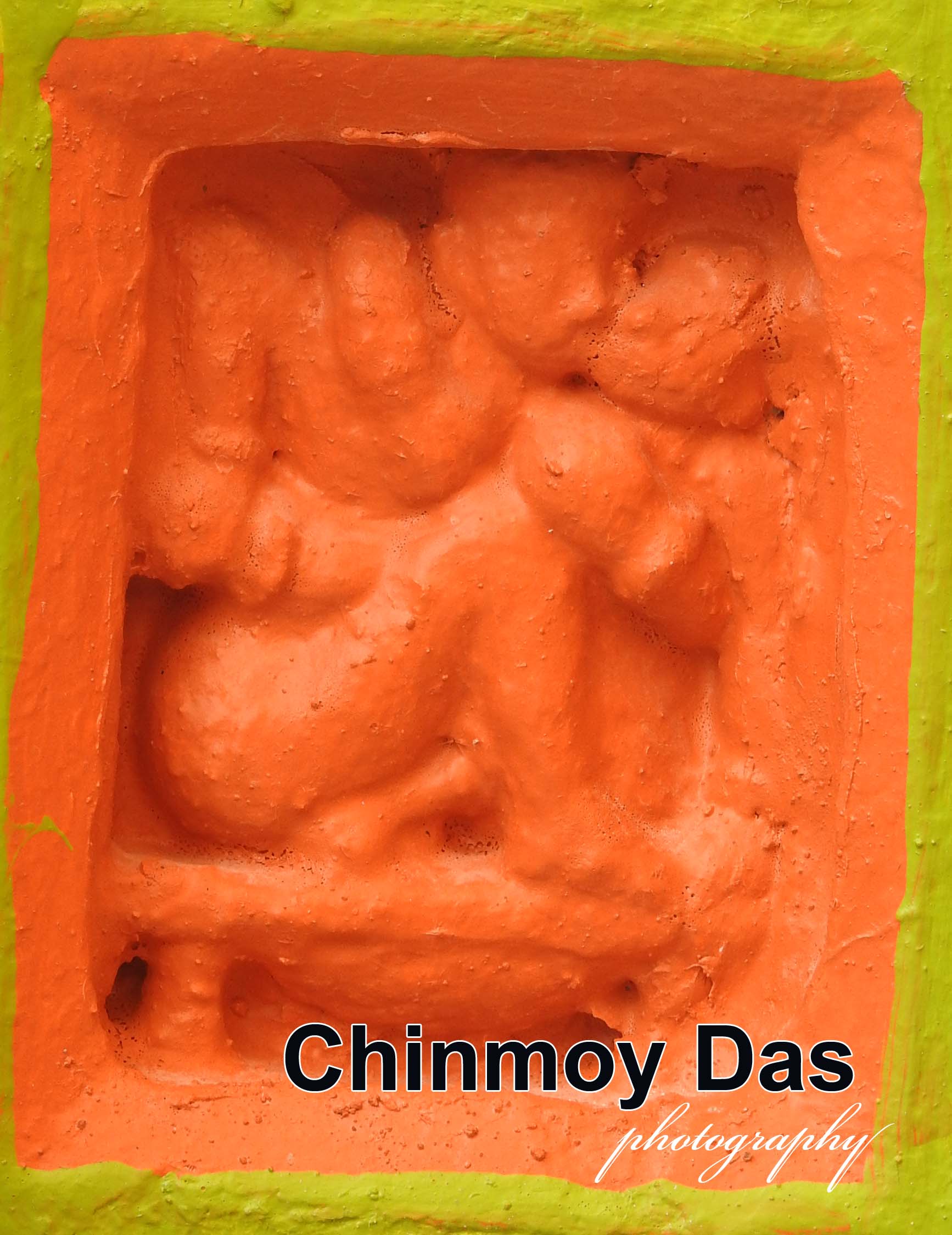
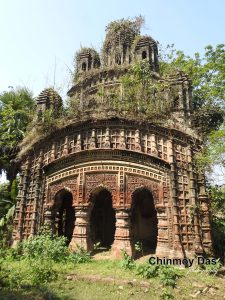
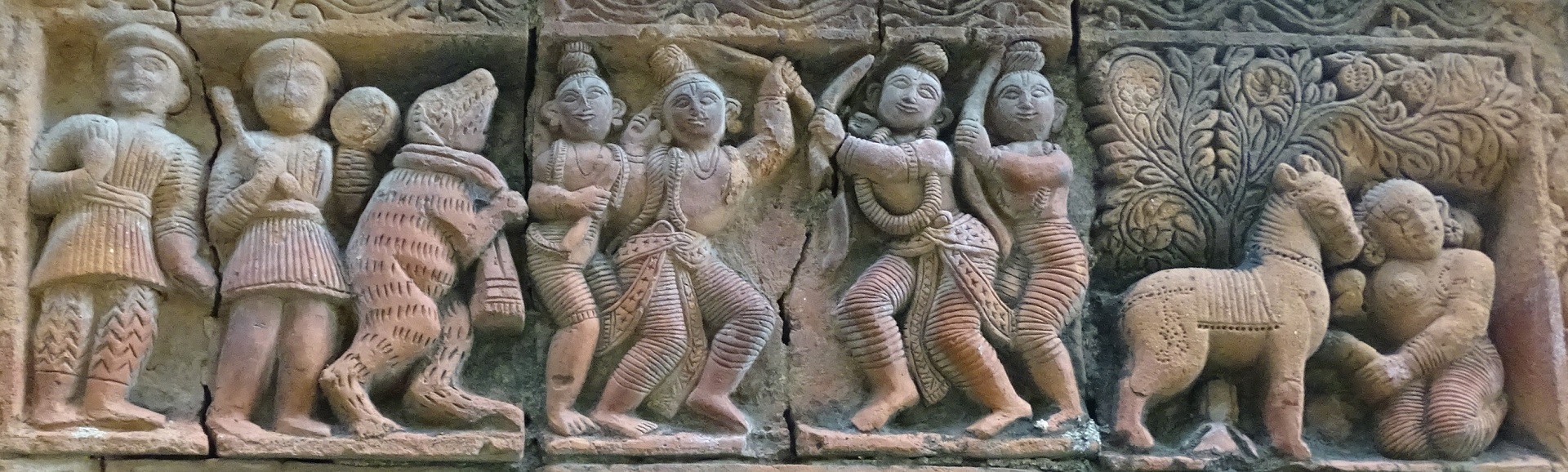
বড় আকারের মন্দির। তবে পরিতাপের কথা, তেমন অলংকরণ নাই সৌধটিতে। হাতে গোণা যায়, এমন কয়েকটি টেরাকোটা ফলকমাত্র। সেগুলি স্থান পেয়েছে কার্নিশের নীচ বরাবর এক সারি এবং দুই কোনাচের গায়ে দুটি খাড়া সারিতে।
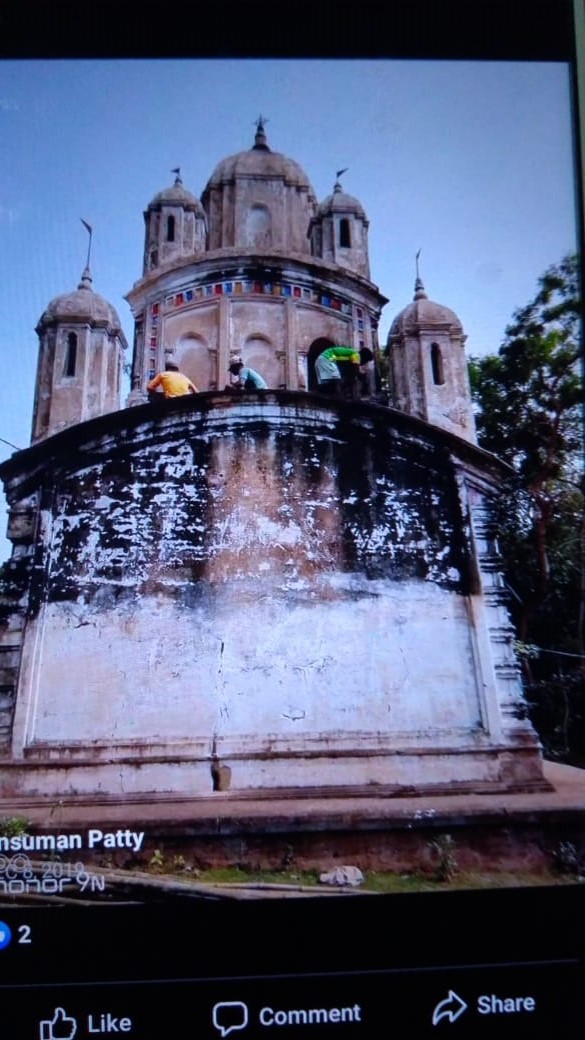
কালের আঘাতে ভারী জীর্ণ হয়ে পড়েছিল মন্দিরটি। সুখের কথা, অতি সম্প্রতি মন্দিরটি সংস্কার করা হয়েছে। কেবল সেবাইত পরিবার নয়, আত্মীয়-স্বজনরাও সামিল হয়েছিলেন সেই উদ্যোগে, সেটিও কম সুখের কথা নয়।
সংস্কারের পূর্বে, সংস্কারকালীন এবং সংস্কারের পর-- তিন পর্বের ছবি দেওয়া হল এখানে।
Damodar Temple, Angua-Bilasbar (Keshpur Police Station, Medinipur)
Chinmoy Das
From the seventeenth and eighteenth centuries onward, one of the most renowned handicrafts of Medinipur district was the brassware industry (kansa craft). The town of Kharar, situated in the extreme northeastern part of the district, was a leading centre of this craft. During that period, a Sadgop family bearing the surname Pati amassed considerable wealth through this industry.
One member of that family, Ramdulal Pati, was both educated and well-built. Rather than entering the family business, he joined the British Army. It is known that he served as a commander in the Madras Regiment.
The Badshahi Road, extending from Bardhaman through Garh Mandaran, passed very close to Kharar. Ramdulal had to travel along this route to reach his place of work. South of the town of Chandrakona, after crossing the Pinglas Bridge, lay three hilly rivers in succession—the Kubai, Tamal, and Parang. Their vast river basins, filled with lush greenery and fertile agricultural land, greatly appealed to him.
By the time he returned after completing his military service, the Permanent Settlement (1793 CE) had been introduced in Bengal. Taking advantage of the new system, Ramdulal established his own zamindari estate. Leaving his ancestral home in Kharar, he permanently settled in the village of Angua.
Ramdulal was not only the son of a prosperous family or a high-ranking military officer; he also moved within the elite circles of Calcutta and maintained close associations with many prominent personalities. Mentioning three names will make the picture clearer:
-
Babu Rajchandra Das (d. 1836) — the famous zamindar of Janbazar, Calcutta, and the husband of Rani Rashmoni.
-
Prince Dwarkanath Tagore (1794–1846) — grandfather of Rabindranath Tagore; one of the earliest Bengali investors in modern business enterprises and a representative of contemporary European commercial interests. He was also a leading propagator of the Brahmo faith.
-
Raja Rammohan Roy (1772–1833) — the pioneer of the movement against the practice of sati and one of the foremost leaders of India’s first socio-religious reform movement. He was also among the founders of the Brahmo faith.
Most of these educated and influential figures in Calcutta had by then renounced idolatry and had begun promoting the worship of the formless Brahman and the establishment of the Brahmo Samaj. Ramdulal, however, remained steadfast in his own religious beliefs and character. Adhering firmly to his ancestral faith, he established a Vaishnava temple at his new residence.
While living in Kharar, the Pati family possessed a three-storeyed mansion along with temples dedicated to Shiva, Shitala, and Vishnu. These structures can still be seen in Kharar today. Continuing that tradition, Ramdulal chose Vishnu as his principal deity after settling in Angua. He installed a Shalagram Shila named Damodar as the family deity (Kuladevata) and constructed a grand temple in its honour.
The temple is a completely square structure, approximately 60 feet high, with both length and breadth measuring about 20 feet. The plinth, however, is comparatively low, standing only about one and a half feet high. Built of brick and facing south, the temple follows the Navaratna (nine-towered) architectural style.
The structure consists of a front verandah (olinda) and a sanctum (garbhagriha) at the rear. The verandah has three arched entrances. These doorways are supported by clustered columns of the Kalagechhia style. The upper storey also contains a verandah at the front with three arched openings. The sanctums on both levels are single-doored. The ceilings of the verandahs are constructed with barrel vaults, while the sanctums are covered with domical ceilings.
Both storeys are crowned with sloping chala-style roofs. The paired roof ridges imitate the Bishnupuri chala style. The graceful curvature of the cornice is especially attractive, resembling the elongated eyelids of a beautiful woman.
All nine towers (ratnas) are built in the Kalinga style. Each tower follows the model of a Shikhara-Deul temple. Both the bada and gandi sections are divided into vertical projections (rathas). The central, larger tower is of the Pancha-ratha type, while the remaining eight towers are Tri-ratha in plan. The upper portions of the towers are beautifully adorned with beki, amalaka, kalasa, and chakra motifs.
Two distinctive features may be observed in the towers:
-
No separate pedestal was constructed for the towers; they were placed directly upon the roof.
-
Like the main temple roof, the towers are also covered with curved roofing. However, the lower edges of these roofs are straight rather than curved.
The temple is large in scale. Regrettably, however, it possesses very little ornamentation. Only a handful of terracotta plaques (falak) survive. These are arranged in a single row beneath the cornice and in two vertical rows on the corner projections.
The temple had fallen into a severely dilapidated condition through the ravages of time. Fortunately, it has been restored quite recently. Not only the family of the temple custodians but also their relatives participated in this effort, making the restoration all the more commendable.
Photographs of the temple before restoration, during restoration, and after restoration are presented here.