শ্যামসুন্দর মন্দির, রাজবল্লভ (পিংলা, মেদিনীপুর জেলা)
চিন্ময় দাশ
ইং ১৮০১ সাল। উনবিংশ শতকের সূচনার বছর। তখন ভারতের গভর্ণর জেনারেল বা বড়লাট লর্ড ওয়েলেসলী। মেদিনীপুর জেলার জজ-ম্যাজিস্ট্রেট মি: এইচ. স্ট্রেচি। দেশের আভ্যন্তরীণ অবস্থা জানবার জন্য, ওয়েলেসলী বিভিন্ন বিষয়ের ৪০টি প্রশ্নের একটি প্রশ্নমালা পাঠিয়েছিলেন বিভিন্ন জেলার রাজপুরুষদের কাছে। স্ট্রেচি সাহেব তাঁর রিপোর্টে মেদিনীপুর জেলার ১৮ জন সম্ভ্রান্ত ও ক্ষমতাশালী ব্যক্তির একটি তালিকা পাঠিয়েছিলেন। ১ জন কানুনগো, ৪ জন ব্যবসায়ী এবং ১৩ জন জমিদারের নাম ছিল তাতে। তালিকার ২য় নামটি ছিল-- জনৈক চন্দ্রশেখর ঘোষ।
চন্দ্রশেখরের পিতামহ নন্দকিশোর হুগলির খানাকুল থেকে মেদিনীপুরের ধারেন্দা পরগণায় চলে আসেন। তাঁর পুত্র হৃদয়রাম মুর্শিদাবাদে নবাব দরবারে নিযুক্ত হয়েছিলেন। ১৭৪১ সালে বর্গী আক্রমনের সময়, হৃদয়রাম নিহত হন। অনেক বছর পর, চন্দ্রশেখরও নবাব দরবারে উচ্চ দায়িত্বে নিযুক্ত হন। সেসময় তিনি ধারেন্দা ছেড়ে, পিংলা থানার রাজবল্লভ গ্রামে গিয়ে নতুন বসতি গড়ে তুলেছিলেন।
বাংলা তথা ভারতের ইতিহাসের যুগ সন্ধিক্ষণ তখন। নবাবী শাসন শেষ হয়ে ইংরেজ বা ইষ্ট ইন্ডিয়া কোম্পানির শাসন শুরু হচ্ছে। জমিজমার কাজে দক্ষ চন্দ্রশেখরকে কোম্পানির কাজে যুক্ত করা হয়। পরে, ইং ১৭৮৭ সালে মি. জন পিয়ার্স মেদিনীপুরের প্রথম জেলা শাসক নিযুক্ত হলে, চন্দশেখরকে তাঁর দেওয়ান হিসাবে নিযুক্ত করা হয়। চন্দ্রশেখর ছিলেন কর্মপটু, সুদক্ষ, অভিজ্ঞ, বিবেচক। সারা জেলার সমস্ত জমিদারের সাথে সুসম্পর্ক ছিল তাঁর। ১৭৯৩ সালে লর্ড কর্নওয়ালিশের 'চিরস্থায়ী বন্দোবস্ত প্রথা'র রূপরেখা তৈরী এবং পরে তার প্রচলনের কাজে চন্দ্রশেখর হয়ে উঠেছিলেন ইংরেজ প্রশাসনের দক্ষিণ হস্ত। ধীরে ধীরে নিজের একটি জমিদারী প্রতিষ্ঠা করেন তিনি।
পূর্বকালে মেদিনীপুরের বিখ্যাত জমিদারদের নিয়ে বিভিন্ন ছড়া প্রচলিত ছিল। লোকের মুখে মুখে ফিরত ছড়াগুলি। প্রাসঙ্গিক একটি ছড়ার উল্লেখ করা যেতে পারে-- " দানে চনু, অন্নে মনু, রঙ্গে রাজনারায়ণ।/ কীৰ্ত্তে ছকু, বিত্তে নরু, রাজা যাদবরাম।। "
ছড়ার প্রথম নামটিই চন্দ্রশেখর ঘোষের। রাজবল্লভ গ্রামের এই জমিদার ' দান-বীর ' নামে খ্যাত হয়েছিলেন। যেমন প্রভূত অর্থ ছিল তাঁর, দানও করেছেন দু'হাত খুলে। তিনি বিশ্বাস করতেন-- দানে দুর্গতি খন্ডে। জানা যায়, পানীয় জল বা সেচের জন্য শতাধিক পুস্করিণী খনন করেছিলেন দশের স্বার্থে। যে কেউ কন্যাদায় বা কৌলিন্যদায়, পিতৃ-মাতৃ-প্রায়শ্চিত্ত দায়, যে দায়েই পড়ে থাকুন, গ্রহ অগ্নি তস্কর ব্যাধি যে পীড়ায় পীড়িত হোন, কুটুম্ব ভরণ বা উদরান্নে কাতর হয়ে তাঁর দ্বারে আসুন-- কেউ অপ্রসন্ন হয়ে ফিরে যাননি। জেলাবাসী তাঁর জীবন থেকেই শিখেছিল-- সদ্ব্যয় এবং সদনুষ্ঠানেই ধনের সাফল্য।
কেবল দানবীর নয়, চন্দ্রশেখর ছিলেন ধর্মপ্রাণ পুরুষও। পূর্বের বসত ধারেন্দায় কুলদেবতা রঘুনাথের এবং ২টি শিব মন্দির প্রতিষ্ঠা করেছিলেন। ১৫টি মন্দির গড়েছিলেন রাজবল্লভ গ্রামে। ১৭৭০ সালে জঙ্গলমহলের জমিদারদের বিদ্রোহ দমনে, লেফটেন্যান্ট ফার্গুসনের সাথে ধলভূমগড় গিয়েছিলেন চন্দ্রশেখর, সহকারী সেনাপতি হিসাবে। সেখানে একটি কালীমূর্তি পেয়েছিলেন তিনি। (সেই রোমাঞ্চকর বিবরণ পৃথক জার্নাল হিসাবে প্রকাশিত হবে) মূর্তিটি সমাদরে রাজবল্লভ গ্রামে এনে, কালীকে কুলদেবী হিসাবে প্রতিষ্ঠা করেন। দ্বাদশ শিবালয় সহ রাজসিক একটি দালান-মন্দির গড়ে দিয়েছিলেন দেবীর জন্য। এগুলি ছাড়া, রামেশ্বর নামে পৃথক একটি শিবমন্দির এবং বর্তমান আলোচ্য শ্যামসুন্দর মন্দিরটিও গড়েছিলেন। কুলদেবতা রঘুনাথকে ধারেন্দা থেকে তুলে আনেননি। শ্যামসুন্দরকে পূজা করতেন গৃহদেবতা হিসাবে।
জানা যায়, ইষ্ট ইন্ডিয়া কোম্পানি একটি সনন্দ মূলে, এক হাজার পঁচিশ বিঘা সম্পত্তি দান করেছিল চন্দশেখরের কালী মন্দিরের জন্য। বাংলা সন ১১৯৩ সালের ১০ই পৌষ (বা ইং ১৭৮৫ সালের ২০শে ডিসেম্বর) সম্পাদিত সেই সনন্দে উল্লেখ আছে, সম্পত্তিগুলি ছিল চাকলা মেদিনীপুর ও জলেশ্বরের অন্তর্গত কেদারকুণ্ড, খড়্গপুর, দন্ডমুঠা, উত্তর বেহার, প্রতাপভান, ঢেকিয়াবাজার, গগনাপুর, খটনগর, তপ্পে কেশিয়াড়ি, তপ্পে গগনেশ্বর ও বীরকুল পরগণায়।
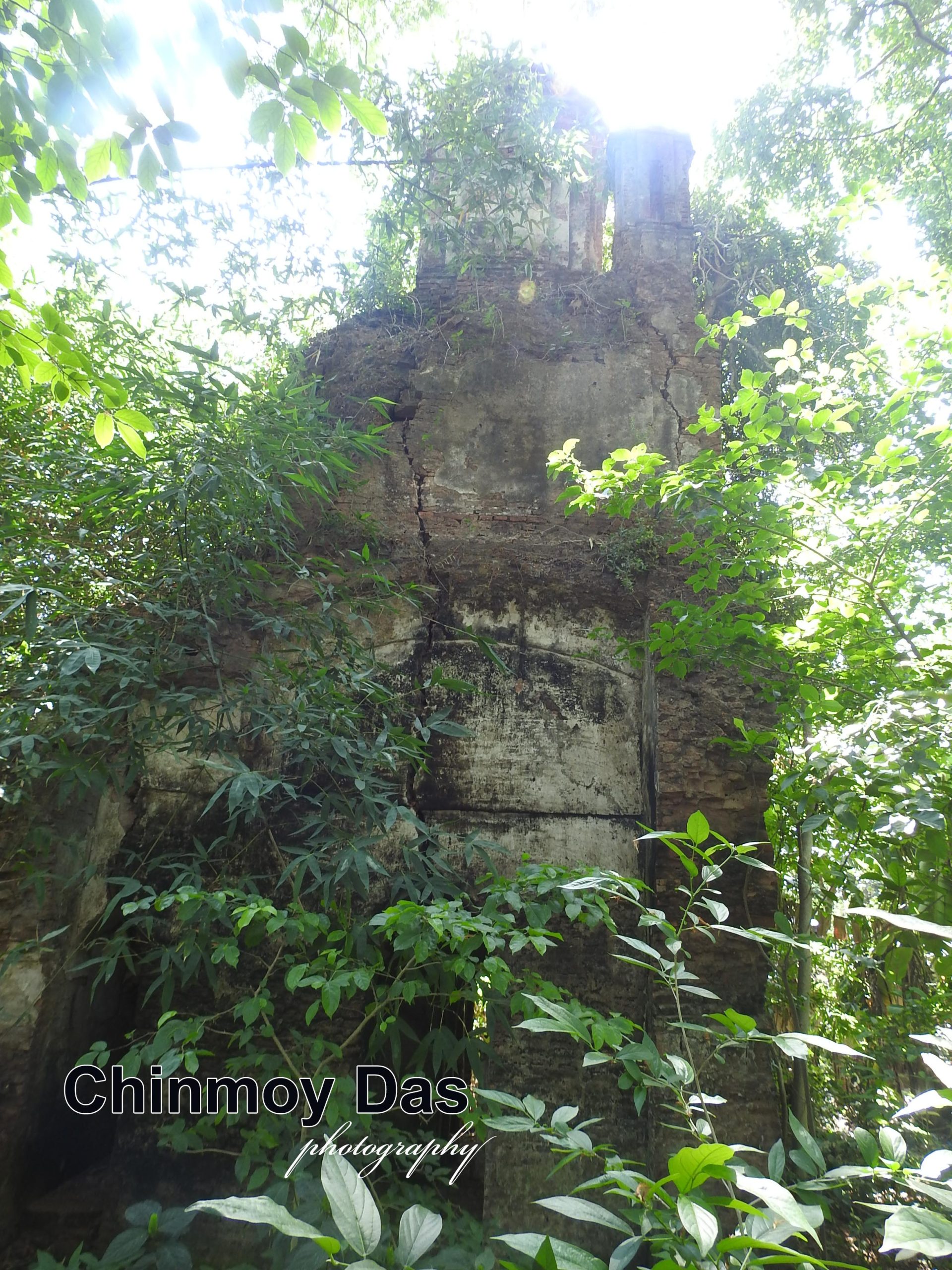
দীর্ঘকাল পরিত্যক্ত হয়ে অনাদরে অবহেলায় ধ্বংসস্তূপে পরিণত হচ্ছে মন্দিরটি। নিত্যদিন শঙ্খ-ঘন্টা-কাঁসরের শব্দে বাতাস মুখরিত হত যেখানে, সেই মন্দির চত্ত্বরটি আজ পোড়োভূমি, শ্মশানের স্তব্ধতা চারদিক জুড়ে। কোন কোনও দিন ইট-চুন-সুরকির চাঙড় ধসে পড়বার শব্দ শোনা যায় কেবল। আবার অখন্ড নীরবতা।
ঝোপ-জঙ্গলে ভরা সরীসৃপের নিরাপদ ভূমি মন্দিরটি ভালো করে সমীক্ষা করবার সুযোগ নাই তেমন। সরেজমিন সমীক্ষা, পূর্ববর্তী পুরাবিদগণের বিবরণ, স্থানীয় প্রবীনজন এবং ঘোষবাড়ির সদস্যদের সাথে কথা বলে, বিবরণটি প্রস্তুত করা হয়েছে।
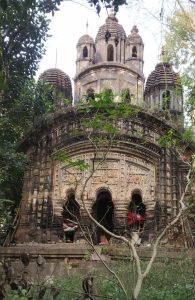
দক্ষিণমুখী শ্যামসুন্দরের মন্দিরটি গড়া হয়েছিল নব-রত্ন রীতিতে। মন্দিরের পরিমাপ নেওয়া সম্ভব হয়নি। তবে, অনুমান করা যায়, ১৮-২০ ফুট দৈর্ঘ্য-প্রস্থের বর্গাকার সৌধটির উচ্চতা আনু. ৪৫-৫০ ফুট হওয়াই সম্ভব। সামনে একটি অলিন্দ। খিলান-রীতির তিনটি দ্বারপথ তাতে। পূর্বদিকেও একটি আবৃত অলিন্দ ছিল, একটিই দ্বারপথ সহ। দেখা যায়, দ্বিতলের সিঁড়িটি রচিত হয়েছিল এই অলিন্দ থেকেই।
গর্ভগৃহের লাগোয়া পশ্চিমে ছোট্ট একটি কক্ষ রচিত হয়েছিল, সেটির কাঠামো এখনও দেখা যায়। দ্বিতলের গর্ভগৃহটি অপরিসর। পূর্বদিকে সংক্ষিপ্ত অলিন্দও আছে একটি। সেখান থেকে ত্রিতলের সিঁড়ি নির্মিত।
বর্তমানে মন্দিরের কঙ্কালটি থেকে দেখা যায়, রত্নগুলি কলিঙ্গধারায় নির্মিত হয়েছিল। রথ-বিভাজন এবং মাথায়, পীঢ়-রীতি অনুসারে, ভূমির সমান্তরালে সরলরৈখিক থাক কাটা হয়েছিল প্রতিটি রত্নে।
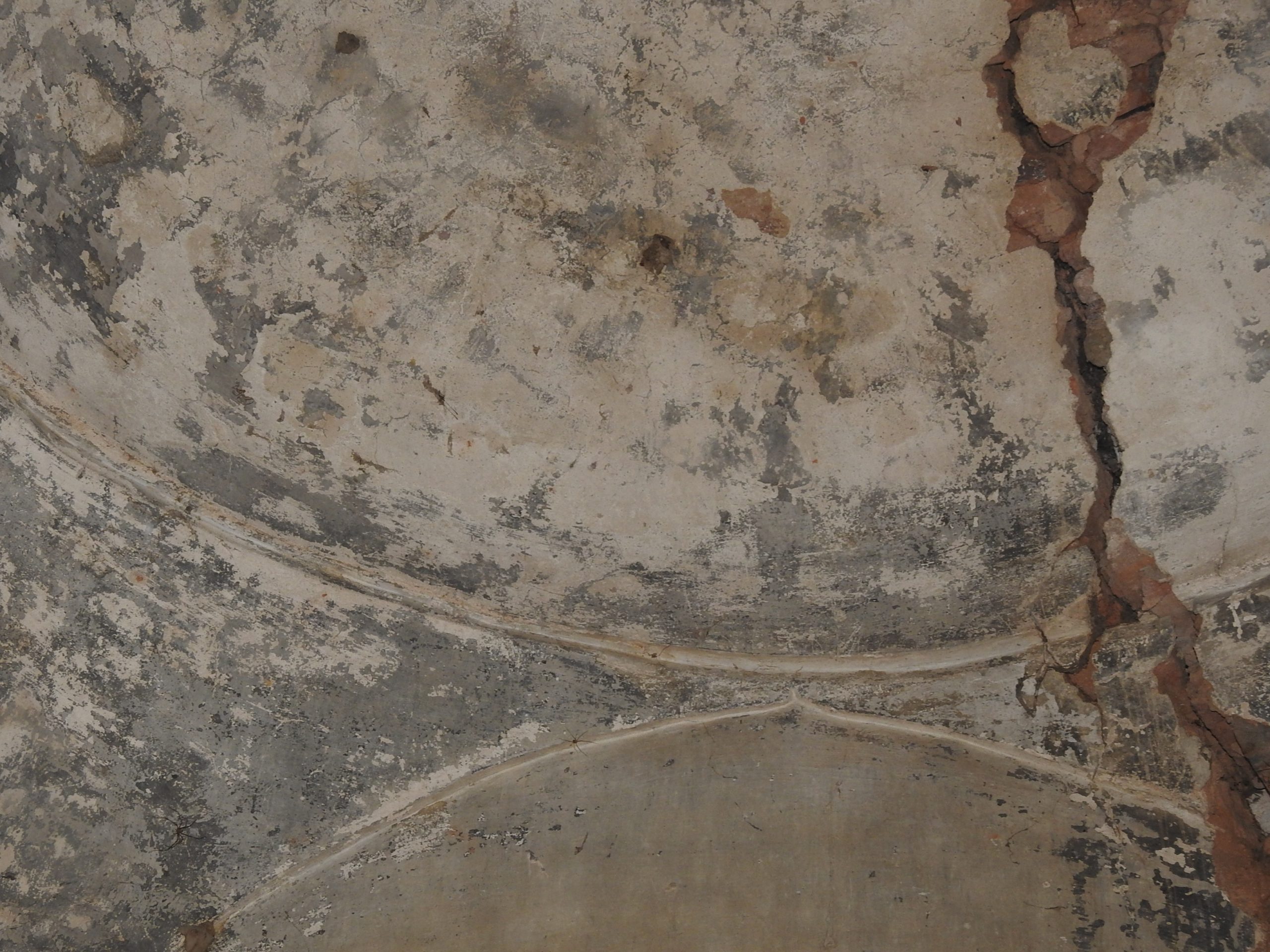
যে কোনও মন্দিরের কারিগরী কৌশল বোঝা যায় তার দ্বারপথ এবং ভিতরের ছাদ বা সিলিং থেকে। এখানে উপর-নীচ দুটি অলিন্দের সিলিং হয়েছিল টানা-খিলান করে। পূর্বদিকের অলিন্দ, পশ্চিমের ছোট কক্ষের সিলিং চারটি করে পাশ-খিলানে গড়া হয়েছিল। গর্ভগৃহের সিলিং ছোট ছোট খিলানের মাথায় গম্বুজ স্থাপন করে রচিত।
তবে, মন্দিরে কোনও অলংকরণ ছিল কি না, তার কোন চিহ্নই নাই আজ আর। পূর্ববর্তী গবেষকগণের বিবরণেও কোন উল্লেখ পাওয়া যায় না। তবে মন্দিরটি মসৃন পঙ্খের প্রলেপে মোড়া ছিল, অভ্যন্তরের দেওয়ালগুলিতে দেখা যায়।
মন্দিরটি নির্মিত হয়েছিল চন্দ্রশেখরের অনেকগুলি মহলযুক্ত প্রাসাদের লাগোয়া করে। সেটির কোনো চিহ্নই নাই আজ। কয়েকটি ভাঙা থাম কেবল বিশ্বস্ত প্রহরীর মত দাঁড়িয়ে আছে এখনও।
Shyamsundar Temple, Rajballav (Pingla, Medinipur District)
Chinmoy Das
The year was 1801 CE, the opening year of the nineteenth century. At that time, the Governor-General of India was Lord Wellesley, and the Judge-Magistrate of Medinipur district was Mr. H. Strachey. Seeking to understand the internal condition of the country, Wellesley circulated a questionnaire consisting of forty questions to officials in various districts. In his report, Mr. Strachey submitted a list of eighteen influential and distinguished persons of Medinipur district. The list included one kanungo (revenue officer), four merchants, and thirteen zamindars. The second name on that list was Chandrasekhar Ghosh.
Chandrasekhar’s grandfather, Nandakishore, had migrated from Khanakul in Hooghly to Dharenda Pargana in Medinipur. His son, Hridayram, served in the Nawab’s court at Murshidabad. During the Maratha (Bargi) invasion of 1741, Hridayram was killed. Many years later, Chandrasekhar himself was appointed to a high position in the Nawab’s court. Around that time, he left Dharenda and established a new settlement at Rajballav village in present-day Pingla.
This was a transitional era in the history of Bengal and India. The Nawabi administration was ending, and the rule of the English East India Company was beginning. Chandrasekhar, being highly skilled in land and revenue matters, was recruited into Company service. Later, in 1787, when Mr. John Pearse was appointed the first District Collector of Medinipur, Chandrasekhar became his Dewan. He was industrious, efficient, experienced, and prudent. He maintained cordial relations with all the zamindars of the district. During the formulation and implementation of Lord Cornwallis’s Permanent Settlement of 1793, Chandrasekhar became the right hand of the British administration. Gradually, he established a zamindari of his own.
In earlier times, various rhymes celebrating the famous zamindars of Medinipur were popular among the people. One such verse went:
'' Dāne Chanu, Anne Manu, Raṅge Rājanārāyaṇ.
Kīrtte Chhaku, Bitte Naru, Rājā Jādabarām."
The first name in the rhyme refers to Chandrasekhar Ghosh. The zamindar of Rajballav became renowned as a great philanthropist. He possessed immense wealth and donated generously. He firmly believed that charity alleviated suffering. It is said that he excavated more than a hundred tanks and reservoirs for drinking water and irrigation. Whether a person was burdened with the expenses of a daughter’s marriage, obligations arising from kulin customs, rites of expiation for parents, or afflicted by misfortune, fire, theft, disease, family responsibilities, or even hunger, none who approached his door returned disappointed. The people of the district learned from his life that wealth achieves its true purpose only through righteous expenditure and noble deeds.
Chandrasekhar was not only a philanthropist but also a deeply religious man. At his ancestral settlement in Dharenda, he established the family deity Raghunath and built two Shiva temples. At Rajballav he constructed fifteen temples. In 1770, while accompanying Lieutenant Ferguson as an assistant commander during the suppression of the Jungle Mahals zamindar rebellion, he visited Dhalbhumgarh. There he discovered an image of Kali (the fascinating details of that event will be published separately in another journal). Bringing the image to Rajballav with great reverence, he established Kali as the family goddess. He built a magnificent temple complex for her, including twelve Shiva shrines. Besides these, he also constructed a separate Shiva temple named Rameswar and the present Shyamsundar Temple. He did not transfer the family deity Raghunath from Dharenda, but worshipped Shyamsundar as his household deity.
It is known that the East India Company granted 1,025 bighas of land to Chandrasekhar’s Kali Temple through an official deed. The grant, executed on 10 Poush, Bengali Era 1193 (corresponding to 20 December 1785), records that the properties were located in the parganas of Kedarkunda, Kharagpur, Dandamutha, Uttar Behar, Pratapbhan, Dhekia Bazar, Gaganapur, Khatnagar, Tappe Keshiyari, Tappe Gaganeswar, and Birkul, within the Chaklas of Medinipur and Jaleswar.
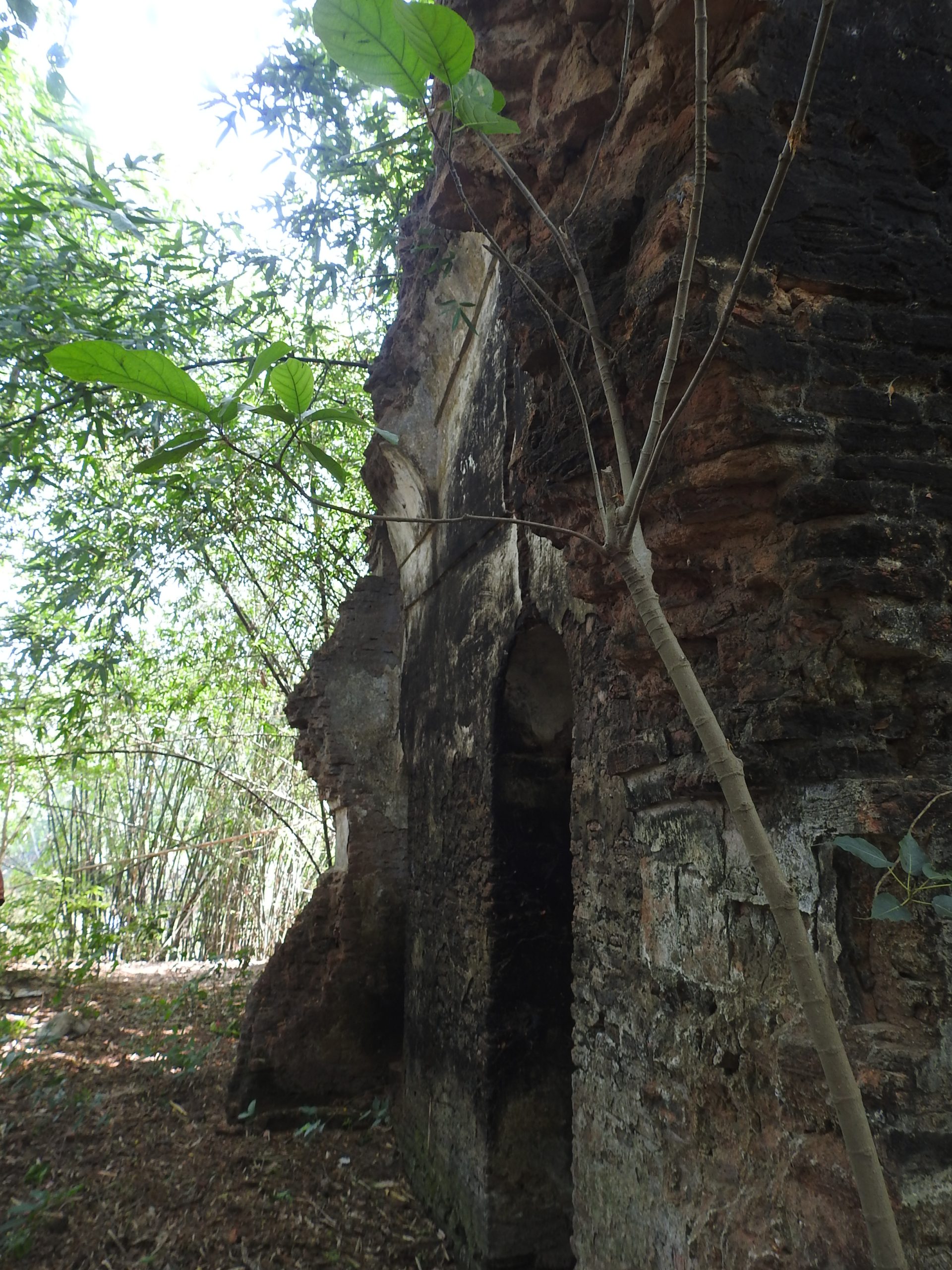
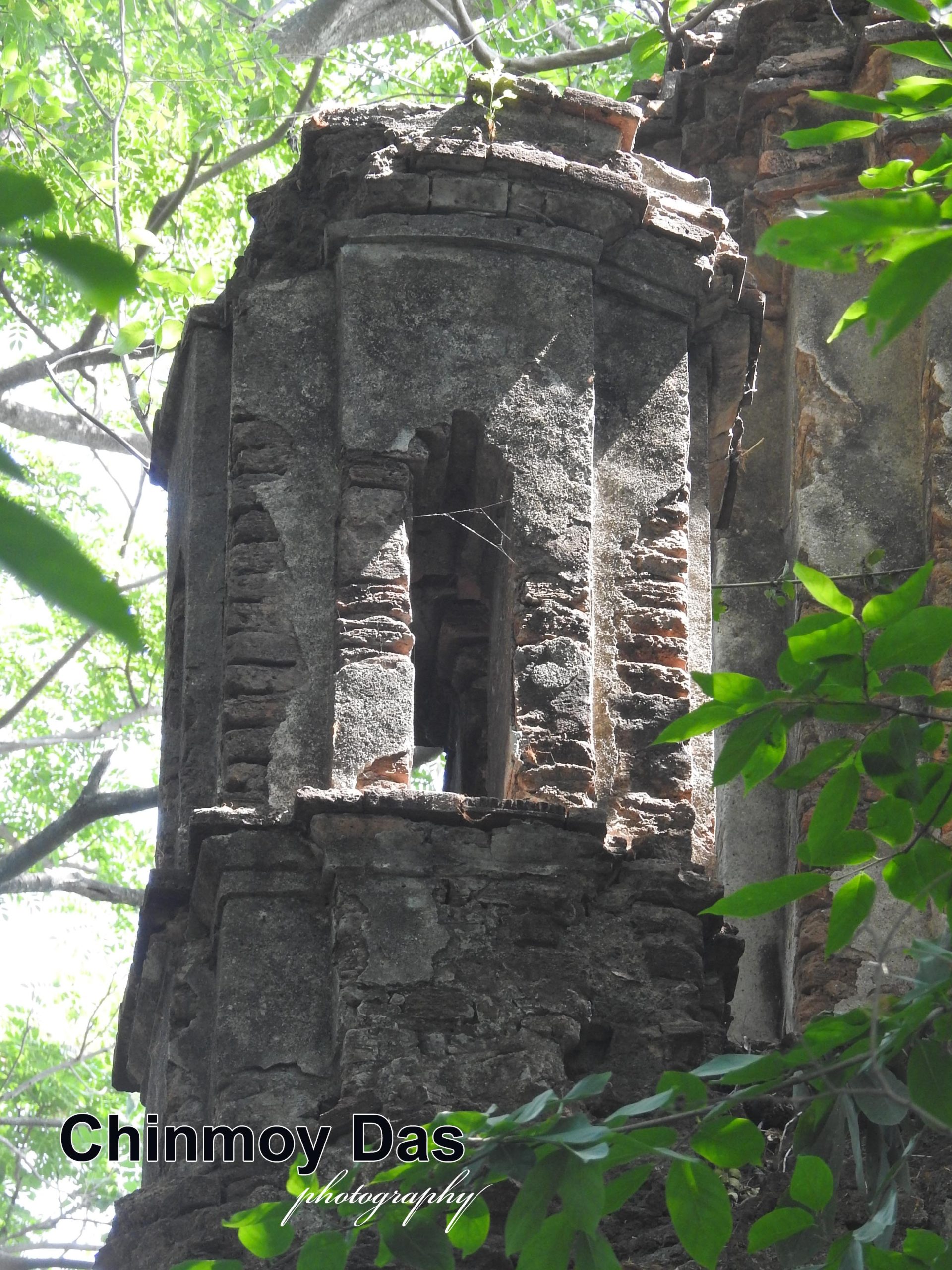
After a long period of abandonment and neglect, the temple has deteriorated into a ruin. Once the air resonated daily with the sounds of conch shells, bells, and cymbals; today the temple precinct resembles a deserted wasteland, enveloped in the silence of a cremation ground. Occasionally, the crash of collapsing brick-and-lime masonry can be heard. Then silence returns once more.
The temple is now surrounded by dense vegetation, providing a safe habitat for reptiles, making detailed examination difficult. This account has therefore been prepared through field surveys, previous archaeological descriptions, and conversations with elderly local residents and members of the Ghosh family.
The south-facing Shyamsundar Temple was built in the Navaratna (Nine-Towered) style. Precise measurements could not be taken, but the square structure appears to have been approximately 18–20 feet on each side, with an estimated height of 45–50 feet. A verandah stood in front, containing three arched entrances. There was also a covered verandah on the eastern side with a single doorway. The staircase leading to the upper floor appears to have originated from this verandah.
A small chamber was built immediately west of the sanctum, and its structural remains are still visible. The upper-storey sanctum is relatively small. There is also a short eastern verandah from which the staircase to the third level was constructed.
From the skeletal remains of the temple, it is evident that the towers (ratnas) were built in the Kalinga style. Each tower displayed the characteristic ratha projections and was crowned with horizontally aligned pidha-style tiers.
The technical skill of any temple can best be understood from its doorways and interior ceilings. Here, the ceilings of both upper and lower verandahs were constructed with barrel vaults. The eastern verandah and the small western chamber were roofed with four-sided corner arches. The sanctum ceiling was formed by placing a dome upon a series of smaller arches.
Today, however, there is no trace of any decorative ornamentation. Earlier researchers also made no mention of decorative features. Nevertheless, the interior walls reveal that the temple had once been covered with a smooth plaster finish.
The temple was constructed adjacent to Chandrasekhar’s multi-winged palace. No trace of that palace survives today. Only a few broken pillars remain standing, like faithful sentinels guarding the memory of the past.