কিশোররায় মন্দির, পালপাড়া (পটাশপুর )
চিন্ময় দাশ
পালপাড়া গ্রামের রায় মহাপাত্র বংশের এই নব-রত্ন মন্দরটি একদিকে পটাশপুর থানা তথা কাঁথি মহকুমার গর্ব। অপরদিকে, মেদিনীপুর জেলার ইতিহাসের সাথে এই মন্দিরের নাড়ির যোগ। সেকারণে, প্রথমেই ইতিহাসের পাতায় একবার চোখ বুলিয়ে নিতেই হবে আমাদের।
মেদিনীপুর জেলার সর্ব দক্ষিণে, বংগোপসাগরের কোলে, হিজলী নামের একটি জমিদারী ছিল। মেদিনীপুর জেলায় মুসলমানের একমাত্র জমিদারী সেটি। হিজলীর বিখ্যাত মসজিদে রক্ষিত একটি দস্তাবেজ দেখে, জেলার কালেক্টর মি. ক্রোমেলিন সাহেব তাঁর বিবরণে বলেছিলেন, হিজলীর জমিদারীটি ষোড়শ শতকের প্রথমার্ধে, ইং ১৫০৫ থেকে ১৫৪৬ সালের মধ্যে, প্রতিষ্ঠিত হয়েছিল।
হিজলী জমিদারীর প্রতিষ্ঠাতা ছিলেন জনৈক রহমত খাঁ। রহমতের পৌত্র তাজ খাঁ ছিলেন ধর্মপরায়ণ জমিদার। 'মসনদ-ই-আলা' উপাধি ছিল তাঁর। পর্তুগীজ ভ্রমণকারী ম্যানরিক তাঁর বৃত্তান্তে তাজ খাঁকে বাংলার 'বারো ভূঁইয়া'র অন্যতম বলে উল্লেখ করে গিয়েছেন। তাজ খাঁর পর, তাঁর পুত্র বাহাদুর খাঁ রাজ্যাধিকারী হয়ে, "ঈশা খাঁ মসনদ-ই-আলী" নাম গ্রহণ করেছিলেন। অসংখ্য পদাতিক, তীরন্দাজ, গোলন্দাজ, এমনকি নৌবাহিনীও ছিল তাঁর। নিজের শৌর্যগুনে মেদিনীপুর জেলার ভোগরাই পরগণা, পটাশপুরের কিছু অংশ, সুজামুঠা, অমর্শি, জলামুঠা পরগণাগুলি ঈশা খাঁ অধিকার করে নিয়েছিলেন।
সেসময় অমর্ষির জমিদার ছিলেন রাজা নরসিংহ। ঈশা খাঁ অমর্ষি আক্রমণ করলে, রাজা নরসিংহ এবং তাঁর এক দেওয়ান পরাশর মহাপাত্র আত্মগোপন করে পালিয়ে যেতে বাধ্য হয়েছিলেন। একই সময়ে বারো ভুঁইয়ার অন্যতম, প্রতাপাদিত্য ছিলেন যশোহরের মহারাজা। তিনি হিজলী আক্রমণ করে, ঈশা খাঁকে হত্যা এবং হিজলী অধিকার করে নেন। সেটি ছিল ১৫৯৪ সালের ঘটনা।
প্রতাপাদিত্যের হিজলী অধিকারের পরে, অমর্ষি রাজ্যটি ছোট ছোট অনেকগুলি খন্ডে ভাগ হয়ে গিয়েছিল। পরাশর-এর পুত্র ছিলেন যদু মহাপাত্র। তিনি একটি খন্ডের অধিকার নিয়ে, জমিদারী প্রতিষ্ঠা করেছিলেন। পটাশপুর থানার পূর্ব অংশে পালপাড়া গ্রামে স্থায়ী ভদ্রাসন গড়ে তুলেছিলেন যদু মহাপাত্র। পরে, দক্ষতার সাথে জমিদারী পরিচালনার কৃতিত্ব হিসাবে, নবাব দরবার থেকে `রায়` খেতাব পেয়েছিল এই পরিবার।
খেতাব লাভের পর থেকে, এই বংশ 'রায় মহাপাত্র' বা 'রায়' পদবী ব্যবহার শুরু করেছিলেন।পালপাড়ার জমিদার এই রায় মহাপাত্রবংশে তিনটি দেবালয়-- কিশোররায়জীউ, মদনমোহনদেব এবং মহাদেব শিবের মন্দির।
পূর্ণ বংশলতিকা পাওয়া যায়নি সেবাইত পরিবার থেকে। কোন প্রতিষ্ঠা-ফলকও নাই কিশোররায়জীউ মন্দিরে। তবে, সুখের কথা, মন্দিরের প্রতিষ্ঠাতার নামটি জানা গিয়েছে পরিবার থেকে।
জমিদারী প্রতিষ্ঠার প্রায় শ'খানেক বছর পরের কথা। সেসময় জমিদার ছিলেন যদু মহাপাত্রের এক উত্তরপুরুষ-- জনৈক গঙ্গানারায়ণ রায়। তিনিই কিশোররায়জীউর মন্দিরটি নির্মাণ করেছিলেন। প্রতিষ্ঠা-ফলকের হদিশ না থাকায়, মন্দিরটি কবে নির্মিত হয়েছিল, সাল তারিখ সঠিক জানা যায় না। তবে, স্থাপত্য বিচার করে, পুরাবিদ তারাপদ সাঁতরা অনুমান করেছেন, সপ্তদশ শতকের শেষ দিকে এটি নির্মিত হয়ে থাকবে। অর্থাৎ সাড়ে তিনশ' বছর আয়ু হতে পারে মন্দিরটির।
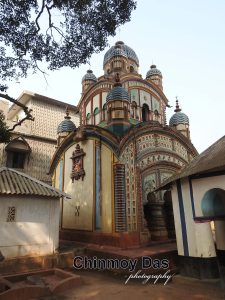
কিশোররায়জীউর এই নব-রত্ন মন্দিরটি অপরৃপ স্থাপত্যের এক উজ্বল নিদর্শন। আর প্রাচীনতমের বিচারে সমগ্র কাঁথি মহকুমায় তৃতীয় এবং পটাশপুর থানায় সর্বপ্রাচীন মন্দির এটি।
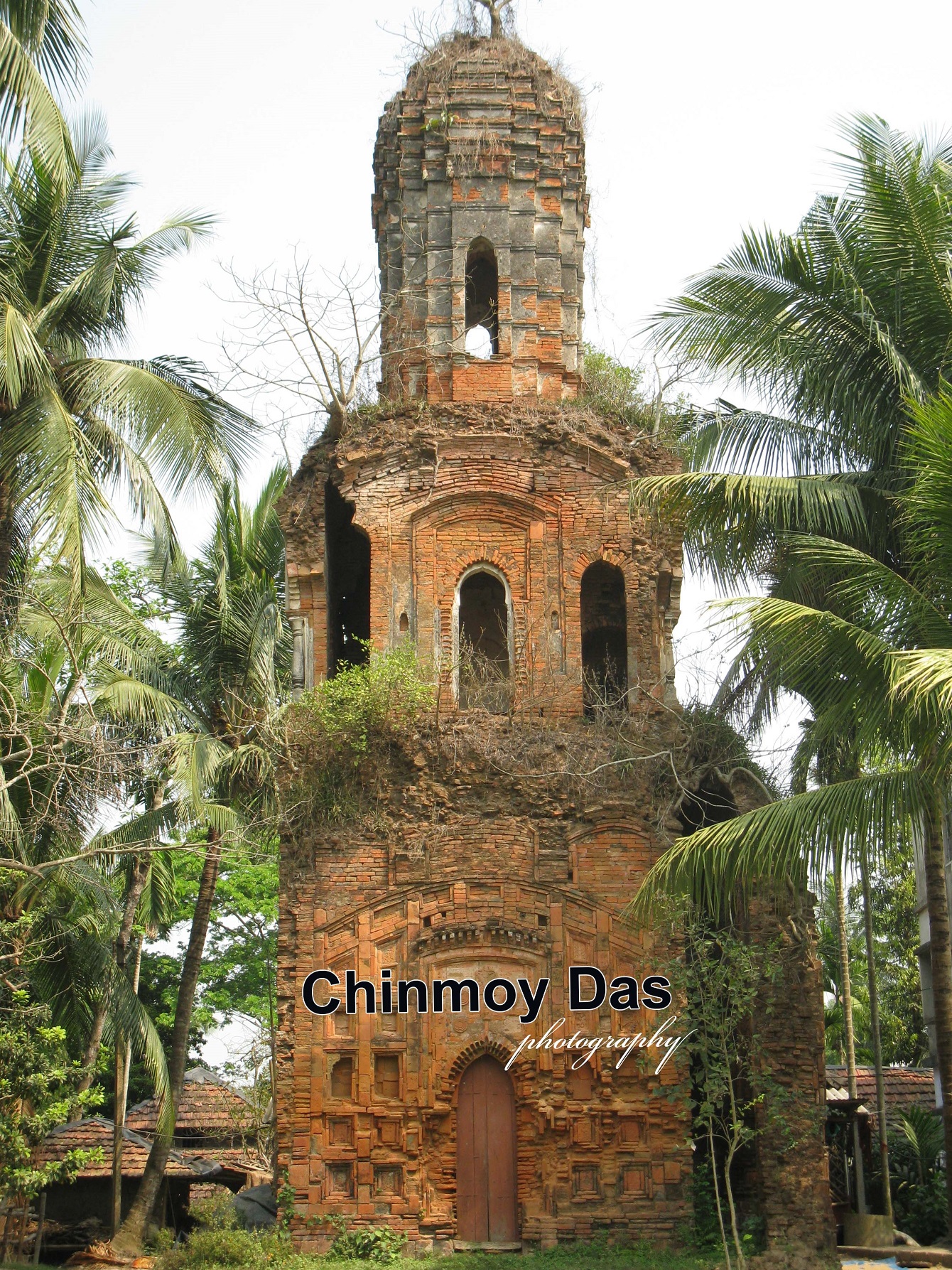
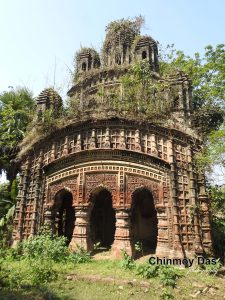
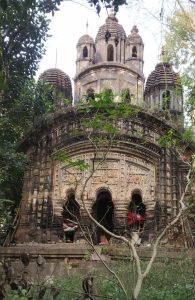
দক্ষিণমুখী, ইটের তৈরি বর্গাকার সৌধটি দৈর্ঘ্য-প্রস্থে ২০ ফুট, উচ্চতায় প্রায় ৫০ ফুট। ত্রিতল পর্যন্ত সিঁড়ি রচিত আছে। দ্বিতল ও ত্রিতলে ৪টি করে এবং একটি কেন্দ্রীয় রত্ন– এই নিয়ে নব-রত্ন বিন্যাস।
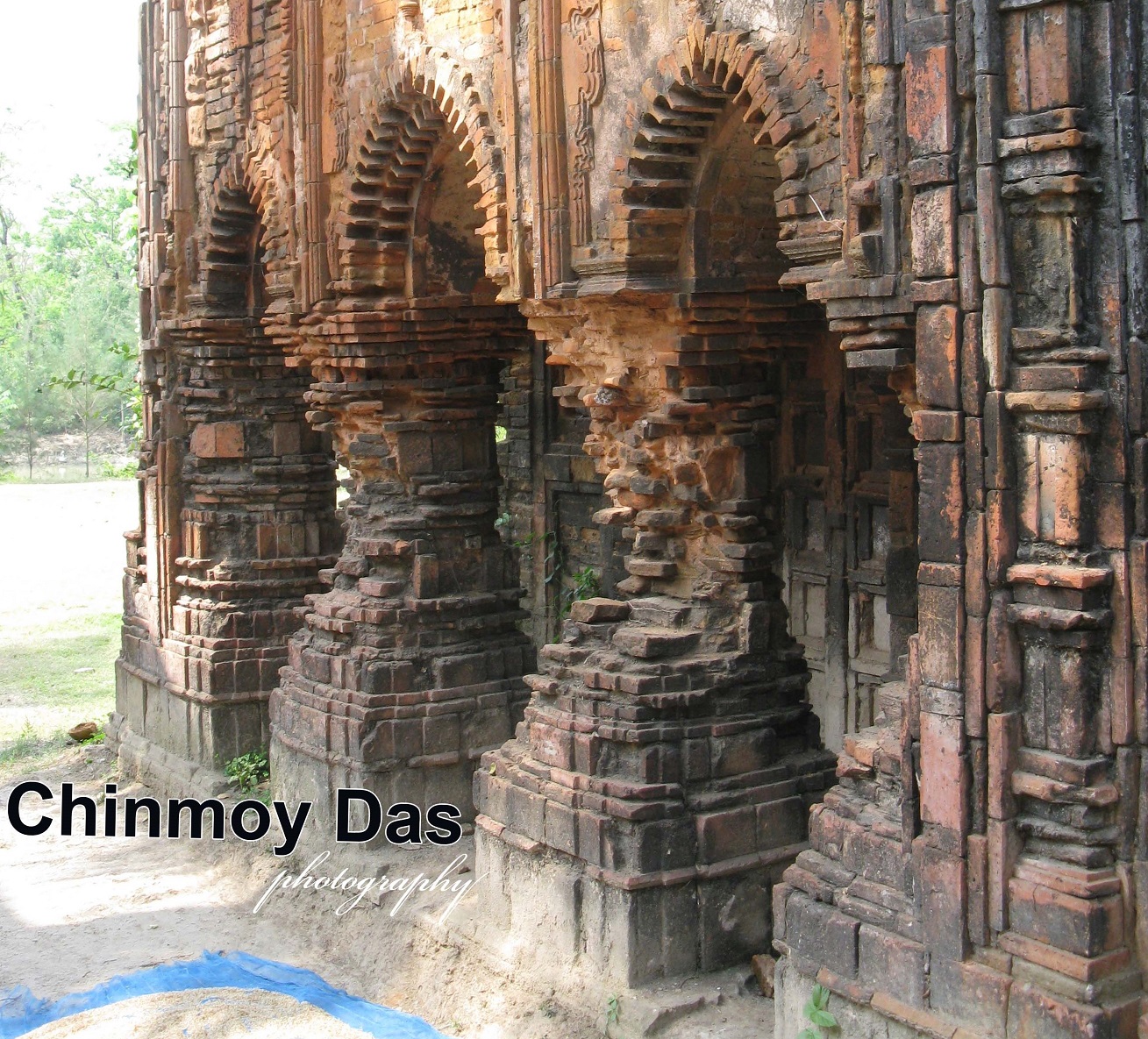
গর্ভগৃহকে বেষ্টন করে, চার দিকেই একটি করে অলিন্দ। প্রতিটিতে সুদর্শন 'ইমারতি' থাম আর তিনটি করে দ্বারপথ। প্রতিটি দ্বার খিলান-রীতির।
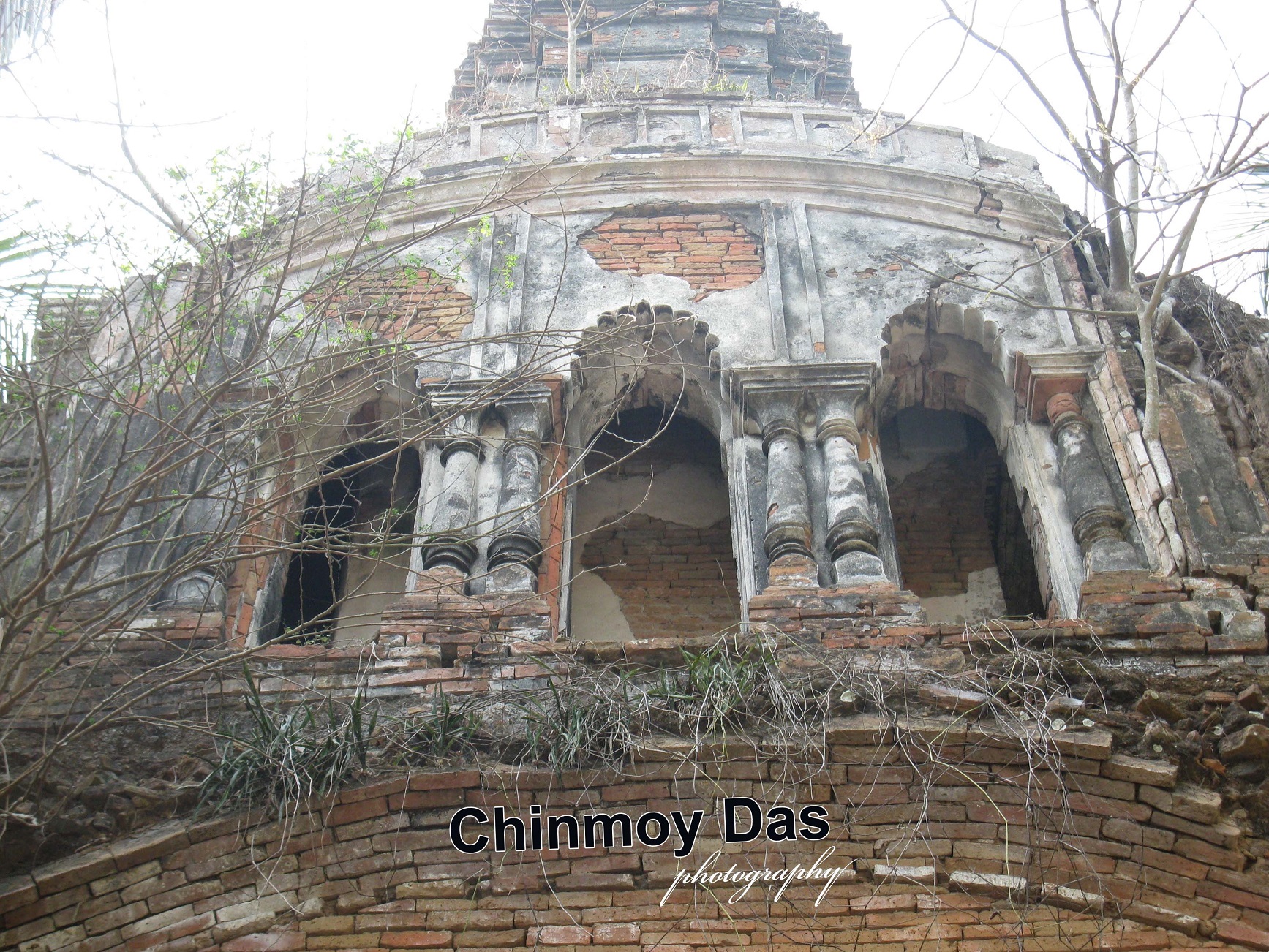
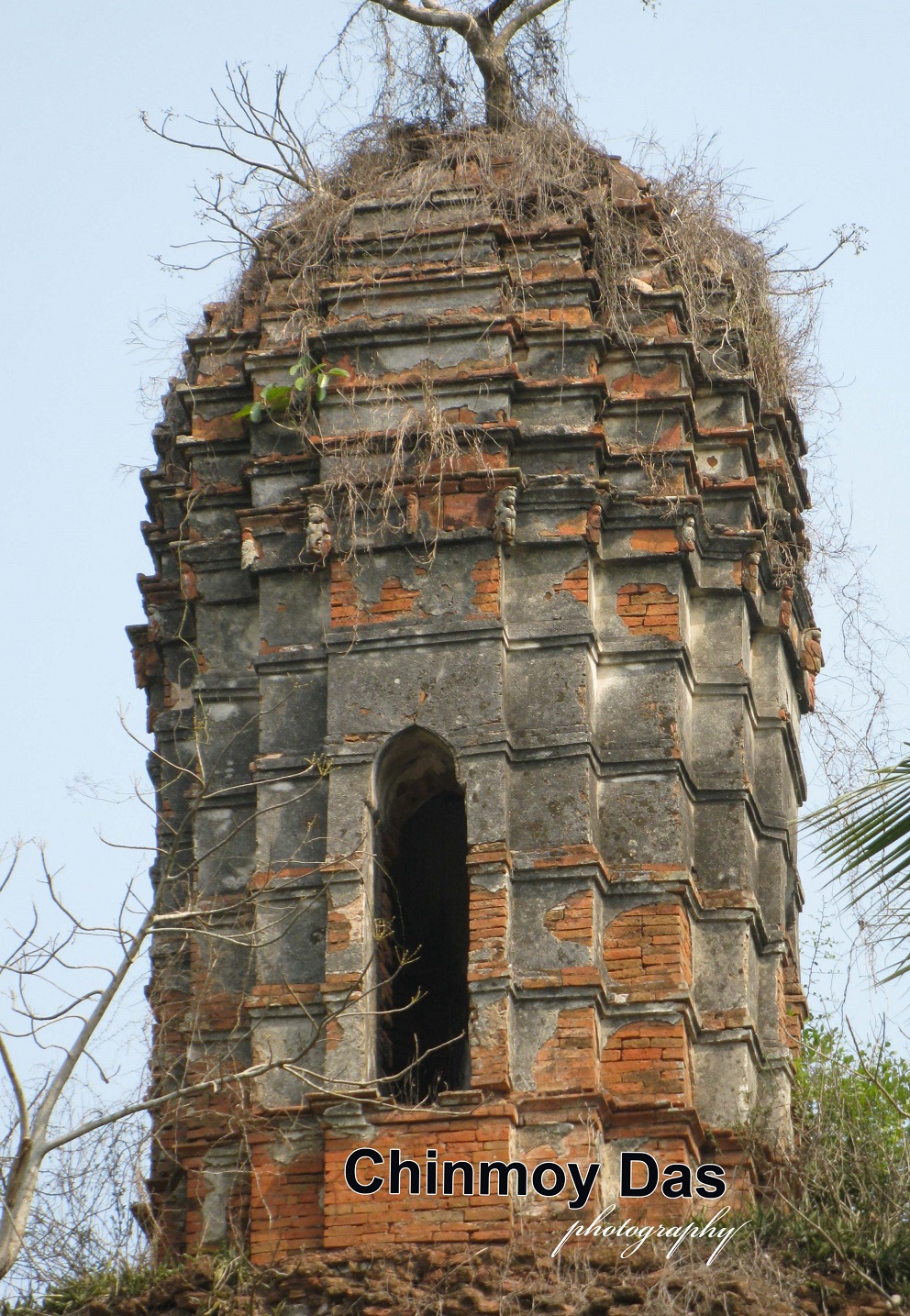
দ্বিতল ও ত্রিতলের মাথায় বাংলা 'চালা-রীতি'র ছাউনি। কার্ণিশের বঙ্কিম ভাবটি সুন্দরী রমণীর আয়ত আঁখিপল্লব যেন। অলিন্দের ভিতরের ছাদ বা সিলিং অর্ধ-গোলাকার 'টানা-খিলান'। মূল গর্ভগৃহের সিলিং হয়েছে ভারি মুন্সিয়ানায়। প্রথমে চার দিকের দেওয়ালে দুটি করে মোট আটটি 'পাশ-খিলান'। সেগুলিই মাথার 'গম্বুজ' রীতির ছাদটিকে ধারণ করে আছে। দীর্ঘ প্রায় সাডে় তিনশ' বছর বয়েসী এই মন্দিরের আটটি রত্নই ধ্বংস হয়ে গিয়েছে। কেবল সুদক্ষ হাতে গড়া সিলিংয়ের কারিগরিই দুটি গর্ভগৃহ এবং মাথার কেন্দ্রীয় রত্নটিকে আজও টিকিয়ে রেখেছে।
টিকে থাকা একমাত্র এই কেন্দ্রীয় রত্নটি থেকে বোঝা যায়, রত্নগুলি কলিঙ্গধারায় নির্মিত হয়েছিল। 'রথপগ-বিন্যাস' করা হয়েছিল প্রতিটি রত্নের বাঢ় এবং গণ্ডী অংশ জুড়ে। কেন্দ্রীয় রত্নে 'সপ্ত-রথ' বিন্যাস দেখা যায়। রত্নের গণ্ডী অংশ নির্মিত হয়েছিল 'পীঢ়-ভাগ' পদ্ধতিতে। বিশালাকার সেৌধটির অপরৃপ-কথার চাবিকাঠি ছিল রত্নের এই কলিঙ্গধারার গড়ন।
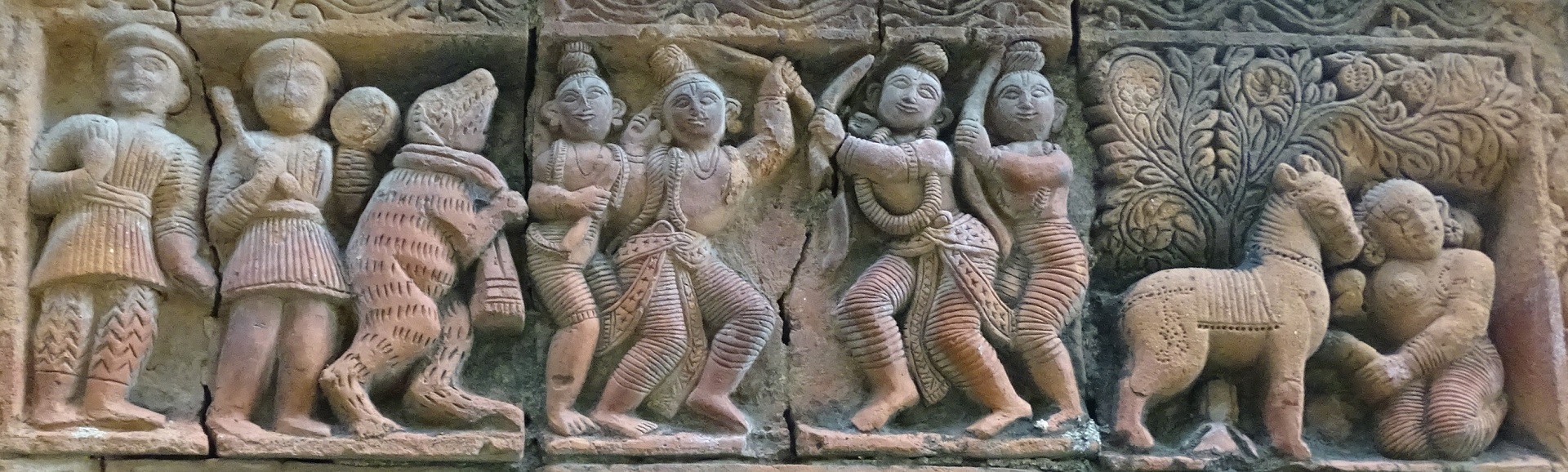
তেমন কোনও অলঙ্করণ বোধকরি ছিল না। তবে কুর্ম, মৎস্য, বরাহ ও নৃসিংহ– বিুষ্ণর এই চার অবতারের চারটি টেরাকোটা ফলক যুক্ত ছিল, সমীক্ষাকালে তারাপদ সাঁতরা প্রত্যক্ষ করে, তাঁর বিবরণে উল্লেখ করে গিয়েছেন। তবে সেগুলি এখন অতীত কথা।
মন্দির প্রতিষ্ঠার সময় ৪০০ বিঘা সম্পত্তি বরাদ্দ ছিল দেবতার নামে। জায়গীর জমি দেওয়া হয়েছিল পুরোহিত, দাসী, মালাকার, নাপিত, বৈষ্ণব প্রভৃতি কর্মীদের। সবই বেহাত হয়ে গিয়েছে।
" কটিতে পিয়ল ঘটি পাটনীর ডোর। / ত্রিভঙ্গবঙ্কিম অঙ্গ নবীন কিশোর।। " এই বর্ণনা মতই 'নওল কিশোর' বিগ্রহ ছিল মন্দিরে। সেই মূর্তিও আর নাই। জীর্ণ মন্দিরটিতে এখন শ্রীকৃষ্ণ এবং রাধারাণীর দুটি বিগ্রহ নমো নমো করে পূজিত হন।
একদিন মেদিনীপুর জেলার অন্যতম শ্রেষ্ঠ নব-রত্ন মন্দির ছিল কিশোররায়ের এই মন্দির। আজ এই মন্দিরের চাল নাই, চুড়া নাই। রত্নগুলি আগেই গিয়েছে। এখন ভেঙে ভেঙে পড়ছে দেওয়ালগুলি। দেখবার কেউই নাই জীর্ণ দেবালয়টিকে। থাকবার মধ্যে আছে বুক ভরা বেদনা আর বুক খালি করা হাহাকার।
Kishor Ray Temple, Palpara (Patashpur)
Chinmoy Das
This Nava-ratna (nine-pinnacled) temple—belonging to the Ray Mahapatra lineage of Palpara village—stands, on one hand, as a source of pride for the Patashpur Police Station area and the entire Contai subdivision. On the other hand, this temple shares an intrinsic, deep-rooted connection with the history of the Midnapore district. For this reason, we must begin by casting a brief glance through the pages of history.
Situated at the southernmost extremity of the Midnapore district, nestled in the lap of the Bay of Bengal, lay a Zamindari (estate) named Hijli. It was the sole Muslim-owned estate within the entire Midnapore district. Citing a document preserved in the renowned mosque of Hijli, the District Collector, Mr. Crommelin, noted in his report that the Hijli estate was established during the first half of the sixteenth century—specifically between the years 1505 and 1546.The founder of the Hijli estate was a certain Rahmat Khan. Rahmat's grandson, Taj Khan, was a devout Zamindar who bore the title 'Masnad-i-Ala'. The Portuguese traveler Manrique, in his chronicles, referred to Taj Khan as one of Bengal's 'Baro-Bhuiyans' (Twelve Landlords). Following Taj Khan, his son Bahadur Khan ascended the throne and adopted the title "Isa Khan Masnad-i-Ali." He commanded a vast force comprising infantry, archers, artillery, and even a naval fleet. Through the sheer force of his valor, Isa Khan conquered the Bhograi Pargana of the Midnapore district, parts of Patashpur, and the Sujamutha, Amarshi, and Jalamutha Parganas. At that time, the Zamindar of Amarshi was Raja Narsingh. When Isa Khan attacked Amarshi, Raja Narsingh and one of his Dewans, Parashar Mahapatra, were forced to flee into hiding. Concurrently, Pratapditya—one of the Baro-Bhuiyans—was the Maharaja of Jessore. He attacked Hijli, killed Isa Khan, and seized control of the territory. This event took place in 1594. Following Pratapditya's conquest of Hijli, the kingdom of Amarshi fragmented into numerous small principalities. Jadu Mahapatra was the son of Parashar; having secured control over one of these fragments, he established a Zamindari. Jadu Mahapatra established his permanent ancestral residence in the village of Palpara, situated in the eastern part of the Patashpur police station area. Subsequently, in recognition of their meritorious and efficient management of the estate, the family was bestowed the title of 'Roy' by the Nawab's court. Following the conferment of a title, this lineage began using the surname 'Ray Mahapatra' or 'Ray.' The Ray Mahapatra family—the Zamindars of Palpara—maintained three shrines: the temples of Kishorrayjiu, Madanmohan Dev, and Lord Shiva (Mahadev).A complete genealogical chart could not be obtained from the Sebait (priestly) family. Furthermore, there is no foundation plaque within the Kishorrayjiu temple. However, fortunately, the name of the temple's founder has been ascertained through the family. It was about a century after the establishment of the Zamindari estate. The Zamindar at that time was a descendant of Jadu Mahapatra—a certain Ganganarayan Roy. It was he who constructed the temple of Kishorrayjiu. Due to the absence of an inscription plaque, the exact date of the temple's construction remains unknown. However, based on an analysis of its architecture, the antiquarian Tarapada Santra has surmised that it was likely built towards the end of the 17th century. In other words, the temple may well be three and a half centuries old. This Nava-ratna (nine-pinnacled) temple of Kishorrayjiu stands as a brilliant exemplar of exquisite architecture. In terms of antiquity, it ranks as the third oldest temple in the entire Kanthi subdivision and is the most ancient within the Patashpur police station area.Facing south, this square-shaped brick edifice measures 20 feet in both length and breadth, and stands approximately 50 feet tall. Staircases have been constructed to provide access up to the third tier. The Nava-ratna configuration consists of four pinnacles each on the second and third tiers, complemented by a single central pinnacle.Encircling the Garbhagriha (sanctum sanctorum), a veranda extends along all four sides. Each section features elegant 'architectural' pillars and three doorways; every doorway is constructed in the arch style. The roofs crowning the second and third stories feature the traditional Bengali Chala style. The graceful curvature of the cornice resembles the long, arched eyelashes of a beautiful woman. The inner ceiling of the veranda consists of a semi-circular continuous vault. The ceiling of the main sanctum has been crafted with exceptional artistry; it is supported by a total of eight lateral arches—two on each of the four surrounding walls—which bear the weight of the dome-style roof above. All eight Ratnas (pinnacles) of this temple—which stands nearly three and a half centuries old—have long since been destroyed. It is solely the craftsmanship of the exquisitely executed ceiling that has preserved the two sanctums and the central spire surmounting them to this day.This sole surviving central spire reveals that the spires were constructed in the Kalinga style. A 'Ratha-paga' articulation was applied across the Bada and Gandi sections of each spire; specifically, a 'Sapta-ratha' configuration is evident in the central spire. The Gandi section of the spire was constructed utilizing the 'Piḍha-bhaga' technique. The Kalinga-style architectural form of these spires served as the key to the legendary splendor of this colossal edifice. Presumably, there were no significant decorative embellishments. However—as observed and subsequently noted in his records by Tarapada Santra during his survey—the temple was adorned with four terracotta plaques depicting Vishnu’s four avatars: Kurma, Matsya, Varaha, and Narasimha. Yet, these now belong to the past.At the time of the temple's establishment, 400 bighas of land were endowed in the name of the deity. Jagir lands were allocated to various functionaries, including priests, temple maids, garland-makers, barbers, and Vaishnavas. All of these assets have since been lost. " kotite piyol ghoti patnir dor। / trivongobonkim ango nabin kishor।। "True to this very description, an idol known as 'Nawal Kishore' once resided within the temple. That idol, too, is no more. In this dilapidated shrine, two idols—those of Sri Krishna and Radharani—are now worshipped merely as a matter of ritual formality.Once, this temple of Kishore Ray stood as one of the finest Nava-ratna (nine-pinnacled) temples in the district of Midnapore. Today, the temple possesses neither a roof nor a spire; its ornamental pinnacles vanished long ago. Now, even its walls are crumbling away. There is no one left to look after this dilapidated sanctuary—nothing remains but a heart brimming with sorrow and a soul hollowed out by lamentation.
 কিশোররায় মন্দির , Palpara (Patashpur) Kishor Ray Temple)


