রঘুনাথ মন্দির, সাহারা (থানা-- পিংলা, মেদিনীপুর)
চিন্ময় দাশ
ইংরেজ শাসন কায়েম হওয়ার তিন দশকের মধ্যেই `চিরস্থায়ী বন্দোবস্ত` প্রথা চালু করেন লর্ড কর্ণওয়ালিশ। সাল ছিল ইং ১৭৯৩। সেই আইনের সুবাদে, কত যে নতুন জমিদারের উদয় হোল বাংলা জুড়ে, তার ঠিক নাই। বড় জমিদাররা আবার ছোট ছোট জমিদারের জন্ম দিলেন। ইজারাদার, পত্তনিদার, দর-পত্তনিদার– কত রকম নামও হয়েছিল তাঁদের। সুখের কথা, বাংলা জুডে় গ্রামে-গঞ্জে নতুন করে বহুসংখ্যক মন্দির নির্মিত হয়েছিল এই জমিদারদের হাতে ।
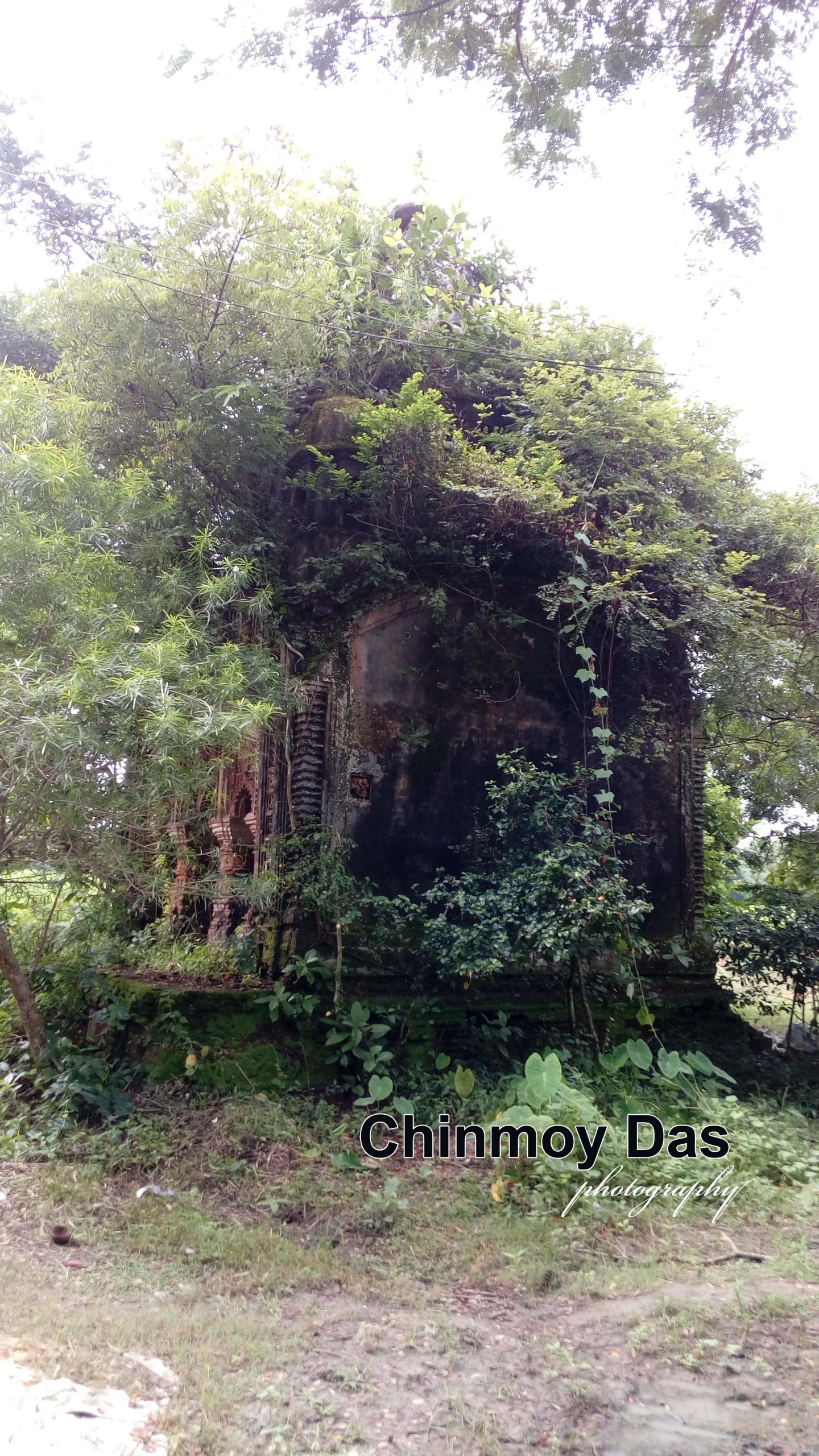
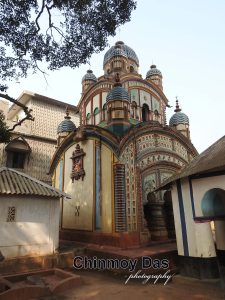
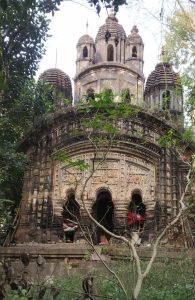
মেদিনীপুর জেলার পিংলা থানার সাহারা গ্রাম। সেখানে ভট্টাচার্য্য পদবীর এক ব্রাহ্মণ পরিবারও একটি `নব-রত্ন` মন্দির গডে়ছিলেন। বসতবাড়ির চৌহদ্দির ভিতরেই গডে়ছিলেন মন্দিরটি। তাতে 'রঘুনাথ' নামের শালগ্রাম শিলার সেবাপূজা করা হোত। কিন্তু বর্তমানে বিগ্রহহীন, পরিত্যক্ত সেই মন্দিরটি একেবারে ধ্বংসের মুখে এসে দাঁড়িয়েছে। আজ তারই বিবরণ আমাদের জার্নালে।
অতি সংক্ষিপ্ত একটি প্রতিষ্ঠা-লিপি আছে মন্দিরের দেওয়ালে। " সকাব / দা ১৭২১ / সন ১২০৬ / সালে সয় "। অর্থাৎ ইং ১৭৯৯ সালে মন্দিরটি নির্মিত হয়েছিল। সময়কালটিকে বিশেষভাবে দেখা যেতে পারে। সেসময় উনবিংশ শতাব্দীর সূচনা হতে চলেছে, একেবারে উষাকাল। চিরস্থায়ী বন্দোবস্ত প্রচলনের পর মাত্র ৬ বছর সময় অতিবাহিত হয়েছে তখন। চিরস্থায়ী বন্দোবস্তের সুবাদে নব্য জমিদারদের উদ্ভবেরও সূচনাকাল সেটি।
সময়ের হিসাবে সোয়া দু'শ বছর আয়ু হয়েছে মন্দিরটির। তাহলে, অন্তত সাত-আট পুরুষ আগের কথা। কিন্তু সমীক্ষার সময় বর্তমান সেবায়তগণের কাছ থেকে ভট্টাচার্য্যদের বংশলতিকা, এমনকি মন্দিরের প্রতিষ্ঠাতার পরিচয় সম্পর্কেও কোন তথ্যই পাওয়া যায়নি। তাঁরা কেবল বংশের চার পুরুষের তালিকাই দিতে পেরেছেন। ফলে, মন্দিরের প্রতিষ্ঠাতার নাম, তাঁর উপার্জনের উৎস কী ছিল ইত্যাদি কোনও তথ্যই আমরা এখানে দিতে পারব না। তবে মন্দিরের গড়ন-কারিগরী, সৌধটিকে উৎকৃষ্ট টেরাকোটা ফলক দিয়ে সাজানো ইত্যাদি থেকে ধরে নেওয়া যায়, যেমন অর্থসম্পদ ছিল তাঁর, তেমনই ছিল উন্নত শিল্পরুচিও।
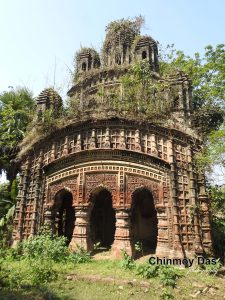
তাহলে এবার মন্দিরের কারিগরী আর অলংকরণের বিষয়টি দেখা যেতে পারে। ইটের তৈরী নব-রত্ন রীতির পূর্বমুখী মন্দির। সম্পূর্ণ বর্গাকার সৌধটির দৈর্ঘ্য এবং প্রস্থ সাড়ে ১৫ ফুট হিসাবে। মন্দিরের উচ্চতা প্রায় ৪০ ফুট।
উঁচু পাদপীঠ। সওয়া দু'শ বছর আয়ুর পরিত্যক্ত মন্দির। তবু এখনও প্রায় ফুট তিনেক উচ্চতা দেখা যায় পাদপীঠ বা ভিত্তিবেদীটির। পাদপীঠের উপর অপ্রশস্ত একটি প্রদক্ষিণ-পথ মন্দিরকে বেষ্টন করে আছে। দুটি ভাগ সৌধটির-- সামনে সংকীর্ণ অলিন্দ, পিছনে প্রশস্ত গর্ভগৃহ।
অলিন্দে প্রবেশের জন্য খিলান-রীতির তিনটি দ্বারপথ। খিলানের স্তম্ভ বা থামগুলি 'ইমারতি-রীতি'র। অলিন্দ পার হয়ে এক-দ্বারী প্রশস্ত গর্ভগৃহ। গর্ভগৃহের ভিতর, দক্ষিণ দিক থেকে, সিঁড়ি রচিত আছে দ্বিতল পর্যন্ত। উত্তর দিকে আছে সঙ্কীর্ণ আকারের একটি পার্শ্বকক্ষ। এই সিঁড়ি এবং ছোট কক্ষটির গড়নের কারিগরীর সুবাদে, এই মন্দিরের দ্বিতলেও পূর্ব, উত্তর ও দক্ষিণ– তিন দিক জুডে় উন্মুক্ত অলিন্দ রচিত হয়েছে। নিচের অলিন্দের থামগুলি ইমারতি রীতির। উপরে দ্বিতলের অলিন্দগুলিতে চৌকা, গোলাকার এবং গুচ্ছ-- ভিন্ন তিন রীতির থাম নির্মাণ করা হয়েছে।
মন্দিরের রত্নগুলি কলিঙ্গ-ধারায় প্রভাবিত। নটি রত্নেরই বাঢ় অংশ রথ-বিভাজন করা। কোণের রত্নগুলিতে 'ত্রি-রথ' বিন্যাস, আর উপরের কেন্দ্রীয় রত্নে 'পঞ্চ-রথ'। গণ্ডী বা ছাউনি অংশগুলি 'পীঢ়-বিন্যাস' করে, ভূমির সমান্তরালে অনেকগুলি 'থাক'-এ বিভক্ত। এসবের কারণে, ভারি সৌন্দর্যমণ্ডিত হয়ে উঠেছিল দেবালয়টি।
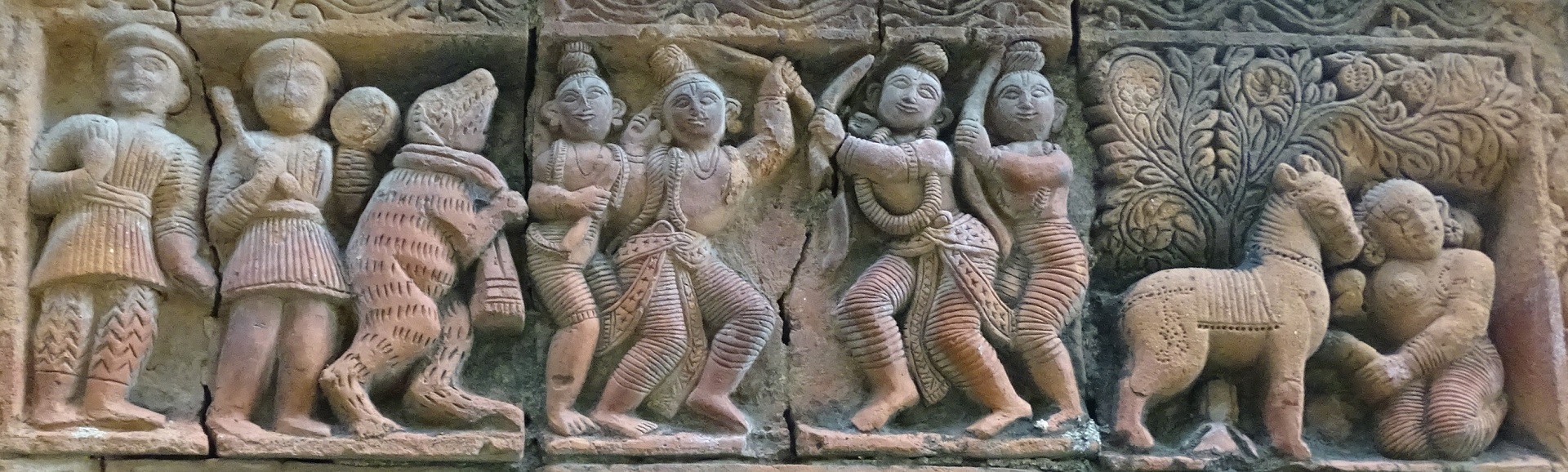
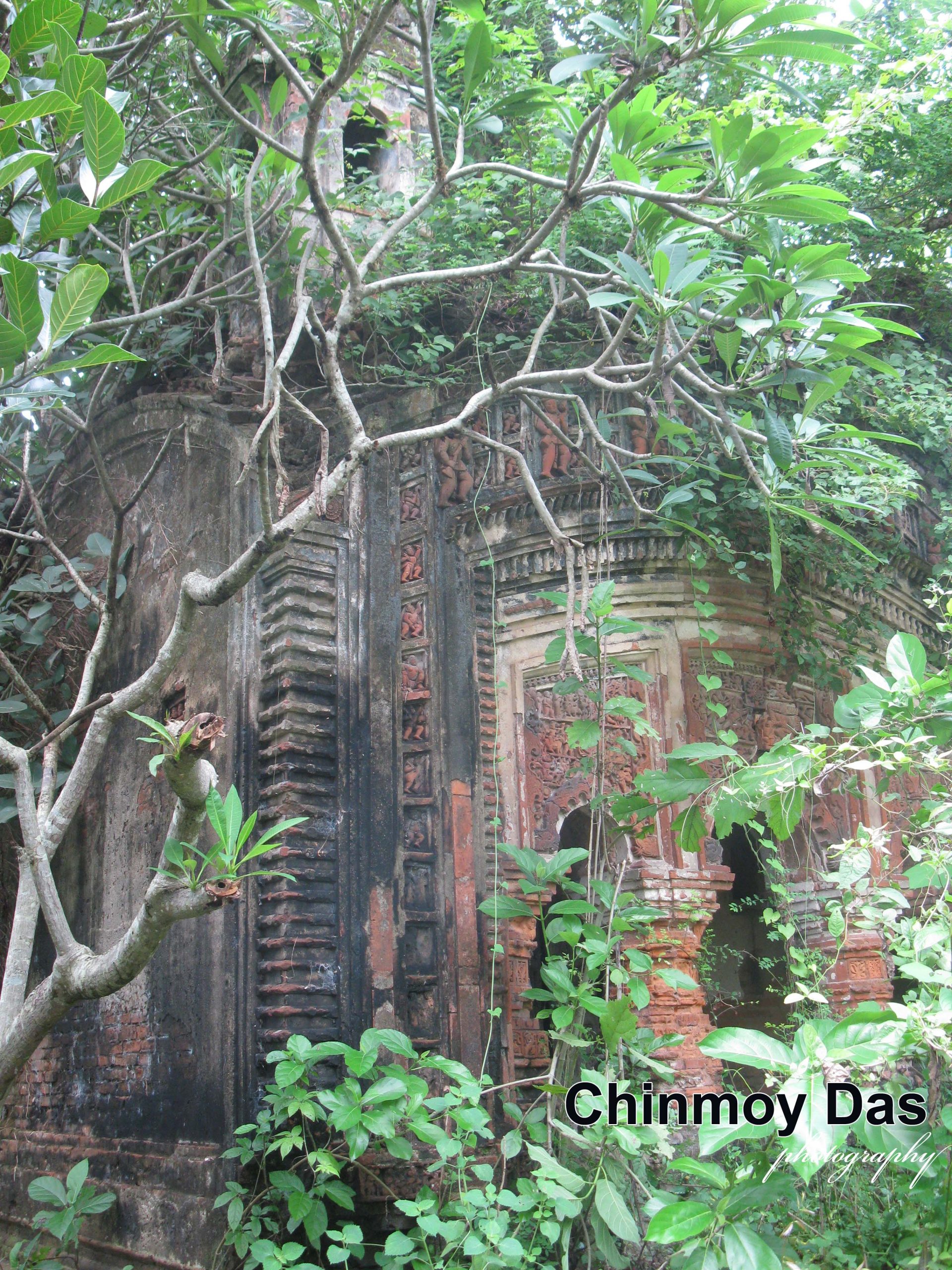
সুন্দর মন্দিরকে আরও সুন্দর করে সাজানো হয়েছিল বহুসংখ্যক উৎকৃষ্ট টেরাকোটা ফলকে। সামনের সম্পূর্ণ দেওয়াল জুডে় ফলক বিন্যাস। ১. তিনটি দ্বারপথের মাথায় তিনটি পৃথক প্রস্থে। ২. কার্ণিশের নীচ বরাবর সমান্তরাল একটি সারিতে। আর, ৩. দুই কোণাচের লাগোয়া দুটি খাড়া সারিতে ফলকগুলির বিন্যাস করা হয়েছিল। এছাড়া, কয়েকটি ফলক লাগানো হয়েছিল উত্তর এবং দক্ষিণের দেওয়ালে বরণ্ড-এর লাগোয়া করেও।
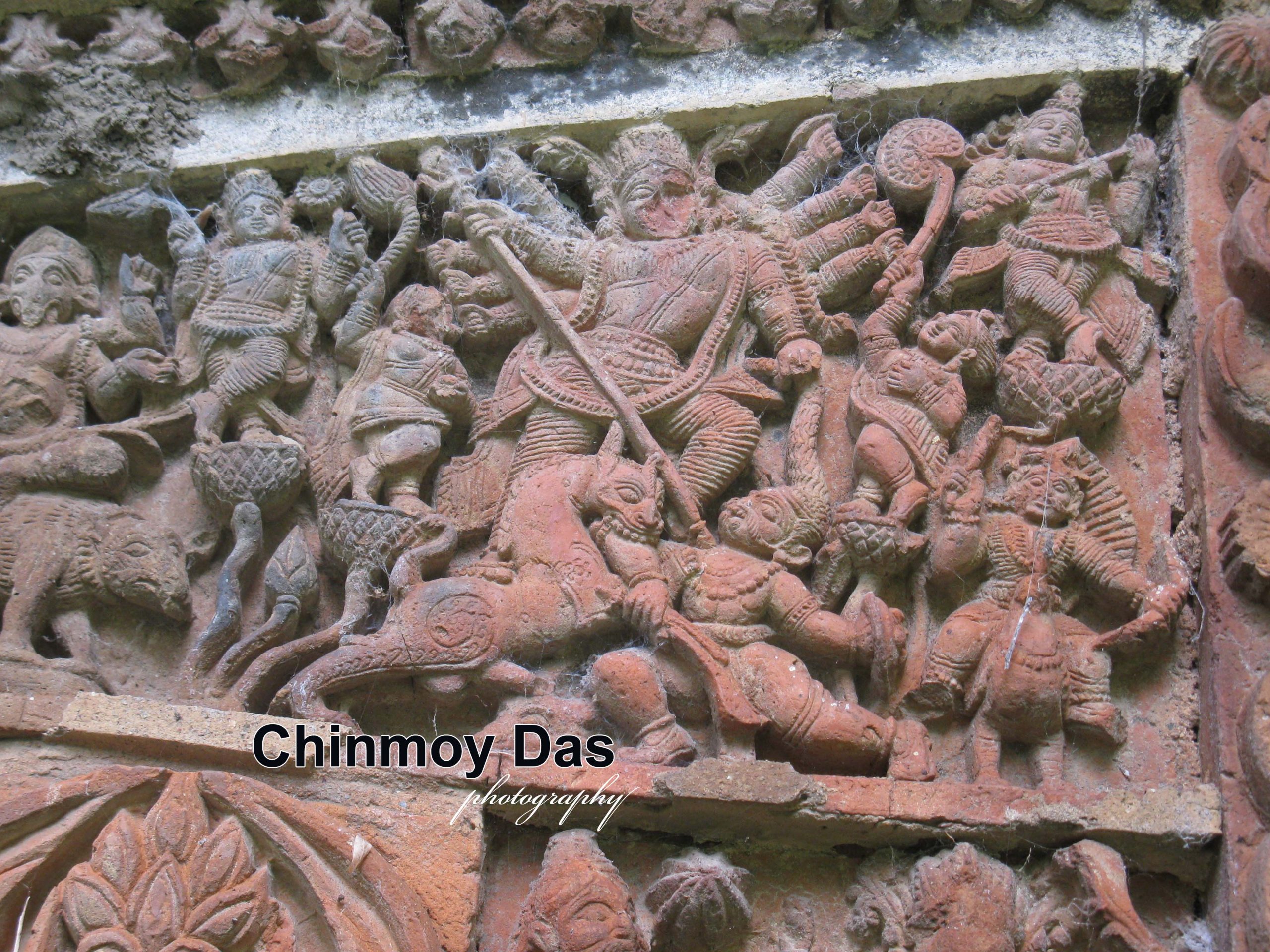
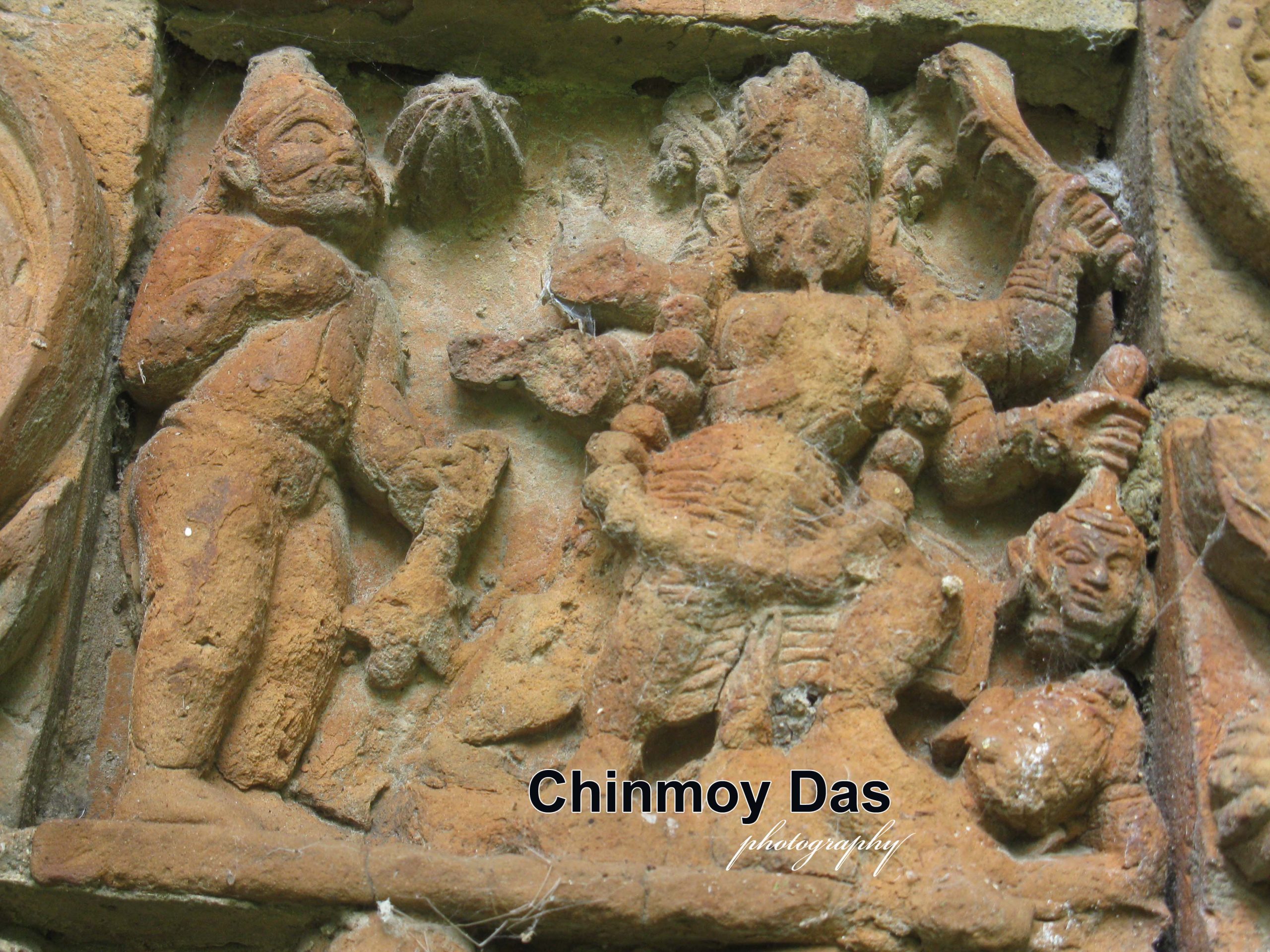
ফলকগুলির মোটিফকে মুখ্য ৪টি ভাগে বিভাজন করা যায়। মোটিফ হয়েছে : ১. রামায়ণ থেকে– গণ্ডীবদ্ধ সীতার রাবণকে ভিক্ষাদান, জটায়ুর রথ গেলা, রাম-রাবণের যুদ্ধ, বানর সৈন্য বাহিনী ইত্যাদি। ২. কৃষ্ণলীলা থেকে– গোপিনীদের বস্ত্রহরণ, ননীভাণ্ডসহ গোপিনীদের যমুনা পার ইত্যাদি। ৩. বিবিধ– চার পুত্র-কন্যা সহ দেবী দশভূজার মহিষাসুর বধ, বৃষবাহন শিব, চতুর্মুখ ব্রহ্মা, ঢেঁকিবাহন নারদ, মুণ্ডমালিনী কালিকা, সাধুজনের শিব-পূজা ইত্যাদি-- কত যে ফলক। ৪. এর সাথে আছে মিথুন মূর্তিও। একটি-দুটি নয়, অনেকগুলি মিথুন-ফলক আছে এই মন্দিরে।
দেড়শ' বছর নিজের মহিমায় বিরাজিত ছিল দেবালয়টি। দেশ স্বাধীন হোল ১৯৪৭ সালে। তার এক দশকের ভিতর, জমিদারী ব্যবস্থাটাই তুলে দেওয়া হয় বাংলা থেকে। জমিদারী ব্যবস্থার সাথে অস্তাচলে গিয়েছে বাংলার দেবালয়গুলির সুদিনও। মন্দির রক্ষনা-বেক্ষণ তো বহু দূরের কথা, দেবতার সেবাপূজার ধারাটি টিকিয়ে রাখাও দায় হয়ে উঠেছে অধিকাংশ মন্দিরেই। জেলা জুড়ে সর্বত্র একই ছবি দেখতে পাওয়া যায়।
সাহারা গ্রামের ভট্টাচার্য্য বংশের মন্দিরেও সেদিন থেকেই জীর্ণতার গ্রাসের সূচনা। প্রতিদিন তিল তিল করে ধ্বংসের পথে চলেছে অনিন্দ্যসুন্দর সৌধটি। রক্ষা করবেন, সে সঙ্গতি নাই সেবাইত পরিবারের।
পথ-নির্দেশ :
Raghunath Temple, Sahara (Police Station: Pingla, Medinipur)
Chinmoy Das
Within just three decades of the establishment of British rule, Lord Cornwallis introduced the system known as the 'Permanent Settlement.' The year was 1793. Thanks to this legislation, a countless number of new Zamindars (landlords) emerged across Bengal. These major landlords, in turn, gave rise to a host of smaller landlords. Ijaradars, Pattnidars, Dar-pattnidars—they went by a multitude of different names. Happily, however, a great number of new temples were constructed in villages and towns throughout Bengal at the hands of these very landlords.
The village of Sahara lies within the jurisdiction of the Pingla Police Station in the district of Midnapore. There, a Brahmin family bearing the surname Bhattacharya once constructed a 'Nava-ratna' temple. They built this temple right within the precincts of their residential homestead. Within its sanctum, a Shaligram stone—revered as 'Raghunath'—was worshipped. However, that temple now stands abandoned and devoid of its deity, teetering on the very brink of total ruin. Today, our journal presents an account of this very site.
Inscribed on the temple wall is a very brief foundation record: " Sakāba/ dā 1721/ sana 1206/ sālē saẏa"In other words, the temple was constructed in 1799 AD. This specific timeframe merits particular attention. It marked the very dawn of the nineteenth century—its absolute inception. At that juncture, only six years had elapsed since the introduction of the Permanent Settlement. It was also the nascent phase of the emergence of a new class of Zamindars, ushered in by the Permanent Settlement.In terms of chronology, the temple is now two hundred and twenty-five years old. This implies that its origins date back at least seven or eight generations. However, during the survey, no information—neither regarding the genealogy of the Bhattacharyas nor even concerning the identity of the temple's founder—could be obtained from the current Sebayats (temple custodians). They were able to provide a list covering only four generations of their lineage. Consequently, we are unable to provide any details here regarding the name of the temple's founder, the source of his income, or any other such information.However, judging by the temple's architectural design—specifically the craftsmanship and the adornment of the structure with exquisite terracotta plaques—it can be surmised that the builder possessed a refined artistic sensibility commensurate with his wealth.Let us now turn our attention to the temple's architectural features and ornamentation. It is an east-facing temple, constructed of brick in the Nava-ratna (nine-pinnacled) style. The structure is perfectly square in plan, measuring 15.5 feet in both length and width. The temple stands approximately 40 feet tall.It rests upon a high plinth. Although this abandoned temple has stood for two and a quarter centuries, its plinth—or foundation base—still retains a visible height of nearly three feet.A narrow circumambulatory passage encircles the temple atop its plinth. The edifice consists of two sections: a narrow portico at the front and a spacious sanctum at the rear. Access to the portico is provided through three arched doorways. The pillars supporting these arches are executed in the 'Imarati' architectural style. Beyond the portico lies the spacious sanctum, accessible through a single doorway. Inside the sanctum, a staircase rises from the southern side to the second floor; to the north lies a small, narrow side chamber. Thanks to the architectural ingenuity of the staircase and the small chamber, open balconies have been created on the second story of this temple, spanning three sides—the east, north, and south. The pillars of the lower balcony adhere to a standard architectural style. In contrast, the pillars on the upper balconies of the second story are constructed in three distinct styles: square, circular, and clustered.The Ratnas (finials) of the temple exhibit influences of the Kalinga architectural tradition. The Bada(wall) sections of all nine Ratnas feature Ratha subdivisions. The corner projections feature a 'Tri-ratha' configuration, while the central projection above displays a 'Pancha-ratha' arrangement. The Gandi—or superstructure—adopts a 'Pīḍha' layout, divided into numerous horizontal tiers running parallel to the ground. Consequently, the temple emerged as a structure of profound beauty.This exquisite temple was further embellished with a multitude of superb terracotta plaques, with the decorative panels covering the entire expanse of the front wall. 1. Across the tops of the three doorways, at three distinct widths. 2. In a parallel row running just beneath the cornice. And, 3. The plaques were arranged in two vertical rows flanking the two corners. Additionally, several plaques were affixed to the northern and southern walls, adjacent to the veranda.The motifs on the plaques can be broadly categorized into four main divisions.
These motifs include: 1. From the Ramayana—Sita, confined within the Gandiva circle, offering alms to Ravana; Jatayu swallowing Ravana's chariot; the battle between Rama and Ravana; the army of monkey warriors; and so forth. 2. From the Krishna-lila—the disrobing of the Gopis; the Gopis crossing the River Yamuna while carrying pots of butter; and similar scenes. 3. Miscellaneous—The ten-armed Goddess slaying Mahishasura accompanied by her four children, Lord Shiva mounted on a bull, the four-faced Lord Brahma, Narada riding a husking pedal, Goddess Kalika adorned with a garland of skulls, devotees worshipping Lord Shiva, and so on—the sheer number of panels is astonishing. 4. Alongside these, there are also mithuna (amorous) sculptures. Not just one or two, but numerous mithuna panels adorn this temple.
For a century and a half, the temple stood in its own glory. The country attained independence in 1947. Within a decade thereafter, the Zamindari system was abolished in Bengal. With the demise of the Zamindari system, the golden era of Bengal's temples also faded into oblivion. Far from the task of temple maintenance—let alone preservation—even sustaining the daily rituals of worship and service to the deity has become an arduous struggle for most temples. The same scene is witnessed everywhere across the entire district.It was from that very day that the temple of the Bhattacharya lineage in the village of Sahara began to succumb to the ravages of decay. Day by day, little by little, this exquisitely beautiful edifice has been inching its way toward ruin; yet, the family of Sebayats—the temple custodians—lacks the means to save it.