শীতলা মন্দির, রানির বাজার (ঘাটাল থানা, মেদিনীপুর জেলা)
চিন্ময় দাশ
রানির বাজার-- একটি গ্রামের নাম। কিন্তু নামটাই কেমন মন উদাস করা। হাজারো প্রশ্নও ভরা আছে যেন নামটার ভিতর। কোন রানি? কার রানি? রাজাই বা কোথাকার, কবেকার !
মেদিনীপুর জেলার একেবারে পূর্বপ্রান্তে রূপনারায়ণের জলরেখা। তারই পশ্চিমে চেতুয়া-বরদা দুইপরগণার রাজা ছিলেন শোভা সিংহ। এই শোভা সিংহ নিজের পত্নীর নামে একটি বাজার বসিয়েছিলেন। দেখতে দেখতে একটি জনপদ গড়ে উঠেছিল বাজারটিকে ঘিরে। পরে, সেই গ্রামের নাম হয়েছিল-- রানির বাজার।
শোভার প্রসঙ্গে একটু ইতিহাসে চোখ বুলিয়ে নেওয়া যেতে পারে। পশ্চিমের রাজপুতানা ছেড়ে, বাণিজ্যের উদ্দেশ্যে পুবের বাংলায় চলে এসেছিলেন জনৈক রঘুনাথ সিংহ। সরকার মান্দারণ-এর চেতুয়া এলাকায় কাজ শুরু করেন তিনি। রঘুনাথের পুত্র কানাই সিংহ পুরো চেতুয়া পরগণা কিনে নিয়ে, একটি জমিদারী প্রতিষ্ঠা করেছিলেন। রাজধানীর নাম হয়-- রাজনগর। কানাইর পুত্র ছিলেন-- শোভা সিংহ।
শোভা ছিলেন অমিতবিক্রম, দুঃসাহসী, উচ্চাকাঙ্খী। সুদক্ষ সেনাবাহিনী নিয়ে, পার্শ্ববর্তী বরদা পরগনার জমিদার কীর্তি সিংহকে হটিয়ে বরদা অধিকার করে নেন। রাজনগর থেকে তুলে, বরদায় এসে, নতুন রাজধানী স্থাপন করেন শোভা। তিন পরিখার বেষ্টনী দিয়ে গড়া রাজধানী। রাজধানী সেজেছিল বিশাল প্রাসাদ, সেনানিবাস, কাছারিবাড়ি, হাতিশাল, ঘোড়াশাল, বড় বড় দীঘি, কুলদেবী বিশালাক্ষীর মন্দির ইত্যাদি নিয়ে।
দিল্লির মসনদে তখন সম্রাট আওরঙ্গজেব। জিজিয়া কর প্রবর্তন, রাজা-জমিদারদের "নজর-পেশকাস'' পাঠানো বন্ধ ইত্যাদি কারণে বাংলা জুড়ে অসন্তোষ, বার ভুঁইয়াদের বিদ্রোহ-- এই আবহে শোভার উত্থান। দক্ষিণ বঙ্গে তখন সম্রাটের জায়গীরদার বর্ধমানের রাজা। সহোদর ভাই হম্মত সিংহ, চন্দ্রকোণার অধিপতি রঘুনাথ সিংহ এবং এক পাঠান সেনাপতির যৌথ বাহিনী নিয়ে, শোভা বর্ধমান আক্রমণ করলে, রাজা কৃষ্ণরাম নিহত হন। বর্ধমানের সাথে মান্দারণও অধিকার করে নেন শোভা সিংহ। নিজেকে 'রাজা' ঘোষণা করেন।
বলা হয়, বর্ধমান অধিকারের দিনই শোভাও মারা গিয়েছিলেন। কিন্তু শোভার বাহিনীর অগ্রগতি রুদ্ধ হয়নি। হুগলি, সপ্তগ্রাম সহ গঙ্গার পশ্চিমে বিশাল এলাকা মুঘল শাসন মুক্ত করেছিল বাহিনী। ইতিহাস " বাংলার শিবাজী আখ্যা দিয়েছিল শোভা সিংহকে।
তবে, কেবল যুদ্ধ-বিগ্রহ নিয়েই ব্যস্ত ছিলেন না শোভা। পানীয়জলের জন্য পুস্করিণী খনন, সেচ, নিকাশী ও পরিবহনের জন্য নদী-খালের সংস্কার, পথ-ঘাট নির্মাণ ইত্যাদি বহু কাজ করেছিলেন তিনি। শোভার গুরুত্বপূর্ণ কাজ ছিল গ্রামীণ হস্তশিল্পের উন্নয়ন।
হস্তশিল্পের পণ্য বিপননের জন্য কয়েকটি হাট-বাজারের পত্তন করেছিলেন শোভা। তেমনই বড় আকারের একটি বাজার বসিয়েছিলেন রাজধানী বরদার কাছে। নাম করেছিলেন-- রানীর বাজার। কাঁসার বাসন, সূতি ও পাট বস্ত্র, বিশেষ করে রেশম সামগ্রীর বিপুল বেচা-কেনা হত বাজারে। দ্রুত লোকবসতি গড়ে উঠেছিল বাজারকে কেন্দ্র করে। অনেকগুলি ধনী পরিবারও বসত গড়েছিল সেখানে। বিশেষ উল্লেখ্য হোল, দেবালয় গড়েছিল তারা প্রায় সকলেই। ধনী পরিবারগুলির মধ্যে একটি ছিল চৌধুরী পরিবার। বসত বাড়ির পাশেই, শীতলা দেবীর জন্য একটি মন্দির গড়েছিলেন তাঁরা।
রানির বাজার যখন অর্থনৈতিক সমৃদ্ধির একবারে শিখরে, একবার ভয়াবহ ডাকাতি হয় চৌধুরীদের বাড়িতে। সেই আঘাতে, রানির বাজার ছেড়ে, চিরকালের মত ভদ্রাসন তুলে নিয়ে চলে যান চৌধুরীরা। গ্রামবাসীরা মন্দির থেকে দেবীর বিগ্রহ নিয়ে গিয়ে, অন্যত্র সেবাপূজার প্রচলন করেছিলেন। মন্দিরটি পরিত্যক্ত হয়ে যায় তখন থেকে।
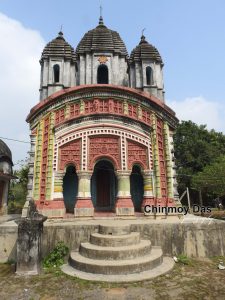
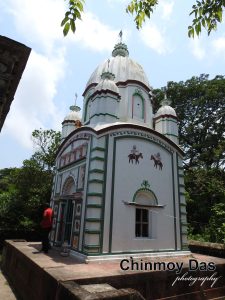
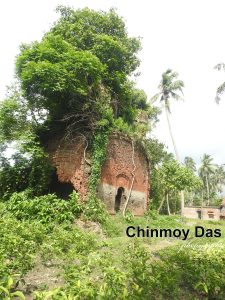
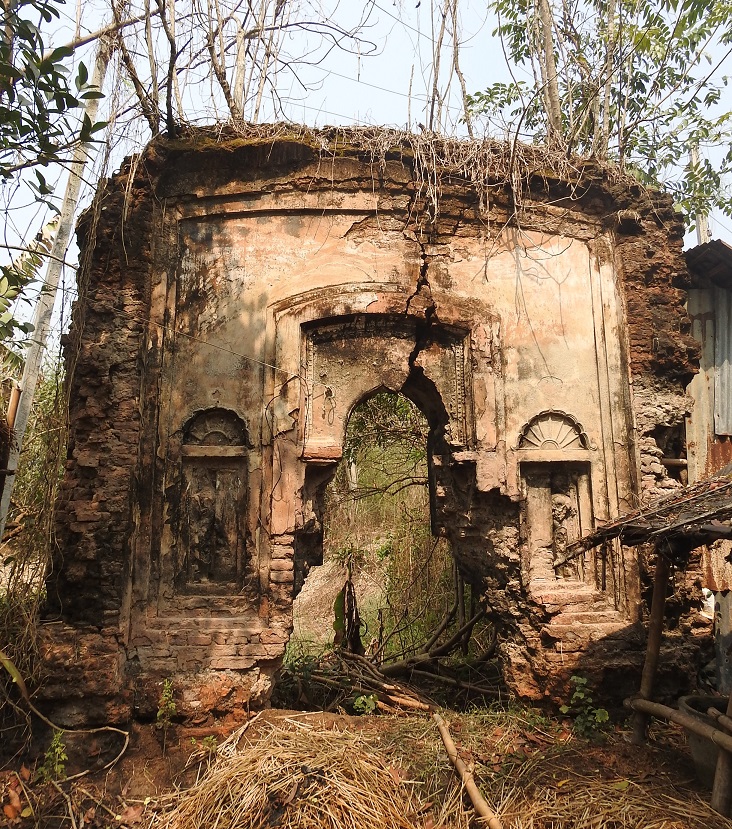
`চৌধুরীরা মন্দিরটি গড়েছিলেন পঞ্চ-রত্ন রীতিতে। কিন্তু দীর্ঘকাল পরিত্যক্ত, দেবতার বিগ্রহও নাই, এমন মন্দিরের কতটুকুই বা আদর থাকে মানুষের কাছে ! মাসের পর মাস, বছরের পর বছর, অনাদরে অবহেলায় আয়ুক্ষয় হয়েছে মন্দির সৌধটির। জীর্ণ হতে হতে এখন টিকে আছে কঙ্কালটুকু মাত্র।
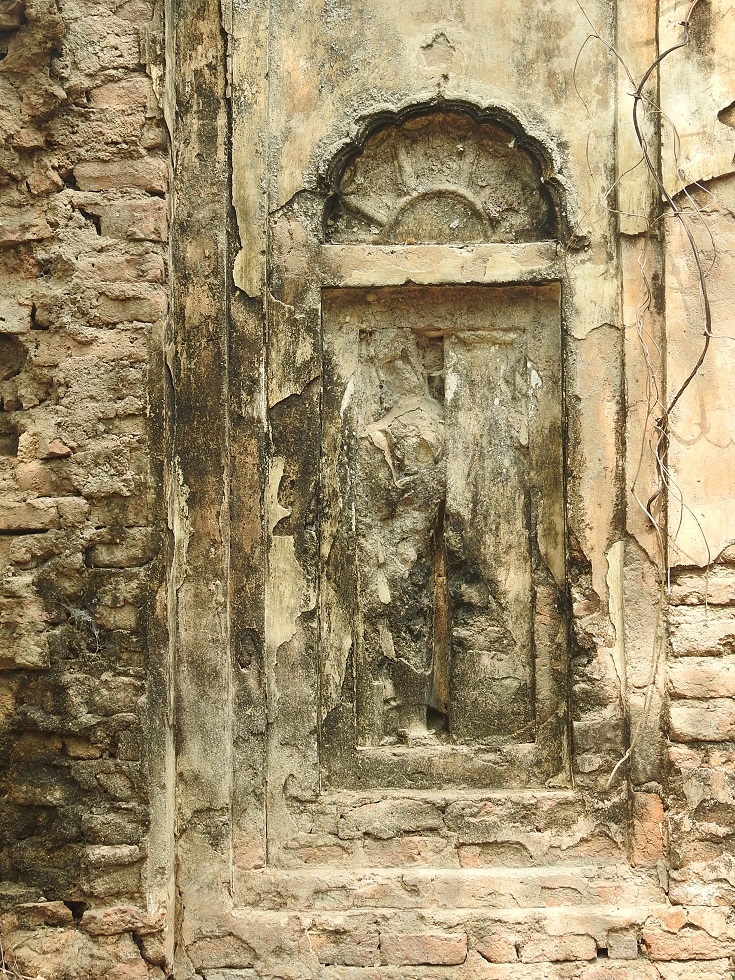
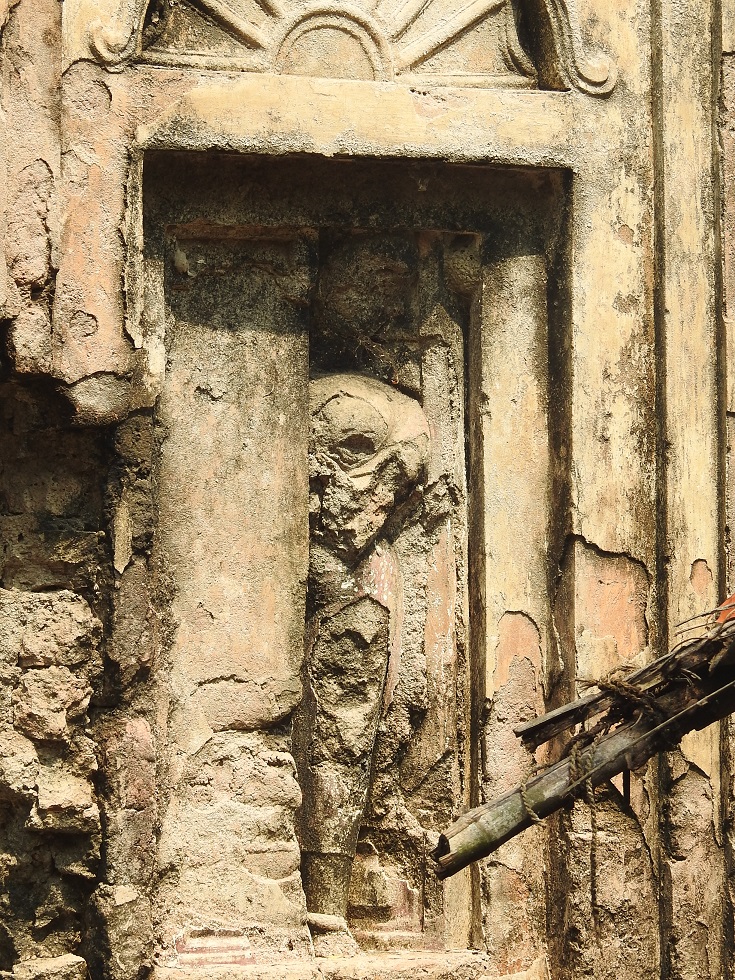
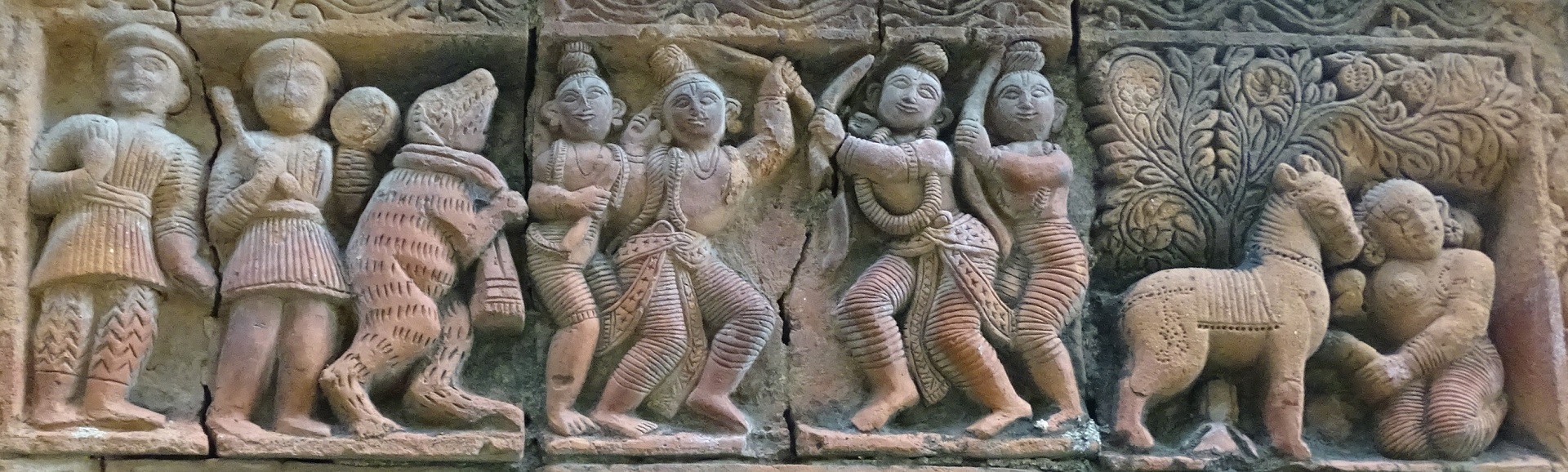
গর্ভগৃহের দেওয়ালটুকুই দাঁড়িয়ে আছে কোনো রকমে। অন্য দেওয়ালগুলি, তাদের পঙ্খের পলেস্তারা নাই। নাই পাঁচটি রত্নের একটিও। তাদের রথপগ-বিন্যাস বা গন্ডী অংশের পীঢ়-ভাগ অবশিষ্ট নাই। সামনের তিন-খিলানের দ্বারপথ, কারুকাজ করা ইমারতি থাম, দরুণ-রীতির খিলান নাই। টেরাকোটার ফলক, ভিনিশীয় রীতির দরজায় দ্বারবর্তিনী মূর্তি, পঙ্খের নকশা-- কিছু নাই আজ, কিছুই। সবই ধ্বংস হয়ে গিয়েছে।
থাকবার মধ্যে আছে কেবল হাহাকার আর দীর্ঘশ্বাস। আর কিছু না।
Shitala Temple, Ranir Bazar (Ghatal Police Station, Medinipur District)
Chinmoy Das
Ranir Bazar—the name of a village. Yet, the very name evokes a sense of wistful melancholy. It seems as though the name itself is laden with a thousand questions. Which *Rani* (Queen)? Whose *Rani*? And who, pray tell, was the *Raja* (King)—where was he from, and from what era?
Along the extreme eastern edge of the Medinipur district lies the watery expanse of the Rupnarayan River. To its west lay the twin *parganas* (administrative divisions) of Chetua and Barda, over which reigned King Shobha Singh. It was this very Shobha Singh who established a marketplace named after his own wife. Subsequently, that village came to be known as—Rani's Bazar.In the context of Shobha, it is worth taking a brief look at the historical background. Leaving his native Rajputana in the west, a certain Raghunath Singh migrated to Bengal in the east for the purpose of trade. He began his work in the Chetua region of Sarkar Mandaran. Raghunath's son, Kanai Singh, purchased the entire Chetua Pargana and established a *zamindari* estate. The capital city was named—Rajnagar. Kanai's son was Shobha Singh. Shobha was a man of formidable prowess—daring and ambitious. Leading a highly skilled army, he ousted Kirti Singh, the *Zamindar* of the neighboring Barada *pargana*, and seized control of the territory. Relocating from Rajnagar to Barada, Shobha established his new capital there. This capital was fortified by a concentric ring of three moats. The city was adorned with a magnificent palace, military barracks, administrative offices, elephant stables, horse stables, vast reservoirs, and a temple dedicated to the family deity, Goddess Bishalakshi, among other structures. At that time, Emperor Aurangzeb sat upon the throne of Delhi. Amidst an atmosphere of widespread discontent across Bengal—fueled by measures such as the reintroduction of the *Jizya* tax and the suspension of the customary "Nazar-Peshkash" tributes from kings and landlords—and against the backdrop of a rebellion by the *Baro-Bhuiyans* (the twelve chieftains), Shobha rose to prominence. In southern Bengal, the Raja of Bardhaman served as the Emperor's *Jagirdar* (feudal landholder). When Shobha launched an assault on Bardhaman—leading a combined force comprising his own brother Himmat Singh, the ruler of Chandrakona Raghunath Singh, and a Pathan commander—Raja Krishnaram was killed. Shobha Singh seized control of Mandaran in addition to Bardhaman, and subsequently declared himself 'Raja.' It is said that Shobha passed away on the very day Bardhaman was captured. However, the advance of Shobha's forces remained unchecked. His army liberated a vast territory west of the Ganges—including Hooghly and Saptagram—from Mughal rule. History bestowed upon Shobha Singh the title of "The Shivaji of Bengal."Yet, Shobha was not occupied solely with warfare. He undertook numerous public works, such as excavating ponds to provide drinking water, renovating rivers and canals for irrigation, drainage, and transportation, and constructing roads and pathways. One of Shobha's most significant contributions was the development of rural handicrafts.Shobha established several marketplaces to facilitate the marketing of handicrafts. She set up one such large-scale market near the capital city of Baroda. She named it—Rani's Market. The market witnessed a brisk trade in brassware, cotton and jute textiles, and—most notably—silk products. A settlement quickly sprang up around the market, and numerous wealthy families also chose to make their homes there. A particularly noteworthy detail is that almost all of these families constructed temples. Among these affluent families was the Chowdhury family. Right next to their residence, they had built a temple dedicated to Goddess Shitala.At a time when Ranir Bazar stood at the very pinnacle of economic prosperity, a horrific robbery took place at the Chowdhury household. Devastated by this blow, the Chowdhurys abandoned Ranir Bazar—uprooting their ancestral home—and departed forever. The villagers retrieved the idol of the Goddess from the temple and established a tradition of worship and service elsewhere. From that moment on, the temple lay abandoned.The Choudhurys had built the temple in the *Pancha-ratna* style. Yet, having remained abandoned for so long—and now devoid even of the deity's idol—how much reverence, after all, could such a temple command in the eyes of the people? Month after month, year after year, the temple structure has seen its life ebb away through neglect and indifference. Worn down by decay, nothing now remains of it but a mere skeleton.Only the walls of the sanctum sanctorum remain standing, barely holding together. The other walls have lost their stucco plasterwork. Not a single one of the five *ratnas* (pinnacles) survives. Their *ratha-paga* projections and the tiered sections of their *gandi* (superstructure) have vanished. The triple-arched entrance, the ornate architectural pillars, and the distinctive arches—all are gone. Terracotta plaques, guardian figures flanking the Venetian-style doorways, stucco ornamentation—nothing remains today; absolutely nothing. Everything has been reduced to ruin.All that is left is a sense of desolation and the echo of sighs. Nothing else.