রামচন্দ্র মন্দির, তিলদাগঞ্জ (পিংলা)
চিন্ময় দাশ
মেদিনীপুর জেলায় পিংলা থানার একটি গ্রাম-- তিলদাগঞ্জ। পিংলা নামের উৎপত্তি হয়েছে দেবী পিঙ্গলাক্ষী-র নাম থেকে। জানা যায়, তিলদাগঞ্জ নামটিরও উদ্ভব এক দেবীর নাম থেকে। তিনি দেবী তিলেশ্বরী।
বহু প্রাচীন কালেও সমৃদ্ধ কোনও জনপদ ছিল এখানে। ইতিহাসকার অনেকের অভিমত, প্রাচীন বন্দর নগরী তাম্রলিপ্ত বর্তমান তমলুক শহরের অনেক পশ্চিমে অবস্থিত ছিল। বর্তমান তিলদাগঞ্জ, জলচক ইত্যাদি এলাকা ছিল সেই বন্দরের নিকটবর্তী। উচ্চভূমিতে অবস্থিত দেবী তিলেশ্বরীর মন্দিরের পাশে যে বিস্তীর্ণ জলাভূমি, তাকে বিলুপ্ত কোনো নদীর খাত বলে অনুমান করা হয়। তিলেশ্বরী মন্দিরকে কেন্দ্র করে গড়ে উঠেছিল কোনও গঞ্জ, তাই নাম হয়েছিল তিলদাগঞ্জ।
এলাকাটি যে বহুকালের প্রাচীন আর সমৃদ্ধ, তার হাজারো প্রমাণ মজুত আছে। বহু প্রত্নতাত্ত্বিক নিদর্শন উদ্ধার হয়েছে এই এলাকা থেকে। তার কয়েকটি-- ১. কৃষ্ণপ্রস্তর ফলকে খোদিত ছোট জৈনমূর্তি। ২. টেরাকোটার আবক্ষ নারীমূর্তি (আনু. ৪র্থ শতক)। ৩. টেরাকোটার মস্তকহীন নারীমূর্তি (আনু. খ্রি.পূ.৩য় থেকে ১ম শতক)। ৪. বামহস্ত কটিদেশে নিবদ্ধ, টেরাকোটার আবক্ষ নারীমূর্তি (আনু. শেষ গুপ্তযুগ)। ৫. টেরাকোটার যক্ষিণী-মস্তক। ৬. লিপিযুক্ত টেরাকোটার শীল (গুপ্তযুগ)। ৭. পদ্মের মোটিফ এবং আদি বঙ্গাক্ষর লিপিযুক্ত টেরাকোটার ফলক। ৮. অভিষেক লক্ষীর মোটিফ ও লিপিযুক্ত টেরাকোটা শীল। ইত্যাদি।
বিশেষ উল্লেখ করতে হয়, গ্রীক লিপিযুক্ত একটি শীল-এর কথা। (ইন্ডিয়ান আর্কিওলজি—এ রিভিউ, ১৯৫৫-৫৬, পৃষ্ঠা ৬২তে একটি নিবন্ধে উল্লেখ করা হয়েছে-- গ্রীক লিপিটির পাঠোদ্ধারে জানা গেছে যে " কোন এক অজ্ঞাত নাবিক উষার উদয়ের সঙ্গে পূর্ব-বায়ুকে ধন্যবাদ জানাচ্ছেন, যাতে তাঁর যাত্রা নিরাপদ হয় ") ।
খ্রিস্টপূর্ব কাল থেকে কুষাণ, গুপ্ত ও মধ্য যুগের যে সকল মূর্তি, আসবাবপত্র, হাঁড়িকুঁড়ি প্রভৃতি আবিষ্কৃত হয়েছে, তা থেকে অনুমান করে নেওয়া যায়, তাম্রলিপ্তের সন্নিহিত হওয়ায়, তিলদাগঞ্জ এলাকাতেও সমকালীন সভ্যতা ও সংস্কৃতির বিকাশ ঘটেছিল। আজকের তিলদাগঞ্জ, সংগোপনে হলেও, তার অতীত গরিমার সেই সমৃদ্ধ ইতিহাস নীরবে বয়ে নিয়ে চলেছে।
অতীত কথা অনেক হোল। আমরা মন্দিরের প্রসঙ্গে আসি এবার।
মেদিনীপুর জেলায় একমাত্র মুসলমান জমিদার ছিলেন হিজলীর তাজ খাঁ, মসনদ-ই-আলা। তাজ খাঁ-র রাজ্যের পতনের পর, হিজলী তিনটি অংশে ভাগ হয়ে যায়-- জলামুঠা, সুজামুঠা এবং মাজনামুঠা। মাজনামুঠার জমিদারি পেয়েছিলেন জনৈক গোবর্ধন রণঝাঁপ। তাঁর জমিদারীর একটি মহাল ছিল ভুঁঞামুঠা পরগণা। তিলদাগঞ্জের লাগোয়া বড়িশা গ্রামে বাস করতেন জমিদারের গুরুবংশ। গুরুর হাতে ভার ছিল ভুঁঞামুঠার বুটি (খাজনা) আদায়ের। বছর শেষে সেই পুরো খাজনা প্রণামী হিসাবে গুরুদেবের পায়ে নামিয়ে দেওয়া হতো. অষ্টাদশ শতাব্দীর শেষ দিকে গুরুবংশের জন্য বড়িশাতে একটি মন্দির গড়ে দিয়েছিল জমিদাররা। গোবর্ধনের দুই বংশধর মহেন্দ্র নারায়ণ এবং তাঁর পুত্র দেবেন্দ্র নারায়ন করেছিলেন এই কাজটি। (এই পোর্টাল-এর ১৩.১২.২০১৯ তারিখের জার্নাল-- ২৬ দ্রষ্টব্য)।
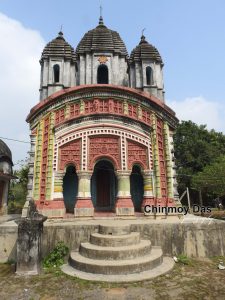
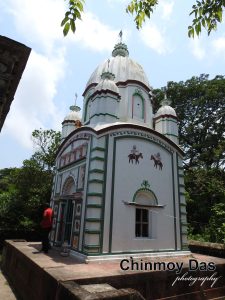
ইটের তৈরী পূর্বমুখী মন্দির। পঞ্চ-রত্ন রীতিতে নির্মিত হয়েছে। দুটি লিপি-ফলক আছে মন্দিরে। সেগুলির হুবহু পাঠ -- ১. " সুভম / স্তু স / কাব্দা / ১৭৩৯ "। ২. " সন ১২২৪ / সাল তা / রিক ৫ / আষাড় "। সন তারিখের হিসাবে ইং ১৮১৭ সালে মন্দিরটি নির্মিত হয়েছিল। পূর্বোক্ত ধর্মপ্রাণ জমিদার দেবেন্দ্র নারায়ণ ১৮০৭ সালে প্রয়াত হয়েছিলেন। সেকারণে, মনে করা যেতে পারে, দেবেন্দ্রর পুত্র কিংবা অন্য কোনও জমিদার মন্দিরটি নির্মাণ করেছিলেন। সাত / আট পুরুষ ধরে ভট্টাচার্য্য পদবীর একটি ব্রাহ্মণ বংশ মন্দির এবং দেবতার সেবাইত আছেন।
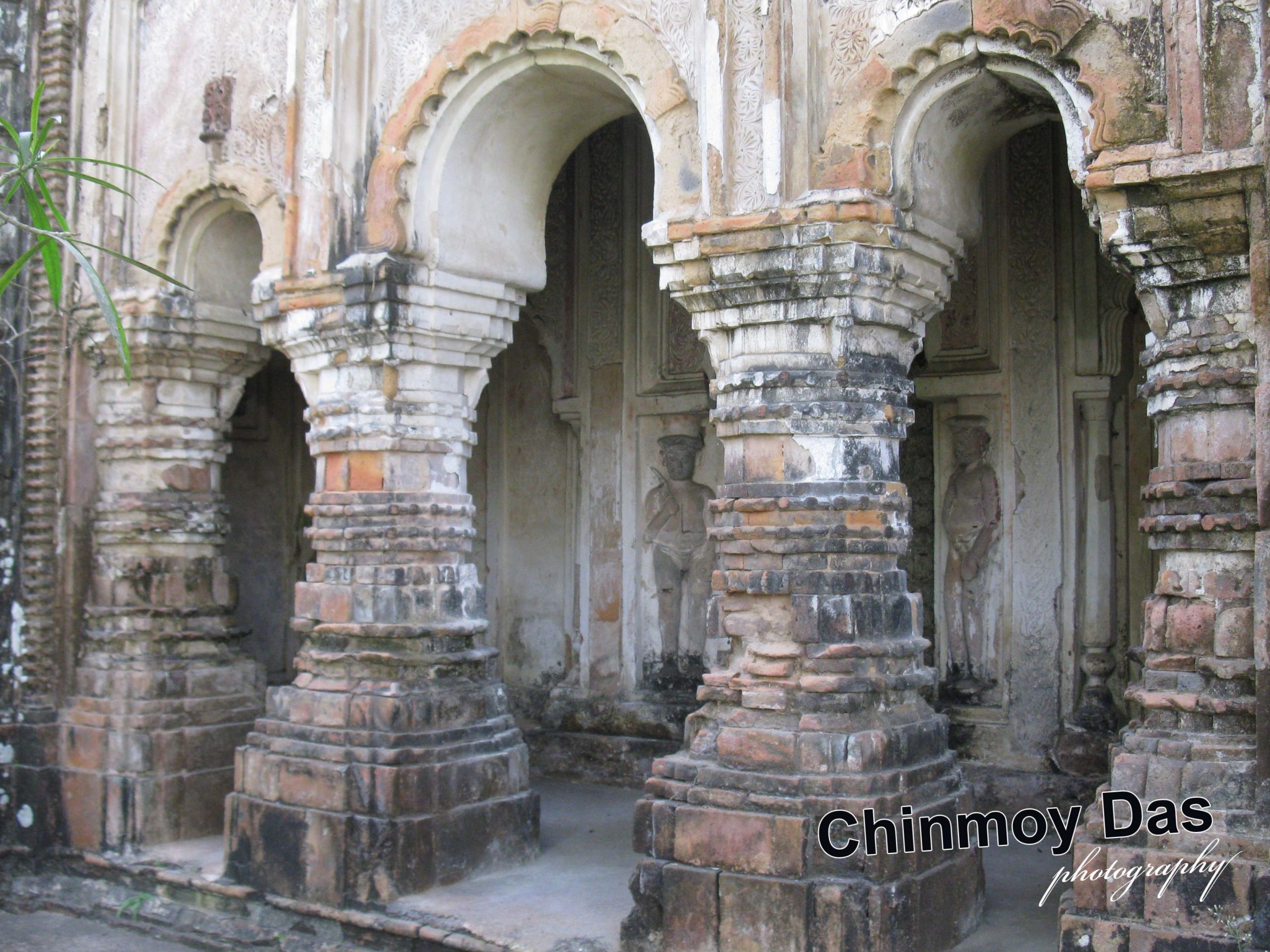
বর্গাকার সৌধটির দৈর্ঘ্য-প্রস্থ সাড়ে ১৮ ফুট, উচ্চতা আনু. ৪০ ফুট। অনেকগুলি প্যানেলে ভাগ করা পাদপীঠ অংশটির সিংহভাগই ভূমিগত হয়েছে। উপরে একটি প্রদক্ষিণ পথ। ইমারতি থাম আর দরুণ রীতির তিনটি খিলানের সাহায্যে রচিত তিনটি দ্বারপথ। তা দিয়ে অলিন্দে প্রবেশ করা যায়। গর্ভগৃহের একটিই দ্বার। এছাড়া, উত্তরে একটি অতিরিক্ত দ্বার এবং দক্ষিণে তিনটি ' প্রতিকৃতি দ্বার ' রচিত আছে। অলিন্দের ভিতরের সিলিং টানা-খিলান, আর গর্ভগৃহের সিলিং হয়েছে কয়েকটি পাশ-খিলানের মাথায় গম্বুজ স্থাপন করে।
গর্ভগৃহের উপরের এবং পাঁচটি রত্নের মাথার ছাউনি চালা-রীতির। তবে লক্ষণীয় বিষয় হল, গর্ভগৃহের ছাউনি বিষ্ণুপুরী-চালা এবং উপরের পাঁচটি রত্নের মাথার ছাউনি হস্তীপৃষ্ঠের মত উত্তল। রত্নগুলিতে রথ-বিভাজন করা। কোণের রত্নগুলিতে পঞ্চ-রথ, আর কেন্দ্রীয় রত্নে সপ্ত-রথ বিভাজন।
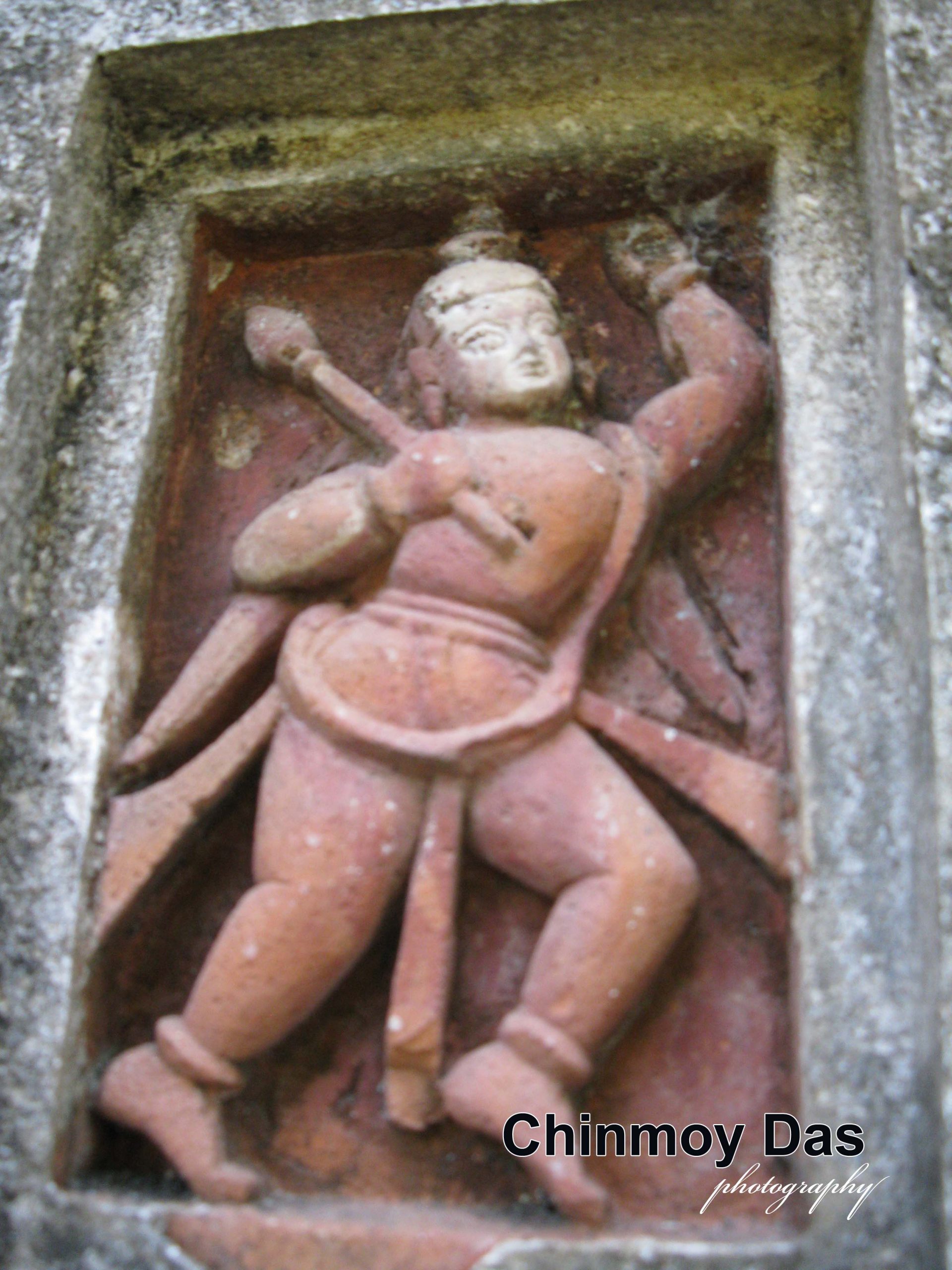
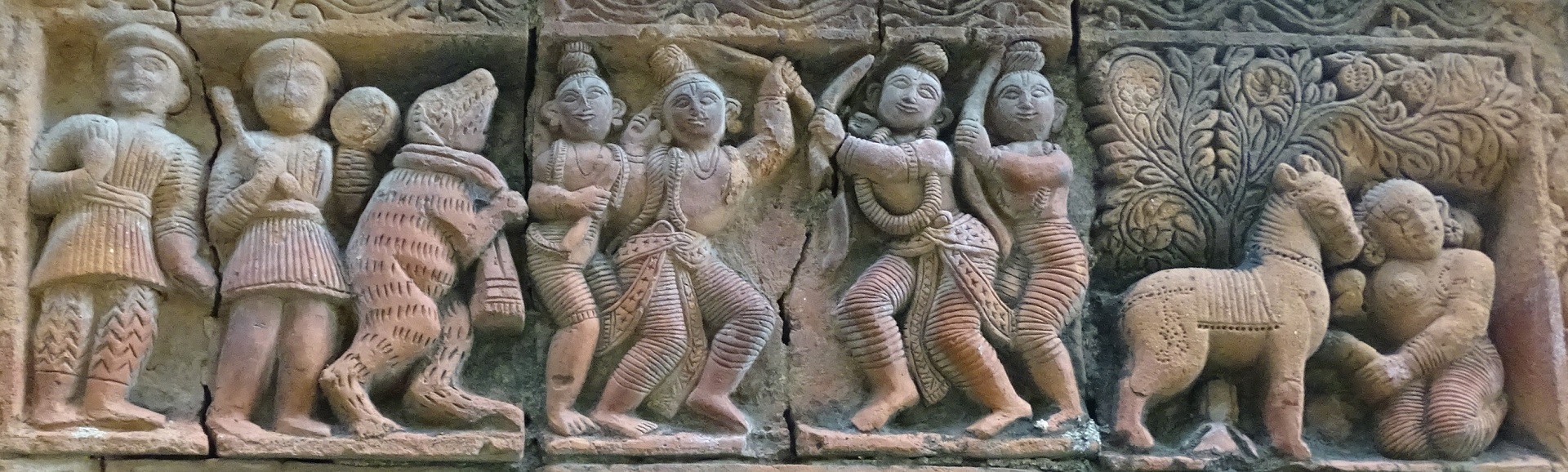
সমৃদ্ধ টেরাকোটা ফলকে অলংকৃত দেবালয় এটি। এককালে ভারি সুনামের অধিকারী হয়েছিল সেজন্য। বিশেষত সামনের দেওয়ালটি মুড়ে দেওয়া হয়েছিল বহু ফলকে। রামচন্দ্রের মন্দির। সেকারণে, মোটিফ হিসাবে রামায়ণ কাহিনীই প্রাধান্য পেয়েছে দেখা যায়। অশোক বনে বন্দিনী সীতাদেবী, বানরসৈন্যের সমাবেশ, কুম্ভকর্ণের নিদ্রাভঙ্গ, রাম-রাবণের যুদ্ধ, সিংহাসনে রাম-সীতা ইত্যাদি অনেকগুলি ফলক।
এইমাত্র নয়। কৃষ্ণলীলার কিছু ফলক, শকুন্তলা ও হরিণশিশু, সমকালীন জীবন থেকে-- ভাঙ প্রস্তুতকারী সন্ন্যাসী, যজ্ঞের উপবীত প্রস্তুতকারী ব্রাহ্মণও স্থান পেয়েছে। আছে কয়েকটি মিথুন মূর্তিও।
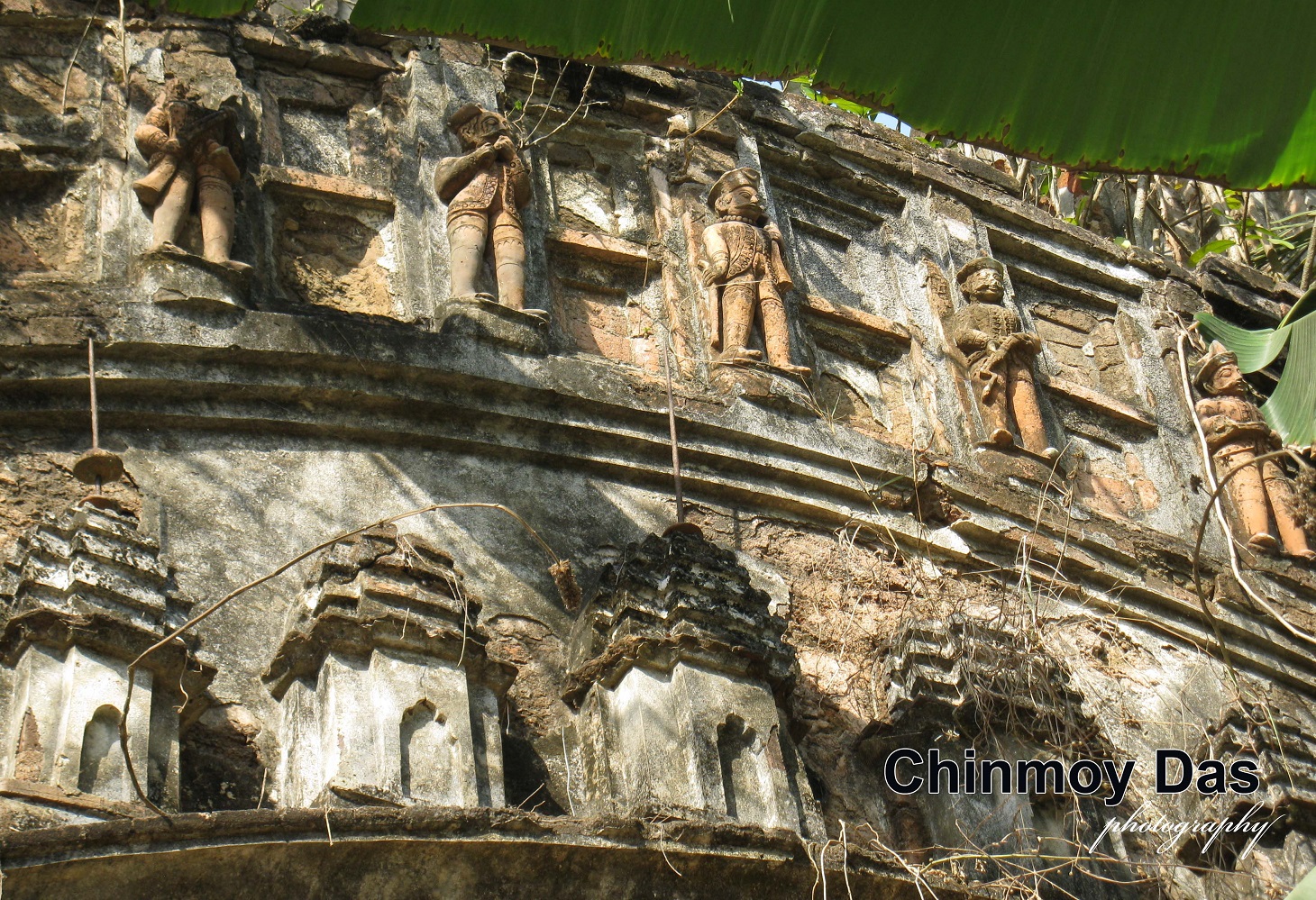
অনেকগুলি বড় আকারের ফলকও আছে এখানে। চারজন ঘণিষ্ঠ পার্ষদ সহ গৌরাঙ্গ ও নিত্যানন্দ, বিষ্ণুর দশ অবতার ইত্যাদি। মুক্ত কৃপাণ হাতে দ্বারপাল, ভিনিশীয় দরজায় দ্বারবর্তিনী মূর্তি সহ দশটি প্রতিকৃতি দেবালয়ও দেখা যায় দক্ষিণের দেওয়ালে।
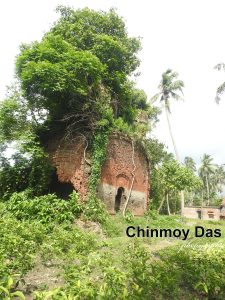
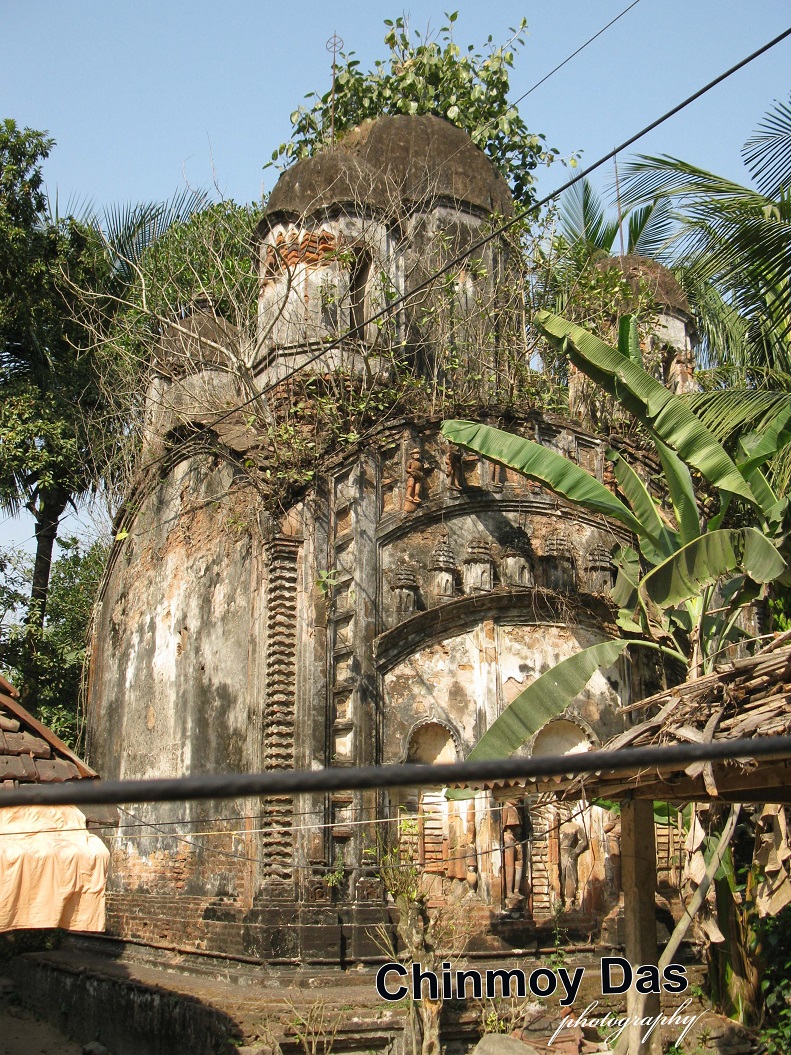
অলঙ্করণে যতটা সমৃদ্ধ, বর্তমানে ঠিক ততটাই জীর্ন এই মন্দির। রত্নগুলির ভারী করুন দশা, মূর্তিগুলি খসে খসে পড়ছে। স্টাকোর সমৃদ্ধ কাজ বিবর্ণ। অবিলম্বে সংস্কার আর সংরক্ষণ না করলে, আক্ষেপ আর হাহাকারই অপেক্ষা করে থাকবে আমাদের জন্য।
Ramchandra Temple, Tildaganj (Pingla)
Chinmoy Das
Tildaganj is a village under Pingla police station in the Medinipur district. The name Pingla is derived from the goddess Pingalakshi. It is also said that the name Tildaganj originated from the goddess Tileshwari.
Even in ancient times, this was a prosperous settlement. Many historians believe that the ancient port city of Tamralipta was located much farther west than present-day Tamluk. The present-day areas of Tildaganj, Jalchak, and nearby regions lay close to that port. The vast marshland beside the temple of Goddess Tileshwari, situated on elevated ground, is thought to be the bed of a vanished river. A market town grew up around the Tileshwari temple, and thus the place came to be known as Tildaganj.
There is abundant evidence that this area is both ancient and prosperous. Numerous archaeological artifacts have been recovered here. Some of them include: 1. A small Jain image carved on a black stone slab. 2. A terracotta female bust (c. 4th century CE). 3. A headless terracotta female figure (c. 3rd–1st century BCE). 4. A terracotta female bust with the left hand resting on the waist (late Gupta period). 5. A terracotta Yakshini head. 6. An inscribed terracotta seal (Gupta period). 7. A terracotta plaque bearing a lotus motif and early Bengali script. 8. A terracotta seal with the motif of Abhisheka Lakshmi and an inscription. And others.
Special mention should be made of a seal bearing a Greek inscription. (An article in *Indian Archaeology—A Review*, 1955–56, p. 62, notes that the deciphered Greek inscription reveals that “an unknown sailor is thanking the east wind at dawn so that his voyage may be safe.”)
From the sculptures, household objects, pottery, and other finds dating from the pre-Christian era through the Kushan, Gupta, and medieval periods, it may be inferred that, owing to its proximity to Tamralipta, the Tildaganj area also witnessed the development of contemporary civilization and culture. Today's Tildaganj, though quietly, still carries the rich legacy of its glorious past.
Enough about the past. Let us now turn to the temple.
The only Muslim zamindar in the Medinipur district was Taj Khan of Hijli, Masnad-i-Ala. After the fall of Taj Khan's kingdom, Hijli was divided into three parts—Jalamutha, Sujamutha, and Majnamutha. The zamindari of Majnamutha was granted to one Gobardhan Ranjhap. One of the estates under his zamindari was the Bhunyamutha pargana. The hereditary spiritual preceptors of the zamindars lived in the neighboring village of Barisha beside Tildaganj. They were entrusted with collecting the revenue of Bhunyamutha. At the end of each year, the entire revenue was ceremonially offered at the guru's feet as a devotional gift. Toward the end of the eighteenth century, the zamindars built a temple at Barisha for this guru lineage. Gobardhan's two descendants, Mahendra Narayan and his son Debendra Narayan, carried out this work. (See Journal 26 on this portal, dated 13.12.2019.)
The temple is an east-facing brick structure built in the pancha-ratna style. It contains two inscription slabs. Their exact readings are: 1. “Subham / stu sa / kabda / 1739.” 2. “Year 1224 / date / 5 / Ashar.” According to the date, the temple was built in 1817 CE. The devout zamindar Debendra Narayan mentioned above had died in 1807. Therefore, it may be assumed that the temple was built by Debendra's son or another zamindar. For seven or eight generations, a Brahmin family bearing the surname Bhattacharya has served as the temple's custodians and priests.
The square shrine measures 18.5 feet on each side and is approximately 40 feet high. Most of the multi-paneled plinth has sunk below ground level. Above it runs a circumambulatory passage. Three entrances, formed by masonry pillars and three arches in the *darun* style, lead into the porch. The sanctum has only one doorway. In addition, there is an extra doorway on the north and three “false doors” on the south. The ceiling of the porch is a barrel vault, while the sanctum ceiling is formed by placing a dome over several intersecting arches.
The roof over the sanctum and the canopies atop the five towers are of the *chala* type. Notably, however, the sanctum roof is in the Bishnupuri *chala* style, whereas the roofs over the five towers are convex like the back of an elephant. The towers are divided into *ratha* projections. The corner towers are of the pancha-ratha type, while the central tower is of the sapta-ratha type.
This temple is richly decorated with terracotta plaques and was once renowned for them. The front wall in particular was covered with numerous plaques. Since it is a temple dedicated to Ramchandra, scenes from the Ramayana predominate among the motifs. These include Sita held captive in the Ashoka grove, the gathering of the monkey army, the awakening of Kumbhakarna, the battle between Rama and Ravana, Rama and Sita seated on the throne, and many others.
Not only that. There are also plaques depicting episodes from Krishna's life, Shakuntala with a fawn, and scenes from contemporary life—a monk preparing bhang and a Brahmin preparing the sacred thread for a yajna. Several erotic couple figures are also present.
There are also many large plaques here, including Gauranga and Nityananda with four close companions, the ten incarnations of Vishnu, and others. On the southern wall can be seen ten false shrine motifs featuring doorkeepers holding unsheathed swords and female guardian figures at Venetian-style doorways.
As rich as it is in ornamentation, the temple is now equally dilapidated. The towers are in a pitiable condition, the sculptures are flaking away, and the elaborate stucco work has faded. Unless it is restored and preserved without delay, only regret and lament will remain for us.