শ্রীধর মন্দির, ধামতোড় (ডেবরা)
চিন্ময় দাশ
রাজার গল্প কার না ভালো লাগে? এই আলেখ্যে প্রথমেই এক বিস্মৃত রাজার কথা বলা যক। কলকাতা যখন ভারতের রাজধানী, তখন সুপ্রিম কোর্টও ছিল কলকাতাতেই। এক সময় সুপ্রিম কোর্টের প্রধান বিচারপতি স্যার এলিজা ইম্প-এর দেওয়ান ছিলেন জনৈক সুখময় রায়। আজকের জার্নালের রাজা তিনিই।
কলকাতার বাতাসে কান পাতলে, পুরাণো দিনের একটি ছড়া হয়তো শোনা গেলেও যেতে পারে-- “গোবিন্দরামের ছড়ি / উমিচাঁদের গাড়ি / নকু ধরের কড়ি / মথুর সেনের বাড়ি।“ সকলের বিবরণ দেওয়ার অবকাশ নাই এই ছোট্ট নিবন্ধে। নকু ধর-এর পরিচয়টুকু বলা যাক।
কলকাতা তখন একেবারেই গ্রামীণ। শহরের তকমা লাগতে অনেকটাই দেরী। পলাশীর যুদ্ধটাই হয়নি তখনও। ইংরেজ নাড়ি টিপে দেখছে দেশটার। লর্ড ক্লাইভের দেওয়ান হয়েছিলেন এক বাঙ্গালী। নাম-- লক্ষ্মীকান্ত ধর।
লক্ষ্মীকান্ত-এর আদি নিবাস ছিল হুগলি জালার সপ্তগ্রাম। কলকাতায় এসে অঢেল টাকা হয়েছিল মা লক্ষ্মীর কৃপায়। দু’হাতে দান করতেন দেওয়ান সাহেব।
ছোট্ট একটা উদাহরণ দিলে, তাঁর বিপুল ধন আর দানশীলতা সম্পর্কে ধারণা হতে পারবে। বর্গীর অত্যাচার ঠেকাতে, ওয়ারেন হেস্টিংস যখন যুদ্ধের আয়োজন করছেন, ৯০ লক্ষ টাকা পাঠিয়ে দিয়েছিলেন লক্ষ্মীকান্ত। ভেবে দেখা যাক, সময়টা আঠারো শতকের মাঝামাঝি তখন। আর, টাকার পরিমাণ ৯০ লক্ষ।
পরে, এহেন উপকারী বন্ধুকে “রাজা’” খেতাব দিতে চেয়েছিল ইংরেজরা। সেসময় কলকাতার তাবড় তাবড় মানুষ এই খেতাবের জন্য কাঙাল। কিন্তু তিনি নেননি। তবে, খেতাবটা ফিরিয়েও দেননি। তুলে রাখতে বলেছিলেন ভবিষ্যতের জন্য।
আসলে হয়েছে কী, লক্ষ্মীকান্ত ছিলেন অপুত্রক। একমাত্র কন্যা পার্বতীর বিবাহ দিয়েছিলেন জনৈক রঘুনাথ পালের সাথে। পার্বতীর পুত্র সুখময় পাল। দৌহিত্র হিসাবে লক্ষ্মীকান্তের সমূহ সম্পদ আর সম্পত্তির মালিক হয়েছিলেন সুখময়।
প্রধান বিচারপতি স্যার এলিজা ইম্প-এর দেওয়ান হয়েছিলেন সুখময়। সম্পদের সাথে মাতামহের দানশীলতার গুণটিও পেয়েছিলেন তিনি। মাতামহের চাহিদা ছিল “রাজা” খেতাবটি যেন তাঁর নাতিকে দেওয়া হয়। “রাজা” নয়, “মহারাজা” খেতাব পেয়েছিলেন সুখময়। তাছাড়া, “ রায় বাহাদুর” খেতাবও দেওয়া হয়েছিল তাঁকে। সেই থেকে, সুখময় রায় নামে পরিচিত হয়েছিলেন মানুষটি।
কাহিনী বাকি আছে এখনও একটু। তবে সেটা যতটা না রাজার, তারও বেশি একজন দানী এবং ধর্মপ্রাণ মানুষের।
সেকালে পূর্ব ভারতের বিখ্যাত ধর্মস্থান হোল জগন্নাথ ধাম পুরী। একবার পুরী থেকে ফিরে, সুখময় বুঝলেন নদী, খাল আর খানাখন্দে ভরা রাস্তায় পুরী যাওয়া-আসা কত হয়রানির! ১৮১০ সালে মহারাজা সুখময় বড়লাট মিন্টো (১৮০৭ – ১৮১৩)-র হাতে ১ লক্ষ ৫০ হাজার টাকা তুলে দিয়েছিলেন পুরীগামী পথটি নির্মাণের জন্য। ব্রিটিশ ইঞ্জিনীয়ার ক্যাপটেন স্যাকভিলি আর ক্যাপটেন বাউটনের দায়িত্বে, ১৮১২ সালে শুরু হয়ে, রাস্তার কাজ শেষ হয়েছিল ১৮২৯ সালে। নাম হয়েছিল—জগন্নাথ সড়ক।
রাজার গল্প ফুরোল। কিন্তু নটে গাছ মুড়োয়নি।
বিশ শতকের গোড়ার দিক তখন। প্রায় একশ’ বছর আয়ুর সড়কটি বেশ জীর্ণ হয়ে ওঠায়, সংস্কারের কাজে হাত দেয় সরকার। সে কাজের একজন বড় ঠিকাদার (কন্ট্রাক্টর) ছিলেন জনৈক অধর চন্দ্র শাসমল। রাস্তার কাজে প্রভূত অর্থের মালিক হয়ে, বড় মাপের একটি জমিদারী গড়েছিলেন তিনি। রাস্তার লাগোয়া ধামতোড় গ্রামে এসে বসত গড়ে তুলেছিলেন।
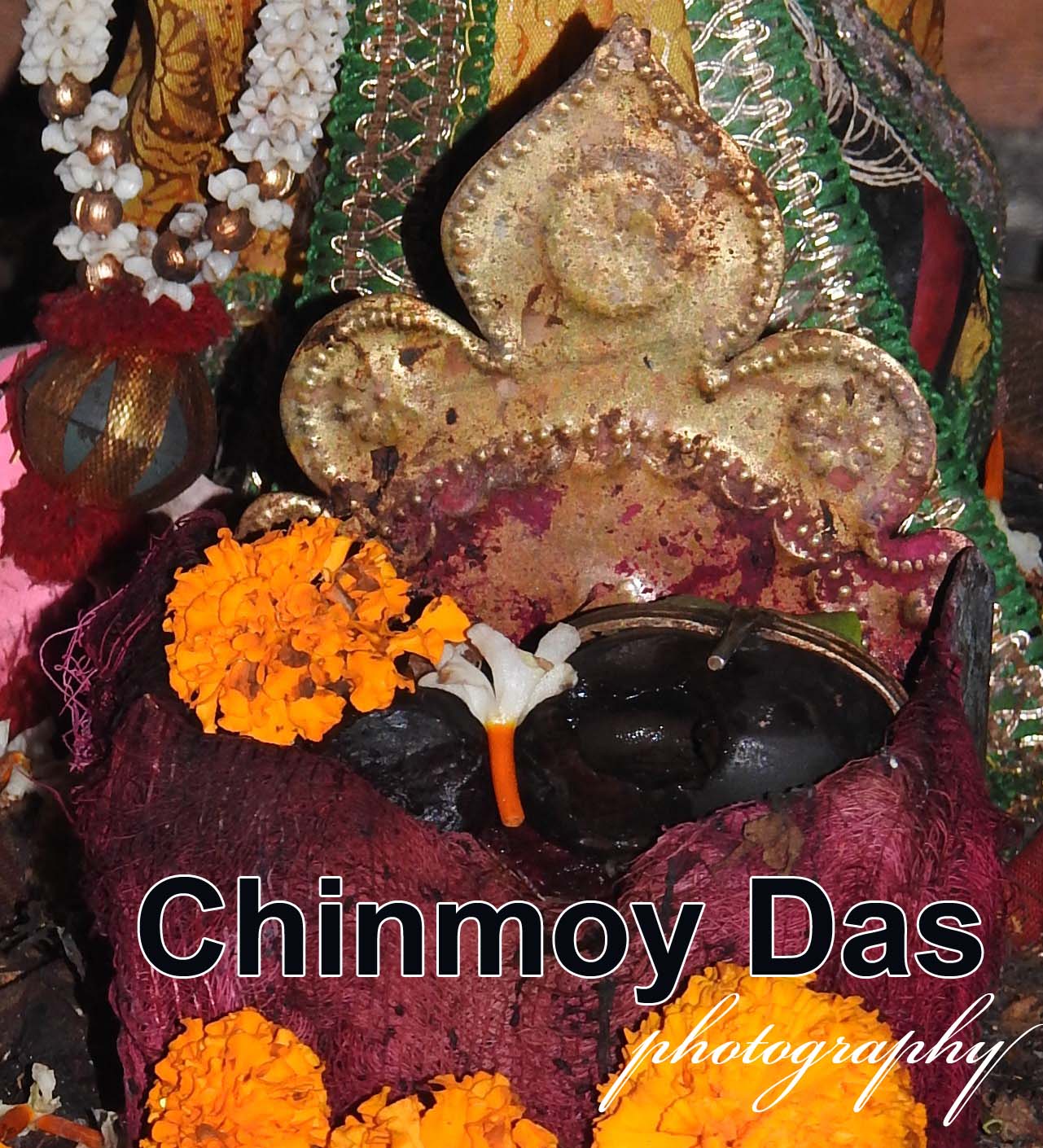
অধর চন্দ্রের সহোদর ভাই শ্রীধর চন্দ্র। বিষ্ণুকে কুলদেবতা মেনে, ‘শ্রীধর জীউ’ নামের শালগ্রাম প্রতিষ্ঠা করা হয়েছিল জমিদারবাড়িতে। একটি মন্দিরও প্রতিষ্ঠা করেছিলেন দুই সহোদর মিলে।
পরবর্তীকালে জমিদারীর অংশ বুঝে নিয়ে ধামতোড় থেকে অন্যত্র চলে গিয়েছেন অধর চন্দ্র। তখন থেকে জমিদারীর নিজাংশ এবং দেবতার ভার শ্রীধরের উপর বর্তায়। তাঁর প্রপৌত্রগণই বর্তমানে দেবতার সেবাইত এবং মন্দিরের স্বত্ত্বাধিকারী।
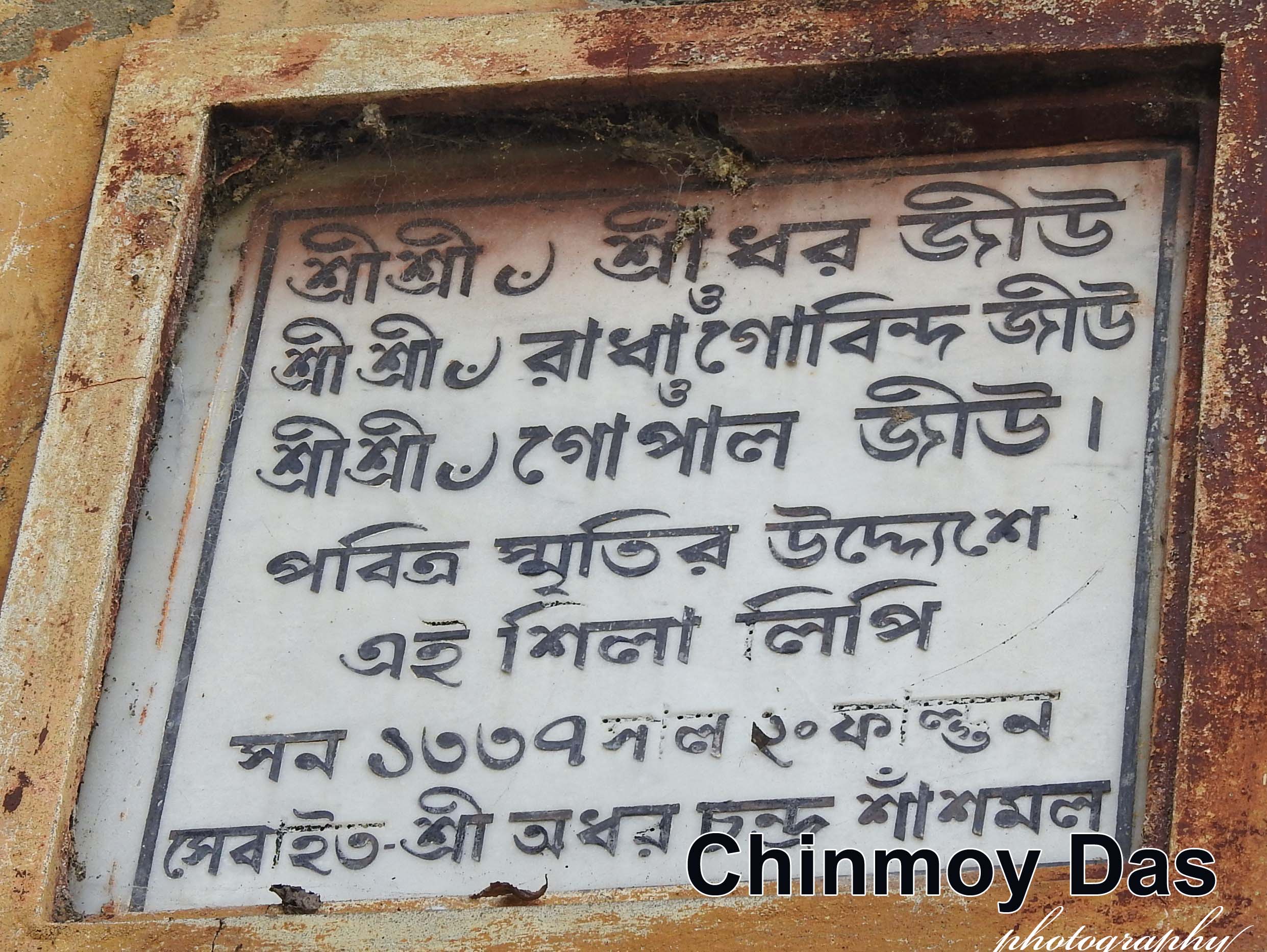
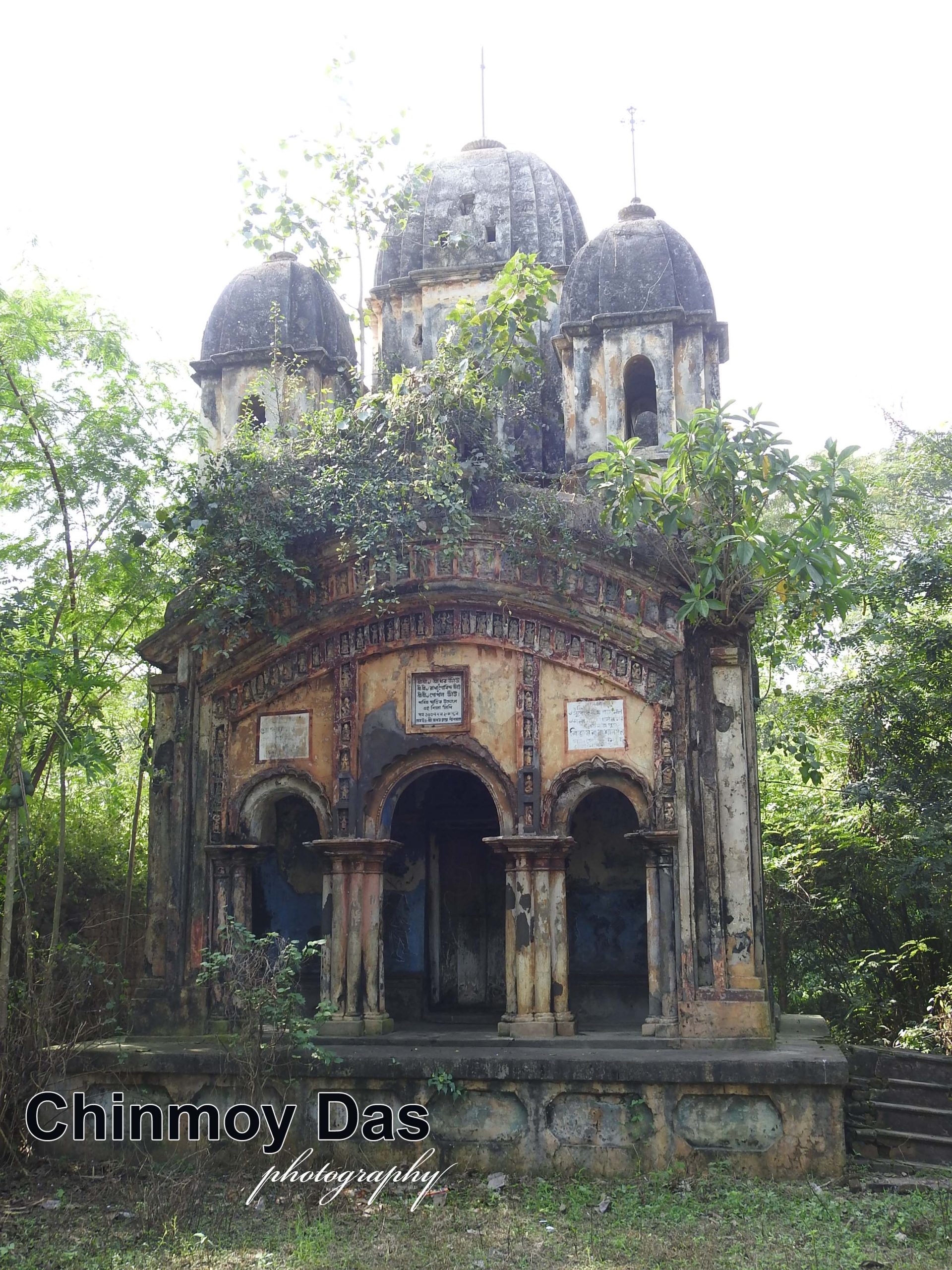
একটি প্রতিষ্ঠা-ফলক আছে মন্দিরে। সেখানে উল্লেখ আছে, বাংলা ১৩৩৭ সনের ২০শে ফাল্গুন (অর্থাৎ ইং ১৯৩০ সালে) অধর চন্দ্র শাসমল মন্দিরটি প্রতিষ্ঠা করেছিলেন।
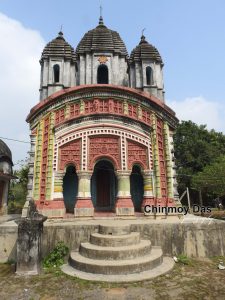
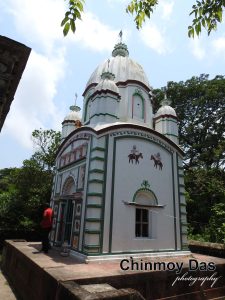
উঁচু পাদপীঠের উপর পূর্ব মুখী পঞ্চ-রত্ন মন্দির। উজ্বল প্রতিষ্ঠালিপিটি সামনের দেওয়ালে লাগানো। একদ্বারী গর্ভগৃহের সামনে, তিনদুয়ারী একটি অলিন্দ। তার দ্বারপথগুলি রচিত হয়েছে ‘কলাগেছ্যা’ রীতির গুচ্ছ থামের সাহয্যে।
গর্ভগৃহের মাথায় গড়ানো চালা ছাউনি। ফলে, কার্ণিশের বঙ্কিম ভাবটি হয়েছে বেশ মনোরম। মন্দিরের সবগুলি রত্ন বা চুড়ায়, কলিঙ্গ ধারার অনুসরণে, বাঢ়-বরণ্ড-গণ্ডী জুড়ে রথ-বিভাজন করা।
বর্তমানে চুড়াগুলির শীর্ষক অংশ একেবারেই বিধ্বস্ত, বেঁকি এবং আমলক ছাড়া কিছুই আর টিকে নাই।
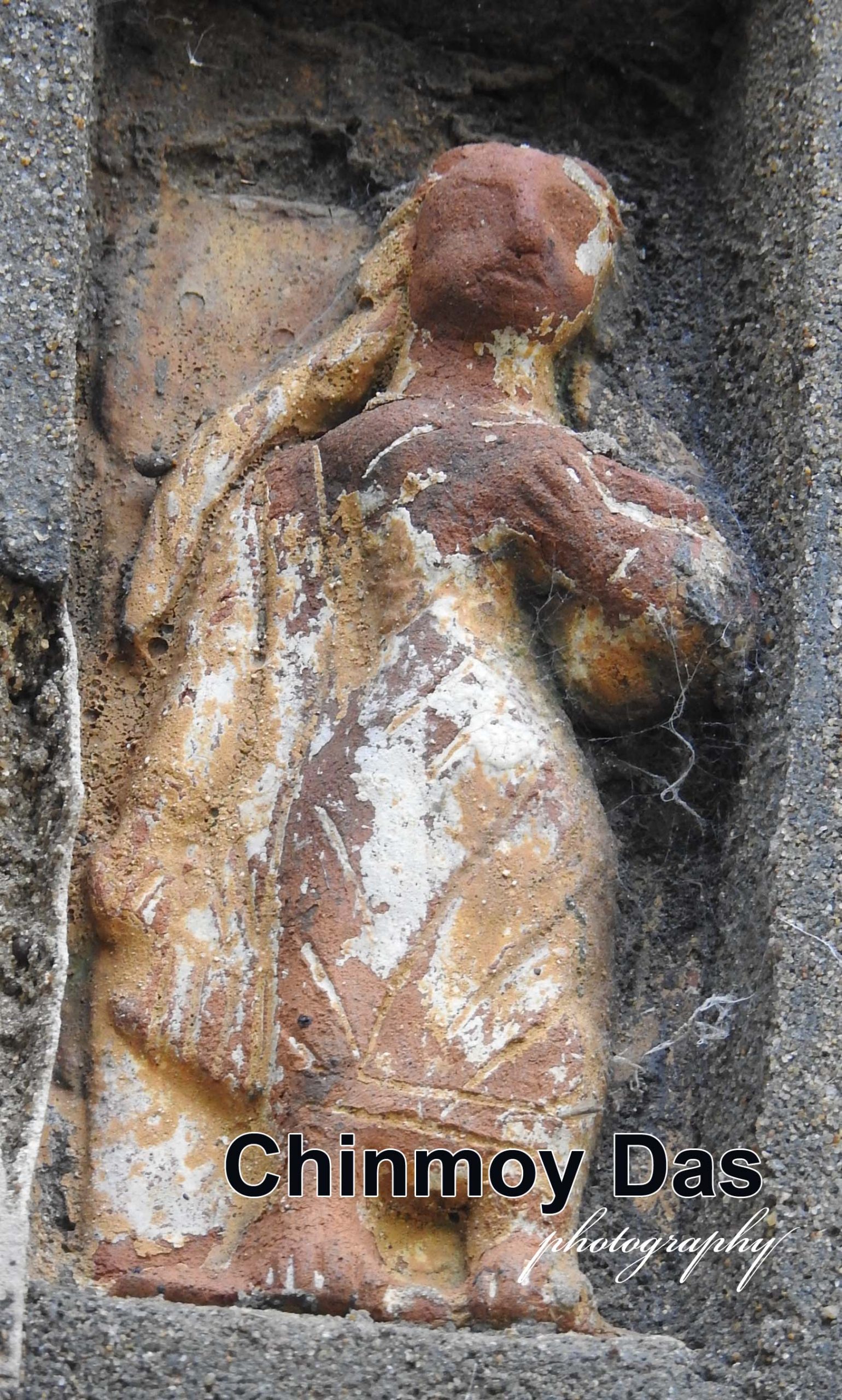
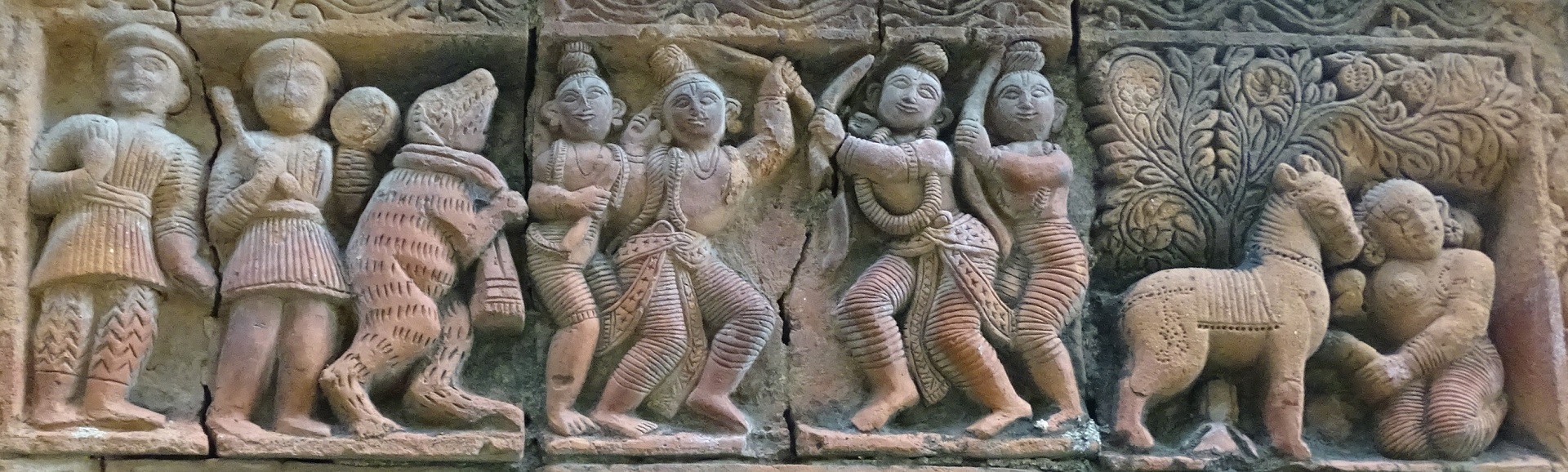
মন্দিরটির অলঙ্করণ করা হয়েছিল টেরাকোটা ফলক দিয়ে। কার্ণিশের নীচে সমান্তরাল দুটি সারি এবং দুই কোণাচ অংশের লাগোয়া দুটি খাড়া সারিতে, ছোট ছোট খোপে মূর্তিগুলি লাগানো ছিল। কাজ খুব উচ্চ মানের নয় যদিও, বর্তমানে সেগুলিও ভীষণ জীর্ণ।
আসলে, মন্দিরের নির্মাণ কাজ শেষ হওয়ার প্রাক্কালে, সূত্রধর দেবেন্দ্র চন্দ্র মারা গিয়েছিলেন। ফলকগুলি নির্মান করতে হয়েছিল পরিবর্ত কারিগর দিয়ে।
কিন্তু মন্দিরে পঙ্খের প্রলেপ এবং ফুলকারী নকশা রচনার কাজটি মূল সুত্রধর দেবেন্দ্র চন্দ্রই করে গিয়েছিলেন। তার সৌন্দর্য আজও দর্শককে মুগ্ধ করে।
Sridhar Temple, Dhamtor (Debra)
Chinmoy Das
Who does not enjoy stories of kings? Let us begin this account with the tale of a forgotten king. When Kolkata was the capital of India, the Supreme Court was also located there. At one time, a certain Sukhmoy Ray served as the dewan (chief administrative officer) of Sir Elijah Impey, the Chief Justice of the Supreme Court. He is the king featured in today's journal.
If one listens closely to the air of old Kolkata, one might still hear a rhyme from bygone days:
Gobindarāmer chhoṛi,
Umichānder gāṛi,
Naku Dharer koṛi,
Mathur Sener bāṛi.
There is no scope in this brief article to describe all of them. Let us at least introduce Naku Dhar.
At that time Kolkata was still largely rural. It would take quite some time before it truly became a city. The Battle of Plassey had not yet taken place. The English were only beginning to test the pulse of the country. A Bengali named Lakshmikanta Dhar became the dewan of Lord Clive.
Lakshmikanta's ancestral home was at Saptagram in the Hooghly district. After coming to Kolkata, he amassed immense wealth through the grace of Goddess Lakshmi. The dewan was also remarkably charitable and donated generously.
A small example will give an idea of both his vast fortune and his generosity. When Warren Hastings was preparing for war to resist the attacks of the Bargis, Lakshmikanta sent him ninety lakh rupees. Consider the period—it was the middle of the eighteenth century—and the amount was ninety lakh rupees.
Later, the British wished to confer upon this helpful friend the title of "Raja." Many prominent men of Kolkata longed for such a distinction, but Lakshmikanta did not accept it. Yet he did not reject it outright either. He requested that it be kept in reserve for the future.
The reason was that Lakshmikanta had no sons. His only daughter, Parvati, was married to a man named Raghunath Pal. Parvati's son was Sukhmoy Pal. As Lakshmikanta's grandson through his daughter, Sukhmoy inherited all of his wealth and property.
Sukhmoy later became the dewan of Chief Justice Sir Elijah Impey. Along with his grandfather's wealth, he also inherited his charitable disposition. Lakshmikanta had wished that the title of "Raja" be bestowed upon his grandson. Sukhmoy ultimately received not merely the title of Raja but that of Maharaja. He was also awarded the title of Rai Bahadur. Thereafter he became known as Sukhmoy Ray.
There is still more to the story, though it concerns not so much a king as a generous and deeply religious man.
In those days, the most famous pilgrimage centre in eastern India was Jagannath Dham at Puri. After returning from a pilgrimage there, Sukhmoy realized how troublesome the journey was because of rivers, canals, and uneven roads. In 1810, Maharaja Sukhmoy donated 150,000 rupees to Governor-General Lord Minto (1807–1813) for the construction of a proper road to Puri. Under the supervision of British engineers Captain Sackville and Captain Broughton, construction began in 1812 and was completed in 1829. The road became known as the Jagannath Road.
The king's story ends here, but the tale itself does not.
It was the beginning of the twentieth century. After nearly a hundred years of service, the road had become badly dilapidated, and the government undertook its renovation. One of the major contractors involved in the work was Adhar Chandra Shashmal. Through the road project he amassed considerable wealth and established a substantial zamindari estate. He settled in Dhamtor village beside the road.
Adhar Chandra's younger brother was Sridhar Chandra. Accepting Vishnu as the family's tutelary deity, they installed a Shalagram stone known as "Sridhar Jiu" in their zamindar residence. The two brothers also jointly established a temple.
Later, Adhar Chandra took his share of the estate and moved elsewhere from Dhamtor. From that time onward, responsibility for both Sridhar's portion of the estate and the deity fell upon Sridhar Chandra. Today, his great-grandsons serve as the deity's custodians and the owners of the temple.
A foundation plaque survives in the temple. It records that Adhar Chandra Shashmal established the temple on the 20th day of Phalgun, Bengali year 1337 (corresponding to 1930 CE).
The temple is an east-facing pancha-ratna (five-towered) structure standing upon a high plinth. The bright foundation inscription is fixed to the front wall. In front of the sanctum, which has a single entrance, is a three-doored verandah. Its doorways are supported by clustered pillars in the traditional "Kalagechhya" style.
Above the sanctum is a curved chala roof. As a result, the curved cornice has acquired a particularly graceful appearance. Following the Kalinga architectural tradition, all of the temple's towers (ratnas) are divided into ratha projections along the bada, baranda, and gandi sections.
At present, the uppermost portions of the towers are completely ruined. Nothing remains except the benki and amalaka elements.
The temple was once ornamented with terracotta plaques. The figures were set within small panels arranged in two parallel rows below the cornice and in two vertical rows adjoining the corner sections. Although the workmanship was not of the highest quality, the plaques themselves have now become severely weathered.
In fact, just before the completion of the temple, the master craftsman Devendra Chandra, a Sutradhar artisan, passed away. As a result, the terracotta plaques had to be completed by substitute craftsmen.
However, the plaster decoration and floral ornamental designs of the temple had already been executed by Devendra Chandra himself. Their beauty continues to captivate visitors even today.