লক্ষ্মীজনার্দন মন্দির, গৌরা (থানা-- দাসপুর, মেদিনীপুর)
চিন্ময় দাশ
মিষ্টি জলবাহী অনেকগুলি নদী-নালা-খালের সুবাদে, সমগ্র দাসপুর থানা, বহু পূর্বকালে থেকে, উর্বর কৃষিভূমি অধ্যুষিত। ধান তো ছিলই, তার সাথে আখ, পাট, তেঁতুল, সর্ষে, হলুদ, অনেক রকম ডালশষ্য ইত্যাদির উৎপাদন ছিল প্রভূত পরিমাণে। তার ফলে, এই এলাকার গ্রামীণ অর্থনীতিও ছিল বেশ সমৃদ্ধ। কয়েকটি হস্তশিল্পও বিকশিত হয়েছিল একসময়। বয়নশিল্পী, শোলাশিল্পী, গন্ধবণিক, কর্মকার, কুম্ভকার প্রমুখদের হাত ধরে, এলাকার অর্থনীতি পুষ্ট হতে পেরেছিল।
এগুলির সাথে সোনায় সোহাগা-র মত যুক্ত হয়েছিল রেশমশিল্প। তুঁত চাষ এবং রেশমগুটি উৎপাদনের সাথে রেশমবস্ত্রের বয়নও ছড়িয়ে পড়েছিল গ্রামগঞ্জে। বিকাশের উচ্চশিখরে উপনীত হতে পেরেছিল গ্রামীণ অর্থনীতি। ফলে, বিশেষ অর্থসম্পন্ন হয়ে উঠেছিল বিভিন্ন জীবিকাধারী বহু পরিবারই। সপ্তদশ শতকের শেষার্ধ থেকে সম্পূর্ণ অষ্টাদশ শতক জুড়ে ছিল এই বিকাশের সুবর্ণ যুগ।
এই থানার গৌরা গ্রামে হাঁড়া বংশ ছিল তেমনই একটি সম্পন্ন পরিবার। সেই বংশের জনৈক তারাপদ হাঁড়া নিজের বাস্তুর ভিতর এই মন্দিরটি প্রতিষ্ঠা করেছিলেন। একটি প্রতিষ্ঠা-ফলক আছে মন্দিরে। তা থেকে। .... বঙ্গাব্দ (অর্থাৎ ইং ..সাল) মন্দিরের প্রতিষ্ঠা হয়েছিল বলে জানা যায়। কিন্তু ফলকে প্রতিষ্ঠাতার নামের উল্লেখ নাই। সমীক্ষার সময়, সেবাইত পরিবার থেকে তাঁর নামটি জানা গিয়েছে।
মন্দিরের প্রতিষ্ঠাতা-- তারাপদ হাঁড়া। তাঁর পুত্র-- ধর্মদাস, পৌত্র--উপেন্দ্র, প্রপৌত্র-- সত্যচরণ। সত্যচরণের ছয় পুত্র-- মনোরঞ্জন, চিত্তরঞ্জন, অজিত কুমার, কার্তিক চন্দ্র, গণেশ চন্দ্র এবং গোপাল চন্দ্র। এই ৬ জন সহোদর ভাই সেবাইত হিসাবে বর্তমান।
এই মন্দিরে দেবতার কোনও মূর্তি নাই। লক্ষ্মীজনার্দন নামিত একটি শালগ্রাম শিলা অধিষ্ঠিত থেকে পূজিত হন। নিত্যপূজার প্রচলন। আছে। তাছাড়া, সম্বৎসরে কৃষ্ণ জন্মাষ্টমী, রাধাষ্টমী, উত্থান এবং ভীম একাদশী, রাসযাত্রা, দোল উৎসব, মকর পরবগুলি সাধ্যমত ঘটা করে অনুষ্ঠিত হয় এই মন্দিরে।
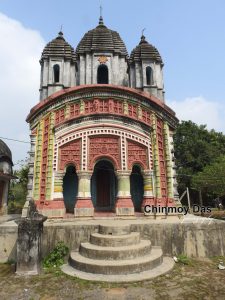
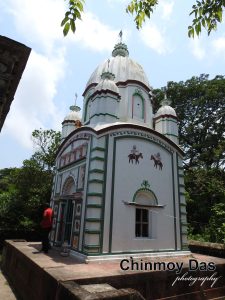
ইটের তৈরী দক্ষিণমুখী মন্দির। রত্ন-রীতির পঞ্চ-রত্ন শৈলীতে নির্মিত। বর্তমানে নকশাকাটা ভিত্তিবেদীটির উচ্চতা সামান্য। একটি সংকীর্ণ প্রদক্ষিণ-পথ আছে বেদীর উপর।
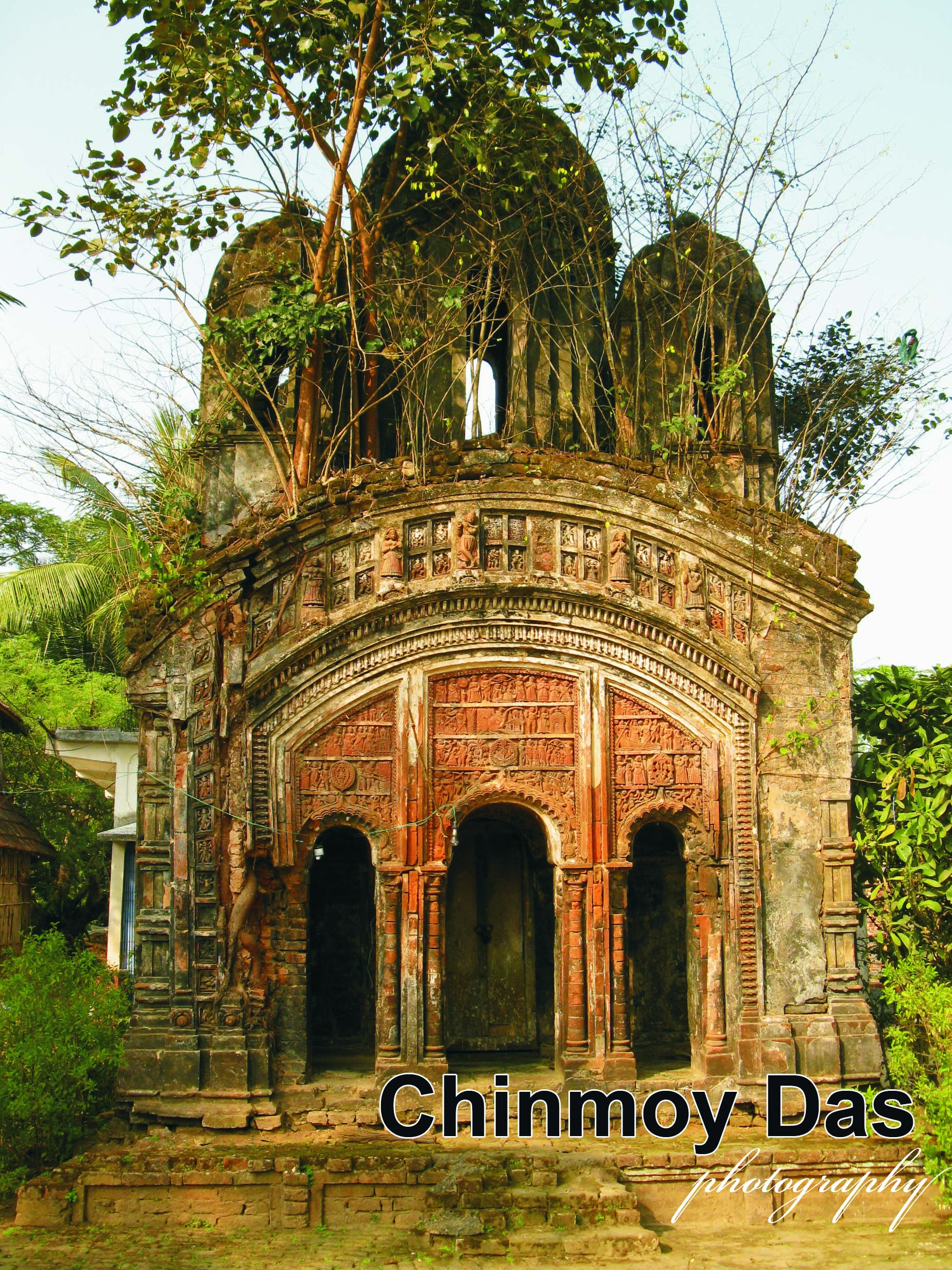
সামনে একটি খিলান-রীতির তিন-দুয়ারী অলিন্দ। তার মাথায় টানা-খিলান রীতির সিলিং। এক-দ্বারী গর্ভগৃহের সিলিং হয়েছে খিলানের মাথায় গম্বুজ স্থাপন করে।
উপরে, রত্নগুলিতে রথ-বিন্যাস এবং পীঢ়-রীতি প্রয়োগ করা হয়েছে।
মন্দিরের শীর্ষক অংশটি বিনষ্ট। বেঁকী, আমলক, কলস, চক্র ইত্যাদি কিছুই আর দেখা যায় না।
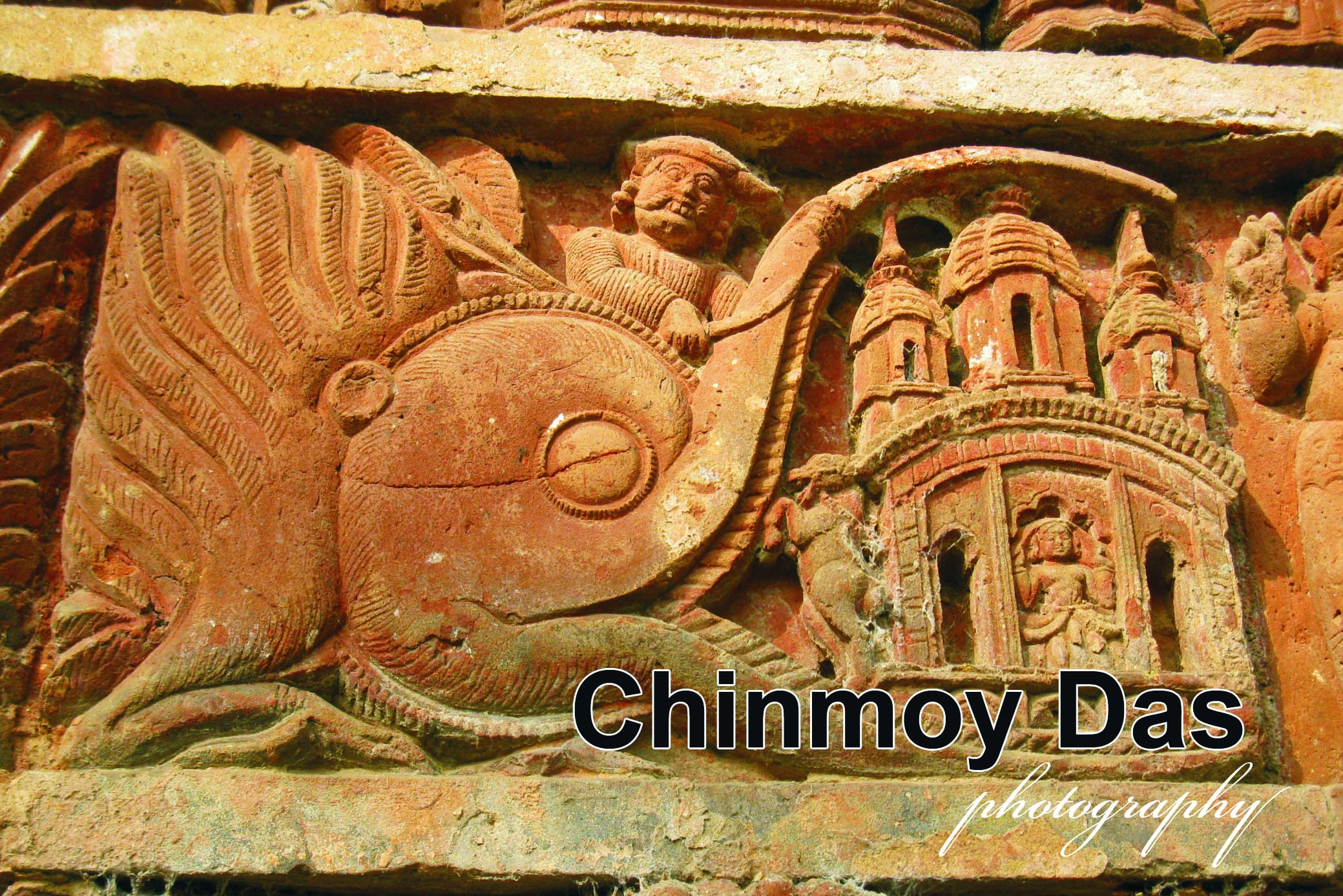
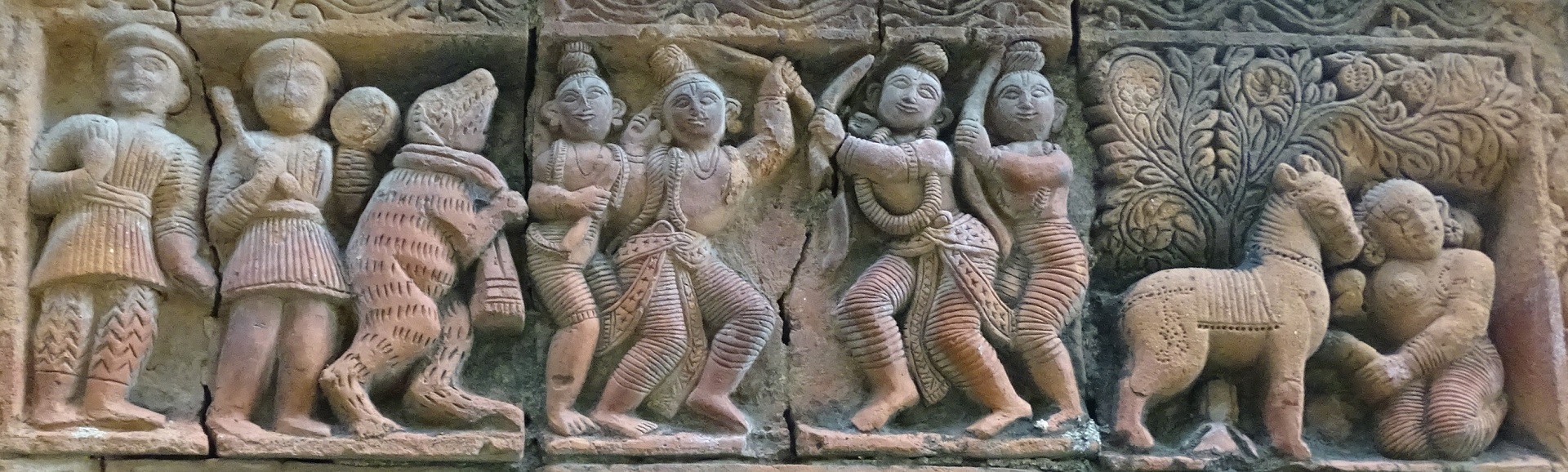
মন্দিরের সামনের দেওয়ালের টেরাকোটা অলঙ্করণ বেশ সমৃদ্ধ। তিনটি দ্বারপথের মাথার উপর তিনটি বড় প্রস্থে, কার্ণিশের নীচ বরাবর একটি সারি এবং দুই কোনাচ অংশে দুটি খাড়া সারিতে ফলকগুলি বিন্যস্ত। মোটিফ হিসাবে, রামায়ণ কাহিনী থেকে দেখা যায়-- রাবণের সীতাহরণ, জটায়ুর যুদ্ধ, সুর্পণখার নাসিকাছেদন, রাম-রাবণের যুদ্ধ, রামচন্দ্র ও সীতাদেবীর রাজ্যাভিষেক ইত্যাদি।
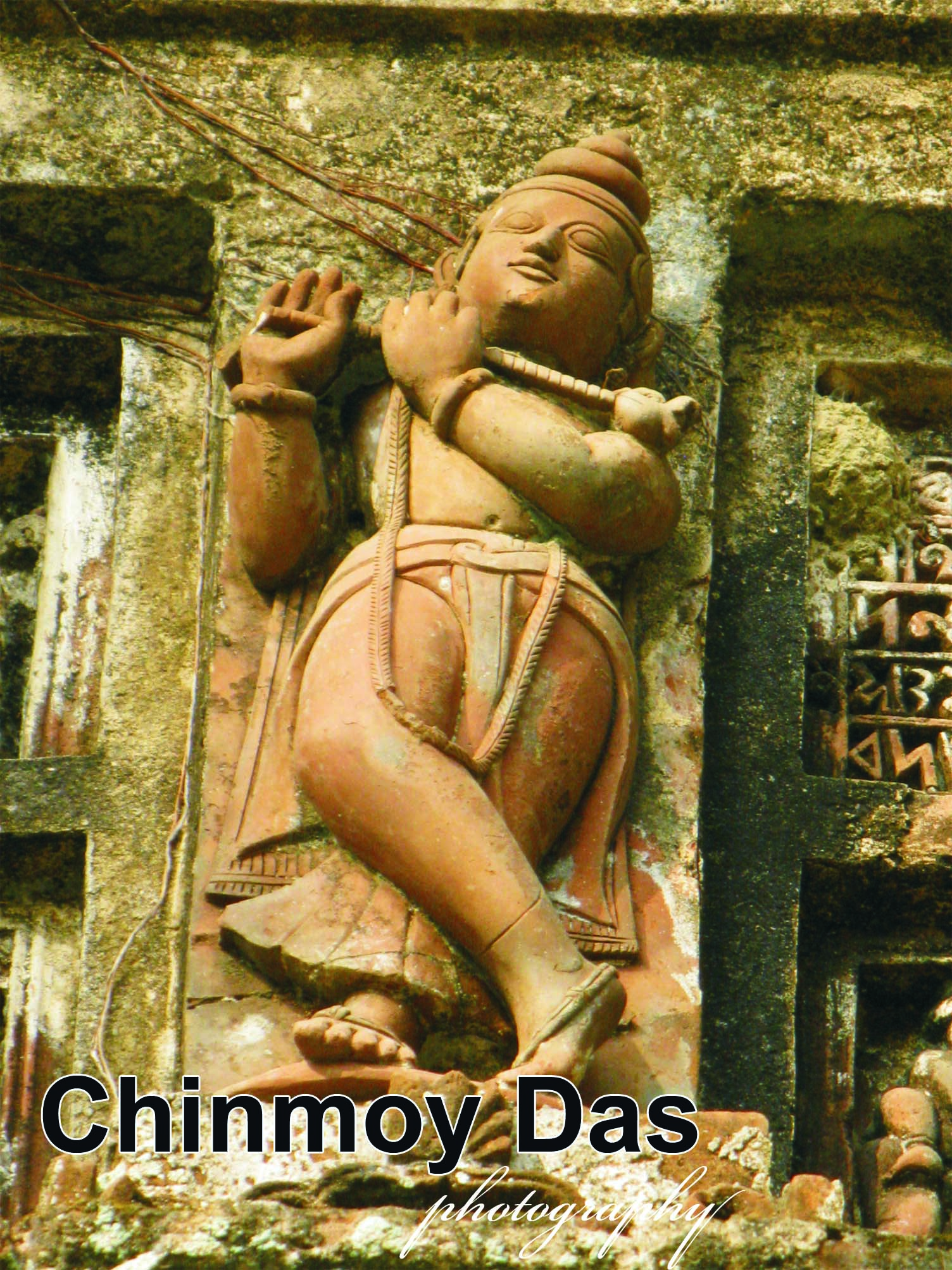
শ্রীকৃষ্ণের দ্বারকা গমণ, সমুদ্র মন্থন, বিষ্ণুর দশাবতার, রাধা-কৃষ্ণ, বংশীধারী শ্রীকৃষ্ণ ইত্যাদি আছে পুরাণাদি থেকে।
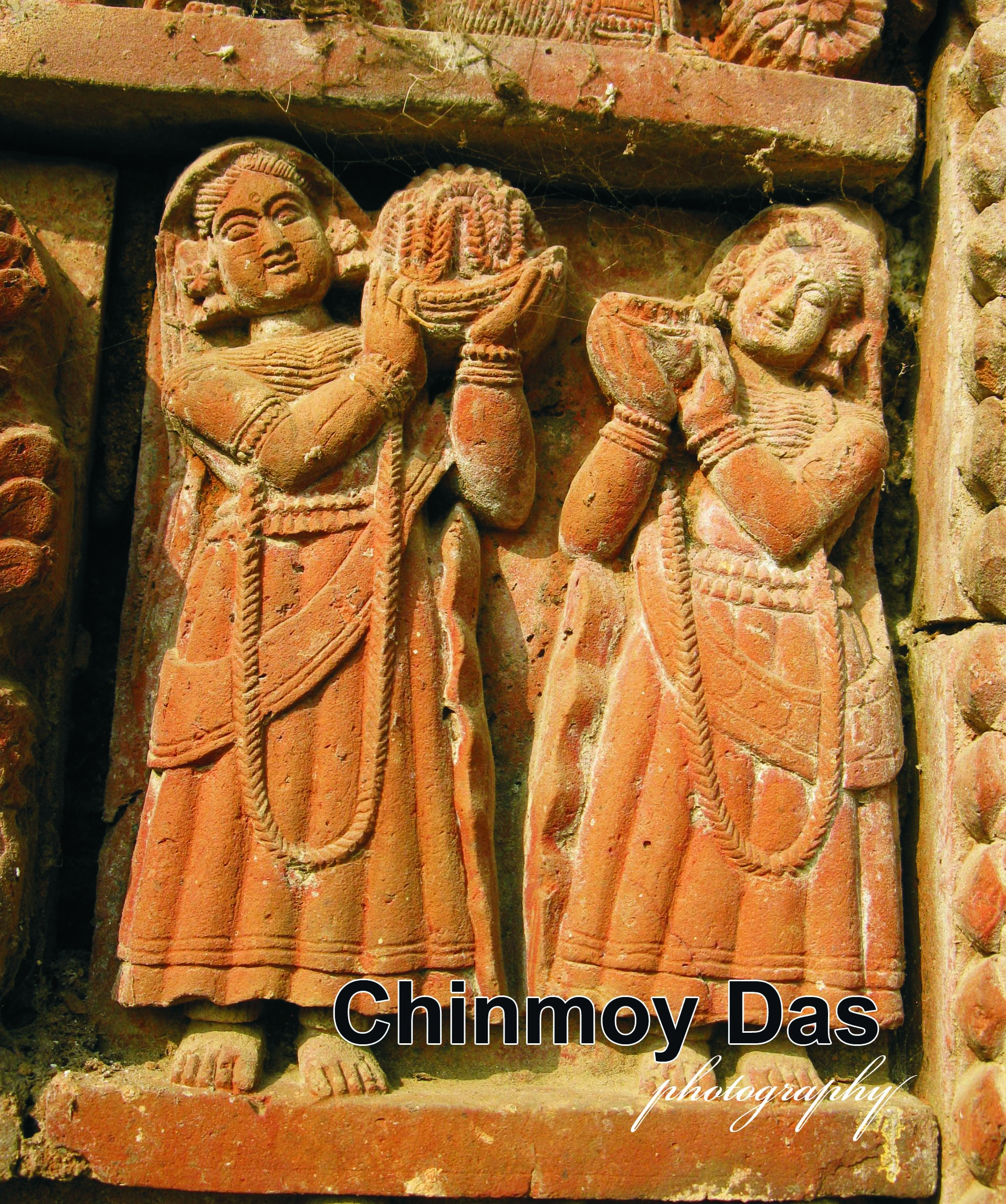
এগুলি ছাড়া, দ্বারপাল, বীণাবাদিকা, কাঁসরবাদিকা, বেহালাবাদিকা এবং শঙ্খবাদিকা মূর্তিগুলি এখনও দেখা যায়।
ছোটখাটো একটি জমিদারিও ছিল তারাপদর। ১০০ বিঘা নিষ্কর দেবোত্তর সম্পত্তি করেছিলেন দেবতার সেবাপূজার জন্য। জমিদারি উচ্ছের পর থেকে, দেবতার সেবাপূজায় যেমন সঙ্কট তৈরী হয়, মন্দিরের রক্ষণাবেক্ষণের কাজটিও উপযুক্তভাবে করা যায় নি। ক্রমে ক্রমে জীর্ণতা গ্রাম করে নিয়েছে সৌধটিকে।
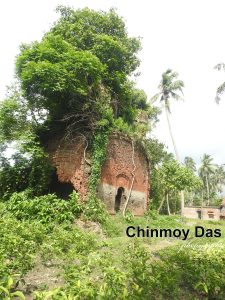
বর্তমানে টেরাকোটায় সাজানো মন্দিরটির সারা অঙ্গ জুড়ে কালের আঘাতের চিহ্ন। বড় বড় ফাটল। গজিয়ে ওঠা গাছপালা আকাশ ছুঁয়ে দেখার জন্য সদা উদগ্রীব। শেকড়ের বাঁধনে আষ্টেপৃষ্ঠে জড়িয়ে ধরেছে মন্দিরটিকে।
প্রতি মুহূর্তে সম্পূর্ণ ধ্বংসের আগমনী শুনছে অসহায় দেবালয়টি। তার নিরুচ্চার কান্না শোনার কি কেউ নাই কোথাও?
Lakshmijanardan Temple, Gaura (Daspur Police Station, Medinipur)
Chinmoy Das
Owing to the presence of numerous rivers, streams, and canals carrying fresh water, the entire Daspur region has, since ancient times, been blessed with highly fertile agricultural land. Rice was cultivated in abundance, along with sugarcane, jute, tamarind, mustard, turmeric, and various kinds of pulses. As a result, the rural economy of this area became quite prosperous. Several handicraft industries also flourished at one time. Weavers, shola craftsmen, perfume merchants, blacksmiths, potters, and others contributed significantly to strengthening the local economy.
To this prosperity was added the flourishing silk industry. Mulberry cultivation, silk cocoon production, and silk weaving spread throughout the villages. The rural economy reached a remarkable height of development, and many families engaged in different occupations accumulated considerable wealth. From the latter half of the seventeenth century through the entire eighteenth century, this period marked the golden age of such prosperity.
The Hāṛā family of Gaura village in this police station area was one such affluent family. Tarapada Hāṛā of this lineage established the temple within his residential compound. A foundation plaque survives in the temple. From it, it is known that the temple was established in the Bengali year .... (corresponding to ... CE). However, the founder's name is not mentioned on the plaque. During the survey, the name was learned from the family of hereditary custodians (sebaits).
The founder of the temple was Tarapada Hāṛā. His son was Dharmadas, grandson Upendra, and great-grandson Satyacharan. Satyacharan had six sons—Manoranjan, Chittaranjan, Ajit Kumar, Kartik Chandra, Ganesh Chandra, and Gopal Chandra. These six brothers currently serve as the hereditary custodians of the temple.
There is no anthropomorphic image of the deity in this temple. Worship is offered to a Shalagram Shila (sacred fossil stone) known as Lakshmijanardan. Daily worship is regularly performed. In addition, festivals such as Krishna Janmashtami, Radhashtami, Utthan Ekadashi, Bhima Ekadashi, Ras Yatra, Dol Yatra, and Makar Parva are celebrated here each year with as much grandeur as circumstances permit.
The temple is a south-facing brick structure built in the Pancha-Ratna (five-towered) style of Bengal temple architecture. At present, the ornamented plinth is of only modest height. A narrow circumambulatory passage runs around the shrine on the platform.
At the front is a three-arched porch with three entrances. Its ceiling is formed in the barrel-vaulted arch style. The single-doored sanctum is covered by a dome placed above an arched ceiling.
The upper towers (ratnas) display the application of ratha projections and the pidha style of superstructure design.
The crowning portion of the temple has been destroyed. The beki, amalaka, kalasha, chakra, and other finial elements are no longer visible.
The terracotta ornamentation on the front façade of the temple is particularly rich. Panels are arranged in three large sections above the three doorways, in a continuous row beneath the cornice, and in two vertical rows at the corner sections. Among the motifs from the Ramayana are:
-
Ravana's abduction of Sita,
-
Jatayu's battle,
-
The cutting of Surpanakha's nose,
-
The battle between Rama and Ravana,
-
The coronation of Rama and Sita.
From the Puranic tradition appear scenes such as:
-
Krishna's journey to Dwaraka,
-
The Churning of the Ocean (Samudra Manthana),
-
Vishnu's Ten Avatars (Dashavatara),
-
Radha-Krishna,
-
Krishna playing the flute.
Besides these, figures of door guardians (dvarapalas), a vina player, cymbal player, violin player, and conch-blower can still be seen.
Tarapada also possessed a small zamindari estate. He dedicated 100 bighas of rent-free debottar land for the service and worship of the deity. After the abolition of the zamindari system, financial difficulties arose in maintaining both the worship and the temple itself. Consequently, proper conservation could not be carried out, and the structure gradually fell into decay.
Today, the terracotta-clad temple bears the marks of time across its entire body. Large cracks have appeared. Trees and vegetation have sprung up and grown skyward, their roots tightly encircling the structure.
The helpless shrine seems to hear the footsteps of complete destruction approaching at every moment. Is there no one anywhere to hear its silent cry?