টেরাকোটা মন্দির
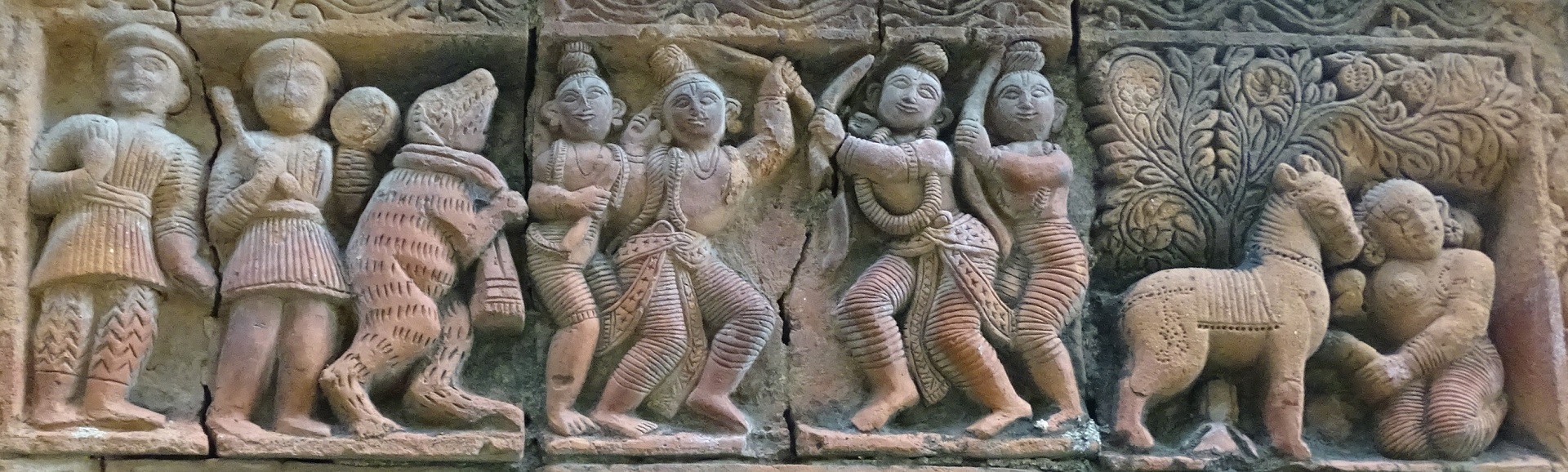
মাটি পুড়িয়ে যে শিল্প তৈরি হয়েছে সেগুলি টেরাকোটা শিল্প। মন্দির স্থাপত্যে টেরাকোটার অলংকরণ বাংলার এক ব্যতিক্রমী ঐতিহ্য। বাংলায় প্রাচীনকাল থেকেই মন্দির তৈরীর ক্ষেত্রে পাথরের অভাবে ইট ব্যবহার হয়ে আসছে। মাটির তৈরি এই শিল্প আয়ুর দিক থেকে ক্ষণস্থায়ী। প্রচুর মন্দির এই কারণে ধ্বংস হয়ে গেছে এবং আরো কিছু মন্দির ধ্বংস হওয়ার পথে।
সাধারণত মন্দিরের রূপ নির্ভর করে তার আচ্ছাদন বা উপরি অংশের উপর। আচ্ছাদনের আকৃতি ও বৈশিষ্ট্য অনুসারে বাংলার মন্দিরগুলি চারটি রীতিতে বিভক্ত শিখরের রীতি, পীড়া রীতি ,চালা রীতি ও রত্ন রীতি।
এর মধ্যে শিখর ও পীড়া বা ভদ্র রীতি উড়িষ্যা র হাত ধরে বাংলায় প্রবেশ করেছে এবং চালা ও রত্ন রীতি বাংলার নিজস্ব বৈশিষ্ট্য। প্রথম দুটি ক্ষেত্রে মন্দিরের ছাদ বা আচ্ছাদন দেওয়ালের উপর থেকে ক্রমহ্রাসমান আকৃতিতে সোজা ওপরে উঠে একটা নির্দিষ্ট স্থানে মিলিত হয়।
চালা রীতি টি বাংলার নিজস্ব কুটির ধারণার থেকে গড়ে উঠেছে। চাল বা চালা মন্দিরের ছাদ। মন্দিরের তলা বাড়িয়ে অর্থাৎ একতলা দোতলা তিনতলা এইভাবে উপরের আচ্ছাদন অলংকৃত হয়েছে। এক্ষেত্রে দোচালা চারচালা আটচালা বারো চালা এইভাবে মন্দিরগুলি দেখতে পাওয়া যায়। একতলা কি ব্যবহারযোগ্য , অন্যতলাগুলি অলঙ্করন।এই চালার চারিধারে চূড়া বা রত্ন স্থাপন করে রত্ন মন্দির ধারনাটি গড়ে উঠেছে।
উপরোক্ত বিষয়টি ছাড়াও মন্দির স্থাপত্যে বিভিন্ন রকম ধারার প্রয়োগ ঘটেছে। সমস্ত মন্দিরগুলি স্থাপত্য এবং গঠন অনুসারে বর্গীকরণের জন্য আমরা ডেভিড ম্যাককাচ্চন প্রদর্শিত পথটি গ্রহণ করেছি।
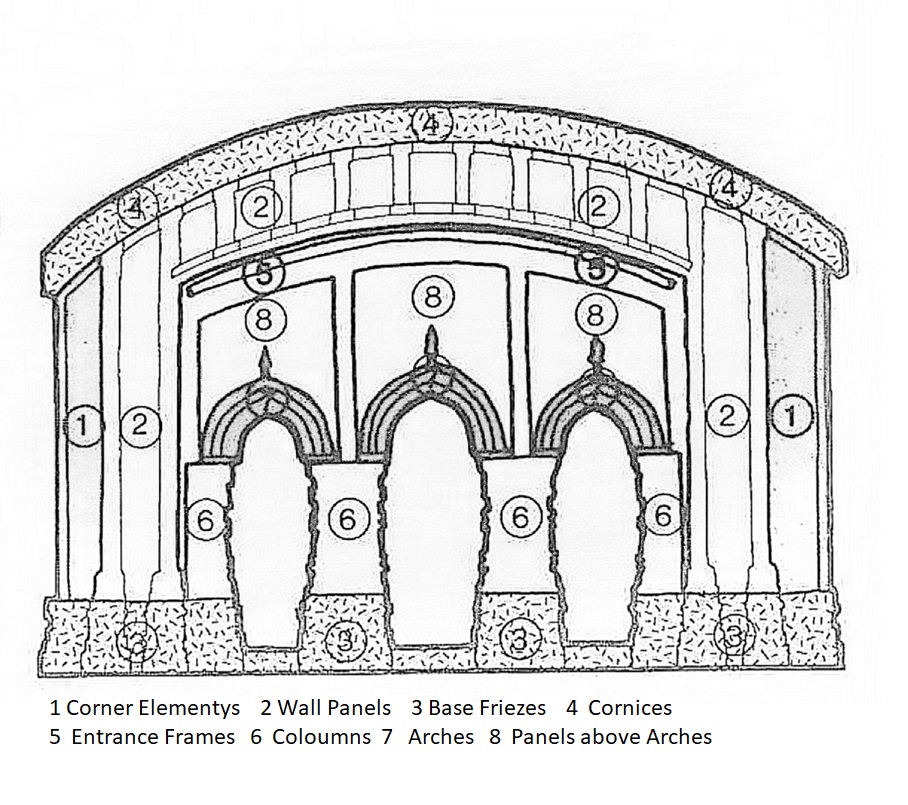
বাংলার এই মন্দির স্থাপত্যের অন্যতম বৈশিষ্ট্য হচ্ছে মন্দিরের সম্মুখভাগের ( facade ) অসম্ভব সুন্দর অলংকরণ। এই অলংকরণগুলি সম্মকভাবে অনুধাবন করতে গেলে মন্দিরের সম্মুখভাগের উপবিভাগ গুলি জানা থাকলে ভালো হয়। উপরের রেখাচিত্রে এর একটা ধারণা দেওয়ার চেষ্টা করা হলো।
এই শিল্পের সাথে অঙ্গাঙ্গী ভাবে জড়িয়ে আছেন শিল্পীরা যারা এই মন্দিরগুলি নির্মান ও অলংকরণ করেছিলেন। রাজা জমিদার এবং সমাজের উঁচু অংশের মানুষের অর্থে মন্দিরগুলি নির্মিত হলেও এর অলংকরণের জন্য ডাক পড়তো এই দরিদ্র মানুষগুলির। টেরাকোটা শিল্পে মানব জীবনের যে অফুরন্ত প্রাণ রস দেখা যায় তা উঠে এসেছিল এই শিল্পীদের জীবনবোধ থেকে । মন্দির অলংকরণে সেই কারণেই দেখা যায় দেবতাদের শাস্ত্রীয় রূপের থেকে লৌকিক রূপটাই বেশি। এই শিল্পীদের সমাজে একটা অত্যন্ত সম্মানীয় স্থান ছিল। তারা নিজেদের নামের সঙ্গে মিস্ত্রী ,সূত্রধর , সুতার, কারিগর এই ধরনের পরিচয় জ্ঞাপক শব্দ গুলি ব্যবহার করতেন।
কালের বিবর্তনে এবং ভৌগোলিক সীমার বিভিন্নতায় এই শিল্পের বিভিন্ন রূপ , বিভিন্ন আঙ্গিকের ক্রমবিকাশ আমাদের আকৃষ্ট করে।
The art made by burning clay is called terracotta art. Terracotta decoration in temple architecture is an exceptional tradition of Bengal. Since ancient times in Bengal, bricks have been used in the construction of temples due to lack of stone. This art made of clay is short-lived. Many temples have been destroyed due to this and many more are on the way.
Generally the form of a temple depends on its cover or upper part. According to the shape and characteristics of the covering, the temples of Bengal are divided into four styles: Shikhar style, Peera style, Chala style and Ratna style.
Among them Shikhar and Peera or Bhadra style entered Bengal through the hands of Orissa and Chala and Ratna style are characteristic of Bengal.
In the first two cases the roof or covering of the temple rises straight up from the wall in a descending shape and meets at a fixed point.
The Chala style evolved from Bengal’s own cottage concept. Chala or Chala temple roof. By raising the storeys of the temple i.e. one storey, two storeys and three storeys, the upper cover has been decorated. In this case the temples can be seen as Dochala Fourchala Eightchala Barochala. One floor is usable, the other floors are decorative. The Ratna Mandir concept is developed by placing Chura or Ratna around this Chala.
Apart from the above, various styles have been applied in temple architecture. To classify all the temples according to architecture and structure we have adopted the path shown by David McCutcheon.
One of the characteristics of this temple architecture of Bengal is the incredibly beautiful decoration of the front portion of the temple. To properly appreciate these decorations, it is better to know the subdivisions of the temple facade. The above diagram tries to give an idea of this.
Inextricably linked with this art are the artists who built and decorated these temples. Although the temples were built with the money of the kings , zamindars and people from the upper part of the society, these poor people were called upon to decorate them. The endless vitality of human life that can be seen in the terracotta art emerged from the sense of life of these artists. That is why the secular forms of the deities are seen more than the classical forms in the temple decoration. These artists had a very respectable place in society. They used identifying words such as mistri, sutradhar, sutar, karigar along with their names.
In the evolution of time and different geographical boundaries, the different forms of this art, the development of different aspects attract us.
দলপতিপুর শ্রীধরজীউ Dalapatipur Sridhar Jiu
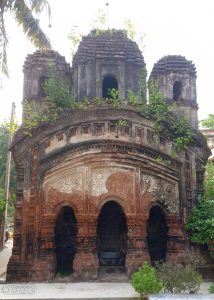
পশ্চিম মেদিনীপুর জেলার ঘাটাল থানার অন্তর্গত খড়ার পৌরসভার দলপতিপুর গ্রামে একটি পঞ্চরত্ন মন্দির রয়েছে। পূর্বমুখী এই মন্দিরটি একটি উল্লেখযোগ্য পুরাকীর্তি। এখানে বিষ্ণু শ্রীধরজীউ রূপে পূজিত হন। ত্রিখিলান যুক্ত মন্দিরের ধনুকাকৃতি উপরের অংশে বেশ কিছু টেরাকোটা ফলক এখনো আছে। রাম রাবণের যুদ্ধ , কৃষ্ণ লীলা এর মূল প্রতিপাদ্য বিষয়। খিলান গুলির ধারে স্তম্ভের মধ্যেও কিছু টেরাকোটা […]
Read More
রাজরাজেশ্বরী দধিমাধব Rajrajeswari Dadhimadhab
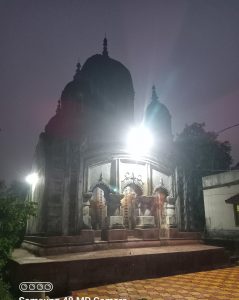
পশ্চিম মেদিনীপুর জেলার দাসপুর থানার অন্তর্গত কিশোর নগর গ্রাম পঞ্চায়েতের বোস পাড়ায় একটি পঞ্চরত্ন মন্দির অবস্থান করছে। রাজরাজেশ্বরী এবং দধিমাধব এই বিগ্রহ এখানে পূজিত হন। ইটের তৈরি এই মন্দিরটির সামনে একটি চার চালা পলকাটা তুলসী মঞ্চ আছে। Pancharatna temple is located at Bose Para in Kishore Nagar Gram Panchayat under Daspur police station of Paschim […]
Read More
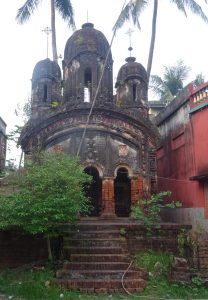
রঘুনাথ মন্দির Raghunath Temple
পশ্চিম মেদিনীপুর জেলার দাসপুর ব্লকের অন্তর্গত কিসমত রাধাকান্তপুর গ্রাম পঞ্চায়েতের পূর্ব মন্ডলপাড়ায় একটি পঞ্চরত্ন মন্দির আছে। মন্দিরটি একসময় উৎকৃষ্ট টেরাকোটা ফলক দ্বারা সজ্জিত ছিল অনুমান করা যায় বর্তমানে তার প্রায় কিছুই অবশিষ্ট নেই। পঞ্চরত্ন মন্দিরটি জীর্ণ অবস্থায় বিরাজ করছে। অনুমান রঘুনাথ জিউর এই মন্দিরটি উনবিংশ শতাব্দীর শেষভাগে তৈরি হয়েছিল। There is a Pancharatna temple in […]
Read More
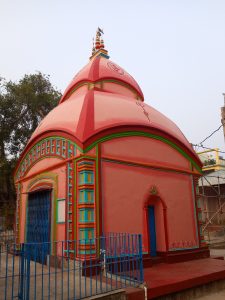
পঞ্চানন শিব Panchanan Shib
পশ্চিম মেদিনীপুর জেলার দাসপুর থানার অধীনে সোনাখালি গ্রাম পঞ্চায়েত। এই পঞ্চায়েত এলাকায় কোনাখালী বাজারের কাছে অতি প্রাচীন একটি শিব মন্দির আছে। পশ্চিমমুখি আটচালা এই শিব মন্দিরটি ১৭৭২ / ৭৩ সালে তৈরি হয়েছিল। একসময় পোড়ামাটির ফলকে যে সুন্দর আঙ্গিকে মন্দিরটি কারুকার্যময় হয়ে উঠেছিল , বর্তমানে রং করার ফলে তার গরিমা অনেকটাই নষ্ট হয়েছে। বিশেষত পোড়ামাটি ফলক […]
Read More

নীলকন্ঠ শিব Nilkantha Shib
পশ্চিম মেদিনীপুরের দাসপুর থানার সাহাচক গ্রামে একটি আটচালা শিব মন্দির দেখতে পাওয়া যায়। পশ্চিমমুখী মন্দিরটি বর্তমানে ( ৭ ফেব্রুয়ারি ২০২৫) সম্পূর্ণভাবে সংস্কার করা হয়েছে। নতুন করে রং করা হয়েছে। তারাপদ সাঁতরা লিখিত গ্রন্থে একটি প্রতিষ্ঠা লিপির কথা বলা হয়েছে। সেটি ছিল –“শ্রী শ্রী নীলকন্ঠ শিব ঠাকুর / সাং শাহাচক / শকাব্দা ১৮১০ সন ১২৯৫ সাল […]
Read More
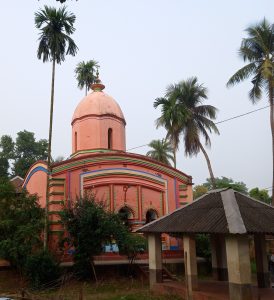
গেঁড়িবুড়ি Geriburi
পশ্চিম মেদিনীপুর জেলা দাসপুর থানার অধীনে গ্রাম বলিহারপুর। এখানে গেঁড়িবুড়ি তলায় একটি এক রত্ন মন্দিরে লৌকিক দেবী গেঁড়িবুড়ির পূজা করা হয়। আমুল সংস্কার হয়ে যাওয়া এই মন্দিরটি তে কয়েকটি টেরাকোটার ফুল এবং রাধা কৃষ্ণের মূর্তী দেখতে পাওয়া যায়। বর্তমানে অলংকরণ গুলি সম্পূর্ণভাবে রং করা। মন্দিরটি দক্ষিণমুখীসম্মুখভাগে ত্রিখিলানের উপরিস্থিত বক্র কার্নিশ এর উপরে প্রতিষ্ঠা লিপিতে দেখা […]
Read More