রঘুনাথ মন্দির, ধামতোড় (ডেবরা)
চিন্ময় দাশ
খৃষ্টিয় একাদশ শতাব্দীর শেষ দিকে ওডিশার রাজা ছিলেন অনঙ্গ বর্মা চোড়গঙ্গদেব। বাংলার সীমান্তে অবস্থিত মেদিনীপুর জেলার প্রায় সমগ্র এলাকা তাঁর রাজ্যের অন্তর্ভুক্ত ছিল। বাংলায় মুসলমান বিজয়ের গোড়ার দিকে, উৎকলরাজ ছিলেন অনঙ্গ ভীমদেব। রাজ্যের সীমানা আরও বিস্তার ঘটেছিল তাঁর সময়ে। ষোড়শ শতাব্দীর প্রায় মঝামাঝি, অর্থাৎ কলিঙ্গরাজ হরিচন্দন মুকুন্দদেবের মৃত্যু পর্যন্ত, এই অবস্থা বহাল ছিল। এক কথায়, বাংলাদেশের অন্যান্য স্থানে যখন সুলতানি শাসন সুপ্রতিষ্ঠিত, মেদিনীপুর জেলায় তখনও প্রচলিত ছিল ওডিশার হিন্দু রাজাদের শাসন।
অঙ্কের হিসাবে এই দীর্ঘ সাড়ে চারশ’ বছর, বড় কম সময় নয়। এই সময়কালে, ওডিশা ও বাংলার বহু মানুষ বিভিন্ন উপলক্ষে এদিক থেকে ওদিকে যাতায়াত করেছেন। মেদিনীপুর জেলার দক্ষিণ, পশ্চিম এবং দক্ষিণ-পূর্ব এলাকায় অনেকগুলি জমিদার বংশ আছে , যারা কোন না কোনও সময়ে, ওডিশা থেকে বাংলায় চলে এসেছিলেন। এবারের এই জার্ণালে, তেমনই একটি পরিবার এবং তাঁদের মন্দিরের সালতামামি।
ওডিশার জাজপুর এলাকার নিষ্ঠাবান ব্রাহ্মণ জনৈক নবীন চন্দ্র পতি মূলত ভাগ্যসন্ধানে পৈতৃক ভিটে ছেড়ে বাংলায় চলে এসেছিলেন। সেকালের প্রসিদ্ধ জগন্নাথ সড়ক ধরে উত্তরমুখে রেমুনা ছাড়িয়ে সুবর্ণরেখা পার হয়েছিলেন। কটক রাস্তা ধরে এগিয়ে, থেমেছিলেন সাহাপুর পরগণার আজকের ধামতোড় গ্রামে।
নতুন এলাকায় ভাগ্যদেবীর কৃপাদৃষ্টি পড়েছিল পতিবংশের উপর। ধীরেধীরে সম্পদশালী হয়ে, নিজেদের একটি জমিদারীও গড়েছিল এই বংশ। তাঁদের মহাল ছিল ধামতোড়, দলপতিপুর, নছিপুর, বেনিয়া ইত্যাদি মৌজায়।
জগন্নাথভূমি ওডিশা থেকে বাংলায় এসেছিলেন পতিরা। মেদিনীপুর জেলা জুড়ে তখন চৈতন্যদেবের গৌড়ীয় বৈষ্ণবধর্মের প্রবল স্রোত প্রবহমান। বৈষ্ণব ধর্মগুরু শ্যামানন্দ প্রভুর ধর্মপ্রচারে ঘরে ঘরে ভগবান বিষ্ণু কিংবা রাধাকৃষ্ণের আরাধনা প্রচলিত হয়েছে।
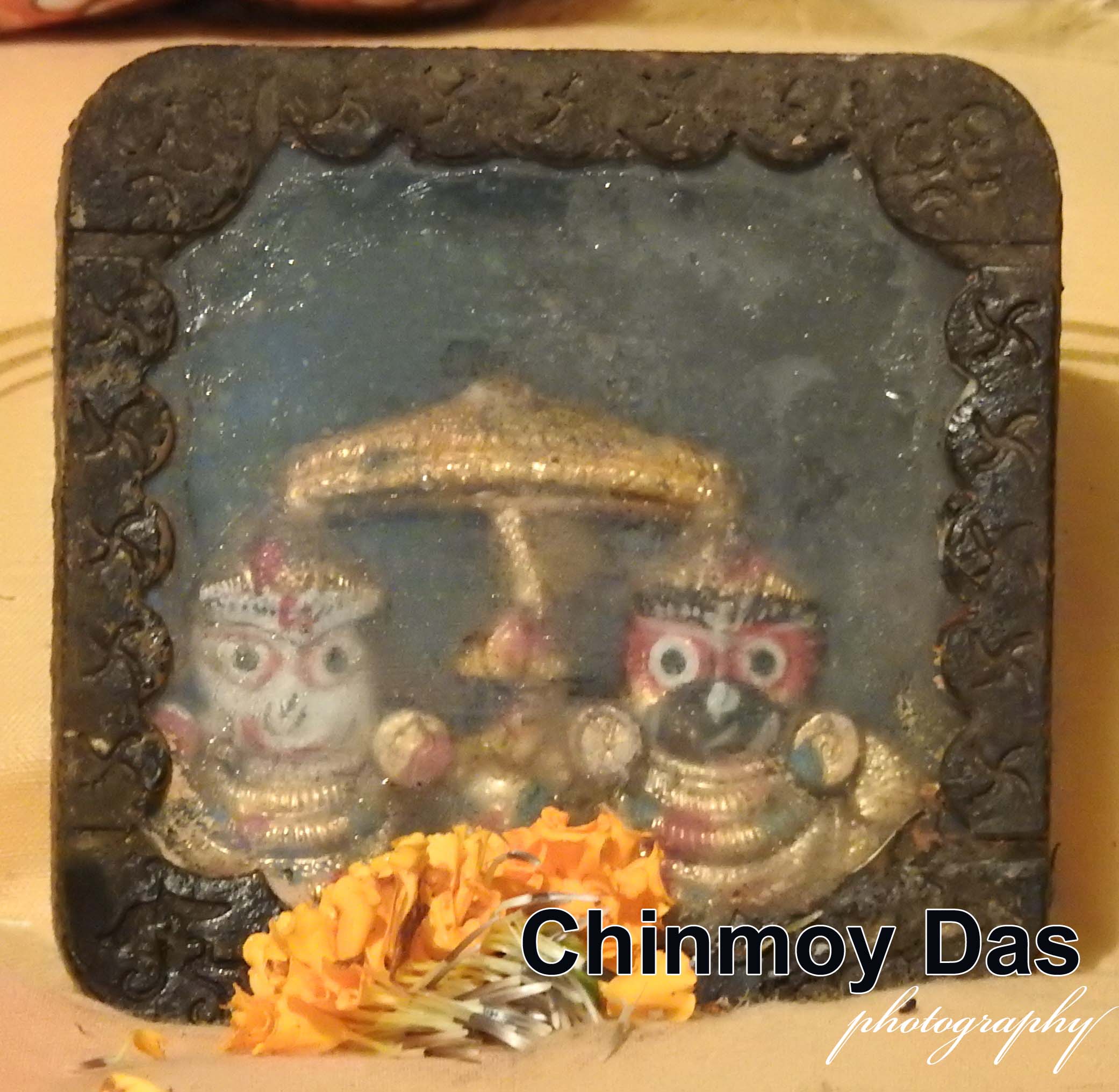
সেই স্রোতে অবগাহন করেছিলেন পতিবংশও। বিষ্ণুকেই ইষ্টদেবতা জ্ঞান করেছিলেন। রঘুনাথ নামিত একটি শালগ্রাম শিলা প্রতিষ্ঠা করে সেবাপূজার প্রচলন করা হয়েছিল।
ধামতোড়ে পতিবংশের প্রতিষ্ঠাতা নবীন চন্দ্রের জেষ্ঠ্য পুত্র রামদয়াল। রামদয়ালের জ্যেষ্ঠ পুত্র ছিলেন প্যারীলাল পতি। প্যারীলাল তাঁর পিতা রামদয়াল পতি-র স্মৃতিতে, রঘুনাথের জন্য নিজেদের বাস্তুর ভিতর একটি স্থায়ী মন্দির গড়ে দিয়েছিলেন।
নিজস্ব সম্পত্তি আছে দেবতা রঘুনাথের। নিত্যপূজা ছাড়াও, ঝুলন, জন্মাষ্টমী, রাধাষ্টমী, রাস উৎসব, মকর, চাঁচর-দোল পূর্ণিমা ইত্যাদি সম্বৎসরের সমস্ত পার্বণ আয়োজিত হয় সেই সম্পত্তির উপস্বত্ত্ব থেকে।
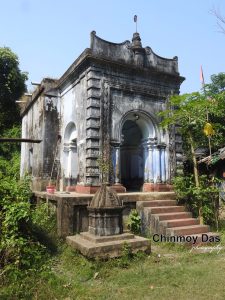
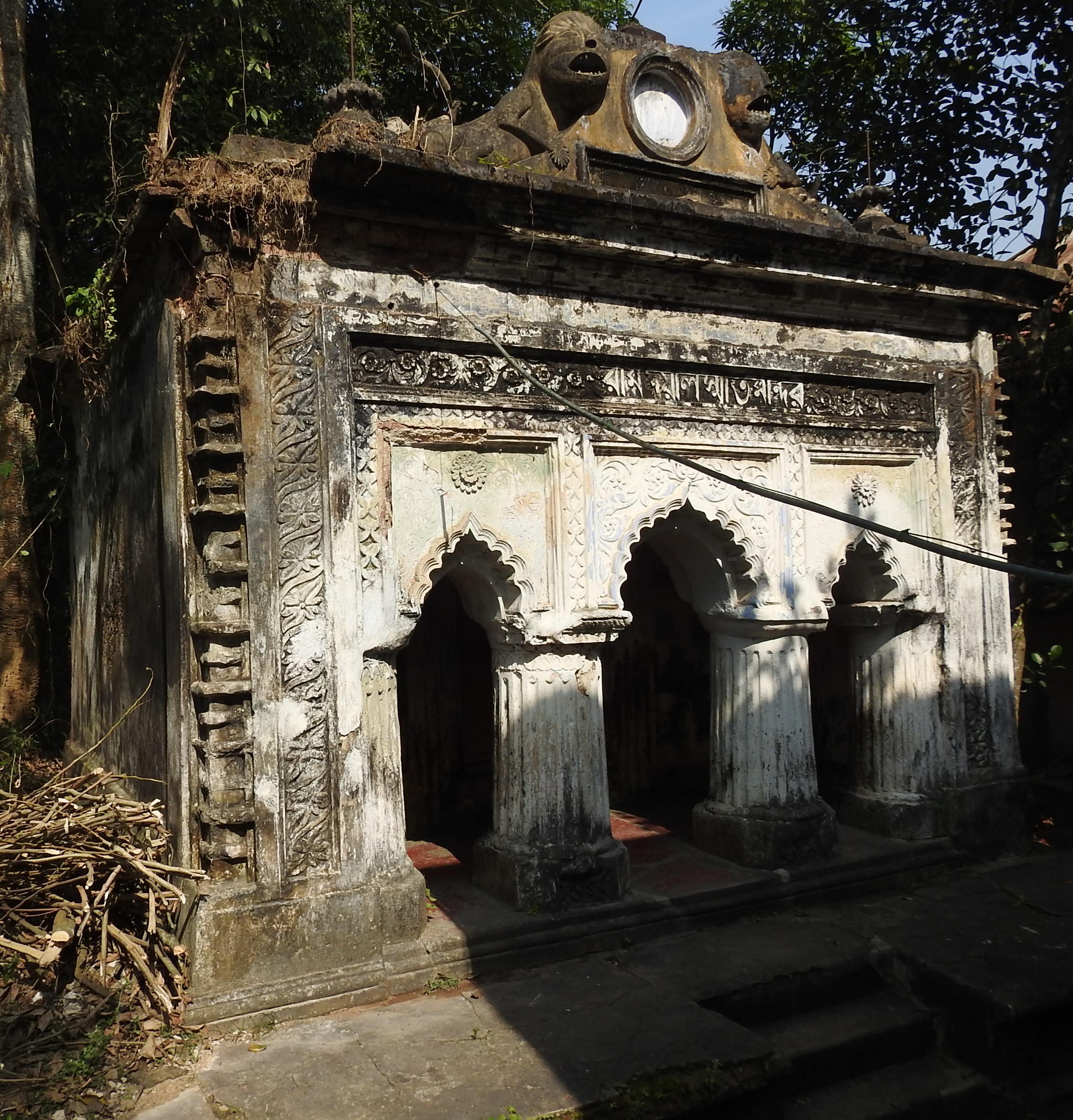
সম্পূর্ণ বর্গাকার পূর্বমুখী ইটের মন্দিরটি দালান-রীতিতে নির্মিত হয়েছে। দুটি অংশ মন্দিরের—সামনে একটি অলিন্দ, পিছনে গর্ভগৃহ। অলিন্দে খিলান-রীতির তিনটি দ্বারপথ। সরলরেখায় নকশাকাটা গোলাকার স্তম্ভ, আর খিলানগুলি দরুণ-রীতির। মন্দিরের মাথার ছাউনি অংশটি সম্পূর্ণ বিলুপ্ত। বর্তমানে টিনের ছাউনি দেওয়া। তবে, সেবাইত বংশ থেকে জানা যায়, অলিন্দ এবং গর্ভগৃহ—দুইয়ের মাথাতেই টানা-খিলানের ছাউনি ছিল।
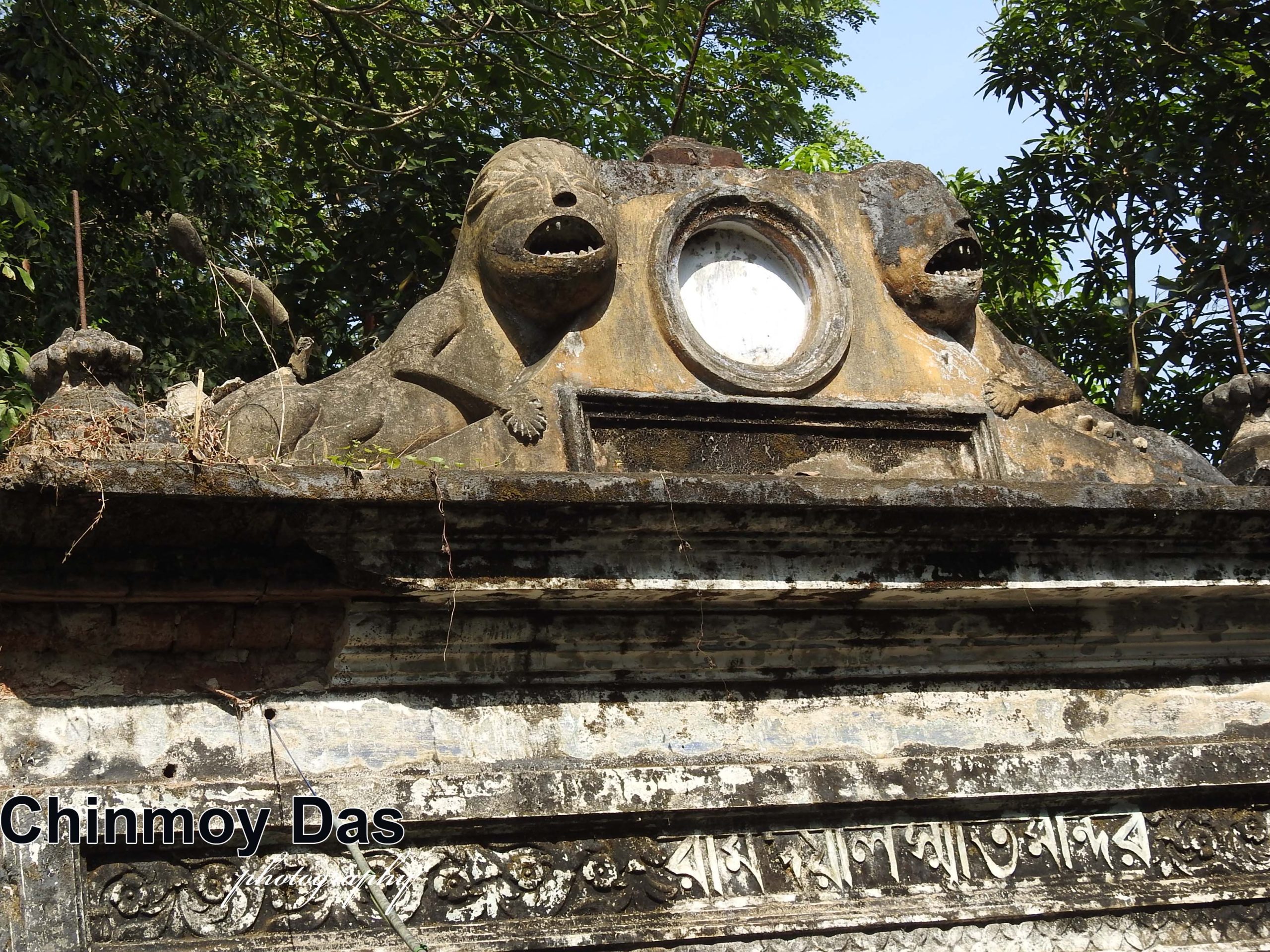
সামনের দেওয়ালের মাথায় আলসের কিছু অংশ এখনও অবশিষ্ট আছে। তা থেকে বোঝা যায়, মন্দিরের শীর্ষক বা চুড়া নির্মিত হয়েছিল এই আলসের উপর। চুড়ার দু’পাশে উপবিষ্ট ভঙ্গিমায় ব্যাদিত-বদন দুটি সিংহ মূর্তি প্রায় অবিকৃত অবস্থায় আজও সেই প্রমাণ বহন করে চলেছে। অন্য কোনও অলঙ্করণ ছিল কি না, তা আজ আর দেখা যায় না।
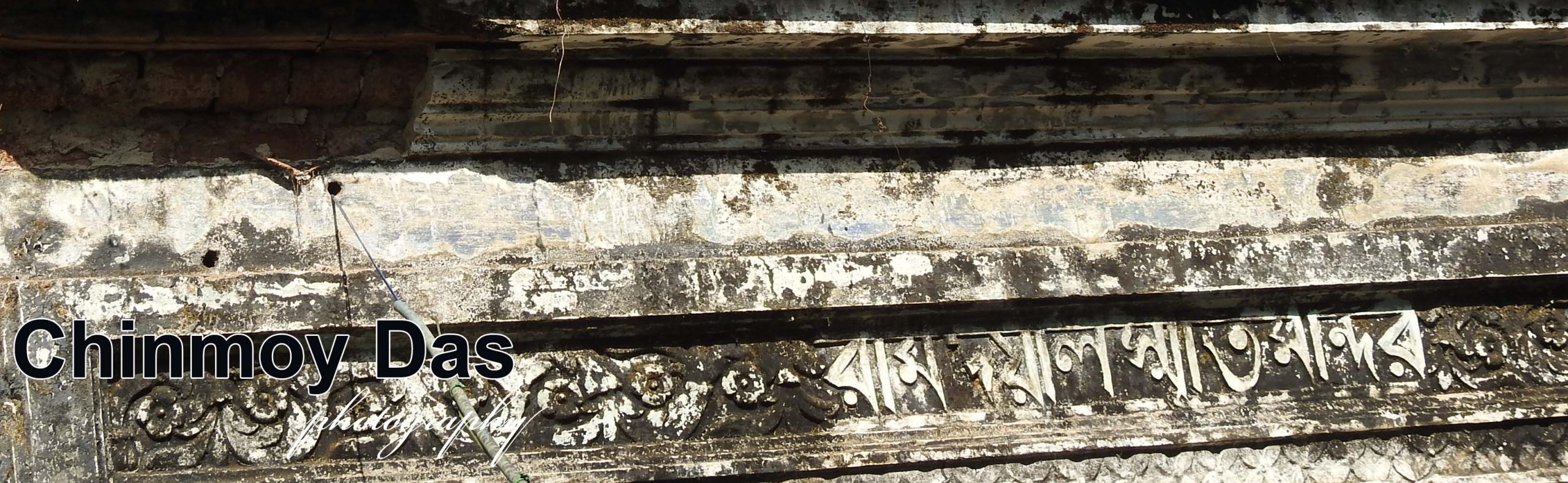
পঙ্খের বেশ কিছু শিল্পকর্ম ছিল সামনের দেওয়াল জুড়ে। জ্যামিতিক এবং ফুলকারী নকশার কাজ ছিল। তবে, জীর্ণতার গ্রাস এবং বারংবার রঙের প্রলেপে, বর্তমানে সেগুলির সৌন্দর্য অনেকটাই ম্লান হয়েছে।
এছাড়াও, চারটি স্তম্ভের তলার বেদী অংশেও কিছু অলঙ্করণের ইঙ্গিত পাওয়া যায়। বেদীর সামনের অংশে, একটি করে চতুষ্কোণ প্যানেলে কিছু শিল্পকর্ম ছিল। কিন্তু বর্তমানে সেগুলি এতটাই অস্পষ্ট যে বর্ণনা দেওয়া সম্ভব নয়।
Raghunath Temple, Dhamtor (Debra)
Chinmoy Das
Towards the end of the 11th century CE, the king of Odisha was Ananga Bhima Chodaganga Deva. Nearly the entire area of present-day Medinipur district, situated along Bengal's frontier, formed part of his kingdom. In the early period of the Muslim conquest of Bengal, the ruler of Utkala (Odisha) was Ananga Bhima Deva, during whose reign the kingdom expanded even further. This situation continued until approximately the middle of the 16th century, that is, until the death of the Kalinga king Harichandan Mukunda Deva. In short, while the Sultanate had become firmly established in other parts of Bengal, Medinipur district still remained under the rule of the Hindu kings of Odisha.
A span of four and a half centuries is no short period. During this long era, people from Odisha and Bengal travelled back and forth for various reasons. Many zamindar families of southern, western, and south-eastern Medinipur trace their origins to migrations from Odisha into Bengal. This journal recounts the story of one such family and their temple.
A devout Brahmin named Nabin Chandra Pati from the Jajpur region of Odisha left his ancestral home in search of fortune and migrated to Bengal. Travelling northward along the famous Jagannath Road of those days, he crossed the Subarnarekha River beyond Remuna. Proceeding along the Cuttack Road, he eventually settled in the village now known as Dhamtor, in the Sahapur Pargana.
Fortune smiled upon the Pati family in their new homeland. Gradually they accumulated wealth and established a zamindari of their own. Their estates included the mouzas of Dhamtor, Dalpatipur, Nachipur, Benia, and others.
The Patis had come from Odisha, the land of Lord Jagannath. At that time, Medinipur was swept by the powerful current of Gaudiya Vaishnavism inspired by Sri Chaitanyadev. Through the preaching of the Vaishnava saint Shyamananda Prabhu, the worship of Lord Vishnu and Radha-Krishna had become widespread in households across the region.
The Pati family too embraced this devotional current and accepted Lord Vishnu as their chosen deity. A Shalagrama stone named Raghunath was installed, and regular worship was established.
The founder of the Pati family in Dhamtor, Nabin Chandra, had an eldest son named Ramdayal. Ramdayal's eldest son was Parilal Pati. In memory of his father, Parilal constructed a permanent temple for Raghunath within the family homestead.
The deity Raghunath possesses dedicated endowment property. Besides the daily worship, all annual festivals—including Jhulan Yatra, Janmashtami, Radhashtami, Rasa Festival, Makar Sankranti, Chachar-Dol Purnima, and others—are funded from the income of this property.
The temple is a completely square, east-facing brick structure built in the dalan style. It consists of two sections: a front veranda (olinda) and the sanctum (garbhagriha) behind it.
The veranda has three arched entrances. The circular pillars are decorated with linear carvings, while the arches are of the darun style. The original roof structure of the temple has completely disappeared and has now been replaced by a tin roof. However, according to the sevait family, both the veranda and the sanctum were originally covered with barrel-vaulted (tana-khilan) roofs.
Some portions of the alse (projecting parapet section) above the front wall still survive. From these remnants it is evident that the temple's superstructure or spire once stood upon this alse. On either side of the former spire are two seated lion sculptures with gaping mouths, which remain almost intact and continue to bear witness to the temple's former appearance. Whether there were other decorative elements can no longer be determined.
The front wall once displayed several examples of stucco craftsmanship. Geometric and floral designs adorned its surface. However, due to decay and repeated layers of paint, much of their beauty has now faded.
Traces of ornamentation can also be seen on the pedestal portions beneath the four pillars. The front face of each pedestal contained a square panel with decorative artwork. Today, however, these carvings have become so indistinct that they can no longer be described with certainty.