শ্রীশ্রীগোকুলচন্দ্র জীউ মন্দির, নেগুয়া (এগরা)
চিন্ময় দাশ
মহাপ্রভু চৈতন্যদেবের পদধুলি ধন্য মেদিনীপুর জেলা। স্বামী কেশব ভারতীর কাছে দীক্ষা গ্রহণের পর, গৌড়বঙ্গ ত্যাগ করে, রেমুনা হয়ে নীলাচলে গিয়েছিলেন মহাপ্রভু। তাঁর যাত্রাপথ ছিল এই জেলার উপর দিয়েই।
পরবর্তীকালে শ্যামানন্দ প্রভুর ধর্মপ্রচারে গভীরভাবে প্রভাবিত হয়েছিল মেদিনীপুর জেলা। ধনী থেকে নির্ধন অগনিত মানুষ দীক্ষিত হয়েছিলেন গৌড়ীয় বৈষ্ণবধর্মে। সেই পটভূমিকায় বহু সংখ্যক গোস্বামী আর মহন্তের উদয় হয়েছিল জেলা জুড়ে, যাঁরা নিজের এলাকার হাজার হাজার মানুষকে দীক্ষিত করে বৈষ্ণবধর্মের অনুসারী করে তুলেছিলেন।
প্রচারের আলো না পড়ায়, প্রায় স্মৃতির অতলে তলিয়ে যেতে বসা, তেমনই এক মহন্ত মহারাজের জীবনকথা এবং তাঁর বিগ্রহের মন্দিরটি নিয়ে আমাদের আজকের এই জার্ণাল।
একটি নিষ্ঠাবান বৈষ্ণব পরিবারের বাস ছিল ওড়িশার বালেশ্বর জেলাএর উলমারা মাকিড়িয়া গ্রামে। সেই বংশের ধর্মপরায়ণ বালুকানন্দ গোস্বামী জন্মভিটে ছেড়ে, বাংলার দক্ষিণ এলাকায় শীপুর পরগণার নেগুয়া গ্রামে উঠে এসে, নতুন বসতি স্থাপন করেছিলেন।
যতদূর জানা যায়, বালুকানন্দের কৌলিক পদবী ছিল দাস মহাপাত্র। তিনি কেন চলে এসেছিলেন, সঠিকভাবে জানা যায় না। তবে, পরম বৈষ্ণব বালুকানন্দ অচিরেই নতুন এলাকার জনমানসে একজন ভক্তশ্রেষ্ঠ বৈষ্ণব হিসাবে স্বীকৃত হয়ে ওঠেন। ক্রমে ক্রমে ধর্মপ্রাণ মানুষজন বালুকানন্দের কাছে দীক্ষা গ্রহণ করে, বৈষ্ণবীয় ধারায় জীবনযাপন করতে থাকেন। এভাবে দ্রুত শিষ্য সংখ্যা বৃদ্ধি পেতে থাকে তাঁর। ‘বালুকানন্দ গোস্বামী’ নামেই আখ্যায়িত এবং পরিচিত হয়ে ওঠেন তিনি।
বালুকানন্দ দীক্ষিত হয়েছিলেন, মহাপ্রভু শ্রীচৈতন্যদেবের প্রধান ও অন্তরঙ্গ পার্ষদ বা সঙ্গী, নিত্যানন্দ প্রভুর খড়দহ নিবাসী বংশধরদের কাছ থেকে। লোকসমাজে বৈষ্ণবধর্ম প্রচারের জন্য, মহাপ্রভুর নির্দেশেই, মধ্যবয়সে বিবাহ এবং গৃহী জীবন যাপন করতেন নিত্যানন্দ প্রভু। বালুকানন্দও তাঁর শিষ্যদের বৈষ্ণবীয় রীতিতে সংসারধর্ম পালন করারই পরামর্শ দিতেন। অগনিত গৃহীমানুষ তাঁর কাছে দীক্ষিত হয়েছিলেন। আজও তাঁদের বংশধরগণ সেই ধর্মপথেই জীবন যাপন করে আসছেন।
বৈষ্ণবধর্মে নিজের ব্যুৎপত্তি ও প্রজ্ঞার গুণে, গোস্বামী থেকে ‘মহন্ত’ অভিধায় উত্তীর্ণ হয়েছিলেন বালুকানন্দ। সেই বিষয়টি বিশেষ উল্লেখযোগ্য।
মেদিনীপুর জেলার দক্ষিণ-পশ্চিম এলাকা তখন গোড়ীয় বৈষ্ণবধর্মে গভীরভাবে প্লাবিত। সুবর্ণরেখার তীরে শ্যামানন্দ প্রভু প্রতিষ্ঠিত শ্রীপাট গোপীবল্লভপুরের বিপুল প্রভাব এবং ক্ষমতা।
একবার স্থানীয় পাঁচরোলের জমিদার একটি ধর্মসভার আয়োজন করলে, গোপীবল্লভপুরের গোস্বামী মহারাজও সভায় উপস্থিত হয়েছিলেন। বিলম্বে জমিদারের আমন্ত্রন পাওয়ার কারণে, বালুকানন্দ গোস্বামীর সভায় পৌঁছতে বিলম্ব হয়েছিল। শোনা যায়, বালুকানন্দ ভরা সভায় প্রবেশ করামাত্রই, গোস্বামী মহারাজ যে আসনে বসেছিলেন, সেটি নাকি টলে গিয়েছিল। না মহারাজ, না সভাস্থ ভক্তমণ্ডলী, এমনকি জমিদার বাবুও, বালুকানন্দ কোন উচ্চমার্গের সাধক, বুঝতে কারও অসুবিধা হয়নি।
গোস্বামী মহারাজ তাঁর টলে যাওয়া আসন সামলে, উঠে এসে বুকে জড়িয়ে ধরেছিলেন এতদিন অপরিচিত এই বৈষ্ণবসাধককে।
সেই সভাতেই জমিদারবাবু গোস্বামী মহারাজ এবং বালুকানন্দ—দুজনকে “মহন্ত” খেতাব দিয়ে সম্মানিত করেছিলেন। সেইসাথে যজমানির এলাকা নির্ধারণও করে দেওয়া হয়েছিল দুজনের।
তখন থেকে বালুকানন্দের বংশধরগণ “দাস মহন্ত” পদবীতে পরিচিত হয়ে আসছেন।
বালুকানন্দের দুই পুত্র—রামকৃষ্ণ, কানুকৃষ্ণ। কনিষ্ঠ পুত্র কানুকৃষ্ণ প্রথম যৌবনেই সংসার ত্যাগ করে সন্ন্যাসী হয়ে চলে যান। রামকৃষ্ণের পুত্র আদিত্য। তাঁর পুত্র নারায়ণ। নারায়ণের পুত্র হরপ্রসাদ। তাঁর পুত্র ছিলেন রমানাথ।
রমানাথের ৪ জন পুত্র—বিবেকানন্দ, রাধাগোবিন্দ, গৌরগোবিন্দ এবং শ্রীগোবিন্দ। মধ্যম এবং কনিষ্ঠ প্রয়াত হয়েছেন। মধ্যম রাধাগোবিন্দের ২ পুত্র—রাজকুমার, রতীশ। কনিষ্ঠ শ্রীগোবিন্দের একমাত্র পুত্র—তাপস। সেবাইত বংশের প্রত্যেকেই নিজ নিজ শরিকী অংশ অনুযায়ী, পালিপ্রথায় দেবসেবা করে থকেন। তবে, সম্বৎসরের বিশেষ উৎসবগুলি যৌথভাবে আয়োজিত হয়।
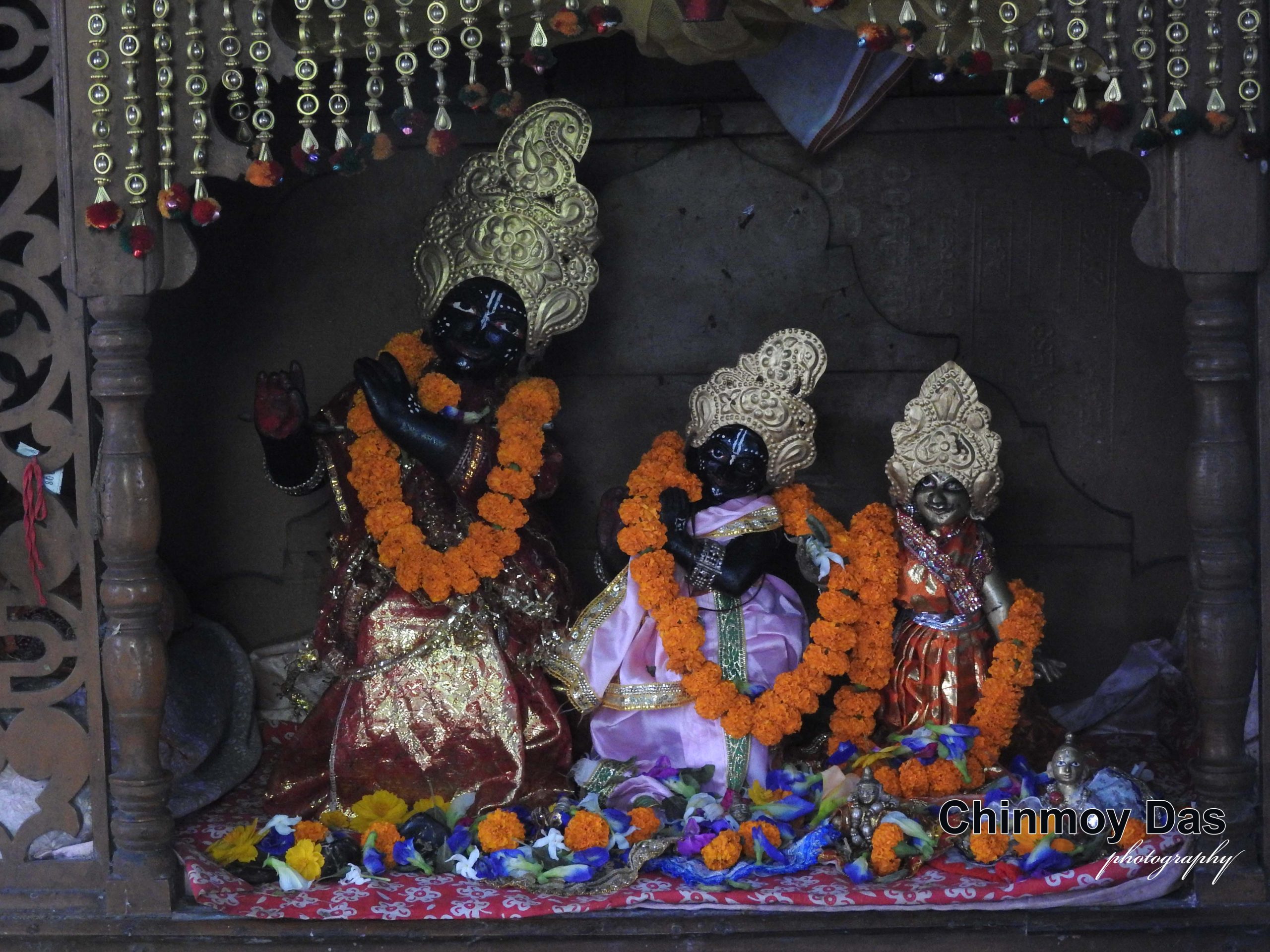
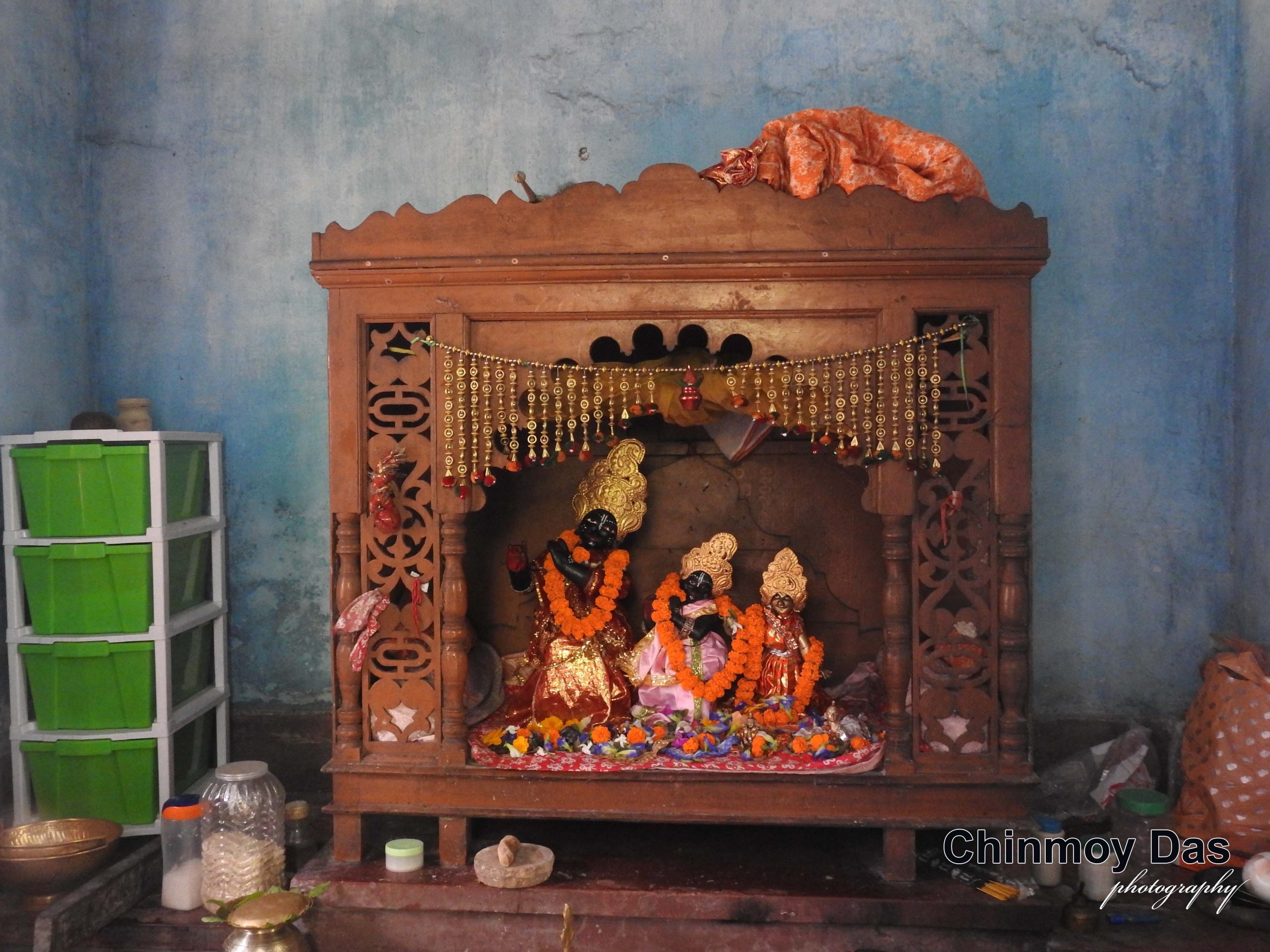
দুটি কৃষ্ণমূর্তি এবং একটি রাধারানির বিগ্রহ মন্দিরে পূজিত হন। সমীক্ষাকালে জানা যায়, দু’-দু’বার মন্দিরের বিগ্রহগুলি চুরি হয়েছিল। দেবতার এমনই মহিমা, দু’বারই সংগোপনে এসে, বিগ্রহগুলি ফেরত দিয়ে গিয়েছে তস্করের দল। দুই দেবদেবী আবার পূর্ণ মহিমায় মন্দিরে বিরাজিত হয়েছেন।
নিত্য তিনবার সেবাপূজা হয় মন্দিরে—প্রত্যুষে ও সন্ধ্যায় বালিভোগ এবং দিবসে অন্নভোগ নিবেদন করা হয়। ভগবান শ্রীকৃষ্ণের মন্দির। সেকারণে, বারো মাসে তেরো পার্বণের আয়জন করা হয় দেবতার। তার মধ্যে রাস উৎসবটি মুখ্য। একাদশী থেকে পূর্ণিমা—পাঁচ দিনের সমারোহ। বিগত প্রায় নব্বই বছর রাস উৎসবের দায়িত্ব পালন করে আসছেন নেগুয়ার অধিবাসীগণই। একটি স্থায়ী রাসমঞ্চ নির্মাণ করে, উৎসবের প্রচলন করেছেন তাঁরা। চৌদ্দ মাদল, নাম-সংকীর্তন, মহোৎসব ইত্যাদি অনুষ্ঠান নিয়ে, ভারী আড়ম্বরের সাথে উৎসবটি আয়োজিত হয় এখানে।
একটি বকুল গাছ রোপন করেছিলেন বালুকানন্দ। তার তলায় গোকুলচন্দ্রের বিগ্রহ স্থাপন করে আরাধনা করতেন তিনি। তাঁর পঞ্চম পুরুষে, হরপ্রসাদ দাস মহন্তেরও বহু শিষ্য ছিল। পানিপারুল নিবাসী তেমনই একজন শিষ্য, গুরুদেবের প্রণামী হিসাবে, বর্তমান স্থায়ী পাকা মন্দিরটি নির্মাণ করে দিয়েছিলেন।
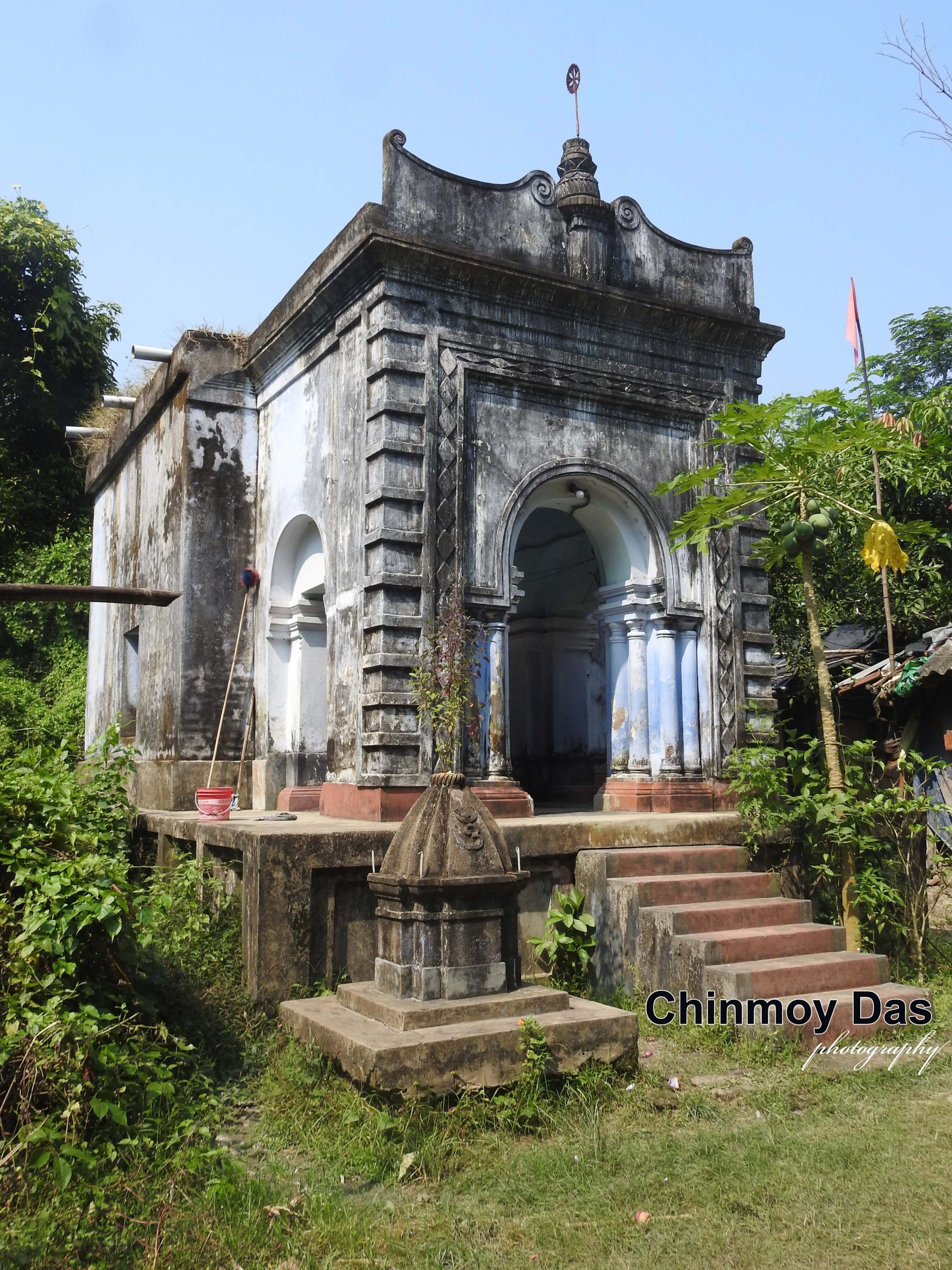
দালান-রীতির ইটের তৈরি মন্দিরের পাদপীঠ বা ভিত্তিবেদীটি বেশ উঁচু। সাত-সাতটি সিঁড়ি অতিক্রম করতে হয়। একটি প্রদক্ষিণ-পথ মন্দিরটিকে বেষ্টন করে আছে।
মহাজাগতিক দিকনির্দেশনা অনুসারে, পূর্ব হোল সূর্যোদয়ের দিক। মন্দির পূর্বমুখী হলে, প্রভাতের প্রথম সূর্যালোকটি দেবতার চরণে এসে প্রণত হয়ে তার দিনের যাত্রার সূচনা করতে পারে। গোকুলচন্দ্রের মন্দিরটিও পূর্বমুখী করে নির্মিত হয়েছে।
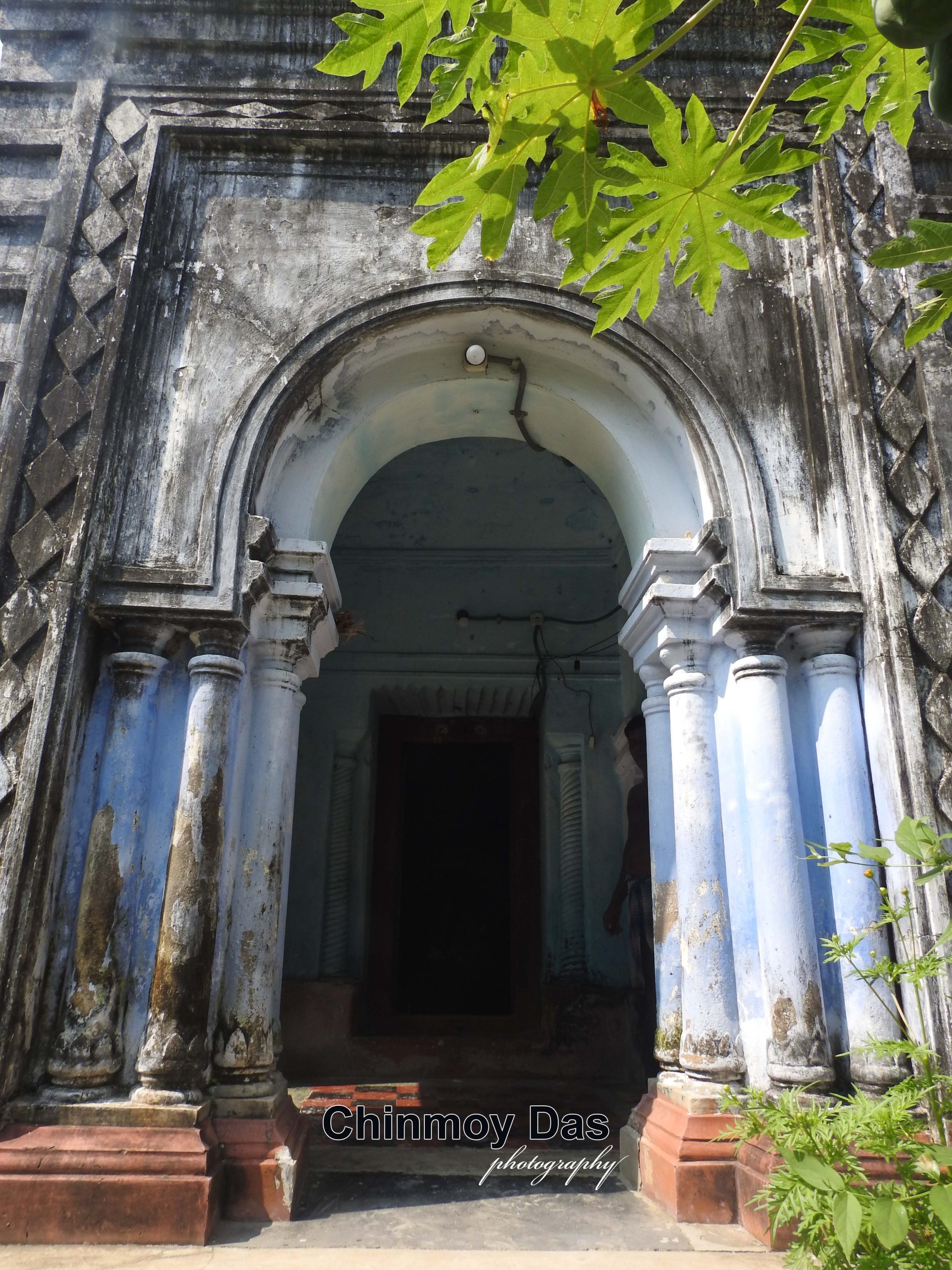
দুটি অংশ দেবালয়টির—সামনে একটি নাটমন্দির, পিছনে গর্ভগৃহ। নাটমন্দিরে চার দিকে খিলান-রীতির চারটি দ্বারপথ। পিছনের দ্বারটি গর্ভগৃহের সাথে যুক্ত।
দুটি সৌধেরই ভিতরের ছাদ বা সিলিং হয়েছে চারটি করে অর্ধ-খিলানের সমাহারে। বাইরে মাথার ছাদ সমতল। এবং সেকারণে, কার্ণিশগুলি সরলরৈখিক। নাটমন্দিরের সামনের দেওয়ালের আলসেটিকে অলংকৃত করে, মন্দিরের শীর্ষক বা চুড়া নির্মিত হয়েছে।.
স্তম্ভের আদল দেখা যায় পূর্ব এবং পশ্চিমের দুটি দ্বারপথের দু’পাশে। সেই দুটি অর্ধ-স্তম্ভ (পিলাস্টার) গোলাকার গুচ্ছস্তম্ভের সমাহারে নির্মিত। পরবর্তীকালের সংস্কার কাজের সময়, মন্দিরের কারিগরীর কিছু রদবদল ঘটলেও, স্তম্ভ বা থামগুলির কোন রূপান্তর ঘটেনি।
মন্দিরে কোনও অলঙ্করণ নাই। সামনে একটি তুলসিমঞ্চ আছে। কলিঙ্গ প্রভাবে সেটিতে ত্রি-রথ বিভাজন দেখা যায়।
সৌধটির ভৌমিক অবস্থান ঃ অক্ষাংশ ২১. ৮০১২০, দ্রাঘিমাংশ ৮৭.৫১০৯৮।
Sri Sri Gokulchandra Jiu Temple, Negua (Egra)
Chinmoy Das
The district of Medinipur is blessed by the sacred footprints of Mahaprabhu Chaitanyadev. After receiving initiation from Swami Keshab Bharati, Mahaprabhu left Gauda Bengal and travelled to Nilachal (Puri) via Remuna. His route passed through this district.
Later, Medinipur came under the profound influence of the religious preaching of Prabhu Shyamananda. Countless people, rich and poor alike, were initiated into Gaudiya Vaishnavism. Against this backdrop, numerous Goswamis and Mahants emerged throughout the district, initiating thousands of people in their respective regions and bringing them into the fold of Vaishnavism.
Today's journal focuses on the life story of one such Mahant Maharaj, whose memory has nearly faded into obscurity due to lack of publicity, and on the temple housing his deity.
A devout Vaishnava family once lived in the village of Ulmara Makidia in Balasore district of Odisha. Balukananda Goswami, a pious member of that lineage, left his ancestral home and settled in the village of Negua in the Shipur Pargana of southern Bengal.
As far as is known, Balukananda's hereditary surname was Das Mahapatra. The exact reason for his migration remains unknown. However, this deeply devoted Vaishnava soon gained recognition among the local people as an exemplary devotee. Gradually, religious-minded men and women began taking initiation from him and adopted a Vaishnava way of life. As a result, the number of his disciples grew rapidly, and he became widely known as Balukananda Goswami.
Balukananda had been initiated by the descendants of Nityananda Prabhu residing in Khardaha. Nityananda Prabhu, one of the principal and intimate associates of Sri Chaitanyadev, had married and led a household life in middle age under Mahaprabhu's instruction, in order to spread Vaishnavism among ordinary people. Balukananda likewise advised his disciples to fulfil their household duties according to Vaishnava principles. Innumerable householders were initiated by him, and their descendants continue to follow that religious path even today.
Through his learning and wisdom in Vaishnavism, Balukananda rose from the rank of Goswami to that of Mahant, a distinction worthy of special mention.
At that time, the south-western region of Medinipur was deeply immersed in Gaudiya Vaishnavism. The influence and authority of the Sripat of Gopiballavpur, established by Prabhu Shyamananda on the banks of the Subarnarekha River, were immense.
On one occasion, the local zamindar of Panchrol organized a religious assembly attended by the Goswami Maharaj of Gopiballavpur. Because Balukananda Goswami received the invitation late, he arrived after the gathering had already begun. It is said that the very moment Balukananda entered the crowded assembly, the seat occupied by Goswami Maharaj trembled. Neither the Maharaj, nor the assembled devotees, nor even the zamindar had any difficulty in realizing that Balukananda was a highly accomplished spiritual practitioner.
Regaining his balance, Goswami Maharaj rose from his seat and embraced the previously unfamiliar Vaishnava saint.
At that very assembly, the zamindar honored both Goswami Maharaj and Balukananda with the title of "Mahant." He also formally assigned separate regions of spiritual patronage (yajmani areas) to each of them.
From that time onward, Balukananda's descendants have been known by the surname Das Mahant.
Balukananda had two sons—Ramakrishna and Kanukrishna. The younger son, Kanukrishna, renounced worldly life in his youth and became a monk. Ramakrishna's son was Aditya; Aditya's son was Narayan; Narayan's son was Haraprasad; and Haraprasad's son was Ramanath.
Ramanath had four sons—Vivekananda, Radhagobinda, Gourgobinda, and Srigobinda. The middle and youngest among them have passed away. Radhagobinda left behind two sons—Rajkumar and Ratish. Srigobinda's only son is Tapas. Each branch of the hereditary sevait family performs worship according to its allotted share under the rotational system, while the major annual festivals are organized jointly.
The temple houses and worships two Krishna images and one idol of Radharani. During the survey, it was learned that the temple deities had been stolen twice. Such is the glory attributed to the deities that on both occasions the thieves secretly returned the images, and the deities were once again enthroned in the temple with full honor.
Daily worship is performed three times—a Bali-bhoga offering at dawn and in the evening, and an Anna-bhoga offering during the day. Since the temple is dedicated to Lord Sri Krishna, numerous festivals are celebrated throughout the year. The most important among them is the Rasa Festival, which is observed for five days, from Ekadashi to the full moon.
For nearly ninety years, the residents of Negua themselves have borne responsibility for organizing the Rasa Festival. They constructed a permanent Rasa Mancha (festival pavilion) and established the tradition. The celebrations are conducted with great pomp and include fourteen madals (traditional drums), nama-sankirtana, mahotsava, and various other religious events.
Balukananda had planted a bakul tree, beneath which he installed and worshipped the image of Gokulchandra. In the fifth generation after him, Haraprasad Das Mahant also had many disciples. One such disciple from Paniparul, as an offering of devotion to his guru, built the present permanent brick temple.
The temple is a dalan-style brick structure standing on a notably high plinth. One must climb seven steps to reach it. A circumambulatory path surrounds the shrine.
According to traditional cosmology, the east is the direction of sunrise. When a temple faces east, the first rays of the morning sun can bow at the feet of the deity before beginning their daily journey across the sky. The Gokulchandra Temple was likewise constructed facing east.
The shrine consists of two sections—a Natmandir (assembly hall) in front and the sanctum (garbhagriha) behind it. The Natmandir has four arched entrances, one on each side, with the rear entrance connecting directly to the sanctum.
The interior ceilings of both sections are formed by the meeting of four semi-arches. Externally, the roofs are flat, resulting in straight cornices. A decorative alse (projecting parapet section) on the front wall of the Natmandir supports the temple's superstructure or finial.
Pilaster-like forms appear on either side of the eastern and western entrances. These semi-pillars are composed of clustered circular shafts. Although later renovations altered some aspects of the temple's craftsmanship, the pillars themselves remain unchanged.
The temple contains no ornamental decoration. A Tulsi platform stands in front. Under the influence of Kalinga architecture, it displays a tri-ratha (three-projection) division.
Geographical Coordinates: Latitude 21.80120, Longitude 87.51098.