রঘুনাথ মন্দির, রাধাকান্তপুর (দাসপুর- ১, মেদিনীপুর জেলা)
চিন্ময় দাশ
বহু পূর্বকাল থেকে ঘাটাল মহকুমা কৃষিতে সমৃদ্ধ ছিল। রূপনারায়ণ, শিলাবতী, কংসাবতী ইত্যাদি নদীগুলির কারণে উর্বর কৃষিভূমি গঠিত হয়েছিল এই এলাকার। আর্থিক সমৃদ্ধি উন্নত হয়েছিল রাজা শোভা সিংহের সময়কালে। পথঘাটের উন্নতি, সেচ ও নিকাশীর উন্নতি, জলপথ সংস্কার, হস্তশিল্পের বিকাশের জন্য হাট-বাজার পত্তন ইত্যাদি বহু কাজ করেছিলেন শোভা।
শোভার উন্নয়নের কাজে যোগ্য সংগত করেছিলেন জনৈক বঙ্গরাম চৌধুরী। চেতুয়া পরগণায় (আজকের দাসপুর থানা) শোভারই একজন পত্তনীদার ছিলেন তিনি। তাঁর উদ্যোগে গ্রামীণ হস্তশিল্পের প্রভূত বিকাশ ঘটেছিল এক সময় । স্বর্ণবণিক, গন্ধবণিক, শোলাশিল্পী, তন্তুবায়, কুম্ভকার, কর্মকার, রেশমশিল্পী ইত্যাদির সাথে, শঙ্খশিল্পীরাও এই থানায় এসে বসতি গড়ে তুলেছিল। বৃত্তিকে কেন্দ্র করে পৃথক পৃথক পাড়া গড়ে উঠেছিল গ্রামে গ্রামে। রাধাকান্তপুর গ্রামের তেমনই একটি শাঁখারীপাড়া। সেখানে কোনোও একটি নন্দী পরিবার গৃহদেবতা রঘুনাথের জন্য একটি মন্দির গড়ে তুলেছিল।
এই নন্দী বংশ সম্বন্ধে তেমন কিছু জানা যায় না। একজনের নামই কেবল সংগ্রহ করতে পেরেছি আমরা। তিনি জনৈক যোগেন্দ্রনাথ নন্দী। তিনি ছিলেন বংশের শেষ পুরুষ, এবং বর্তমান আলোচ্য মন্দিরটির প্রতিষ্ঠাতা। মন্দিরে জীর্ন একটি প্রতিষ্ঠালিপি আছে-- " শ্রীশ্রীরঘুনাথ জিউ /মন্দির সকাব্দ ১৭৬৮ /সক সন ১২৫৩ সাল "। অর্থাৎ পৌণে দু'শ বছর হয়েছে, ইং ১৮৪৬ সালে প্রতিষ্ঠিত, মন্দিরটির আয়ুষ্কাল।
নিঃসন্তান যোগেন্দ্রনাথের প্রয়াণের পর, তাঁর পত্নী কিরণবালা দেবী তাঁর দুই ভ্রাতুষ্পুত্র তারাপদ দত্ত এবং অশ্বিনী দত্তের হাতে দেবতা এবং মন্দিরের ভার তুলে দিয়ে গিয়েছিলেন। চার পুরুষ ধরে দত্তরাই সেবাপূজা এবং মন্দিরের দেখভাল করেছেন। কিন্তু জমিদারি প্রথা উচ্ছেদের পর, কোনও কিছুই আর টিকিয়ে রাখতে পারেনি পরিবারটি। কালে কালে দেবতা তুলে আনতে হয়েছে মন্দির থেকে। ক্ষয়রোগে আক্রান্ত হয়েছে পরিত্যক্ত মন্দিরটি।
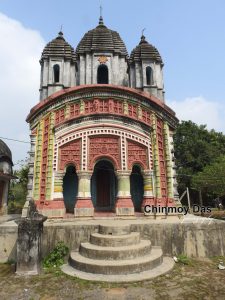
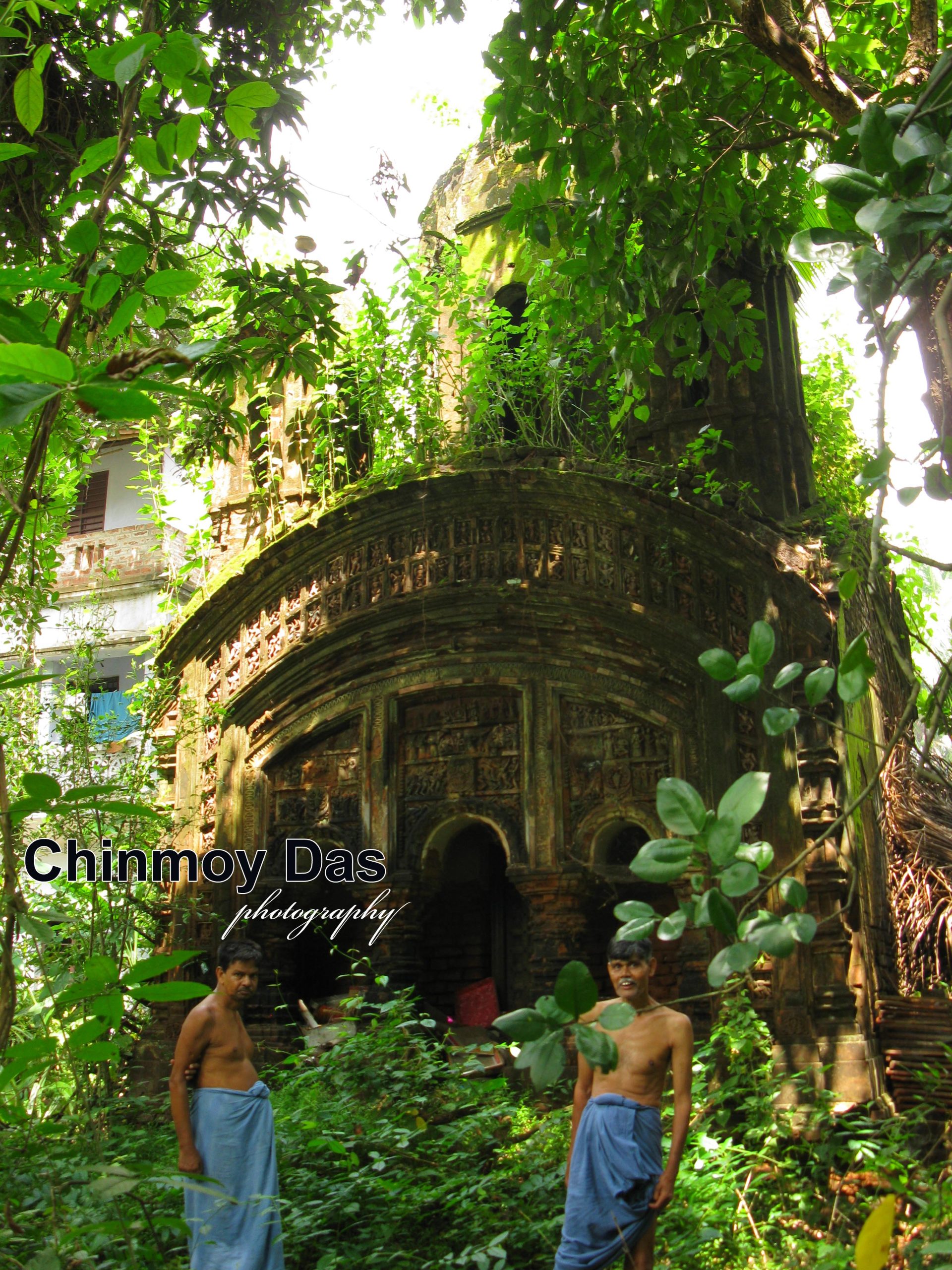
ইটের তৈরী দক্ষিণমুখী মন্দিরের গড়ন বর্গাকার। দৈর্ঘ্য ও প্রস্থ ১৬ ফুট হিসাবে, উচ্চতা আনু. ৩০ ফুট। মন্দিরটি পঞ্চ-রত্ন রীতির। ভিত্তিবেদীর চিহ্ন প্রায় নাই আর। ইমারতি রীতির অতি জীর্ণ স্তম্ভ আর দরুন রীতির খিলান সহ তিনটি দ্বারপথ আছে ভিতরে প্রবেশের। কিন্তু ভিতরের অংশটি ভারী দুর্গম। বিষধর সরীসৃপের বাসভূমি। অলিন্দের পিছনে ছোট মাপের গর্ভগৃহ। উঁকি দিলে শূন্য বেদীটি চোখে পড়বে।
পাঁচটি রত্নই শিখর-দেউল রীতিতে নির্মিত। উপরে চালা ছাউনি। পীঢ়-রীতির প্রয়োগ হয়নি। শিখরগুলির বাঢ় এবং গণ্ডী অংশ জুড়ে পঞ্চ-রত্ন বিভাজন করা হয়েছিল। একটি রত্নেও শীর্ষক অংশের কোনও চিহ্নই অবশিষ্ট নাই, সেগুলি সবই বিলুপ্ত হয়ে গিয়েছে।
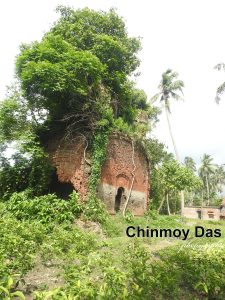
সম্পূর্ণ বিধ্বস্ত, পরিত্যক্ত এই মন্দির মাটিতে মিশে যেতে বড় একটা বিলম্ব নাই। যা একদিন পরম আদরের দেবতার বাসভূমি ছিল, এখন সেটি ইঁদুর, ছুঁচো, মাকড়সা, বাদুড়, চামচিকে, বিষাক্ত সরীসৃপকূলের নিশ্চিন্ত আবাসভূমিতে পরিণত হয়েছে। লতা গুল্ম বৃক্ষ সকলেই দখল করে বসে আছে সৌধটিকে। জীবন ফিরে পাবার কোনও আশাই নাই এটির। আকারেও তেমন বড় নয় এই মন্দির। তবুও আমরা আলোচনার উপজীব্য করেছি এই মন্দিরকে। কারণ, এর টেরাকোটা ফলকের অলংকরণ।
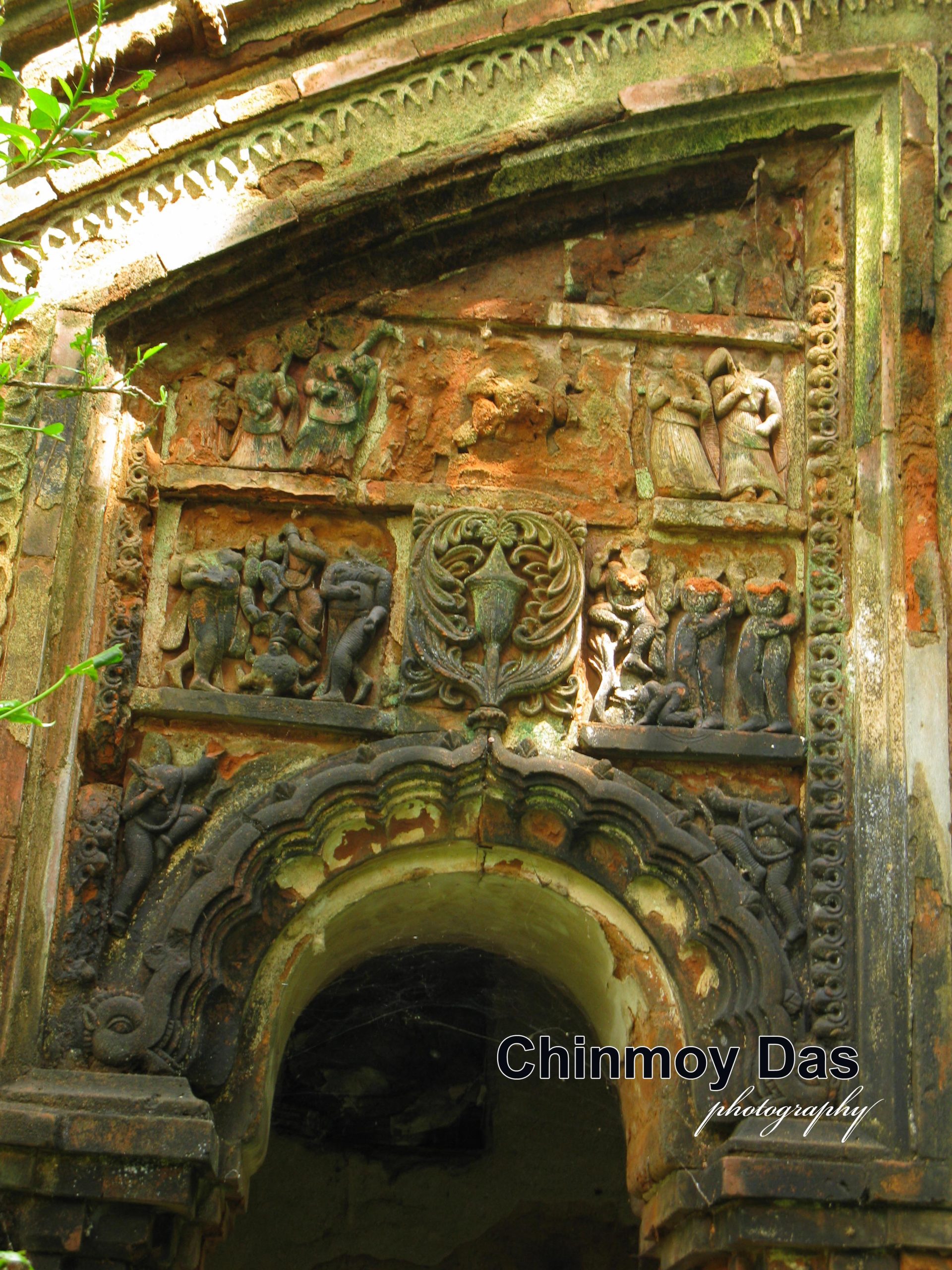
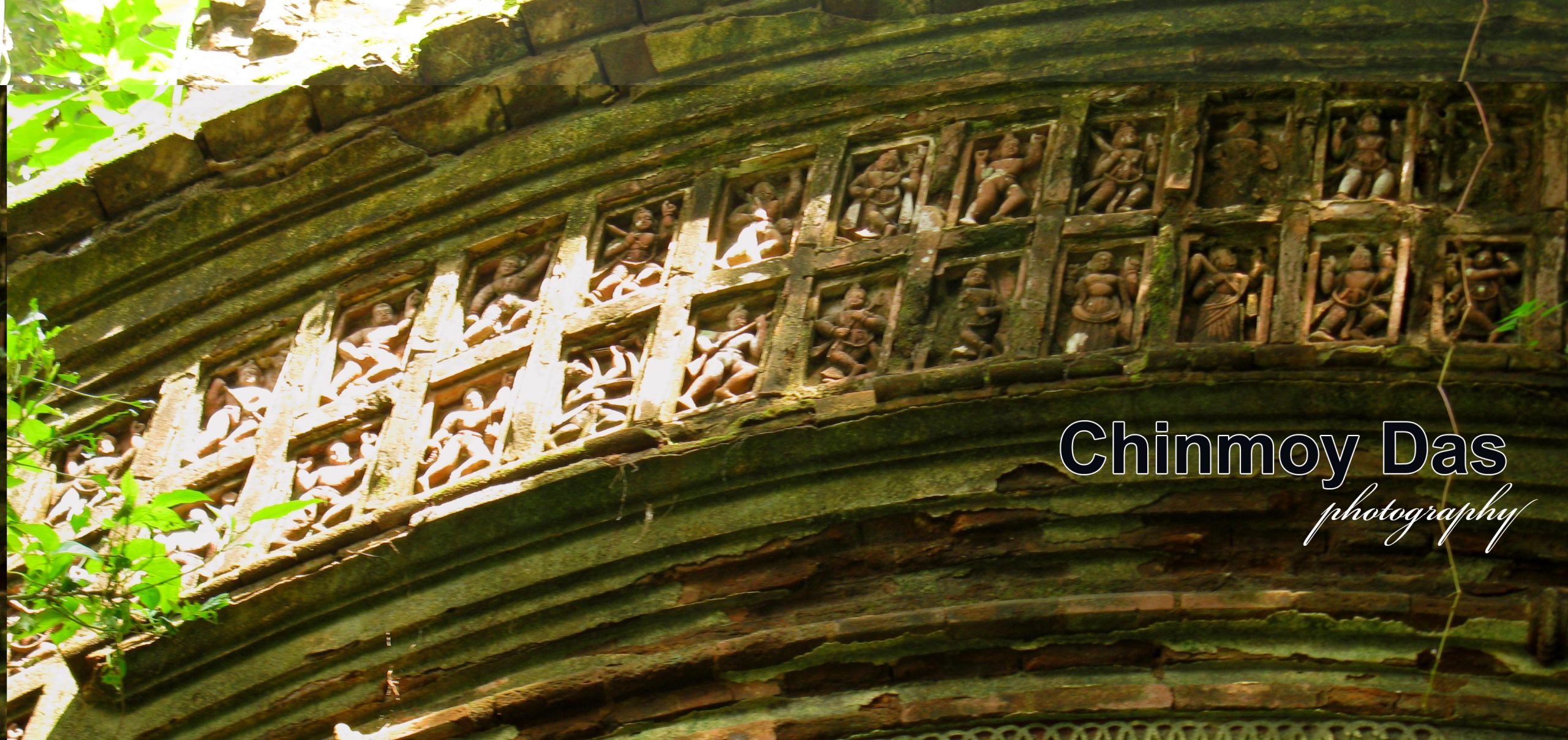
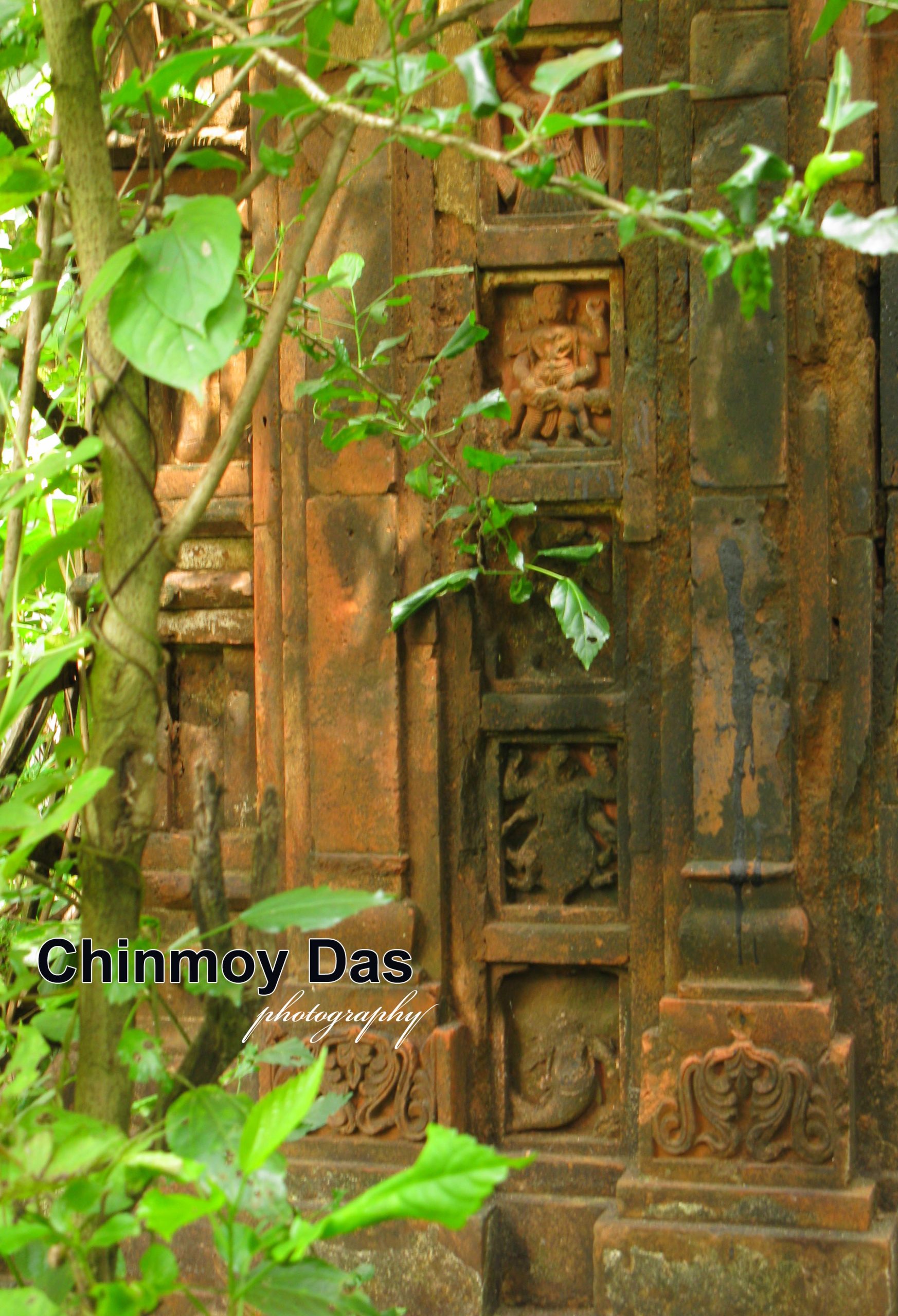
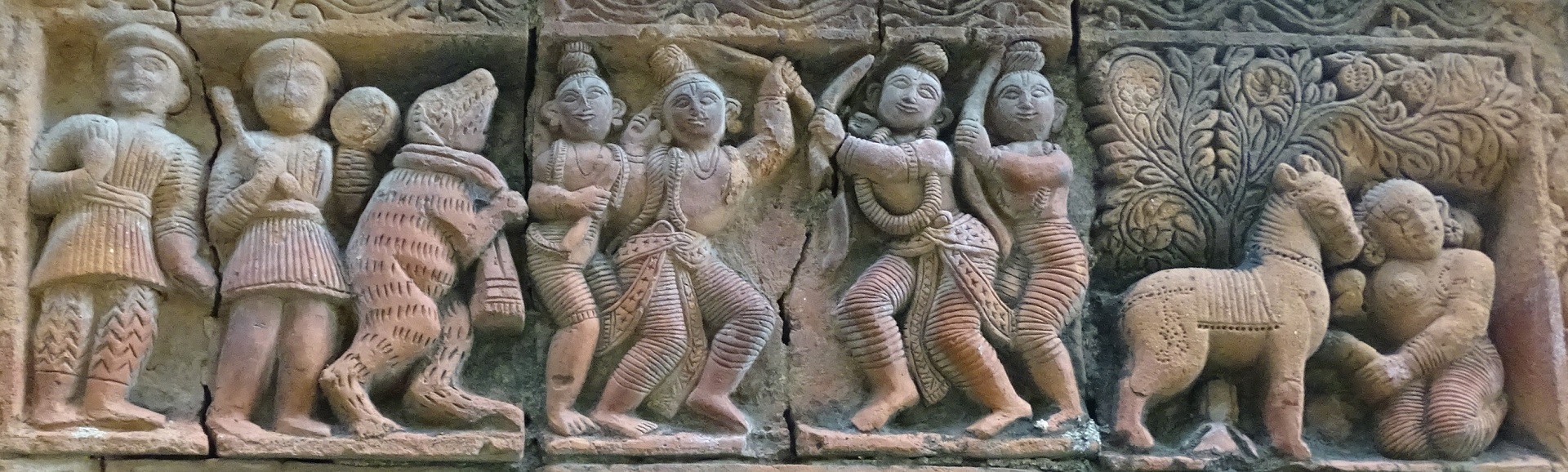
টেরাকোটার বিন্যাস হয়েছে সামনের সম্পূর্ণ দেওয়ালটি জুড়ে। তিনটি দ্বারপথের মাথার উপরের তিনটি বড় প্রস্থে, কার্নিশের নীচ বরাবর সমান্তরাল দুটি সারিতে এবং দুই কোণাচের গায়ে দুটি খাড়া সারিতে। তিনটি বড় প্যানেলে কাহিনী নির্ভর বড় আকারের ফলক । কার্ণিশলগ্ন ২টি সারিতে ছোট ছোট ২২টি করে খোপে এবং খাড়া ২টি সারিতে ১২টি করে খোপে একক মূর্তি স্থাপিত হয়েছে।
মোটিফ বা বিষয়বস্তু অনুসারে, ফলকগুলিকে অনেকগুলি ভাগে ভাগ করা যায়-- ১. রামায়ণ কাহিনী, ২. কৃষ্ণলীলা, ৩. চৈতন্যদেব, ৪. রাজসভা, ৫. দশাবতার, ৬. অন্যান্য দেবদেবী ইত্যাদি। ১. রামায়ণ কাহিনী থেকে আছে-- জটায়ু কর্তৃক রাবণের রথ আক্রমণ, রাম-রাবণের যুদ্ধ, রাবণের সাথে হনুমানের যুদ্ধ, রামচন্দ্রের রাজ্যাভিষেক, রামচন্দ্রের রাজসভায় বিশ্বামিত্র মুনির আগমণ, সীতাদেবী সহ রাজা রামচন্দ্রের রাজসভা ইত্যাদি।
২. কৃষ্ণলীলা থেকেও অনেকগুলি বিষয় রূপায়িত হয়েছে-- গোপিনীদের বস্ত্রহরণ, শ্রীকৃষ্ণের নৌকাবিলাস, শ্রীকৃষ্ণের রাসলীলা ইত্যাদি। তার ভিতর শ্রীকৃষ্ণের দ্বারকাযাত্রার দৃশ্যটি ভারী মর্মস্পর্শী হয়ে ফুটে উঠেছিল ফলকে।
৩. চৈতন্যদেব মহাপ্রভুর ২টি ফলক আছে এই মন্দিরে-- একটি তাঁর ছোট্ট মূর্তি। এবং অনিন্দ সুন্দর একটি ষড়ভূজ গৌরাঙ্গ মূর্তি। ৪. রাজসভার ফলকটিতে সিংহাসনে উপবিষ্ট কোনও এক রাজা এবং পিছনে চামরব্যজনরতা দাসী চিত্রিত হয়েছে। ৫. বিষ্ণুর দশাবতার রূপায়িত হয়েছে একক একক মূর্তিতে। ৬. অন্যান্য দেবদেবীর মূর্তিগুলির ভিতর ব্রহ্মা, বিষ্ণু এবং মহেশ্বর মূর্তি তিনটি উল্লেখ করবার মত। পুরাবিদ অধ্যাপক প্রণব রায়-এর একটি মন্তব্য স্মরণ করা যেতে পারে। এই মন্দিরের টেরাকোটা সম্পর্কে বলেছিলেন-- " এসব কারুকার্য উচ্চমানের না হলেও, সুন্দর রেখাবিন্যাসের চমৎকারিত্ব আছে।"
পরিতাপের কথা, শ্রীময়ী ফলকগুলির যৌবনকালের সৌন্দর্য প্রত্যক্ষ করবার সৌভাগ্য হয়নি আমাদের। রূপ বা সৌন্দর্যের লেশটুকুও আজ আর নাই মন্দিরের এই কঙ্কালটিতেও।
Raghunath Temple, Radhakantapur (Daspur-I, Paschim Medinipur District)
Chinmoy Das
Since ancient times, the Ghatal subdivision has been prosperous in agriculture. The fertile farmlands of this region were formed by rivers such as the Rupnarayan, Shilabati, and Kansabati. Economic prosperity reached a high point during the reign of Raja Shobha Singh. He undertook numerous developmental works, including the improvement of roads and communication, irrigation and drainage systems, renovation of waterways, and the establishment of markets to encourage the growth of handicrafts.
A certain Bangaram Chowdhury played an important role in supporting Shobha Singh's developmental efforts. He was one of Shobha's leaseholders (pattanidar) in Chetua Pargana (present-day Daspur police station area). Through his initiatives, rural handicrafts flourished significantly. Along with gold merchants, perfume merchants, shola craftsmen, weavers, potters, blacksmiths, and silk artisans, conch-shell craftsmen also settled in this area. Occupationally based neighbourhoods developed in village after village. Shankharipara (the conch-shell craftsmen's quarter) of Radhakantapur village was one such settlement. There, a Nandi family built a temple dedicated to their household deity, Raghunath.
Very little is known about the Nandi family. We have been able to collect the name of only one member—Jogendranath Nandi. He was the last male descendant of the family and the founder of the temple under discussion. A worn foundation inscription survives in the temple:"Sri Sri Raghunath Jiu/Temple, Saka Era 1768/Saka Year 1253 ".This indicates that the temple was established in 1846 CE, making it nearly two centuries old.
After the death of the childless Jogendranath, his wife Kiranbala Devi entrusted the deity and the temple to her two nephews, Tarapada Dutta and Ashwini Dutta. For four generations, the Dutta family conducted the worship and maintained the temple. However, after the abolition of the zamindari system, the family could no longer sustain its upkeep. In time, the deity had to be removed from the temple, and the abandoned structure gradually fell into decay.
The south-facing brick temple has a square plan, measuring about 16 feet by 16 feet, with an approximate height of 30 feet. It follows the Pancha-Ratna (five-towered) architectural style. Almost no trace of the original plinth remains. Three entrances, supported by severely dilapidated pillars of the imarati style and arches of the darun type, lead into the temple. The interior, however, is difficult to access and has become a habitat for venomous reptiles. Behind the porch lies a small sanctum, where one can still glimpse the now-empty altar.
All five towers were constructed in the Shikhara-Deul style and topped with roof-like coverings. The Pidha style was not employed. The barha and gandi sections of the towers were articulated according to the Pancha-Ratna arrangement. No traces of the crowning elements of any of the towers survive today; they have all disappeared.
This completely ruined and abandoned temple will not take much longer to merge with the earth. Once the cherished abode of a beloved deity, it has now become a secure refuge for rats, mice, spiders, bats, and poisonous reptiles. Creepers, shrubs, and trees have occupied the entire structure. There appears to be no hope of its revival. The temple is not particularly large in size, yet it deserves attention because of its remarkable terracotta ornamentation.
The terracotta decoration covers the entire front façade. It is arranged in three large panels above the doorways, two horizontal rows beneath the cornice, and two vertical rows on the corner niches. The three large panels contain narrative scenes. The two rows beneath the cornice consist of 22 small niches each, while the two vertical rows contain 12 niches each, housing individual figures.
Based on their themes, the terracotta panels may be divided into several categories:
-
Episodes from the Ramayana
-
Krishna-lila
-
Chaitanyadeva
-
Royal Court Scenes
-
Dashavatara (Ten Incarnations of Vishnu)
-
Other Deities
1. Ramayana Scenes
These include:
-
Jatayu attacking Ravana's chariot,
-
The battle between Rama and Ravana,
-
Hanuman's combat with Ravana,
-
The coronation of Rama,
-
Sage Vishvamitra arriving at Rama's royal court,
-
King Rama's court with Sita Devi, and other scenes.
2. Krishna-Lila
Several episodes are depicted:
-
Krishna stealing the garments of the Gopis (Vastraharana),
-
Krishna's boat pastime (Naukabilas),
-
The Rasa-lila dance,
-
Among them, the scene of Krishna's departure for Dwaraka was rendered with particularly moving emotion.
3. Chaitanyadeva
Two panels depict Chaitanyadeva Mahaprabhu:
-
A small image of the saint,
-
A beautifully executed Shad-bhuja Gauranga (six-armed form of Chaitanya).
4. Royal Court
The royal court panel portrays a king seated on a throne, attended by a maidservant waving a ceremonial fan (chamara) behind him.
5. Dashavatara
The ten incarnations of Vishnu are represented through individual figures.
6. Other Deities
Among the other divine images, the figures of Brahma, Vishnu, and Maheshvara (Shiva) deserve special mention.
In this context, one may recall the observation of archaeologist Professor Pranab Roy, who remarked about the temple's terracotta work:
"Though these carvings may not be of the highest artistic standard, they possess a remarkable beauty in their line composition."
Regrettably, we were not fortunate enough to witness the terracotta panels in their youthful glory. Today, not even a trace of their former beauty remains on the skeletal ruin of the temple.