গোপীনাথ মন্দির, দাসপুর (দাসপুর- ১)
চিন্ময় দাশ
মন্দিরের দেশ মেদিনীপুর জেলার দাসপুর থানা। এক সময় অপরূপ ভাস্কর্য আর অলঙ্করণ নিয়ে কত যে মন্দির গড়ে উঠেছিল, এই থানার গ্রামে গ্রামে, তার ইয়ত্বা নাই। মহাকালের সম্মার্জনীর আঘাত আর উদাসীন মানুষের অবহেলা সয়েও, যে ক'টি মন্দির এখনও কোন রকমে টিকে আছে, আজও শিল্পসুষমার টানে শিল্পরসিকরা যেসব মন্দির প্রাঙ্গণে ছুটে ছুটে যান, তারই একটি আছে দাসপুর থানার সদর দাসপুর গ্রামে।
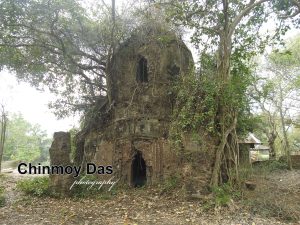
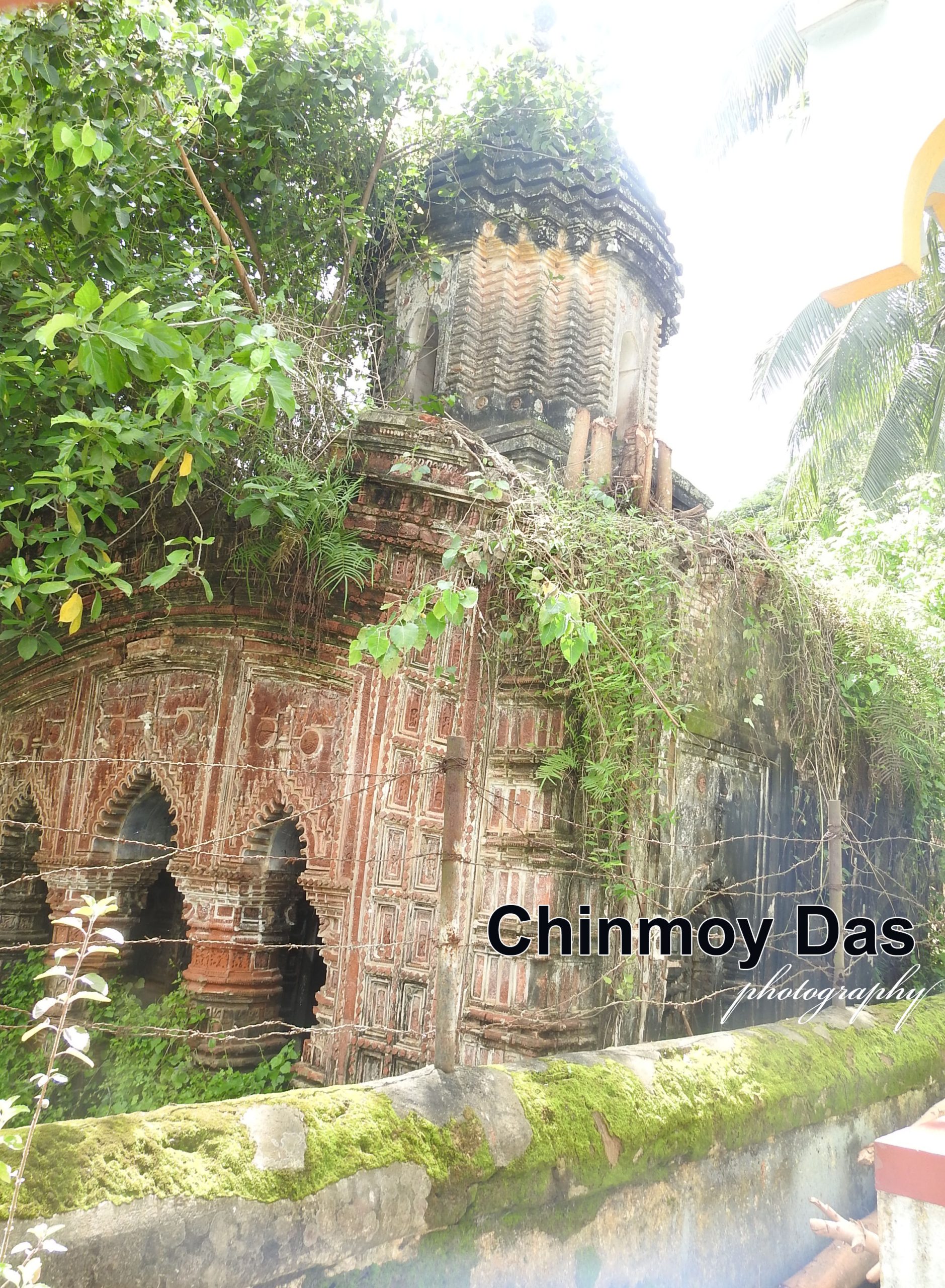
আছে বলা হল বটে, আদৌ ঠিক নাই মন্দিরটি। থাকবে কী করে? সেবাইত পরিবার সব ছেড়ে চলে গিয়েছে, সে আজ কতদিন হল। দেবতার বিগ্রহও নাই মন্দিরে। তাই আদর করে না কেউ। অনাদরে-অবহেলায়, রৌদ্রে-ঝড়ে, অবাধে বেড়ে চলা গাছপালার শেকড়ে-বাকড়ে আজ ভারী জরাজীর্ণ দশা মন্দিরটির। শ্যাওলা ধরা ক্ষয়াটে ইট, মাকড়সার জাল, ছুঁচো-ইঁদুর, চামচিকে-বাদুড়, সরীসৃপের ফেলে যাওয়া খোলস-- এত সব অতিক্রম করে ভেতরে ঢোকা বড় সহজ কাজ নয়।
মন্দিরে ঢোকার চেয়ে, এ মন্দিরের ইতিহাসের ভেতর ঢুকে পড়া অনেক সহজ। প্রথমে সে কাজটাই সেরে নেওয়া যাক বরং।
দাসপুর এবং তার প্রাচীন সমৃদ্ধির কথা উঠলে, প্রথমেই আসে চেতুয়া-বরদার রাজা শোভা সিংহ আর তাঁর এক পত্তনীদার বঙ্গরাম চৌধুরীর নাম। গঙ্গার পশ্চিম তীরে বিশাল রাজ্য গড়ে তুলেছিলেন শোভা সিংহ। বেশ কয়েকজন পত্তনিদার ছিল তাঁর। বঙ্গরাম তাঁদের মধ্যে অন্যতমই ছিলেন না, শ্রেষ্ঠও ছিলেন। প্রজাকল্যাণে নানান উদ্যোগ ছিল তাঁর। রাস্তাঘাট সংস্কার ও নির্মাণ, নদীবাঁধ সংস্কার করে বন্যা রোধ, সেচ এবং নিকাশির সুবিধার জন্য খাল সংস্কার ও খনন ইত্যাদি বহু কাজ করেছিলেন বঙ্গরাম। বঙ্গরামের সময়কাল সপ্তদশ শতাব্দীর সাতের দশক থেকে অষ্টাদশ শতকের প্রথম শতক পর্যন্ত।
সেসময় সমগ্র এলাকা জুড়ে রেশম শিল্পের ভারী রমরমা। রেশম সহ অন্যান্য গ্রামীণ শিল্পেরও উন্নতির জন্য প্রভূত ব্যবস্থা নিয়েছিলেন বঙ্গরাম।
বঙ্গরামের তৎপরতায় এলাকার অর্থনীতি সমৃদ্ধ হয়েছে, তার সাথে পাল্লা দিয়ে বেড়েছে জনসংখ্যা। বিভিন্ন গ্রামীণ শিল্প ও তার সাথে যুক্ত মানুষেরা এসে হাজির হয়েছিল চেতুয়া জুড়ে। কারা এসেছিলেন? একটি তালিকা করে দেখে নেওয়া যেতে পারে। ১. দেবসেবার গন্ধদ্রব্য প্রস্তুতকারী গন্ধবণিক। ২. শোলা শিল্পের দক্ষ মালাকার। ৩. তাঁতবস্ত্র বয়নের দক্ষ তন্তুবায়। ৪. তুঁতশিল্পের দক্ষ কিছু মুসলমান পরিবার। ৫. রেশমবস্ত্র বয়নের রেশমশিল্পী। ৬. লোহা-কাঁসা-পিতলের দক্ষ কর্মকার। ৭. মৃৎশিল্পের দক্ষ কুম্ভকার। কে আসেনি সেসময়?
তবে আলাদা করে বলতে হয়, দুই সম্প্রদায়ের কথা-- ১, স্বর্ণ শিল্প ও বাণিজ্যে দক্ষ একদল স্বর্ণবণিক। এবং ২. মন্দির-নির্মাতা সূত্রধর সম্প্রদায়। সূত্রধররা টেরাকোটা ফলক তৈরী, আর কাঠখোদাই কাজেও পারদর্শী ছিলেন। এই দুই সম্প্রদায় তাঁদের কীর্তির বহু স্বাক্ষর রেখে গিয়েছেন চেতুয়া তথা আজকের দাসপুর থানায়।
বঙ্গরামের বসত ছিল দাসপুর গ্রামে। তাঁর সময় থেকেই চেতুয়া পরগনায় দাসপুরই প্রধান গঞ্জ হয়ে উঠতে শুরু করেছিল। এই গ্রামের সিংহ, সেন ইত্যাদি পদবীর সুবর্ণবণিক এবং নন্দী, পাল ইত্যাদি তিলি সম্প্রদায়ের তন্তুবায়রা খুব ধনী হয়ে উঠেছিল। দাসপুর গ্রামে এঁদের প্রাচীন বা ভগ্ন অট্টালিকাগুলির চিহ্ন আজও দেখা যায়। বঙ্গরাম নিজের জন্য গড়খাই দিয়ে বাস্তু, আর তার ভিতর শ্যামচাঁদ জীউর একটি একরত্ন মন্দির প্রতিষ্ঠা (ইং ১৬৯৯ সাল ) করেছিলেন।
গ্রামের সুবর্ণবণিক আর তন্তুবায়রা অনেকগুলি মন্দির প্রতিষ্ঠা করেছিল এই গ্রামে। তার ভিতর সিংহদের একটি মন্দির ছিল সকলের সেরা। গরিমা ছিল যেমন তার গড়নে, তেমনই তার টেরাকোটা সজ্জায়। এই মন্দিরটি নিয়েই আমাদের আজকের আলোচনা।
সুবর্ণবণিক সিংহরা দাসপুরে এসেছিলেন ওডিশা থেকে, ইংরেজ আগমণের অর্ধশতাব্দী আগে। বঙ্গরামের গড়বাড়ি থেকে অদূরেই বাস করত পরিবারটি। ১৭১৬ সালে কুলদেবতা গোপীনাথজীউর জন্য এক-রত্ন রীতির মন্দিরটি প্রতিষ্ঠা করেন তাঁরা। পরবর্তী কালে সিংহ পরিবারটি দাসপুর ছেড়ে কলকাতা চলে গিয়েছেন। তখন থেকে মন্দিরটি পরিত্যক্ত ও জীর্ণতার শিকার।
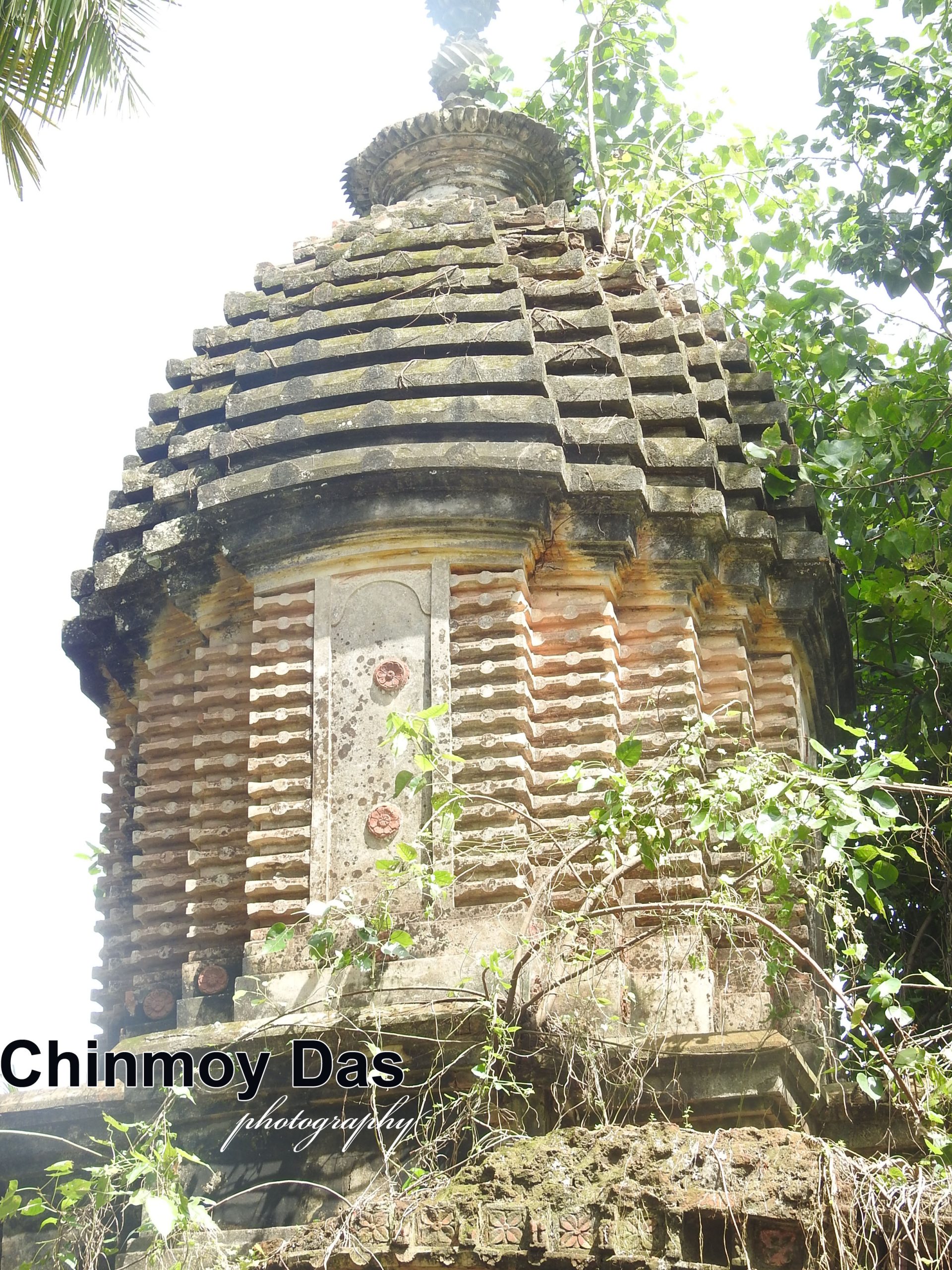
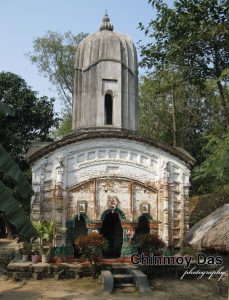
পূর্বমুখী সৌধে ইমারতি থাম আর দরুণ খিলানে তিনটি দ্বারপথের অলিন্দ। দক্ষিণ এবং পশ্চিমে আরও দুটি অলিন্দ আছে, তবে সেগুলি আবৃত। গর্ভগৃহে একটিই দ্বারপথ। মাথায় বিষ্ণুপুরী ঘরানার চালা ছাউনি। ছাউনির মাথায় একটিই রত্ন, সেটি পশ্চিমের দেওয়াল ঘেঁষে স্থাপিত। এগুলিকে 'আলগোছ টুঙ্গি' মন্দির নামে অভিহিত করা হয়। দাসপুর এলাকায় এই রীতির আরও কয়েকটি মন্দির আছে।
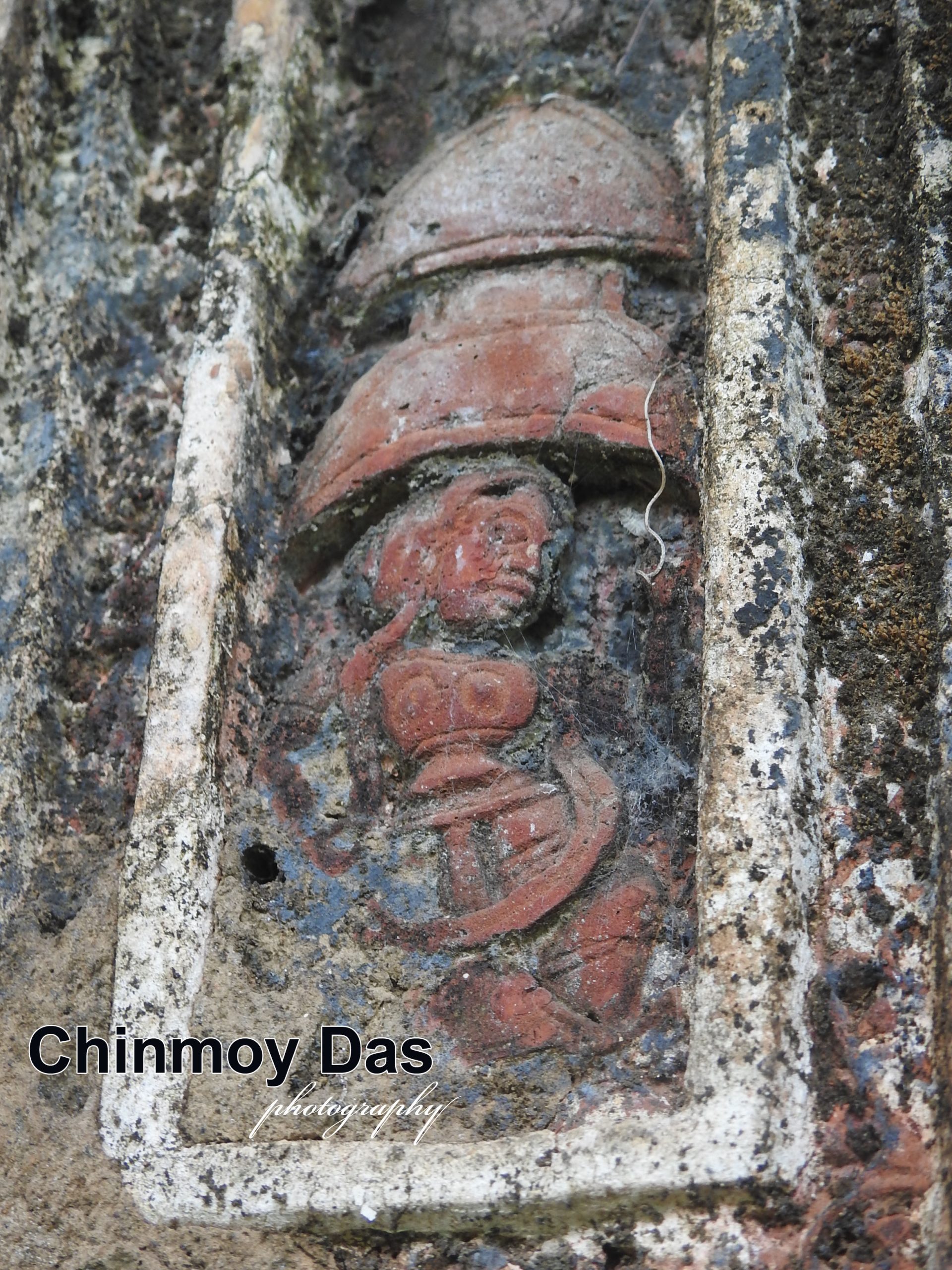
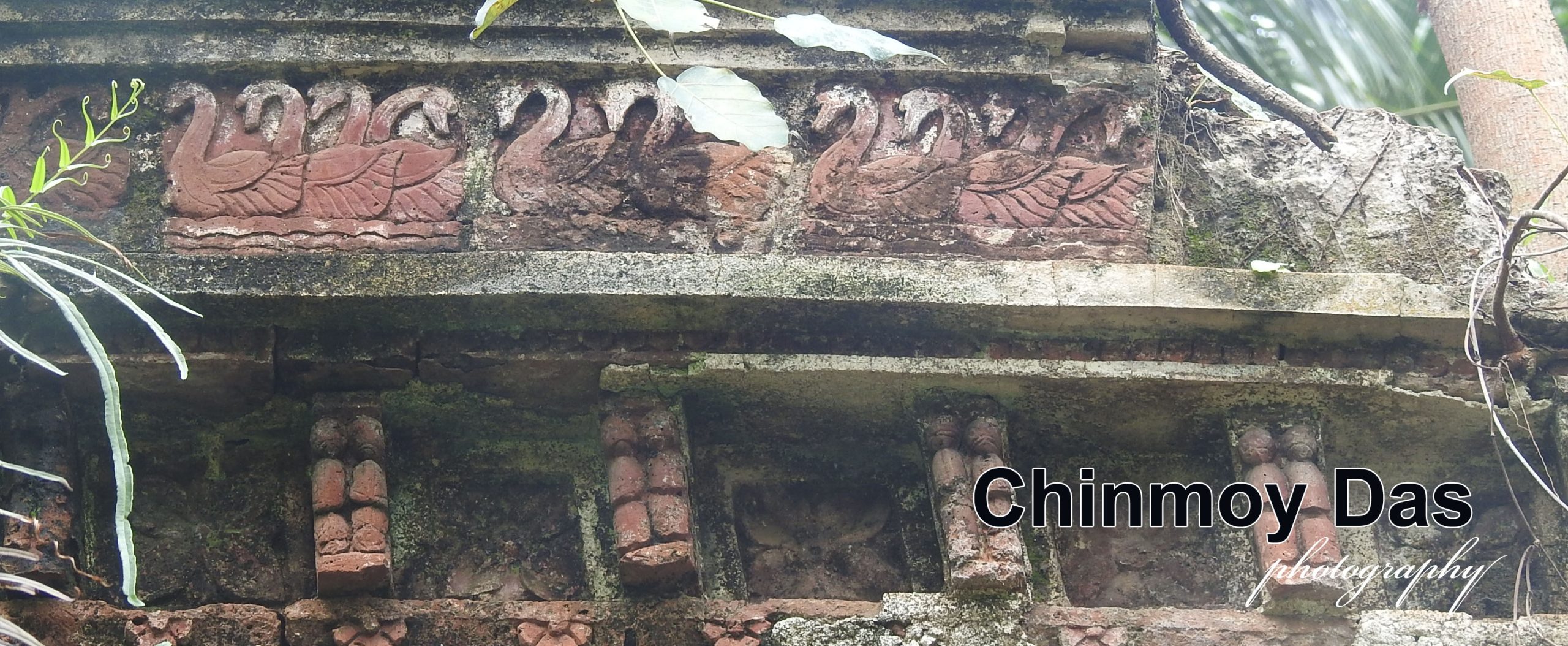
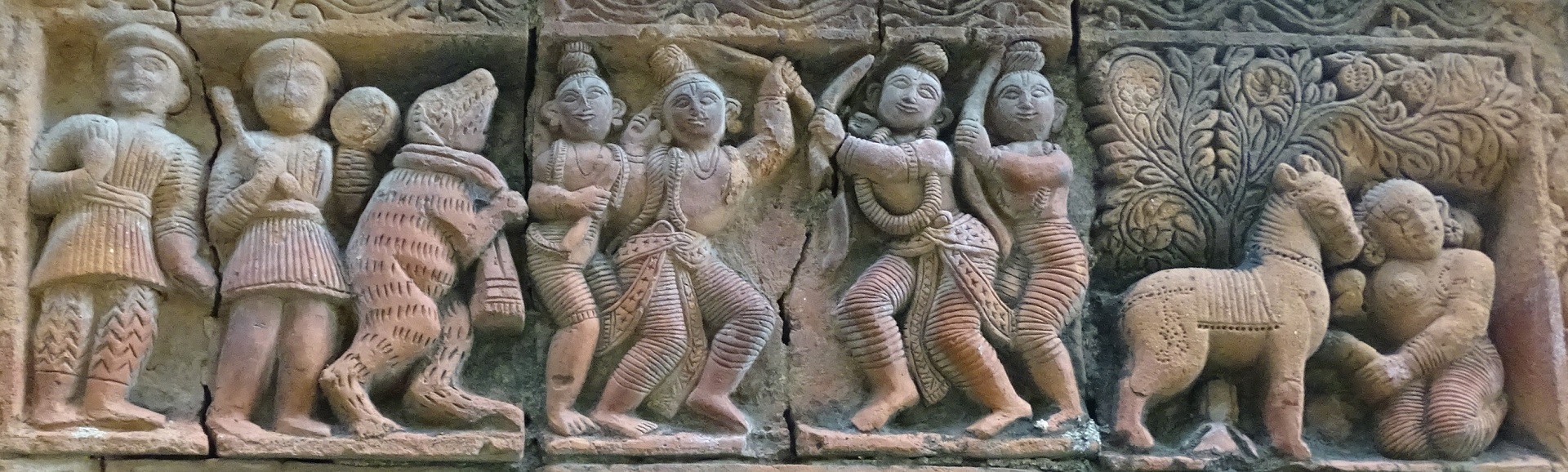
সামনের দেওয়াল আর চারটি স্তম্ভ টেরাকোটা ফলক দিয়ে মোড়া। ১. সামাজিক বিষয়ের ফলকের মধ্যে-- পাদপীঠের লাগোয়া দেওয়াল আর স্তম্ভের গায়ে আছে ঝাম্পানে চড়া তামাকু সেবনরত জমিদারবাবু, বন্দুকধারী রক্ষী সহ নীলকর সাহেব, হরিণ শিকার, হার্মাদ রণতরী, নৌযুদ্ধের দৃশ্য ইত্যাদি। ২. তিনটি খিলানের মাথায় শিবলিঙ্গ সহ প্রতিকৃতি দেউলের সারি। ৩. তিনটি বড় প্রস্থ, কার্ণিশের নীচের সারি এবং কোণাচের গায়ের ২টি করে সারিতে অনেক ফলক। সেগুলিতে রামায়ণ-কথা, পুরাণ, কৃষ্ণলীলা থেকে রাম-রাবণের যুদ্ধ, কালীয় দমন, দধিমন্থন, ননীচুরি, গোপিনীদের বস্ত্রহরণ, বৈষ্ণবদের সংকীর্তন দৃশ্য ইত্যাদি ফলক দেখা যায়।
তাছাড়াও, গর্ভগৃহে পিছনের দেওয়ালে পঙ্খের রঙ্গীন কাজ এবং দরজার কপাটে কাঠ-খোদাই কাজগুলিও চেয়ে দেখবার মত।
তবে মন্দিরটি দীর্ঘকাল বিগ্রহহীন ও পরিত্যক্ত। জীর্ণ হতে হতে সৌধটি এখন মৃত্যুলোকের পথিক।
বন্যা কিংবা কোনও ভূমিকম্পের প্রকোপে মন্দিরটি পশ্চিম দিকে কয়েক ডিগ্রী হেলে গিয়েছে, দেখা যায়।
Gopinath Temple, Daspur (Daspur–1)
Chinmoy Das
Daspur police station area in Medinipur district may well be called the land of temples. Once, countless temples adorned with exquisite sculptures and ornamentation were built throughout its villages. Despite the ravages of time and the neglect of indifferent people, a few of these temples have somehow survived. Even today, art enthusiasts are drawn to these temple precincts by their artistic beauty. One such temple stands in Daspur village, the headquarters of Daspur police station.
Although it is said to exist, the temple is hardly in a proper condition. How could it be? The family of temple custodians left long ago. The deity's idol is no longer present in the shrine. As a result, no one cares for it. Neglected and abandoned, battered by sun and storms, and overrun by the roots and branches of unchecked vegetation, the temple has fallen into a severely dilapidated state. Moss-covered weathered bricks, spider webs, rats and mice, bats, and the discarded skins of reptiles make entering the structure no easy task.
Yet entering the history of this temple is far easier than entering the temple itself. Let us begin there.
Whenever Daspur and its ancient prosperity are discussed, the names of Raja Shobha Singh of Chetua-Barda and his principal leaseholder, Bangaram Chowdhury, inevitably arise. Shobha Singh established a vast kingdom on the western bank of the Ganges. He had several leaseholders, among whom Bangaram was not only prominent but the most distinguished. He undertook numerous measures for the welfare of his subjects, including the construction and repair of roads, strengthening river embankments to prevent floods, and renovating and excavating canals for irrigation and drainage. Bangaram's period extended from the 1670s through the early eighteenth century.
At that time, the silk industry flourished throughout the region. Bangaram also took extensive steps to promote silk production as well as other rural industries.
As a result of his initiatives, the local economy prospered, and the population increased accordingly. Artisans and workers associated with various rural industries migrated to Chetua. Among them were:
-
Gandhabanik merchants who prepared fragrant substances for religious worship.
-
Skilled Malakar craftsmen specializing in shola-pith art.
-
Expert weavers of handloom textiles.
-
Muslim families skilled in mulberry cultivation.
-
Silk weavers and silk artisans.
-
Metalworkers proficient in iron, bronze, and brass work.
-
Potters skilled in ceramic craftsmanship.
Who did not come during that period?
Two communities deserve special mention:
-
A group of Suvarnabanik (gold merchant) families skilled in gold craftsmanship and trade.
-
The Sutradhar community of temple builders.
The Sutradhars were also adept at making terracotta plaques and wood carving. Both communities left behind numerous examples of their craftsmanship throughout Chetua, present-day Daspur.
Bangaram resided in Daspur village. From his time onward, Daspur gradually emerged as the principal market town of Chetua Pargana. The Suvarnabanik families bearing surnames such as Singh and Sen, along with the weaving Tili community families such as Nandi and Pal, became very wealthy. Traces of their ancient mansions and ruined palatial houses can still be seen in the village today. Bangaram himself established a fortified residence surrounded by a moat and, within it, founded a single-towered (Ek-Ratna) temple dedicated to Shyamchand Jiu in 1699 CE.
The prosperous Suvarnabanik merchants and weavers established many temples in Daspur. Among them, a temple built by the Singh family was the finest of all. It was magnificent both in architecture and in terracotta decoration. This is the temple that concerns us today.
The Singh family of Suvarnabaniks had migrated to Daspur from Odisha about fifty years before the arrival of the British. They lived not far from Bangaram's fortified residence. In 1716 they established this Ek-Ratna temple for their family deity, Gopinath Jiu. Later, the Singh family left Daspur and settled in Kolkata. Since then, the temple has remained abandoned and has steadily deteriorated.
The east-facing structure has a verandah with three entrances supported by masonry pillars and graceful arches. There are two additional verandahs on the south and west sides, though these are enclosed. The sanctum has only one doorway. Above rises a roof in the Bishnupur style, surmounted by a single tower (ratna) positioned near the western wall. Temples of this type are known as "Algochh Tungi" temples. Several others of the same style can still be found in the Daspur region.
The front wall and four pillars are entirely covered with terracotta plaques.
Among the secular scenes depicted are: (1) A zamindar seated in a jhampan palanquin, smoking tobacco, An indigo planter sahib accompanied by armed guards, Deer hunting scenes, Portuguese pirate warships (Harmad vessels), Naval battles.
(2 )Above the three arches is a row of temple motifs featuring Shiva lingams.
(3)The larger panels below the cornice and along the corners depict scenes from the Ramayana, the Puranas, and Krishna's divine exploits, including: The battle between Rama and Ravana, Krishna subduing the serpent Kaliya, Churning of curd, Krishna stealing butter, The episode of Krishna taking the garments of the Gopis, Vaishnava congregational chanting (sankirtan).
In addition, the colorful decorative work on the rear wall of the sanctum and the wood carvings on the temple doors are also worthy of admiration.
Unfortunately, the temple has remained without its deity and abandoned for a long time. Gradually deteriorating, the structure now stands on the brink of death.
It can be observed that either due to flooding or the effects of an earthquake, the temple has tilted several degrees toward the west.