শ্যামরাই মন্দির, রানির বাজার (ঘাটাল)
চিন্ময় দাশ
'নহ্যমুলা জনশ্রুতি' -- জনশ্রুতি অমূলক নয়। তেমনই এক জনশ্রুতি থেকে জানা যায়, শ'চারেক বছর আগে রাজস্থানের জয়পুরের গালতা গদি থেকে হাবড়া দাস নামে এক বাবাজী বগড়ী পরগনার গভীর জঙ্গলে এসে কুটির বানিয়ে বাস করতেন। তিনি ছিলেন রামানন্দী সম্প্রদায়ের সাধু। একবার ২০০ সৈনিক নিয়ে, চন্দ্রকোনার রাজা তিলকচাঁদ বেরিয়েছিলেন মৃগয়ায়। অপরাহ্ণ বেলায় ক্ষুধার্ত বাহিনী সাধুর কুটিরে উপস্থিত হলে, মাত্র ২ জনের রান্না করে, পুরো বাহিনীর উদর পূর্তি করেছিলেন তিনি।
বিস্মিত রাজা রাজকীয় সমাদরে সাধুকে তাঁর রাজধানি চন্দ্রকোনায় নিয়ে আসেন। চন্দ্রকোনা নগরীর নরহরিপুর মহল্লায় (বর্তমান ২ নং ওয়ার্ডভুক্ত) ১৮ বিঘা সম্পত্তিতে নতুন একটি আশ্রম গড়ে তোলা হয় মোহান্তের জন্য। আশ্রমটির 'ছোট অস্থল' নামে পরিচিত হয়। দেবালয়, নাটমন্দির, ঝুলনমন্দির, বিশাল তুলসীমঞ্চ, পঙ্গতখানা, কাছারিবাড়ি, ভাঁড়ারঘর, দালানকোঠা-- কী ছিল না আশ্রমে? আবাদি জমি, কোঠাদীঘি আর ঠাকুরদীঘি নামের দুটি জলাশয়ও। মোহন্তকে তিলকচাঁদ আবাদি জমিসহ বড় একটি গ্রামও দিয়েছিলেন নিস্কর হিসাবে। সেটি পরে 'তিলকগঞ্জ' (পরগণা-- বগড়ী, জে. এল. নং ৭২০, আয়তন ২৮৩.৩৪ একর) মৌজা নামে পরিচিত হয়েছে।
হাবড়া দাস তাঁর ইষ্ট দেবতা লক্ষ্মীনারায়ণ শিলাটি প্রতিষ্ঠা করেছিলেন মন্দিরে। পরে, রঘুবর দাস মোহান্ত হয়ে লক্ষ্মীনারায়ণের একটি মূর্তি প্রতিষ্ঠা করেন। চন্দ্রকোনার রামরঙ্গী পুস্করিণীটি প্রতিষ্ঠা করেন রামরঙ্গী মোহান্ত। এইভাবে কর্মকান্ড, খ্যাতি এবং ভক্তসংখ্যা পাল্লা দিয়ে বেড়েছিল আশ্রমের।
চন্দ্রকোণা, ক্ষীরপাই, রাধানগর, খড়ার ইত্যাদি গঞ্জ এলাকার রাজন্যবর্গ এবং ধনিক সম্প্রদায় মুক্তহস্তে দান করতেন। তাতে সম্পদ তৈরী হয়েছিল ছোট অস্থলের। ১৮৬৯ সালে চন্দ্রকোণা যখন পৌরসভা হোল, মোহান্ত ৩০০ মোহর দিয়েছিলেন পৌর সভাকে। কেবল বিত্তে নয়, বিক্রমেও বড় হয়েছিল আশ্রমটি। বর্গী আক্রমণের সময়, উন্মুক্ত কৃপাণ হাতে প্রতিরোধ করেছিল আশ্রম-বাহিনী।
এসবের অনেক পূর্বে, একসময়, তিনটি শাখা প্রতিষ্ঠা করা হয়েছিল আশ্রমের। হাওড়া জেলার গহলাবন্দ গ্রামে, মেদিনীপুর জেলার ঘাটাল থানার দন্দ্বীপুর এবং রানীর বাজার গ্রামে।
মূল আশ্রমের মত, শাখাগুলিতেও একটি করে মন্দির প্রতিষ্ঠা করা হয়। ১. গহলাবন্দে সীতারাম মন্দির, ২. দন্দীপুরে রঘুনাথ মন্দির, এবং ৩. রানীর বাজারে শ্যামরাই মন্দির।
রানীর বাজার নামটির প্রসঙ্গে আবার আমাদের রাজস্থানে ফিরে যেতে হয়। রাজস্থান থেকে রঘুনাথ সিংহ নামের এক ব্যক্তি মেদিনীপুর জেলার চেতুয়ায় চলে এসেছিলেন। সেখানে ব্যবসা-বাণিজ্য থেকে প্রচুর সম্পদের অধিকারী হন। তাঁর পুত্র কানাই সিংহ সম্পদ থেকে জমিদারি প্রতিষ্ঠা করেছিলেন। কানাইর পুত্র ইতিহাসখ্যাত শোভা সিংহ। তিনি রাজধানী গড়েছিলেন বরদা গ্রামে।
দিল্লির মসনদে তখন সম্রাট আওরঙ্গজেব। দক্ষিণ বাংলায় তাঁর রাজস্ব আদায়ের ভার বর্ধমানের রাজা কৃষ্ণরামের হাতে। জিজিয়া কর, রাজা-জমিদারদের 'নজর-পেশকাশ' পাঠানো বন্ধ, বারোভূঁইয়াদের বিদ্রোহ ইত্যাদি কারণে, কৃষ্ণরাম তখন দিশেহারা। বিশাল বাহিনী সাজিয়ে বর্ধমান আক্রমণ এবং অধিকার করে নেন শোভা সিংহ। কৃষ্ণরাম নিহত হন। এর পর, গড় মান্দারণ, সপ্তগ্রাম ইত্যাদি এলাকা অধিকার করেন। গঙ্গার পশ্চিম তীরের বিস্তীর্ণ এলাকা মোগল শাসন মুক্ত হয়। সাহসী, অমিত বিক্রম, দূরদর্শী শোভা সিংহ পরিচিত হন 'বাংলার শিবাজী' নামে।
রাজ্যশাসন এবং প্রজার কল্যাণেও বহু কাজ করেছিলেন শোভা। গ্রামীণ শিল্প, বিশেষত কাঁসা-পিতল এবং রেশম শিল্পের বিকাশে উজ্জ্বল ভূমিকা ছিল তাঁর। অনেকগুলি বাজারেরও পত্তন করেছিলেন। বরদার লাগোয়া পশ্চিমে বড় আকারের যে বাজারটি বসিয়েছিলেন, নিজের পত্নীর নামে সেটিরই নাম হয়-- রানির বাজার।
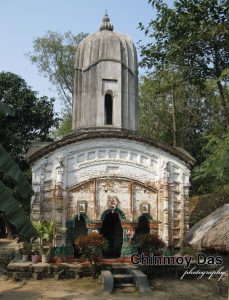
ইটের তৈরী, পূর্বমুখী সৌধ। নির্মিত হয়েছিল রত্ন-শৈলীর এক-রত্ন মন্দির হিসাবে। বেশ বড় আকারের,সম্পূর্ণ বর্গাকার গড়ন-- দৈর্ঘ্য-প্রস্থ সাড়ে ২৮ ফুট, উচ্চতা আনু. ৪০ ফুট। সামনে তিনটি দ্বারপথ যুক্ত একটি আয়তাকার অলিন্দ। থামগুলি ইমারতি রীতির আর খিলান দরুণ-রীতির। দ্বিতলে উঠবার সিঁড়ি থাকবার কারণে, গর্ভগৃহটিও বর্গাকার। তাতে একটিই দ্বারপথ। উত্তর দিকেও তিন-দ্বার যুক্ত অনুরূপ একটি অলিন্দ এবং গর্ভগৃহে প্রবেশের দ্বারপথ আছে।
মূল সৌধ এবং গর্ভগৃহটি চতুস্কোণ হলেও, মাথার রত্নটি কিন্তু অষ্ট-কোণ আকারে নির্মিত হয়েছে। সেকারণে, গর্ভগৃহের সিলিং হয়েছে আট-কোণা ভল্ট হিসাবে। রত্নটিতে শিখর-দেউলের পীঢ়-রীতিতে সমান্তরাল থাক কাটা ছিল।
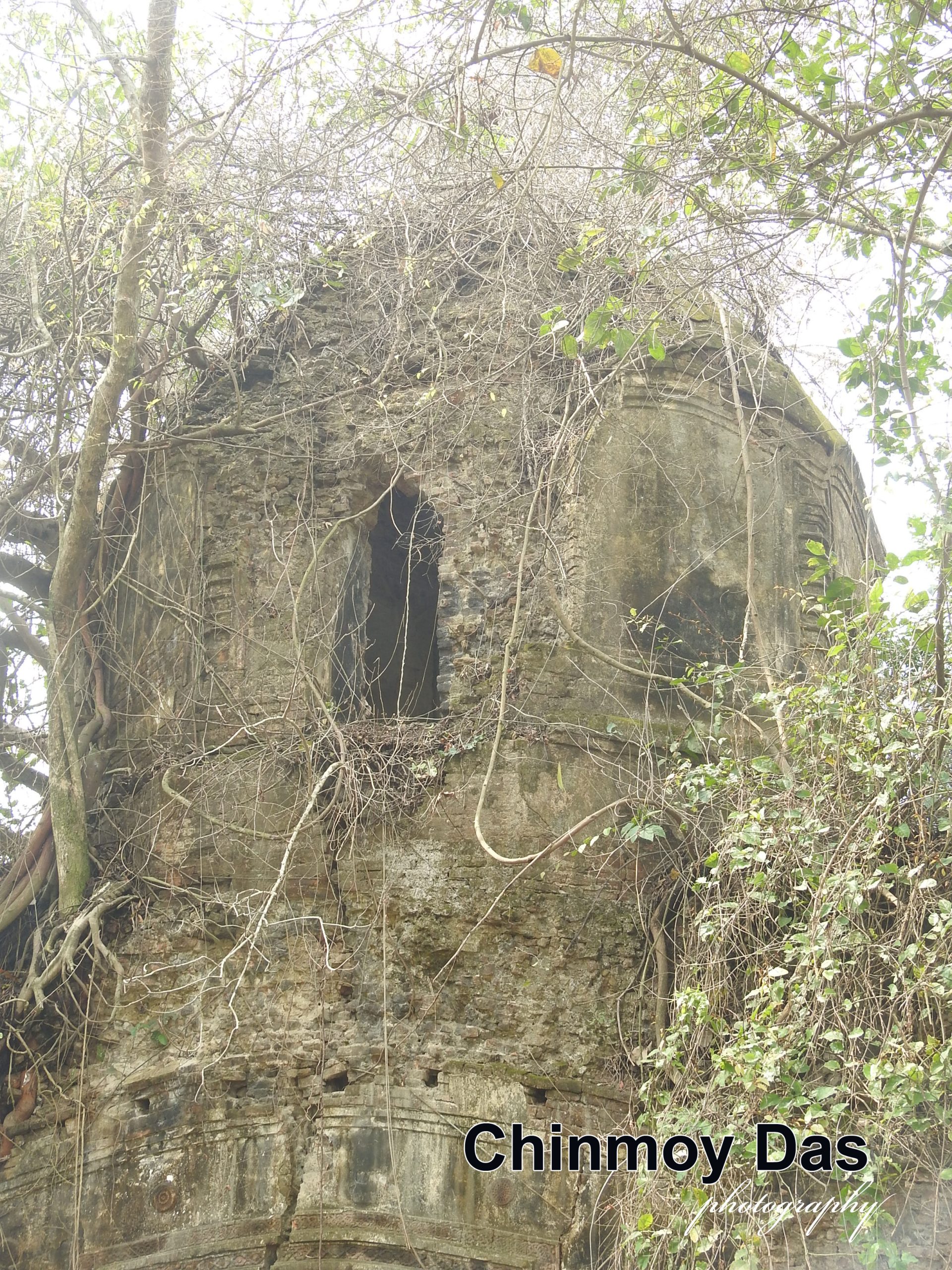
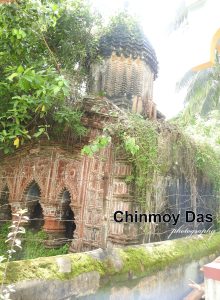
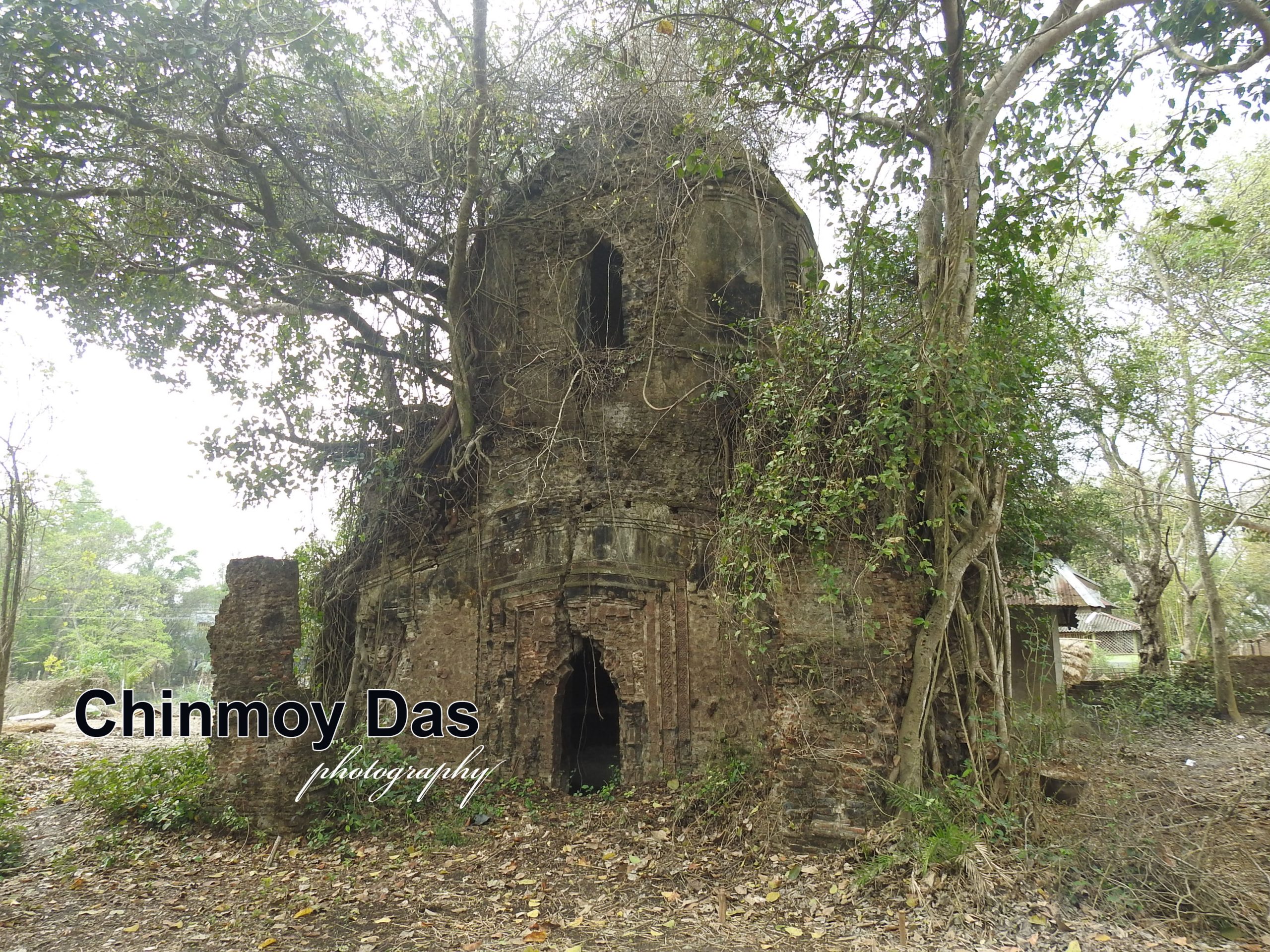
এবার পাঠক-পাঠিকাবর্গকে জানানো যেতে পারে, এই বিবরণের সাথে, মন্দিরের বর্তমান চেহারার আদৌ মিল পাওয়া যাবে না। কেননা, মন্দিরটি বহুকাল যাবৎ পরিত্যক্ত, অত্যন্ত জীর্ণ। দেবতা নাই মন্দিরে। পূর্ব আর উত্তরের অলিন্দের দেওয়ালগুলি কবেই মুছে গিয়েছে। মুছে গিয়েছে রত্নের চূড়াটিও। একেবারেই নিশ্চিহ্ন সেটি। আমরা এই বিবরণটি দিলাম মন্দিরের ধ্বংসস্তূপ আর পূর্ববর্তী পুরাবিদগণের বিবরণ ঘেঁটে।
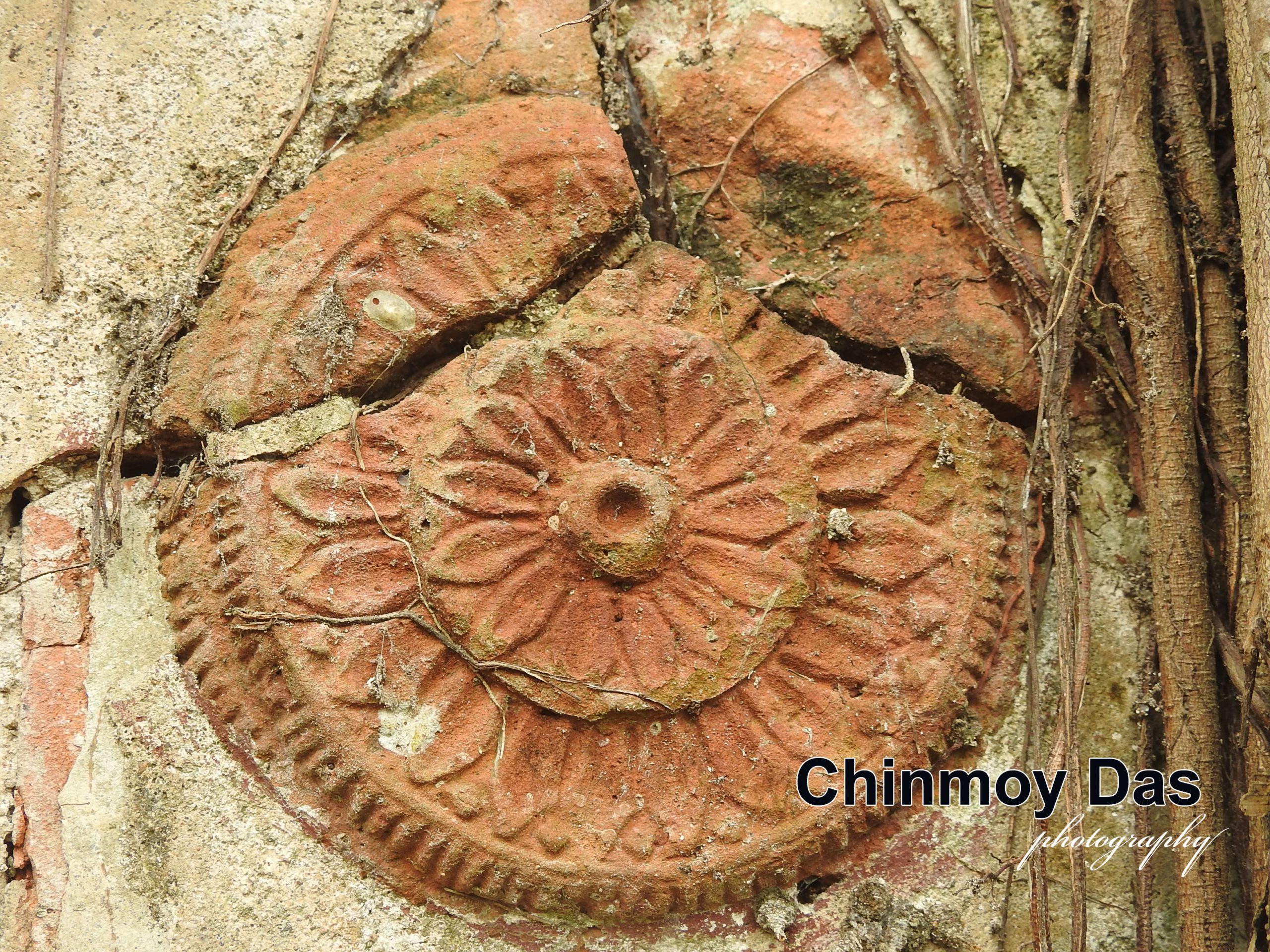
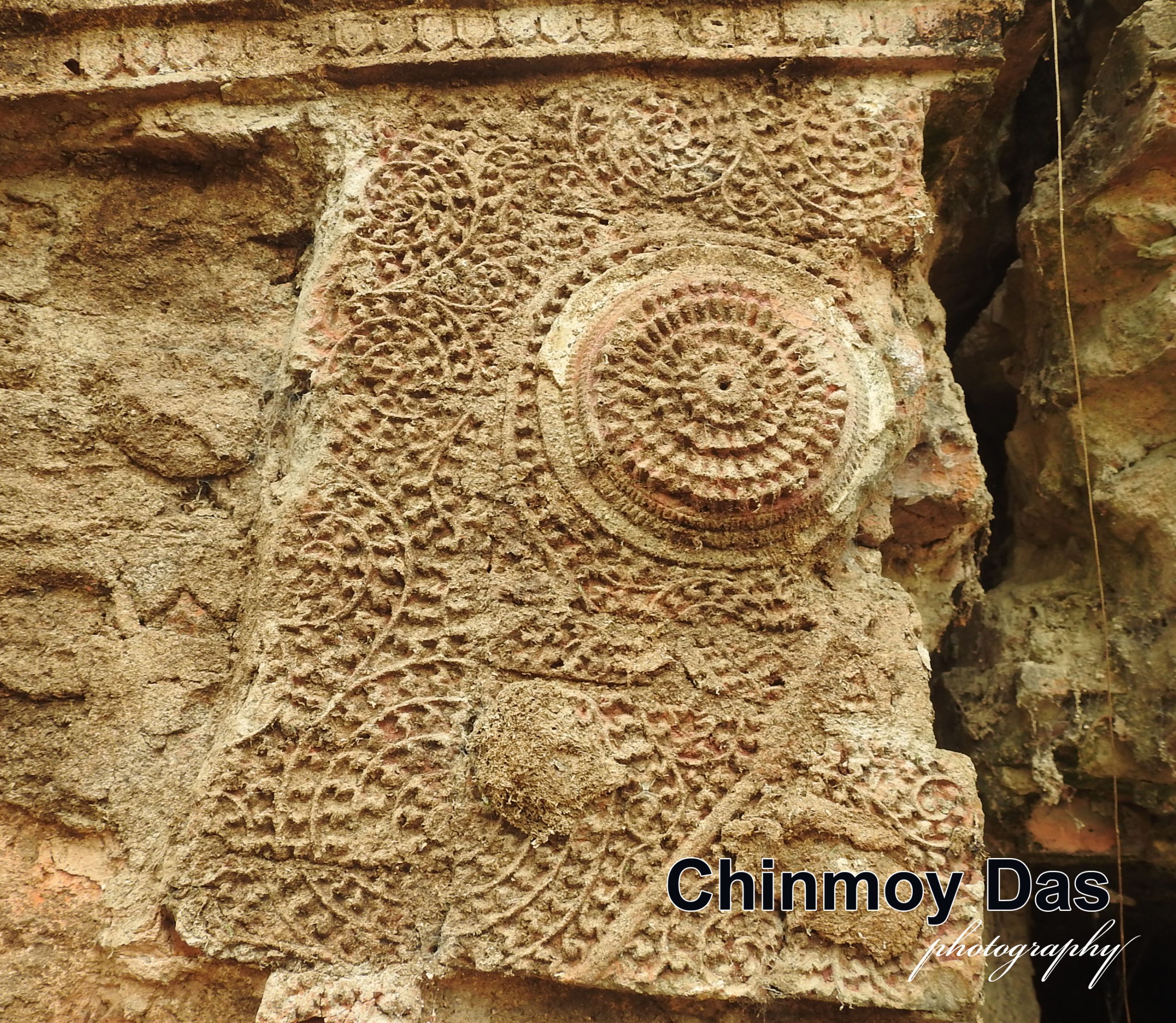
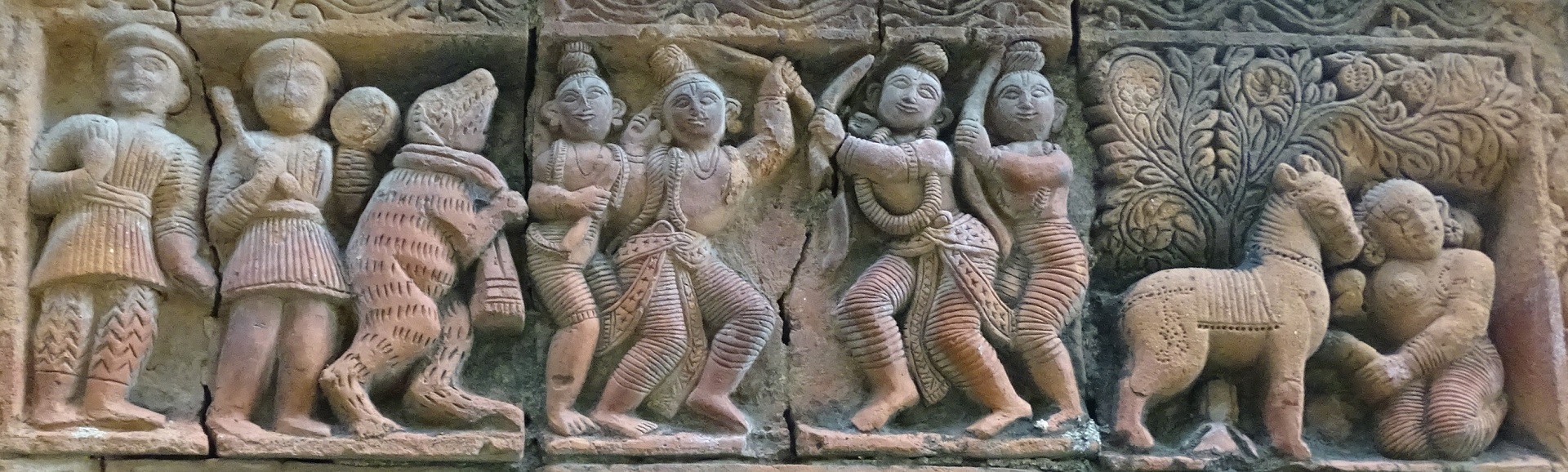
হারিয়ে গিয়েছে অলঙ্করণের প্রায় সব কিছুই। সামনের দেওয়ালে তিনটি দ্বারপথের মাথায় তিন প্রস্থে বহু টেরাকোটা ফলক সাজানো ছিল-- দেবদেবীর মূর্তি, ফুলকারী নকশা ইত্যাদি। কিছু গিয়েছে প্রফেশন্যাল তস্কর আর অসাধু পুরাপ্রেমীদের হাতে। বাকিটা কালের করাল গ্রাসে নিশ্চিহ্ন। যে দুটি-একটি শতদল পদ্মের বা জ্যামিতিক ভ্যারাইটির নকশা এখনও দেখা যায়, নমুনা হিসাবে দেওয়া হোল।
Shyamrai Temple, Ranir Bazar (Ghatal)
Chinmoy Das
The saying goes, "Nahyamula Janashruti"—popular tradition is not without foundation. From such a tradition we learn that about four hundred years ago, a Vaishnava ascetic named Habra Das came from the Galta Gaddi of Jaipur, Rajasthan, and established a hermitage in the dense forests of the Bagri Pargana. He belonged to the Ramanandi sect.
On one occasion, Raja Tilakchand of Chandrakona set out on a hunting expedition accompanied by two hundred soldiers. In the afternoon, the hungry party arrived at the ascetic's hut. Though food had been prepared for only two persons, Habra Das miraculously fed the entire contingent. Astonished, the Raja brought the saint to his capital at Chandrakona with royal honours.
A new monastery was established for the Mahant on eighteen bighas of land in the Narharipur quarter of Chandrakona (present-day Ward No. 2). The institution became known as the Chhoto Asthal (Small Monastery). It contained a temple, a Natmandir, a Jhulan Mandir, a large Tulsi altar, a dining hall, a kachari house, storehouses, and numerous buildings. Agricultural lands, as well as two tanks known as Kotha Dighi and Thakur Dighi, were also attached to the establishment.
Tilakchand further granted the Mahant a large revenue-free village along with cultivable lands. This later became known as Tilakganj Mouza (Bagri Pargana, J.L. No. 720, area 283.34 acres).
Habra Das installed a sacred Lakshmi-Narayana Shila as his presiding deity. Later, Mahant Raghubar Das established an image of Lakshmi-Narayana, while Mahant Ramrangi excavated the famous Ramrangi Tank of Chandrakona. Thus, the monastery's activities, reputation, and following steadily increased.
The rulers and wealthy residents of Chandrakona, Kshirpai, Radhanagar, Kharar, and other market towns donated generously, allowing the institution to accumulate considerable wealth. When Chandrakona became a municipality in 1869, the Mahant contributed 300 gold mohurs to the civic body.
The monastery was not only wealthy but also powerful. During the Maratha (Bargi) raids, its armed retainers reportedly resisted the invaders with drawn swords.
Long before this, three branch establishments had been founded:
-
At Gahalaband, Howrah district
-
At Dandvipur, Ghatal
-
At Ranir Bazar, Ghatal
Like the parent monastery, each branch had its own temple:
-
Sitaram Temple at Gahalaband
-
Raghunath Temple at Dandvipur
-
Shyamrai Temple at Ranir Bazar
The name Ranir Bazar itself has a historical origin. A man named Raghunath Singh migrated from Rajasthan to Chetua in Medinipur and amassed great wealth through trade. His son Kanai Singh transformed that wealth into a zamindari estate. Kanai's son was the celebrated Shobha Singh, who established his capital at Barda.
At that time, Emperor Aurangzeb sat on the Mughal throne, while the responsibility for revenue collection in southern Bengal rested with Raja Krishnaram of Bardhaman. Faced with mounting difficulties arising from the jizya tax, the suspension of tribute payments by local rulers, and the revolts of the Baro-Bhuiyans, Krishnaram found himself overwhelmed.
Shobha Singh assembled a large army, invaded Bardhaman, and captured it. Krishnaram was killed. Thereafter, Shobha occupied regions including Garh Mandaran and Saptagram, liberating extensive territories west of the Ganges from Mughal control. Owing to his courage, military prowess, and foresight, he became known as the "Shivaji of Bengal."
Shobha Singh also undertook numerous measures for the welfare of his subjects. He played a significant role in promoting rural industries, especially the brass, bell-metal, and silk industries. He established several markets as well. The large market he founded west of Barda was named Ranir Bazar after his wife.
The temple itself was a brick-built, east-facing structure originally constructed in the Ek-Ratna style. It was fairly large, with a perfectly square plan measuring approximately 28.5 feet by 28.5 feet and a height of about 40 feet.
At the front was a rectangular verandah with three entrances. The pillars followed the Imarati style, while the arches were of the Darun type. Because a staircase led to the upper level, the sanctum was also square and had a single entrance. A similar three-doored verandah and sanctum entrance existed on the northern side as well.
Although the main structure and sanctum were square, the crowning tower (ratna) was built in an octagonal form. Consequently, the sanctum ceiling took the shape of an octagonal vault. The tower featured parallel horizontal divisions in the Pida style of the Shikhara Deul tradition.
It should now be stated that visitors will find little resemblance between this description and the temple's present condition. The temple has long been abandoned and stands in an extremely dilapidated state. The deity is no longer present. The eastern and northern verandah walls disappeared long ago, and the tower itself has completely vanished.
The present account has therefore been reconstructed from the surviving ruins and the descriptions left by earlier researchers.
Almost all traces of ornamentation have been lost. Above the three entrances on the front façade were once several bands of terracotta falak depicting deities, floral patterns, and other decorative motifs. Some were removed by professional thieves and unscrupulous antiquities collectors; the rest have been consumed by time. Only a few lotus motifs and geometric designs survive today, serving as faint reminders of the temple's former splendour.