রাধাবিনোদ মন্দির, পূর্ব গোপালপুর (পাঁশকুড়া-- ১)
চিন্ময় দাশ।
হুগলি জেলার জাহানাবাদ গ্রাম। বৈষ্ণব ধর্মানুরাগী জনৈক রাধামাধব বাস করতেন সেখানে। উপযুক্ত গুরুর খোঁজে মেদিনীপুর চলে এসেছিলেন তিনি। সেসময় বৈষ্ণবগুরু শ্যামানন্দ প্রভু এবং রসিকানন্দ গোস্বামীর হাতে 'শ্রীপাট গোপীবলভপুর' খ্যাতিলাভ করেছে। চৈতন্যদেবের হাতে গড়ে ওঠা শ্রীচৈতন্য সম্প্রদায়ে ৬ জন গোস্বামী-- শ্রীসনাতন গোস্বামী, শ্রীরূপ গোস্বামী, শ্রীগোপাল ভট্ট গোস্বামী, শ্রীরঘুনাথ ভট্ট গোস্বামী, শ্রীজীব গোস্বামী এবং শ্রীরঘুনাথ দাস গোস্বামী। শ্রীজীব গোস্বামীর নির্দেশে, শ্যামানন্দ প্রভু এবং রসিকানন্দ গোস্বামী মেদিনীপুর এবং সংলগ্ন বিহার ও ওডিশার পার্বত্য এলাকায় বৈষ্ণব ধর্ম প্রচারের দায়িত্ব গ্রহণ করেছিলেন। গোপীবল্লভপুর শ্রীপাটের প্রতিষ্ঠা তাঁদের হাতেই।
রাধামাধব গোপীবল্লভপুরে মোহান্ত শ্রীল রাধানন্দ দেবগোস্বামীর কাছে দীক্ষালাভ করে, গুরুর নির্দেশে গার্হস্থ্যধর্ম পালনের জন্য মেদিনীপুরের পূর্ব এলাকায় চলে আসেন। পূর্ব গোপালপুর গ্রামে একটি মাটির বাড়িতে রাধাবিনোদ নামের বিগ্রহ স্থাপন করে সেবাপূজা শুরু করেন। অচিরেই তাঁর এবং তাঁর বিগ্রহের খ্যাতি ছড়াতে শুরু করে। বহু মানুষ তাঁর কাছে দীক্ষা ও শিষ্যত্ব গ্রহণ করেন। পূর্ব গোপালপুর গ্রামটি কিসমত কাশীজোড়া পরগণার অধীন। জানা যায়, কাশীজোড়ার জমিদারও তাঁর কাছে দীক্ষাগ্রহণ এবং দেবতার জন্য বহু পরিমান সম্পত্তি দান করেছিলেন।
রাধাবিনোদের মন্দিরটি নির্মাণ করে দিয়েছিলেন রাধামাধবের শিষ্য, রেশম ব্যবসায়ী, নায়েক পদবীর একটি পরিবার। শোনা যায়, ব্যবসায়ে মন্দার এক বছরে, রাধাবিনোদের স্মরণাপন্ন হলে, নায়েকদের ৫ বছরের জমানো রেশম তিন দিনে বিক্রি হয়ে গিয়েছিল। সেই বিপুল পরিমাণ অর্থের একাংশ ব্যয় করে, দেবতার জন্য পঞ্চ-রত্ন মন্দির এবং সপ্তদশ রত্ন রাসমঞ্চটি নির্মাণ করে দিয়েছিল নায়েক পরিবার। সময় ছিল ১৬৯৬ শকাব্দ, বাংলা ১১৮১ সন। অর্থাৎ ইং ১৭৭৪ সালে মন্দিরটি প্রতিষ্ঠিত হয়েছিল।
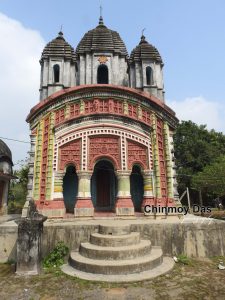
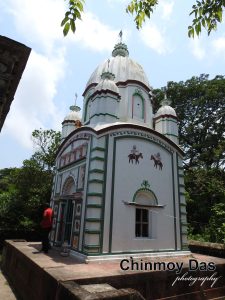
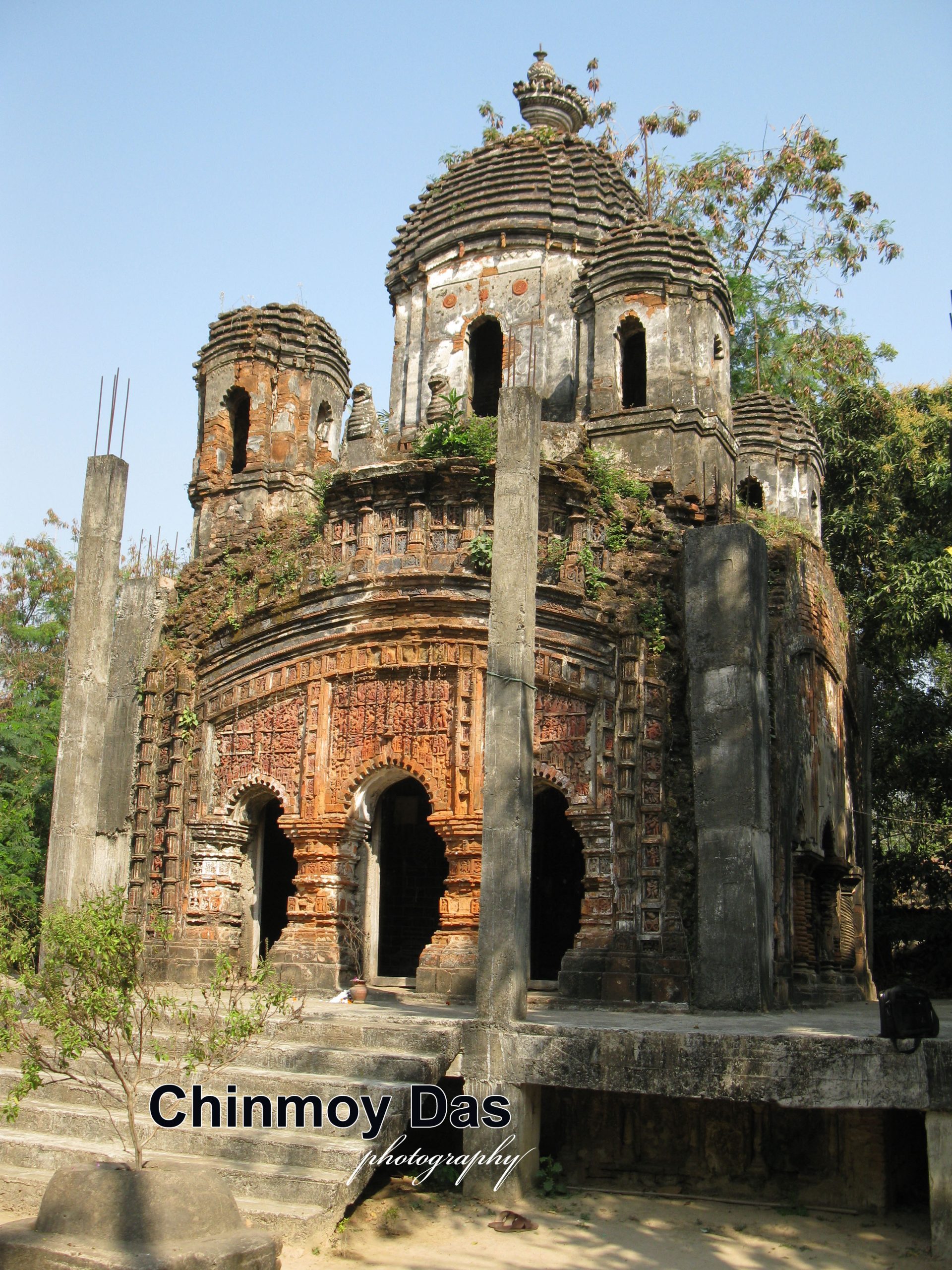
টেরাকোটায় মোড়া অনিন্দসুন্দর মন্দির। পাঁশকুড়া থানার অন্যতম সেরা মন্দির এটি। উঁচু পাদপীঠের উপর প্রশস্ত প্রদক্ষিণ-পথ সহ পঞ্চ-রত্ন রীতির দক্ষিণমুখী সৌধ। দক্ষিণ এবং পূর্ব দুদিকেই তিন খিলানের দ্বারপথ সহ অলিন্দ। মাথার রত্নগুলি কলিঙ্গ ধারায় রথবিন্যাস এবং পীঢ়-ভাগ করা। সম্পূর্ণ বর্গাকার মন্দিরের দৈর্ঘ্য-প্রস্থ সাড়ে ২১ ফুট, উচ্চতা আনু. ৩৫ ফুট।
দুটি অলিন্দ ছাড়াও, গর্ভগৃহের লাগোয়া একটি শয়নঘর আছে দেবতার। সেকারণে, গর্ভগৃহটি সংকীর্ণ। একটি সিঁড়িও আছে দ্বিতলে যাওয়ার। অলিন্দের সিলিং হয়েছে 'টানা-খিলান' রীতিতে। তিনটি খিলানের উপর ছোট ভল্টের সাহায্যে গড়া হয়েছে গর্ভগৃহের সিলিং। মন্দির থেকে খানিক দূরে, সপ্তদশ-রত্ন রীতির একটি রাসমঞ্চ আছে দেবতার।
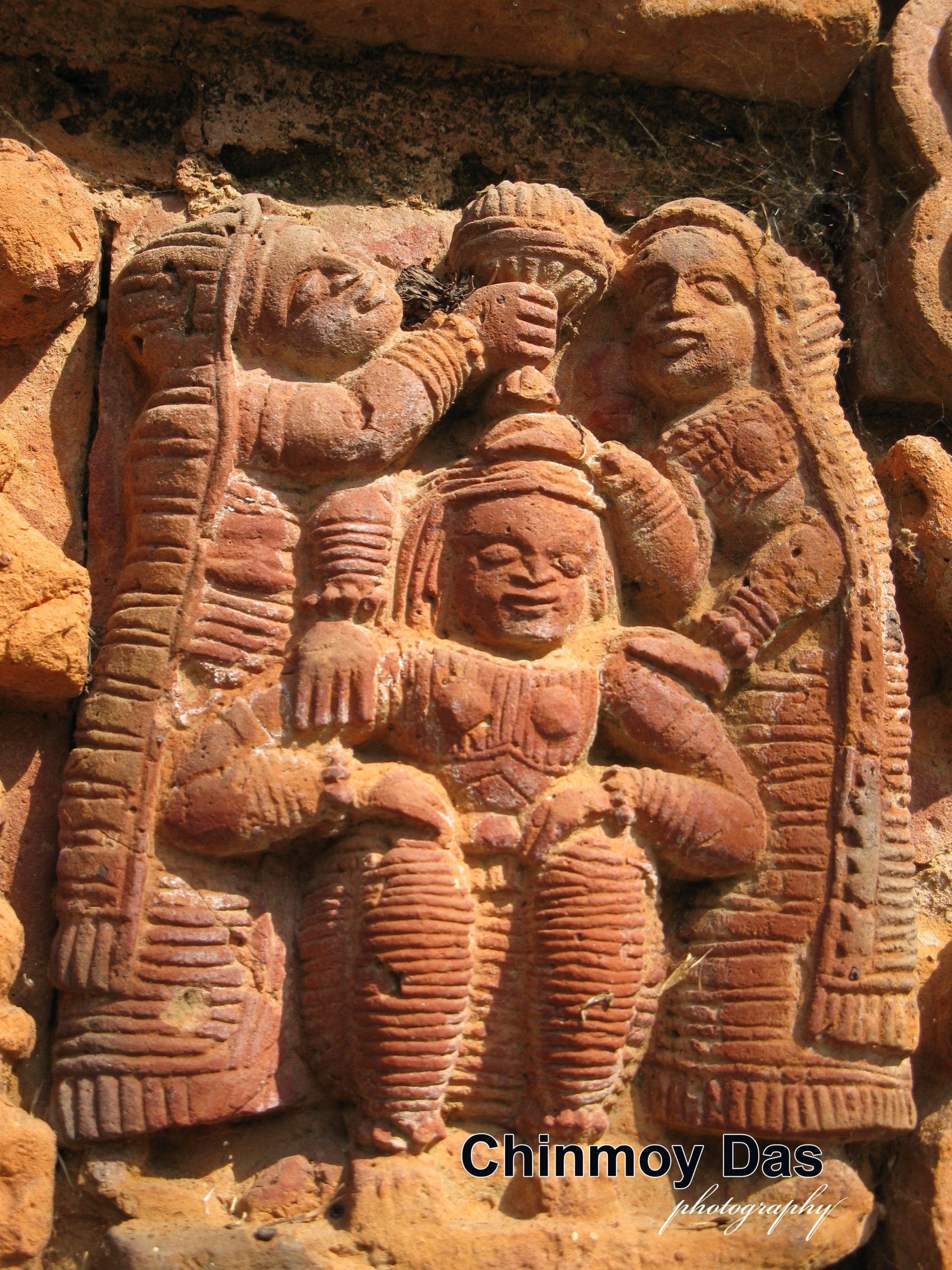
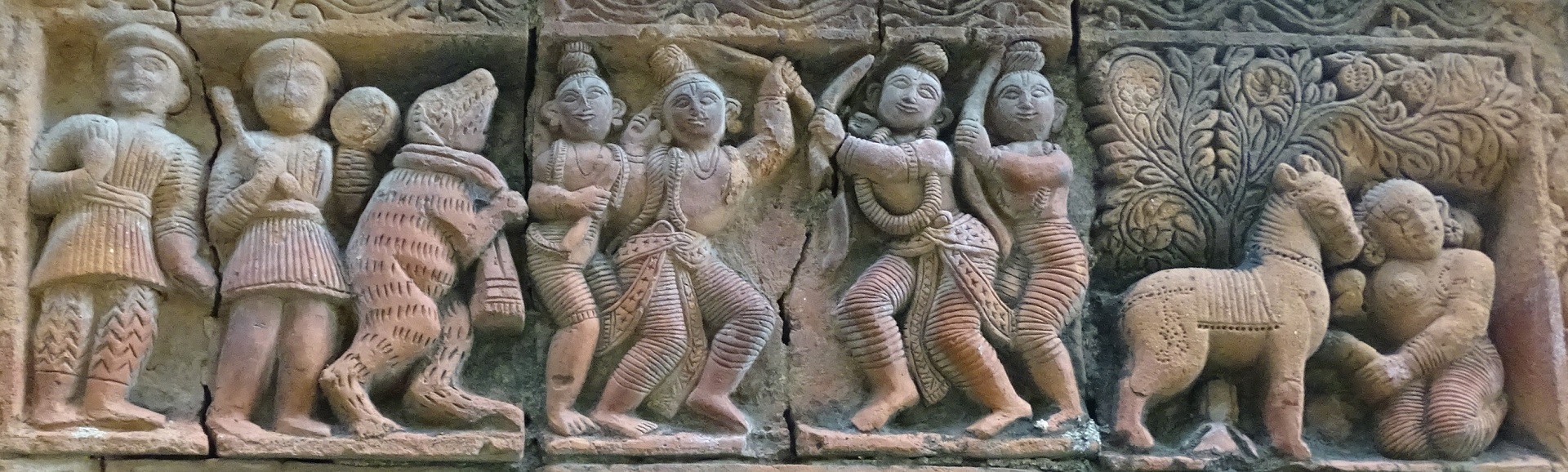
দেবমন্দিরের সৌন্দর্য গড়ে ওঠে তার টেরাকোটা ফলকে। এই মন্দিরের সামনের দেওয়াল মুড়ে দেওয়া হয়েছে টেরাকোটার অজস্র ফলক দিয়ে। বিশদ বিবরণের অবকাশ নাই এখানে। তবুও, পাঠক-পাঠিকার মানস-দর্শনের জন্য কিছু উল্লেখ করব আমরা।
ফলকগুলির মোটিফকে মুখ্য ৬ টি ভাগে ভাগ করা যায়-- ১. পুরাণ-কথা, ২. রামায়ণ কাহিনী, ৩. কৃষ্ণ কথা, ৪. সামাজিক বিষয়, ৫. মিথুন প্রসঙ্গ, ৬. শিবলিঙ্গ সহ পীঢ়া দেউল এবং বিবিধ।
১. পুরাণ-কথার প্রাসঙ্গিক ফলকের মধ্যে আছে মহিষমর্দিনী দশভূজা দূর্গা, বিষ্ণুর দশাবতার, গনেশ ইত্যাদি।
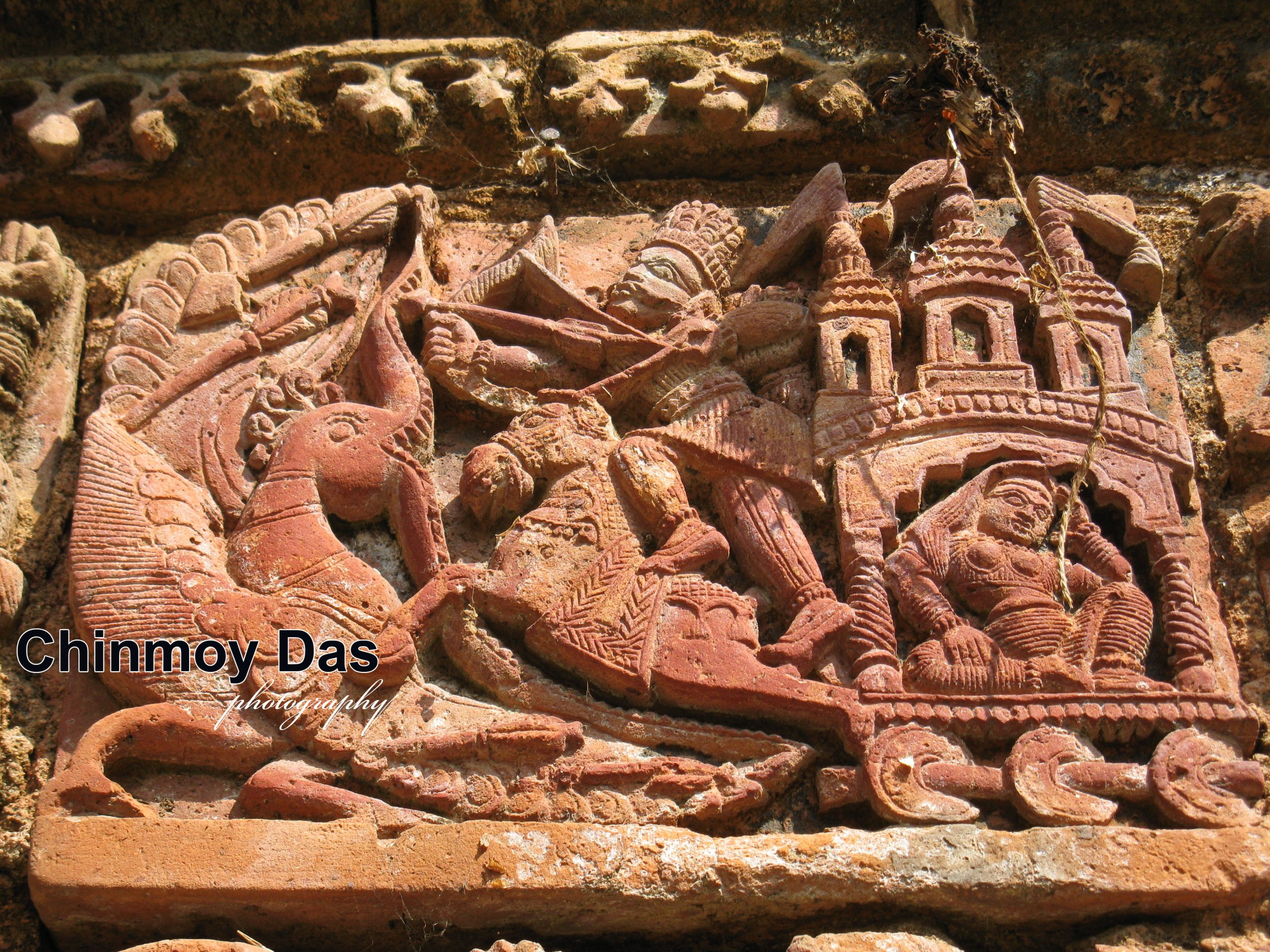
২. রামায়ণ কাহিনী নির্ভর ফলকে দেখা যায়, সীতার স্বর্ণমৃগ দর্শন, পঞ্চবটীর কুটিরে সন্ন্যাসীবেশী রাবণের আগমন, লক্ষণের মারীচ-বধ, শূর্পনখার নাসিকাছেদন, রাবনের সাথে জটায়ুর যুদ্ধ, রাম-রাবণের যুদ্ধ, রাম-সীতার অযোধ্যা প্রত্যাবর্তন, বিভীষণ-অঙ্গদ-সুগ্রীব- হনুমান ইত্যাদি সুহৃদ, ইত্যাদি।
৩. কৃষ্ণ কথা নির্ভর ফলকগুলির ২টি উপ-বিভাগ করা যায়-- ক) বাল্যলীলানির্ভর দৃশ্য হিসাবে আছে যশোদার দধিমন্থন, কৃষ্ণের ননী চুরি, ঘোটকাসুর বধ, বকাসুর বধ ইত্যাদি। খ) ব্রজলীলার প্রসঙ্গে আছে কদম্বতলে বংশীধারী শ্রীকৃষ্ণ, দধিভান্ড বাহিকা গোপিনীর দল, কৃষ্ণ কর্তৃক গোপিনীদের বস্ত্রহরণ, নৌকাযোগে গোপিনীদের যমুনা পারাপার ইত্যাদি।
৪. সামাজিক বিষয়ের অনেকগুলি ফলক আছে-- ষড়ভুজ গৌরাঙ্গ, গৌরাঙ্গ-নিত্যানন্দ, জটাধারী বাবাজী, মালাজপরত সাধু-সন্ন্যাসী, হুঁকায় তামাকুসেবনরত মোহান্ত, সৈনিক পুরুষ ইত্যাদি।
৫. মিথুন প্রসঙ্গে অনেকগুলি ফলক আছে বিভিন্ন ভঙ্গিমার। তার ভিতর উল্লেখ করবার মত বিষয় হল পশু-মৈথুনের একটি ফলকও স্থান পেয়েছে এখানে।
৬. শিবলিঙ্গ সহ পীঢ়া দেউল সমন্বিত টেরাকোটা ফলক অনেক মন্দিরেই দেখা যায়। এই মন্দিরে সেটির বেশ প্রাধান্য। তিনটি খিলানের মাথাতেই এমন ফলকগুলির স্থান করে দেওয়া হয়েছে। মাঝখানের খিলানে ১৬টি, দুপাশের দুটিতে ১২টি করে ফলক যুক্ত।
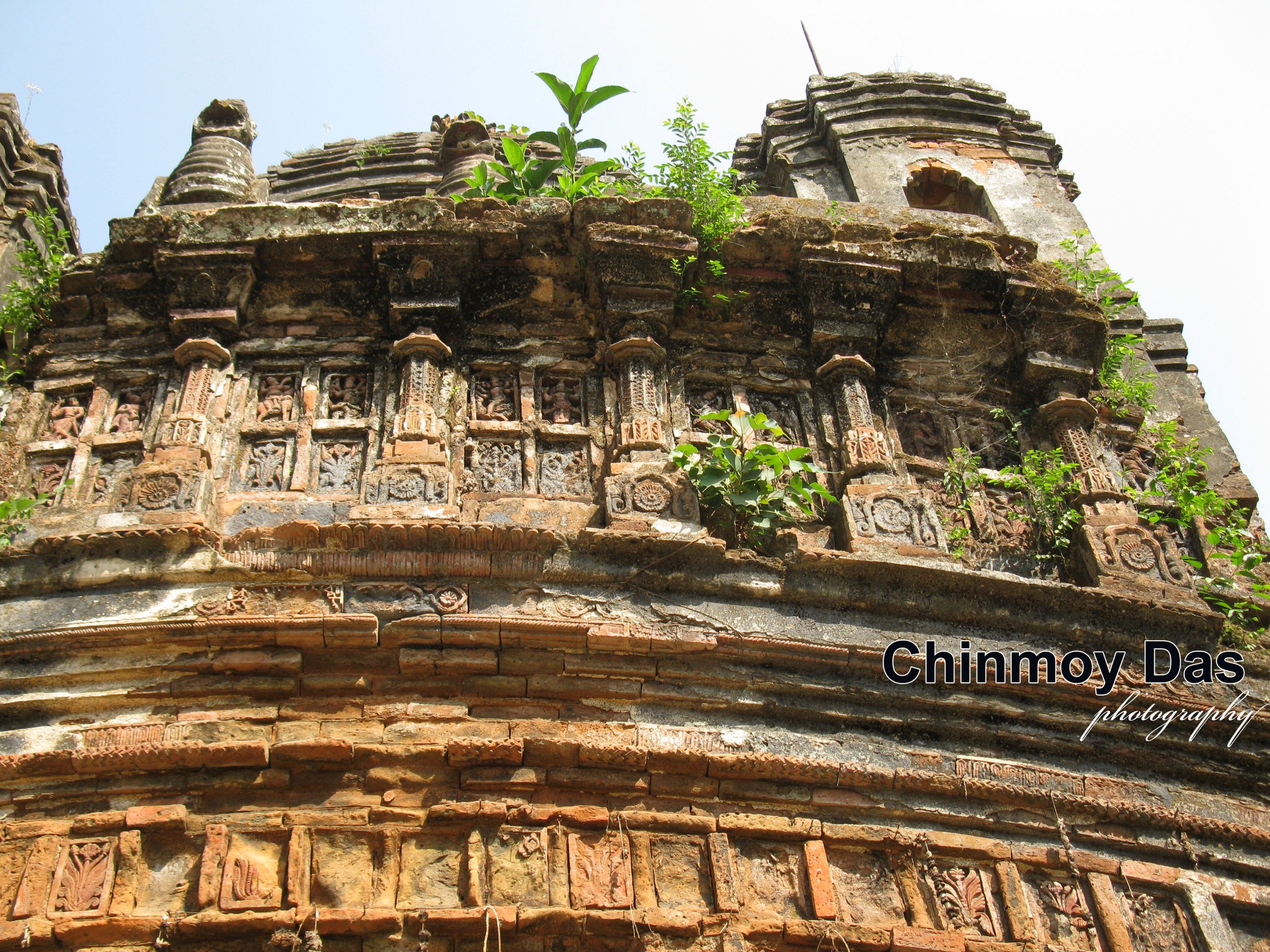
ফলকগুলি লাগানো হয়েছে মুখ্য ৪টি স্থানে-- ১. সামনের তিনটি থাম বা স্তম্ভের গায়ে, ২. তিনটি খিলানের মাথায় ৩টি পৃথক ব্লকে, ৩. কার্নিশের নীচে কয়েকটি সমান্তরাল সারিতে ছোট ছোট খোপে, ৪. দুটি কোনাচ অংশের পাশ বরাবর ২টি খাড়া সারির খোপগুলিতে।
গর্ভগৃহের কাঠের দরজার পাল্লাটিও ভারী অলংকৃত। নকশা এবং মূর্তিগুলি দারুতক্ষণ কাজের উৎকৃষ্ট নমুনা হিসাবে বিবেচিত হওয়ার যোগ্য।
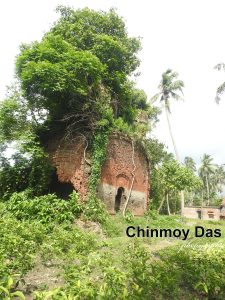
সপ্তদশ-রত্ন বা সতের চূড়া বিশিষ্ট রাসমঞ্চটির কথা আমরা পূর্বেই বলেছি। দক্ষিণমুখী মঞ্চটির চুড়াগুলি 'বেহারিরসুন' রীতির। বৃত্তাকার অলিন্দ দিয়ে ঘেরা মঞ্চটির সিলিং গম্বুজ রীতির। আটটি দ্বারপথের দু'পাশে বড় আকারের দুটি করে দ্বারপাল মূর্তি স্থাপন করা আছে। তবে মন্দিরের চেয়েও বেশি জীর্ণ দশা এই রাসমঞ্চের। আয়ু আর বেশিকাল নাই, বুঝতে অসুবিধা হয় না।
Radhabinod Temple, Purba Gopalpur (Panskura–I)
By Chinmoy Das
Several centuries ago, in the village of Jahanabad in Hooghly district, there lived a devout Vaishnava named Radhamadhab. In search of a worthy spiritual preceptor, he journeyed to Medinipur. At that time, Sripat Gopiballavpur had already gained prominence under the influence of Shyamananda Prabhu and Rasikananda Goswami.
Within the Vaishnava tradition established by Sri Chaitanyadeva, six eminent Goswamis are especially revered: Sanatan Goswami, Rupa Goswami, Gopal Bhatta Goswami, Raghunath Bhatta Goswami, Jiva Goswami, and Raghunath Das Goswami. Under the guidance of Jiva Goswami, Shyamananda Prabhu and Rasikananda Goswami undertook the responsibility of spreading Vaishnavism throughout Medinipur and the adjoining hilly regions of Bihar and Odisha. The establishment of Sripat Gopiballavpur was their achievement.
Radhamadhab received initiation from Sri Radhananda Dev Goswami, the Mahant of Gopiballavpur, and, following his guru's instructions, settled in eastern Medinipur to lead a householder's life. In the village of Purba Gopalpur, he installed an image of Radhabinod in a humble mud house and began regular worship. Before long, both he and the deity became widely revered. Many people accepted initiation and discipleship from him. Purba Gopalpur belonged to the Kismat Kashijora Pargana, and it is said that even the Zamindar of Kashijora became his disciple and donated substantial property to the deity.
The Radhabinod Temple was built by a family of silk merchants bearing the surname Nayek, who were disciples of Radhamadhab. According to local tradition, during a particularly difficult year for their silk business, they sought the blessings of Radhabinod. Miraculously, five years' worth of accumulated silk stock was sold within three days. Using a portion of the resulting wealth, the Nayek family constructed a Pancha-Ratna (five-towered) temple and a Seventeen-Ratna Rasmancha for the deity.
The temple was established in 1696 Shaka Era (Bengali Year 1181), corresponding to 1774 CE.
Covered with exquisite terracotta ornamentation, this is one of the finest temples in the Panskura region. The south-facing Pancha-Ratna temple stands upon a high plinth and is surrounded by a broad circumambulatory path. Verandahs with three-arched entrances are found on both the south and east sides. The towers display Kalinga-style ratha projections and pidha divisions. The temple is perfectly square in plan, measuring approximately 21½ feet on each side and about 35 feet in height.
Besides the two verandahs, there is also a chamber adjoining the sanctum that serves as the deity's sleeping room. As a result, the sanctum itself is relatively small. A staircase leads to the upper level. The ceilings of the verandahs are constructed in the barrel-vaulted (tana-khilan) style, while the sanctum ceiling is formed by small vaults spanning above the three arches. A short distance away stands the deity's Seventeen-Ratna Rasmancha.
The true beauty of the temple lies in its terracotta falak (panels). The entire front façade is covered with innumerable terracotta falak. Although a complete description is impossible here, some representative examples may be mentioned.
The motifs depicted on the terracotta falak can broadly be classified into six categories:
1. Puranic Themes
These include representations of:
-
Mahishamardini Durga with ten arms
-
Vishnu's Dashavatara (Ten Incarnations)
-
Ganesha
2. Episodes from the Ramayana
Among the scenes depicted are:
-
Sita beholding the Golden Deer
-
Ravana arriving at Panchavati disguised as a mendicant
-
Lakshmana slaying Maricha
-
The mutilation of Surpanakha
-
Jatayu's battle with Ravana
-
The war between Rama and Ravana
-
Rama and Sita's return to Ayodhya
-
Vibhishana, Angada, Sugriva, Hanuman, and other allies
3. Krishna Legends
These may be divided into two groups:
a) Childhood exploits
-
Yashoda churning curd
-
Krishna stealing butter
-
The slaying of Ghotakasura
-
The slaying of Bakasura
b) Braja pastimes
-
Krishna playing the flute beneath a Kadamba tree
-
Groups of milkmaid Gopis carrying curd pots
-
Krishna stealing the garments of the Gopis
-
The ferrying of the Gopis across the Yamuna by boat
4. Social Themes
Numerous falak portray:
-
Six-armed Gauranga
-
Gauranga and Nityananda
-
Ascetics with matted hair
-
Monks engaged in rosary recitation
-
A Mahant smoking tobacco through a hookah
-
Soldiers and other contemporary figures
5. Mithuna (Amorous) Themes
The temple contains many mithuna falak depicting couples in various poses. Particularly noteworthy is a rare panel portraying animal mating.
6. Shiva Linga and Pidha-Deul Motifs
Terracotta depictions combining Shiva lingas with pidha-deul temple forms are common in Bengal's temple art. They are especially prominent here. Such falak appear above all three arches of the temple façade—sixteen above the central arch and twelve above each of the side arches.
The terracotta falak are arranged in four principal zones:
-
On the surfaces of the three front pillars,
-
In three separate blocks above the arches,
-
In parallel rows of small niches beneath the cornice,
-
In vertical rows of niches along the two corner projections.
The wooden doors of the sanctum are also richly decorated. Their carvings and sculptural details are excellent examples of traditional woodcraft.
The Seventeen-Ratna Rasmancha, mentioned earlier, is equally impressive. This south-facing structure features towers of the Behari Rasun type. Surrounded by a circular verandah, it possesses a domed ceiling. Large guardian figures stand on either side of each of its eight entrances. Sadly, the Rasmancha is in an even more dilapidated condition than the temple itself, and its future appears uncertain.