রাধাগোবিন্দ মন্দির, বৈরামপুর (নারায়ণগড়)
চিন্ময় দাশ
বৈতরণী নদী বিধৌত জেলা জাজপুর। ওডিশার একেবারে পুব দিক ঘেঁষে। অতীতে কলিঙ্গরাজ জয়তি কেশরীর রাজধানী ছিল জাজপুর নগরীতে। 'বিরজা ক্ষেত্র' নামে প্রসিদ্ধি ছিল তখন.
জাজপুর জেলার ছুরি নামের এক গ্রাম। রাঘবরাম দাস নামের এক ব্যক্তি ছুরি থেকে বাংলায় চলে আসেন। । বাংলায় তখন নবাবী আমল। আকবরের রাজস্ব সচিব টোডরমল বিশাল মুঘল সাম্রাজ্যকে ১৫টি সুবায় ভাগ করে, জরিপ ও রাজস্ব আদায়ের নতুন ব্যবস্থা চালু করেছিলেন। সেই ব্যবস্থায় একটি দায়িত্বশীল পদ ছিল-- কানুনগো।
নবাব সরকারের দেওয়া কানুনগো পদ নিয়েই বাংলায় এসেছিলেন রাঘবরাম। খটনগর পরগণার (বর্তমান দাঁতন থানা) রাধানগর গ্রামে বসতবাটি গড়েন তিনি। কালে কালে নিজের একটি জমিদারীও গড়ে তোলেন। সেই সাথে কৌলিক দাস পদবী ত্যাগ করে, ' কানুনগো ' পদবী গ্রহণ করেন।
বিশ শতকের প্রথম পর্ব। স্বদেশী আন্দোলনে বিপ্লবীদের অস্ত্রগুরু ছিলেন হেমচন্দ্র কানুনগো। রাধানগরে এই জমিদারবাড়িতেই তিনি জন্মেছিলেন।
কানুনগো বংশে জনৈক ব্রজমোহন ছিলেন রাঘবরামের এক প্রপৌত্র। সদ্যোজাত এক পুত্রকে রেখে অকালে মারা যান তিনি। সেসময় সম্পত্তির লোভে শিশুটিকে হত্যা করবার চক্রান্ত শুরু হয় জমিদারবাড়িতে। নায়েবের মুখে গোপন সংবাদ পেয়ে, সংগোপনে শিশুপুত্রকে নিয়ে পালিয়ে যান সদ্যবিধবা দৌলত দেবী। রাধানগরের জমিদারবাড়ি থেকে অদূরে বৈরামপুর নামে এক গ্রাম। সেই গ্রামের এক দরিদ্র কিন্তু অতি বিশ্বস্ত প্রজার বাড়িতে লুকিয়ে থাকবার ব্যবস্থা করে দেন নায়েবমশাই। তিনিই সপ্তাহের রসদ পাঠিয়ে দিতেন প্রজার বাড়িতে।
এর পরের কাহিনী কিংবদন্তির মত। একদিন পুকুরঘাটে স্নানের সময় কাপড় জড়িয়ে একটি সিন্দুক পেয়েছিলেন দৌলতা দেবী। ভিতরে থরে থরে রুপোর টাকা সাজানো। সেদিনই দেবতার স্বপ্নাদেশও পেয়েছিলেন তিনি। সেই আদেশ মত নিজের জমিদারি এবং একটি দেবালয় নির্মাণ করেছিলেন দৌলতা।
বলা হয়, মন্দির নির্মাণ যেদিন শেষ হয়, সেদিনই এক সন্ন্যাসী এসে শ্রীকৃষ্ণ এবং রাধারাণীর দুটি মূর্তি দিয়ে গিয়েছিলেন। সেই বিগ্রহ দুটিই মন্দিরে প্রতিষ্ঠিত আছে। প্রাসাদের তুল্য অট্টালিকা, বিশাল দুর্গাদালান, কাছারিবাড়ি— একে একে কতকিছুই গড়ে তোলা হয়েছিল বৈরামপুরে ।
বহুকাল গত হয়েছে তার পরে। আট-নয় পুরুষে পৌঁছেছে কানুনগো বংশ। ইতিমধ্যে জমিদারী উচ্ছেদ হয়েছে। রাজনৈতিক ঘূর্ণিঝড়ে সম্পূর্ণ ধূলিসাৎ হয়ে গিয়েছে পরিবারটির আর্থিক বুনিয়াদ। বসতবাড়ি, বিশাল দুর্গাদালান, কাছারিবাড়ি সব ভূমিশায়ী। দেবতাও নাই মন্দিরে। কবেই লুন্ঠিত হয়ে গিয়েছে। টিকে আছে শুধু মন্দিরটুকু। তবে ভারী জীর্ণ অবস্থা তারও। থাকবার মধ্যে আছে কেবল নিরুচ্চার হাহাকার আর বোবা কান্না। গুমরে গুমরে মরে সারা চত্বর জুড়ে।.
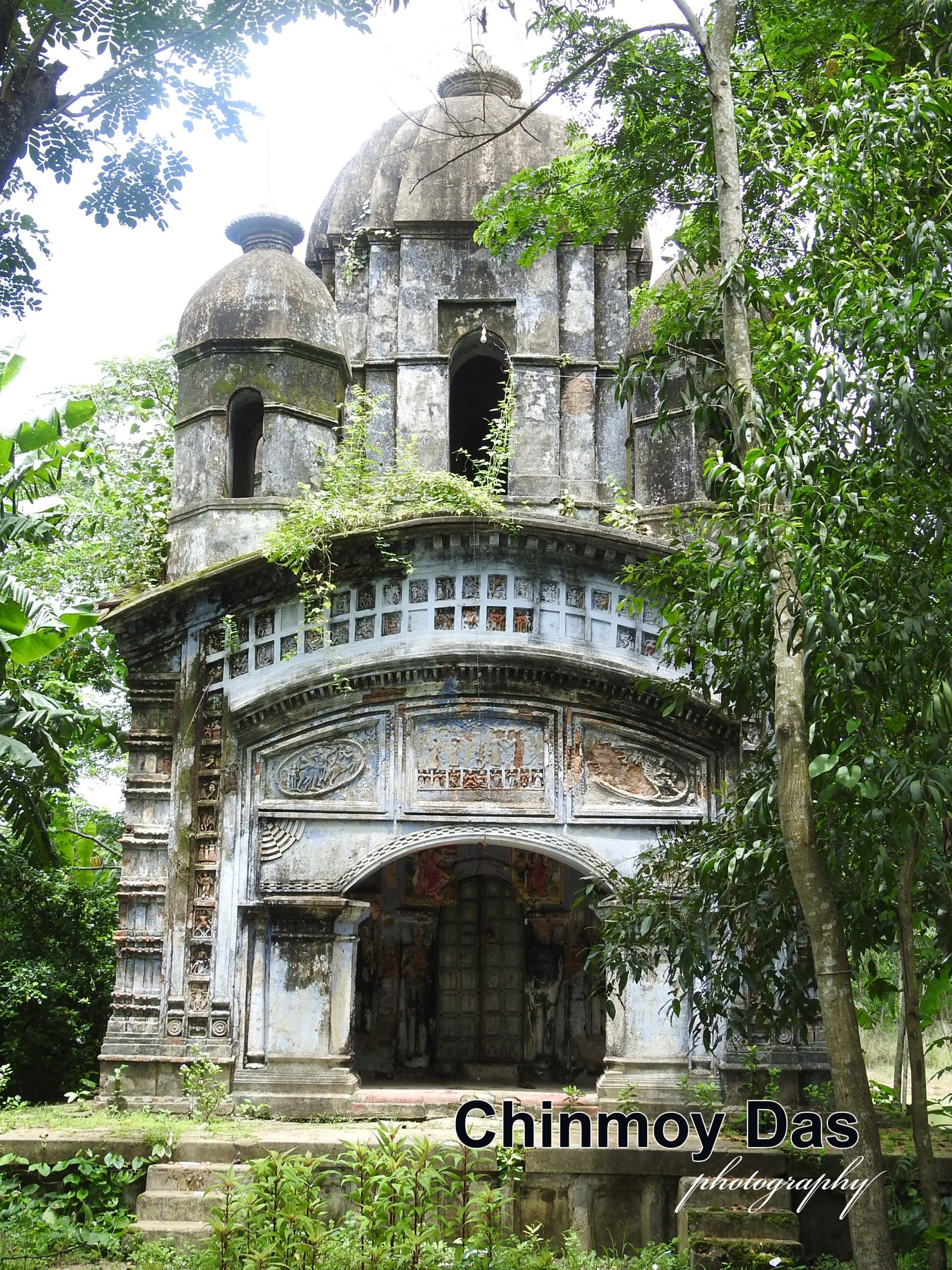
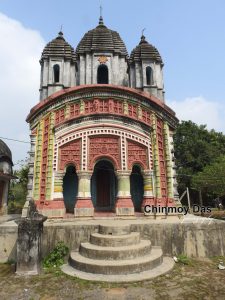
ইটের তৈরী পঞ্চ-রত্ন মন্দির। সামনে একই টানা অলিন্দ, সেটির পিছনে গর্ভগৃহ। অলিন্দের গড়ন একটু ব্যতিক্রমী, একটিই মাত্র দ্বারপথ সেটিতে। গর্ভগৃহেও একটিই দ্বারপথ। দুটি পথই খিলান রীতির। তবে গর্ভগৃহের দ্বারপথটির দুদিকে দুটি প্রতিকৃতি দ্বার রচিত হয়েছে। অনুরূপ একটি প্রতিকৃতি দ্বার রচিত আছে উত্তরের বাইরের দেওয়ালেও।
অলিন্দের সামনের মুখোমণ্ডপটি এমনভাবে নির্মিত, যেন প্রতিকৃতি জগমোহন বলে মনে হয়।
মন্দিরের মাথায় চলা-রীতির ছাউনি। তবে কার্নিশের বঙ্কিমভাব ভারী সংক্ষিপ্ত। না হলে, বাড়তি সৌন্দর্য সৃষ্টি হতে পারত। রত্নগুলিতে দেখা যায়, কেন্দ্রীয় রত্নটি চতুস্কোন, শিখর দেউল রীতির। তাতে পঞ্চ-রথ বিভাজন করা। কিন্তু কোণের চারটি রত্ন অষ্টকোণ বিশিষ্ট। মাথায় গড়ানো চালা ছাউনি। রথবিন্যাস নাই।
মন্দিরের অলংকরণেও দৃষ্টি ছিল প্রতিষ্ঠাত্রীর। গর্ভগৃহের দ্বারপথের দু'পাশে দুটি দ্বারপাল মূর্তি। অনুরূপ দুটি মূর্তি বিন্যাস করা হয়েছে উত্তরের প্রতিকৃতি দ্বারের দু'পাশেও। সেখানে কার্নিশের নীচ বরাবর একটি মিথুন-ফলকও আছে।
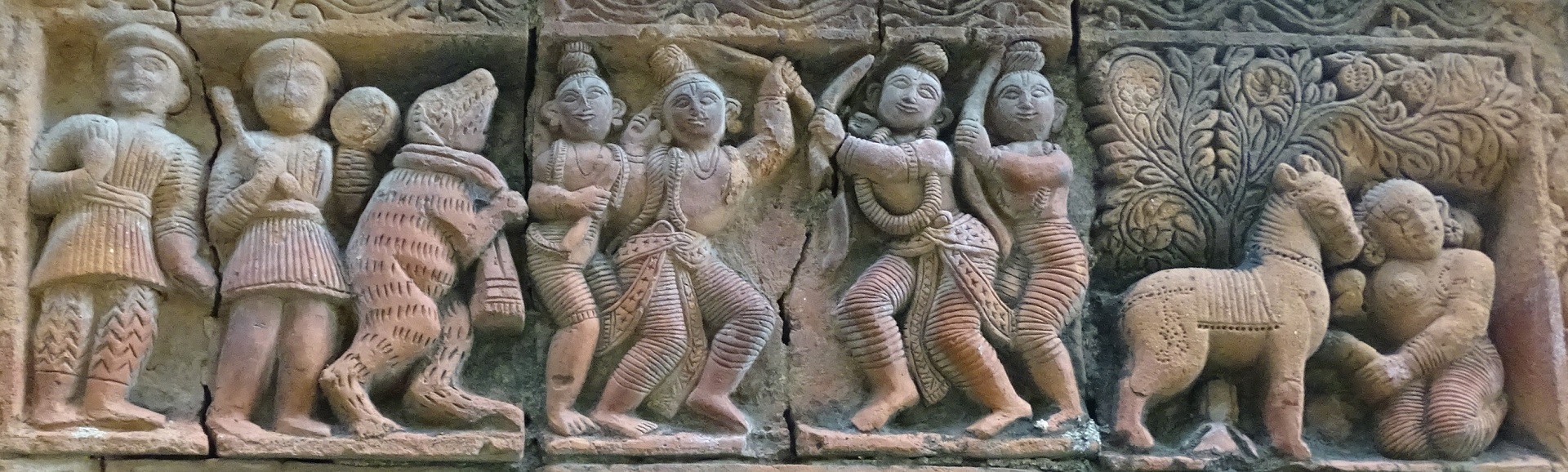
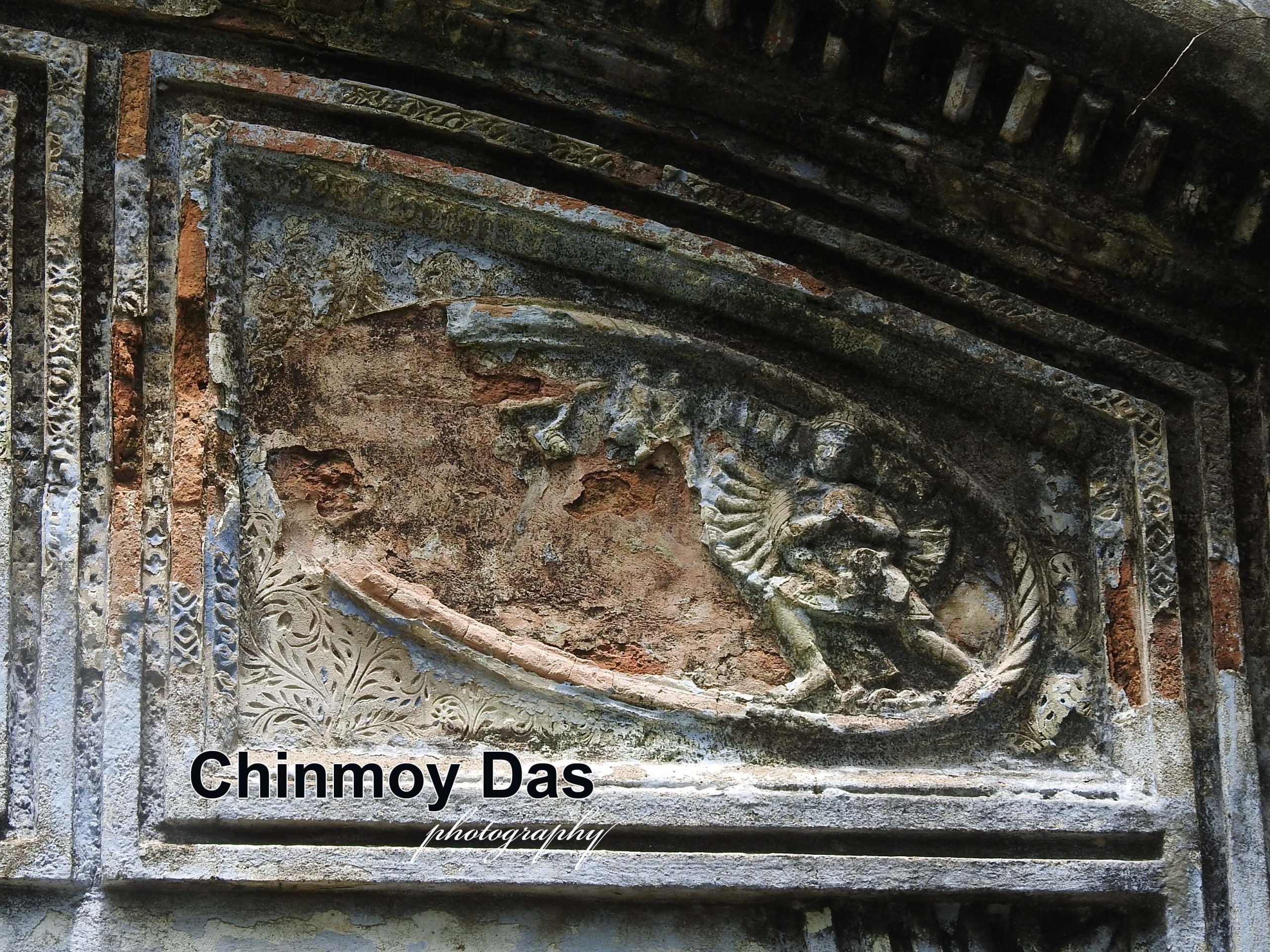
টেরাকোটা ফলকগুলি আছে সামনের দেওয়ালে। ছোট কার্নিশের নীচে তিনটি প্যানেল। বাম প্যানেলে স্বর্ণমৃগ বধ। দক্ষিণে রাম-রাবণের যুদ্ধদৃশ্য। এবং মাঝখানের প্যানেলটি ক্ষতিগ্রস্ত। মোটিফ উদ্ধার সহজ কাজ নয়। তবে একটি ফলক কৃষ্ণ কর্তৃক গোপিনীদের বস্ত্রহরণ বলে অনুমান করা যায়।
ছোট ছোট খোপে ৬৪টি ফলক আছে আর চারটি সারিতে। বড় কার্নিশের নীচ বরাবর দুটি এবং দুদিকের কোনাধারে দুটি খাড়া সারি। দশাবতার, জগন্নাথ-বলরাম-সুভদ্রা, নানা পৌরাণিক চরিত্র, মৃদঙ্গবাদক, পুরোহিত ইত্যাদি রূপায়িত হয়েছে।
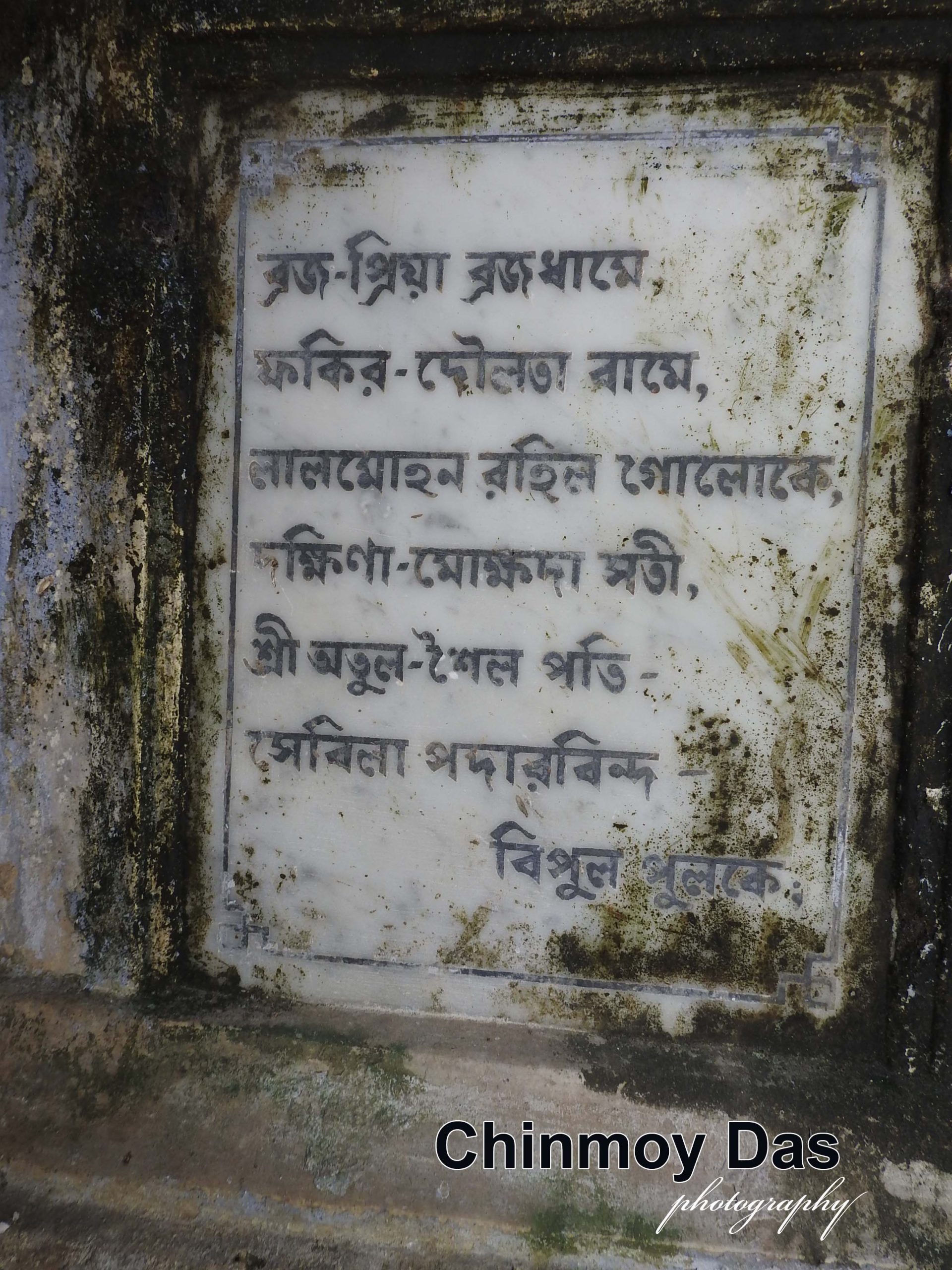
ভারী কৌতূহলজনক একটি মর্মর-ফলক আছে সামনের দেওয়ালে। বয়ানটি এরকম-- " ব্রজ-প্রিয়া ব্রজধামে, / ফকির-দৌলতা বামে, / লালমোহন রহিল গোলোকে / দক্ষিণা-মোক্ষদা সতী, / শ্রী অতুল শৈল পতি / সেবিলা পদারবিন্দ / বিপুল গৌরবে। "
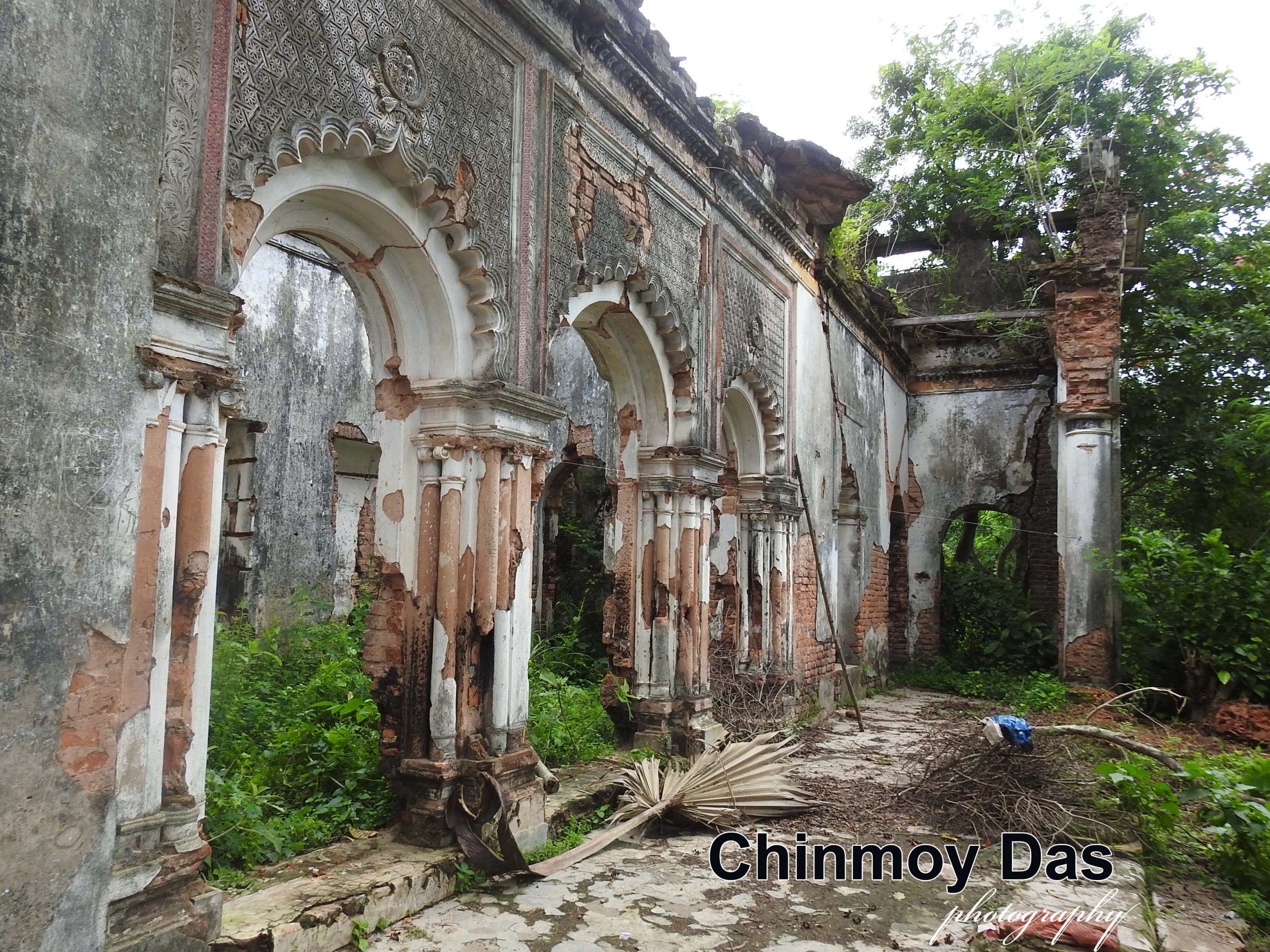
বিশাল আকারের একটি দূর্গা দালান ছিল জমিদারদের। মাথায় কড়ি-বর্গার সিলিং। কিন্তু দ্বারপথ খিলান রীতির। অলিন্দের সামনে জোড়া-জোড়া কোরিন্থিয়াম স্তম্ভ। অলিন্দের দুই প্রান্তে দুটি পৃথক কক্ষ। কিন্তু আজ পুরোটা জুড়ে ধ্বংসস্তূপের চেহারা।
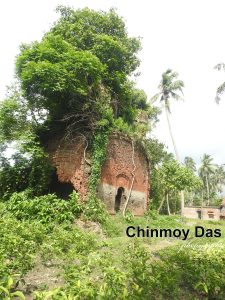
দুটি সৌধই নষ্ট হয়ে যাচ্ছে সকলের অনাদরে অবহেলায়। সরকারি বেসরকারি কোন স্তরে কোন হুঁশ নাই কারও।
Radhagobinda Temple, Bairampur (Narayangarh)
Chinmoy Das
Jajpur district, watered by the Baitarani River, lies in the easternmost part of Odisha. In ancient times, the city of Jajpur was the capital of the Kalinga ruler Jajati Keshari and was renowned as Biraja Kshetra.
In a village named Chhuri in Jajpur district lived a man named Raghabaram Das. During the Nawabi period, he migrated from Chhuri to Bengal. At that time, Emperor Akbar's revenue minister Todar Mal had divided the vast Mughal Empire into fifteen subahs and introduced a new system of land survey and revenue administration. One of the important offices under this system was that of the Kanungo.
Raghabaram came to Bengal holding the office of Kanungo under the Nawab's government. He established his residence at Radhanagar in Khatnagar Pargana (present-day Dantan area) and gradually built up a zamindari estate of his own. In the process, he abandoned his ancestral surname Das and adopted the title Kanungo.
In the early twentieth century, the renowned revolutionary Hemchandra Kanungo, who served as the weapons instructor of the Swadeshi revolutionaries, was born in this very zamindar family at Radhanagar.
Among Raghabaram's descendants was Brajamohan Kanungo, one of his great-grandsons. He died prematurely, leaving behind an infant son. Thereupon, a conspiracy arose within the zamindar household to murder the child and seize the property. Secretly warned by the estate manager (nayeb), the newly widowed Daulata Devi fled with her infant son. Not far from the zamindar house at Radhanagar lay the village of Bairampur. The nayeb arranged for her to hide in the home of a poor but exceptionally loyal tenant of that village and regularly sent provisions to support them.
What followed seems almost legendary. One day, while bathing at a pond, Daulata Devi found a chest wrapped in cloth. Inside were neatly stacked silver coins. That very day, she also received a divine command in a dream. Following the deity's instructions, she established her own estate and built a temple.
It is said that on the day the temple was completed, a wandering ascetic arrived and presented images of Sri Krishna and Radharani. Those very images were installed in the temple. In time, Bairampur came to possess a palace-like residence, a grand Durga Dalan, a kachari house, and many other impressive structures.
Many years have passed since then. The Kanungo family has now reached its eighth or ninth generation. The zamindari system has been abolished, and political upheavals have completely destroyed the family's economic foundation. The ancestral residence, the vast Durga Dalan, and the kachari house have all collapsed. Even the temple deities are gone, having been looted long ago. Only the temple remains, and it too stands in a severely dilapidated condition. What lingers today is only a silent anguish and mute sorrow, permeating the entire compound.
The temple is a brick-built Pancharatna structure. A single continuous verandah stands in front, with the sanctum behind it. The design of the verandah is somewhat unusual, having only one entrance. The sanctum likewise has a single doorway. Both openings are arched. However, two blind or imitation doorways have been created on either side of the sanctum entrance. A similar imitation doorway appears on the exterior northern wall.
The façade of the verandah has been designed in such a way that it resembles a Jagamohana, though only in appearance.
The temple is crowned with a traditional chala roof. The curvature of the cornice, however, is rather restrained and could have enhanced the structure's beauty had it been more pronounced. The central spire is square in plan and follows the Shikhara Deul style with a Pancha-ratha arrangement. In contrast, the four corner spires are octagonal and surmounted by rounded chala roofs, without any ratha divisions.
The founder also paid considerable attention to the temple's ornamentation. Two guardian figures (dvarapalas) flank the entrance to the sanctum. Similar figures are positioned beside the northern imitation doorway. Beneath the cornice there is also a mithuna-falak (amorous-couple plaque).
The terracotta falak (plaques) are confined to the front wall of the temple. Beneath the smaller cornice are three panels. The left panel depicts the slaying of the Golden Deer. The right panel portrays the battle between Rama and Ravana. The central panel is badly damaged, making its motif difficult to identify. One falak, however, appears to depict Krishna stealing the garments of the Gopis.
In addition, there are 64 terracotta falak arranged in four rows of small compartments. Two horizontal rows run beneath the larger cornice, while two vertical rows extend along the corner projections on either side. These falak depict the Dashavatara, Jagannath, Balarama, and Subhadra, various mythological figures, mridanga players, priests, and other subjects.
A particularly intriguing marble plaque is set into the front wall. Its inscription reads:
Braj-Priya Braja-dhāme,
Fakir-Daulatā bāme,
Lālmohan rahila Goloke.
Dakṣiṇā-Mokṣadā satī,
Śrī Atul Śaila pati,
Sebilā padārabinda
Bipula gaurabe.
The zamindars once possessed a massive Durga Dalan. Its ceiling was supported by timber beams and joists, while its entrances were arched. Pairs of Corinthian columns stood before the verandah, and separate chambers occupied each end of the structure. Today, however, the entire complex has been reduced to ruins.
Both monuments are steadily deteriorating through neglect and indifference. Neither government agencies nor private organizations have shown any meaningful concern for their preservation.
 রাধাগোবিন্দ মন্দির Bairampur (Narayangarh) Radhagobinda Temple)


