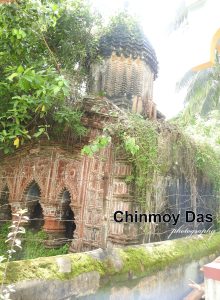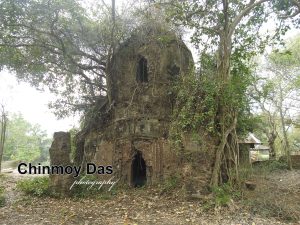
গোপীনাথ মন্দির, রাধাকান্তপুর (দাসপুর)
চিন্ময় দাশ
আজ এমন এক মন্দিরের কথা, যার দেওয়ালে সবিস্তারে লেখা আছে এক রাজার নৃশংসতার কাহিনী। দেবালয়ের দেওয়ালে কত রকমের লিপিই না দেখা যায়। কিন্তু রাজা তাঁর নিজেরই দরবারের এক কর্মীর মুনডু কেটে নিয়েছেন, সেই ইতিহাস দেবালয়ের দেওয়ালে লিখে রাখা হয়েছে, এমনটা কোথাও দেখা যায় না। সারা বাংলায় অন্তত এমন উদাহরণ আছে বলে জানা নাই আমাদের।
মেদিনীপুর জেলার পূর্ব সীমানা ঘেঁষা চেতুয়া-বরদা পরগনা। তার রাজা ছিলেন শোভা সিংহ। ইতিহাস তাঁকে আখ্যা দিয়েছিল-- বাংলার শিবাজী। নিম্নবঙ্গে, গঙ্গার পশ্চিমে, বিশাল এক রাজ্য গড়েছিলেন তিনি। বর্ধমানের মহারাজা কৃষ্ণচন্দ্রকে হত্যা ও বর্ধমান অধিকার তার এক উদাহরণ।
দোর্দণ্ডপ্রতাপ, অমিত পরাক্রম শোভা সিংহ প্রজাবৎসলও ছিলেন। গ্রামীণ হস্তশিল্পের বিকাশ, শিল্পের বিপণনের জন্য হাট আর বাজারের পত্তন, দীঘি-জলাশয় খনন, নিকাশীর জন্য নদী-খাল সংস্কার, রাস্তা-ঘাট নির্মাণ-- কী করেননি শোভা?
কিন্তু এই মানুষটির দুরাচারেরও শেষ নাই। দুটি উল্লেখ করা যাক।
আখ্যান এক-- বীরসিংহের লাগোয়া গ্রাম-- যদুপুর। "শিবায়ন" রচয়িতা কবি রামেশ্বর ভট্টাচার্যের সুন্দরী পত্নী পুকুরে স্নান করছেন। প্রকাশ্য দিবালোকে শোভা তাঁকে ঘোড়ায় তুলে অপহরণের চেষ্টা করেছিলেন। ক্রূদ্ধ রামেশ্বর পঞ্চমুন্ডি আসনে বসে শোভার মৃত্যু কামনায় যজ্ঞের আয়োজন করেছিলেন। এমনিতেই শোভার পত্নী অপহরণের কাজটি সমর্থন করতে পারেননি। এই সংবাদ জেনে, তিনি রামেশ্বরের পায়ে পড়ে স্বামীর জীবন ভিক্ষা করেছিলেন। ক্রূদ্ধ শোভা নিজের পত্নিকেই হত্যার হুকুম দেন। রাজার আদেশ পালন করেনি ঘাতক। রানীকে নিয়ে গঙ্গা পার হয়ে গভীর বনের ভিতর এক মন্দিরে সাধুর কাছে রেখে, নিজেও নিরুদ্দেশ হয়ে গিয়েছিল। প্রাণ ভয়ে জীবনে আর রাজার সামনে আসেনি। এদিকে শোভাও রামেশ্বরকেই ভিটে থেকে উচ্ছেদ করে দিয়েছিলেন।
মূল আখ্যান-- শোভার দরবারে উঁচু পদের এক কর্মচারী ছিলেন জনৈক শ্যাম দাস (মতান্তরে-- জনানন্দ দাস)। গড়খাই দিয়ে ঘেরা বাস্তু তাঁর। গোপীনাথের মন্দিরও গড়েছেন। একটি পুকুর খননের জন্য একবার বহু আদিবাসী শ্রমিক লাগিয়েছিলেন। সেসময়ই রাজা শোভা সিংহের কাজের জন্য কিছু শ্রমিকের দরকার পড়েছিল। কিন্তু শ্যাম দাসের কাজে যুক্ত থাকায়, শ্রমিক পাওয়া যায়নি। এতে ভয়ানক ক্রূদ্ধ হয়ে শোভা হুকুম দিলেন-- শ্যাম দাসটাকে ধরে নিয়ে আয়।
ভরা দরবার। শ্যাম দাস গিয়ে হাজির হয়েছেন। কেন এত্তেলা, কারণ জানা নাই। রাগে কাঁপতে কাঁপতে শোভা হুকুম দিলেন-- হতভাগার মুনডুটা কেটে আমার হাতে দে।
মুখের কথা খসলো না। সিপাইর এক কোপে শ্যাম দাসের কাটা মুন্ডু মেঝেতে গড়াগড়ি খেতে লাগল।
বিস্ময়ে ত্রাসে গোটা দরবার স্তব্ধ হয়ে গিয়েছিল। মুখে কথা ফোটেনি কারও। প্রতিবাদ তো অনেক দূরের কথা। তবে, সেই ঘটনা নিয়ে গান বেঁধেছিল কোনও এক গেঁয়ো কবি। সে গান গেয়ে দোরে দোরে ভিক্ষা করে বেড়াত ভিখিরিরা।
তারপর কেটে গিয়েছে দু' শ বছর। বহু জল গড়িয়ে গিয়েছে শিলাবতী, কংসাবতী আর রূপনারায়ণের বুক বেয়ে। শ্যাম দাসের সেই মন্দিরও জীর্ন হয়েছিল কালের আঘাতে।
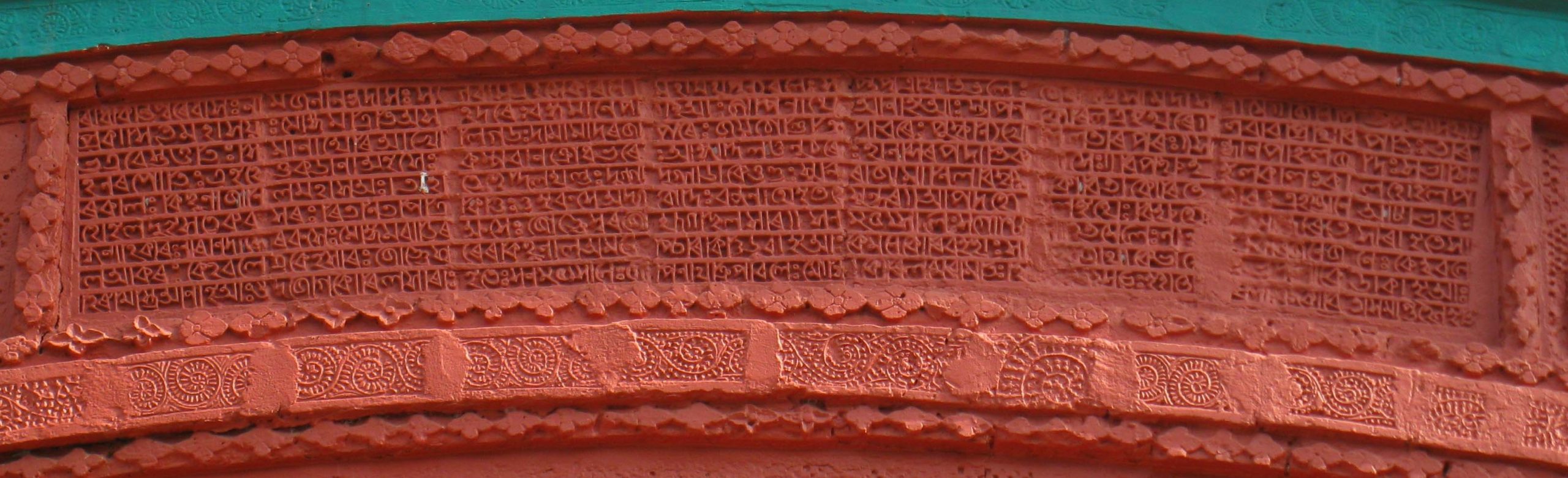
ইং ১৮৪৪ সাল। দাস বংশের জনৈক যজ্ঞেশ্বর দাস.মন্দিরটির সংস্কার করিয়েছিলেন। সেসময় তিনি বড় আকারের একটি পদ্য লিখিয়ে নিয়ে সেঁটে দিয়েছিলেন মন্দিরের সামনের দেওয়ালে। সেই পদ্যেমন্দির নির্মাণ, নির্মাতার পরিচয়, জীর্ণ মন্দির সংস্কার হবে না কি নতুন তৈরী হবে-- কত কথাই না লেখা হয়ে ছিল। তবে, তার সাথে জুড়ে দেওয়া হয়েছিল শোভা সিংহ রাজার দুরাচারের কাহিনীটিও।
মন্দিরের সামনের দেওয়ালে কার্নিশের ঠিক নীচে রয়েছে পদ্যটি। বড় বড় ৯টি সারিতে ফলকটি বিন্যস্ত। শোভার কুকীর্তি হিসাবে তার এক অংশে লেখা হয়েছে-- " লবাব প্রিথিবিপতি / তার ভএ বেস্ত ওতি / সিমানা ঘেরিআ খোলি গড়। / দামামা দরোজা পরে / জয়চোন্ডী ক্রিপা বরে / পুস্কণ্যি খোলিল তারপর।। / সন্ধান পাইল যদি / সভাসিংহ নরোপতি / এই হেতু কড়া না আইসে।/ কম্পবান-ক্রোধ ভরে / আঙ্গা দিল ওনুচরে / হান সির পদাতিক রোষে।। / বিপক্ষ হইল কাল / কাল হইলো পরোকাল / কিছু না জানিল মহাসঅ। / তাহাতে ছেদিল মুন্ড / দুগ্গা দুগ্গা ডাকে তুন্ড / সুনি রাজা মানিল বিস্বয়। । কোবিতা কোরিতে তার / এই স্তানে আটা ভার / হোইল দুই সতেক বৎসর। রিত নিত পিত্রি কিত্তি / ওই বংসে অদ্যাবোদি / বন্দনা হোইতেছে সুন্দর।। ..." (পদ্যের বানান হুবহু রাখা হয়েছে। একটি অক্ষরও বদল করা হয়নি। কড়া-- আদিবাসী এক সম্প্রদায়। )
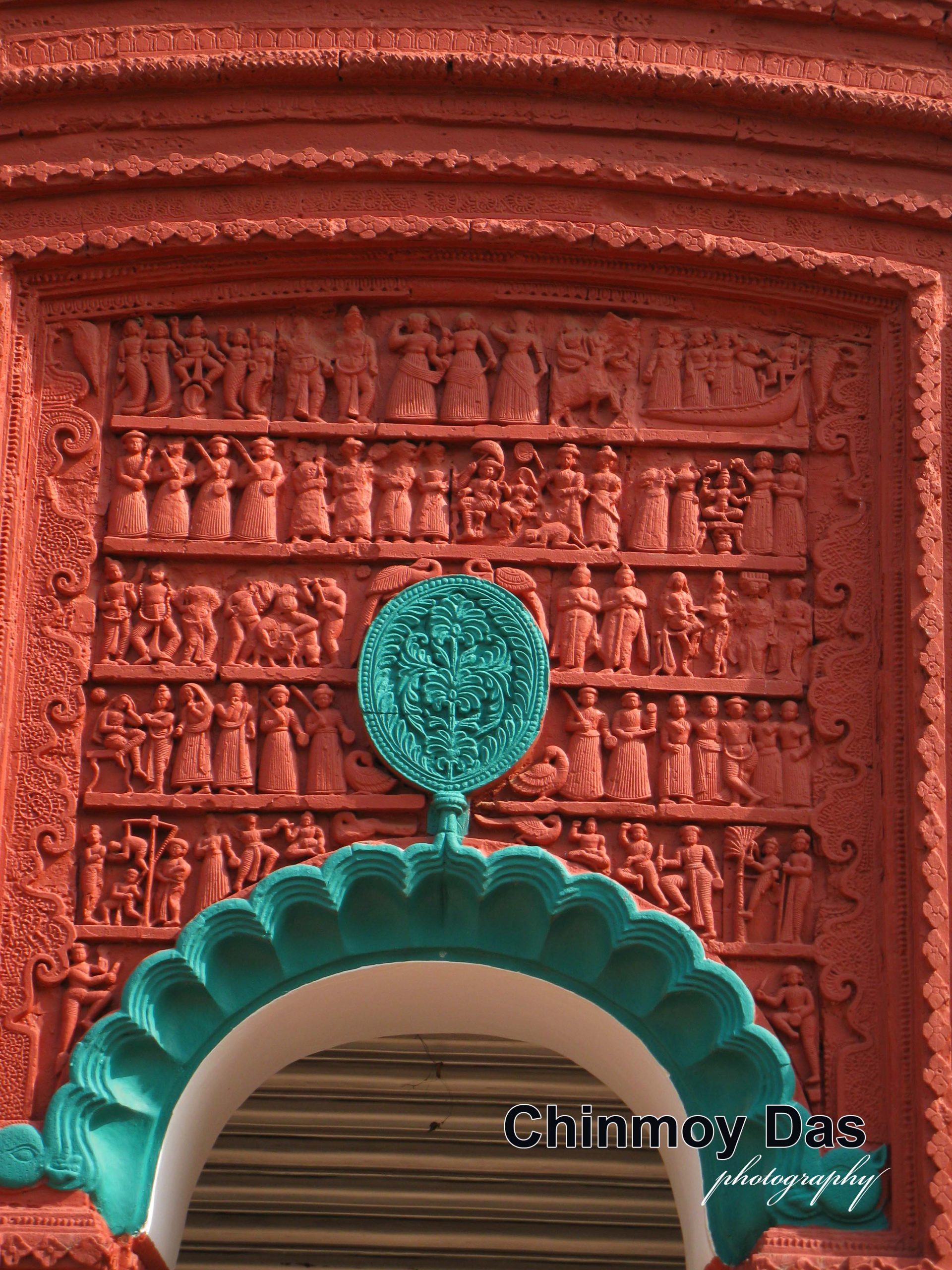
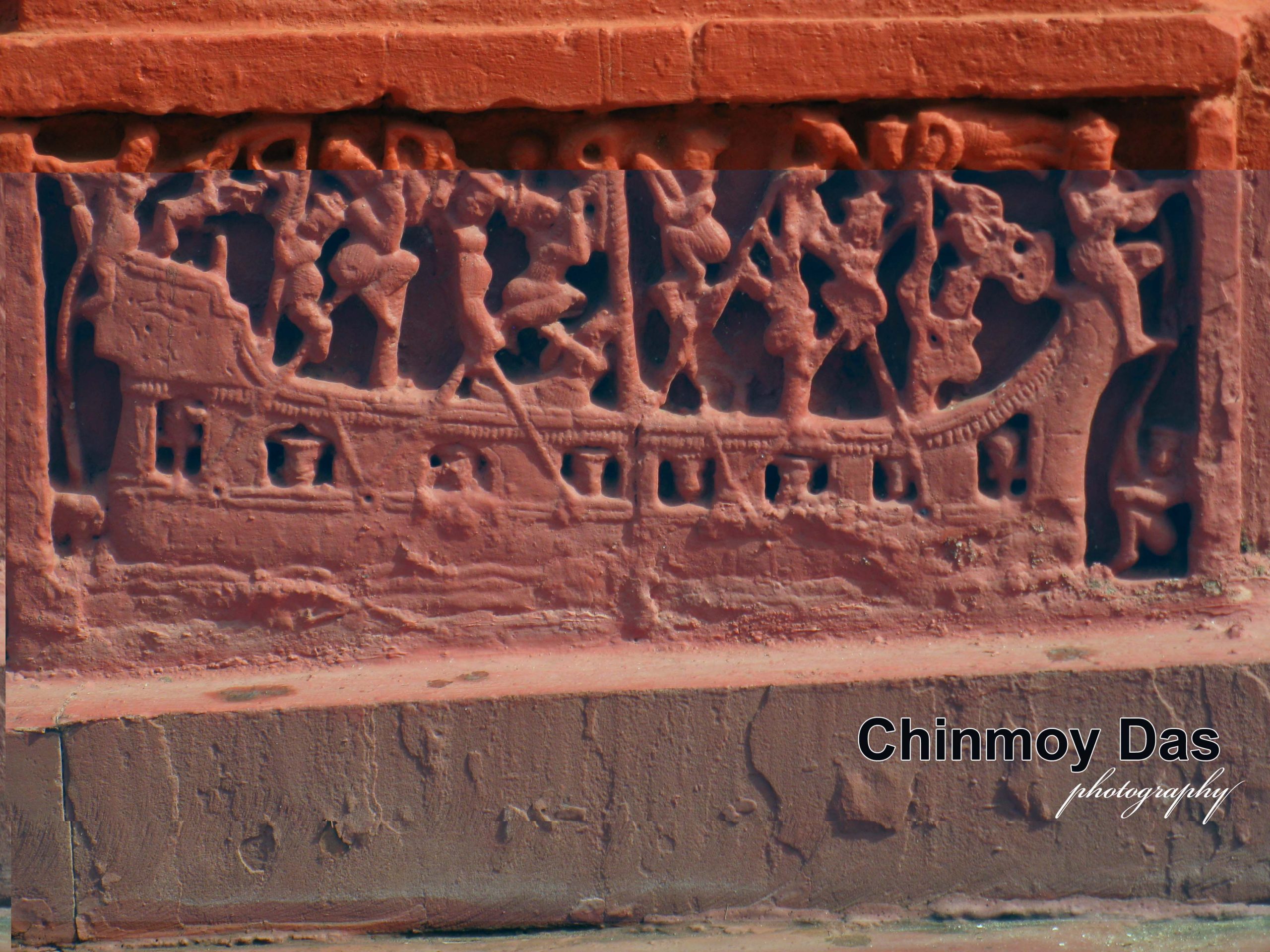
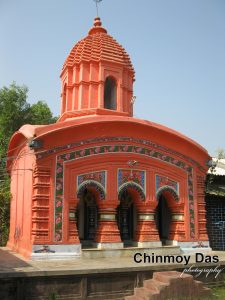
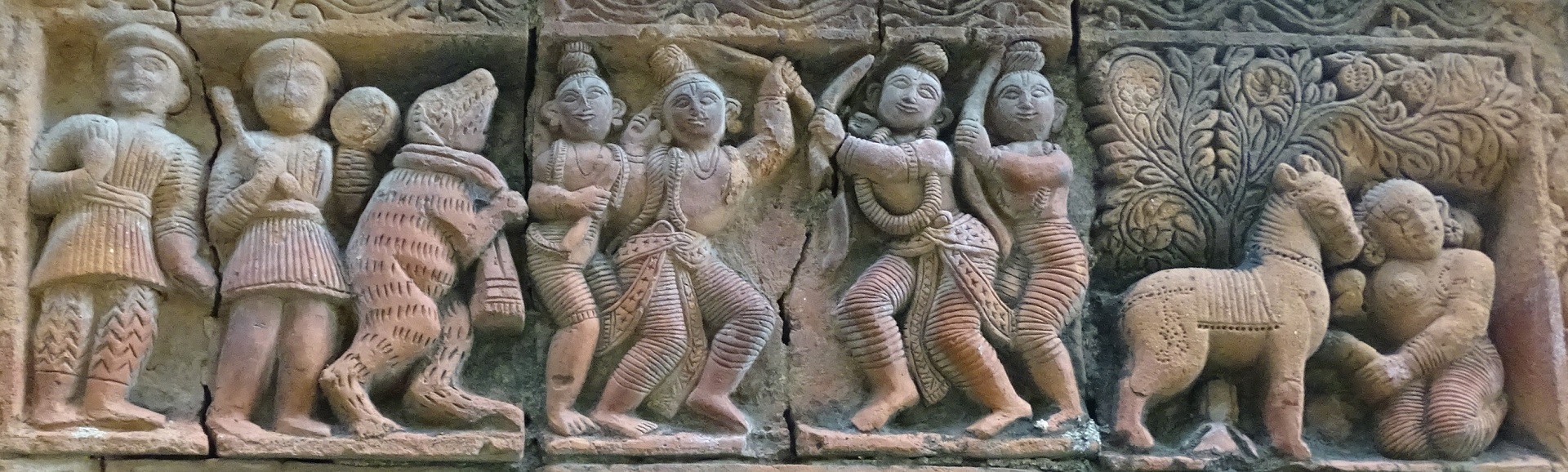
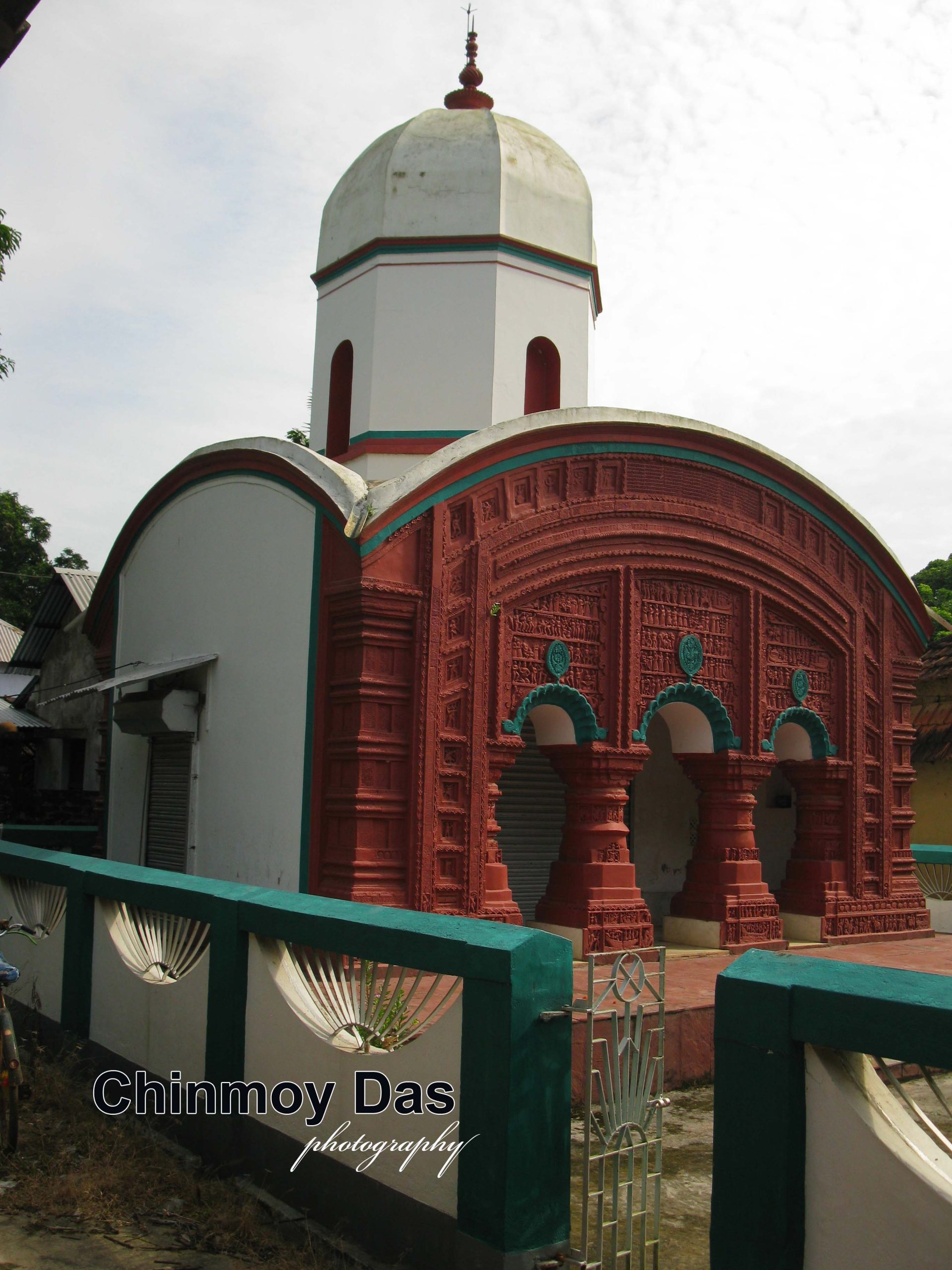
' এক-রত্ন ' রীতির দক্ষিণমুখী মন্দির। সামনে খিলান-রীতির তিনটি দ্বারপথ যুক্ত একটি অলিন্দ। পিছনে এক-দ্বারী গর্ভগৃহ। বিষ্ণুপুর ঘরানার আদলে তৈরী। বাঁকানো প্রান্তের চালা-ছাউনি দেওয়া গর্ভগৃহ। তার মাথায় রত্নটি স্থাপিত। চারকোণা গর্ভগৃহ, কিন্তু উপরের রত্নটি আট-কোণা। এই মন্দিরের বিশিষ্টতা হল, রত্নটি মন্দিরের মাথায় উত্তরের দেওয়াল ঘেঁষে স্থাপিত, কেন্দ্রীয় স্থানে নয়। মন্দিরের অন্য বৈশিস্ট হল এর সামনের দেওয়ালের অলংকরণ। অজস্র টেরাকোটা ফলকে সাজানো হয়েছে দেবালয়টি।
Radhakantapur Gopinath Temple, (Daspur)
Chinmoy Das
Today we speak of a temple whose walls preserve, in remarkable detail, the story of a king’s brutality. Temple inscriptions record many kinds of events and dedications, but it is almost unheard of to find a temple wall bearing the account of a king beheading one of his own court officials. At least, we know of no other such example anywhere in Bengal.
Along the eastern boundary of Medinipur district lay the historic Chetua-Barda Pargana. Its ruler was Shobha Singh, a man whom history came to describe as the “Shivaji of Bengal.” He established a vast kingdom in Lower Bengal, west of the Ganges. His conquest of Burdwan, including the killing of Maharaja Krishnachandra of Burdwan, stands as one example of his power.
Shobha Singh was a formidable ruler of immense courage and authority, but he was also known for his concern for his subjects. He encouraged rural handicrafts, established markets for the sale of local products, excavated tanks and reservoirs, restored rivers and canals for drainage, and built roads and public infrastructure. There was hardly any aspect of public welfare that he neglected.
Yet this same man was notorious for his acts of cruelty. Two examples may be mentioned.
The First Story
Near Birsingha lies the village of Jadupur. One day, the beautiful wife of the poet Rameshwar Bhattacharya, author of the Shibayan, was bathing in a pond. In broad daylight, Shobha Singh attempted to abduct her by placing her on horseback.
Enraged, Rameshwar sat upon a Panchamundi Asana and arranged a sacrificial ritual praying for the king’s death. Shobha’s own wife could not approve of her husband’s conduct. Upon learning of the ritual, she personally approached Rameshwar, fell at his feet, and begged him to spare her husband’s life.
When Shobha learned of this, he ordered the execution of his own queen. The executioner, however, refused to carry out the command. Instead, he took the queen across the Ganges and left her in the care of a holy man at a temple deep within a forest. He himself disappeared and never again dared to appear before the king. Meanwhile, Shobha expelled Rameshwar from his ancestral home.
The Main Story
A high-ranking official in Shobha Singh’s court was a man named Shyam Das (according to another version, Janananda Das). His residence was surrounded by defensive earthworks, and he had built the Gopinath Temple. On one occasion, while excavating a large pond, he employed a considerable number of tribal laborers.
At the same time, King Shobha Singh required workers for one of his own projects. Since many laborers were already engaged in Shyam Das’s work, sufficient workers could not be found for the king.
This enraged Shobha Singh. He ordered:
"Bring Shyam Das before me!"
The royal court was in session. Shyam Das appeared before the king, unaware of the reason for his summons.
Trembling with anger, Shobha Singh commanded:
"Cut off the wretch’s head and place it in my hands."
The words had scarcely left his mouth when a soldier’s sword flashed. With a single blow, Shyam Das was beheaded, and his severed head rolled across the court floor.
The entire court was stunned into silence. No one dared utter a word, let alone protest.
The incident was later immortalized in a folk ballad composed by an unknown village poet. Beggars wandered from door to door singing the song in exchange for alms.
The Temple Inscription
More than two hundred years passed. The waters of the Shilabati, Kangsabati, and Rupnarayan rivers continued their course, while the temple built by Shyam Das gradually fell into ruin.
In 1844 CE, a descendant of the Das family named Yajneswar Das undertook the restoration of the temple. At that time, he commissioned a lengthy poetic inscription and affixed it to the front wall of the temple.
The poem records the construction of the temple, the identity of its founder, details of the restoration, and many other matters. Significantly, it also includes the story of King Shobha Singh’s cruelty.
The inscription is located beneath the cornice on the front wall of the temple and is arranged in nine large lines. One section describing Shobha Singh’s deed reads:
" lobab prithibipati / tar bhae besto oti / simana gheriaa kholi gor. / damama doroja pore / joyechondi kripa bore / puskanyi kholil tarpor.. / sandhan pile jodi / sabhasingho noropoti / ei hetu kora na icey./ kompoban-crodh bhore / anga dil onuchore / han sir podatik roshe.. / bipokkho hoilo kal / kal hoilo porokal / kichu na janil mohasha. / tahate chedil mundo / dugga dugga dake tund / suni raja manil bisway. . kobita korite tar / ei stane ata var / hoil dui sotek botsor. rit nito pitri kitti / oi bongse adyabodi / bandana hoiteche sundor.. ..."
(The spelling of the original inscription has been preserved exactly. Not a single character has been altered. Kara refers to a tribal community.)
Architecture of the Temple
The temple is a south-facing Eka-Ratna (single-towered) structure.
At the front is a porch with three arched entrances, while behind it lies a sanctum with a single doorway. The temple follows the architectural tradition of Bishnupur.
The sanctum is covered by a curved chala roof, above which rises the temple’s single tower (ratna). While the sanctum itself is square, the tower above it is octagonal.
One of the temple’s most unusual features is that the tower is not placed at the center of the roof, as is customary. Instead, it is positioned toward the northern side of the structure.
Another notable feature is the decoration of the front façade. The temple is richly adorned with numerous terracotta plaques, giving the shrine a remarkable artistic character.