ধর্ম মন্দির, পাথরা (থানা-- কোতোয়ালি। মেদিনীপুর)
চিন্ময় দাশ
অষ্টাদশ শতকের একেবারে মধ্যভাগ তখন। আলীবর্দী খাঁ (শাসনকাল ১৭৪০ - ১৭৫৭) বাংলার সুবেদার। জনৈক বিদ্যানন্দ ঘোষাল ছিলেন তাঁর এক দেওয়ান। অতি বিশ্বস্ত কর্মচারী। বর্তমান কলকাতার এড়িয়াদহ এলাকার অধিবাসী ছিল এই ঘোষাল পরিবার। সেই বংশে রাঘবরাম ঘোষাল ছিলেন সংস্কৃত ভাষা এবং হিন্দুশাস্ত্রে সুপন্ডিত। তাঁরই জ্যেষ্ঠপুত্র ছিলেন বিদ্যানন্দ। তিনিও সুশিক্ষিত। সৎ, ধর্মপ্রাণ মানুষ। নিজের চরিত্রগুণে নবাবের পৃষ্ঠপোষকতা পেয়েছিলেন। সেই সূত্রে, দেওয়ানির পাশাপাশি, নিজে মেদিনীপুর জেলায় একটি জমিদারি প্রতিষ্ঠা করেছিলেন।
মেদিনীপুর নগরীর গা ছুঁয়ে কংসাবতী নদী পূর্বমুখে প্রবাহিত হয়েছে তার নিম্নস্রোতে। নদীর তীর বরাবর শহর থেকে সামান্য পূর্বদিকে পাথরা গ্রাম। সেখানেই নদীর কূলে, নিজের অট্টালিকা, কাছারিবাড়ি ইত্যাদি নির্মাণ করে বসবাস শুরু করেন বিদ্যানন্দ। নবাবের কাছ থেকে 'মজুমদার' খেতাব পেয়েছিলেন তিনি। (সুবল চন্দ্র মিত্র 'সরল বাঙ্গালা অভিধান' গ্রন্থে মজুমদার শব্দের অর্থ বলেছেন-- " মৌজাদার, প্রাচীনকালের ভূস্বামীর উপাধি; উপাধিবিশেষ। সং. ") তখন থেকে কৌলিক 'ঘোষাল' পদবী ত্যাগ করে, 'মজুমদার' পদবী ব্যবহার করে আসছে বিদ্যানন্দের বংশ।
বংশবৃদ্ধি হতে থাকলে, মজুমদারেরা ছাড়াও, বিগত পৌনে তিনশ' বছরে, বন্দ্যোপাধ্যায়, চট্টোপাধ্যায় পদবীর কয়েকটি পরিবার দৌহিত্রসূত্রে এই জমিদারীর শরিক হয়েছিলেন। পাথরায় এসে বসতি করেছিলেন তাঁরা। কালে কালে ৫০টির বেশি মন্দির নিয়ে, পাথরা যে "মন্দিরময় গ্রাম" হয়ে উঠেছিল, তাতে এই সবগুলি বংশেরই অবদান আছে। জমিদারি পেয়ে সকলেই দেবালয় প্রতিষ্ঠা করেছিলেন।
মন্দিরগুলির সিংহভাগই শিব এবং বিষ্ণুর। ছিল একটি দূর্গা মন্দির। এর বাইরে দু'-তিনটি মন্দির নির্মিত হয়েছিল শীতলা এবং এই ধর্ম ঠাকুরের। আজকের জার্নালের আলোচনা ধর্ম মন্দিরটি নিয়ে।
মন্দিরে কোনও প্রতিষ্ঠালিপি নাই। তবে স্থাপত্য বিচার করে পুরাবিদগণের অভিমত, অষ্টাদশ শতকের শেষ দিকে মন্দিরটি নির্মিত হয়েছিল। সেই হিসাবে আমাদের অভিমত, বিদ্যানন্দ মজুমদারের হাতেই এটি নির্মিত হয়েছিল, এমন অনুমান করা যেতে পারে।
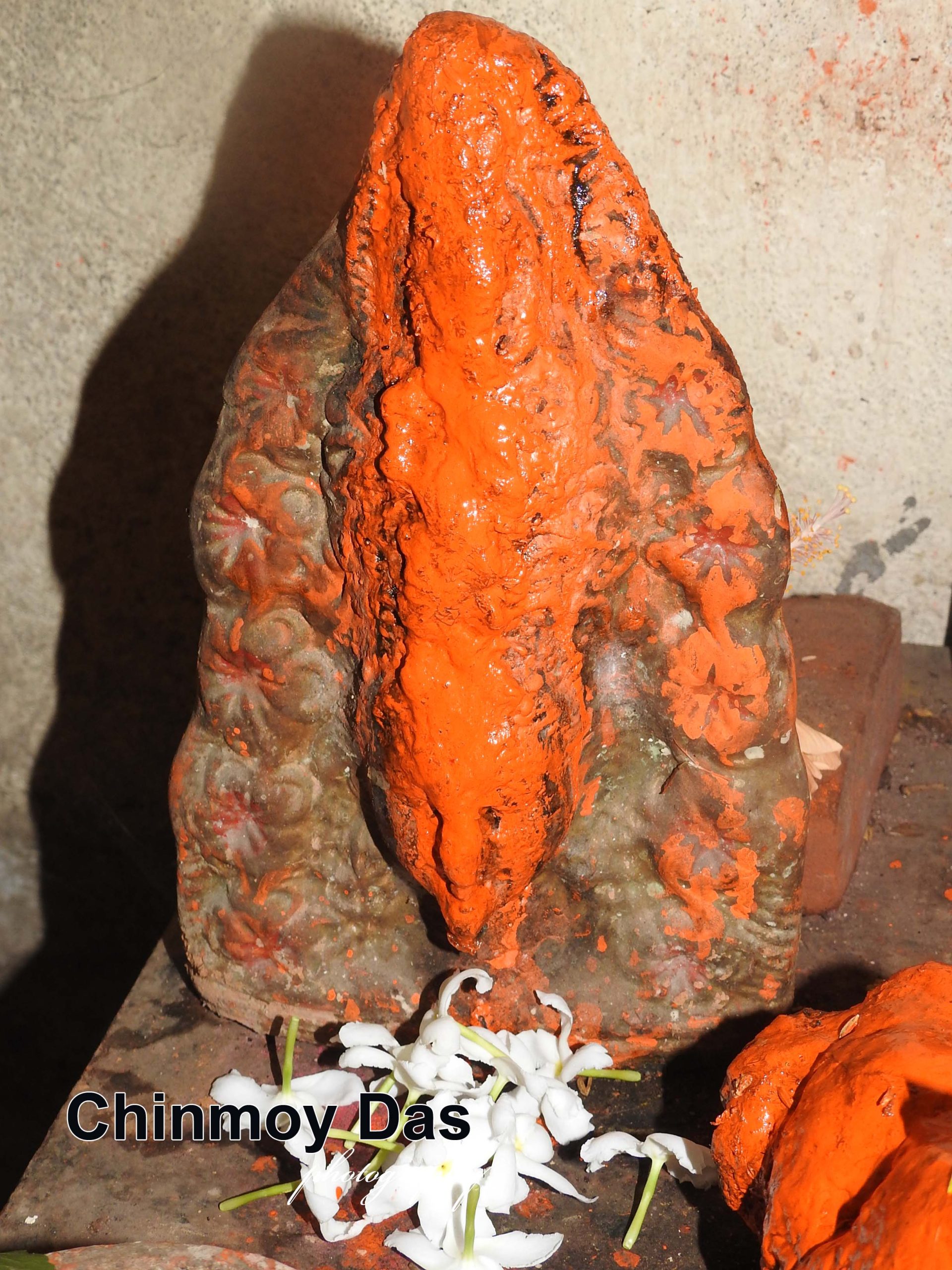
ভাষাবিদগণের অভিমত, ধর্মঠাকুর আদিতে ছিলেন অনার্য জনগোষ্ঠীর দেবতা। 'ধর্ম' শব্দের উৎপত্তি হয়েছে কোল ভাষার 'দড়ম' শব্দ থেকে। (দড়ম - দরম - ধরম - ধর্ম-- এইভাবে) কোল ভাষায় দড়ম শব্দের অর্থ-- কচ্ছপ বা কূর্ম। অধিকাংশ ক্ষেত্রেই দেখা যায়, উত্তল গড়নের কূর্মাকৃতি একটি পাথরখণ্ডই ধর্মঠাকুর হিসাবে পূজিত হয়ে থাকেন। এই মন্দিরের বিগ্রহটিও এমনই একটি পাথরখন্ড।
কংসাবতী একেবারে গা-লাগোয়া করে মন্দিরটি নির্মিত। নদীর ভাঙ্গনে মন্দির ভেসে যাওয়ার উপক্রম হলে, বিগ্রহটি পুরোহিতের পরিবারে তুলে নিয়ে যাওয়া হয়েছিল। সেখানেই তাঁদের পারিবারিক দেবতাদের সাথে তিনি পূজিত হচ্ছেন।
নদীর জলস্রোত ঘেঁষে দাঁড়িয়ে আছে শূন্য মন্দিরটি। অতীত ইতিহাসের সাক্ষী হয়ে। ভক্তজনেরা তো যায়ই না। পাথরার পর্যটকদের অধিকাংশেরই দৃষ্টি আকর্ষণ করে না নদীতীরের নিঃসঙ্গ সৌধটি।
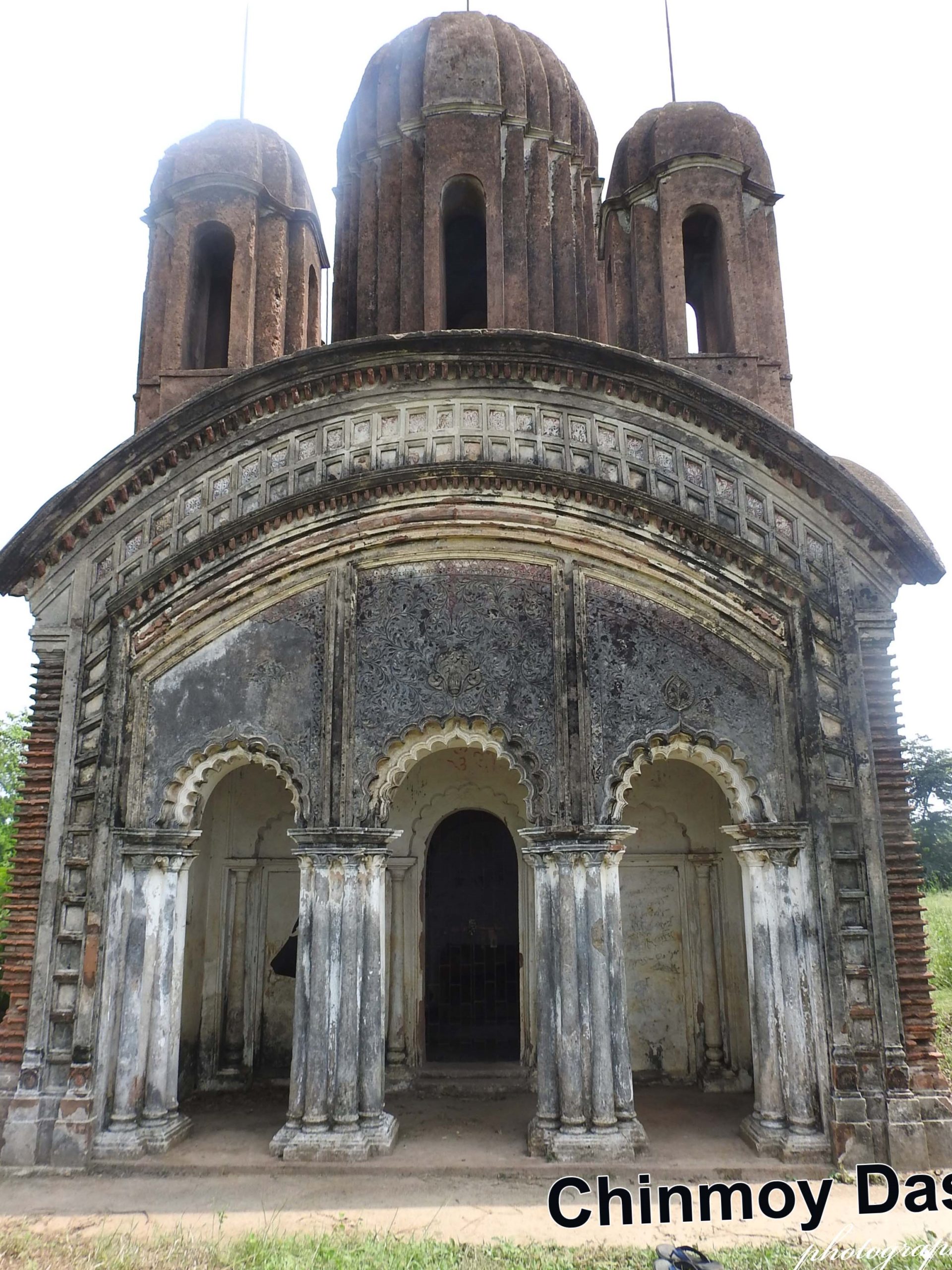
ইটের তৈরি দক্ষিণমুখী মন্দিরটি পঞ্চ-রত্ন রীতির। মন্দিরের পাদপীঠ অংশটি সম্পূর্ণই বিলুপ্ত। বহুকাল আগেই ভূমিগত হয়ে গিয়েছে। এখন প্রশস্ত প্রদক্ষিণ-পথটুকুই দেখা যায় কেবল। ১৬ ফুট দৈর্ঘ্য-প্রস্থের বর্গাকার মন্দিরটির উচ্চতা প্রায় ২৫ ফুট।
দুটি অংশ এই মন্দিরের-- সামনে খিলান রীতির তিনটি দ্বারযুক্ত একটি অলিন্দ। 'কলাগেছিয়া' রীতির ৮টি করে গোলাকার গুচ্ছ স্তম্ভের সাহায্যে দ্বারপথগুলি রচিত। অলিন্দের পিছনে এক-দ্বারী গর্ভগৃহ। গর্ভগৃহের দ্বারপথের দু'দিকে দুটি 'প্রতিকৃতি-দ্বার' রচিত আছে।
অলিন্দের সিলিং বা ভিতরের ছাদ হয়েছে 'টানা-খিলান' করে। আর গর্ভগৃহের সিলিং হয়েছে চারদিকের দেওয়ালে চারটি 'চাপা-খিলান' গড়বার পর, সেগুলির মাথায় ছোট গম্বুজ স্থাপন করে। মন্দিরের বাইরের ছাউনি চালা-রীতির। তবে, উল্লেখ করার বিষয় হল, চালের জোড়মুখগুলি উত্তল নয়. অবতল ভঙ্গিতে নির্মিত। এই রীতি 'বিষ্ণুপুরী-চালা' নামে পরিচিত।
মন্দিরের রত্নগুলি 'শিখর-দেউল' রীতিতে নির্মিত। এবং রথ-বিন্যাস করা। কোণের রত্ন চারটিতে 'ত্রি-রথ' এবং কেন্দ্রীয় প্রধান রত্নে 'সপ্ত-রথ' বিন্যাস। রত্নগুলির শীর্ষক অংশ সম্পূর্ণ বিনষ্ট। নিশান-দন্ডটি ছাড়া বেঁকি, আমলক, কলস ইত্যাদি কিছুই অবশিষ্ট নাই আর।
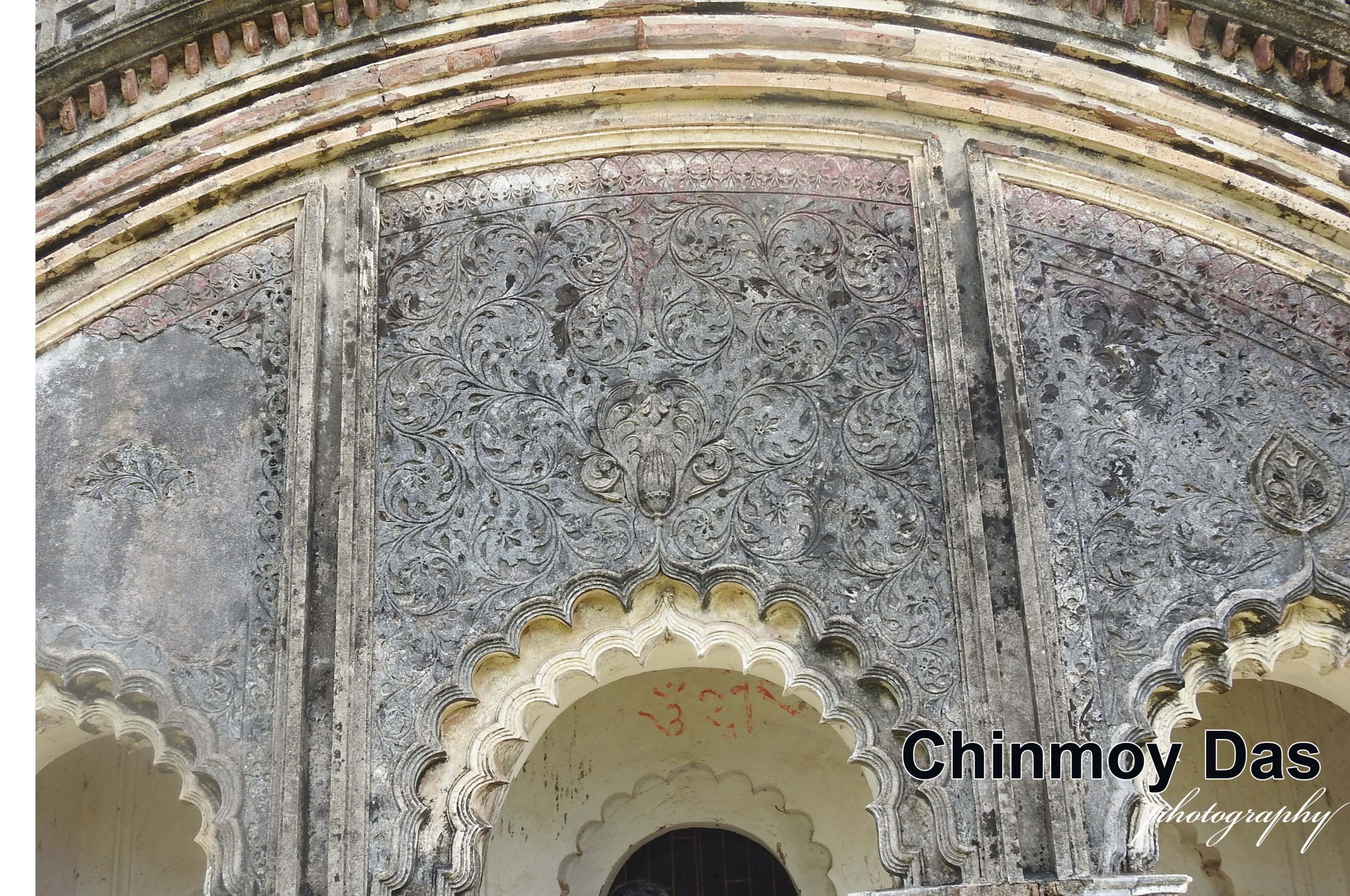
সামনের দেওয়ালে, কার্নিশের নীচ বরাবর দুটি সারিতে ছোট ছোট খোপে এবং তিনটি দ্বারপথের মাথার উপর তিনটি বড় প্রস্থে, পঙ্খের ফুলকারী নকশার কাজ আছে। এছাড়া, মন্দিরে কোনও অলংকরণ নাই।
মন্দিরের সামনে একটি স্থাপত্য নিদর্শন দেখা যায়। অনুচ্চ একটি গোলাকার স্তম্ভ। উপরের অংশটি কড়াইয়ের মত। 'গোট খাল' নামে পরিচিত সেটি। ধর্মসংক্রান্তি দিনে এখানে শিশুদের মস্তক-মুন্ডন হয়, মানত শোধের জন্য। এছাড়া, ভাদ্রমাসে রাধাষ্টমীর আগের দিন ওলকচু, মানকচু, শালুক ফুল ইত্যাদি দিয়ে পূজা করতে দেখা যায় ভক্তদের।
মন্দিরের পদতল ছুঁয়ে কংসাবতী নদী প্রবহমান। অনেকগুলি মন্দির পূর্বেই নদীর স্রোতে ভেসে গিয়েছে। এবার এই মন্দিরের পালা। সেই ভয়ে দেবতা সরিয়ে নেওয়া হয়েছে। দ্রুত উদ্যোগ না নিলে, এই মন্দিরটিও ভেসে যাবে একদিন।
Dharma Temple, Pathra (Kotwali Police Station, Medinipur)
Chinmoy Das
It was around the middle of the eighteenth century. Alivardi Khan was then the Subahdar (Governor) of Bengal. One of his Dewans (revenue administrators) was a man named Vidyananda Ghoshal, a highly trusted official. The Ghoshal family originally hailed from the present-day Ariadaha area of Kolkata. In this lineage, Raghabaram Ghoshal was a distinguished scholar of Sanskrit and Hindu scriptures. His eldest son was Vidyananda. He too was well educated—a virtuous and deeply religious man. Owing to his exemplary character, he earned the patronage of the Nawab. Alongside his duties as Dewan, he established a zamindari estate in the Medinipur district.
The Kangsabati River flows eastward past the town of Medinipur. A short distance east of the town, along the riverbank, lies the village of Pathra. It was here, on the banks of the river, that Vidyananda built his mansion, administrative offices, and other structures, and settled permanently. He received the title “Majumdar” from the Nawab. (Subal Chandra Mitra, in his Saral Bangala Abhidhan, defines Majumdar as “a holder of a mouza, an ancient landowner’s title; a special honorific.”) Since then, Vidyananda’s descendants abandoned their hereditary surname Ghoshal and adopted Majumdar as their family name.
As the family expanded, several families bearing the surnames Banerjee and Chattopadhyay became co-sharers in the estate through maternal lineage over the last nearly three hundred years. They also settled in Pathra. The transformation of Pathra into a “village of temples,” with more than fifty temples, was the collective contribution of all these families. After acquiring shares in the zamindari, each family established temples.
Most of these temples were dedicated to Shiva and Vishnu. There was also a Durga temple. Besides these, two or three temples were built for Shitala and Dharma Thakur. Today’s journal discusses the Dharma Temple.
There is no foundation inscription in the temple. However, based on its architectural style, archaeologists believe that it was built towards the end of the eighteenth century. Accordingly, it may reasonably be assumed that the temple was constructed during the lifetime of Vidyananda Majumdar.
Linguists believe that Dharma Thakur was originally a deity of non-Aryan tribal communities. The word Dharma is thought to have evolved from the Kol-language word “Daram” (Daram → Dharam → Dharma). In the Kol language, Daram means tortoise. In most cases, Dharma Thakur is worshipped in the form of a convex tortoise-shaped stone. The deity of this temple is likewise such a stone.
The temple was built right on the bank of the Kangsabati River. When river erosion threatened to wash it away, the idol was removed and taken to the priest’s household. There it is still worshipped alongside the family deities.
Today the empty temple stands beside the flowing river, a silent witness to history. Devotees rarely visit it, and most tourists to Pathra scarcely notice this lonely monument on the riverbank.
The south-facing brick temple is built in the Pancha-Ratna (five-towered) style. Its plinth has completely disappeared, having long ago sunk into the ground. Only the broad circumambulatory passage remains visible. The temple is square in plan, measuring about 16 feet on each side, and stands approximately 25 feet high.
The temple consists of two parts:
-
A front verandah with three arched entrances.
-
A sanctum (garbhagriha) behind it with a single entrance.
The entrances of the verandah are formed by groups of eight round clustered columns in the Kalagachhia style. On either side of the sanctum doorway are two false doors (pratikriti-dwar).
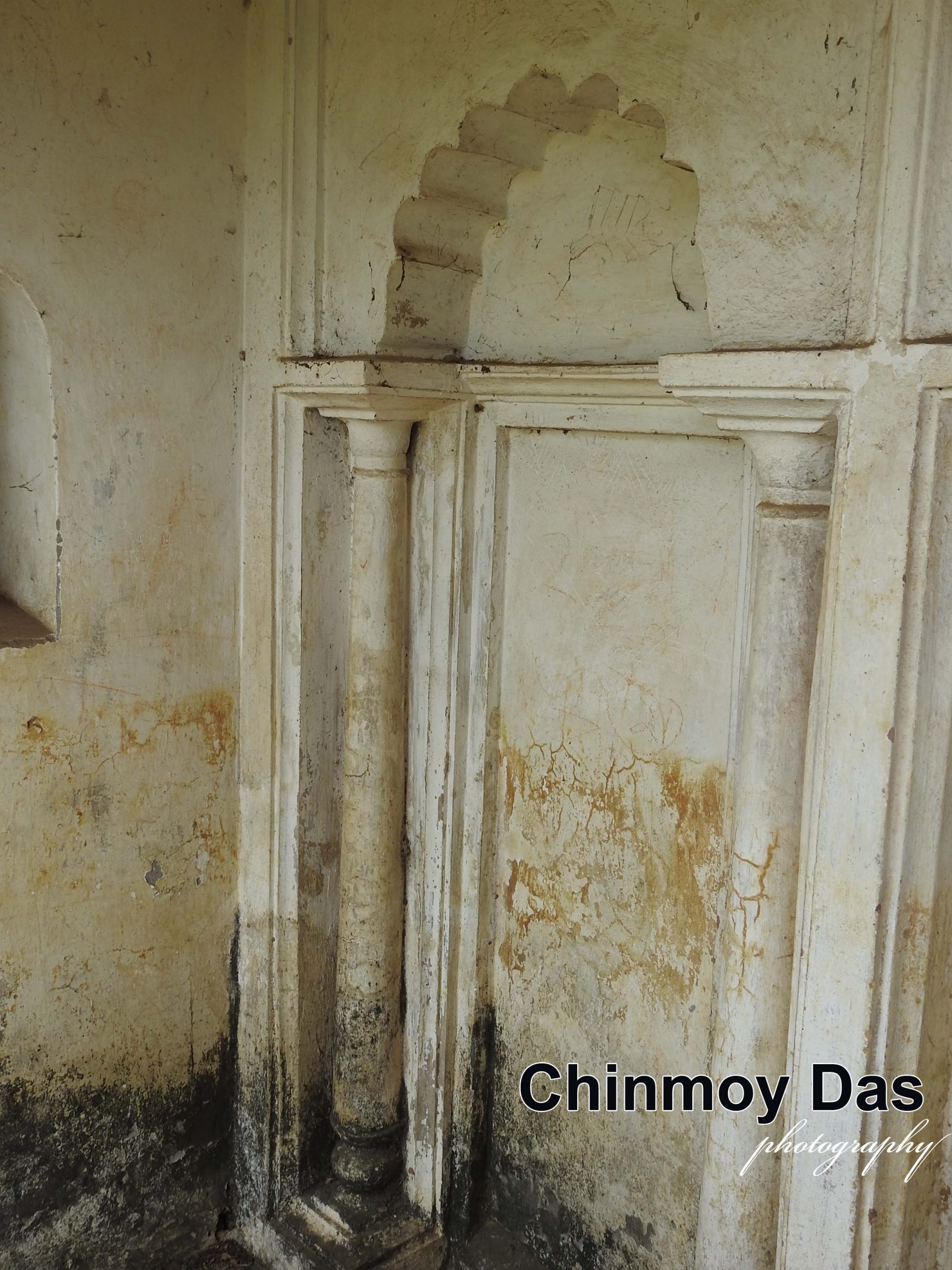
The ceiling of the verandah is formed with a barrel vault (tana-khilan). The sanctum ceiling was created by constructing four pendentive arches (chapa-khilan) on the four walls and placing a small dome above them.
The external roof follows the chala (thatched-hut-inspired) style. Notably, the roof ridges are not convex but concave in form, a feature known as the Bishnupuri Chala style.
The temple towers (ratnas) are built in the Shikhara-Deul style and are articulated with ratha projections. The four corner towers have a Tri-Ratha arrangement, while the central principal tower has a Sapta-Ratha arrangement. The upper portions of all the towers are completely ruined. Apart from the flagstaff, nothing remains of the beki, amalaka, kalasha, and other crowning elements.
On the front wall, beneath the cornice, there are two rows of small recessed panels, and above the three entrance arches are three broader decorative panels featuring floral motifs resembling feather patterns. Apart from these, the temple has no other ornamentation.
In front of the temple stands an interesting architectural relic—a low circular pillar with a basin-like top, known as a “Got Khal.” On the day of Dharma Sankranti, children’s heads are ceremonially shaved here in fulfillment of vows. Devotees also worship here during the month of Bhadra, on the day before Radhashtami, offering elephant-foot yam, taro, water-lily flowers, and similar items.
The Kangsabati River flows directly past the foot of the temple. Many temples have already been lost to the river’s currents. Now this temple faces the same danger. Fearing its destruction, the deity was removed to safety. Unless prompt action is taken, this temple too may one day be swept away.