বিলেশ্বর শিব মন্দির, ধামতোড় (ডেবরা)
চিন্ময় দাশ
আজকের জার্নালের মন্দির এক মহাদেবের। গর্ভগৃহে শিবের যে বিগ্রহটি এখানে পূজিত হয়, সেটি প্রতিষ্ঠিত নয়। মহাদেব এখানে স্বয়ং প্রকাশিত হয়েছেন।
শ’দুই বছর আগের একটি ঘটনা। এক গৃহস্থ তাঁর খেত থেকে হলুদ তোলার সময়, একটি পাথরখণ্ড দেখতে পেয়েছিলেন মাটির তলায়। অনেক খোঁড়াখুঁড়ি, অনেক মেহনত করেও পাথরটির তলদেশ পাওয়া যায়নি।
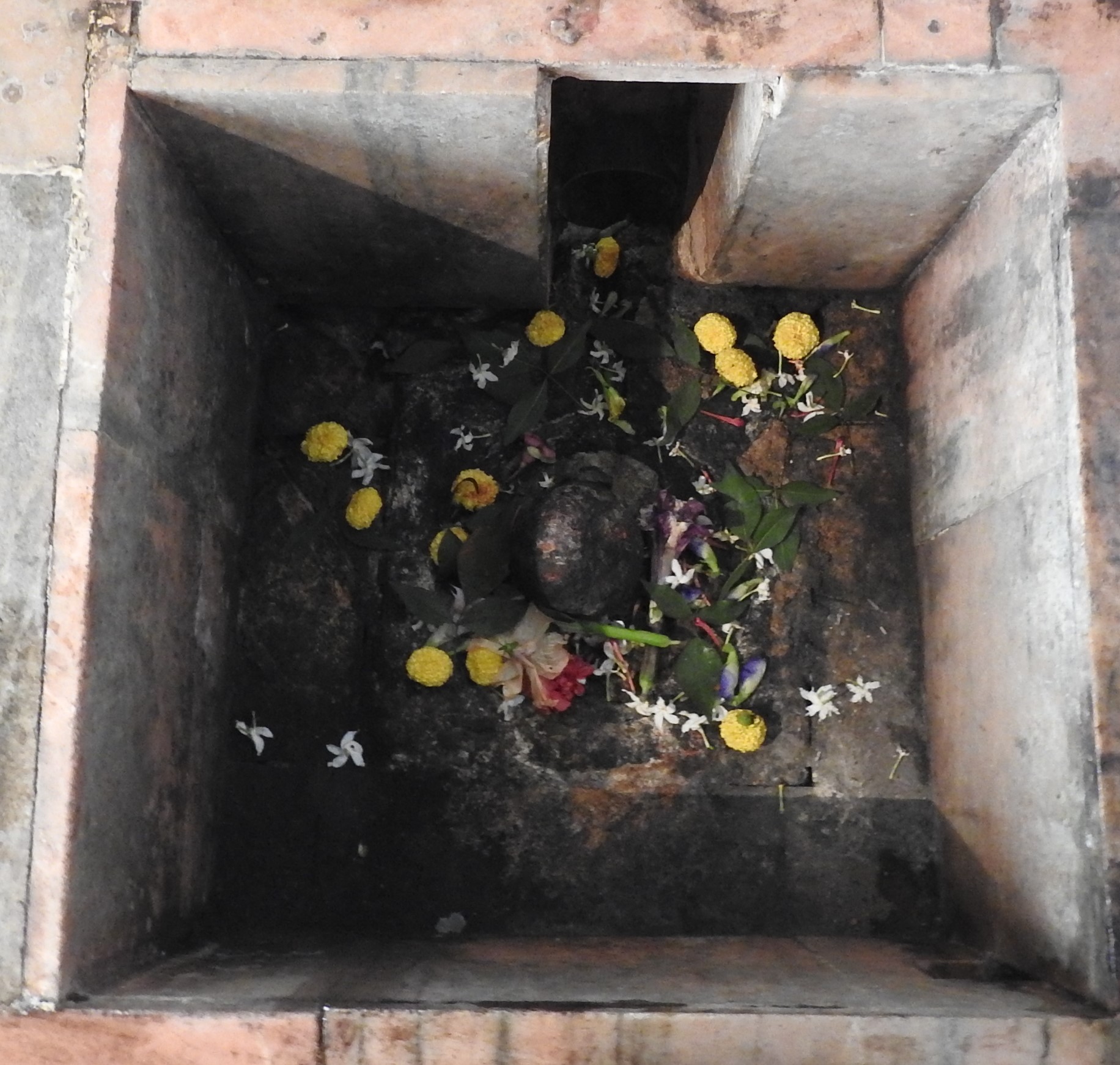
কালো রঙের প্রায় গোলাকার পাথর। গ্রামস্থ পঞ্চজনা বসে পরামর্শ করেছিলেন। মহাদেব শিবের লিঙ্গবিগ্রহ হিসাবে গ্রহণ করা হয়েছিল পাথরটিকে। যেখানে ছিল বিগ্রহটি সেখানেই রেখে, প্রগাঢ় ভক্তিতে সেবাপূজার প্রচলন করেছিলেন গ্রামবাসীরা। দেবতার নাম হয়েছিল—বিল্লেশ্বর মহাদেব। খোঁড়াখুঁড়ির সময় কোদালের চোট লেগে গিয়েছিল পাথরের মাথায়। সেই দাগ এখনো দেখা যায়।
পূজা প্রচলন হও্যার পর, দ্রুত বেড়ে চলেছিল দেবতার মহিমা আর প্রভাব মণ্ডল। ধামতোড় গ্রামের দেবতার পূজার্চনায় যোগ দিতে, এক এক করে এগিয়ে এসেছিল কাছের দূরের গ্রামগুলি। একসময় বাইশটি গ্রামের ঠাকুর হয়ে উঠেছিলেন বিল্লেশ্বর জীউ। একেবারে প্রতিষ্ঠার দিন থেকে, আজও ‘দেশ ষোল আনা’ কমিটির তদারকিতেই মন্দিরের পরিচালনা হয়ে আসছে।
এই কমিটিতে একজন সভাপতি, একজন সম্পাদক এবং একজন হিসাবরক্ষক আছেন। প্রতি ৫ বছরে কমিটির পুণর্গঠন করা হয়। এছাড়া, সবার উপরে রয়েছেন ‘গ্রাম মুখ্যা’। তিনি এবং ‘দেশ ব্রাহ্মণ’ও পরিচালনার কর্মকাণ্ডে যুক্ত থাকেন।
এ সকল সংবাদ জানা যায়, গ্রামবাসীদের বয়ান থেকেই। কিন্তু, বিল্লেশ্বরের জন্য সুদর্শন এই মন্দিরটি কোন জমিদার গড়ে দিয়েছিলেন, সে সংবাদটি লেখা নাই কারও স্মৃতিতে। শুধু মন্দির গড়া নয়, পুরোহিতের জন্য জায়গীর সম্পত্তিও দিয়ে গিয়েছিলেন সেই ধর্মপ্রাণ মানুষটি। তাঁর নামটি এখন আর জানা যায় না।
নিত্যপূজা আর ভক্তজনের পূজার বাইরে, সম্বৎসরে দুটি বড় পূজা এখানে-- মাঘ-ফাল্গুনের শিব চতুর্দশী, আর চৈত্র শেষের গাজন।
গাজন হোল শ্মশানবাসী মহাদেবের সাথে, পাতালপুরীর অধীশ্বর ময় দানবের সুন্দরী কন্যা, কামিন্যা দেবীর বিবাহের প্রতীক উৎসব। উৎসবটি মহা আড়ম্বরে আয়োজিত হয় এই মন্দিরে। ৭ ভোগের গাজন, টানা ৯ দিন ধরে চলে উৎসবটি।
পাটভক্তা, দেউলভক্তা ও ভাণ্ডারঘরিয়া নামের ৩ জন ভক্তা এবং ১৬ জন বাস্তুভক্তা অনুষ্ঠানে যুক্ত থাকেন। ধর্মপ্রাণ গ্রামবাসীগণই ভক্তাদের খরচ বহন করেন। মানতের ভক্তাগণও এসে অনুষ্ঠানে যোগ দেন।
গাজনের সময় প্রায় দু’সপ্তাহ ব্যাপী একটি মেলার আয়োজন করা হয়। ‘চড়ক মেলা’ নামেই মেলাটির পরিচয় এবং এলাকা জোড়া খ্যাতি। মেলা উপলক্ষে একজন সম্পাদক-এর দায়িত্বে একটি কমিটি গঠন করা হয়। সেই কমিটিই অনুষ্ঠান পরিচালনা করে থাকে।
ধনী-দরিদ্র নির্বিশেষে প্রতিটি পরিবারেই সেসময় আনন্দের ঢেউ বয়ে যায়। আত্মীয়-স্বজন-সুজনের সমাগমে কল্লোলিত হয়ে ওঠে পরিবারগুলি। হবে না-ই বা কেন? মহাদেব বিল্লেশ্বর জীউ যে গ্রামবাসীদের প্রাণের দেবতা, বড় আপনজন!
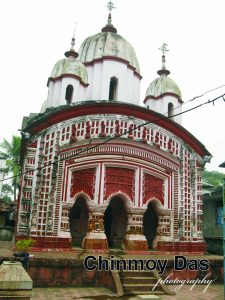
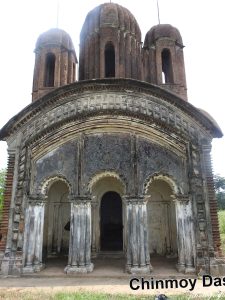
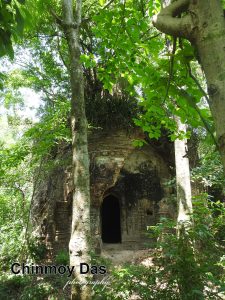
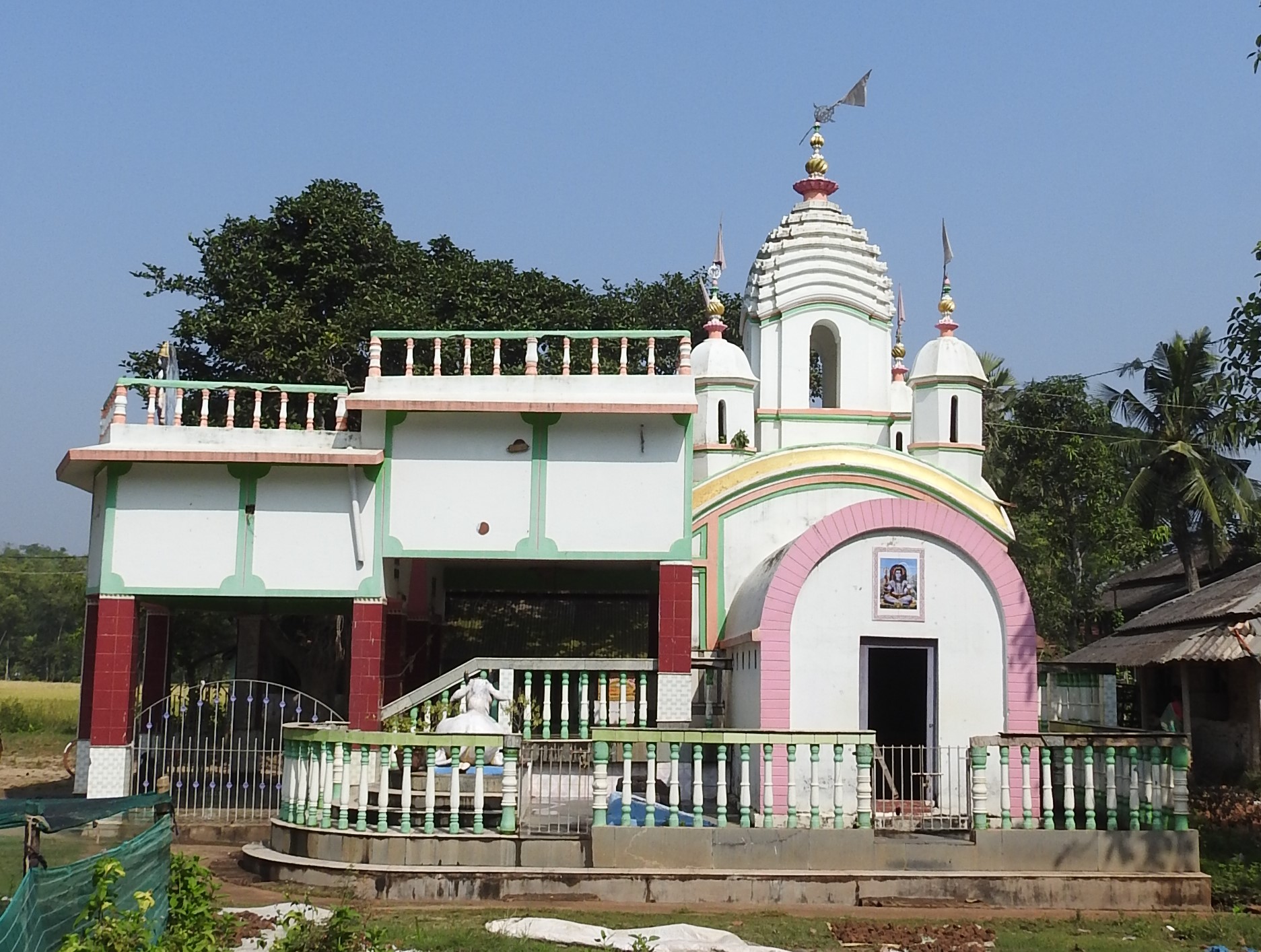
মহাদেবের সুদর্শন মন্দিরটির দিকে চোখ ফেরানো যাক একবার। ইটের তৈরি রত্ন-রীতির মন্দির। কেন্দ্রীয় রত্নে ত্রিরথ বিন্যাস এবং মাথায় পীঢ়-ভাগ করা হয়েছে। কিন্তু কোণের রত্নগুলি একটু ভিন্নরীতির। রথবিন্যাস নাই। চারটি রত্নই নির্মিত হয়েছে অক্টাগোনাল বা আট-কোণা রীতিতে। পাঁচটি রত্নেরই শীর্ষক অংশ বেশ মনোরম দর্শন।
পশ্চিমমুখী এই মন্দিরে দক্ষিণেও একটি দ্বার আছে। পরবর্তীকালে, সংস্কার কাজের সময়, দক্ষিণ-দ্বারের লাগোয়া করে একটি ভোগশাল নির্মিত হয়েছে। মাথার ছাউনিটি লক্ষ্য করবার মত। উপরের অংশ হস্তি পৃষ্ঠের মত উত্তলাকার। ভিতরর সিলিং ‘টানা-খিলান’ রীতিতে রচিত হয়েছে।
গর্ভগৃহের সিলিং গড়া হয়েছে চারদিকে চারটি খিলানের মাথায় চতুষ্কোণ ভল্ট স্থাপন করে।
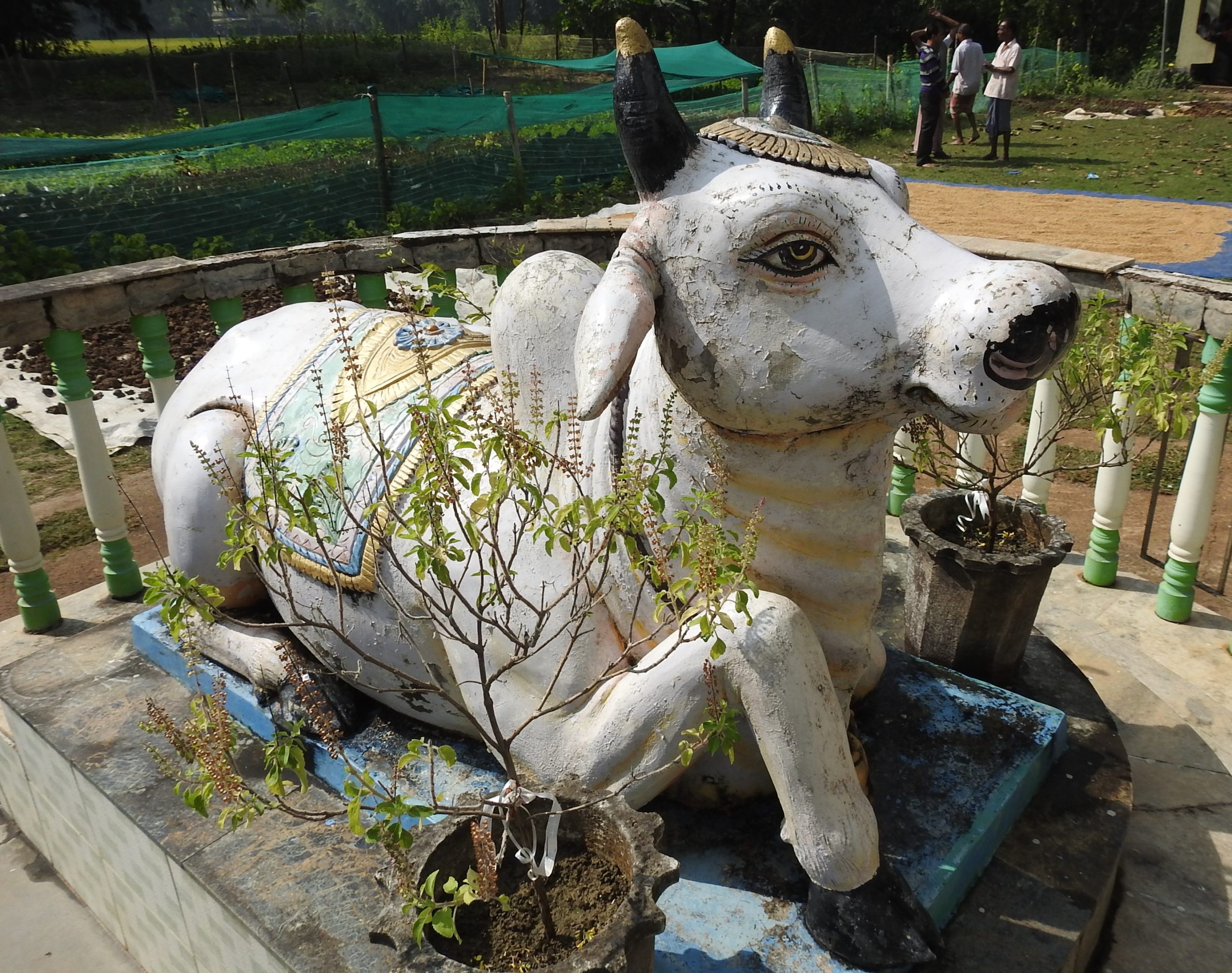
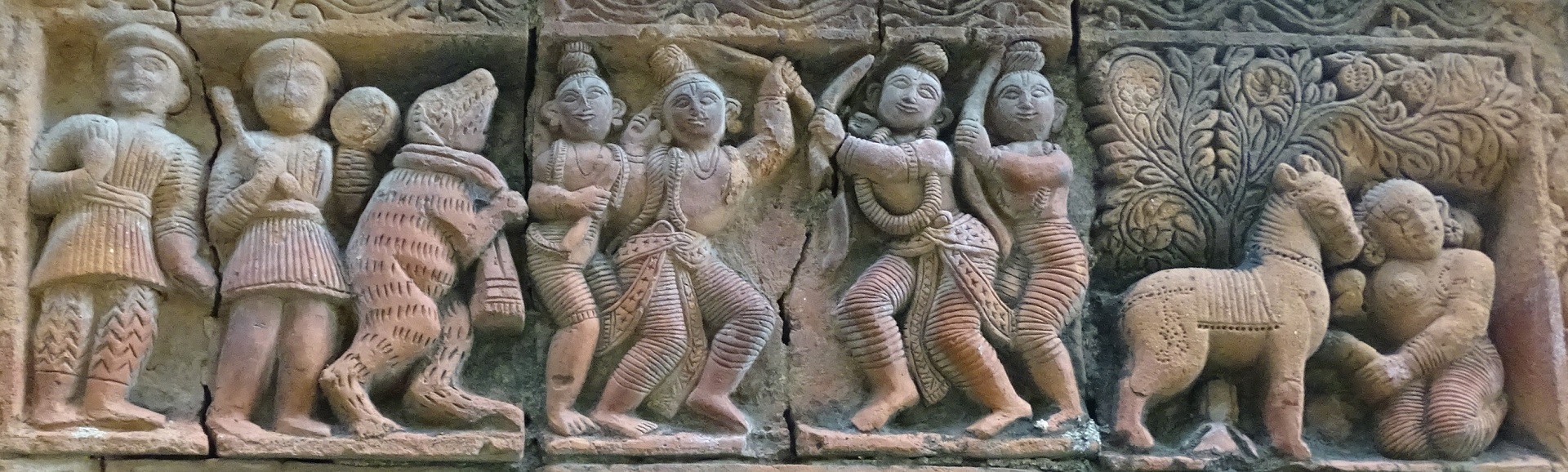
পূর্বে টেরাকোটার কিছু ফলক ছিল বলে জানা যায়। কিন্তু বর্তমানে গৌরীপট্ট এবং নন্দী মূর্তিটি ছাড়া, মন্দিরে কোনও অলঙ্করণ নাই।
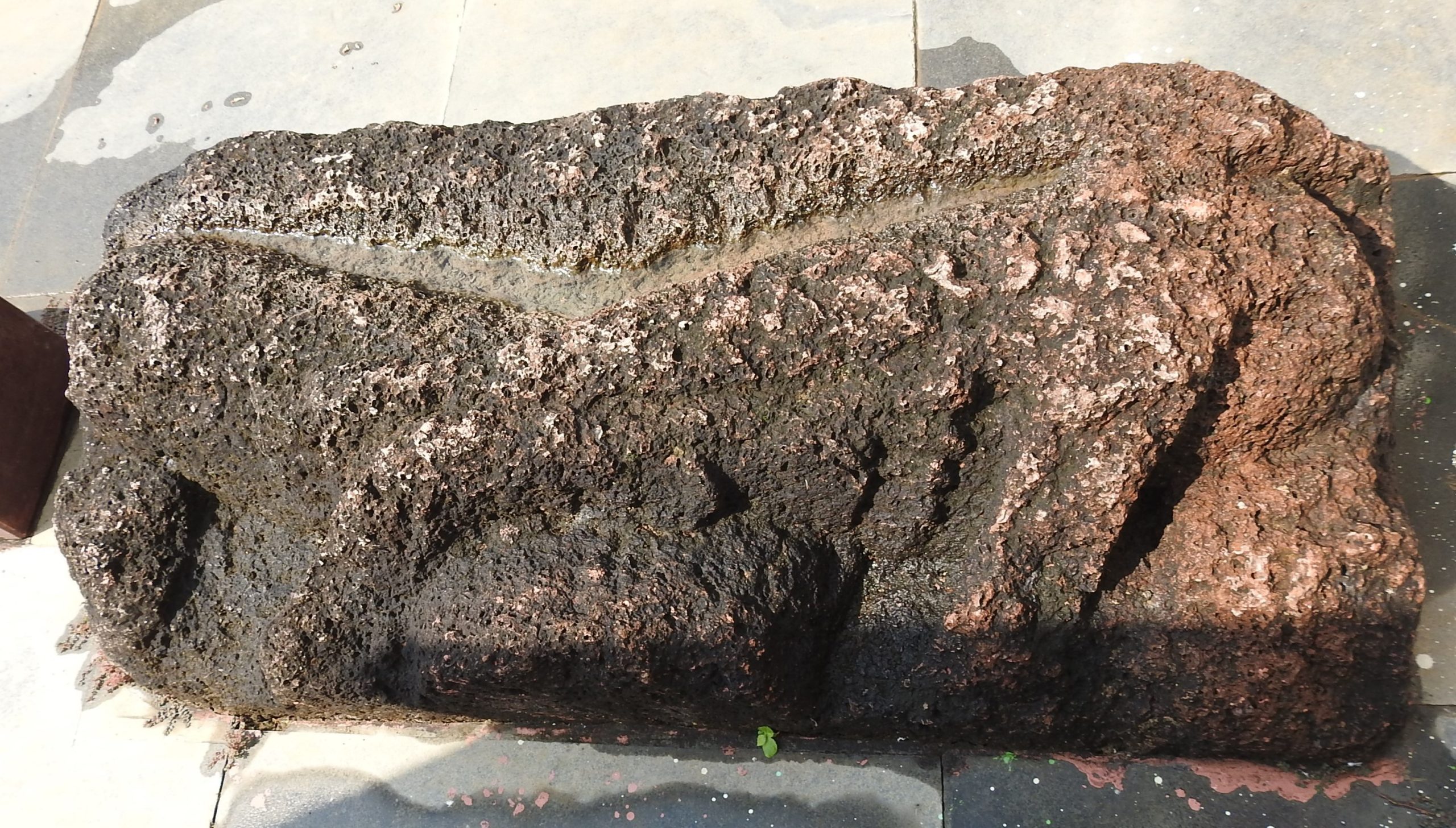
তবে, খোদাই কাজের চিহ্ন যুক্ত, মাকড়া পাথরের একটি ভাঙ্গা অংশ সযত্নে মন্দির প্রাঙ্গণে রাখা আছে। পুকুর খোঁড়ার সময় পাওয়া গিয়েছিল এই প্রত্নবস্তুটি। ‘সূর্য- স্তম্ভ’ নামে পূজা করা হয় এটির। হয়তো কালাপাহাড়, বর্গী বাহিনী কিংবা অন্য কোনও ভিনধর্মী শক্তির আক্রমণে ধ্বংস হয়ে গিয়েছিল গ্রামের কোনও প্রাচীন মন্দির। এই পাথর খণ্ডটিকে তারই চিহ্ন বলে অনুমান করা হয়।
স্বপ্ন দিয়ে তৈরি এ গ্রাম, স্মৃতি দিয়ে গড়া। ধামতোড় গ্রামের সাথে জড়িয়ে আছে ক্ষিরাই খাল নামের যে জলধারা, সেটি আজ তার অতীত গরিমা হারিয়ে অবজ্ঞাত।
পূর্বকালে প্রতি রবিবার জমজমাট হাট বসত এই শিবতলায়। সেই হাটও সরে গিয়েছে খানিক তফাতে।
ব্রিটিশের বিরুদ্ধে ‘আগষ্ট আন্দোলন’-এর আগুনঝরা দিনগুলির কথা অস্পষ্ট হয়ে গিয়েছে মানুষের স্মৃতি থেকে। সেদিনের বিদ্রোহী স্বনামধন্য ডাক্তার মোহিনী পতি, তাঁর পত্নী রেণুকা পতি, প্রকাশ চন্দ্র পতি, বিনোদ কুমার ভূঁইয়া এবং নিরঞ্জন ভূঁইয়া-- দেশমাতৃকার মুক্তির জন্য হাসিমুখে অত্যাচার সয়েছিলেন। সে কাহিনীও হয়তো অনেকেরই মনে নাই আজ।
দু’দুটি জমিদার বাড়ি ছিল এই গ্রামে-- ভূঁইয়া এবং শাসমল বাড়ি। একদিন সমাজ গঠনে ভূমিকা পালন করেছে যে পরিবারগুলি, আজ গরিমা বলতে তেমন কিছুই আর নাই তাঁদের।
এই নাই-এর তালিকা এখানে অনেক বড়। সত্যিই নাই, অনেক কিছুই নাই আজ। কিন্তু অনেক কিছু হারিয়েও, নিঃস্ব নয় ধামতোড় গ্রাম। সাত রাজার ধন, এক মাণিক আছে এই গ্রামের। তিনি মহাদেব বিল্লেশ্বর শিব। গ্রামবাসীগণ বুক দিয়ে আগলে রেখেছেন তাঁদের প্রাণের ঠাকুরকে। আগলে রেখেছেন মহাদেবের আবাস, মনোহর দর্শন শিবালয়টিকেও।
Billeshwar Shiva Temple, Dhamtor (Debra)
Chinmoy Das
Today’s journal features a temple dedicated to Lord Mahadeva (Shiva). The Shiva image worshipped in the sanctum is not an installed deity. Here, Mahadeva is believed to have manifested Himself spontaneously.
An incident from about two hundred years ago is associated with the temple. While harvesting turmeric from his field, a farmer discovered a stone buried beneath the soil. Despite extensive digging and much effort, the bottom of the stone could not be found.
The stone was black in color and almost circular in shape. The village elders assembled and deliberated. They accepted the stone as a Shiva Linga, the emblematic form of Lord Shiva. Leaving it at the very spot where it had been found, the villagers began worshipping it with deep devotion. The deity came to be known as Billeshwar Mahadeva. During the excavation, a spade had struck the top of the stone, leaving a mark that is still visible today.
After worship began, the fame and influence of the deity spread rapidly. Villages near and far came forward to participate in the worship of the deity of Dhamtor. In time, Billeshwar Jiu became the revered deity of twenty-two villages. From the very day of its establishment until the present, the temple has been managed under the supervision of the “Desh Solah Ana” Committee.
The committee consists of a president, a secretary, and a treasurer. It is reconstituted every five years. Above them all stands the Gram Mukhya (village chief). He, along with the Desh Brahmin, is also involved in the temple’s administration.
These details are known from the accounts of the villagers. However, no one now remembers the name of the zamindar who built this handsome temple for Billeshwar. Not only did he construct the temple, but he also endowed land as a jagir for the temple priest. The identity of that pious benefactor has been lost to time.
Apart from the daily rituals and the offerings made by devotees, two major festivals are celebrated here every year: Shiva Chaturdashi in the months of Magh–Falgun and Gajan at the end of Chaitra.
Gajan symbolizes the marriage of Mahadeva, the Lord of the cremation ground, with Goddess Kaminya, the beautiful daughter of May Danava, ruler of the netherworld. The festival is celebrated here with great pomp and grandeur. Known as the “Seven Offerings Gajan,” it continues for nine consecutive days.
Three principal devotees—known as Pat Bhakta, Deul Bhakta, and Bhandargharia—along with sixteen Bastu Bhaktas, participate in the ceremonies. The devout villagers bear the expenses of these devotees. Those who have taken vows (manat) also come to take part in the festivities.
During Gajan, a fair lasting nearly two weeks is organized. Known as the Charak Fair, it enjoys fame throughout the region. A separate committee headed by a secretary is formed for the occasion, and it oversees the entire event.
At that time, waves of joy sweep through every household, regardless of wealth or status. Families become lively with the gathering of relatives, friends, and well-wishers. And why should it be otherwise? Billeshwar Jiu is the beloved deity of the villagers—their own cherished guardian.
Let us now turn our attention to the temple itself.
The temple is a brick-built Ratna-style structure. The central tower is designed with a Tri-ratha projection and crowned with a Pidha-style superstructure. The corner towers, however, are different in form. They lack the ratha projections and are built in an octagonal style. The crowning portions of all five towers are particularly attractive.
The temple faces west and also has a doorway on the south side. During later renovations, a Bhogshala (offering hall) was constructed adjoining the southern entrance. Its roof deserves special attention. The upper portion is convex, resembling the back of an elephant, while the interior ceiling is constructed in the barrel-vaulted style.
The sanctum ceiling has been formed by placing a square vault upon the tops of four arches, one on each side.
It is said that the temple once possessed some terracotta plaques. Today, however, apart from the Gauripatta and the image of Nandi, no ornamentation remains.
A broken fragment of Makra stone bearing traces of carving is carefully preserved within the temple compound. This artifact was discovered while a pond was being excavated. It is worshipped as a “Surya Stambha” (Sun Pillar). It is believed that an ancient temple of the village may have been destroyed by the attacks of Kalapahad, the Bargi raiders, or some other hostile force of a different faith. This stone fragment is thought to be a remnant of that lost shrine.
Dhamtor is a village woven from dreams and built upon memories. The watercourse known as the Khirai Canal, once closely associated with the village, has now lost much of its former glory and fallen into neglect.
In earlier times, a bustling weekly market was held every Sunday at this Shiva shrine. That market, too, has shifted elsewhere.
The fiery days of the August Movement against British rule have faded from public memory. The renowned rebel physician Dr. Mohini Pati, his wife Renuka Pati, Prakash Chandra Pati, Binod Kumar Bhuiya, and Niranjan Bhuiya endured oppression with courage and a smile for the freedom of their motherland. Their story, too, is forgotten by many today.
The village once had two prominent zamindar families—the Bhuiyas and the Shasmals. Families that once played significant roles in shaping society now possess little of their former prestige.
The list of things that have disappeared from Dhamtor is indeed long. Much has truly been lost. Yet, despite all these losses, the village is not impoverished. It still possesses a priceless jewel—the treasure of seven kings. That jewel is Mahadeva Billeshwar Shiva. The villagers continue to guard their beloved deity with devotion and affection. They have also preserved His abode, the beautiful Shiva temple, with equal care.