রাধাগোবিন্দ মন্দির, গোবিন্দনগর (দাশপুর)
চিন্ময় দাশ
খ্যাতনামা বৈষ্ণব গুরু প্রাণগোবিন্দ দেবগোস্বামী এসেছিলেন ওডিশার যাজপুর এলাকা থেকে । চেতুয়া পরগণার গোবিন্দনগর গ্রামে থিতু হয়ে, গুরুগিরিই করতেন তিনি। তাঁর বশধরগণও সেই পথের পথিক ছিলেন। আজও বহু দূর-দূরান্তেও তাঁদের শিষ্যকূল ছড়িয়ে আছে।
অনেক শিষ্য ছিল এই বংশের নন্দনন্দন দেবগোস্বামীরও। মণ্ডলঘাট পরগণা (বর্তমান পূর্ব মেদিনীপুর জেলার কোলাঘাট থানা)র রাইন-গোপালনগর এলাকার কাঞ্চনা গ্রামে তাঁর এক শিষ্য ছিলেন বৃন্দাবন চন্দ্র মান্না। বাংলা ১১৮৮ সনে (ইং ১৭৮১ সাল) গুরুদেবকে ‘প্রণামী’ হিসাবে এই মন্দিরটি নির্মাণ করে দিয়েছিলেন বৃন্দাবন। মন্দিরটি নির্মাণ করেছিলেন সেকালের অন্যতম বিখ্যাত সূত্রধর সাফল্যরাম মিস্ত্রী ।
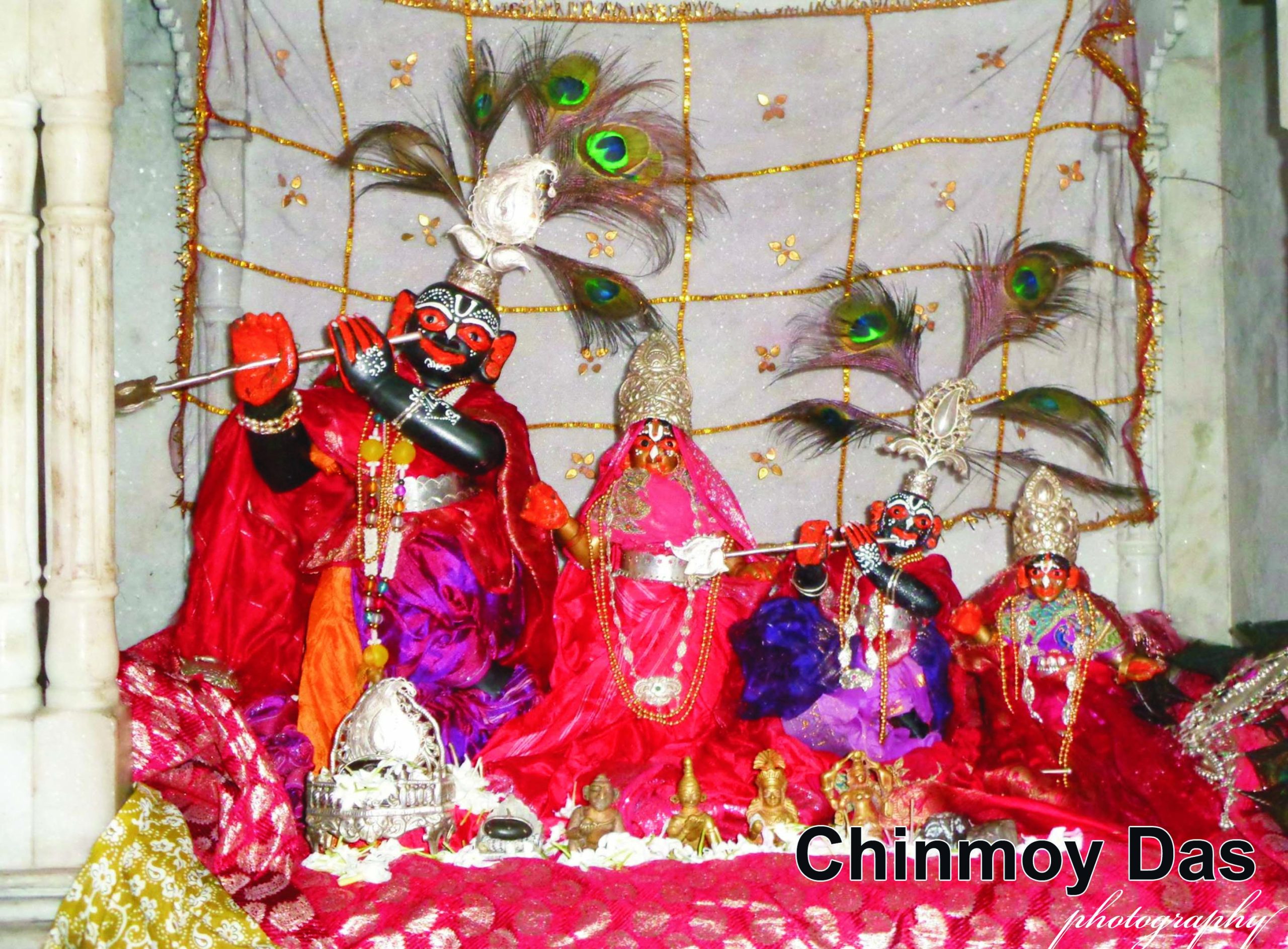
রাধারমণ এবং রাধাগোবিন্দ নামিত রাধাকৃষ্ণের দুটি যুগলমূর্তি এখানে পূজিত হন।
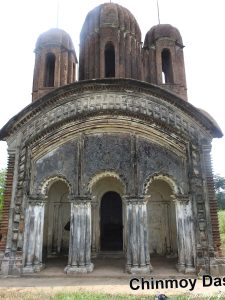
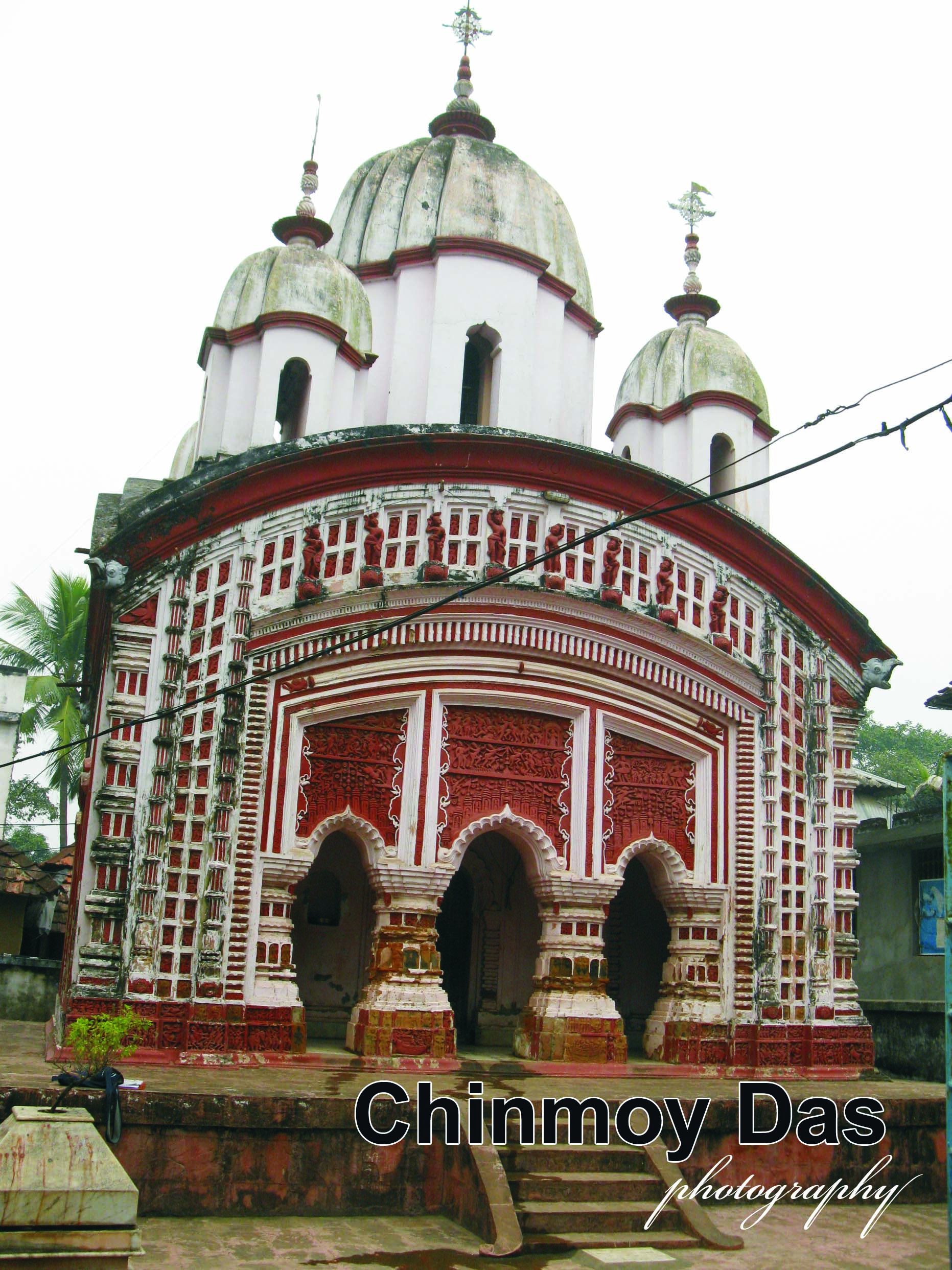
সম্পূর্ণ বর্গাকার পূর্বমুখী ইটের মন্দিরটি পঞ্চ-রত্ন রীতিতে নির্মিত। সামনে তিন-খিলানের অলিন্দ। গর্ভগৃহটি এক-দ্বারী। তার ভিতরে আবার ‘গম্ভীরাঘর’ নামের অতিরিক্ত একটি কক্ষ আছে। ভেতরে একটি সিঁড়িও দেখা যায়। সৌধটির মাথায় গড়ানো চালা ছাউনি। সেকারণে, কার্ণিশগুলির বঙ্কিমভাবটি বড় মনোরম। মাথায় পাঁচটি রত্নে রথ-বিন্যাস করা।
ভোগশালা, বাংলা ১৩১৬ সালে নির্মিত ঝুলন মন্দির, গরুড়স্তম্ভ ইত্যাদিও আছে এই মন্দিরস্থলীতে। পঞ্চরথ দেউল রীতির তুলসীমঞ্চটি বেশ দর্শনীয়।
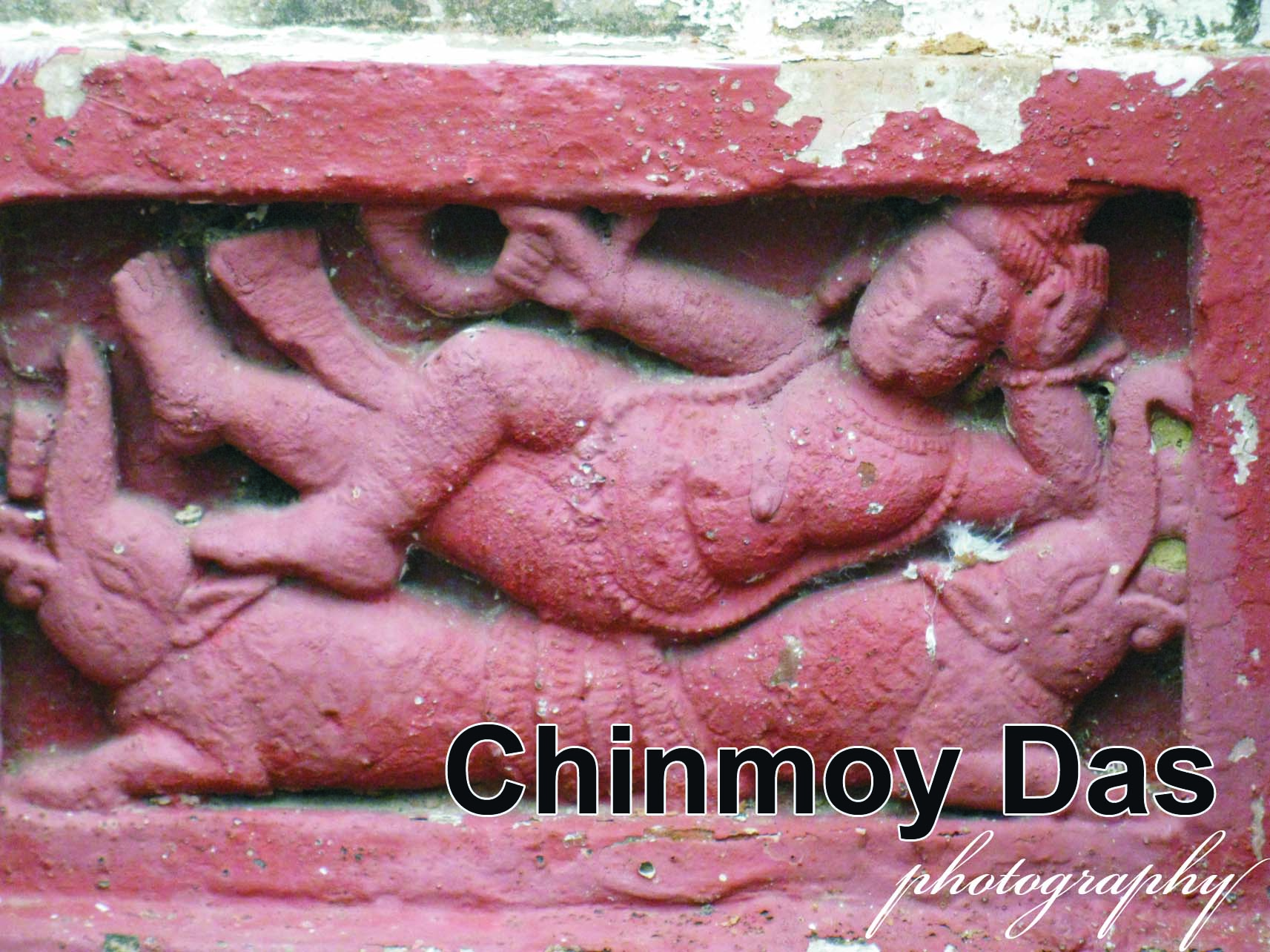
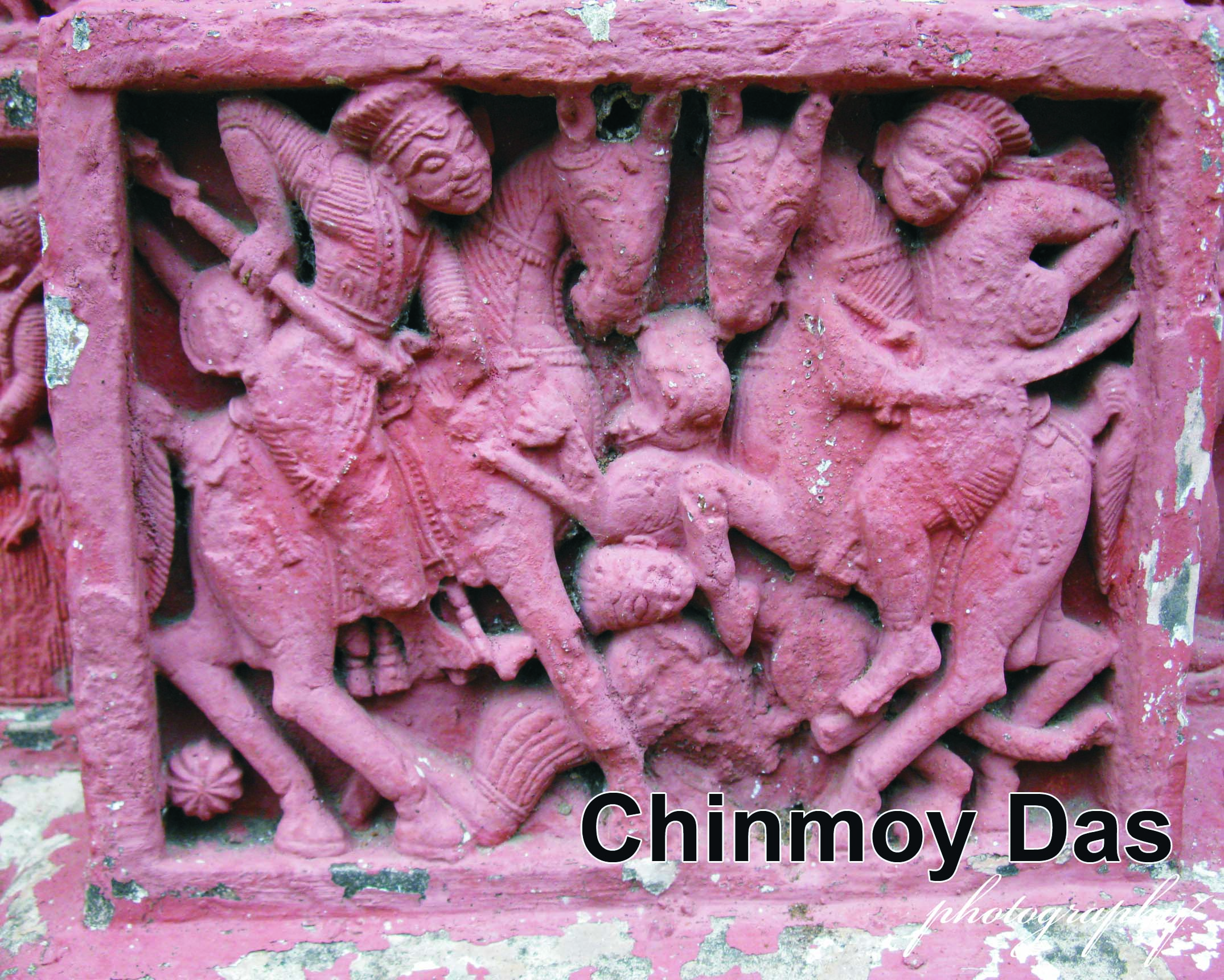
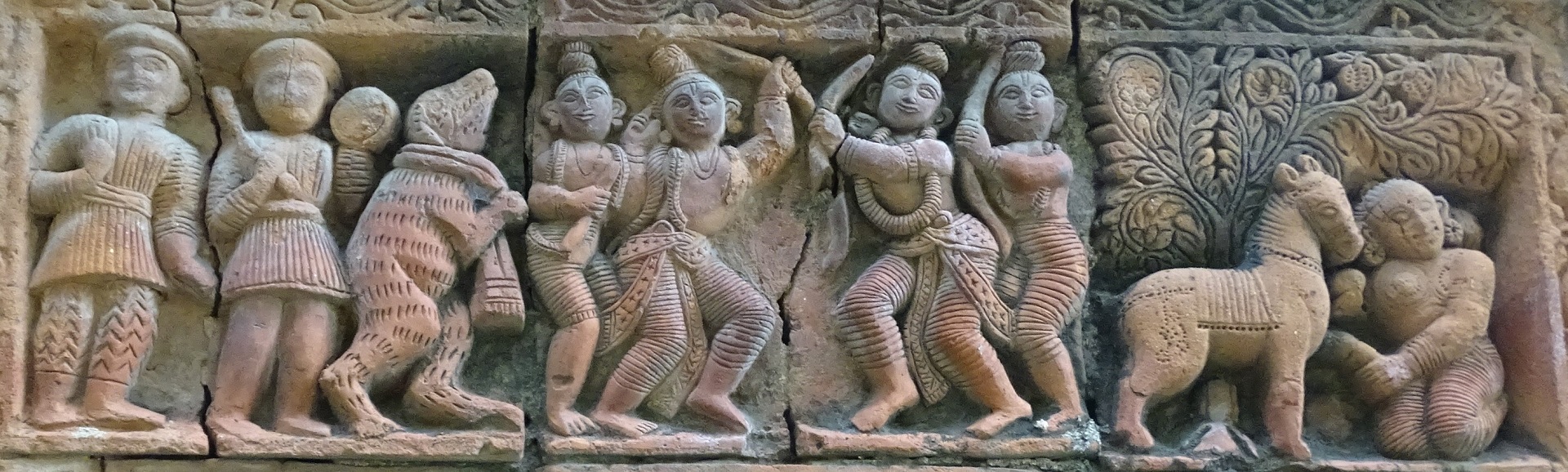
মন্দিরটির অহঙ্কার এর টেরাকোটা ফলক। সামনের দেওয়ালটিকে স্তম্ভমূল থেকে কার্ণিশের তলা পর্যন্ত ফলকে মুড়ে দেওয়া হয়েছে। কতো মোটিফেরই না সমাবেশ হয়েছে সেখানে! বন্দুকধারী সাহেবের শিকার, অশ্বারোহী সৈনিকের যুদ্ধ, লোকলস্কর বেষ্টিত সাম্পান আরোহী জমিদার, দুটি হার্মাদ রণতরী, ইউরোপিয়ান সাহেবের তামাকুসেবন ইত্যাদি।
কার্ণিশের তলা বরাবর একসারি আর দু’দিকের কোণাচের গায়ে দুটি সারি—ছোট ছোট খোপে অজস্র ফলক। তার ভিতর যোদ্ধামূর্তি আর আটটি বড় আকারের নর্তকী মূর্তি চোখে পড়বার মতো।
মুখ্য ফলকগুলি আছে তিনটি দ্বারপথের মাথার উপরে, তিনটি বড় প্রস্থে। বেশ কয়েকটি প্যানেল। বামদিকে দশভূজা দুর্গা, রামচন্দ্রের স্বর্ণমৃগ বধ ইত্যাদি। মাঝখানে রামায়ণ কাহিনী থেকে লক্ষ্মণের শক্তিশেল, রাম-রাবণের যুদ্ধ ইত্যাদি। আর, দক্ষিণে কৃষ্ণলীলার দৃশ্যপট।
দারু-তক্ষণ কাজের উৎকৃষ্ট নমুনা গর্ভগৃহের কাঠের দরজাটি। মহাদেব, গণেশ, দশাবতার, শীতলা, মনসা ইত্যাদি দেব-দেবীর মূর্তি রূপায়িত হয়েছে বাটালির ডগায়।
Radhagobinda Temple, Gobindanagar (Daspur)
Chinmoy Das
The renowned Vaishnava guru Pranagobinda Dev Goswami came from the Jajpur region of Odisha. Settling in the village of Gobindanagar in the Chetua Pargana, he devoted himself to the vocation of a spiritual preceptor. His descendants also followed the same path, and even today their disciples are spread across many distant regions.
One of the distinguished descendants of this lineage was Nandanandan Dev Goswami, who likewise had numerous disciples. Among them was Vrindaban Chandra Manna of Kanchana village in the Rain-Gopalnagar area of Mandalghat Pargana (present-day Kolaghat Police Station in Purba Medinipur district). In Bengali Era 1188 (1781 CE), Vrindaban built this temple as a pranami (devotional offering) to his revered guru. The temple was constructed by Safalyaram Mistri, one of the most celebrated master craftsmen (Sutradhars) of his time.
Two paired images of Radha and Krishna, worshipped here under the names Radharaman and Radhagobinda, are enshrined in the temple.
The entirely square, east-facing brick temple was built in the Pancha-Ratna (five-towered) style. A three-arched porch stands at the front. The sanctum has a single entrance. Inside it is an additional chamber known as the Gambhiraghar, and a staircase can also be seen within. The temple is crowned with a curved chala roof, giving the cornices a particularly graceful and attractive curvature. Five ratna towers are arranged above in the traditional chariot-like (ratha) layout.
The temple complex also includes a Bhogshala (offering hall), a Jhulan Temple built in Bengali Era 1316, a Garuda pillar, and other structures. Particularly noteworthy is the Tulsi altar, built in the Pancharatha Deul style.
The temple’s greatest pride lies in its terracotta panels. The entire front façade, from the bases of the pillars up to the cornice, is covered with terracotta plaques. An astonishing variety of motifs appears there: a European hunter carrying a gun, battles involving mounted cavalrymen, a zamindar riding in a sampan surrounded by attendants, two pirate warships (Harmad vessels), and a European gentleman smoking tobacco, among many others.
Along the underside of the cornice runs a continuous row of plaques, while two vertical rows adorn the corner projections on either side. Within the numerous small niches are countless terracotta panels, among which the warrior figures and eight large dancing female figures are especially striking.
The principal terracotta compositions are arranged in three large sections above the three entrance arches. These consist of several narrative panels. On the left are scenes such as the ten-armed Goddess Durga and Rama’s slaying of the Golden Deer. The central section depicts episodes from the Ramayana, including Lakshmana struck by the Shakti-shila weapon and the battle between Rama and Ravana. The southern section portrays scenes from the life and exploits of Krishna.
The wooden door of the sanctum is an excellent example of fine woodcarving. Using the chisel with remarkable skill, the craftsman depicted figures of Mahadeva (Shiva), Ganesha, the Dashavatara, Shitala, Manasa, and other deities.