রামেশ্বর শিব মন্দির, রাজবল্লভ (পিংলা, মেদিনীপুর জেলা)
চিন্ময় দাশ
" দানে চনু, অন্নে মনু, রঙ্গে রাজনারায়ণ। / কীর্ত্তে ছকু, বিত্তে নরু, রাজা যাদবরাম।। " এককালে মেদিনীপুর জেলা জুড়ে প্রচারিত ছিল প্রবাদটি। মানুষের মুখে মুখে শোনা যেত। প্ৰবাদবাক্যটি তৈরী হয়েছিল ৬ জন জমিদারকে নিয়ে। নিজের নিজের কীর্তি আর গুণে খ্যাত হয়েছিলেন এঁরা। মেদিনীপুরের মুখ উজ্বল করেছিলেন।
আমাদের আজকের প্রতিবেদনের নায়ক হলেন এই প্রবাদবাক্যের প্রথম বক্তি-- চনু বা চন্দ্রশেখর ঘোষ। দানবীর হিসাবে খ্যাত হয়েছিলেন মানুষটি। চন্দ্রশেখরের প্রসঙ্গে যাওয়ার পূর্বে, বাকি ৫ জনের সংক্ষিপ্ত পরিচয় দিয়ে রাখছি আমরা। পাঠক-পাঠিকার তৃপ্তি হতে পারে তাতে, এই ভাবনায়।
১. মানু-- মানগোবিন্দ ভঞ্জ , অন্নদানের জন্য খ্যাত ডেবরা থানার পুঁয়াপাট গ্রামের জমিদার। ২. রাজনারায়ণ-- অতিশয় ধনী ও হৃদয়বান, অতিশয় সৌখিন খড়্গপুর থানার জকপুরের জমিদার। ৩. ছকু-- ছকুরাম রায়, সদর কোতোয়ালি থানার পাথরা গ্রামের দেবভক্তি ও দেবালয় নির্মাণের জন্য খ্যাত জমিদার। ৪. নরু-- নরনারায়ণ চৌধুরী। সাকিন ও থানা এগরার এই জমিদার ব্রহ্মত্তর ভূমি দানের কারণে খ্যাত হয়েছিলেন। ৫. যাদবরাম-- বাংলার নবাব আলিবর্দী খাঁর কাছে 'রাজা' খেতাব পাওয়া মাজনামুঠার (বর্তমান কাঁথি শহর) জমিদার যাদবরাম ছিলেন যেন কল্পবৃক্ষ। অপরিমিত ভূমি দান করতেন, তাও প্রার্থীর চাহিদামত।
এবার চন্দ্রশেখর ঘোষ প্রসঙ্গে যাই আমরা। তাঁর জীবনকথা যেমন ঐতিহাসিক, তেমনই রূপকথার মত মনোরঞ্জনকারী। রূপকথার নায়কের মতোই তাঁর উত্থান, কিন্তু পতন ছিল না মানুষটির। প্রায় ১০০ বছর আয়ু ছিল তাঁর। ৯০ বছর বয়স পর্যন্ত যুক্ত থেকেছেন ইংরেজ প্রশাসনের দায়িত্বশীল পদে। এমন দৃষ্টান্ত ভূভারতে নাই।
চন্দ্রশেখরের পিতা হৃদয়রাম, পিতামহ নন্দকিশোর। হুগলির খানাকুল থেকে উঠে এসে, মেদিনীপুরের ধারেন্দা পরগণার বিক্রমপুর-কৃষ্ণনগর গ্রামে বসতি করে ঘোষ পরিবারটি। সেখানে থাকতেই মুর্শিদাবাদে নবাব দরবারে চাকুরী পান হৃদয়রাম।
একবার হৃদয়রাম বাড়িতে থাকাকালীন বর্গী আক্রমন ঘটে। নবাবের কর্মচারী জেনে, বর্গীরা হৃদয়রামকে হত্যা ও সর্বস্য লুন্ঠন করে। কেউ বলেন, সেসময় পিংলা থানার এক জ্যোতির্বেত্তা পন্ডিত হৃদয়রামের বিধবা পত্নী এবং পুত্রদের রাজবল্লভ গ্রামে বসবাসের ব্যবস্থা করে দিয়েছিলেন। অন্যদের অভিমত, বর্গী হাঙ্গামার ১৮ বছর পরে, চন্দ্রশেখরই মা এবং ভাইদের নিয়ে রাজবল্লভ গ্রামে উঠে গিয়েছিলেন। তখন থেকেই তাঁর উত্থানের সূচনা।
বাংলায় তখন বিশৃঙ্খল অবস্থা। নবাব শাসনের শেষ পর্ব। বিচক্ষণ, কর্মপটু চন্দ্রশেখর নবাব দরবারে নিযুক্ত হন। জমিজমার বন্দোবস্ত, শাসন সংক্রান্ত কাজের তদারকির ভার ইত্যাদি গুরুদায়িত্ব দেওয়া হয় তাঁকে। পরে, সেই অভিজ্ঞতাই তাঁকে প্রশাসক হিসাবে ইংরেজদের কাছে গ্রহণীয় করে তুলেছিল।
ইষ্ট ইন্ডিয়া কোম্পানির হাতে নতুন করে প্রশাসনিক ব্যবস্থার পত্তন হচ্ছে তখন। ১৭৭৬ সাল, মি: জন পিয়ার্স মেদিনীপুর জেলার প্রথম জেলা ম্যাজিস্ট্রেট নিযুক্ত হলে, চন্দ্রশেখর তাঁর দেওয়ান হিসাবে নিযুক্ত হয়েছিলেন। ১৭৯৩ সালে ' চিরস্থায়ী বন্দোবস্ত প্রথা' প্রচলনে সুদক্ষ ভূমিকা ছিল তাঁর। ৯০ বছর বয়স পর্যন্ত বিভিন্ন দায়িত্বশীল কাজে তাঁকে যুক্ত রেখেছিল ইংরেজ প্রশাসন।
উচ্চ বেতন ছাড়াও, নিজের জমিদারি ছিল চন্দ্রশেখরের। যেমন উপার্জন ছিল, দানও করতেন দু'হাত খুলে। আসক্তিশূন্য চন্দ্রশেখর দেব-দ্বিজের সেবা, মন্দির প্রতিষ্ঠা, গো-ভূমি-অশ্ব-পুস্করিণী দান, অতিথি সৎকার ইত্যাদি কাজে স্মরণে রাখতেন-- 'দানে দুর্গতি খন্ডে'। চন্দ্রশেখরই শিখিয়েছিলেন-- সদ্ব্যয় ও সদনুষ্ঠানেই ধনের সাফল্য। জীবদ্দশাতেই 'দানবীর' হিসাবে পরিচিত হয়ে উঠেছিলেন তিনি।
চন্দ্রশেখরের কথা রেখে, মন্দিরের প্রসংগে যাওয়া যাক এবার। পূর্বের গ্রাম বিক্রমপুরের ৩টি মন্দির ছাড়াও, নিজের রাজবল্লভ গ্রামে ১৫টি দেবালয় প্রতিষ্ঠা করেছিলেন চন্দ্রশেখর। ১টি কৃষ্ণমন্দির, ১টি কালীমন্দির ও তার সংলগ্ন দ্বাদশ শিবালয় এবং বর্তমান আলোচ্য এই শিবমন্দিরটি। এটি তিনি অষ্টাদশ শতকের মধ্যভাগে নির্মাণ করেন বলে অনুমান করা হয়।
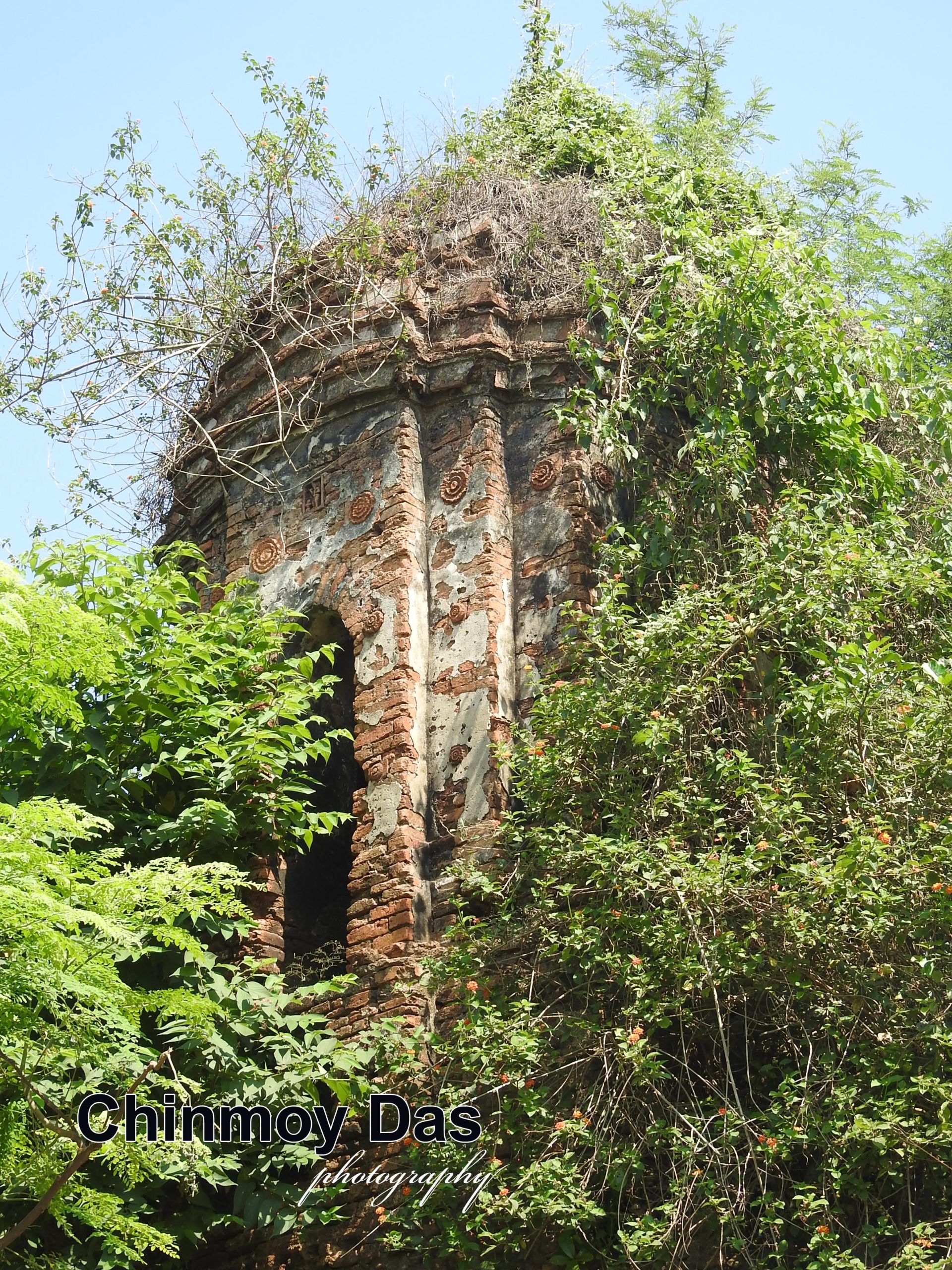
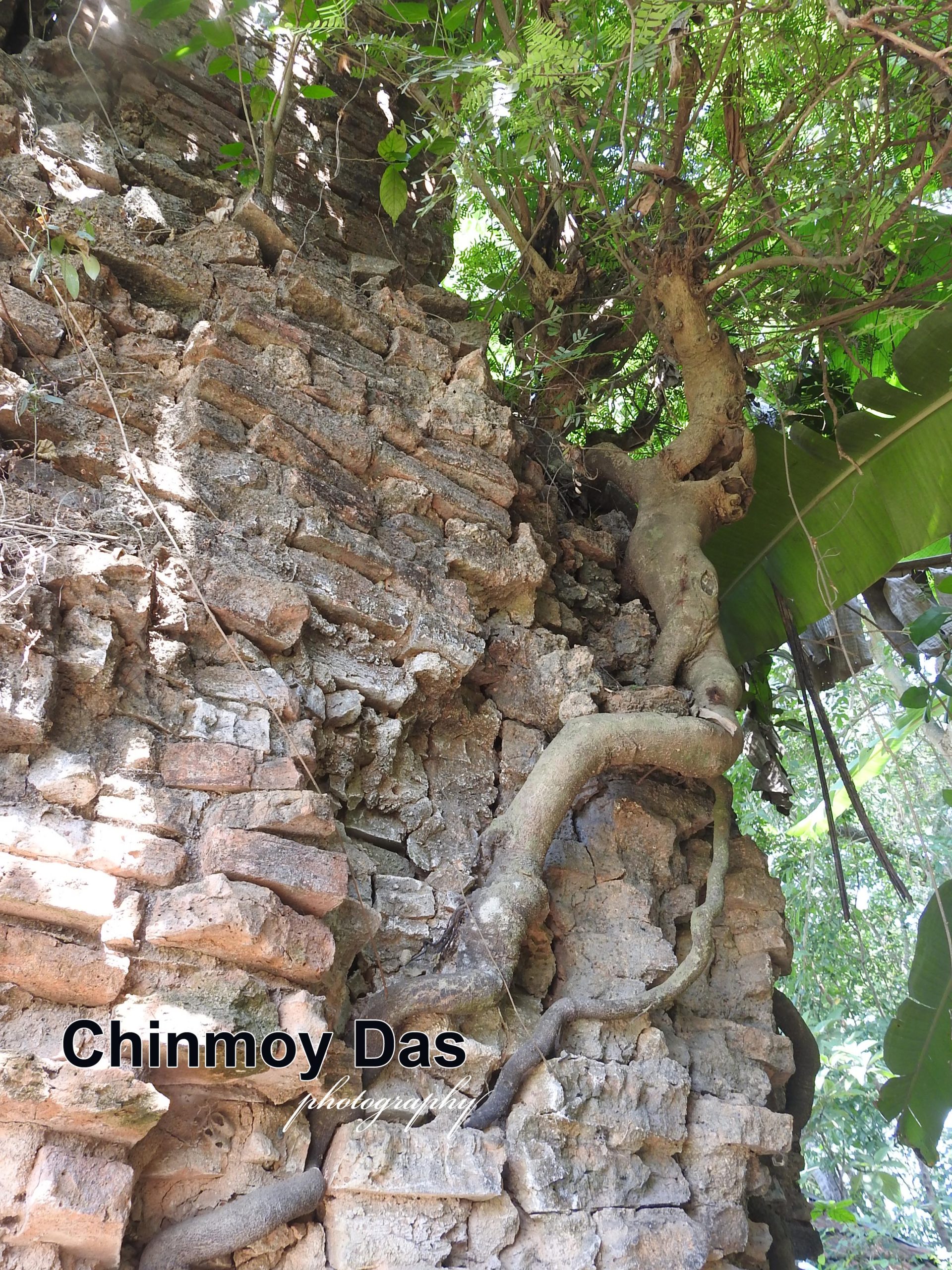
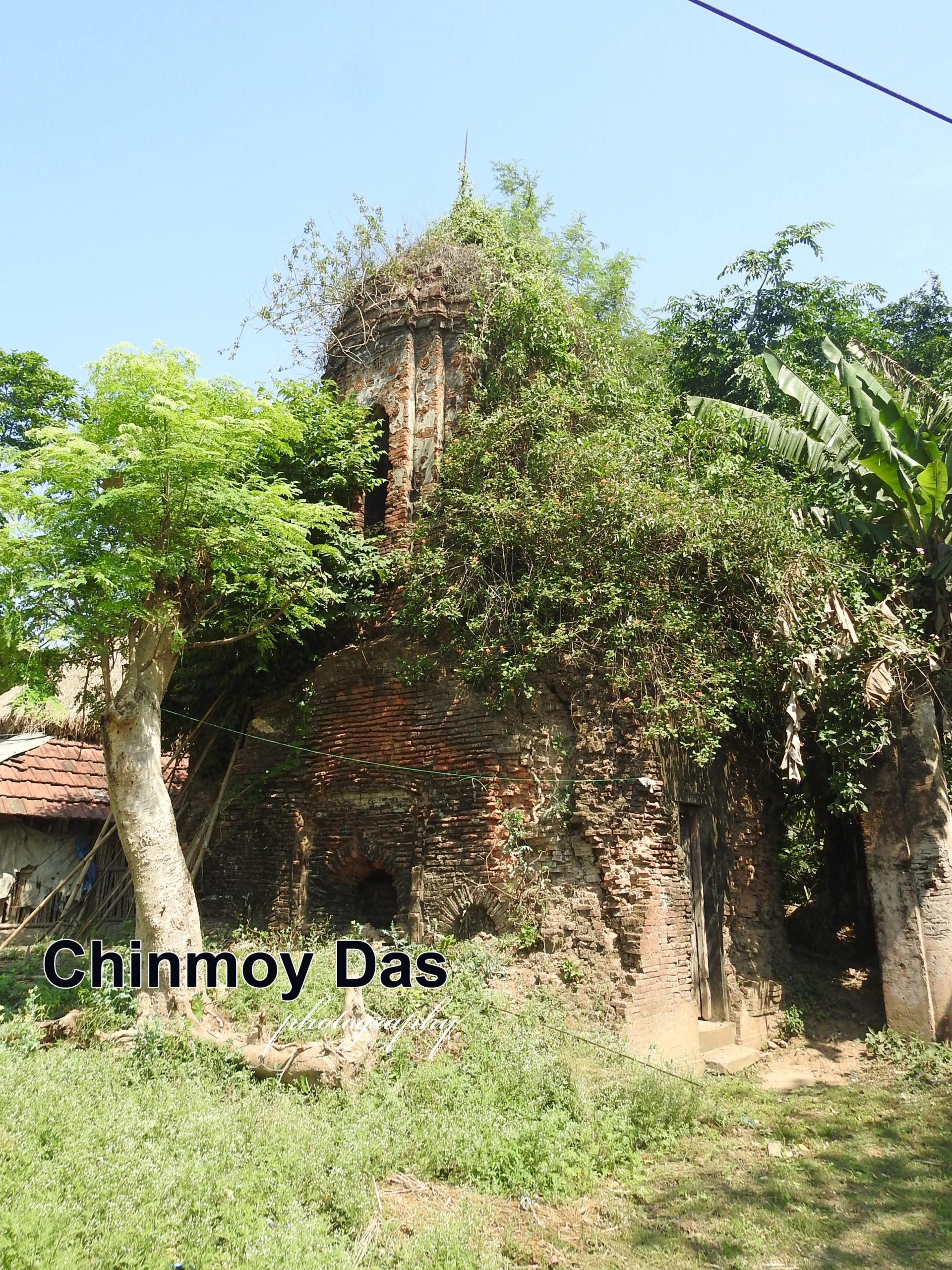
এখন যা দেখা যায়, তা ঠিক মন্দির নয়, মন্দিরের ভগ্নাংশ মাত্র। তাও গাছপালায় আবৃত। মন্দিরের বেশ কিছু অংশ বিলুপ্ত হয়ে গিয়েছে। অগত্যা, এই সৌধের বিবরণ তৈরির জন্য, পূর্ববর্তী পুরাবিদগণের বিবরণ, সরেজমিন ক্ষেত্রসমীক্ষা এবং সেবাইত বংশের সাক্ষাৎকার-- তিন বিষয়ের উপর নির্ভর করতে হয়েছে আমাদের।
আনু. ৪০ ফুট উচ্চতার ১৭ ফুট দৈর্ঘ্য-প্রস্থের দক্ষিণমুখী বর্গাকার সৌধটি ইটের তৈরী। পঞ্চ-রত্ন মন্দির, কিন্তু ৪টি রত্ন বহুকাল পূর্বেই বিলুপ্ত, কেন্দ্রীয় রত্নটিই দেখা যায় কেবল। রত্নগুলি কলিঙ্গের শিখর-দেউল স্থাপত্যধারায় প্রভাবিত। বাঢ় এবং গণ্ডী অংশ জুড়ে রথ বিভাজন করা। মাথার রত্নটিতে পঞ্চ-রথ বিন্যাস করা এবং গন্ডী অংশে পীঢ় রীতিতে থাকে কাটা। শীর্ষক অংশের বেঁকি, আমলক, ঘন্টা, কলস, ত্রিশূল-- কিছুই নাই আজ আর, কিছুই।
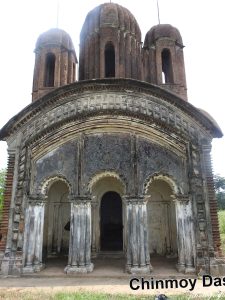
মন্দিরের সামনের অংশে একটি অলিন্দ ছিল এক সময়। তাতে ইমারতি রীতির থাম আর দরুণ রীতির খিলানযুক্ত দ্বারপথ ছিল তিনটি। অলিন্দ অংশটি বহুকাল সম্পূর্ণ ভূপাতিত। কিছুই অবশিষ্ট নাই। গর্ভগৃহটিই কেবল টিকে আছে। অলিন্দের সিলিং গড়া হয়েছিল টানা-খিলান করে। গর্ভগৃহের সিলিং পর পর বড় খিলান এবং ছোট খিলান গড়ে, তার মাথায় গম্বুজ স্থাপন করে নির্মিত হয়েছে।
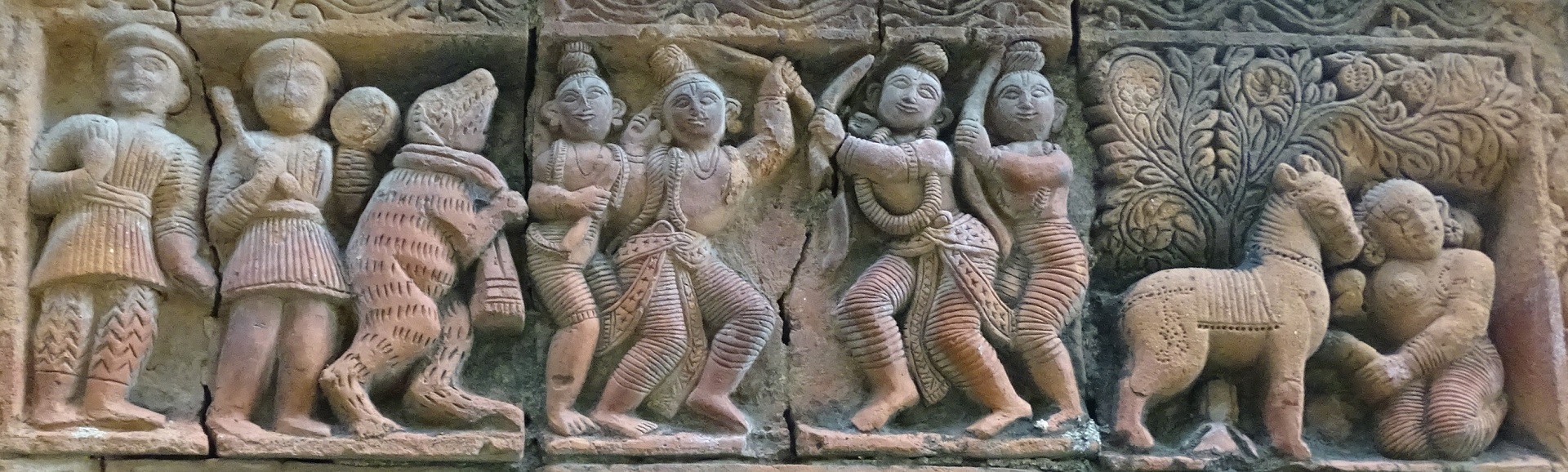
বড় যত্নে সাজিয়ে গুছিয়ে মন্দিরটি গড়েছিলেন চন্দ্রশেখর। টেরাকোটা ফলকে মুড়ে দিয়েছিলেন সামনের দেওয়ালটিকে। আমাদের দেখবার সৌভাগ্য হয়নি সেসব শিল্পকর্ম। পুরাবিদ প্রয়াত তারাপদ সাঁতরা এবং অধ্যাপক প্রণব রায়ের বিবরণ এবং ছবিতেই সন্তুষ্ট থাকতে হয় আমাদের। প্রণব রায় বলেছেন-- "উচ্চমানের পোড়ামাটির বহু মূর্তি ছিল। নকশাকাজও বেশ ছিল।"
আমরা কেবল মন্দিরের মাথার রত্নটুকুই আজ দেখতে পাই। সেখানে প্রতিটি রথ অংশে টেরাকোটার তৈরী বড় আকারের অনেকগুলি ফুল এখনও টিকে আছে। আর আছে শিবলিঙ্গ পূজা-র ছোট একটি ফলক। দক্ষিণ দিকের রাহাপাগ অংশে আছে এই ফলকটি।
Rameshwar Shiva Temple, Rajballav (Pingla, Medinipur District)
Chinmoy Das
""Dane Chanu, Anne Manu, Range Rajnarayan. / Kirtte Chhaku, Bitte Naru, Raja Jadabram."
This proverb was once widely known throughout the Medinipur district and passed from mouth to mouth among the people. It was composed in honor of six zamindars, each renowned for a particular virtue or achievement. Through their deeds and qualities, they brought distinction to Medinipur.
The hero of today's account is the first person mentioned in the proverb—Chanu, or Chandrasekhar Ghosh. He became famous as a great philanthropist. Before discussing Chandrasekhar, however, it is worth briefly introducing the other five personalities for the satisfaction of the readers.
-
Manu — Mangobinda Bhanja, the zamindar of Puyapat village in Debra Thana, renowned for feeding the poor.
-
Rajnarayan — The immensely wealthy, kind-hearted, and refined zamindar of Jakpur in Kharagpur Thana.
-
Chhaku — Chhakuram Ray, the zamindar of Pathra village in Sadar Kotwali Thana, celebrated for his devotion to religion and temple construction.
-
Naru — Narnarayan Chowdhury, the zamindar of Egra, famous for donating large tracts of Brahmottar (tax-free religious) land.
-
Jadabram — The zamindar of Majnamutha (present-day Contai), who received the title of "Raja" from Nawab Alivardi Khan of Bengal. He was like a wish-fulfilling tree, donating vast amounts of land according to the needs of applicants.
Now let us turn to Chandrasekhar Ghosh. His life story is as historical as it is fascinating, almost like a fairy tale. Like a hero from folklore, he rose from adversity to greatness, though unlike such heroes, he never experienced a downfall. He lived for nearly a hundred years and remained associated with responsible positions under the British administration until the age of ninety. Such an example is virtually unparalleled in Indian history.
Chandrasekhar's father was Hridayram, and his grandfather was Nandakishore. The Ghosh family migrated from Khanakul in Hooghly and settled in the village of Bikrampur-Krishnanagar in the Dharenda Pargana of Medinipur. While residing there, Hridayram obtained employment at the Nawab's court in Murshidabad.
On one occasion, while Hridayram was at home, a Bargi raid occurred. Learning that he was an employee of the Nawab, the raiders killed him and plundered all his possessions. Some believe that a learned astrologer-scholar from Pingla later arranged for Hridayram's widow and sons to settle in Rajballav village. Others maintain that eighteen years after the Bargi disturbances, Chandrasekhar himself moved to Rajballav with his mother and brothers. From that point onward, his rise to prominence began.
At that time Bengal was in turmoil, witnessing the final phase of Nawabi rule. Chandrasekhar, known for his intelligence and administrative ability, was appointed to the Nawab's court. He was entrusted with important responsibilities such as land settlements and supervision of administrative affairs. This experience later made him invaluable to the British administration.
The East India Company was then establishing a new administrative system. In 1776, when Mr. John Pearse was appointed the first District Magistrate of Medinipur, Chandrasekhar became his Dewan (chief revenue officer). He also played a significant role in implementing the Permanent Settlement in 1793. The British administration continued to entrust him with important responsibilities until he was ninety years old.
Besides receiving a high salary, Chandrasekhar possessed his own zamindari estates. As much as he earned, he gave away generously. Detached from worldly attachment, he devoted himself to serving Brahmins and deities, establishing temples, donating cows, land, horses, and ponds, and providing hospitality to guests. He lived by the belief that charity alleviates misfortune. Chandrasekhar taught that wealth finds its true fulfillment in noble expenditure and righteous deeds. During his lifetime itself, he became celebrated as a "Danavir" (great philanthropist).
Having discussed Chandrasekhar, let us now turn to the temple itself. Apart from constructing three temples in his earlier village of Bikrampur, he established fifteen shrines in his adopted village of Rajballav. These included one Krishna temple, one Kali temple with an adjoining group of twelve Shiva shrines, and the Shiva temple under present discussion. It is believed to have been built around the middle of the eighteenth century.
What survives today is not really a complete temple but only a fragment of it, now overgrown with vegetation. Large portions of the structure have disappeared. Consequently, this account relies upon three sources: descriptions by earlier archaeologists, field surveys, and interviews with members of the hereditary priestly family.
The south-facing square structure, measuring approximately 17 feet by 17 feet and rising to about 40 feet in height, is built of brick. It is a Pancha-Ratna (five-towered) temple, although four of its towers disappeared long ago, leaving only the central tower intact. The towers were influenced by the Kalinga Shikhara-Deul architectural tradition. The bada and gandi sections are articulated by ratha projections. The central tower follows a Pancha-Ratha arrangement, while the gandi portion exhibits stepped pidha-style cutting. The crowning elements—beki, amalaka, bell, finial vessel, and trident—have all vanished.
The temple once possessed a front porch (olinda). This porch contained masonry pillars and three arched entrances of the darun style. The porch collapsed completely long ago, leaving no trace behind. Only the sanctum survives. The porch ceiling was constructed with a barrel vault, while the sanctum ceiling was formed by successive large and small arches supporting a dome above.
Chandrasekhar built the temple with great care and adorned the entire front façade with terracotta plaques. Unfortunately, we have not been fortunate enough to see these artworks ourselves. We must rely instead on the descriptions and photographs left by the late archaeologist Tarapada Santra and Professor Pranab Ray. Pranab Ray wrote: "There were numerous high-quality terracotta figures. The decorative designs were also quite impressive."
Today only the central tower remains visible. On each of its ratha projections survive several large terracotta floral motifs. There is also a small plaque depicting the worship of a Shiva-linga, located on the raha-paga section of the southern side.