রামচন্দ্র মন্দির, গড় হরিপুর (থানা-- দাঁতন, মেদিনীপুর)
চিন্ময় দাশ
মেদিনীপুর জেলার দক্ষিণতম এলাকার গ্রাম গড় হরিপুর। সেখানে এক জমিদার তাঁর পিতা-মাতার স্মৃতিতে একটি মন্দির স্থাপন করেছিলেন। এই পরিবারের জমিদারী গডে় উঠেছিল `চিরস্থায়ী বন্দোবস্ত` প্রথার সুবাদে। আসলে জরির ব্যবসা ছিল জমিদার মাইতি পরিবারের। শুনতে জরি, কিন্তু খুব বড় মাপের ব্যবসা।
ভারতের অন্যান্য কোন কোনও অংশের মত, পূর্বকালে বাংলাতেও জরির ব্যবহারের প্রচলন ছিল সমাজে। জরির কদর আর ব্যবহার ছিল উল্লেখ করবার মত। জরি বসানো কাপড়কে বলা হোত– জরিপট্ট বা জরিবস্ত্র। হিরে-জহরৎ-এর মত, 'জরি-জহরৎ' শব্দটিও শোনা যেত খুব। ভারতচন্দ্র, হেমচন্দ্র, রঙলাল প্রমুখ বাঙালি কবিদের রচনায় জরির উল্লেখ পাওয়া যায়।
এগার-বারো পুরুষ আগের কথা। এই জরির ব্যবসা থেকে অর্থবান হয়ে উঠে জনৈক ভগবান চন্দ্র মাইতি বড় মাপের একটি জমিদারী প্রতিষ্ঠা করেছিলেন। বিশাল আকারের গোটা কাকরাজিত পরগণাটাই (বর্তমান দাঁতন থানা) কিনে নিয়েছিলেন তিনি। পরে মাইতি বংশ `চৌধুরী` খেতাব পেয়েছিল ইষ্ট ইন্ডিয়া কোম্পানি সরকার থেকে।
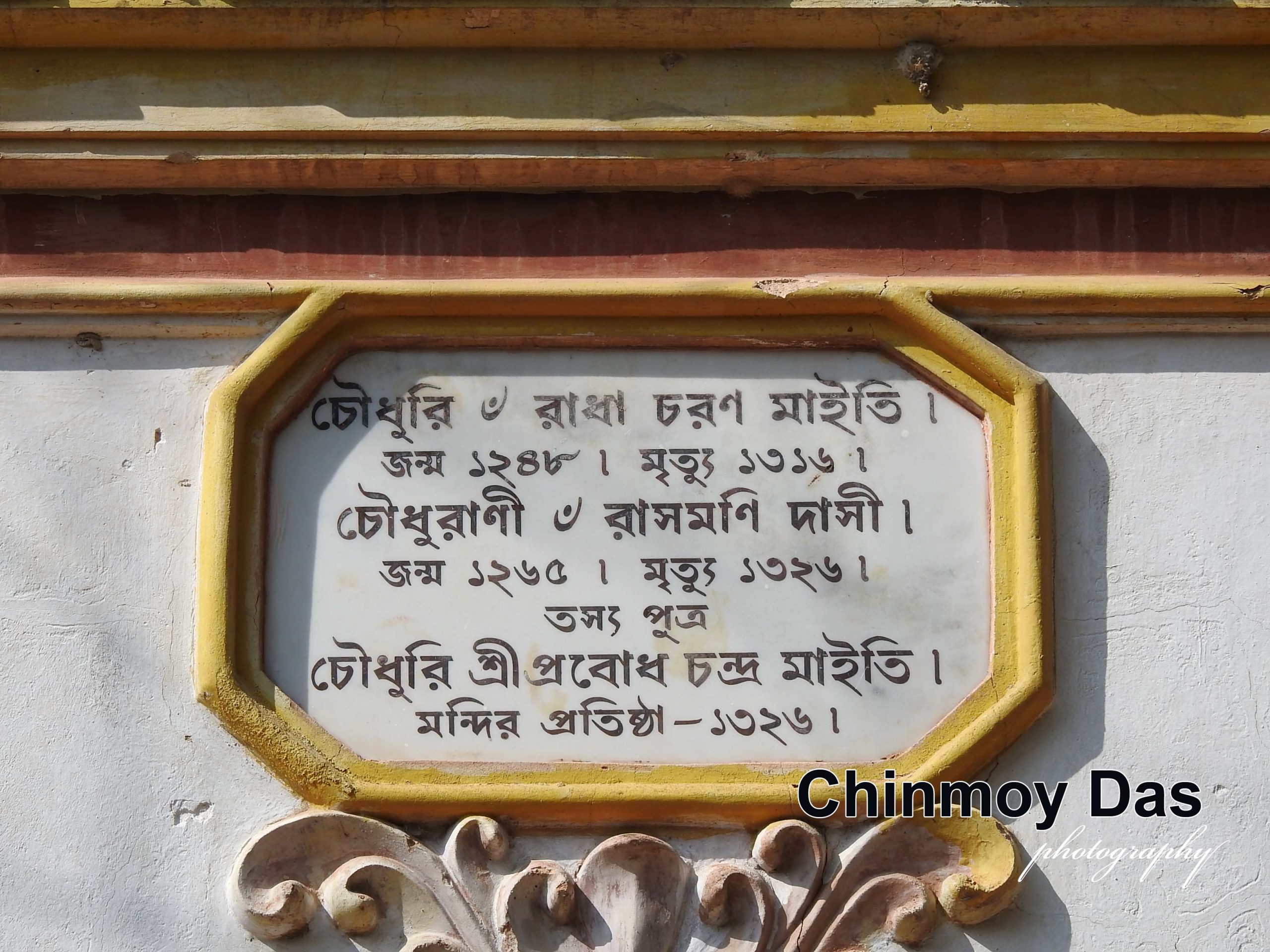
ভগবান চন্দ্রের অধস্তন কয়েক পুরুষ পরে, মাইতিবংশর জনৈক প্রবোধ চন্দ্র মাইতি এই মন্দিরটি প্রতিষ্ঠা করেন। সম্প্রতি শতবর্ষ আয়ু পূর্ণ হোল এটির। মন্দিরের দেওয়ালে লাগানো একটি ফলক থেকে জানা যায়, বাংলা ১৩২৬ সনে এটি প্রতিষ্ঠিত হয়েছিল। প্রবোধ চন্দ্রের পিতা চৌধুরী রাধাচরণ মাইতি তার ১০ বছর পূর্বে, ১৩১৬ সনে গত হয়েছিলেন। ১৩২৬ সনে তাঁর মাতৃদেবী চৌধুরানি রাসমণী দেবী গত হন। সেই বছরেই পিতা-মাতার স্মৃতিতে, প্রবোধ চন্দ্র মাইতি এই মন্দিরটি প্রতিষ্ঠা করেন।
আদিতে মাইতি বংশ ছিলেন শৈব। পূর্বকাল থেকে সিদ্ধেশ্বর শিবের বড় আকারের একটি এক-রত্ন মন্দির ছিল জমিদারদের। পরে চৈতন্যদেবের গৌড়ীয় বৈষ্ণবধর্মের প্রভাবে বৈষ্ণবধর্ম গ্রহণ করেন তাঁরা। প্রবোধচন্দ্রও মন্দির নির্মাণ করে, তাতে রঘুনাথ নামিত শালগ্রাম শিলাই প্রতিষ্ঠা করেছিলেন।
দালান রীতির পূর্বমুখী মন্দির। সারা পৃথিবীতে দালান-রীতির মন্দির প্রথম গড়া হয়েছিল গ্রীসের এথেন্স নগরীতে, জ্ঞানের দেবী এথেনা-র জন্য। ভারতবর্ষে প্রাচীনতম দালান-মন্দিরের স্বীকৃতি দেওয়া হয়েছে মধ্য প্রদেশের, সাঁচী স্তুপের পার্শ্ববর্তী, পাথরে নির্মিত একটি মন্দিরকে।
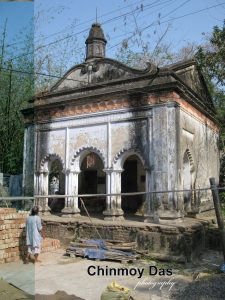
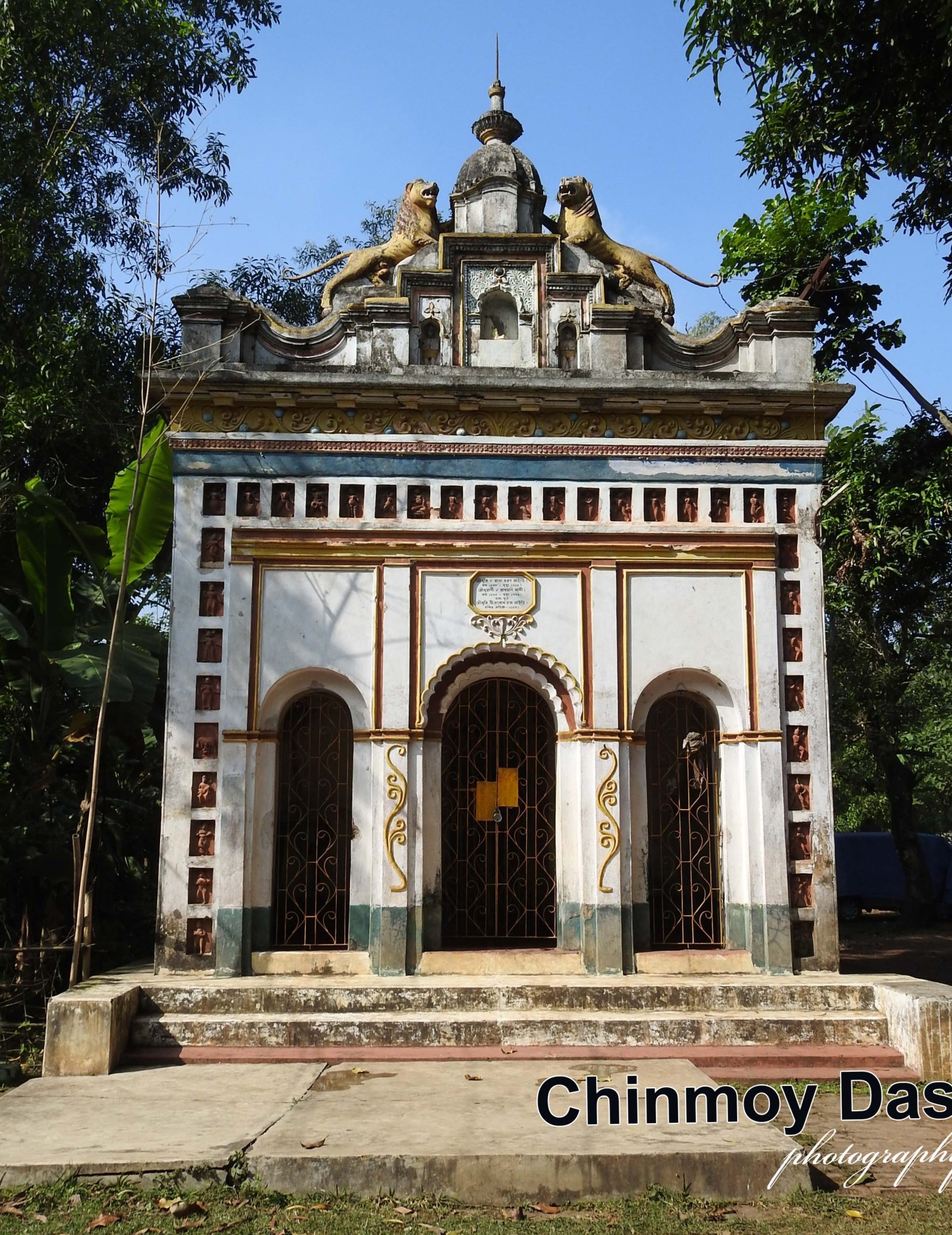
রামচন্দ্রের এই মন্দির ইটের তৈরি। সামনে তিন খিলানের দ্বারযুক্ত একটি অলিন্দ। তার পিছনে এক-দ্বারী গর্ভগৃহ। দুটিরই গড়ন আয়তাকার। মাথায় সমতল ছাদ। সেই ছাদের ভার বহন করছে সামনের স্তম্ভগুলি।
দালান রীতির সৌধ হলেও, মন্দিরের সামনের দেওয়ালের মাথায়, আলসের উপর, শীর্ষক নির্মিত হয়েছে। সেখানে পর পর বেঁকি, আমলক, কলস ও বিুষ্ণচক্র স্থাপিত।
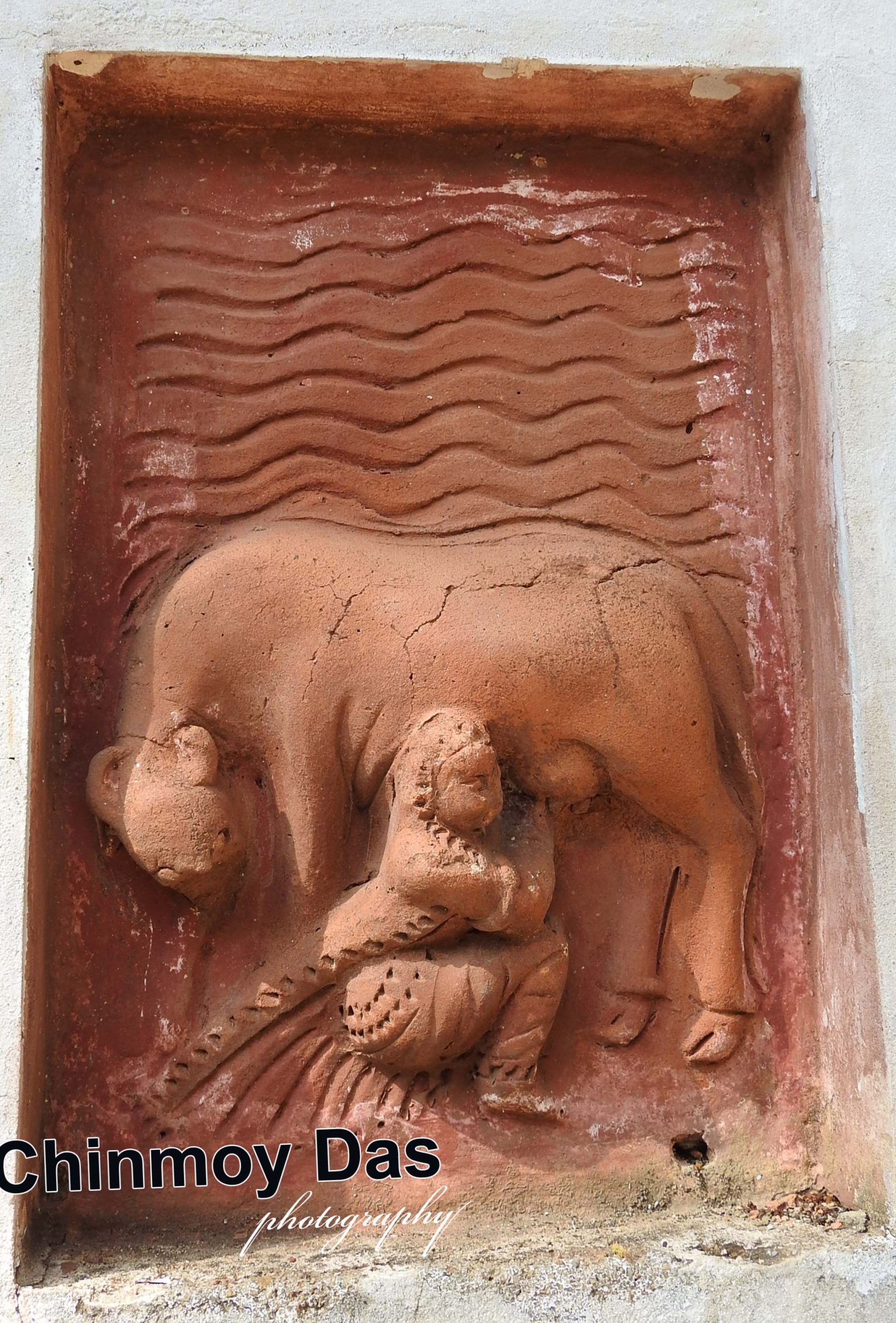
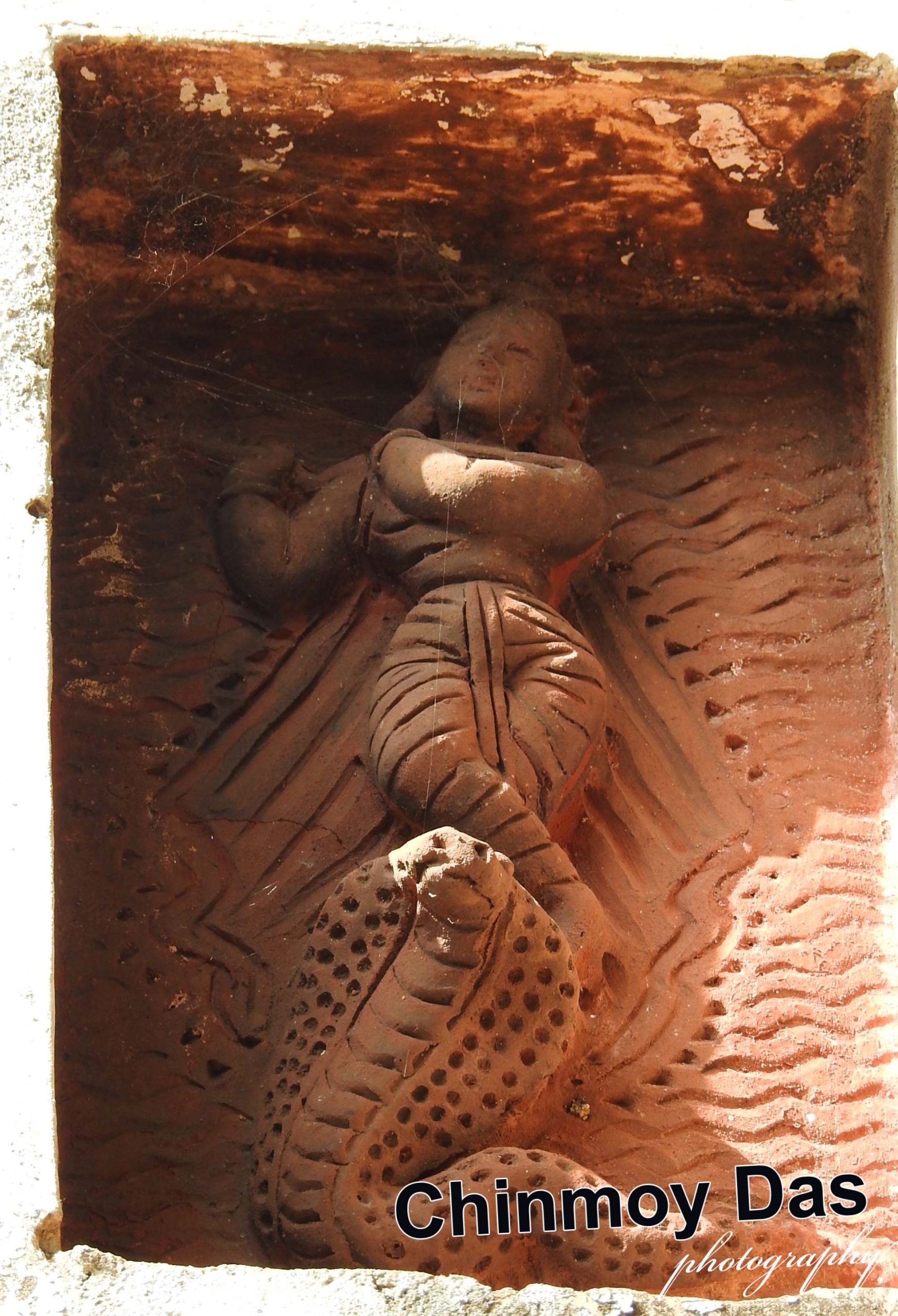
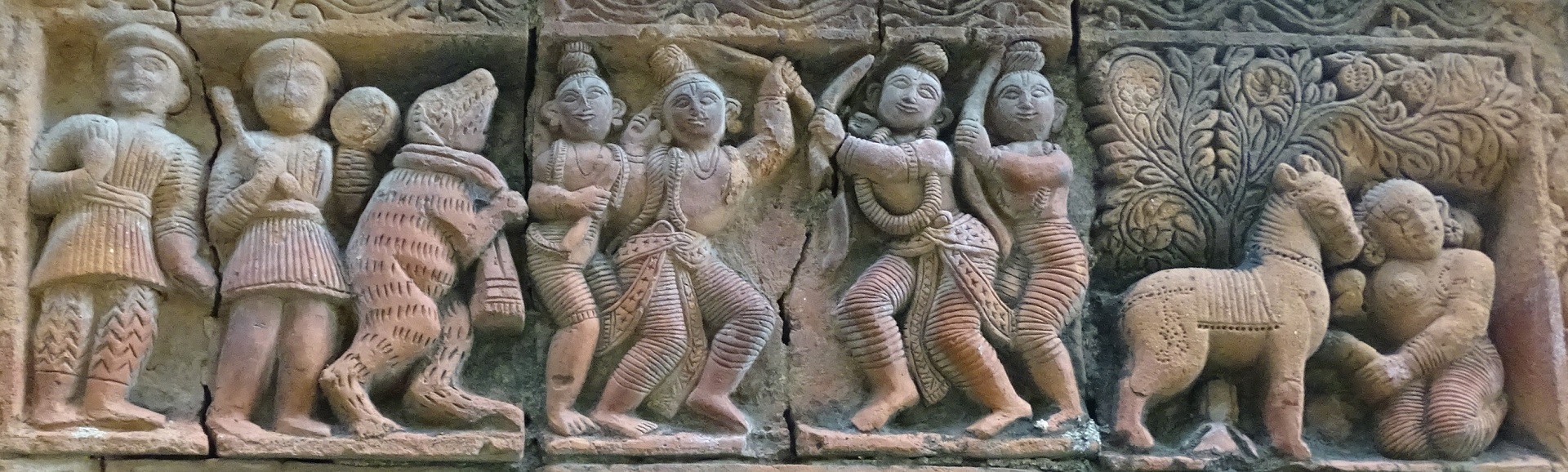
টেরাকোটা ফলকে অলংকৃত করা হয়েছিল মন্দিরটিকে। সামনের দেওয়ালটি ফলক দিয়ার মোড়া। কার্ণিশের নীচ বরাবর সমান্তরাল এক সারি এবং দু'দিকের কোণাচলগ্ন দুই সারিতে মোট ৩৬টি ফলক। ফলকগুলিতে মোটিফ হিসাবে বিুষ্ণর দশাবতার, কৃষ্ণের বাল্যলীলা ইত্যাদি পৌরাণিক বিষয়ই প্রধান। ফলকগুলির মধ্যে উল্লেখযোগ্য ফলক হোল-- মহাপ্রভুর একটি ষড়ভূজ মূর্তি। এছাড়া, সামাজিক বিষয়ের একটি ফলক আছে– গাভী দোহন।
Ramchandra Temple, Garh Haripur (Police Station: Dantan, Medinipur)
Chinmoy Das
Garh Haripur is a village situated in the southernmost region of the Medinipur district. There, a Zamindar (landlord) established a temple in memory of his parents. The landed estate of this family came into existence courtesy of the 'Permanent Settlement' system. In reality, the Zamindar Maiti family was engaged in the Zari (gold and silver thread) trade—a business that, while simply referred to as Zari, was in fact an enterprise of immense scale.
Much like other parts of India, the use of zari was a prevalent social custom in Bengal during earlier times. The esteem and application of zari were truly noteworthy. Fabrics embellished with zari were referred to as Jaripatta or Jaribastra. Much like the phrase "diamonds and jewels," the term "zari and jewels" (Zari-Jaharat) was also frequently heard. References to zari can be found in the works of Bengali poets such as Bharat Chandra, Hem Chandra, and Rangalal.
It was a time eleven or twelve generations ago. Having amassed wealth through the trade of gold and silver threads, a certain Bhagwan Chandra Maiti established a vast landed estate. He purchased the entire, sprawling Kakrajit Pargana—which corresponds to the present-day Dantan police station area. Later, the Maiti family was bestowed the title of 'Chowdhury' by the East India Company administration.
Several generations after Bhagwan Chandra, a member of the Maiti lineage named Probodh Chandra Maiti established this temple. It has recently completed a century of existence. An inscription plaque affixed to the temple wall reveals that it was established in the Bengali year 1326. Probodh Chandra's father, Chowdhury Radhacharan Maiti, had passed away ten years prior—in the year 1316. In the year 1326, his mother, Choudhurani Rasmani Devi, also passed away. That very year, in memory of his parents, Probodh Chandra Maiti established this temple.
Originally, the Maiti lineage were Shaivites. Since ancient times, the Zamindars possessed a large ek-ratna (single-pinnacled) temple dedicated to Siddheshwar Shiva. Later, under the influence of Chaitanyadev's Gaudiya Vaishnavism, they embraced the Vaishnava faith. Probodhchandra, too, constructed a temple and enshrined within it a Shaligram stone named Raghunath.It is an east-facing temple built in the Dalan architectural style. Globally, the Dalan style of temple architecture was first constructed in the city of Athens, Greece, for Athena—the Goddess of Wisdom.
This temple dedicated to Ramachandra is constructed of brick. In front lies a portico featuring a triple-arched entrance; situated behind it is a sanctum sanctorum with a single doorway. Both structures are rectangular in plan and surmounted by a flat roof. The weight of this roof is borne by the pillars positioned at the front.Although the edifice adheres to the Dalan architectural style, a finial has been constructed atop the parapet wall at the front of the temple. Arranged in succession at this location are the beki, amalaka, kalasha, and Vishnuchakra.
The temple was adorned with terracotta plaques. Its front wall is entirely clad in these plaques. There is a total of 36 plaques, aranged in a single horizontal row running just beneath the cornice, and in two vertical rows flanking the corners on either side. The motifs on these plaques primarily depict mythological themes, such as the Dashavatara (Ten Incarnations) of Vishnu and the childhood exploits (Balalila) of Krishna. Among these, a particularly noteworthy plaque features a six-armed image of Mahaprabhu. Additionally, there is one plaque depicting a social theme: the milking of a cow.