রাধাগোবিন্দ মন্দির, দক্ষিণ করকাই (থানা-- পিংলা, মেদিনীপুর)
চিন্ময় দাশ
'করকাই' নামে তিনটি গ্রাম আছে পিংলা থানায়-- করকাই (জে. এল. নং ১৩৮), করকাই বাটিটাকি (১৩৭) এবং করকাই বাটিটাকি ওরফে কড়াভাঙ্গা (৮১)। খান্দার পরগণার অধীন এই তিন গ্রামের দুটিতে দুটি দেবালয় গড়েছিলেন এক জমিদার। তারই একটি নিয়ে আমাদের আজকের প্রতিবেদন।
দেবালয়, দেবতার বিগ্রহ বা প্রতিষ্ঠার কথা বলবার আগে, প্রতিষ্ঠাতার কথাটি বলে নেব আমরা। দ্বাদশ থেকে ষোড়শ শতাব্দীর মাঝামাঝি পর্যন্ত—দীর্ঘ সাড়ে চারশ' বছর ওডিশার রাজাদের শাসনে ছিল মেদিনীপুর জেলার সিংহভাগ এলাকা। সেসময় ওডিশা থেকে বহু বনেদি ধনবান পরিবার বাংলার এই জেলায় চলে এসেছিলেন।
মেদিনীপুরের লাগোয়া বালেশ্বর জেলা থেকে তাম্বুলী জাতিভুক্ত এক বণিক এই জেলায় চলে আসেন। বণিকের নাম—ভিখারী রক্ষিত। কংসাবতী আর শিলাবতী—দুই নদীর অববাহিকা অঞ্চল চিরকাল উর্বর কৃষিভূমি হিসাবে পরিচিত। সমগ্র ঘাটাল মহকুমা, ডেবরা, পাঁশকুড়া ইত্যাদি-- বিশাল এলাকার অর্থনীতি কৃষিজ সম্পদ এবং তার বাণিজ্যে পরিপুষ্ট। কেদারকুণ্ড পরগণার (বর্তমান ডেবরা থানা) মলিঘাটি গ্রামে গিয়ে বসতি গড়েন ভিখারী।
তাঁর পুত্র দাতারাম রক্ষিত। পান, সুপারি, হরিতকি ইত্যাদির ব্যবসা গড়েছিলেন তিনি। কংসাবতী ও শিলাবতী তো ছিলই, তাছাড়াও, রূপনারায়ণ ও হুগলি নদীর সুবাদে, বহির্বাণিজ্যে যাতায়াতেরও সুবিধা হয়েছিল। ব্যবসার আরও বৃদ্ধির আশায়, মেদিনীপুর নগরীতে চলে আসেন ভিখারী।
দাতারামের পুত্র ছিলেন জন্মেঞ্জয়। পারিবারিক ব্যবসাটি ফুলে ফেঁপে উঠেছিল জন্মেঞ্জয়ের হাতে।
জন্মেঞ্জয় ছিলেন বিচক্ষণ মানুষ। লক্ষ্মী যে চিরকাল স্বভাব-চঞ্চলা ভালোই জানতেন। জানতেন, বেঁধে রাখতে হয় লক্ষ্মীকে। ব্যবসার অর্থে, বড়সড় একটি জমিদারী প্রতিষ্ঠা করেছিলেন তিনি। বড় আকারের প্রাসাদ গড়েছিলেন মেদিনীপুর শহরের বুকে। হাতিশালে হাতি, ঘোড়াশালে ঘোড়া, চার-চাকার জুড়িগাড়ি, কারুকাজ করা তাঞ্জাম— কত কিছুই ছিল তাঁর। তামাকু সেবন করতেন জমিদার-- গড়গড়াটি বানিয়েছিলেন সওয়া একসের সোনা দিয়ে। জন্মেঞ্জয়ের হাতে জমিদারি মহাল ছড়িয়েছিল মেদিনীপুর ছাড়াও ঘাটাল, সবং, পিংলা, পাঁশকুড়া, খড়্গপুর, মাদপুর, জকপুর ইত্যাদি এলাকায়।
জন্মেঞ্জয়ের সময়ে মেদিনীপুর জেলায় সবচেয়ে ধনী জমিদার ছিলেন ডেবরা থানার মলিঘাটির জমিদার ছকুৱাম চৌধুরী। জেলার শ্রেষ্ঠ রাজা হিসাবে গণ্য করে, জন্মেঞ্জয়কে " মল্লিক " উপাধি দিয়েছিলেন ছকুরাম। সেই থেকে কৌলিক " রক্ষিত " পদবি ত্যাগ করে, জন্মেঞ্জয়ের জমিদারবংশ " মল্লিক " পদবীতে পরিচিত হয়ে আছেন।
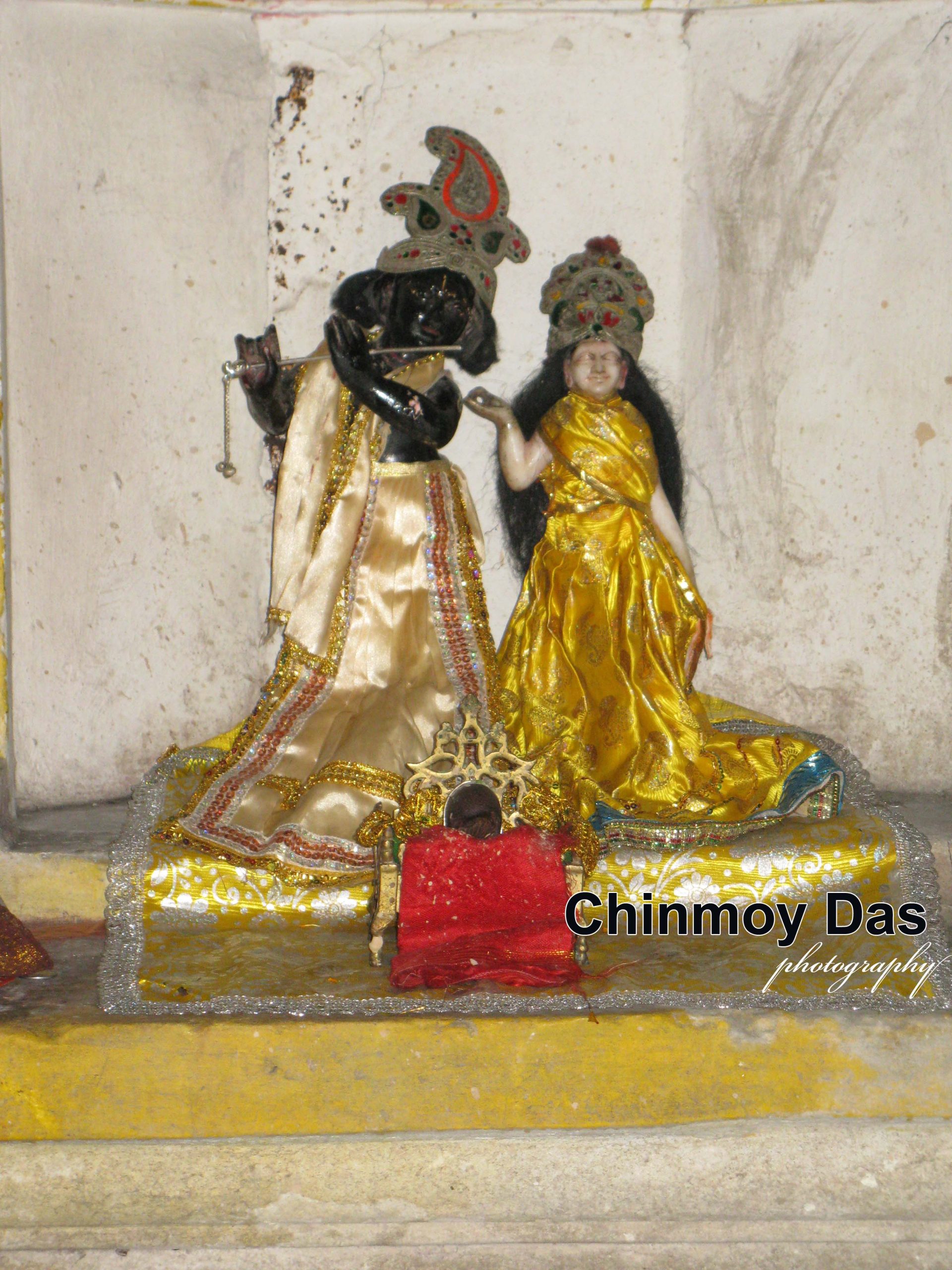
জমিদার জন্মেঞ্জয় ছিলেন পরম ধার্মিক। অনেকগুলি দেবালয় গড়েছিলেন নিজের সময়কালে। প্রাসাদের সামনে দ্বাদশ শিবালয় গড়েছিলেন। কিন্তু কুলদেবতা মেনেছিলেন শ্রীকৃষ্ণকে। প্রাসাদের ভিতরে মন্দির গড়ে, রাধাকান্ত নামে বিগ্রহ স্থাপন করেছিলেন। কেবল তা-ই নয়, প্রজাবর্গের সেবাপূজার জন্য, নিজের মহালের খান্দার পরগণায় করকাই গ্রামে দ্বিতীয় একটি মন্দির গড়ে দিয়েছিলেন রাধাকৃষ্ণের জন্য। জমিদারির আয়তন বড় হতে থাকলে, করকাই গ্রামেই একটি কাছারি স্থাপন করেন জন্মেঞ্জয়। কাছারির গায়েই দালান-রীতির এই মন্দিরটি গড়ে, রাধাগোবিন্দ নামের বিগ্রহ প্রতিষ্ঠা করেছিলেন।
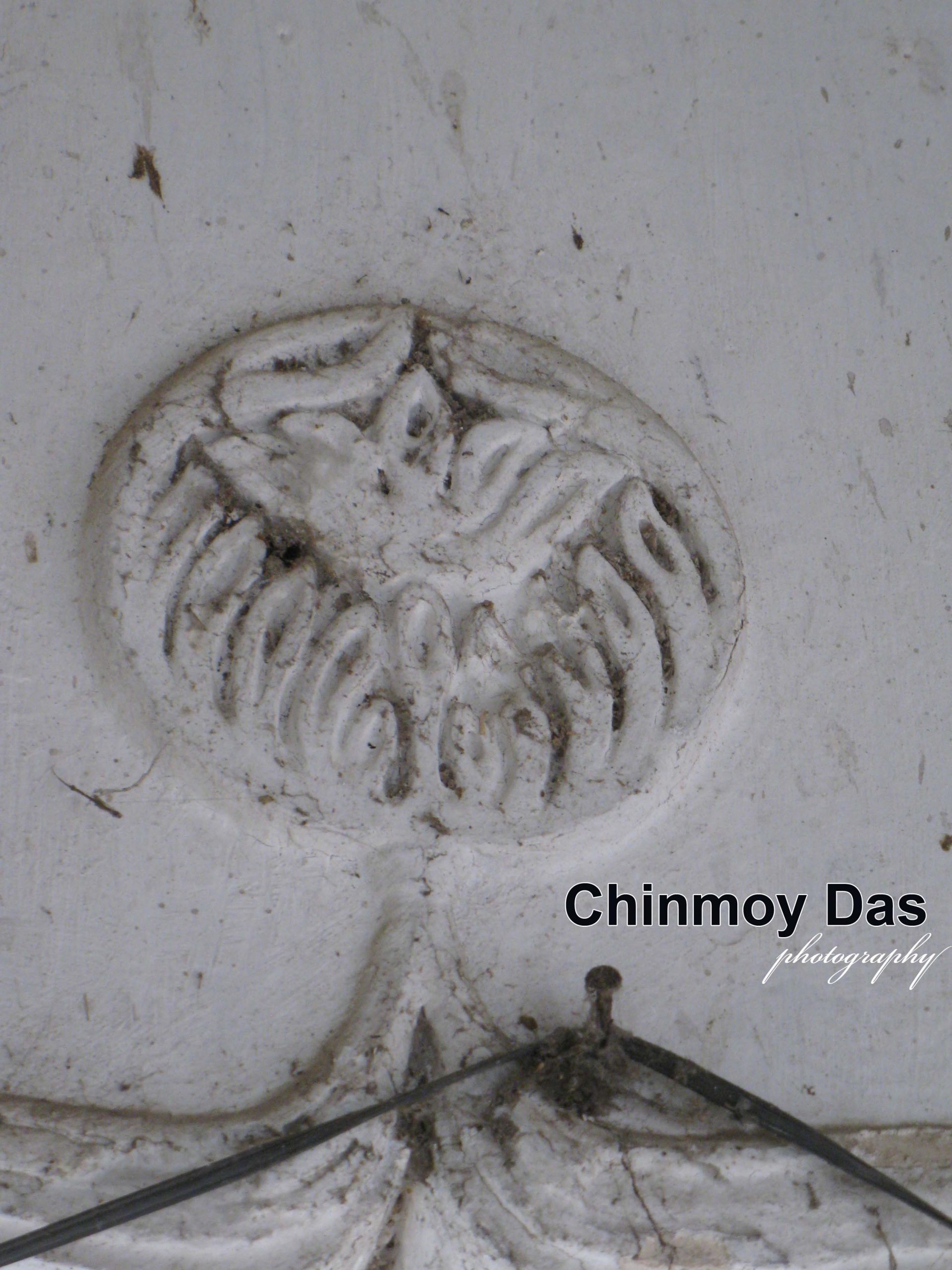
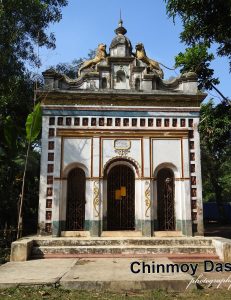
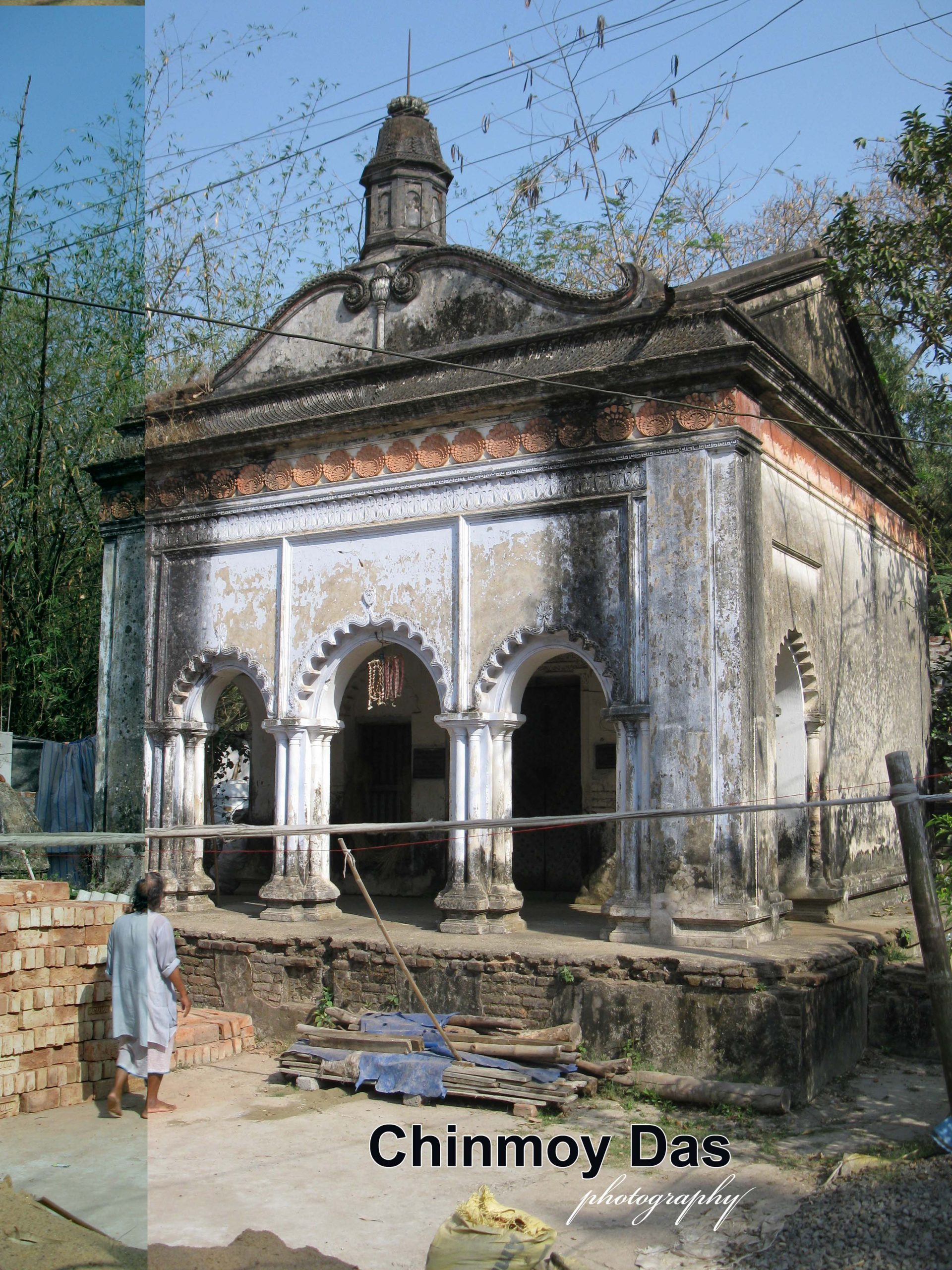
মন্দিরটি ইটের তৈরী, পূর্বমুখী। উঁচু পাদপীঠের উপর স্থাপিত দালান-রীতির মন্দির। ২ ফুট প্রশস্ত একটি প্রদক্ষিণ-পথ বেষ্টন করে আছে মন্দিরকে। পূর্ব-পশ্চিমে ২৪ ফুট এবং উত্তর-দক্ষিণে ২৫ ফুট বিস্তার দেবালয়টির, উচ্চতা ২০ ফুট।
সামনে ৮ ফুট প্রশস্ত একটি অলিন্দ। তাতে পূর্বদিকে তিনটি এবং উত্তর-দক্ষিণে একটি করে- - মোট ৫টি দ্বারপথ। গর্ভগৃহের ১টিই দ্বার। সবগুলি দ্বার খিলান-রীতিতে রচিত। থামগুলি গোলাকার গুচ্ছ-রীতির। কড়ি-বরগার ব্যবহার নাই। অলিন্দ এবং গর্ভগৃহের ভিতরের ছাদ বা সিলিং নির্মিত হয়েছে টানা-খিলান রীতিতে। তবে মাথার ছাদ সমতল। শীর্ষক অংশটি সামনের দেওয়ালের আলসের মাথায় রচিত। সেখানে স্তম্ভ নির্মাণ করে, তাতে আমলক এবং বিষ্ণুচক্র স্থাপিত হয়েছে।
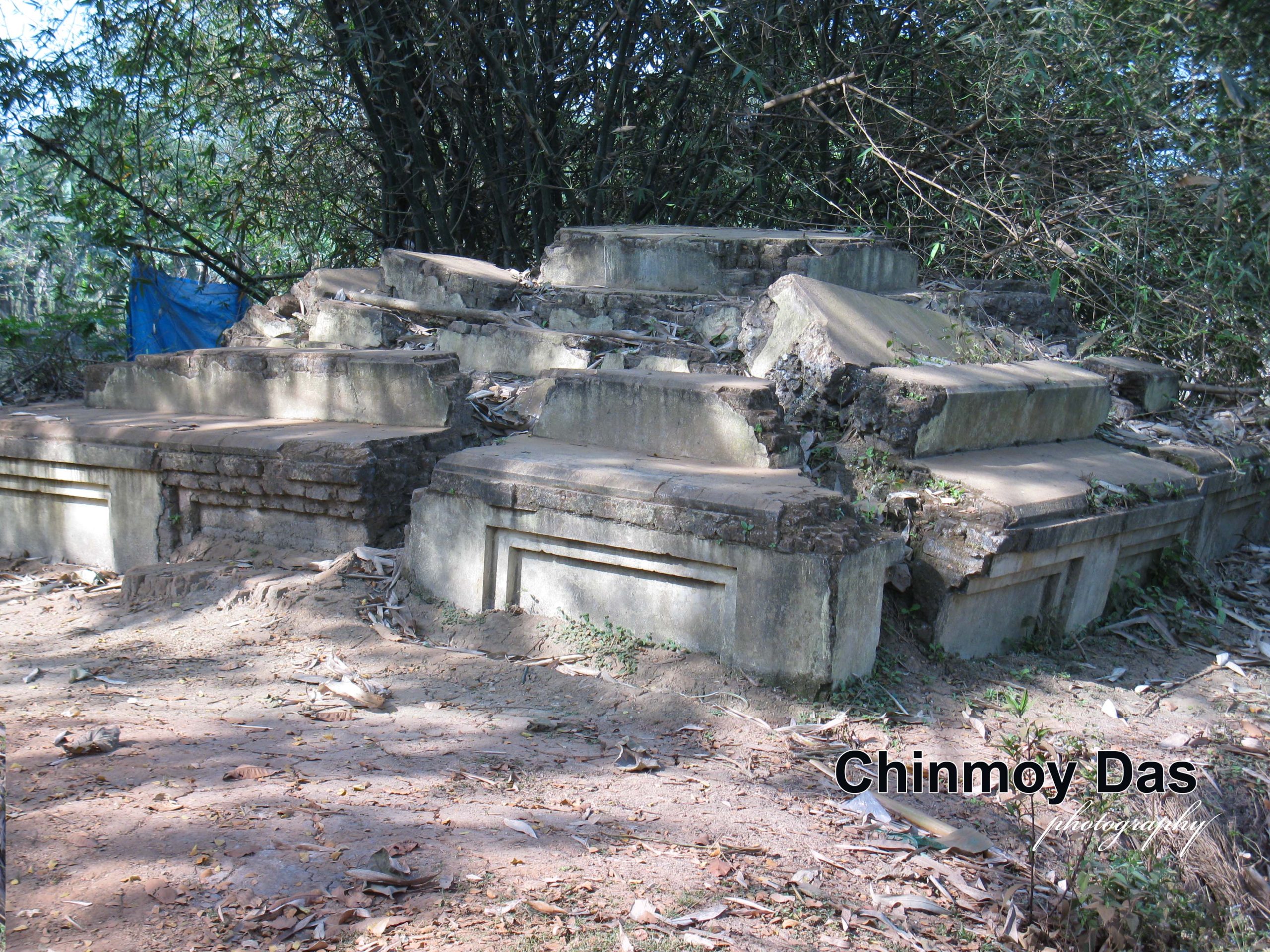
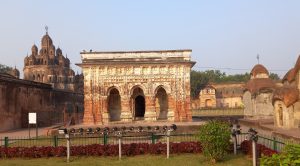
রাধাগোবিন্দের জন্য রাসউৎসবের প্রচলন করা হয়েছিল। নির্মিত হয়েছিল একটি বড় আকারের রাসমঞ্চ। আজ জমিদারী নাই বহুকাল। কাছারিবাড়িটি নিশ্চিহ্ন হয়ে গিয়েছে কবেই। কতকাল হোল, রাসমঞ্চটি ভাঙাচোরা, পরিত্যক্ত।
মন্দিরটির দেহেও জীর্ণতার ছাপ। পুরোহিত পরিবার আর গ্রামবাসীগণ দেবতার পূজাগুলি কোনও রকমে টিকিয়ে রেখেছেন। কিন্তু মন্দির বাঁচিয়ে রাখা তাঁদের সাধ্যে নাই।
Radhagobinda Temple, Dakshin Korkai (Pingla Police Station, Medinipur)
Chinmoy Das
There are three villages named Korkai within Pingla police station—Korkai (J.L. No. 138), Korkai Batitaki (J.L. No. 137), and Korkai Batitaki alias Karabhanga (J.L. No. 81). A zamindar constructed two temples in two of these villages, which fell under the Khandar Pargana. This article concerns one of those temples.
Before discussing the temple, the deity, or its establishment, it is necessary to speak about its founder. From the twelfth century until the middle of the sixteenth century—a period of nearly four and a half centuries—a large part of Medinipur district remained under the rule of the kings of Odisha. During that time, many affluent and aristocratic families migrated from Odisha to this district of Bengal.
A merchant belonging to the Tambuli community came to this district from the adjoining district of Balasore in Odisha. His name was Bhikhari Rakshit. The basin regions of the Kangsabati and Shilabati rivers have always been known for their fertile agricultural lands. The economy of the vast region comprising the entire Ghatal subdivision, Debra, Panskura, and adjoining areas flourished through agricultural produce and its trade. Bhikhari settled in the village of Malighati in Kedar Kund Pargana (present-day Debra police station).
His son was Dataram Rakshit, who developed a thriving trade in betel leaves, areca nuts, haritaki, and similar commodities. Besides the Kangsabati and Shilabati rivers, the Rupnarayan and Hooghly rivers also facilitated external trade and transportation. Hoping to expand his business further, Dataram moved to Medinipur town.
Dataram's son was Janmejaya. Under his stewardship, the family business prospered greatly.
Janmejaya was a prudent man. He understood well that the goddess of wealth, Lakshmi, is fickle by nature and must be firmly retained. Using the profits from trade, he established an extensive zamindari estate. He built a magnificent palace in Medinipur town. His establishment included elephants in the elephant stables, horses in the stables, four-wheeled carriages, and richly ornamented palanquins. The zamindar was fond of smoking tobacco and had a hookah made from one and a quarter seers of gold. Under Janmejaya's leadership, the zamindari expanded beyond Medinipur into Ghatal, Sabang, Pingla, Panskura, Kharagpur, Madpur, Jakpur, and many other areas.
At that time, the wealthiest zamindar in Medinipur district was Chakuram Chowdhury of Malighati in Debra. Recognizing Janmejaya as the foremost landlord of the district, Chakuram bestowed upon him the title "Mallik." From that time onward, Janmejaya's family abandoned their ancestral surname Rakshit and became known by the surname Mallik.
Zamindar Janmejaya was deeply religious. During his lifetime he built several temples. In front of his palace he established a complex of twelve Shiva shrines. However, he regarded Sri Krishna as his family deity. Within the palace grounds he built a temple and installed an image named Radhakanta. Not only that, for the religious service of his tenants, he also built a second temple dedicated to Radha-Krishna at Korkai village in Khandar Pargana, one of his estate holdings. As the zamindari continued to expand, Janmejaya established a kachari (estate office) at Korkai. Adjacent to this office he constructed the present hall-type (dalan) temple and installed the deity Radhagobinda.
The temple is built of brick and faces east. It is a dalan-style structure erected upon a high plinth. A circumambulatory passage, two feet wide, surrounds the temple. The shrine measures 24 feet from east to west and 25 feet from north to south, with a height of 20 feet.
At the front is an eight-foot-wide veranda. It contains three entrances on the eastern side and one entrance each on the northern and southern sides, making a total of five doorways. The sanctum (garbhagriha) has a single entrance. All the doorways are built in the arched style. The pillars are clustered and cylindrical in form. No beams or rafters have been used. The ceilings of both the veranda and the sanctum are constructed with continuous vaulting arches, although the roof above is flat. The crowning portion is built above the cornice of the front wall, where pillars support an amalaka and a Vishnu chakra.
A Rasa festival was instituted for Radhagobinda, and a large Rasa-manch (festival pavilion) was constructed for the purpose. Today the zamindari has long since disappeared. The estate office vanished many years ago. The Rasa-manch too has remained broken and abandoned for a long time.
The temple itself bears the marks of decay. The priestly family and the villagers have somehow managed to continue the worship of the deity, but preserving the temple itself is beyond their means.