শ্রীধর মন্দির, আলুই-রায়পাড়া (থানা-- ঘাটাল, মেদিনীপুর)
চিন্ময় দাশ
অজস্র মন্দিরের সমাবেশ ঘাটাল মহকুমা জুড়ে। অধিকাংশই নির্মিত হয়েছিল ইংরেজ আগমণের সামান্য আগে বা পরে। বর্তমানে তার কোনওটি টিকে আছে, কোনওটিবা ধুলিসাৎ হয়ে গিয়েছে। কেউবা সেই পথের পথিক । গ্রাম পরিক্রমার সময় চোখে পডে়, একটি বিশালাকার দীঘির পাডে়, নির্জনে নিরালায় সম্পূর্ণ ধংস হয়ে যাওয়ার দিন গুনছে একটি দেবালয়। সেই জীর্ণ মন্দিরের জার্নাল আজ এখানে।
প্রথমে মন্দির প্রতিষ্ঠার বিষয়টি দেখে নেওয়া যাক। ঘাটাল মহকুমায় চন্দ্রকোণা হোল বহু শতাব্দীর প্রাচীন এক নগরী। সেখানে খয়ের মল্ল বা আদিমল্লের হাতে মল্লেশ্বর মন্দিরটি নির্মিত হয়েছিল। তার পরবর্তীকালে কেতু রাজবংশ, ভান রাজবংশও মন্দির নির্মাণ করেছে সেখানে। সর্বশেষ রাজকীর্তি বর্ধমানের রাজপরিবারের। অন্যদিকে ঘাটাল এবং দাসপুর থানায় কয়েকটি রাজকীর্তি আছে, সেগুলি প্রধানত `বাংলার শিবাজী' হিসাবে পরিচিত রাজা শোভা সিংহের।
এগুলি বাদে ঘাটাল মহকুমার তিনটি থানার শত শত মন্দির নির্মিত হয়েছিল ইংরেজ এদেশে আসবার কিছুকাল আগে থেকে কিছুকাল পর পর্যন্ত। এর কারণ বা পশ্চাদপটটি সম্পর্কে কয়েকটি কথা বলা যেতে পারে। সমগ্র ঘাটাল মহকুমা অনেকগুলি নদীর জলধারায় পুষ্ট। রৃপনারায়ণ, কংসাবতী, শিলাবতী ছাড়াও রত্নাকর, কেঠে, আমোদর, পুরন্দর ইত্যাদি ছোট বড় আরও অনেকগুলি উপ-নদী এবং শাখা-নদীর সমাবেশ এই মহকুমায়। সেকারণে, সমগ্র মহকুমা জুডে় উর্বর কৃষিক্ষেত্র বিরাজমান। কৃষিজ সম্পদের উৎপাদন এবং বিপননে অর্থপুষ্ট হয়েছিল ঘাটাল। এর সাথে ছিল রেশম চাষ। উন্নত রেশম সুতা এবং রেশম বস্ত্রের উৎপাদনের জন্য খ্যাতি ছিল এই মহকুমার। দিল্লীর নবাব দরবার যেমন এখান থেকে রেশম বস্ত্র সংগ্রহ করত, ইউরোপের বিভিন্ন দেশেও, কদর ছিল এখানকার রেশমশিল্পের। আর্মেনিয়ান, ওলন্দাজ, ফরাসি, ইংরেজ বণিকগণ সরাসরি এখানে এসে কুঠি এবং সেরেস্তা গড়ে ব্যবসা করত। কৃষিজ সম্পদ এবং রেশমশিল্পের বাণিজ্য থেকে মহকুমা জুড়ে যেসব ধনী পরিবারের উদ্ভব হয়েছিল, তারা সকলেই বহু মন্দির নির্মাণ করেছিলেন।
ইংরেজ আসবার পর, নতুন করে আর একবার ঢেউ ওঠে জমিদারী প্রতিষ্ঠা এবং মন্দির নির্মাণে। ১৭৯৩ সালে লর্ড কর্ণওয়ালিশ `চিরস্থায়ী বন্দোবস্ত' প্রচলন করেন। তার সুবাদে, ছোট-বড় নানা মাপের জমিদারী প্রতিষ্ঠার সূচনা হয়। এই নব্য জমিদারেরা বহু দেবমন্দির নির্মাণ করেছিলেন।
কলকাতায় ব্যবসা-বাণিজ্য করে অর্থবান বা জমিদার হয়ে ওঠা পরিবারগুলির হাতেও বহুসংখ্যক মন্দির নির্মিত হয়েছিল এই জেলার পূর্বাঞ্চলের গ্রামগুলিতে, বিশেষত যেগুলি কলকাতার নিকটবর্তী। তেমনই একটি পরিবারের বসবাস ছিল ঘাটাল থানার পশ্চিম এলাকার আলুই গ্রামে। সেটি ছিল সদগোপ জাতিভুক্ত রায় পদবীর পরিবার। সেই পরিবারের যজ্ঞেশ্বর রায় এবং হীরালাল রায় নামিত দুই উদ্যমী পুরুষ কলকাতায় চলে যান ব্যবসার উদ্দেশ্য নিয়ে। সেখানে তাঁরা ছাতা ব্যবসায় আত্মনিয়োগ করেন। ছাতা তৈরির কারখানা স্থাপন করে যেমন উৎপাদন শুরু করেন, বিক্রয়ের জন্য দোকানও চালু করেন। ব্যবসায় সফল হতে বিলম্ব হয়নি তাঁদের। সেই সম্পদ থেকে রায় পরিবার ছোটখাটো একটি জমিদারীও প্রতিষ্ঠা করেছিল নিজেদের দেশবাড়িতে।
আলুই গ্রামের একেবারে উত্তর প্রান্ত ঘেঁষে বিশালাকার এক দীঘি। নাম– চাথরা। সেই দীঘির ঈশান কোণে ছিল রায় পরিবারের ভদ্রাসন। যজ্ঞেশ্বরের পিতা, সম্পন্ন কৃষক মাধবরাম রায়, তাঁদের কুলদেবতার জন্য ভদ্রাসনের সংলগ্ন করে একটি মন্দির প্রতিষ্ঠা করেছিলেন। সময় তখন ইংরাজি ১৮৮১ সাল। অর্থাৎ শ'দেডে়ক বছর হতে চলেছে মন্দিরটির আয়ুষ্কাল।
মহাপ্রভু চৈতন্যদবের আবির্ভাবের পর, গৌড়ীয় বৈষ্ণবধর্মের প্রভাবে রায় পরিবারও বিুষ্ণ আরাধনার প্রচলন করেছিল। শ্রীধরজীউ নামের শালগ্রাম মন্দিরে অধিষ্ঠিত। বর্তমানে রায়বংশ কলকাতার অধিবাসী। দেবতার সেবাপূজা বহাল আছে পুরোহিতের দায়িত্বে।
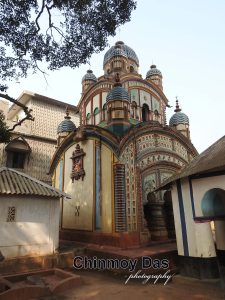
এবার দেখা যাক মন্দিরের স্থাপত্য-রীতিটি। ইটের তৈরি পূর্বমুখী মন্দির। আকৃতি সম্পূর্ণ বর্গাকার। দৈর্ঘ্য ও প্রস্থ উভয়ই ১৫ ফুট এবং মন্দিরের উচ্চতা আনুমানিক ৪০ ফুট। প্রতিষ্ঠাকাল সম্পর্কে অবগত হওয়া যায়, মন্দিরে লগ্ন মার্বেল পাথরে লিখিত দুটি লিপি থেকে। একটি লিপি আছে মন্দিরগাত্রে, অন্যটি আছে মন্দিরে উঠবার সিঁড়িতে। বানান এবং যতিচিহ্ন অপরিবর্তিত রেখে, দুটি লিপির বয়ান এরকম– ১. ``শ্রীশ্রী ঁসিধর জিউ / পরিচারক শ্রীমাধবচন্দ্র রায় / সন ১২৮৭ সাল ৩১ বৈসাখ''। ২. ``শ্রীমন্দির মাধব চন্দ্র রায় /সাং আলই সন ১২৮৭ সাল / ইং সন ১৮৮১ সাল তাং ৩১ বৈশাখ / বুধবার''।
অর্থাৎ ১৩৯ বছর পূর্বে মন্দিরটি প্রতিষ্ঠিত হয়েছিল। এখানে বলা যেতে পারে, আলুই গ্রামে হুবহু আরও একটি মন্দির আছে ভূঞ্যা পরিবারে। রাধা-দামোদরের সে মন্দিরটিও নবরত্ন-রীতির মন্দির। দুটি মন্দিরেই স্থপতি সূত্রধরের নাম লেখা নাই। পুরাবিদরা দুটি মন্দিরের স্থাপত্য বিশ্লেষণ করে দুটি মন্দির, একই নির্মাতার হাতের কাজ বলে অনুমান করেন।
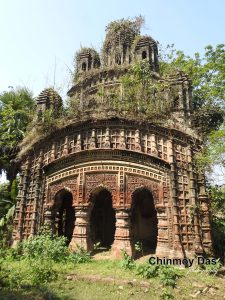
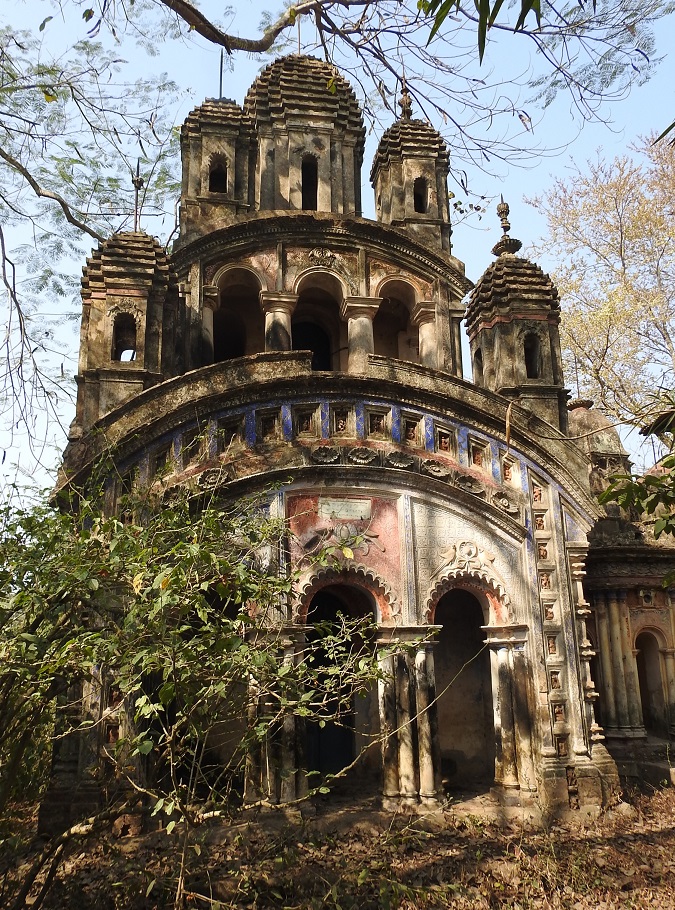
মন্দিরটির গঠন রত্ন-রীতির। এর রত্ন বা চুড়াগুলিতে কলিঙ্গধারায় `রথবিন্যাস' এবং `পীঢ়-রীতি'র প্রয়োগ দেখা যায়। ন'টি রত্নেরই বাঢ় এবং গণ্ডী অংশ জুডে় রথবিন্যাস করা। কোণের আটটি রত্নে ত্রি-রথ এবং কেন্দ্রীয় বড় রত্নটিতে পঞ্চ-রথ বিন্যাস করা। দেখা যায়, ন'টি রত্নেরই মাথার গণ্ডী অংশ ভূমির সমান্তরালে কতকগুলি থাক বা পীঢে় বিভক্ত। কেন্দ্রীয় রত্নে একাদশ-পীঢ় এবং অন্যগুলিতে পঞ্চ-পীঢ় বিন্যাস। রথবিন্যাস এবং পীঢ়-রীতির প্রয়োগ করা হয় মন্দিরে সৌন্দর্য বিধানের জন্য।
স্বল্পোচ্য পাদপীঠ অতিক্রম করলে প্রথমে একটি আয়তাকার অলিন্দ। তাতে প্রবেশের তিনটি খিলান-রীতির দ্বারপথ। অলিন্দ থেকে গর্ভগৃহে প্রবেশের দ্বারপথ একটিই। অলিন্দের ভিতরের ছাদ বা সিলিং নির্মিত হয়েছে টানা-খিলান করে। গর্ভগৃহের সিলিং চারটি ছোট পাশ-খিলানের উপর গম্বুজ স্থাপন করে নির্মিত। মন্দিরে দ্বিতলে উঠবার সিঁড়ি নির্মিত আছে।
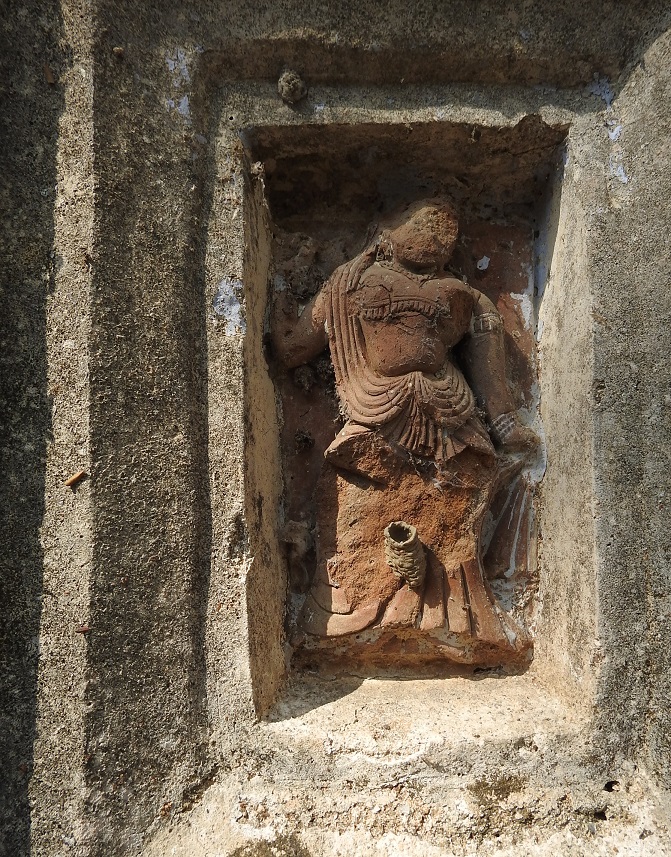
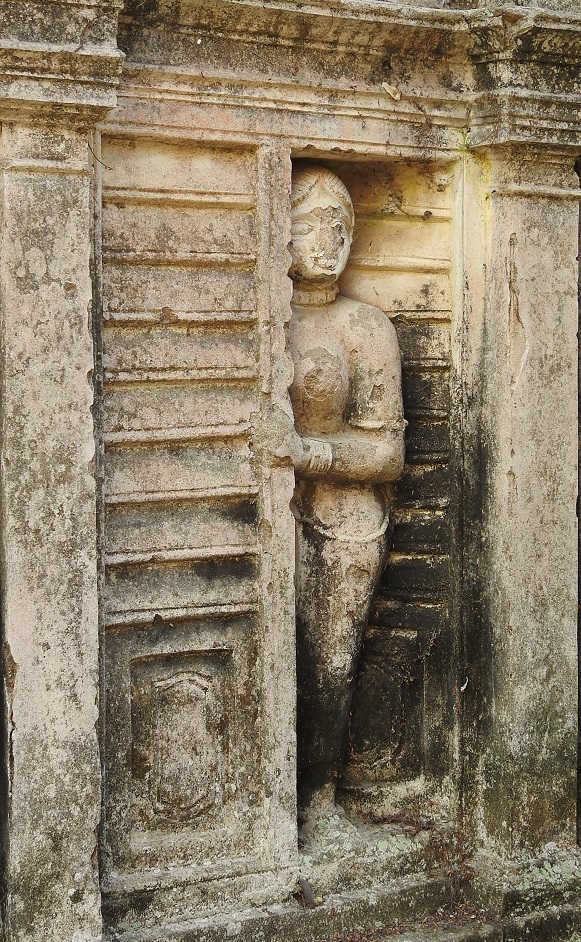
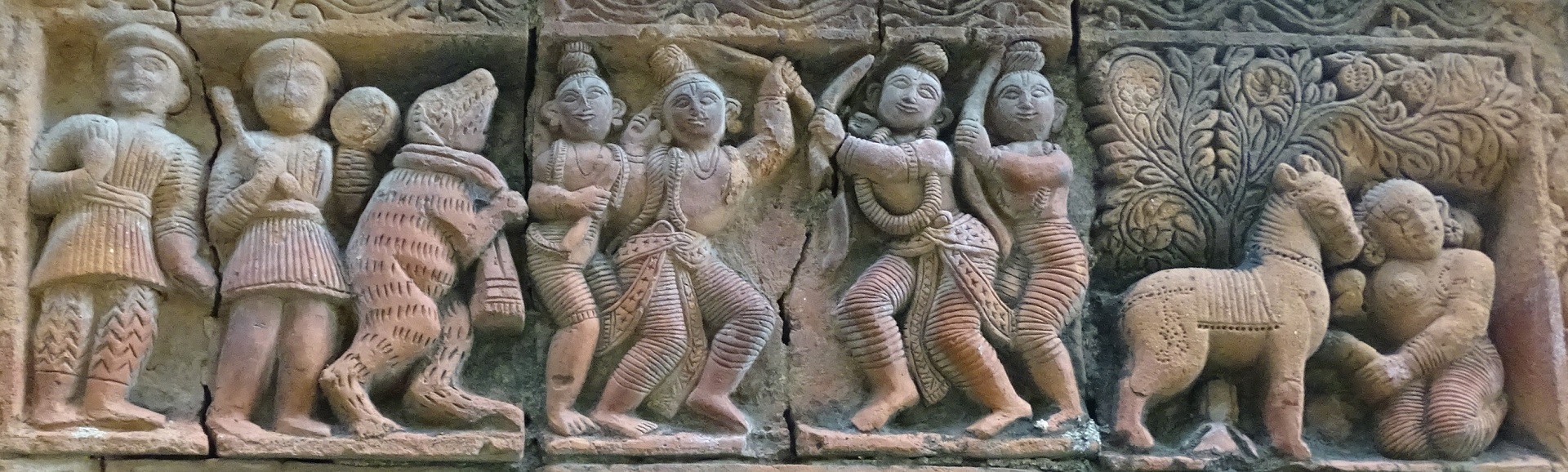
অলঙ্করণের কাজও কিছু দেখা যায় মন্দিরটিতে। ১. সামনের দেওয়ালে কার্ণিশের নীচ বরাবর এক সারি এবং দুই দিকের কোণাচে সংলগ্ন দুটি খাড়া সারিতে ছোট ছোট খোপে টেরাকোটা ফলক স্থাপিত ছিল। কালের আঘাত, দীর্ঘদিনের অযত্ন এবং বহিরাগতদের অত্যাচার– এই তিন আঘাতে তার অধিকাংশই বর্তমানে বিনষ্ট। ২. গর্ভগৃহের বাইরে উত্তরের দেওয়ালে একটি ভিনিশীয় রীতির অর্ধোন্মুক্ত দরজায় প্রতিক্ষারতা `দ্বারবর্তিনী' মূর্তি স্থাপিত। ৩. মন্দিররের দ্বিতলের উত্তরের দেওয়ালের প্রান্তদেশে স্তম্ভ সহ ভিনিশীয় রীতির দুই পাল্লা বিশিষ্ট `প্রতিকৃতি গবাক্ষ' রচিত আছে।
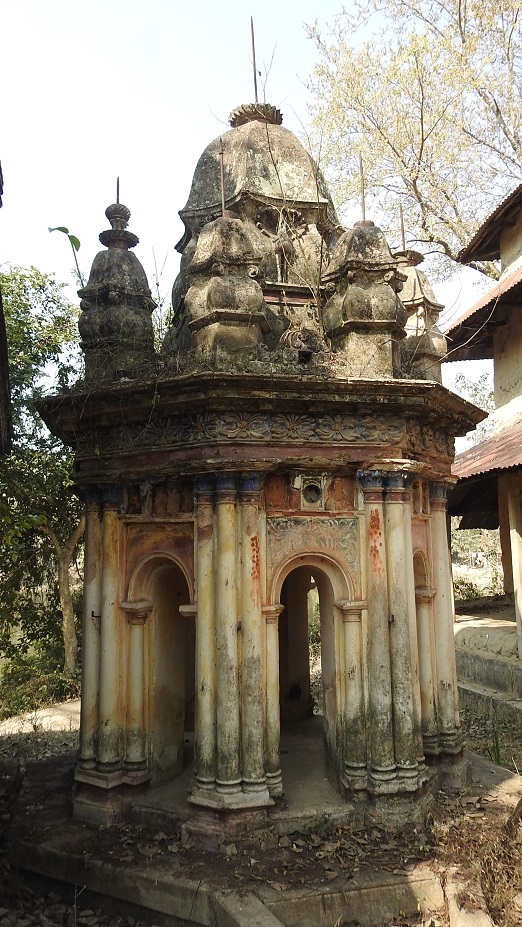
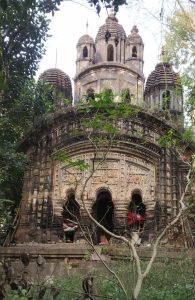
মন্দিরের সংলগ্ন করে একটি রাসমঞ্চ প্রতিষ্ঠা করা হয়েছিল। এটিও নব-রত্ন রীতির। আটটি স্তম্ভ এবং আটটি দ্বারপথ বিশিষ্ট এই সৌধের চুড়াগুলির গঠন `বেহারীরসুন' গোত্রের। প্রত্যেকটি দ্বারপথের মাথার উপরের অংশে টেরাকোটা ফলক যুক্ত করা হয়েছিল। সেগুলিরও অধিকাংশই বর্তমানে অবহেলা এবং অত্যাচারে বিনষ্ট। কোন লিপি নাই, তবে এটি মূল মন্দিরের সমসাময়িক কালের নির্মাণ বলে, অনুমান করা যায়।
Sridhar Temple, Alui-Raypara (Police Station: Ghatal, Medinipur)
Chinmoy Das
The Ghatal subdivision is home to a multitude of temples. Most of them were constructed shortly before or after the arrival of the British. Today, while some of these structures still stand, others have crumbled into dust; still others are well on their way to meeting the same fate. During a tour of the villages, one’s eye is caught by a shrine—situated in utter seclusion on the banks of a vast pond—quietly counting down its final days before complete ruin. Presented here today is a chronicle of that dilapidated temple.
Let us first examine the matter of temple establishment. Chandrakona, located in the Ghatal subdivision, is a city with a history spanning many centuries. It was there that the Malleshwar Temple was constructed by Khayer Malla—also known as Adimalla. Subsequently, the Ketu and Bhan dynasties also undertook temple-building projects in the region. The most recent royal architectural contribution comes from the Royal Family of Bardhaman. On the other hand, the Ghatal and Daspur police station areas house several royal monuments, primarily those of Raja Shobha Singh—widely renowned as the "Shivaji of Bengal."Apart from these, hundreds of temples were constructed across the three police station areas of the Ghatal subdivision during a period spanning from shortly before the arrival of the British in this land to shortly after it. A few words may be offered regarding the reasons or the historical context behind this phenomenon. The entire Ghatal subdivision is nourished by the waters of numerous rivers. In addition to the Rupnarayan, Kansabati, and Shilabati, the subdivision is home to a confluence of many other tributaries and distributaries—both large and small—such as the Ratnakar, Ketey, Amodar, and Purandar. Consequently, fertile agricultural lands abound throughout the entire subdivision. Ghatal grew economically prosperous through the production and marketing of its agricultural resources. Alongside this, there was sericulture. This subdivision was renowned for the production of high-quality silk yarn and silk fabrics. Just as the Nawab's court in Delhi procured silk textiles from this region, its silk industry was equally prized across various European nations. Armenian, Dutch, French, and English merchants would come here directly to establish trading posts and administrative offices to conduct business. The wealthy families that emerged throughout the subdivision—amassing their fortunes from agricultural resources and the silk trade—all went on to construct numerous temples. Following the arrival of the British, a fresh wave of activity emerged regarding the establishment of *Zamindaris* and the construction of temples. In 1793, Lord Cornwallis introduced the 'Permanent Settlement.' Under this system, the establishment of *Zamindaris*—ranging in scale from small to large—began in earnest. These newly emerged *Zamindars* constructed numerous temples.Furthermore, a significant number of temples were built in the villages of the district's eastern region—particularly those situated in close proximity to Kolkata—by families who had amassed wealth or attained the status of *Zamindars* through trade and commerce in the city.One such family resided in the village of Alui, located in the western part of the Ghatal police station area. It was a family bearing the surname 'Roy' and belonging to the Sadgop community. Two enterprising men from this family—named Yajneshwar Roy and Hiralal Roy—moved to Kolkata with the intention of pursuing a business venture. There, they dedicated themselves to the umbrella trade. They established a factory to manufacture umbrellas and, simultaneously, opened retail outlets for their sale. It did not take them long to achieve success in their business. Leveraging the wealth generated from this enterprise, the Roy family eventually established a modest *Zamindari* (landed estate) back in their ancestral homeland.Flanking the northernmost edge of Alui village lies a vast reservoir—known as Chathra. Situated in the northeastern corner of this reservoir stood the ancestral homestead of the Roy family. Yogyeshwar’s father—Madhabram Roy, a prosperous farmer—had established a temple dedicated to their family deity, built adjacent to this very homestead. The year was 1881. In other words, the temple has now stood for nearly a century and a half.Following the advent of Mahaprabhu Chaitanyadev, and under the influence of Gaudiya Vaishnavism, the Roy family, too, adopted the practice of worshipping Lord Vishnu. A Shaligram deity, known as Sridharjiu, is enshrined within the temple.Currently, the Ray family resides in Kolkata. The worship and service of the deity continue under the care of a priest.Let us now examine the architectural style of the temple. It is an east-facing structure constructed of brick. Its ground plan is perfectly square; both its length and width measure 15 feet, and the temple stands approximately 40 feet tall. The date of its establishment can be ascertained from two inscriptions engraved on marble plaques affixed to the temple—one located on the temple wall, and the other on the flight of steps leading up to the shrine. Preserving the original spelling and punctuation, the text of the two inscriptions reads as follows:
1. ``Śrīśrī m̐sidhara ji'u/ paricāraka śrīmādhabacandra rāẏa/ sana 1287 sāla 31 baisākha''. 2. ``Śrīmandira mādhaba candra rāẏa/sāṁ āla'i sana 1287 sāla/ iṁ sana 1881 sāla tāṁ 31 baiśākha/ budhabāra''.
In other words, the temple was established 139 years ago. It is worth noting here that there exists an exact replica of this temple in the village of Alui, belonging to the Bhuiyan family. That temple—dedicated to Radha-Damodar—is also constructed in the *Nava-ratna* architectural style. The names of the architects or master builders (*Sutradhars*) are not inscribed on either of the two temples. However, after analyzing the architecture of both structures, antiquarians surmise that both temples are the work of the same builder.The temple is constructed in the *Ratna* architectural style. Its *Ratnas* (pinnacles) exhibit the application of *Ratha* articulation and the *Piḍha* style, characteristic of the Kalinga tradition. *Ratha* articulation is applied across both the *Bāḍa* and *Gaṇḍi* sections of all nine pinnacles. The eight corner pinnacles feature a *Tri-ratha* configuration, while the large central pinnacle displays a *Pancha-ratha* configuration. It is observed that the upper *Gaṇḍi* sections of all nine pinnacles are horizontally segmented into a series of tiers or *Piḍhas*. The central pinnacle features an *Ekādaśa-piḍha* (eleven-tiered) arrangement, whereas the others follow a *Pancha-piḍha* (five-tiered) arrangement. The application of *Ratha* articulation and the *Piḍha* style serves to enhance the aesthetic beauty of the temple.Upon crossing the low-height plinth, one first encounters a rectangular vestibule. It features three arched doorways for entry. From the vestibule, there is a single doorway leading into the sanctum sanctorum. The interior ceiling of the vestibule is constructed using a continuous barrel vault. The ceiling of the sanctum is formed by resting a dome upon four small side arches. The temple also features a staircase leading up to the second floor.Traces of decorative work are also visible on the temple. 1. Terracotta plaques were originally set within small niches—arranged in a single row running beneath the cornice on the front wall, and in two vertical rows situated at the corners on either side. However, due to the ravages of time, prolonged neglect, and acts of vandalism by outsiders, the majority of these plaques have now been destroyed. 2. On the northern exterior wall of the sanctum sanctorum, a figure of a 'Dwaravartini' (female door-guardian)—depicted in a posture of anticipation—is positioned within a half-open doorway executed in the Venetian style. 3. At the northern extremity of the temple's second-story wall, a two-leaved "decorative window"—flanked by columns and executed in the Venetian style—has been constructed. A *Rasamancha* was established adjacent to the temple; this structure, too, adheres to the *Nava-ratna* architectural style. Featuring eight columns and eight doorways, the pinnacles of this edifice are fashioned in the *Beharirsun* style. Terracotta plaques were affixed to the lintels above each of the doorways; however, the majority of these have now been destroyed due to neglect and vandalism.Although there is no inscription, it can be presumed to be a construction contemporaneous with the main temple.