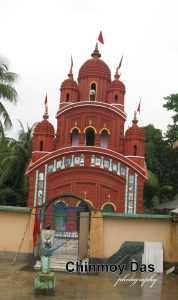
শ্রীধর মন্দির, চমকা (থানা-- খড়গপুর, মেদিনীপুর)
চিন্ময় দাশ
একদিকে পুণ্যতোয়া চিরপ্রবাহিনী গঙ্গা, অন্যদিকে ভারতের অন্যতম প্রাচীন রাজপথ গ্র্যান্ড ট্রাঙ্ক রোড। এই দুইয়ের মাঝখানে হুগলি জেলার প্রাচীন জনপদ বলাগড়। অযোধ্যারাম নাগ নামে এক বণিকের বাস ছিল সেখানে। ভাগ্যসন্ধানে বেরিয়ে পশ্চিমমুখে এগোতে শুরু করেছিলেন তিনি। শ'দেড়েক মাইল পথ উজিয়ে এসে থেমেছিলেন খান্দার পরগণার (মেদিনীপুর জেলার খড়গপুর নগরীর অদূরে) চমকা নামের এক গ্রামে।
অযোধ্যারাম এসেছিলেন "নন্দ কাপাসিয়ার জাঙ্গাল" নামে সেকালের আর এক প্রাচীন পথ ধরে। 'নন্দ' নামের কার্পাস তুলার এক ব্যবসায়ী তীর্থদর্শনে পুরীধাম যাত্রীদের জন্য পথটি নির্মাণ করে দিয়েছিলেন। নতুন এলাকায় এসে, তুলোর ব্যবসাই শুরু করেছিলেন অযোধ্যারাম। কার্পাস তুলোর ব্যবসাতে হাত দিয়েই, তাঁরও বিস্তর লক্ষ্মীলাভ হল। দেখতে দেখতে বিপুল সম্পদের মালিক হয়ে উঠেছিলেন।
অষ্টাদশ শতাব্দীর মাঝামাঝি সময় তখন। বড়লাট কর্নওয়ালিসের 'চিরস্থায়ী বন্দোবস্ত' আইন প্রচলিত হয়েছে বছর ৫০ আগে। তার সুবাদে বহু ধনবান ব্যক্তি নতুন নতুন জমিদারী প্রতিষ্ঠা করছেন। ব্যবসার অর্থে অযোধ্যারামও বড়সড় একটি জমিদারী প্রতিষ্ঠা করলেন। বিসতৃত এলাকা নিয়ে গড়া বস্তুর ভিতর বিশাল দীঘি আর চকমিলানো প্রাসাদ গড়লেন বসবাসের জন্য।
জেলা জুড়ে চৈতন্যদেবের গৌড়ীয় বৈষ্ণব ধর্মের প্লাবন চলেছে তখন। সেই প্রভাবে, অযোধ্যারামও বিষ্ণুকেই গ্রহণ করলেন আরাধনার জন্য। কোনও মূর্তি নয়, শ্রীধরজীউ নামিত শালগ্রাম শিলা প্রতিষ্ঠা করলেন বিগ্রহ হিসাবে।
সেকালে মেদিনীপুর জেলায় সেরা সূত্রধর ছিলেন ঠাকুরদাস শীল। নিবাস দাসপুর গ্রাম। মেদিনীপুর জেলার সূত্রধর সমাজের শিরোমণি তিনি। রাজা-জমিদাররা নাম লিখিয়ে রাখতেন ঠাকুরদাসকে দিয়ে মন্দির গড়াবার জন্য। তাঁকেই নির্বাচন করেছিলেন স্থপতি হিসাবে।
দেখতে দেখতে বিশাল আকারের নব-রত্ন মন্দির গড়ে উঠল ঠাকুরদাসের হাতে। ঠাকুরদাস তাঁর জীবনে যতগুলি মন্দির গড়েছেন, চমকা গ্রামে অযোধ্যারাম নাগ-এর শ্রীধর মন্দিরটি তার মধ্যে শ্রেষ্ঠ।
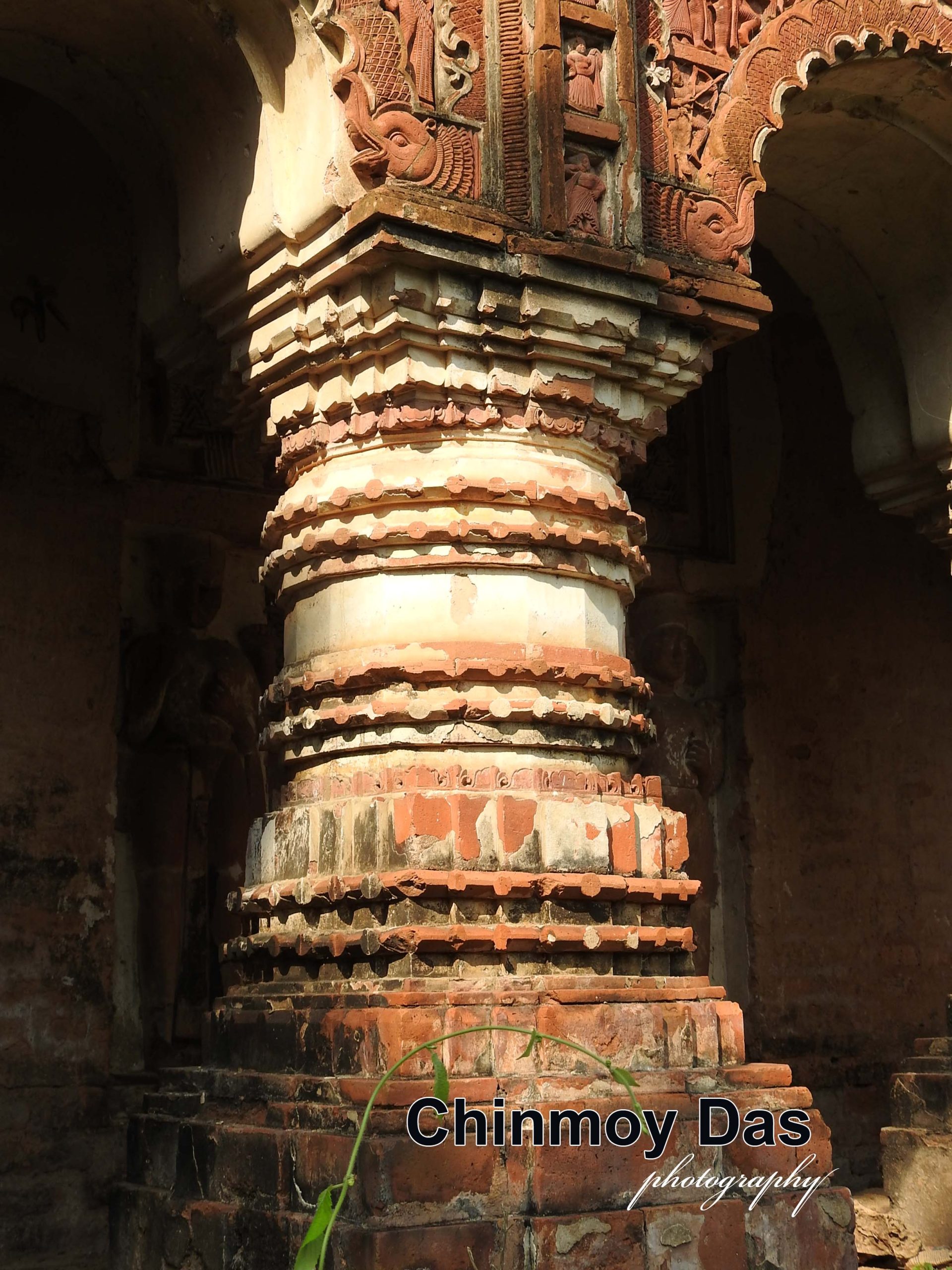
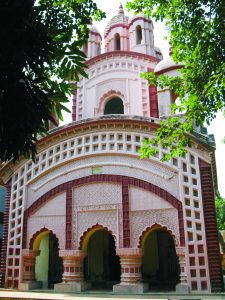
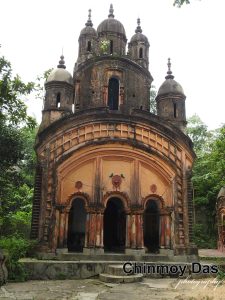
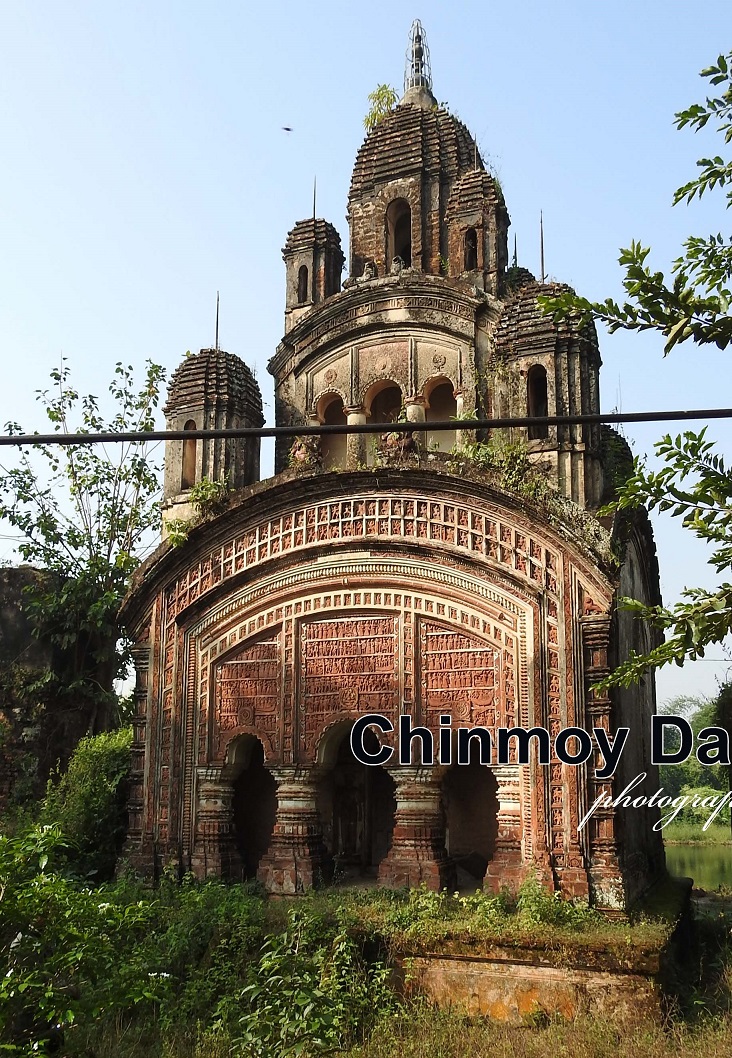
ইটের তৈরী পূর্বমুখী তিন তলা বিশিষ্ট নব-রত্ন মন্দির। ভিত্তিবেদীটি উঁচু। বর্গাকার মন্দিরের দৈর্ঘ্য-প্রস্থ সাড়ে ২১ ফুট, উচ্চতা প্রায় ৫০ ফুট। তিনটি তলেই সামনে অলিন্দ। নীচতলার অলিন্দে 'দরুণ' রীতির খিলান যুক্ত তিনটি দ্বারপথ। থামগুলি 'ইমারতি' রীতির। গৰ্ভগৃহে একটিই দ্বারপথ। গর্ভগৃহ থেকে একেবারে ত্রিতল পর্যন্ত সিঁড়ি রচিত আছে।
কার্ণিশের নীচ বরাবর একটি প্রতিষ্ঠা-লিপি আছে মন্দিরে। তার হুবহু বয়ান-- " শ্রীশ্রীসৃধর জয়তি / আরব্ধ সকাব্দা ১৭৭৮ সন ১২৬৩ সাল / ৮ বৈশাখ ষুক্রবার-কৃত -- শ্রীযুক্ত /অযোধ্যারাম নাগ মিস্ত্রী ঠাকুরদাষ সিল মিস্ত্রী গোপাল চন্দ সাং দাসপুর।।" অর্থাৎ ইং ১৮৫৬ সালে মন্দিরটি নির্মিত হয়েছিল।
মন্দিরের ন'টি রত্নই কলিঙ্গধারায় রথপগ বিন্যাস ও পীঢ় বিভাজন করা। দ্বিতলের চারটি রত্নে ত্রি-রথ এবং বাকি পাঁচটি রত্নে পঞ্চ-রথ বিন্যাস করা। ন'টি রত্নের গন্ডী অংশ ভূমির সমান্তরালে পীঢ় ভাগ করা। তাতে অপার সৌন্দর্য ফুটে উঠেছিল মন্দিরে।
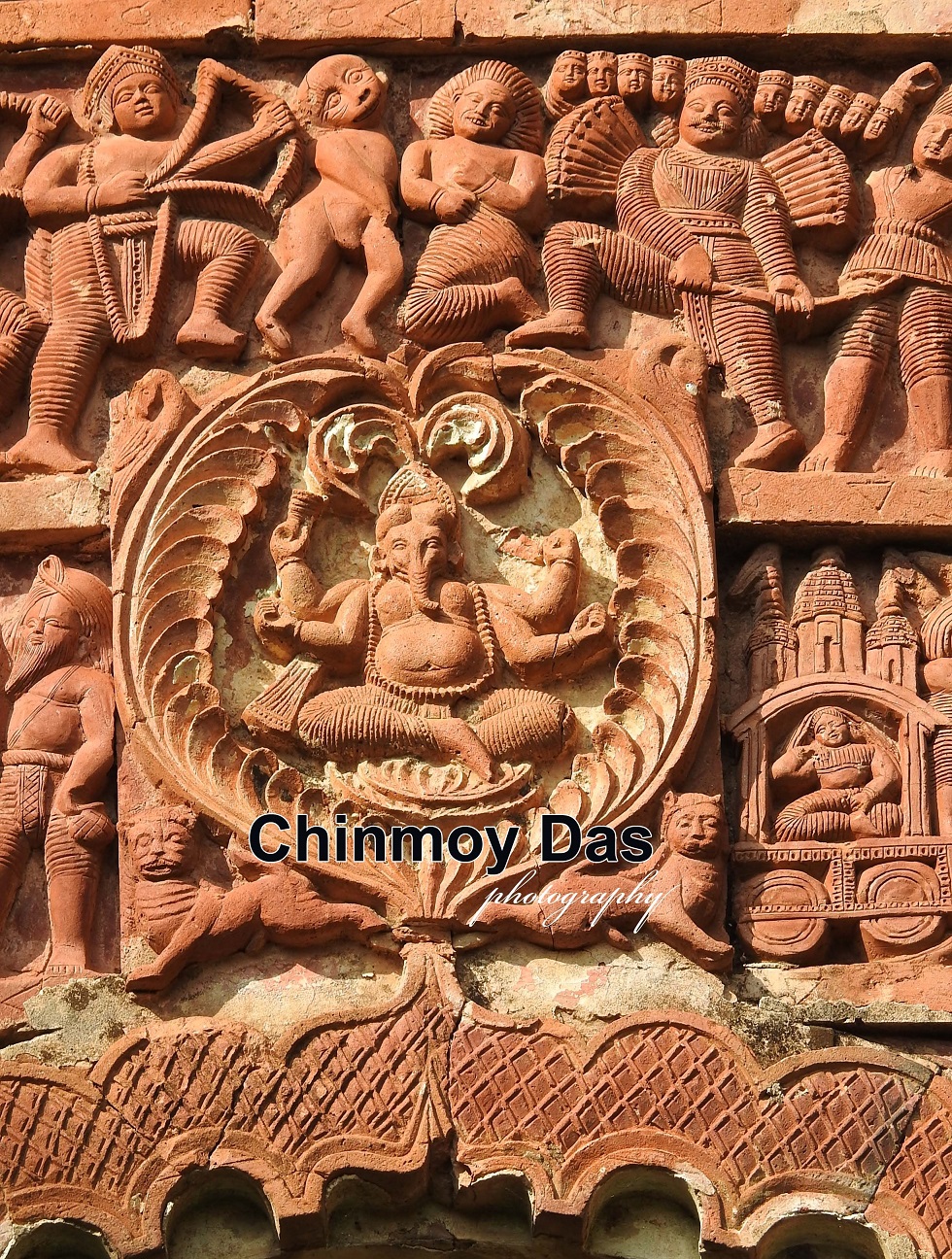
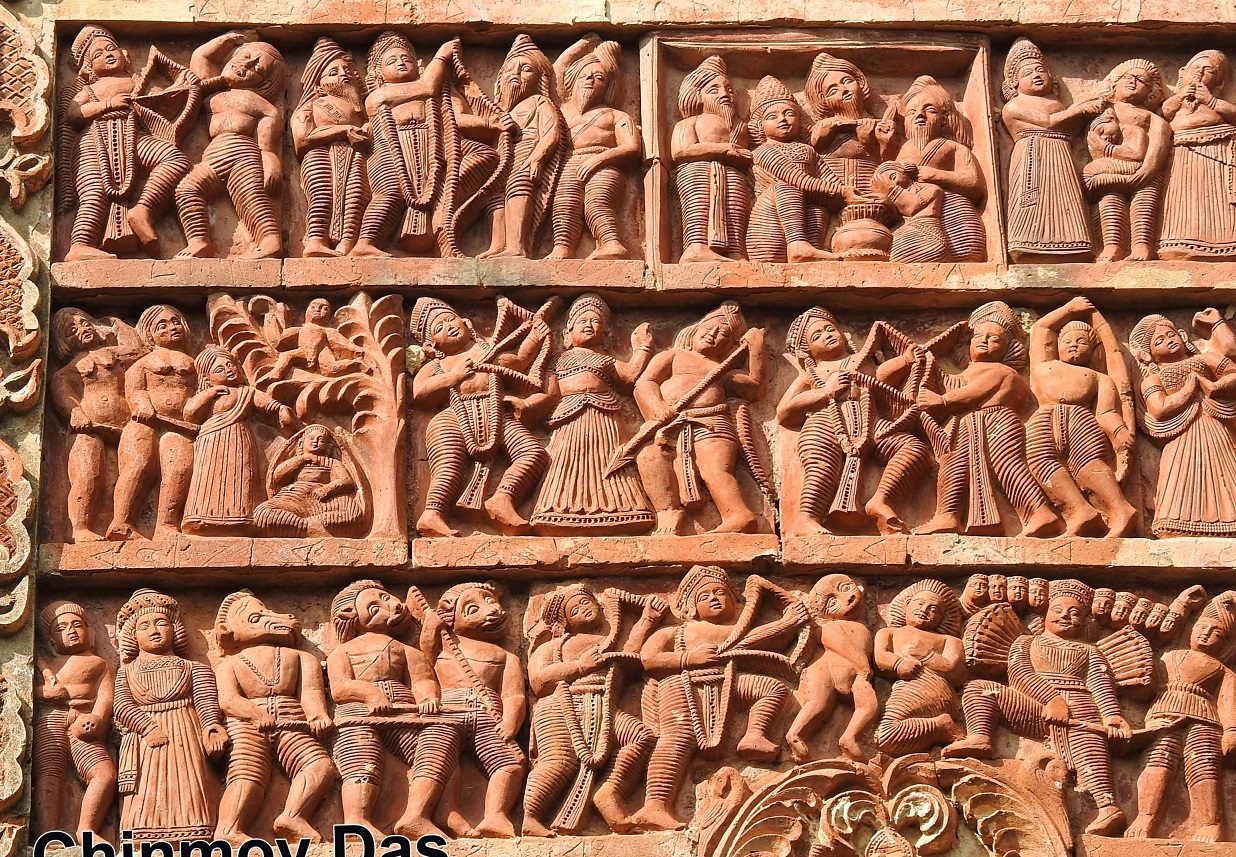
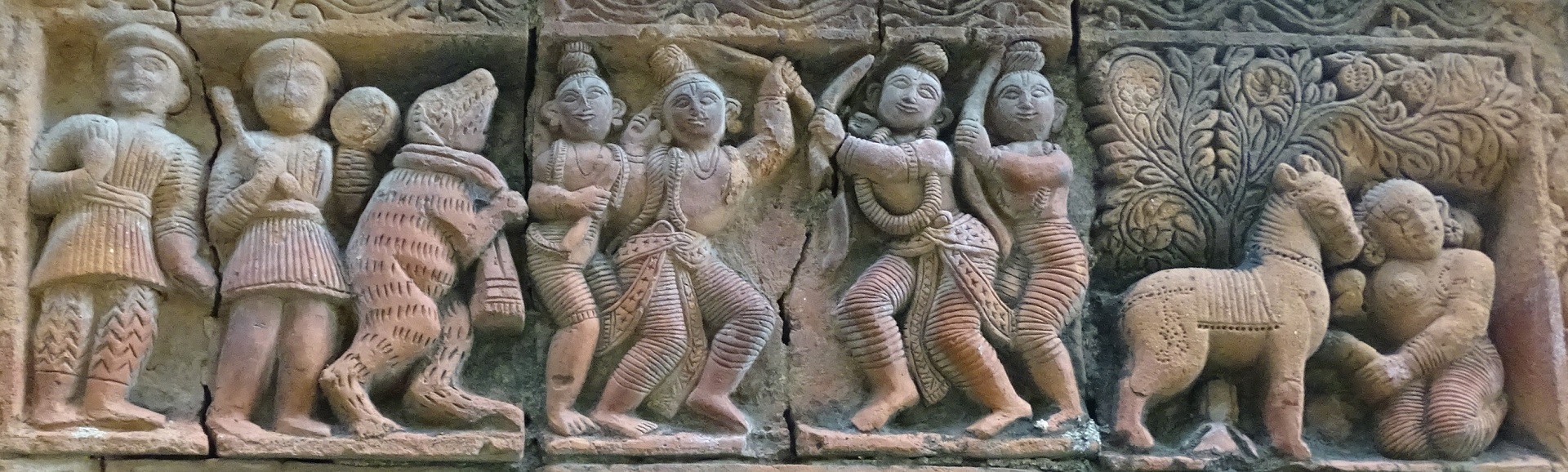
মন্দিরে বাড়তি সৌন্দর্য বিধান হয়েছে অজস্র টেরাকোটা অলংকরণে। সেগুলিই এই মন্দিরের প্রকৃত গরিমা। সামনের দেওয়াল জোড়া ফলক বিন্যাস। রামায়ন, মহাভারত, কৃষ্ণলীলা, পুরাণ কাহিনী ধরা হয়েছে মোটিফ হিসাবে। সেগুলির মধ্যে আছে-- ১. রামায়ন থেকে জনকের রাজসভায় রামচন্দ্রের হরধনু ভঙ্গ, পঞ্চবটী বনে সীতাদেবী, সুর্পণখার নাসিকা ছেদন, রাবণের সীতাহরণ, জটায়ুর যুদ্ধ, রাম-রাবণের যুদ্ধ, রাম রাজা ইত্যাদি। ২. মঙ্গলকাব্য থেকে-- ধনপতি এবং শ্রীপতির সিংহল যাত্রা, কমলে-কামিনী দর্শন ইত্যাদি। ৩. কৃষ্ণকথা থেকে-- কালিয়নাগ দমন ইত্যাদি।
মন্দিরের দ্বিতলের অলিন্দে, কার্ণিশের ওপরে, বড় আকারের দুটি মূর্তি স্থাপিত হয়েছিল। বর্তমানে সেগুলি মস্তকবিহীন। একটি মূর্তি মন্দির প্রতিষ্ঠাতা অযোধ্যারামের ছিল বলে, জানা যায়।
একটি ইটের প্রাচীর ছিল মন্দিরকে বেষ্টন করে। সেই অঙ্গনে মন্দির ছাড়াও, আরও দুটি সৌধ নির্মাণ করেছিলেন ঠাকুরদাস-- উত্তরে ভোগঘর, আর দক্ষিণে দ্বিতলবিশিষ্ট একটি নহবতখানা।
এছাড়াও, পৃথকভাবে উল্লেখ করবার মত বিষয় হোল, গর্ভগৃহের দরজার দুটি পাল্লা। ৩০টি খোপে খোদাই কাজের যে অপূর্ব মুন্সিয়ানা দেখানো হয়েছে, মেদিনীপুর জেলায় দারুতক্ষণ কাজের উৎকৃষ্ট নমুনা ছিল সেগুলি। তস্কর আর ধুরন্ধর পুরাপ্রেমীদের চাতুরীতে সিংহভাগই বিলুপ্ত হয়ে গিয়েছে। দুটি পাল্লায় মোট ৩০টি ফলক ছিল, ৪টি সারিতে। ২০১৭ সালে আমরা তার মধ্যে মাত্র ৪টি দেখতে পেয়েছিলাম।
বংশবৃদ্ধির সূচনাতেই শরীকী বিভাজন শুরু হয়েছিল জমিদারদের। অযোধ্যারামের কনিষ্ঠ পুত্র নবীনচাঁদ (ওরফে নবীনচন্দ্র) নাগ পার্শবর্তী নিশ্চিন্তা গ্রামে উঠে গিয়েছিলেন চমকা ছেড়ে। বিশাল অট্টালিকা গড়ে বসবাস করতেন। রাজ্য এবং রাজ্যের বাইরেও আছেন অনেকে। নবীনচন্দ্রের এক পুত্র রবীন্দ্রনাথ নাগ ছিলেন আইনজীবী। তিনি কর্মসূত্রে লণ্ডনের অধিবাসী হয়েছিলেন। তাঁর বংশধরগণ বর্তমানে ইংল্যাণ্ড, নিউজিল্যাণ্ড, অস্ট্রেলিয়া ইত্যাদি এলাকায় বাস করেন।
দেশ স্বাধীন হলে, জমিদারি উচ্ছেদ হয়ে যায়। তাতে দেবতার সেবাপূজায় সঙ্কটের সূচনা হয়। সেসময় নিশ্চিন্তার অধিবাসী শরিকরা বিষ্ণু-বিগ্রহটি তাঁদের পরিবারে নিয়ে গিয়ে প্রতিষ্ঠা করেছেন। বহুকাল যাবৎ বিগ্রহ আর মন্দিরে নাই। তখন থেকে মন্দিরটি পরিত্যক্ত। অনাদরে, অবহেলায় মন্দির জীর্ন হচ্ছে দিন দিন।
তার উপর যোগ হয়েছে তস্কর আর ধুরন্ধর পুরাপ্রেমীদের আনাগোনা। প্রতিদিন এক পা এক পা করে ধ্বংসের পথে এগিয়ে চলেছে অনিন্দ্য সুন্দর দেবালয়টি।
Sridhar Temple, Chamka (Police Station: Kharagpur, Medinipur)
Chinmoy Das
On one side lies the sacred, ever-flowing River Ganges; on the other, the Grand Trunk Road—one of India's most ancient highways. Situated between these two lies Balagarh, an ancient settlement in the Hooghly district. It was here that a merchant named Ayodhyaram Nag once resided. Setting out in search of fortune, he began his journey westward. After traversing a distance of some one hundred and fifty miles, he finally halted at a village named Chamka, located within the Khandar Pargana (near the city of Kharagpur in the Medinipur district).
Ayodhyaram arrived via another ancient route of that era, known as the "Nanda Kapasia'r Jangal." A cotton merchant named 'Nanda' had constructed this path for pilgrims traveling to Puri-dham. Upon settling in this new region, Ayodhyaram, too, embarked on the cotton trade. No sooner had he ventured into the cotton business than he began to amass immense wealth; in no time at all, he rose to become the owner of a vast fortune.
It was the mid-18th century. Lord Cornwallis's 'Permanent Settlement' Act had been enacted some fifty years prior. Thanks to this legislation, numerous wealthy individuals were establishing new zamindaris. Utilizing his business earnings, Ayodhyaram, too, established a substantial estate. Within this sprawling property—encompassing a vast tract of land—he constructed a massive tank and a quadrangular palace to serve as his residence.
At that time, a wave of Chaitanyadeva’s Gaudiya Vaishnavism was sweeping across the entire district. Influenced by this movement, Ayodhyaram, too, embraced Vishnu as the object of his worship. Rather than an idol, he consecrated a Shaligram Shila—named Sridharjiu—to serve as the deity. In those days, Thakurdas Shil was the most renowned master carpenter in the district of Midnapore. A resident of the village of Daspur, he was regarded as the preeminent figure within the district's community of carpenters. Kings and landlords would place their names on waiting lists to commission Thakurdas to construct their temples; it was he whom Ayodhyaram selected to serve as the architect.
Before long, a massive Nava-ratna temple took shape at the hands of Thakurdas. Of all the temples Thakurdas constructed during his lifetime, the Sridhar temple built for Ayodhyaram Nag in the village of Chamka stands as the finest.It is a three-storied, east-facing Nava-ratna temple constructed of brick. The plinth is raised high. The square-plan temple measures 21.5 feet in both length and width, with a height of approximately 50 feet. Each of the three stories features a veranda along the front facade. The veranda on the ground floor contains three doorways characterized by arches in the *Darun* style; the pillars, meanwhile, follow the Imarati style. The Garbhagriha (sanctum sanctorum) features a single doorway. A staircase extends from the sanctum sanctorum all the way up to the third floor.Beneath the cornice, the temple bears an inscription recording its foundation. Its exact text reads: " śrīśrīsr̥dhara jaẏati/ ārabdha sakābdā 1778 sana 1263 sāla/ 8 baiśākha ṣukrabāra-kr̥ta -- śrīyukta/ayōdhyārāma nāga mistrī ṭhākuradāṣa sila mistrī gōpāla canda sāṁ dāsapura.."In other words, the temple was constructed in the year 1856 AD. All nine ratnas (pinnacles) of the temple feature a ratha-paga layout and pidha segmentation in the Kalinga style. The four ratnas on the second tier adopt a tri-ratha configuration, while the remaining five feature a pancha-ratha layout. The gandi (spire) sections of all nine ratnas are horizontally segmented into *pidha* tiers; this arrangement imbues the temple with an exquisite beauty. The temple is further embellished by a profusion of terracotta ornamentation—elements that constitute the true glory of this shrine. The entire front facade is adorned with an intricate arrangement of decorative panels. Themes drawn from the Ramayana, Mahabharata, Krishna-lila, and Puranic legends have been adopted as motifs. These include: 1. From the Ramayana—Rama’s breaking of Shiva’s bow in King Janaka’s court, Sita in the Panchavati forest, the disfigurement of Shurpanakha, Ravana’s abduction of Sita, the battle involving Jatayu, the war between Rama and Ravana, Rama’s coronation as King, and so forth. 2. From the Mangalkavyas—the voyages of Dhanapati and Shripati to Sinhala, the vision of Kamale-Kamini (the Goddess amidst lotuses), and similar episodes. 3. From the legends of Krishna—the subjugation of the serpent Kaliya, among others.On the balcony of the temple's second floor, atop the cornice, two large-scale statues were installed. Currently, they are headless. It is known that one of these statues represented the temple's founder, Ayodhyaram.An encircling brick wall enclosed the temple. Within this precinct—in addition to the temple itself—Thakurdas constructed two other structures: a Bhoggha* (offering hall) to the north, and a two-storied Nahabatkhana (music pavilion) to the south.Furthermore, a point worthy of special mention is the pair of doors to the Garbhagriha (sanctum sanctorum). The exquisite craftsmanship displayed in the carvings across its thirty panels represented a prime example of the finest woodwork in the Midnapore district. However, through the cunning of thieves and unscrupulous antiquities enthusiasts, the vast majority of these have vanished. The two doors originally featured a total of thirty panels, arranged in four rows; in 2017, we were able to locate only four of them.The partition of assets among the Zamindars began right at the inception of their lineage's expansion. Ayodhyaram's youngest son, Nabinchand (alias Nabinchandra) Nag, left Chamka and relocated to the neighboring village of Nischinta. There, he constructed a grand mansion and established his residence. Many descendants of the family now reside both within the country and abroad. One of Nabinchandra's sons, Rabindranath Nag, was a lawyer; his professional career eventually led him to settle in London. His descendants currently reside in various regions, including England, New Zealand, and Australia. Following the country's independence, the Zamindari system was abolished. This marked the onset of a crisis regarding the deity's worship and rituals. At that time, the co-sharers residing in Nishchinta took the idol of Lord Vishnu into their own family custody and enshrined it there. For a great many years now, the idol has no longer resided in the temple; consequently, the temple has remained abandoned ever since. Through sheer neglect and lack of care, the structure is deteriorating day by day. Compounding this plight is the constant prowling of thieves and unscrupulous antiquity enthusiasts. Day by day—step by step—this exquisitely beautiful shrine inches closer toward total ruin.