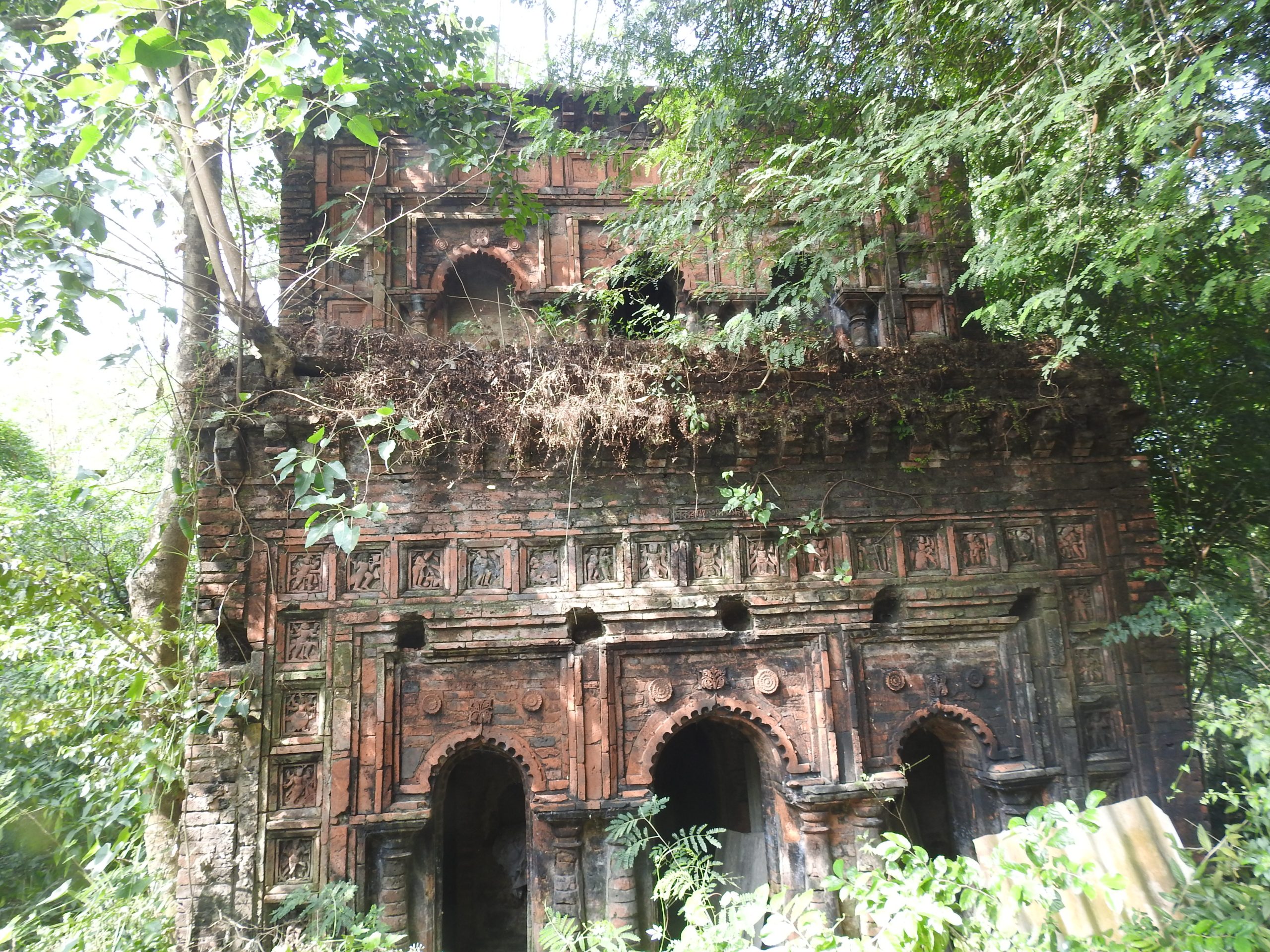
পশুপতিনাথ শিব মন্দির, ভোগদণ্ড (পিংলা)
চিন্ময় দাশ
এক সময় মন্দিরময় গ্রাম বলা হোত ভোগদণ্ডকে। বলা হবে নাই বা কেন? ষাট-সত্তরটি দুর্গাপূজা হোত এই একটি গ্রামে। সবগুলিই পারিবারিক পূজা। সবগুলিই আয়োজিত হোত প্রতিমা গড়ে, ধুমধাম করে। সবগুলিই ব্রাহ্মণবাড়ির পূজা। … ঘর ব্রাহ্মণের বাস ছিল তখন গ্রামটিতে।
জানা যায়, এই পরিবারগুলির ভিতর নিজস্ব জমিদারী ছিল বেশ কয়েকজনের। এবং সেগুলি ইংরেজ আসার পর, অর্থাত ইং ১৭৯৩ সালে ‘চিরস্থায়ী বন্দোবস্ত প্রথা’ প্রচলনের পর, গড়ে তোলা নব্য জমিদারী নয়। অনেকেই তার পূর্বকাল থেকে জমিদারী করে আসছিলেন। কয়েকজন দোর্দণ্ডপ্রতাপ জমিদারের কথা আজও শোনা যায় প্রবীনদের মুখে।
এই জমিদারগণ প্রায় সকলেই নিজস্ব এক বা একাধিক দেবালয় প্রতিষ্ঠা করেছিলেন। এক সময় আট-দশটি দেবমন্দির ছিল ভোগদণ্ড গ্রামে। নিত্য আরাধনা হোত দেবতামণ্ডলীর। গ্রামের বাতাস নিনাদিত হোত কাঁসর-ঘন্টার শব্দে।
কিন্তু আজ দু’-একটি জীর্ণ পরিত্যক্ত দেবালয় ছাড়া, কোনটির অস্তিত্বটুকুও নাই আর। জমিদারী ব্যবস্থা উচ্ছেদ হয়ে যাওয়াকেই এর মূল কারণ বলে মনে করা হয়।
যে দুটি মন্দির তাদের জরাজীর্ণ চেহারা নিয়ে আজও কোন রকমে টিকে আছে, তাদেরই একটি হোল পশুপতিনাথ শিবের এই মন্দিরটি।
মন্দিরের প্রতিষ্ঠা করেছিলেন যাঁরা, সেই বংশটিই বিলুপ্ত হয়ে গিয়েছে বহুকাল। বর্তমান সেবাইতগণের কাছে জানা যায়, মন্দিরটি প্রতিষ্ঠা করেছিল ভট্টাচার্য্য পদবীর একটি জমিদারবংশ। তাঁদের বিশদ বিবরণ জানা যায় না। তবে, বংশের শেষ জমিদার ছিলেন জনৈক প্রিয়নাথ ভট্টাচার্য্য।
প্রিয়নাথ ছিলেন অপুত্রক। তিনি একমাত্র কন্যা কিশোরীবালার বিবাহ দিয়েছিলেন জনৈক প্রবোধ চন্দ্র মুখোপাধ্যায়ের সাথে। যোগেশ চন্দ্র মুখোপাধ্যায়ের পুত্র প্রবোধ চন্দ্র, মেদিনীপুর শহর থেকে এসে, সেসময় ভোগদণ্ডের এক জমিদারবাড়িতে গৃহশিক্ষকতা করতেন।
প্রিয়নাথ লোকান্তরিত হওয়ার পর, তাঁর সমূহ সম্পত্তির আধিকারী হয়ে, প্রবোধ চন্দ্র এবং কিশোরীবালা ভোগদণ্ড গ্রামের স্থায়ী অধিবাসী হয়ে গিয়েছিলেন। মন্দির আর দেবসেবার ভার তুলে নিয়েছিলেন নিজেদের হাতে।
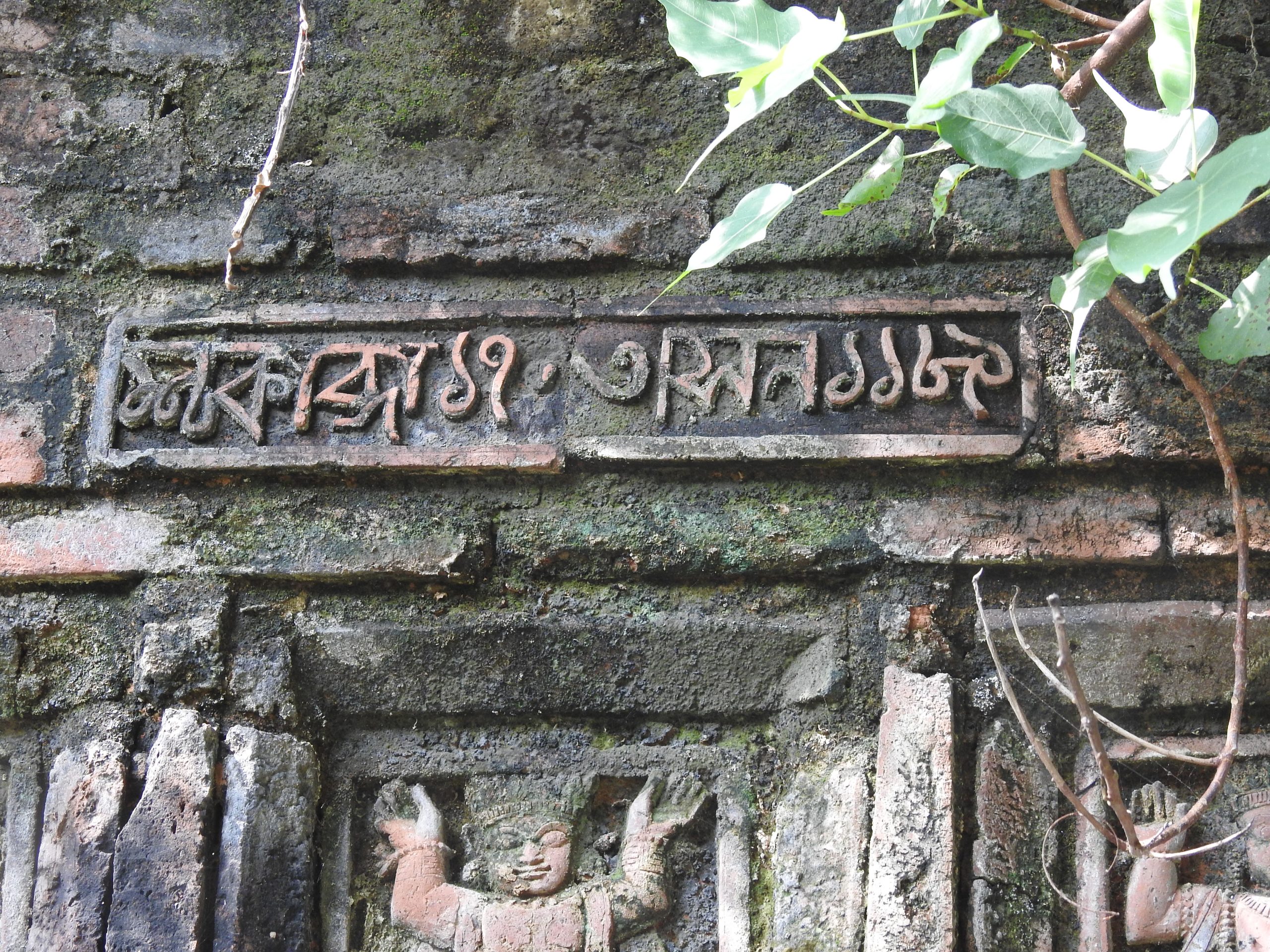
একটি প্রতিষ্ঠা-লিপি আছে পশুপতিনাথের এই মন্দিরে। তা থেকে জানা যায়, ইং ১৭৮২ সালে মন্দিরটি নির্মিত হয়েছিল। দীর্ঘ আয়ুর কারণে, ভয়াণক জীর্ণ হয়ে পড়েছিল মন্দিরটি। প্রবোধ চন্দ্রের দুই পৌত্র তপন কুমার এবং স্বপন কুমার দেবতার বর্তমান সেবাইত। নতুন একটি মন্দির গড়ে, দেবতাকে সেখানে এনে প্রতিষ্ঠা করেছেন তাঁরা। তিলে তিলে ধ্বংসের দিন গুনছে পুরাতন সৌধটি।
পূর্বমুখী ইটের মন্দিরটি দ্বিতলবিশিষ্ট দালান-রীতিতে নির্মিত হয়েছিল। গর্ভগৃহের মাথায় দ্বিতলেও সমমাপের একটি গর্ভগৃহ আছে। কিন্তু নীচ তলায় অলিন্দ থাকলেও, দ্বিতলে সেটি নির্মিত হয়নি।
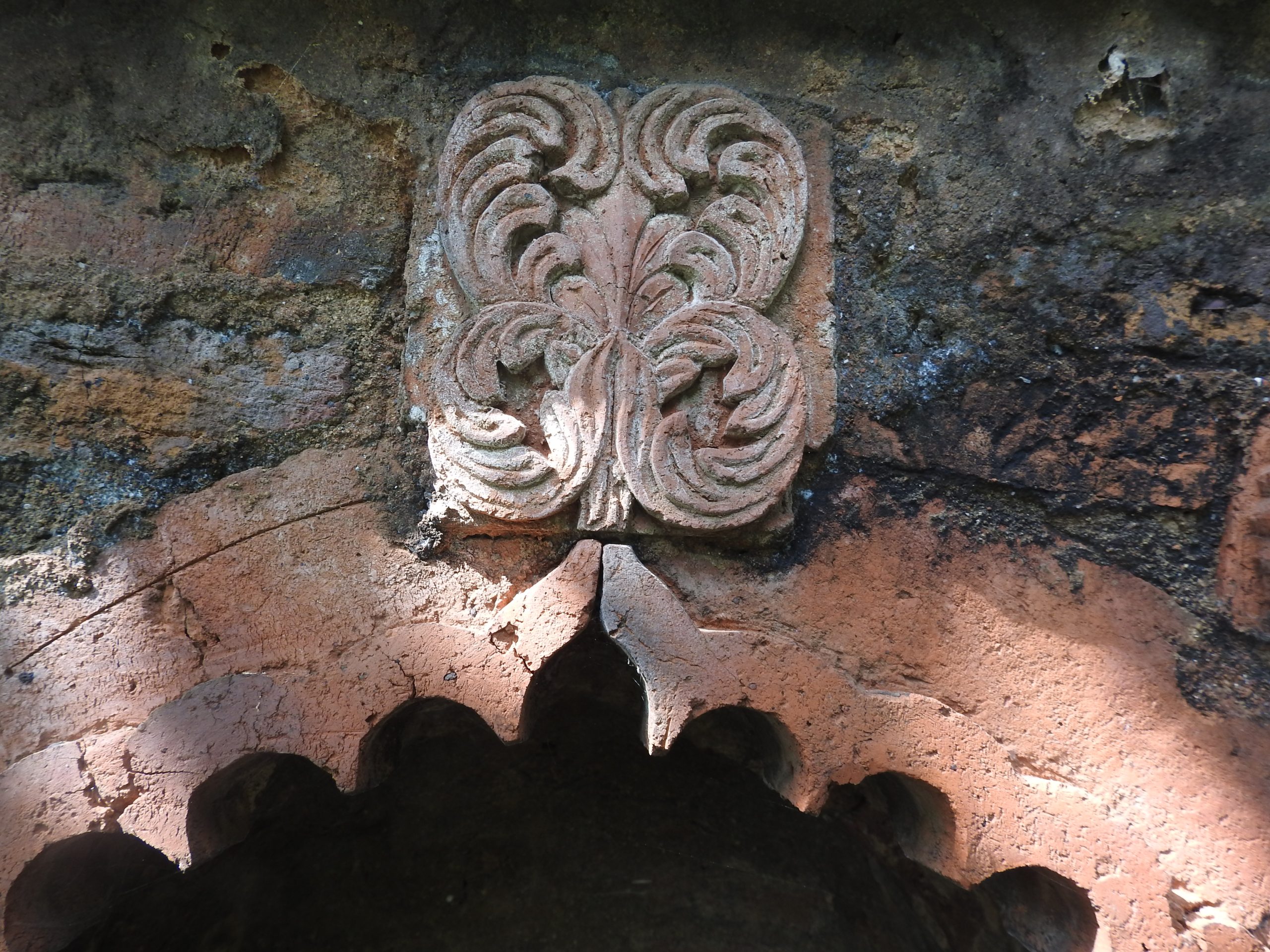
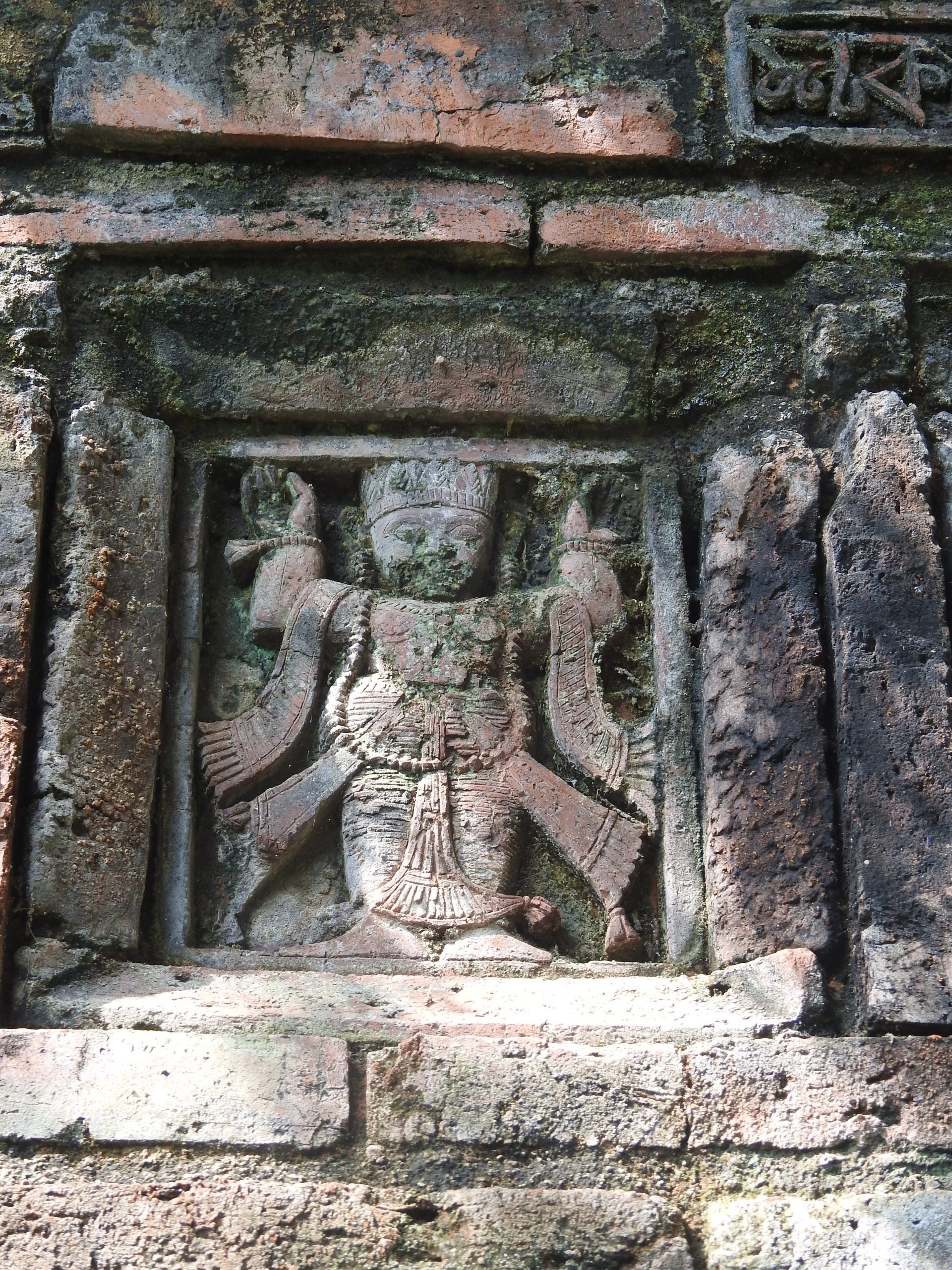
অলিন্দে খিলান-রীতির তিনটি দ্বারপথ, গর্ভগৃহ দুটিতে একটি করে দ্বার। দ্বিতলে গর্ভগৃহের দু’দিকে থামযুক্ত দুটি প্রতিকৃতি-দ্বার রচিত আছে।
অলিন্দের দক্ষিণে একটি সিঁড়ি আছে দ্বিতলে যাওয়ার জন্য। কোন অলঙ্গকরণ নাই মন্দিরে। পলেস্তারা না থাকায়, মন্দিরে যে কাট-ব্রিকের ব্যবহার করা হয়েছিল, তা দেখা যায়।
Pashupatinath Shiva Temple, Bhogdanda (Pingla)
Chinmoy Das
At one time, Bhogdanda was known as a village of temples. And why would it not be? As many as sixty or seventy Durga Puja celebrations were held in this single village. All of them were family worship traditions. All were elaborate celebrations with traditionally crafted images of the goddess. All were conducted by Brahmin families. At that time, there were … Brahmin households living in the village.
It is learnt that several of these families possessed their own zamindaris. These were not newly established estates created after the arrival of the British, that is, after the introduction of the Permanent Settlement in 1793. Many of them had been zamindars from an earlier period. Elderly villagers still recall the names of several powerful and formidable zamindars.
Almost all of these zamindars had established one or more temples of their own. At one time, there were eight or ten temples in Bhogdanda village. The deities were worshipped every day, and the air of the village would resound with the ringing of gongs and temple bells.
But today, apart from one or two dilapidated and abandoned shrines, not even a trace of most of them remains. The abolition of the zamindari system is generally considered to have been the principal reason for their disappearance.
Of the two temples that have somehow survived to the present day in a severely dilapidated condition, one is this temple of Pashupatinath Shiva.
The family that established the temple disappeared many years ago. According to the present-day custodians, the temple was founded by a zamindar family bearing the surname Bhattacharya. Little is known about the family in detail. The last zamindar of the lineage, however, was a certain Priyanath Bhattacharya.
Priyanath was childless. He married his only daughter, Kishoribala, to a certain Prabodh Chandra Mukhopadhyay. The son of Yogesh Chandra Mukhopadhyay, Prabodh Chandra had come from Medinipur town and, at that time, worked as a private tutor in one of the zamindar households of Bhogdanda.
After Priyanath passed away, Prabodh Chandra and Kishoribala inherited all his property and became permanent residents of Bhogdanda village. They took upon themselves the responsibility of the temple and the worship of the deity.
There is a foundation inscription in this temple of Pashupatinath. From it, it is learnt that the temple was constructed in 1782 AD. Due to its great age, the temple had become severely dilapidated. Tapan Kumar and Swapan Kumar, two grandsons of Prabodh Chandra, are the present custodians of the deity. They have built a new temple and installed the deity there. The old structure is now gradually approaching its final days, slowly crumbling away.
The east-facing brick temple was built in a two-storeyed dalan-style. There is a sanctum of the same dimensions on the upper storey directly above the ground-floor sanctum. However, while the lower storey has a porch, no porch was constructed on the upper storey.
The porch has three arched doorways, while each of the two sanctums has a single doorway. On either side of the upper-storey sanctum are two false doorways, each framed by pillars.
A staircase on the southern side of the porch leads to the upper storey. The temple has no ornamentation. As the structure has no plaster coating, the cut-brick work used in its construction remains visible.