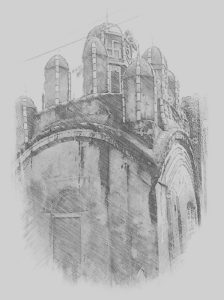
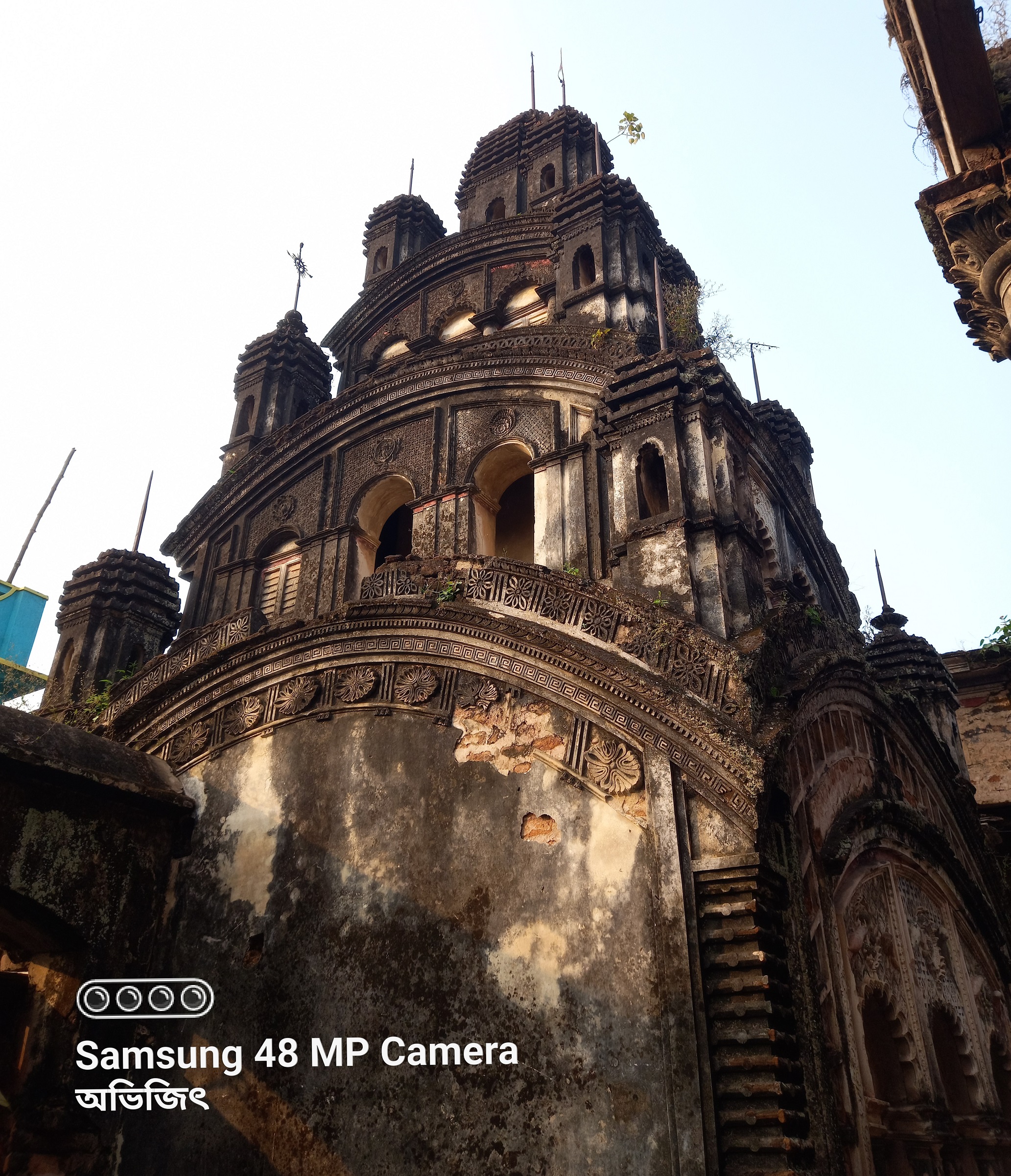
পশ্চিম মেদিনীপুর জেলার ঘাটাল মহকুমায় খড়ার পৌরসভার অন্তর্গত মাঝি পাড়ায় একটি ত্রয়োদশ রত্ন মন্দির আছে। এধরনের মন্দির বাংলায় খুব কমই আছে। প্রচলিত রত্ন মন্দিরের ধারাতেই এই মন্দিরটি তৈরি হয়েছে। অর্থাৎ তিনটি ছাদের প্রতিটিতে চারটি করে মোট বারোটি এবং একটি কেন্দ্রীয় চূড়াসহ মন্দিরটি গড়ে উঠেছে।
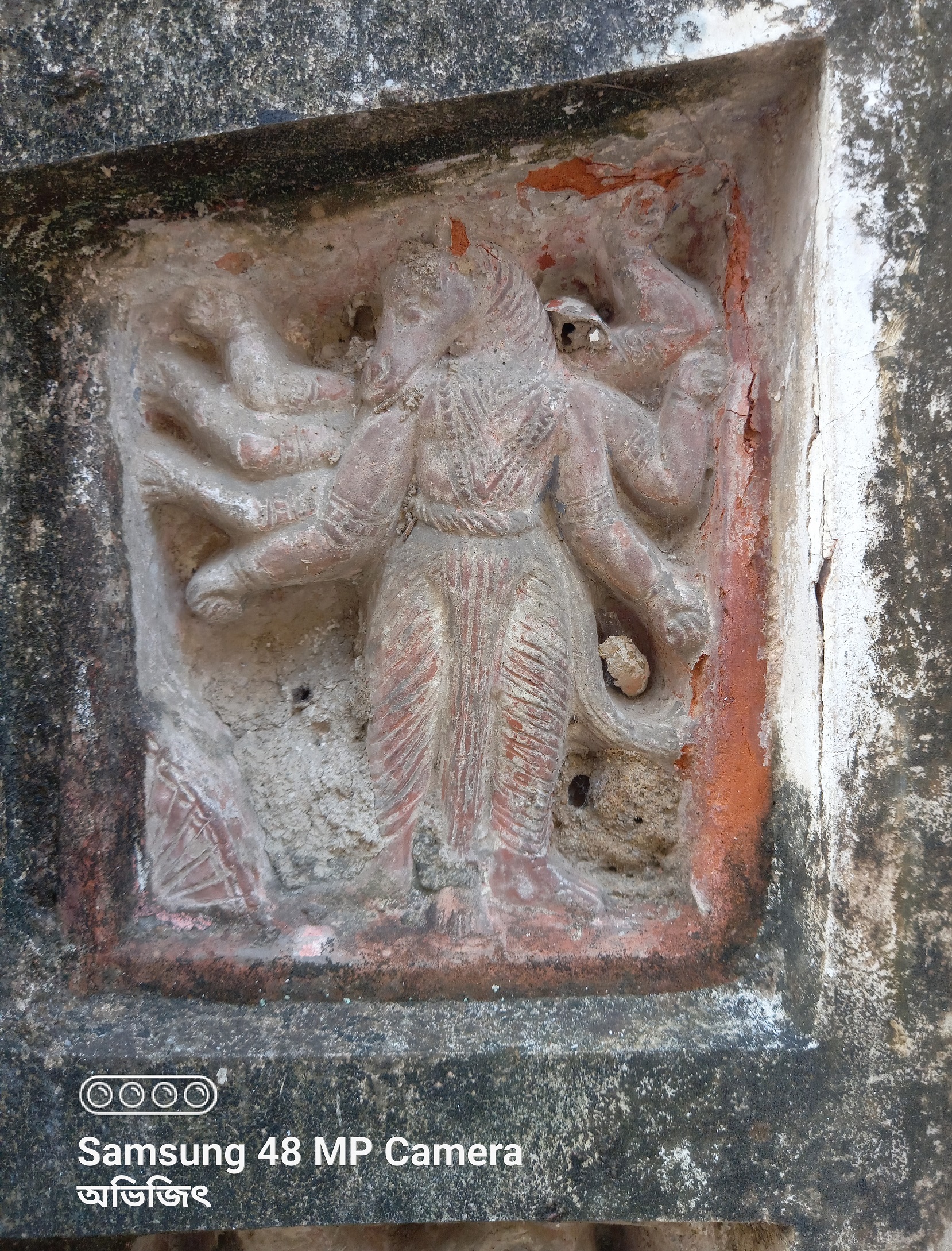
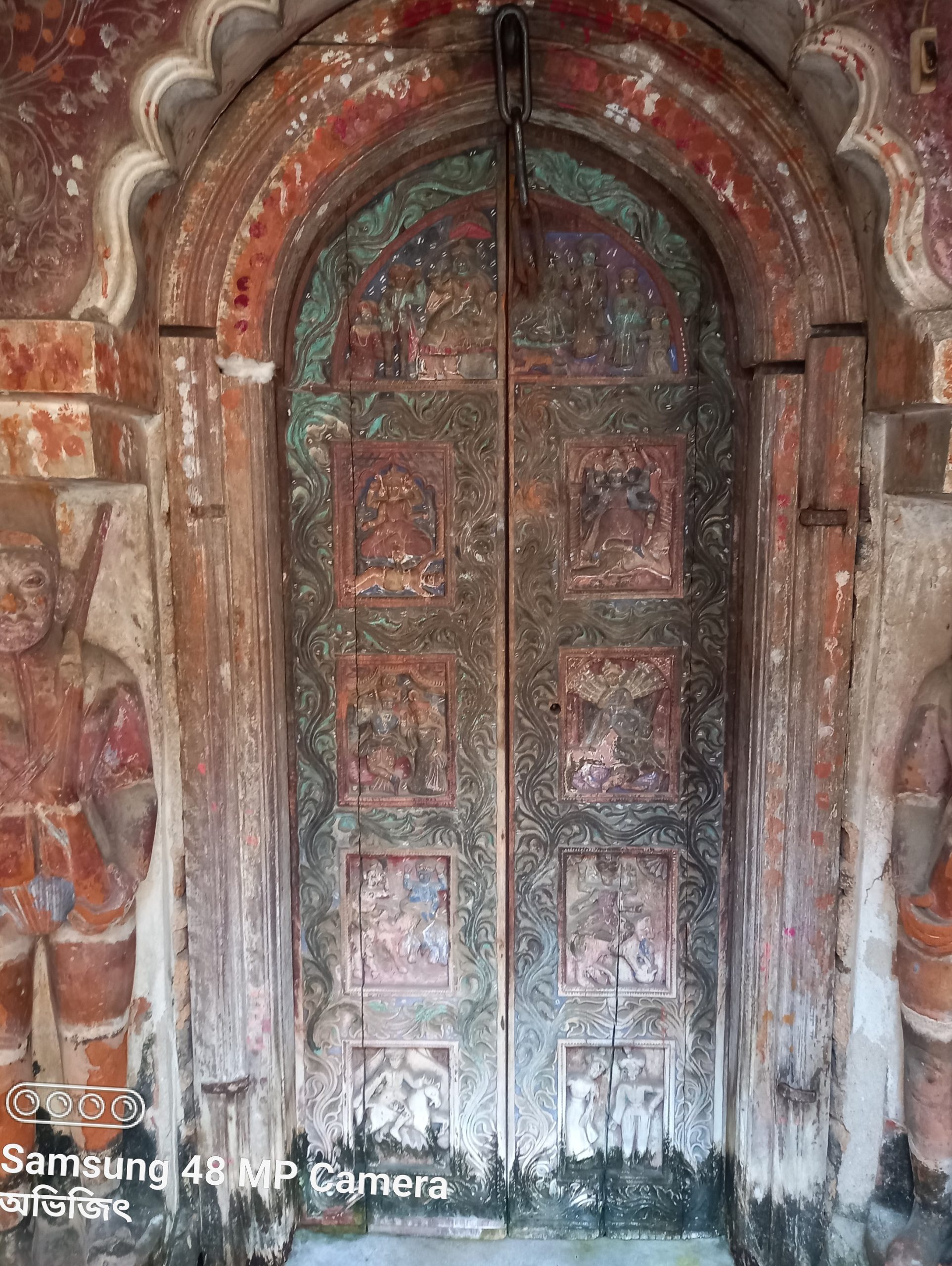
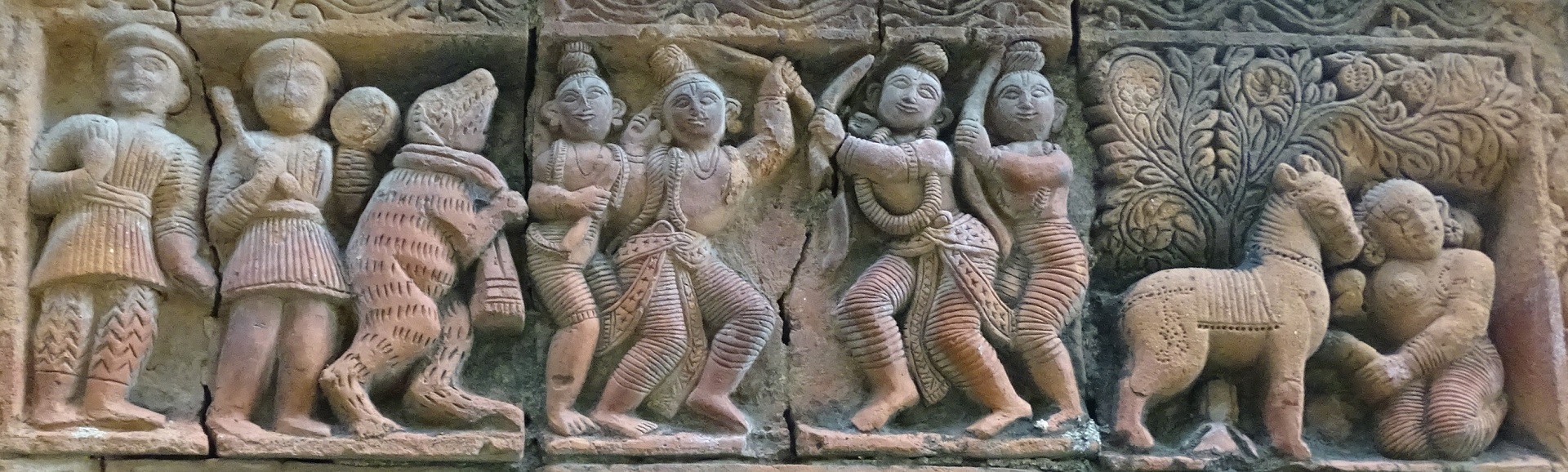
সামনে ত্রিখিলান যুক্ত প্রবেশপথ। গর্ভ গৃহে প্রবেশের দরজার দুপাশে দুটি পোড়ামাটির দ্বারপাল মূর্তি টুপি এবং হাতে বন্দুক নিয়ে অবস্থান করছে, দেওয়ালের আদ্ধেকখোলা জানালার পাশে নারী মূর্তি, কাঠের দরজাগুলি কারুকার্য খচিত। অন্য দিকের দেয়ালেও জানালায় নারী মূর্তির অবস্থান রয়েছে। এছাড়াও কার্নিশের নিচে এবং দু'পাশের স্তম্ভে টেরাকোটার ফলক অবস্থিত রয়েছে।
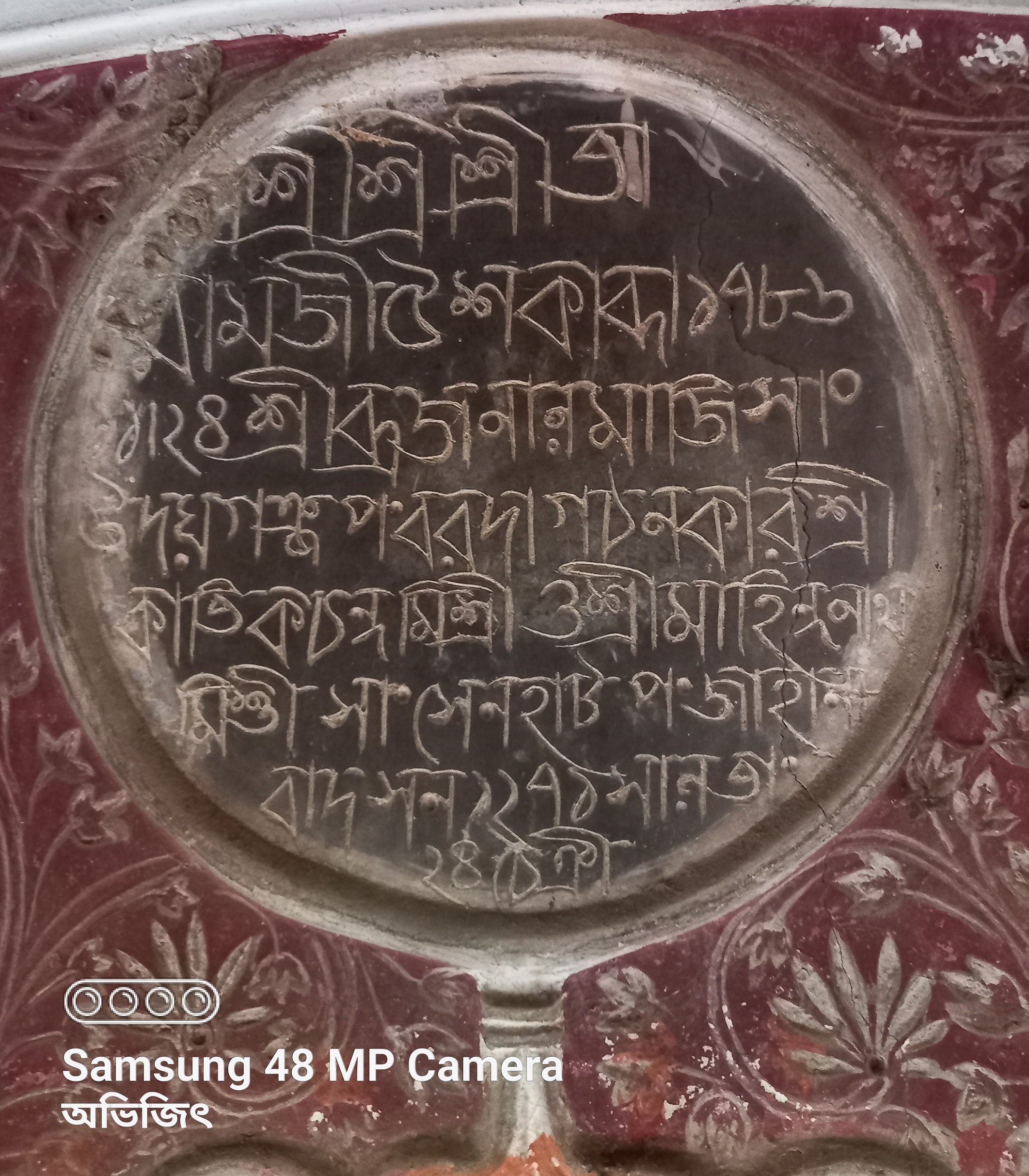
গর্ভবৃহের ঢোকার দেওয়ালে মন্দির প্রতিষ্ঠা সংক্রান্ত একটি লিপি আছে , লিপিটি নিম্নরূপ -
"শ্রী শ্রী শ্রীতা রামজীউ শকাব্দা ১৭৮৬/১১/ ২৪ শ্রী ব্রজলাল মাজি সাং/ উদয়গঞ্জ প বরদা গঠনকার শ্রী / কার্তিক চন্দ্র মিস্ত্রীও শ্রী মাহিন্দ নাথ/ মিস্তি সাং সেন হাট প জাহানা / বাদ সন ১২৭১ সাল তা / ২৪ চৈত্রী"
এ থেকে বোঝা যায় সীতা রামজিউ মন্দিরটি ১২৭১ সালের ২৪ শে চৈত্র অর্থাৎ ১৮৬৫ খ্রিস্টাব্দে প্রতিষ্ঠিত। প্রতিষ্ঠাতা ছিলেন শ্রী ব্রজলাল মাঝি। মন্দির নির্মাতা দুজন কারিগরের নামও এখান থেকে পরিষ্কার একজন কার্তিক চন্দ্র মিস্ত্রি আরেকজন মাহিন্দ্র নাথ মিস্ত্রি।
There is a thirteenth pinaclled temple in Majhi Para under Khadar Municipality in Ghatal Subdivision of Paschim Medinipur District. There are very few such temples in Bengal. This temple has been built in the style of the traditional Ratna temple. That is, the temple is built with a total of twelve, four on each of the three roofs, and a central spire.
The entrance with three arches in front.On either side of the entrance to the sanctum sanctorum are two terracotta gatekeeper statues with hats and guns in their hands, a female statue stands next to a half-open window on the wall, and the wooden doors are decorated with carvings.
On the other side wall, there are also female statues in the windows. Also, there are terracotta plaques under the cornice and on the pillars on both sides.
There is an inscription on the wall of the entrance to the sanctum sanctorum regarding the establishment of the temple, the inscription is as follows -
"Śrī śrī śrītā rāmajī'u śakābdā 1786/11/ 24 śrī brajalāla māji sāṁ/ udaẏagañja pa baradā gaṭhanakāra śrī/ kārtika candra mistrī'ō śrī māhinda nātha/ misti sāṁ sēna hāṭa pa jāhānā/ bāda sana 1271 sāla tā/ 24 caitri"
From this it is understood that the Sita Ramjiu temple was established on 24th Chaitra, 1271 Bangabda i.e. 1865 AD. The founder was Shri Brajlal Majhi. The names of the two craftsmen who built the temple are also clear from here, one is Kartik Chandra Mistry and the other is MahindranathMistri.
চিন্ময় দাশের সংযোজন
সীতারাম মন্দির, খড়ার শহর- উদয়গঞ্জ (থানা-- ঘাটাল, মেদিনীপুর)
চিন্ময় দাশ
মেদিনীপুর জেলার উত্তর-পূর্ব এলাকার এক সমৃদ্ধ জনপদ খড়ার। এর সমৃদ্ধি আর খ্যাতি নির্মিত হয়েছিল মুখ্যত কাঁসাশিল্পের কারণে। অর্থনৈতিক বিকাশ শুরু হলে, এখানে এসে উপস্থিত হয়েছিল স্বর্ণবণিকেরাও। এই দুই হস্তশিল্পের সুবাদে, বহু ধনাঢ্য পরিবারের উদ্ভব হয়েছিল খড়ারে। তাঁদের হাতে বিশাল বিশাল অট্টালিকা, বহুসংখ্যক দেবালয়ও নির্মিত হয়েছিল। তার অনেকগুলোই আজ আর টিকে নাই। যেগুলি আছে, তাদের ইতিহাসও জানা নাই সকলের। ধূলিমলিন সেই ইতিহাসের কয়েকটি পাতা উল্টে দেখব আমরা। খড়ার নগরীর আকারে সবচেয়ে বড়, এবং একমাত্র ত্রয়োদশ-রত্ন মন্দিরটির সালতামামি আজকের এই জার্নালে।
একটু সরকারি পরিসংখ্যান দেখে নেওয়া যেতে পারে। মেদিনীপুর জেলায় ঘাটাল একমাত্র মহকুমা, যেখানে ইংরেজের হাতেই, উনিশ শতকের শেষার্ধে, পাঁচ-পাঁচটি পৌরসভা গড়ে উঠেছিল-- ঘাটাল এবং চন্দ্রকোনা (১৮৬৯), ক্ষীরপাই এবং রামজীবনপুর (১৮৭৬) এবং খড়ার (১৮৮৮)। ১৮৭২ সালে ঘাটাল, চন্দ্রকোনা, ক্ষীরপাই এবং রামজীবনপুর শহরের লোকসংখ্যা ছিল যথাক্রমে-- ১৫৪৯২, ২১৩১১, ৮০৪৬ এবং ১১১৬৬ জন। এর ভিতর শেষ তিনটি শহরের বাসিন্দাদের মুখ্য জীবিকা ছিল বয়নশিল্প। এই শহরগুলি বিখ্যাত ছিল উৎকৃষ্ট মানের পট্টবস্ত্র, তাঁতবস্ত্র এবং রেশমবস্ত্রের উৎপাদন এবং বাণিজ্যের জন্য।
খড়ার এবং ঘাটাল খ্যাত হয়েছিল কাঁসাশিল্পের কারণে। 'ইন্ডাস্ট্রিয়াল পজিশন এন্ড প্রসপেক্টস ইন বেঙ্গল' গ্রন্থের ২য় ভাগে মি. কামিং সাহেব যে বিবরণ দিয়ে গিয়েছেন, তা থেকে জানা যায়, সেকালে এই জেলার কাঁসা এবং পিতলের ব্যবসাটি প্রণালীবদ্ধভাবে অত্যন্ত শৃঙ্খলার সাথে পরিচালিত হোত। ব্যবসায়ীরা স্টেট সেটেলমেন্ট, জাপান প্রভৃতি দেশ থেকে জাহাজ বোঝাই করে, সুলভ মূল্যে প্রচুর পরিমানে কাঁচামাল কিনে আনতে পারত। তার ফলে, মুনাফাও হোত প্রচুর। খড়ার ছিল কাঁসাশিল্পের অগ্রগণ্য কেন্দ্র। এখানে কারও কারও কারখানায় একশ' জন কর্মীও কাজ করত।
ইংরেজ শাসন প্রতিষ্ঠিত হলে, এ দেশে ব্যবসা বাণিজ্যের পরিবেশ উন্নত হয়েছিল বটে, দেশীয় শিল্প, শিল্পী, বা ব্যবসায়ীদের দুর্দশা চরমে উঠেছিল। ইংরেজরা কলে প্রস্তুত কাপড় আমদানি করে, দেশীয় তাঁতি এবং ব্যবসায়ীদের ঠেলে দিয়েছিল সর্বনাশের পথে। বহু পরিবারই ভিন্ন জীবিকায় ভিন্ন ভিন্ন স্থানে চলে গিয়েছিল। ১৯৩১ সালে তিনটি শহরে লোকসংখ্যা দাঁড়িয়েছিল-- রামজীবনপুর ৬,২৩০; চন্দ্রকোণা ৬,০১৬ এবং ক্ষীরপাই ৩,৬৯৩।
ক্ষতিগ্রস্ত হয়েছিল কাঁসাশিল্পও। ১৮৯১ সালে যে খড়ারের লোকসংখ্যা ছিল ১০,০৮৩ জন, ১৯৩১ সালে তা প্রায় অর্ধেক কমে গিয়ে, ৫,৭৩৬-এ এসে দাঁড়িয়েছিল। অবশ্য ঘাটাল শহরে, অন্যান্য ব্যবসা বাণিজ্যের কারণে, লোকসংখ্যা তেমন কমেনি। সেটি ছিল ১২,৪০০।
যাইহোক, আমরা খড়ারের সুদিনের কথায় ফিরে যাই একবার। সেসময় কাঁসাশিল্পে বেশ বড় মাপের একজন উৎপাদক এবং ব্যবসায়ী ছিলেন জনৈক ব্রজলাল মাজী। খড়ারের উদয়গঞ্জ মহল্লার বাসিন্দা ছিলেন তিনি। খড়ার বা ঘাটাল শহরে দোকান তো ছিলই, সারা জেলাতে তাঁর বাসনের কদর ছিল। কদর ছিল লাগোয়া বাঁকুড়া, বর্ধমান আর হুগলি জেলাতেও।
এমনকি, কলকাতার বাজারেও মাল রপ্তানী করতেন ব্রজলাল। গরু-মোষের পিঠে ছালা করে, বা গাড়িতে চাপিয়ে ঘাটালের কুঠিঘাটে মাল নিয়ে যেতেন। সেখান থেকে ভাউলে নৌকা বা স্টিমারযোগে রূপনারায়ণ আর হুগলি নদীর বুক বেয়ে কলকাতার বাজারে।
কাঁসার ব্যবসা থেকে বিপুল সম্পদের অধিকারী হয়েছিলেন ব্রজলাল। বিশাল আকারের অট্টালিকা বানিয়েছিলেন বসবাসের জন্য। একটি দূর্গা দালানও গড়েছিলেন সেই সাথে। তারই লাগোয়া করে বানিয়েছিলেন একটি 'ঠাকুরবাড়ি'-- পাশাপাশি দুটি শিবমন্দির এবং কুলদেবতার জন্য একটি বিষ্ণুমন্দির বানিয়েছিলেন সেখানে। 'রঘুনাথ' নামের একটি শালগ্রাম শিলা 'সীতারাম' নামে পূজিত হয় মন্দিরে। খড়ারকে মন্দির-নগরী বলা যায় নির্দ্বিধায়। পাড়ায়-পাড়ায় অলিতে-গলিতে মন্দির এই নগরীতে। ব্রজলালের নির্মিত এই মন্দিরটি সেগুলির ভিতর বিশালতম, আর শ্রেষ্ঠতমও।
মন্দিরটি আকারে বিশাল-- দের্ঘ্য আর প্রস্থে সাড়ে ১৫ ফুট, মাথার উচ্চতা ৫৫ ফুট। শ্রেষ্ঠতম বলা হল একারণে যে, আরও কয়েকটি রত্নমন্দির থাকলেও, তেরো-চূড়া মন্দির খড়ার নগরীতে মাত্র এই একটিই। চার দিকেই তিন-খিলানের দ্বারযুক্ত অলিন্দ আর গর্ভগৃহ নিয়ে এই মন্দির-- ইটের তৈরী, পূর্বমুখী। দ্বিতলেও চার দিকেই অলিন্দ রচিত হয়েছে, তিনটি করে দ্বারপথ সহ। তৃতীয় তলে অলিন্দ নাই, তবে চার দিকের দেওয়ালে ভিনিশীয় রীতির প্রতিকৃতি-দ্বারপথ রচনা করা হয়েছে।
ন'টি রত্নেই রথভাগ এবং পীঢ়-রীতির প্রয়োগ করা হয়েছে, দেখা যায়। প্রতিটিরই বেঁকি, আমলক, কলস এবং বিষ্ণুচক্রে সাজানো।
গর্ভগৃহের দ্বারপথের দুদিকে দুটি দ্বারপাল মূর্তি, সেগুলি সাহেবি পোশাক পরিহিত। পিছনের দেওয়ালে আধখোলা ভিনিশীয়-রীতির দরজার প্রান্তে দাঁড়ানো একটি দ্বারবর্তিনী মূর্তি আছে। এছাড়া, টেরাকোটা ফলকে অলংকরণ করা হয়েছে সামনের প্রথম কার্ণিশের নীচে এক সারি এবং দুদিকের দেওয়ালের কোনাচ অংশে দুটি খাড়া সারিতে।
মন্দিরের একটি প্রতিষ্ঠালিপি থেকে জানা যায়, ১৭৮৬ শকাব্দ বা ইং ১৮৬৪ সালে মন্দিরটি নির্মিত হয়েছিল।
বিগত দেড়শ' বছরেরও বেশি সময়কালে বহু জল গড়িয়ে গিয়েছে শিলাবতী আর রূপনারায়ণের বুক বেয়ে। রাজনৈতিক আর প্রশাসনিক বিবর্তনও হয়েছে অনেক। দেবতার সামান্য কিছু সম্পত্তি ছাড়া, হাতছাড়া হয়ে গিয়েছে বাকি সবই। ফলে, দেবতার সেবাপূজায় পূর্বের আড়ম্বর আর নাই এখন। তবু নিত্যপূজা হয় দু'বেলা। বছরের বিশেষ তিথি আর পার্বণগুলিও পালিত হয় ঐতিহ্যকে অনুসরণ করেই। জন্মাষ্টমী, রাসপূর্ণিমা, নবান্ন, মকর আর শয়ন একাদশী। শয়ন একাদশীতে সদ্য কেটে আনা দুটি আখ মন্দিরের চুড়ায় বেঁধে, 'কোচপালো' নামের অনুষ্ঠানটি বেশ চিত্তাকর্ষক।
বৈষ্ণবীয় রীতির এইসব অনুষ্ঠান ছাড়াও, দূর্গা, কালী এবং লক্ষ্মী পূজাতেও ভক্তজনের ভিড় হয়ে এই মন্দিরে।
মন্দিরের দেবতার সেবাপূজার ধারাটিকে কোনমতে বাঁচিয়ে রেখেছে সেবাইত মাজী পরিবার। কিন্তু কোরিন্থিয়াম থামের এই বিশাল প্রাসাদ আজ ভারী জীর্ণ। বিশেষত, মন্দিরটিকে কালের আঘাত থেকে বাঁচিয়ে রাখা তাঁদের সাধ্যের অতীত।
পুরাতাত্ত্বিক এই ঐতিহ্যটিকে বাঁচিয়ে রাখতে গেলে, এগিয়ে আসতে হবে আমাদেরই। দেশের সাংস্কৃতিক সম্পদকে রক্ষা করবার দায়িত্ব সকল সচেতন নাগরিকেরই।
Sitaram Temple, Kharar Town–Udayganj (Ghatal Police Station, Medinipur)
Chinmoy Das
Kharar, situated in the northeastern part of Medinipur district, was once a prosperous urban center. Its prosperity and fame were built primarily upon its bell-metal industry. As economic development progressed, members of the Suvarnabanik (gold merchant) community also settled here. Owing to these two flourishing crafts, many affluent families emerged in Kharar. They built grand mansions and numerous temples, many of which have not survived to the present day. Even the histories of those that remain are largely unknown. In this journal, we shall turn a few pages of that dust-covered past and examine the history of Kharar’s largest temple and its only Thirteen-Ratna (Trayodasha-Ratna) temple.
A brief look at official statistics may be useful. Ghatal was the only subdivision in Medinipur district where, during the latter half of the nineteenth century under British rule, as many as five municipalities were established: Ghatal and Chandrakona (1869), Kshirpai and Ramjibanpur (1876), and Kharar (1888). In 1872, the populations of Ghatal, Chandrakona, Kshirpai, and Ramjibanpur were respectively 15,492; 21,311; 8,046; and 11,166. Among these, the principal occupation of the inhabitants of the last three towns was weaving. These towns were renowned for the production and trade of high-quality silk, cotton, and fine woven textiles.
Kharar and Ghatal, however, became famous for their bell-metal industry. From the account provided by Mr. Cumming in the second volume of Industrial Position and Prospects in Bengal, it is learned that the brass and bell-metal trade in this district was conducted in a highly organized and disciplined manner. Merchants imported large quantities of raw materials at low prices from places such as the Straits Settlements and Japan. As a result, profits were substantial. Kharar was one of the foremost centers of bell-metal craftsmanship, and some workshops employed as many as one hundred workers.
Although British rule improved the environment for commerce and trade, the condition of indigenous industries, artisans, and traders deteriorated severely. By importing machine-made cloth, the British pushed local weavers and merchants toward ruin. Many families were compelled to adopt different occupations and migrate elsewhere. By 1931, the populations of the weaving towns had declined dramatically: Ramjibanpur – 6,230; Chandrakona – 6,016; and Kshirpai – 3,693.
The bell-metal industry also suffered. While Kharar's population had been 10,083 in 1891, by 1931 it had almost halved to 5,736. Ghatal town, however, experienced less decline because of its diverse commercial activities, maintaining a population of 12,400.
Let us now return to the prosperous days of Kharar. At that time, one of the most prominent manufacturers and merchants in the bell-metal trade was Brajalal Maji, a resident of the Udayganj neighborhood of Kharar. Besides having shops in Kharar and Ghatal, his utensils were highly sought after throughout the district, as well as in the neighboring districts of Bankura, Bardhaman, and Hooghly.
Brajalal even exported his goods to the Kolkata market. The products were transported on the backs of oxen and buffaloes or by carts to the Kutighat of Ghatal. From there, they were carried by cargo boats or steamers along the Rupnarayan and Hooghly rivers to Kolkata.
Through the bell-metal trade, Brajalal amassed immense wealth. He built a grand mansion for his residence and a Durga Dalan alongside it. Adjacent to these, he constructed a Thakurbari (temple complex), consisting of two Shiva temples and a Vishnu temple for the family deity. A Shalagram stone named Raghunath is worshipped in this temple under the name Sitaram.
Kharar may rightly be called a city of temples. Temples can be found in almost every neighborhood and lane. Among them, the temple built by Brajalal is both the largest and the finest.
The temple is massive in scale, measuring about 15½ feet in length and breadth, with a height of 55 feet. It is considered the finest because, although there are several Ratna temples in Kharar, this is the only thirteen-spired temple in the town.
The east-facing brick temple consists of a sanctum and verandahs on all four sides, each provided with triple-arched entrances. The second storey also has verandahs on all four sides with three doorways each. The third storey lacks verandahs, but Venetian-style imitation doorways have been created on the walls of all four sides.
All thirteen towers display the use of ratha projections and the pidha style of architecture. Each is crowned with curved cornices, amalakas, finials (kalashas), and Vishnu chakras.
On either side of the sanctum doorway stand two dvarapala (door-guardian) figures dressed in European attire. On the rear wall is a female attendant figure standing at the edge of a half-open Venetian-style doorway. Terracotta ornamentation appears in a horizontal row beneath the front cornice and in two vertical rows along the corner sections of the side walls.
An inscription records that the temple was built in 1786 Shaka Era (1864 CE).
Over the past one hundred and fifty years, much water has flowed through the Silabati and Rupnarayan rivers. Political and administrative changes have transformed the region. Apart from a small amount of property dedicated to the deity, almost everything else has been lost. Consequently, the grandeur that once characterized the worship of the deity no longer exists.
Nevertheless, daily worship continues twice a day. Important annual festivals are still observed according to tradition, including Janmashtami, Ras Purnima, Nabanna, Makar Sankranti, and Shayana Ekadashi. During Shayana Ekadashi, two freshly cut sugarcane stalks are tied to the temple spire, and a ceremony known as “Kochpalo” is performed, which is particularly striking.
In addition to these Vaishnava festivals, devotees also gather at the temple during Durga Puja, Kali Puja, and Lakshmi Puja.
The Maji family, who serve as hereditary custodians, have somehow managed to preserve the continuity of worship. However, the vast mansion with its Corinthian pillars is now in a severely dilapidated condition. Preserving the temple itself from the ravages of time is beyond their means.
If this archaeological heritage is to survive, society must come forward to help. The responsibility of safeguarding the cultural wealth of the nation belongs to all conscious citizens.