লক্ষ্মীজনার্দন মন্দির, চক কুমার (থানা-- ডেবরা। মেদিনীপুর)
চিন্ময় দাশ
আজকের জার্নালে যে মন্দিরের কথা, সেই মন্দির আর তার দেবতার আবির্ভাব একেবারে কিংবদন্তির মত। বিগত ১০/১১ পুরুষ ধরে মন্দিরের সেবাইত বংশ সযত্নে লালন পালন করে আসছেন কিংবদন্তির মত কাহিনীটিকে। প্রথমে সেটি জেনে নেওয়া যাক।
সেকালের সাহাপুর পরগণায় (বর্তমান ডেবরা থানা) বেশ বড়সড় মাপের জমিদারী ছিল জনৈক সুদাম চরণ দাস বেরার। বিশাল অট্টালিকা। হাতিশালে হাতি। অট্টালিকার পুরো একটা মহল নিয়ে কাছারীর সেরেস্তা। দাস-দাসী, লোক-লস্করে গমগম করত জমিদারবাড়ি।
জমিদারবাড়ির সারা বছরের ডালশস্যের যোগান আসত ঝাড়গ্রামের জঙ্গল মহল এলাকা থেকে। বস্তা বস্তা ডাল আসত হাতির পিঠে ছালায় ভরে। ঢেঁকিশাল ছিল বিরাট আকারের। সেখানে ঢেঁকিতে পাড় দিয়ে ডালের খোসা ছাড়াতো কুটুনি মেয়েরা।
শ' আড়াই বছরের কিছু আগে-পরের কথা। একবার তেমনই ডাল ভাঙানোর কাজ চলছে। রাতে জমিদার সুদাম চরণ স্বপ্নাদেশ পেলেন-- " কলাইর বস্তাতে ভগবান বিষ্ণুর শালগ্রাম শিলা ছিল। মেয়েরা কালো পাথর ভেবে ছুঁড়ে ফেলে দিয়েছে খোসার গাদায়। তুলে এনে যেন প্রতিষ্ঠা করা হয়।"
আনন্দ যেন ধরে না জমিদারের ! দেবতা স্বয়ং দোরগোড়ায় এসে উপস্থিত হয়েছেন ! এত সৌভাগ্য ক'জনের হয় !
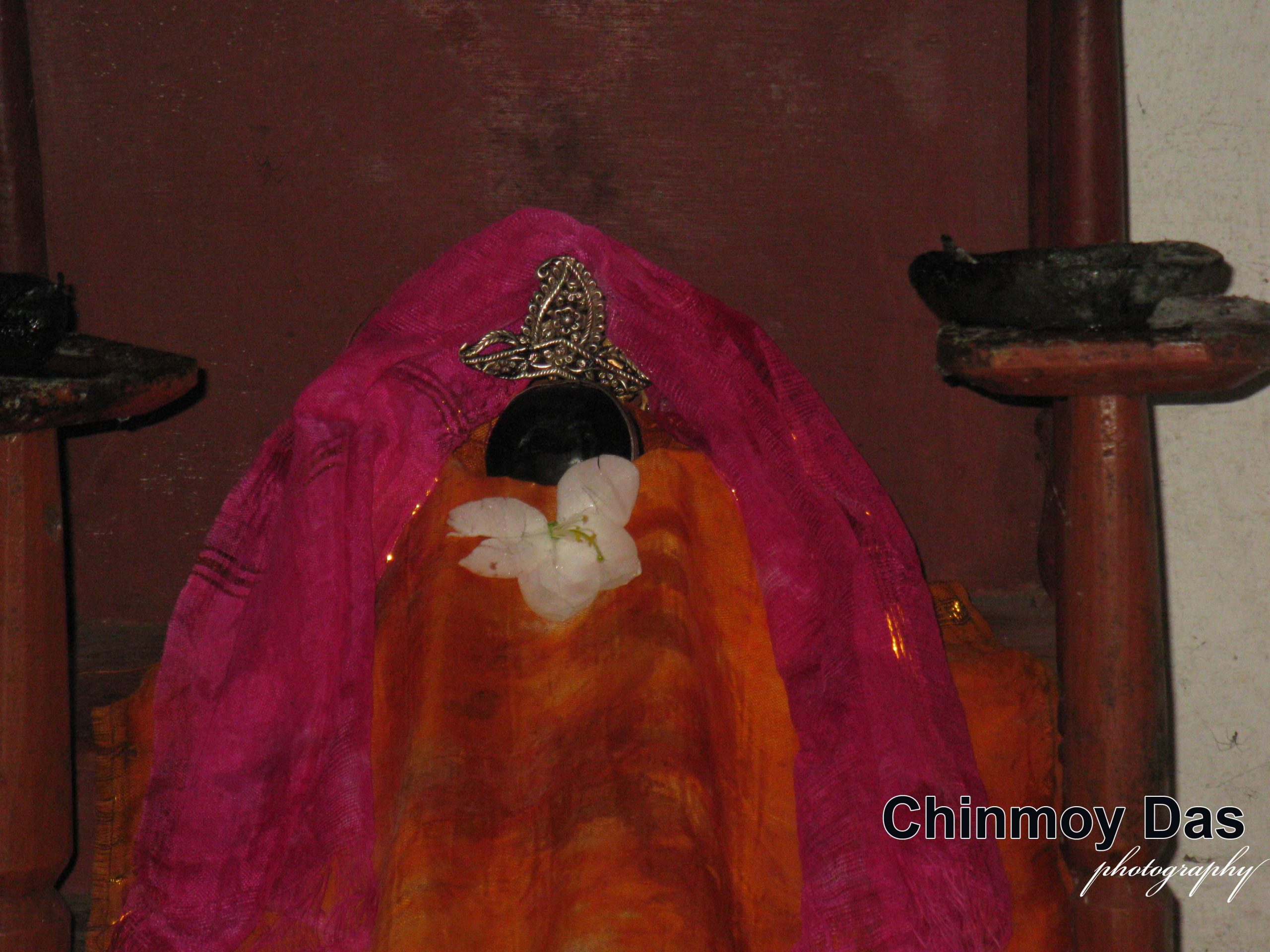
শিলা খুঁজে পেতে দেরি হোল না। ভক্তিভরে উদ্ধার করা হল সেটিকে। একটি দ্বার, চারটি বিষ্ণুচক্র এবং বনমালা চিহ্নিত আছে শিলার গায়ে। ব্রাহ্মণ পন্ডিত বিচার করে পরিচয় জানালেন-- লক্ষ্মীজনার্দন শিলা।
বড় করে পঞ্চ-রত্ন মন্দির গড়া হোল প্রাসাদের লাগোয়া। সামনে কোরিন্থিয়াম-রীতির থাম দেওয়া অলিন্দ। রাসমঞ্চ গড়া হোল প্রাসাদের সামান্য পূর্বে। বিপুল আড়ম্বরে মন্দির প্রতিষ্ঠা করে, সেবাপূজার প্রচলন করা হোল দেবতার।
মন্দির কিংবা রাসমঞ্চ, প্রতিষ্ঠালিপি ছিল না কোনটিতেই। সঠিক জানা যায় না, মন্দিরটি কোন সময়ে স্থাপিত হয়েছিল। তবে, আমরা সুদাম চরণ থেকে একেবারে বর্তমান প্রজন্ম পর্যন্ত ১০ / ১১ পুরুষের বংশলতিকা সংগ্রহ করেছি সেবাইতবংশ থেকে। সেটি বিচার করে, আমাদের অনুমান, আড়াই শ'-পৌনে তিনশ' বছর আগের ঘটনা ছিল সেটি। অর্থাৎ অষ্টাদশ শতকের মাঝামাঝি, বা কয়েক বছর পরে, মন্দিরটি স্থাপিত হয়ে থাকতে পারে।
বয়সের ভার আর কালের আঘাতে মন্দিরটি জীর্ণ হয়ে পড়েছিল। বিগত শতকের মাঝামাঝি সময়, জীর্ণ মন্দির ভেঙে নতুন একটি মন্দির গড়ে নেওয়া হয়েছে। আজ থেকে পৌনে একশ' বছর আগের ঘটনা মাত্র। সুদাম চরণের এক বংশধর, ধনপতি দাস বেরার পুত্র, বংকুবিহারী বর্তমান মন্দিরটি নির্মাণ করেছিলেন। পরিচিতি এবং সন-তারিখ উল্লেখ করে দুটি মর্মর-ফলক আছে মন্দিরে।
বিষ্ণুমন্দির, সেকারণে বারো মাসে তেরো পার্বণ। ঝুলন, দোল, রাস আয়োজিত হোত আড়ম্বরের সাথে। রাস উৎসব ছিল ৫ দিনের। হাতির পিঠে জমকালো হাওদায় চেপে পরিক্রমায় বেরোতেন বিগ্রহ। রাসমঞ্চের সামনে প্রশস্ত প্রাঙ্গনে মেলা বসত সপ্তাহ জুড়ে। অম্বুবাচী, ছাতু সংক্রান্তি, বা মকর সংক্রান্তির মত লোক-উৎসবগুলিরও কদর ছিল এই জমিদারবংশে।
বিশেষ ঘটা দেখা যেত মকর পরবে। পৌষের সংক্রান্তি দিনে সূচনা হোত। উৎসব চলত সারা মাঘ মাস জুড়ে। গ্রামের প্রতিটি বাড়িতে মকর দেওয়া হোতই। মকর পৌঁছে যেত দূরবর্তী মহালেরও প্রজাদের বাড়িতে বাড়িতে। জমিদারী উচ্ছেদ হয়ে, সেসব জাঁকজমকের দিন উবে গিয়েছে কর্পূরের মত। এখন কেবল নিয়ম পালন করে যাওয়া হয় যেন। দাস বেরা বংশে এখন ১৪ / ১৫টি পরিবার। তাঁরা সকলেই দেবতার সেবাপূজার অধিকারী। চক্রবর্তী পদবীর ব্রাহ্মণরা বংশানুক্রমে পৌরহিত্য করেন এখানে।
পূর্বের মন্দিরটির স্থাপত্য সম্পর্কে বিশেষ কিছু জানা যায় না। রত্ন-রীতির পঞ্চ-রত্ন মন্দির ছিল, এটুকুই বলা যায় কেবল। মন্দিরের কোনও চিহ্নই নাই আর। সেটির ভিতের উপরেই বর্তমান মন্দিরটি নির্মিত হয়েছে।
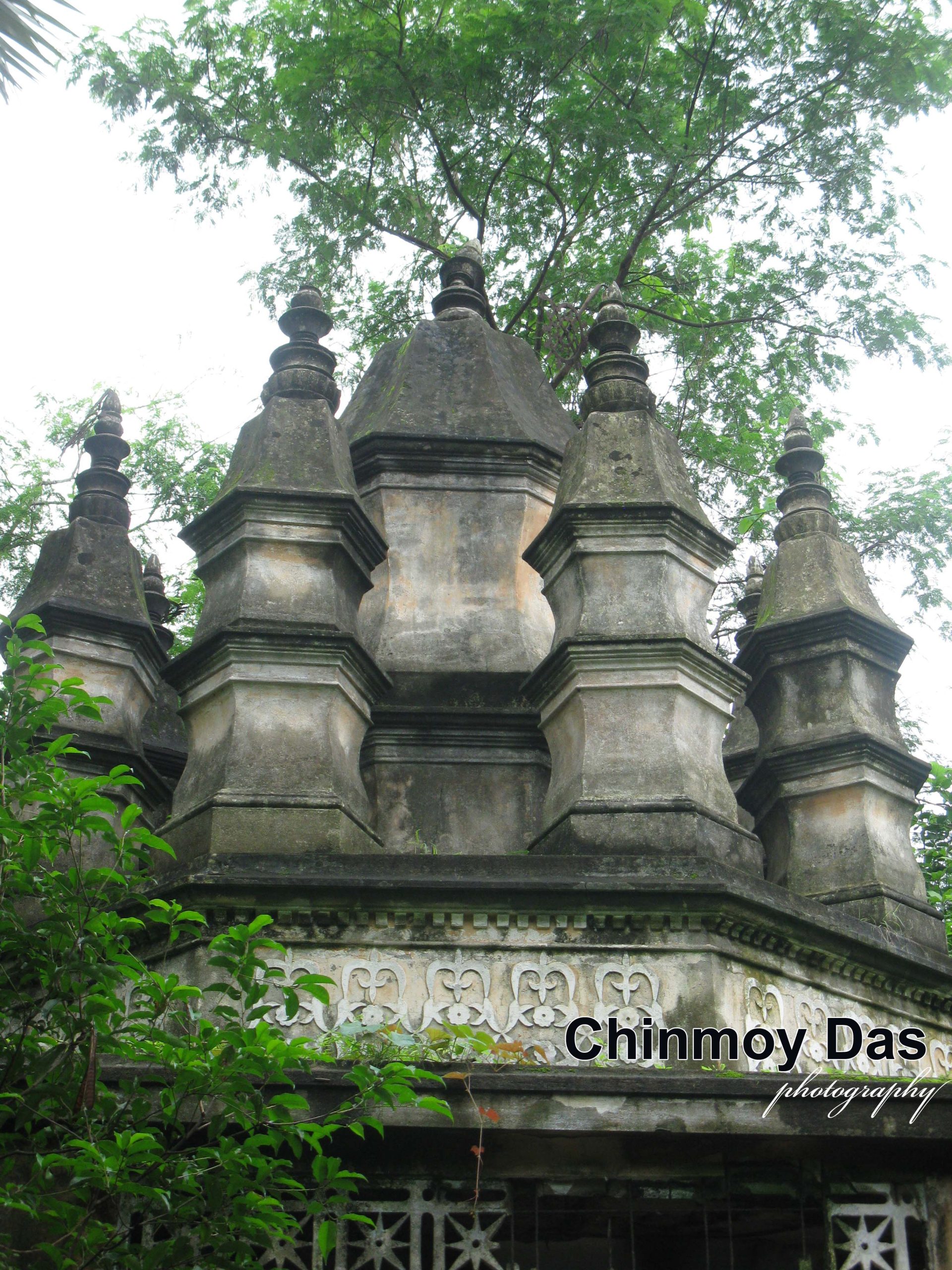
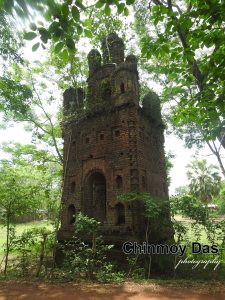
দালান, শিখর, রত্ন কিংবা চালা-- কোনও রীতিতেই নির্মিত হয়নি বর্তমান মন্দিরটি। মন্দিরের সাথে একটি রাসমঞ্চও নির্মিত হয়েছিল, আমরা বলেছি। বেশ উঁচু ভিত্তিবেদী। মঞ্চটি ছয়-কোণা, সপ্ত-রত্ন বিশিষ্ট। রাসমঞ্চের দ্বারপথগুলির খিলান দরুণ-রীতির। মেদিনীপুর জেলায় সিংহভাব রাসমঞ্চ নির্মিত হয়েছে, যেগুলির রত্ন বা চুড়াগুলি বিশেষ একটি আকারে নির্মিত। স্থানীয়ভাবে এগুলি 'বেহারী রসুন চূড়া' নামে অভিহিত হয়েছে। প্রখ্যাত পুরাবিদ ডেভিড ম্যাককাচন সাহেব তাঁর ' ইউরোপিয়ান ব্যারক আর্ট' নামক গ্রন্থে এই রীতির উল্লেখ করেছেন।
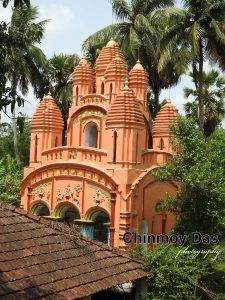
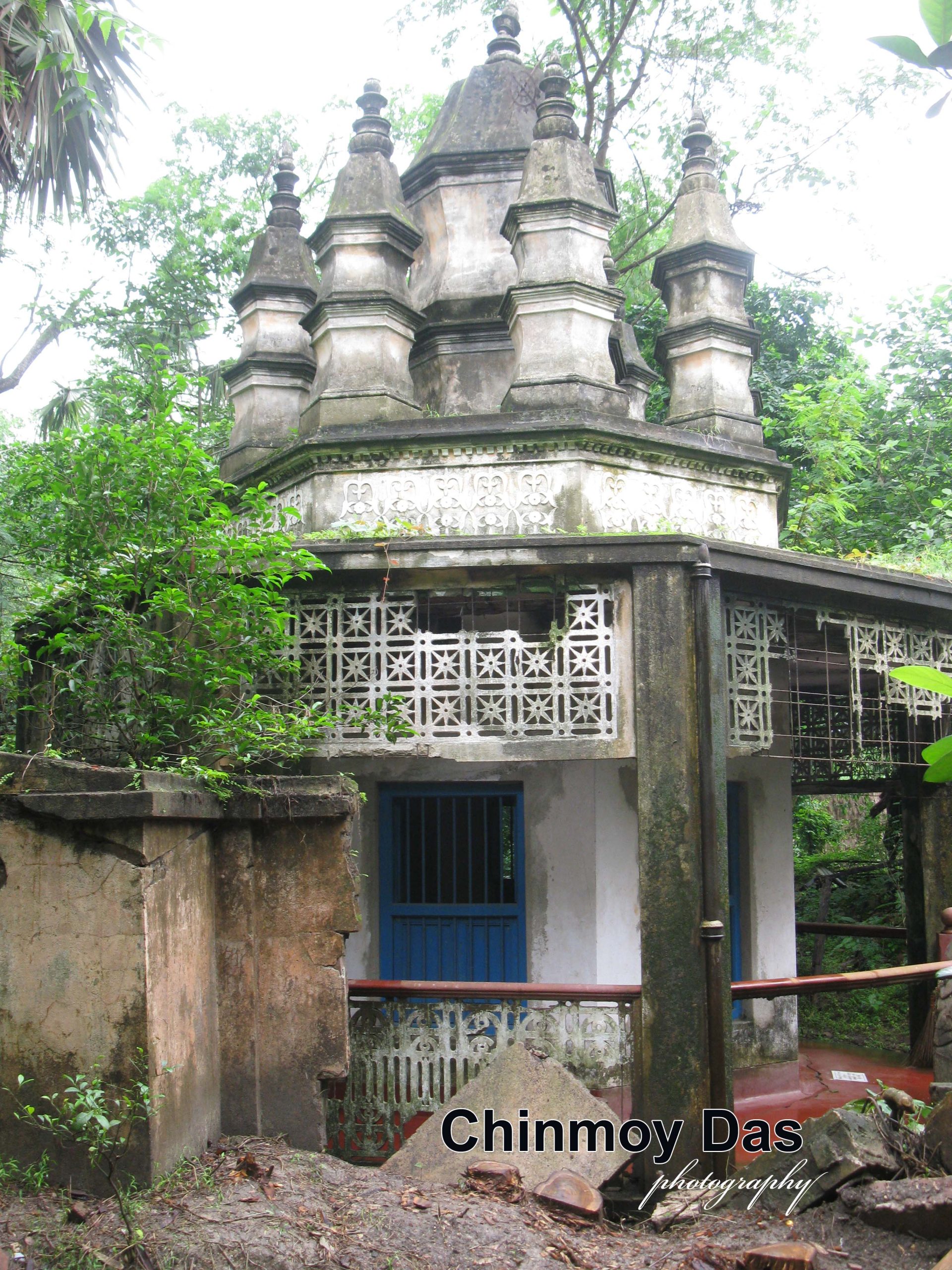
লক্ষ্মীজনার্দন-এর বর্তমান এই মন্দিরটিও হুবহু তাঁর রাসমঞ্চের আদলে নির্মিত হয়েছে। নিচে গর্ভগৃহটি আট-কোণা। মাথায় ন'টি চূড়া নিয়ে, নব-রত্ন বিশিষ্ট সৌধ। কোনও অলংকরণ নাই মন্দিরে।
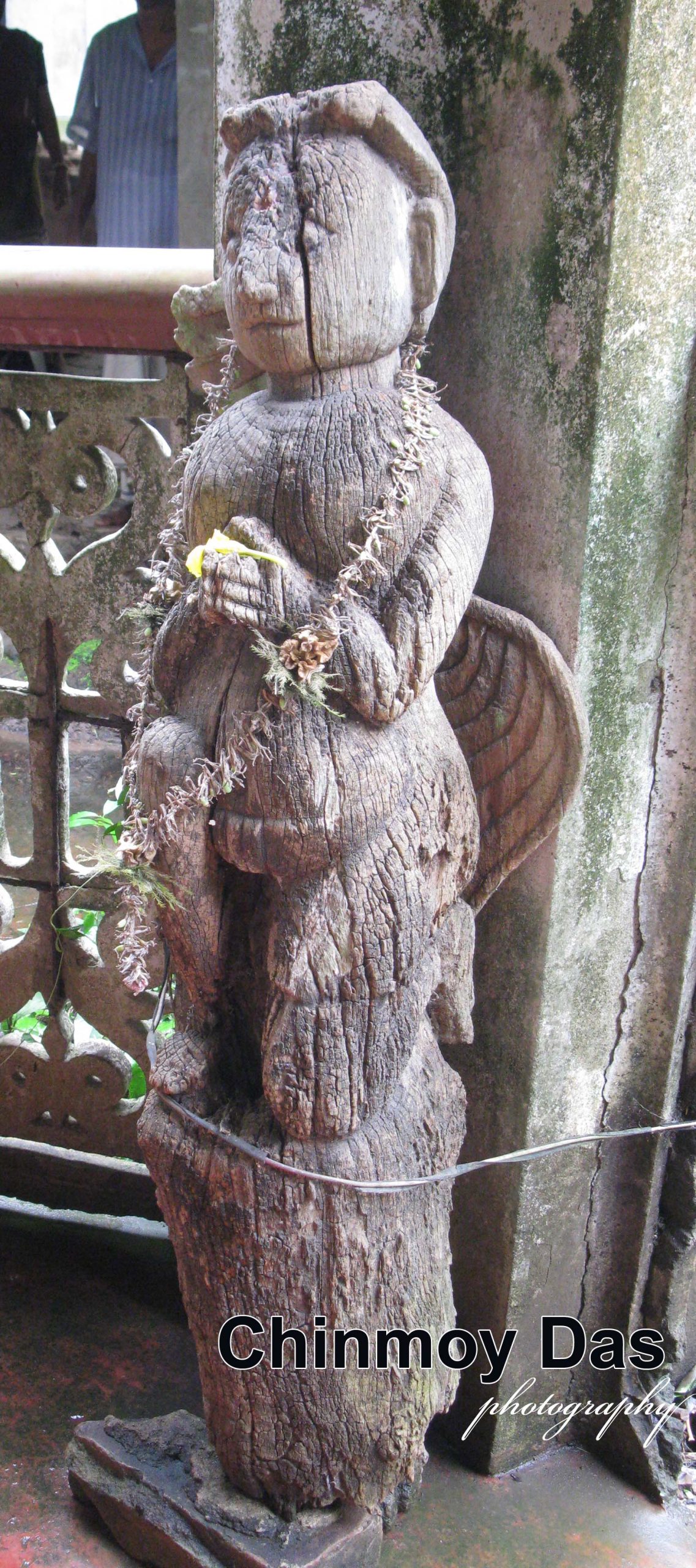
প্রয়াত প্রবীন ব্যক্তিদের পারলৌকিক কাজের সময়, 'বৃষ-কাষ্ঠ' উৎসর্গ করবার রীতি প্রচলিত আছে মেদিনীপুর জেলায়। এই মন্দিরের সামনে তেমনই একটি বৃষ-কাষ্ঠ স্থাপিত আছে, আমরা দেখেছি। আজ এই জীর্ণ বৃষ-কাষ্ঠ, শ্যাওলা ধরা রাসমঞ্চ, বা করিন্থিয়াম রীতির থামের ভগ্নাবশেষগুলিই কেবল টিকে আছে কেবল, এক বনেদি বাড়ির প্রাচীন ইতিহাসের সাক্ষী হয়ে।
Lakshmijanardan Temple, Chak Kumar (Police Station: Debra, Medinipur)
Chinmoy Das
The temple discussed in today’s journal, along with the appearance of its deity, is the stuff of legend. For the last ten or eleven generations, the temple’s hereditary custodians (sebaits) have carefully preserved this remarkable story. Let us first hear that tale.
In the old days, in the Sahapur Pargana (present-day Debra Police Station area), there was a large zamindari owned by one Sudam Charan Das Bera. His estate was magnificent. Elephants were kept in the elephant stables. An entire wing of the mansion housed the estate office and records. The zamindar’s residence bustled with servants, attendants, and retainers.
The annual supply of pulses for the zamindar household came from the forested Jungle Mahal region of Jhargram. Sack after sack of pulses arrived loaded in panniers on elephant backs. The estate possessed a huge husking shed where women workers used wooden pounders (dhenki) to remove the husks from the pulses.
This happened roughly 250 years ago. One day, such pulse-processing work was underway. That night, Zamindar Sudam Charan received a divine command in a dream:
“A Shalagram stone of Lord Vishnu was hidden in one of the sacks of black gram. Mistaking it for an ordinary black stone, the women have thrown it away into the pile of husks. Retrieve it and establish it in worship.”
The zamindar could scarcely contain his joy. The deity Himself had arrived at his doorstep—such fortune falls to very few.
The stone was found without much difficulty and was reverently recovered. It bore the marks of a doorway, four Vishnu chakras, and a garland motif (vanamala). Learned Brahmin scholars examined it and identified it as a Lakshmijanardan Shila.
A grand Pancha-Ratna (five-towered) temple was then built beside the palace. In front stood a verandah supported by Corinthian-style pillars. A Rasmancha (festival pavilion) was constructed slightly to the east of the palace. With great pomp and ceremony, the deity was installed and regular worship began.
Neither the temple nor the Rasmancha possessed an inscription, so the exact date of construction is unknown. However, the author collected a genealogy of ten or eleven generations from the sebait family, extending from Sudam Charan to the present generation. Based on this lineage, it may be estimated that the event occurred about 250–275 years ago. In other words, the temple was probably established in the mid-eighteenth century or a few years thereafter.
With age and the ravages of time, the original temple eventually fell into ruin. Around the middle of the last century, it was demolished and replaced by a new structure. This happened only about seventy-five years ago. The present temple was built by Bankubihari, son of Dhanapati Das Bera, a descendant of Sudam Charan. Two marble plaques inside the temple record the identities of the patrons and the dates of construction.
As a Vishnu temple, celebrations were held throughout the year. Festivals such as Jhulan, Dol, and Ras were observed with great splendour. The Ras festival lasted five days. The deity was carried in procession seated in an ornate howdah on the back of an elephant. A week-long fair occupied the spacious courtyard before the Rasmancha. Folk festivals such as Ambubachi, Chhatu Sankranti, and Makar Sankranti were also highly valued by this zamindar family.
The most elaborate celebrations were held during Makar Sankranti. The festivities began on the last day of the Bengali month of Poush and continued throughout the month of Magh. Every household in the village received offerings known as Makar. These offerings were also delivered to tenants living in distant parts of the estate. With the abolition of the zamindari system, those days of grandeur vanished like camphor. Today, only the basic observances remain.
There are now fourteen or fifteen families belonging to the Das Bera lineage. All of them share the right to participate in the deity’s worship. Brahmins bearing the surname Chakrabarti have served as hereditary priests here for generations.
Little is known about the architecture of the original temple. It is only known that it was a Pancha-Ratna temple built in the ratna style. No trace of that structure survives. The present temple stands upon its original foundation.
The present temple does not conform to the conventional dalan, shikhara, ratna, or chala styles of Bengal temple architecture. As already mentioned, a Rasmancha was also built. It stands on a high plinth and is hexagonal in plan, crowned with seven ratnas (towers). The arches of its entrances are of the darun type.
Several Rasmanchas in Medinipur district feature a distinctive form of tower known locally as “Behari Rasun Chura”. The noted architectural historian David McCutchion discussed this style in his work European Baroque Art.
The present Lakshmijanardan Temple has been constructed in almost the same style as its Rasmancha. The sanctum below is octagonal, while the superstructure rises with nine towers, making it a Navaratna temple. The temple is entirely devoid of ornamentation.
In Medinipur district, there exists a custom of dedicating a Brisha-Kastha (a wooden bull effigy) during funeral rites for elderly deceased persons. One such Brisha-Kastha stands before this temple. Today, this weathered wooden bull, the moss-covered Rasmancha, and the broken remnants of Corinthian-style pillars are all that survive as silent witnesses to the long history of a once-aristocratic household.