জানকীনাথ মন্দির, নন্দীগ্রাম (নন্দীগ্রাম-- ১ / মেদিনীপুর )
চিন্ময় দাশ
রানির হাতে মন্দির পত্তনের কথা উঠলে, মেদিনীপুর জেলায় ২ রানীর নাম উল্লেখ করে থাকেন ঐতিহাসিকেরা। পূর্বে মহিষাদলের রানি জানকী দেবী, আর পশ্চিমে শিলদার রানি কিশোরমণি। রাজ্য পরিচালনায় কিশোরমণি এতটাই দক্ষ ছিলেন, তাঁকে "রাজা" নামে উল্লেখ করা হোত। যাক, সে অন্য প্রসঙ্গ।
মহিষাদলে উপাধ্যায় রাজবংশের পত্তন হয় ষোড়শ শতাব্দীর কোনও এক সময়ে। জনৈক জনার্দন উপাধ্যায় এখানে এসেছিলেন বাণিজ্যের সূত্রে। তিনি ছিলেন উত্তর প্রদেশের সামবেদীয় ব্রাহ্মণ। তিনিই এখানে জমিদারী পত্তন করেছিলেন। জনার্দনের পর, দুর্যোধন, রামশরণ, রাজারাম ও শুকলাল জমিদার হয়েছিলেন। বাংলার নবাব মুর্শিদ কুলী খাঁর নির্দেশে জলামুঠা, সুজামুঠা, মাজনামুঠা এবং তমলুক জমিদারীর রাজস্ব আদায়ের ভার পেয়েছিলেন শুকলাল। ১৭৩৮ সালে তাঁর মৃত্যু হয়। শুকলালের মৃত্যুতে রাজা হন তাঁর পুত্র আনন্দলাল।
সেকালের ভূমিব্যবস্থায় নন্দীগ্রাম থানার সিংহভাগ এলাকা ছিল গুমগড় পরগণার অন্তর্ভুক্ত। জলামুঠা, সুজামুঠা ইত্যাদি পরগণার ভিতরে ছিল বাকি কিছু এলাকা। তো, একবার গুমগড় পরগনার জমিদার দুর্গাপ্রসাদ চৌধুরীকে মহিষাদলের রাজা শুকলাল উপাধ্যায়ের কাছ থেকে কিছু ঋণ নিতে হয়েছিল। কিন্তু কিছুকাল তিনি তা পরিশোধ করতে পারেননি। আনন্দলাল রাজা হয়ে, দেনার দায়ে দুর্গাপ্রসাদের পুরো জমিদারিটাই কেড়ে নিয়েছিলেন।
দীর্ঘ ৩২ বছর রাজত্বের পর, ১৭৭০ সালে নিঃসন্তান অবস্থায় আনন্দলালের মৃত্যু হয়। তখন তাঁর পত্নী, রানি জানকী দেবী, রাজ্য পরিচালনার ভার নিয়েছিলেন। জানকী দেবী রাজ্য পরিচালনা করেছেন ৩৪ বছর। ১৮০৪ সালে এই ধর্মপ্রাণা সুশাসক রমণীর মৃত্যু হয়।
৩৪ বছর সময়কালে বেশ কয়েকটি দেবালয় প্রতিষ্ঠা করেছিলেন জানকী দেবী। তার অন্যতম একটি হোল আজকের আলোচ্য জানকীনাথ মন্দির। মৃত্যুর মাত্র এক বছর আগে, ১৮০৩ সালে, মন্দিরটি প্রতিষ্ঠা করেছিলেন তিনি।
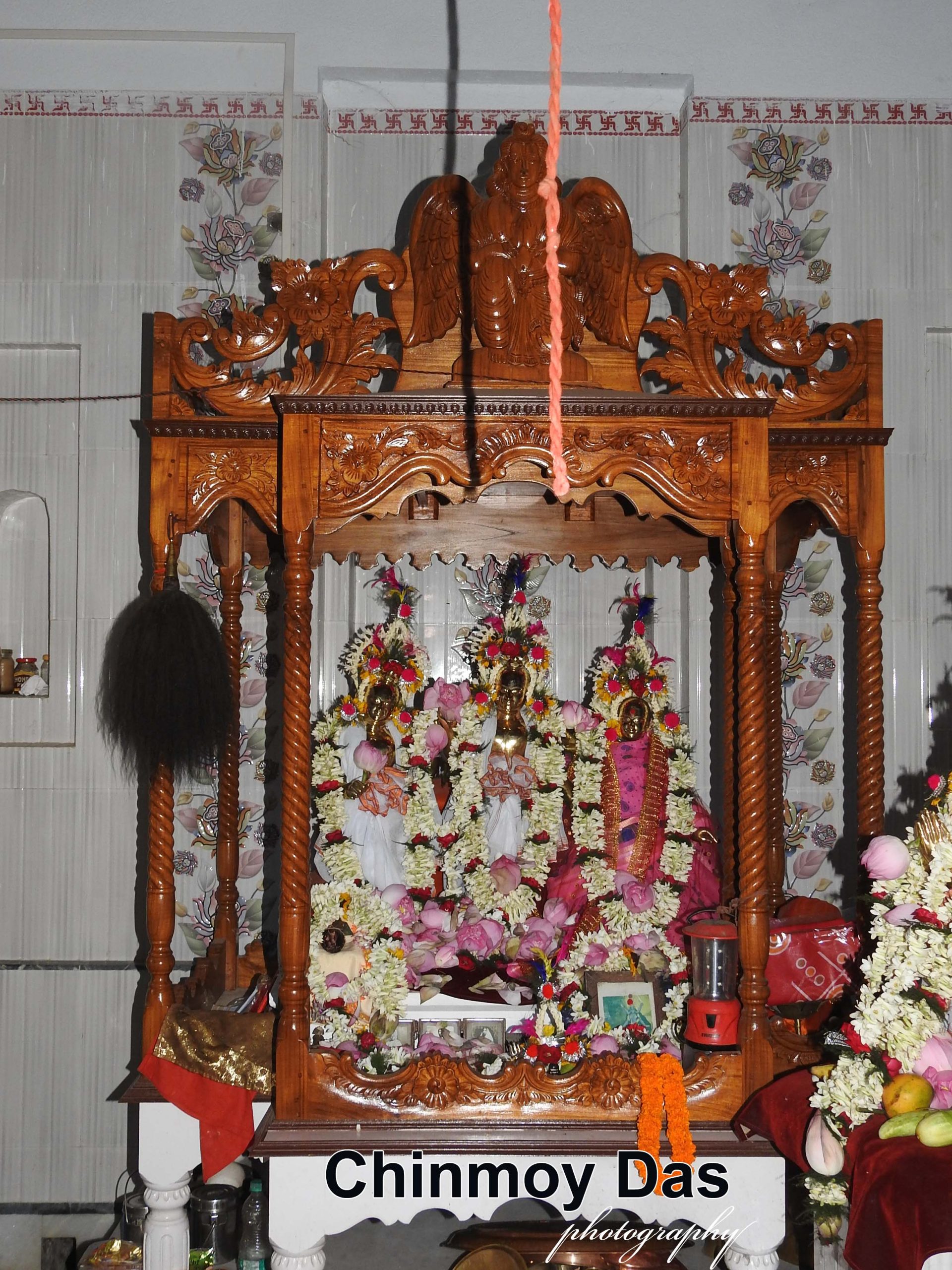
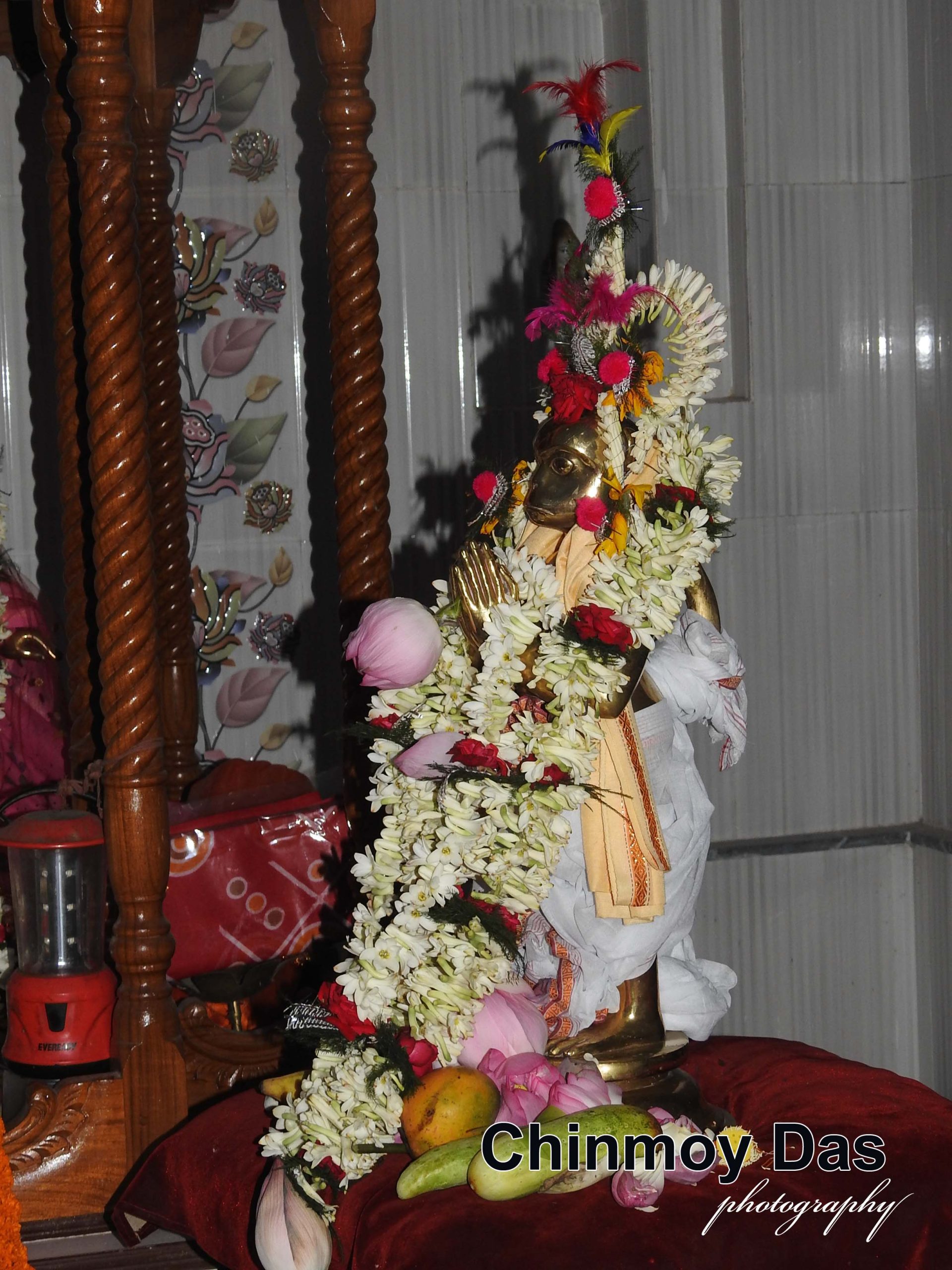
রামচন্দ, সীতাদেবী, লক্ষণজী এবং হনুমান-- ৪টি বিগ্রহ মন্দিরে পূজিত হন। উচ্চতা এবং ওজনের বিবরণ দিলে, বিগ্রহ ৪টির আয়তন বুঝতে সুবিধা হবে পাঠক-পাঠিকার। বিগ্রহগুলি অষ্টধাতুতে নির্মিত। হনুমান-- ২৩ ইঞ্চি, ৫০ সের। লক্ষণজী-- ২৫ ইঞ্চি, ৬০ সের। সীতাদেবী-- ২৫ ইঞ্চি, ৫০ সের। এবং রামচন্দ্র-- ২৮ ইঞ্চি, ৭৫ সের। হ্যাঁ, হিসাব একেবারেই এমনটি।
মূর্তি ৪টি নির্মাণ সম্পর্কে বহুল প্রচলিত একটি লোকশ্রুতি আছে এখানে। 'রাণা' পদবীর এক কারিগর মূর্তি নির্মাণের ভার পেয়েছিলেন। তাঁকে সপরিবারে আনা হয়েছিল ওডিশা থেকে। অন্য মূর্তিগুলি নির্মিত হলেও, তিন-তিনবার নির্মাণের পরেও, সীতাদেবীর মূর্তিটি কিছুতেই নিখুঁত হচ্ছিল না। তখন বিচলিত কর্মকার শুদ্ধান্তঃকরণে প্রায়োপবেশনে আত্মোৎসর্গ ব্রতে বসেন। সেদিনই রাত্রিতে একটি স্বপ্নাদেশ পান তিনি। সেইমত, নিজের কন্যাকে দেবতার নামে উৎসর্গ করে, মূর্তি নির্মাণের কাজ শুরু করেন। মূর্তিটিও নিখুঁত ভাবে গড়া হয়। কিন্তু সেদিনই তাঁর একমাত্র কন্যাটির মৃত্যু হয় বলে জানা যায়।
মূর্তিগুলি ছাড়া, ৪টি শালগ্রাম শিলাও মন্দিরে পূজিত হয়ে থাকে। বংশানুক্রমে মন্দিরে পৌরহিত্য করেন জনৈক নিশিকান্ত পাঠক। বিগত ৪৮ বছর যুক্ত আছেন তিনি। তাঁর পূর্বপুরুষেরা এসেছিলেন উত্তর প্রদেশের অযোধ্যা নগরী থেকে। দুপুরে অন্নভোগ সহ নিত্য ৩ বার পূজার বিধান। তবে, মন্দিরের পূজা ছাড়া, ভক্তদের পূজাও লেগেই থাকে মন্দিরে।
বছরে দুটি উৎসব অনুষ্ঠিত হয় বেশ আড়ম্বরের সাথে। ১. রামনবমী-- ভক্তদের আনা হাজার হাজার কলসি জলে বিগ্রহের স্নান হয় সেদিন। সারা রাতব্যাপী পূজার পর, প্রসাদ বিতরণ এবং রামায়ন পাঠের আসর বসে। ২. দ্বিতীয় উৎসবটি হোল-- পঞ্চম দোল। সেই উপলক্ষে চাঁচর আর রঙের খেলায় মেতে ওঠে সারা বাজার এলাকা।
বেশ কয়েকটি মন্দির প্রতিষ্ঠা করেছিলেন জানকী দেবী। তার ভিতর ৩টি মন্দির আকারে প্রকারে বেশ বড়। একেবারে রাজকীয় গড়ন বলা যায় সেগুলির। ১. মহিষাদলে রাজবাড়ীর প্রাঙ্গণের ভিতরে গোপালজীউ মন্দির। সাড়ে ৩৮ ফুট দৈর্ঘ্য-প্রস্থের এই মন্দিরের উচ্চতা প্রায় ৭০ ফুট। ২. মহিষাদলের অদূরে রামবাগ গ্রামে রামজীউ মন্দির। দৈর্ঘ্য সাড়ে ৪১ ফুট, প্রস্থ ৩৭ ফুট, উচ্চতা প্রায় ৬০ ফুট। ৩. অবশিষ্ট মন্দিরটি আমাদের বর্তমান জার্নালের আলোচ্য জানকীনাথ মন্দির।
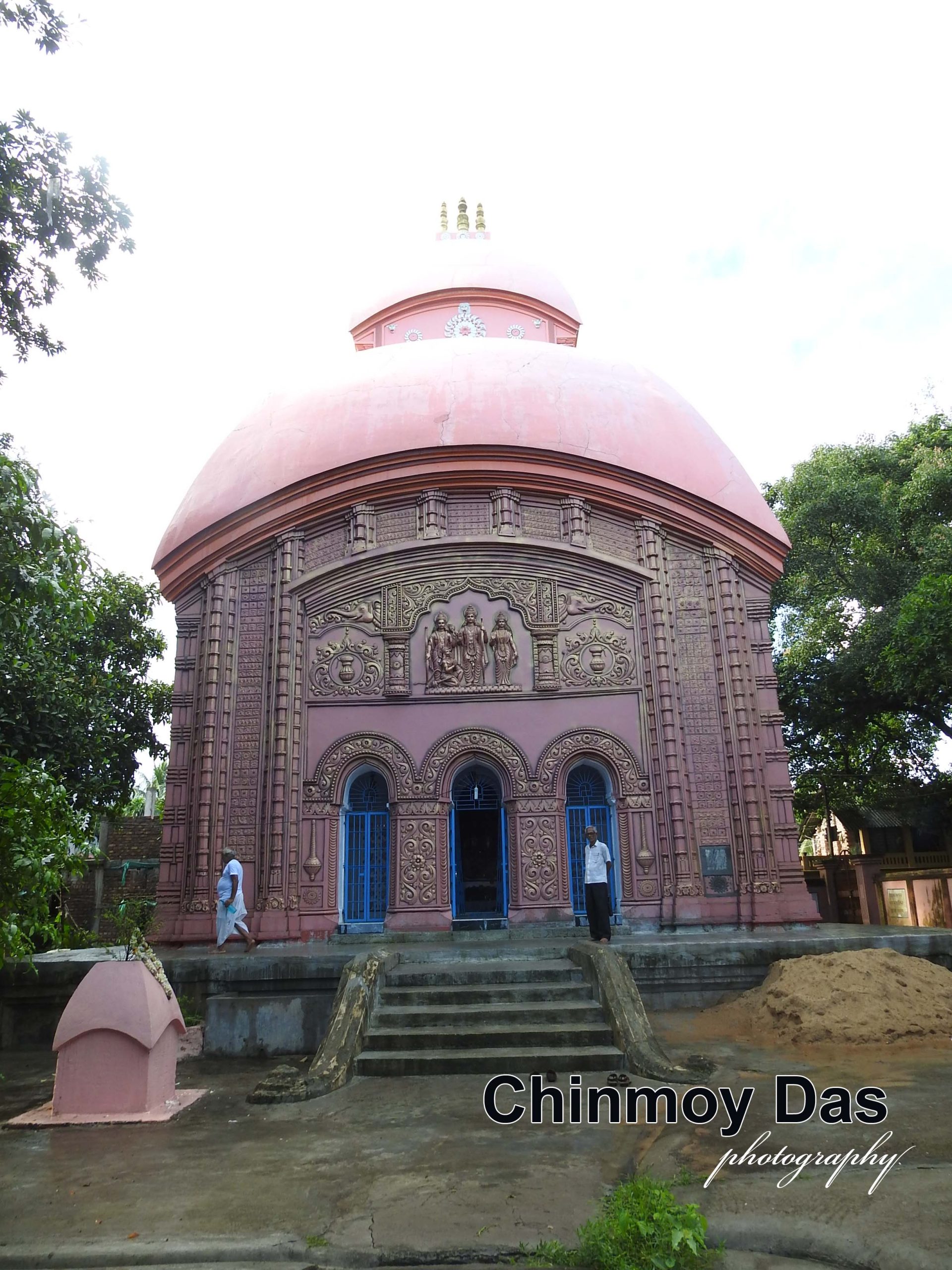
জানকীনাথ মন্দিরটি ইটের তৈরী, পূর্বমুখী। প্রশস্ত প্রদক্ষিণ-পথ যুক্ত, ফুট তিনেক উঁচু পাদপীঠের উপর প্রতিষ্ঠিত। ৪৫ ফুট উঁচু এই মন্দিরের গড়ন সম্পূর্ণ বর্গাকার-- দৈর্ঘ্য-প্রস্থ সাড়ে ২৪ ফুট। রামবাগের মতো, এটিও আট-চালা রীতিতে নির্মিত হয়েছে। কিন্তু দ্বিতলের চারচালাটি কিছু সংক্ষিপ্ত আকারের। সেকারণে, প্রথম তলটি আড়ে-বহরে বেশ পুষ্ট। দৃষ্টিপাতেই মনে সমীহ জাগে।
একটি প্রতিষ্ঠা-ফলক ছিল পূর্বকালে। সংস্কার কাজের সময় যেটি রক্ষা করা হয়নি। তবে, পূর্ববর্তী গবেষকগণের বিবরণ থেকে সেটির বয়ান আমরা সংগ্রহ করেছি-- " সকে ১২১০ সাল/ শকে পঞ্চযুগ্মর্ষি চন্দ্রেসিতাহে/ ক্রিয়ে পঞ্চবিংশে মঠমপৌর্ণমাস্যাং/ নৃপানন্দলালস্যপত্নী তু রাজ্ঞী/ দদৌ জানকী জানকীনাথ কায়া/ ২৫ বৈশাখস্য "। সন তারিখের হিসাবে, বাংলা ১২১০ সাল, ১৭২৫ শকাব্দ বা ইং ১৮০৩ সালে মন্দিরটি প্রতিষ্ঠিত হয়েছিল।
প্রথমে খিলান-রীতির তিনটি দ্বারযুক্ত একটি অলিন্দ। তার পিছনে গর্ভগৃহ। অলিন্দের সিলিং গড়া হয়েছে টানা-খিলান করে। দু'দিকে দুটি বড় খিলানের মাথায় গম্বুজ স্থাপন করে গড়া হয়েছে গর্ভগৃহের সিলিং। গর্ভগৃহটি বেশ প্রশস্ত। তবে, তার গড়ন একটু বিশিষ্ট রীতির। গর্ভগৃহের লাগোয়া পূর্বদিকে একটি ছোট কুঠুরি দেখা যায়। যার পরিমাপ-- ১০ ফুট বাই ৪ ফুট। এই কক্ষের ভিতর থেকেই উপরে উঠবার একটি সিঁড়ি রচিত আছে।
সেই সিঁড়িটিও ভারী বিরল রীতির। তার সোপান শ্রেণীর ভাঁজে ভাঁজে মোট ৯টি ছোট প্রকোষ্ঠ নির্মিত হয়েছে। যা বাইরে থেকে সম্পূর্ণ অদৃশ্য। এগুলি ছাড়াও, বায়ু চলাচলের জন্য কয়েকটি গবাক্ষও রচিত আছে সেখানে।
আরও একটি নিদর্শন আছে বিশিষ্ট রীতির কাজের। দ্বিতলের মাথায়, মন্দিরের শীর্ষক অংশে, একটি টানা বেদীর উপর ৩টি চূড়া স্থাপিত আছে। আমলক, একাধিক কলস, চক্র স্থাপিত আছে সবগুলির মাথায়।
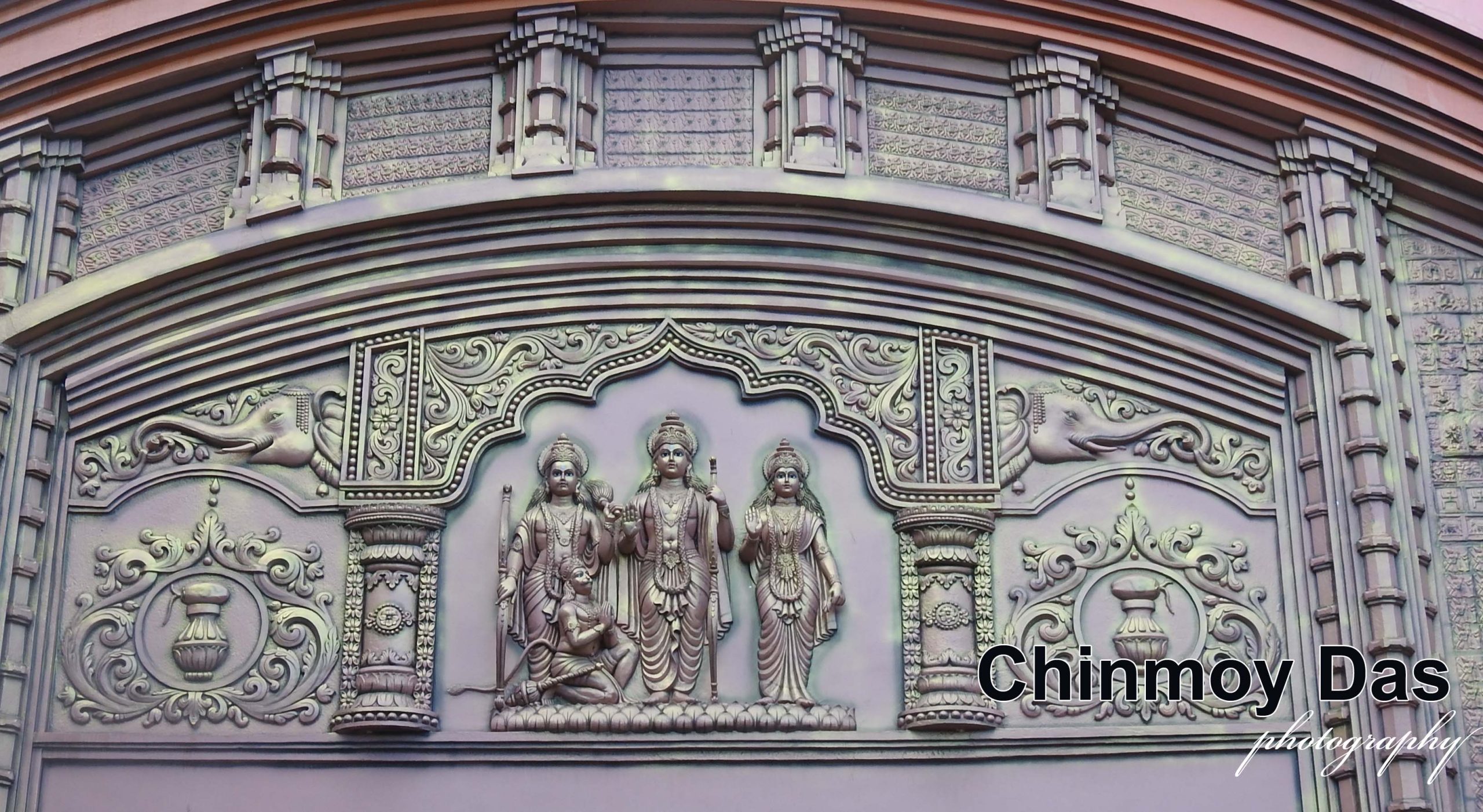
কোনও অলংকরণ ছিল না মন্দিরে। ছবিতে যা দেখা যাবে, সেগুলি সংস্কার কাজের সময়ের সংযোজন। জানকী দেবী ৩টি মন্দিরই গড়েছিলেন উঁচু প্রাচীর দিয়ে ঘিরে। দাক্ষিণাত্য এলাকার দুর্গ-মন্দির (ফোর্ট টেম্পল)-এর আদলে। নন্দীগ্রামের এই মন্দিরের সেই প্রাচীরে পরবর্তীকালে সুসজ্জিত একটি তোরণ নির্মাণ করা হয়েছে।
Janakinath Temple, Nandigram
(Nandigram-I, Medinipur)
By Chinmoy Das
When the subject of temples founded by queens arises, historians usually mention two queens of Medinipur district. In the east was Rani Janaki Devi of Mahishadal, and in the west Rani Kishorimoni of Shilda. Kishorimoni was so capable in administering her estate that she was often referred to as a “Raja” (King). However, that is another story.
The Upadhyay royal family of Mahishadal was established sometime in the sixteenth century. A certain Janardan Upadhyay, a Samavedi Brahmin from present-day Uttar Pradesh, came here for trade and founded a zamindari estate. After Janardan, Duryodhan, Ramsharan, Rajaram, and Shuklal became zamindars. Under the orders of Nawab Murshid Quli Khan of Bengal, Shuklal was entrusted with collecting revenue from the zamindaris of Jalamutha, Sujamutha, Majnamutha, and Tamluk. He died in 1738, and his son Anandalal succeeded him as ruler.
Under the land administration system of that era, most of the area under present-day Nandigram police station belonged to Gumgarh Pargana, while smaller portions fell under Jalamutha, Sujamutha, and other parganas. At one point, Durgaprasad Chowdhury, the zamindar of Gumgarh, borrowed money from Raja Shuklal Upadhyay of Mahishadal. Unable to repay the debt for a long period, he eventually lost his entire zamindari, which was seized by Anandalal after he became ruler.
After ruling for thirty-two years, Anandalal died childless in 1770. His widow, Rani Janaki Devi, then assumed responsibility for governing the estate. She ruled for thirty-four years and passed away in 1804. This devout and capable ruler left behind a remarkable legacy.
During her thirty-four-year reign, Janaki Devi established several temples. One of the most notable among them is the Janakinath Temple, the subject of this article. She founded the temple in 1803, only a year before her death.
The temple enshrines four deities: Lord Rama, Goddess Sita, Lakshman, and Hanuman. Their dimensions help convey the impressive scale of the images. All four idols are made of ashtadhatu (an alloy of eight metals):
- Hanuman: 23 inches high, weighing 50 seers
- Lakshman: 25 inches high, weighing 60 seers
- Sita: 25 inches high, weighing 50 seers
- Rama: 28 inches high, weighing 75 seers
Such are the recorded measurements.
A widely known local legend surrounds the making of these idols. An artisan surnamed Rana was entrusted with the work and was brought from Odisha along with his family. While the other idols were completed successfully, the image of Sita could not be perfected even after three attempts. Distressed, the craftsman undertook a vow of self-sacrifice through fasting and meditation. One night he received divine instructions in a dream. Following the command, he dedicated his daughter to the deity and resumed work on the image. The idol was then completed flawlessly. However, it is said that his only daughter died that very day.
Apart from these idols, four Shalagram stones are also worshipped in the temple. The priestly duties have been performed for generations by the family of Nishikanta Pathak, who has been associated with the temple for the last forty-eight years. His ancestors came from Ayodhya in Uttar Pradesh. The deities are worshipped three times daily, including the offering of cooked rice at noon. In addition to the temple rituals, devotees regularly perform their own acts of worship here.
Two major festivals are celebrated with great pomp every year:
- Rama Navami – Thousands of water-filled pitchers brought by devotees are used to bathe the deities. After an all-night worship ceremony, prasad is distributed and recitations from the Ramayana are held.
- Pancham Dol (Holi Festival) – On this occasion, the entire market area comes alive with traditional chanchar festivities and the joyous playing of colours.
Among the several temples founded by Janaki Devi, three stand out for their size and grandeur:
- Gopaljiu Temple within the Mahishadal Rajbari complex. Measuring approximately 38.5 feet by 38.5 feet, it rises to nearly 70 feet in height.
- Ramjiu Temple at Rambag village near Mahishadal. It measures 41.5 feet in length, 37 feet in width, and about 60 feet in height.
- The third is the Janakinath Temple, which is the subject of this discussion.
The Janakinath Temple is a brick-built, east-facing structure, standing on a plinth about three feet high and surrounded by a spacious circumambulatory passage. The temple is 45 feet high and perfectly square in plan, measuring approximately 24.5 feet on each side. Like the temple at Rambag, it follows the Atchala (eight-roofed) style. However, the upper four-roofed section is comparatively smaller, making the lower level appear especially massive and imposing.
An inscription plaque once existed but was unfortunately not preserved during renovation work. However, its text has been recorded by earlier researchers:
“Sake 1210 sal / Shake Panchayugmarshi Chandresitahe / Kriye Panchabingshe Mathamapurnamasyam / Nripanandalalasyapatni tu Rajni / Dadau Janaki Janakinath Kaya / 25 Baishakhasya.”
According to the date recorded in the inscription, the temple was established in Bengali year 1210, Saka 1725, corresponding to 1803 CE.
The temple consists of a front verandah with three arched entrances, behind which lies the sanctum. The verandah ceiling is constructed with a continuous arch. The sanctum ceiling is formed by placing domes above two large arches on either side. The sanctum itself is spacious and possesses a distinctive layout.
Adjacent to the sanctum on the eastern side is a small chamber measuring approximately 10 feet by 4 feet. From this room, a staircase leads upward.
The staircase is particularly unusual. Within the folds of its ascending steps are nine small hidden chambers, completely invisible from the outside. There are also several ventilating openings to allow the circulation of air.
Another noteworthy architectural feature appears at the summit of the temple. On an elongated pedestal at the top stand three spires, each crowned with amalakas, multiple kalashas, and chakra finials.
Originally, the temple had no decorative ornamentation. The embellishments visible today were added during later renovation works. Janaki Devi had all three of her major temples enclosed within high walls, modeled after the fort-temples of South India. At Nandigram, an ornate gateway was added to this enclosure in a later period.