৩টি শিব মন্দির, আলুই (ঘাটাল)
চিন্ময় দাশ
চেতুয়া, কুতুবপুর-চেতুয়া, বরদা, জাহানাবাদ-বরদা, নাড়াজোল ইত্যাদি কতকগুলি পরগণা নিয়ে গঠন ঘাটাল মহকুমার। একসময় এই এলাকা ছিল রাজা শোভা সিংহের অধিকারে। কৃষিসেচের উন্নতির জন্য পুস্করিণী খনন, জলপথে পণ্য-পরিবহনের জন্য নদী-নালার সংস্কার, গ্রামীণ হস্তশিল্পের বাণিজ্য প্রসারের জন্য নতুন নতুন বাজারের পত্তন-- বহু কাজ করেছিলেন শোভা সিংহ। বিশেষত জলপথ আর বাজারের সুবিধার কারণে রেশমশিল্প বিকাশের উন্নতির সূচনা হয়েছিল তাঁর সময়কালে।
পরবর্তী কালে রেশমশিল্পের শ্রীবৃদ্ধি ঘটেছিল মুখ্যত ইউরোপীয় বণিকদের হাত ধরে। আর্মেনিয়ান, ওলন্দাজ, ফরাসী, সর্বশেষ ইংরেজরা এসে রেশমশিল্পে সামিল হয়েছিল। এখনও ঘাটাল মহকুমা জুড়ে, অনেকগুলি পরিত্যক্ত রেশমকুঠি দেখতে পাওয়া যায়। এর সবই ইউরোপীয় বণিকদের হাতে তৈরী হয়েছিল।
সেসময় বিদেশীদের সাথে বহুসংখ্যক দেশীয় মানুষজনও এই শিল্পে যুক্ত হয়েছিলেন। রেশম উৎপাদক, তন্তুবায়, দালাল বা ফড়ে, মজুতদার, ব্যবসায়ী -- নানা ভূমিকায় নানা জন সামিল হয়েছিলেন। তাঁদের অধিকাংশজনই প্রভূত সম্পদের মালিক হয়ে উঠেছিলেন এক সময়। ১৭৯৩ সালে 'চিরস্থায়ী বন্দোবস্ত প্রথা' প্রচলিত হয়। তাঁদের অনেকেই ছোট-বড় নানা মাপের জমিদারী পত্তনও করেছিলেন সেই আইনের সুবাদে।
ঘাটাল মহকুমার বরদা পরগণা। বরদা ছিল শোভা সিংহের রাজধানি। এরই সামান্য পশ্চিমে আলুই নামের ছোট এক গ্রাম। রেশমের ব্যবসা ছিল এই গ্রামের ভূঁঞা বংশের। সেই বংশের জনৈক রূপচাঁদ ভূঁঞা ব্যবসার অর্থে একটি জমিদারি গড়েছিলেন।
জমিদারি ছোট হলেও, ধর্মপ্রাণ রূপচাঁদের ঈশ্বরভক্তি ছিল বড় মাপের। চার-চারটি মন্দির প্রতিষ্ঠা করেছিলেন একার জীবনে। প্রথমটি গড়েছিলেন কুলদেবতা রাধা-দামোদর জীউর জন্য। পরে, পরপর তিনটি শিবমন্দিরও প্রতিষ্ঠা করেছিলেন তিনি।
রূপচাঁদ ছিলেন নিঃসন্তান। তাঁর মৃত্যুর পর, সম্পত্তির বিভাজন হয়েছে জ্ঞাতি-গোত্রদের মধ্যে। সেই বিভাজনে কুলদেবতার মন্দিরটি এজমালি মালিকানাধীনে গিয়েছে। কিন্তু শিবমন্দির তিনটি যায় ২টি শরিক পরিবারের হাতে।
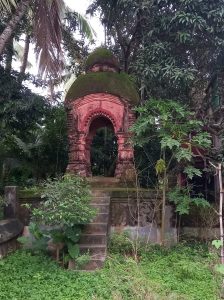
যতদিন জমিদারী সম্পত্তি ছিল, বহাল ছিল শিবমন্দিরগুলির ব্যবস্থাপনাও। সম্পত্তি হাতছাড়া হওয়ার পর থেকে, তিনটি মন্দিরেরই সংকটের সূচনা হয়। বিগত অর্ধ-শতাব্দী সময়কালে সঙ্কট বেড়েছে দ্রুত গতিতে। নিত্যপূজাটুকুই টিকে আছে কোনও রকমে। মন্দিরের রক্ষণাবেক্ষণ আর সেবাইতদের ক্ষমতায় কুলোয় না। জীর্ণ হতে হতে সম্পূর্ণ ধ্বংসের পথে চলেছে তিনটি মন্দিরই। সম্পূর্ণ বিনষ্ট হয়ে যাওয়ার আগে, অন্তত বিবরণটুকু এখানে টুকে রাখবার চেষ্টা করছি আমরা।
জমিদারী করবার পর, প্রথমে কুলদেবতার মন্দির গড়েছিলেন রূপচাঁদ। রাধা-দামোদরের সেই মন্দিরটি প্রতিষ্ঠিত হয় ১৮৬০ সালে। ( ৫৬ নং জার্ণালে সেটির বিবরণ দিয়েছি আমরা।) পরে যে ৩টি শিবমন্দির গড়েছিলেন, তার একটিতে প্রতিষ্ঠা-লিপি যুক্ত ছিল। বর্তমানে সেটি বিলুপ্ত। তবে, পূর্ববর্তী দুই পুরা-গবেষক প্রয়াত তারাপদ সাঁতরা এবং অধ্যাপক প্রণব রায়ের বিবরণে লিপিটির উল্লেখ পাওয়া যায়। বানান, যতিচিহ্ন, বা লাইন-বিন্যাস পরিবর্তন না করে, হুবহু তার বয়ানটি এরকম-- " শ্রীশ্রী মহাদে /ব সন ১২৭৪ সাল / শ্রীরূপচাঁদ ভুঁয়ে /তাহার কিত্রি বড়দা প /রগণে জেলা হুগ্লি সাকি /ম আলোয়ে শ্রী গণেশ চ /ন্দ্র কুন্ডু শ্রীমাহিন্দ্র /নাথ কুন্ডু সাকি /ম সেনহাটি হুগ্লি ইতি। " অর্থাৎ ১৮৬০ সালে কুলদেবতার মন্দির নির্মাণের ৭ বছর পর, বাংলা ১২৭৪ সন বা ইং ১৮৬৭ সালে শিবমন্দিরটি নির্মিত হয়েছিল।
লিপিতে ' বরদা ' পরগণাকে ' হুগলি ' জেলাভুক্ত বলে উল্লেখ করা হয়েছে। এই বিষয়টি পরিষ্কার করে দেওয়া প্রয়োজন। একসময় ঘাটাল ছিল জাহানাবাদ (বর্তমান আরামবাগ মহকুমা) এবং সম্রাট আকবর প্রবর্তিত সরকার মান্দারণের অধীন। ১৭৯৫ সালে হুগলি জেলার জন্ম হলে, ঘাটালকে তার অন্তর্ভুক্ত করা হয়েছিল। ঘাটাল হুগলির মধ্যে ছিল পৌনে একশ' বছর। ১৮৭২ সালে ঘাটাল পাকাপাকিভাবে মেদিনীপুর জেলার অন্তর্ভুক্ত হয়েছে।
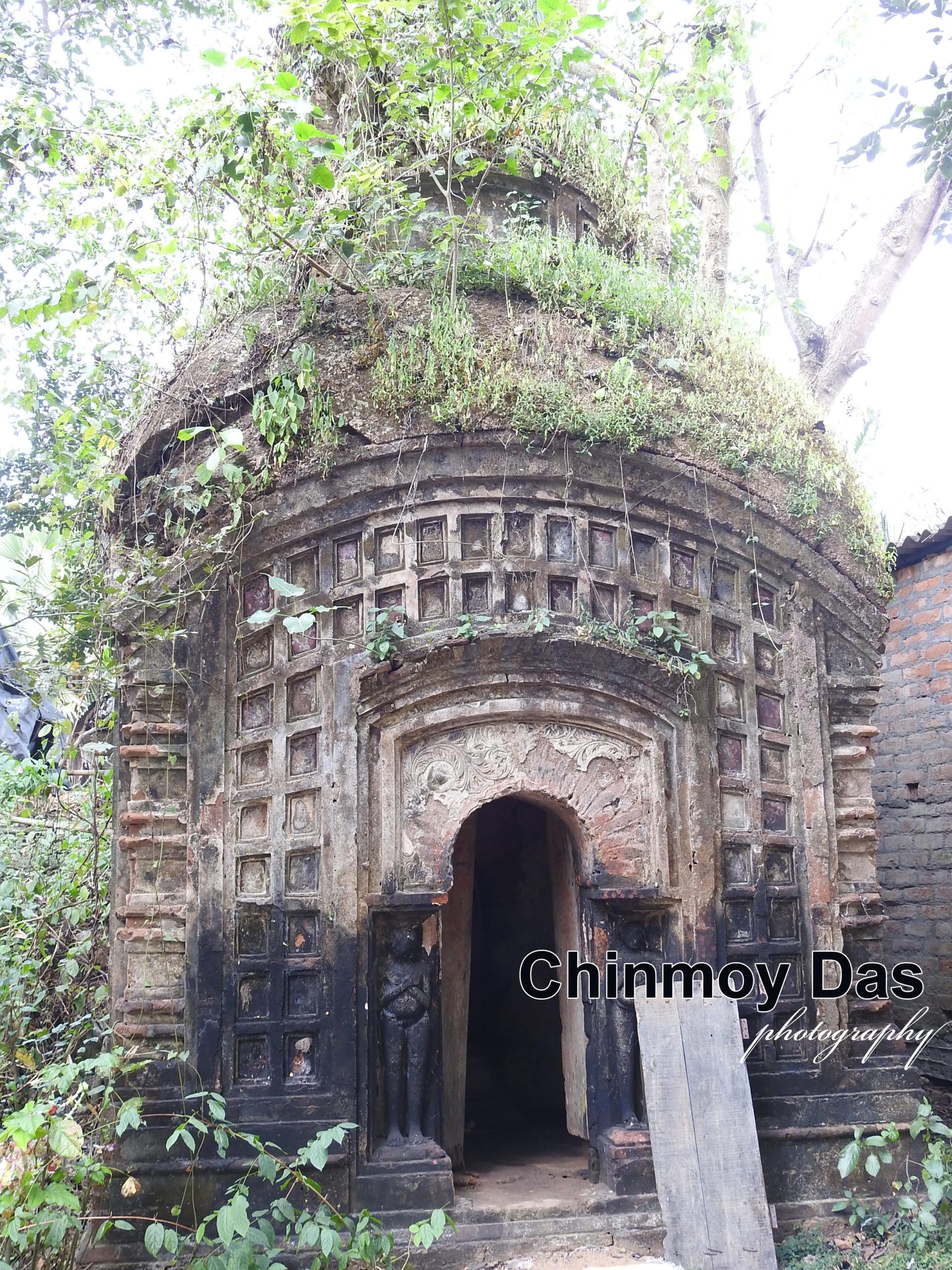
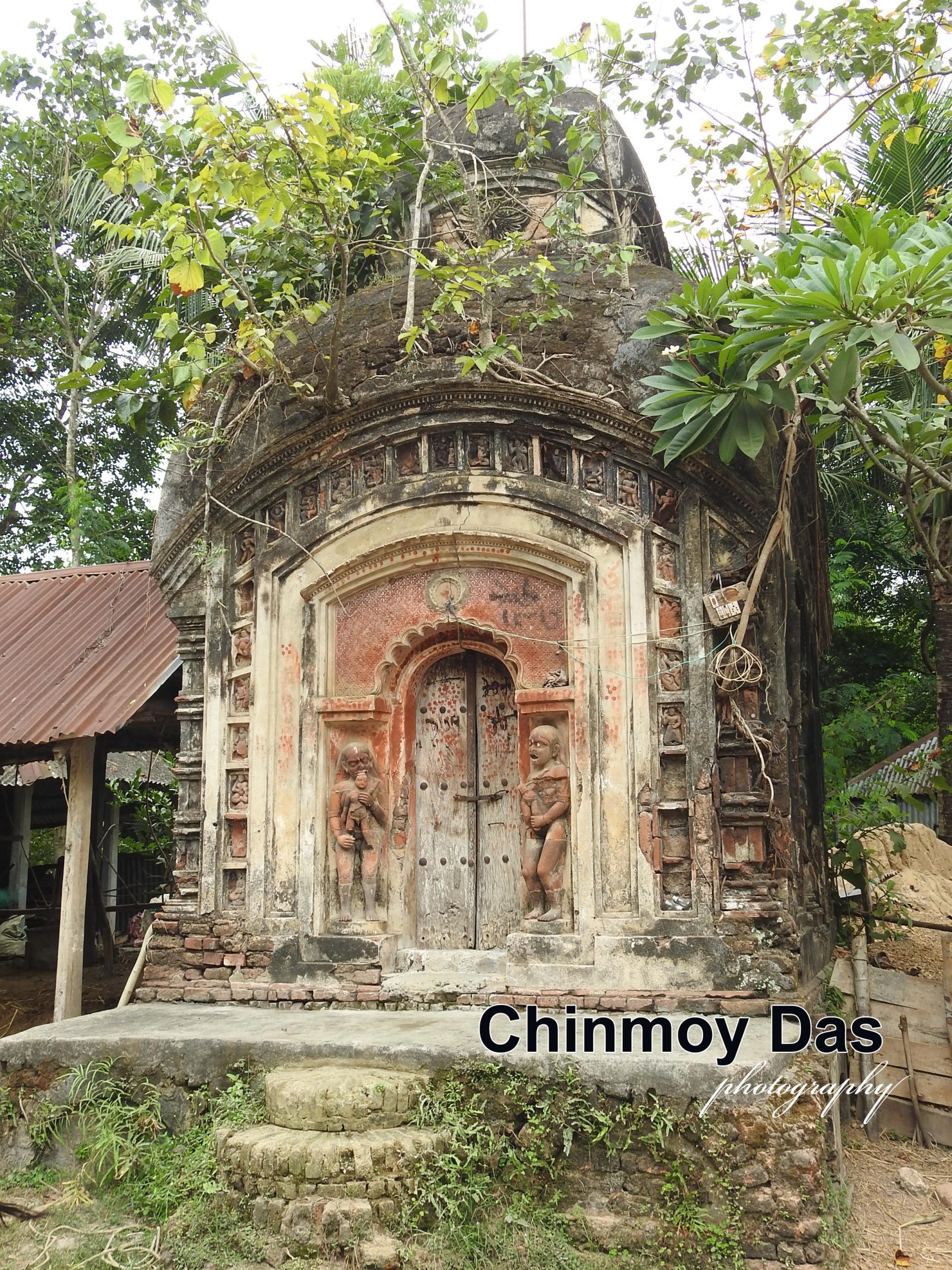
যাইহোক,রূপচাঁদের হাতে গড়া তিনটি মন্দির নিয়ে আমাদের আজকের আলোচনা। অনেকগুলি সামঞ্জস্য আছে তিনটি মন্দিরে-- তিনটিই উঁচু পাদপীঠ, ইটের তৈরী, পূর্বমুখী এবং আট-চালা রীতির। প্রত্যেকটিই বর্গাকার-- দৈর্ঘ্য-প্রস্থ সাড়ে ১০ ফুট, উচ্চতা ২৫ ফুট মত। অলিন্দ নাই, সরাসরি গর্ভগৃহে প্রবেশ করতে হয়। দ্বারপথগুলি খিলান-রীতির। গর্ভগৃহের ভিতরের ছাদ বা সিলিং হয়েছে চার দেওয়াল এবং চার কোণে আটটি খিলানের মাথায় গম্বুজ নির্মাণ করে।
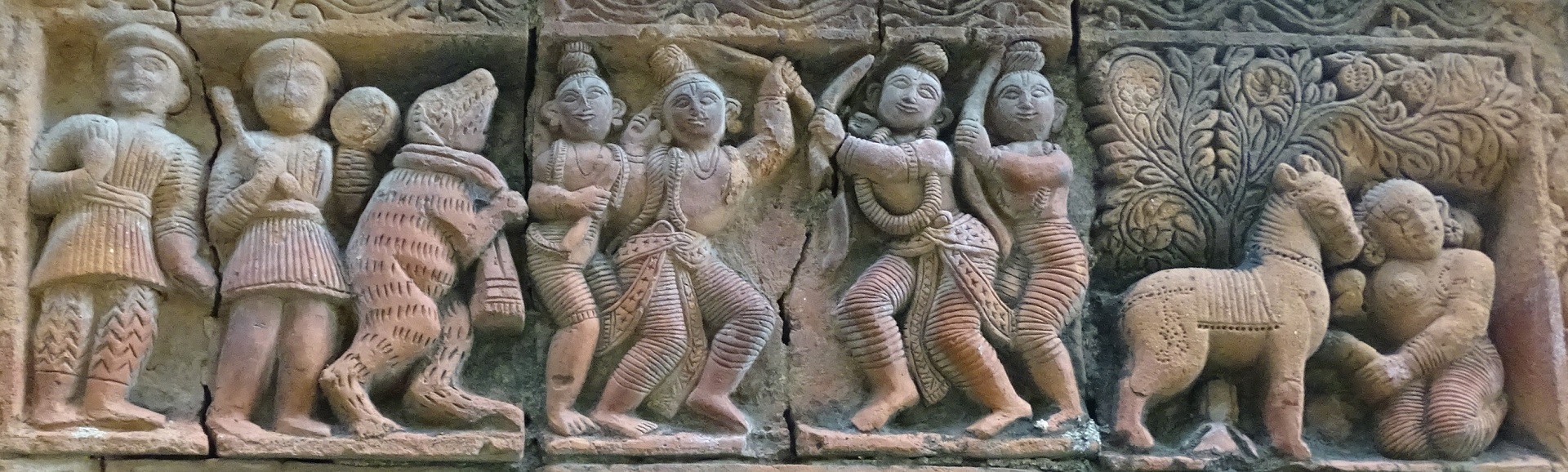
মন্দিরে অলংকরণের কিছু কাজ করেছিলেন রূপচাঁদ। সেগুলি হয়েছিল টেরাকোটা ফলক আর পঙ্খের কাজ দিয়ে। একেবারে দক্ষিণের মন্দিরটিতে দুটি দ্বারপালক মূর্তি ছাড়া অন্য ফলক নাই। বাকি দুটি মন্দিরে, দ্বারপাল ছাড়াও, ফলক আছে তিনটি করে সারিতে-- কার্ণিশের নীচে এক সারি এবং দুই কোনাচের গায়ে দুটি সারিতে। সবই চারকোণা খোপে লাগানো ছোট ছোট ফলক।
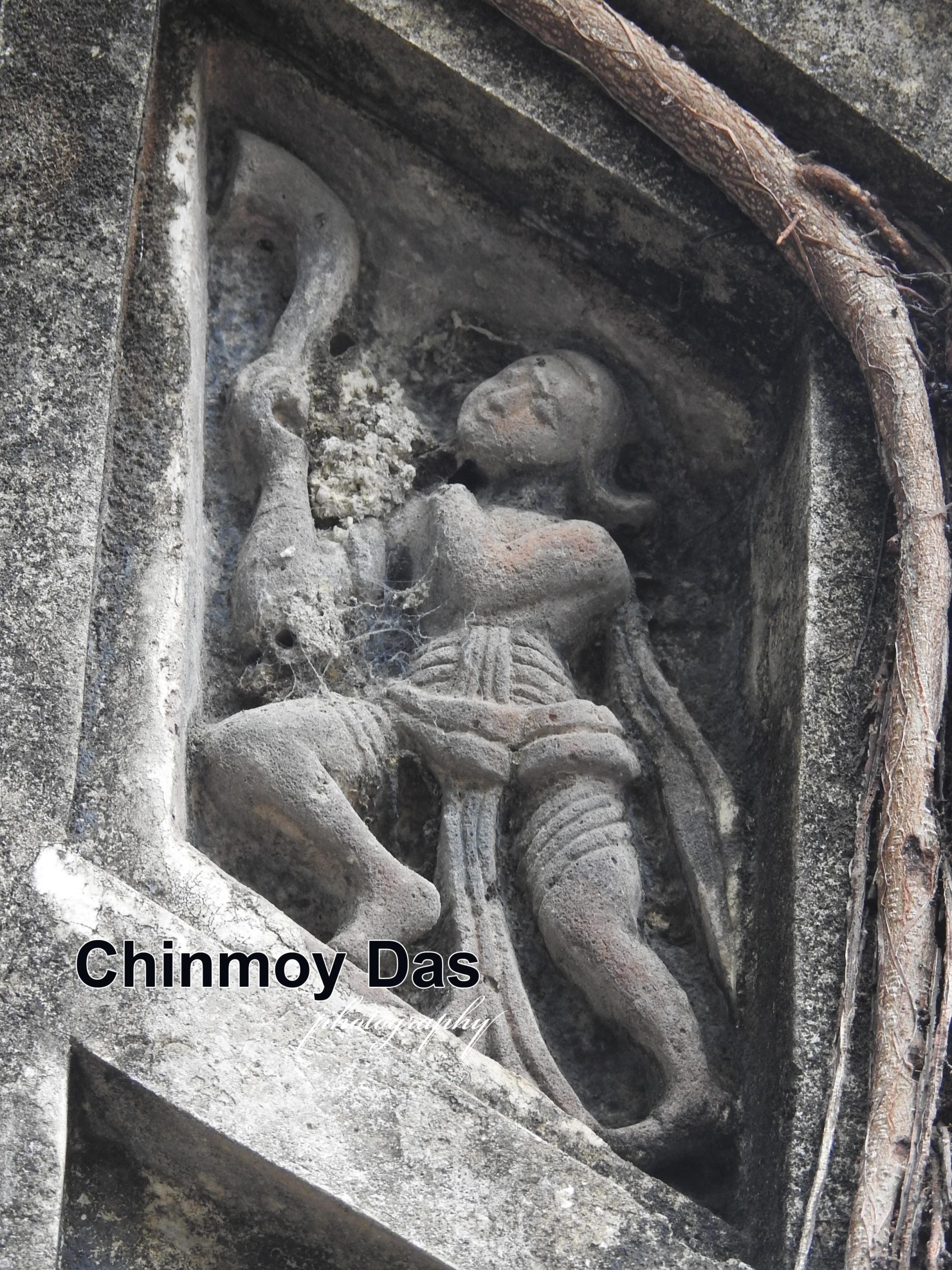
ফলকে দেখা যায়, মোটিফ হিসাবে বহুতর বিষয় স্থান পেয়েছে-- বালক কৃষ্ণের তাড়কা-বধ, সৈনিক, মৃদঙ্গবাদক, শিঙ্গাবাদক, হর-পার্বতী, মুণ্ডমালিনী চতুৰ্ভূজা কালী, সিংহবাহিনী চতুৰ্ভূজা দূর্গা, কার্তিক, গণেশ, সাধুপুরুষ, শ্রীকৃষ্ণের বকাসুর বধ, দশাবতারের কয়েকটি মূর্তি ইত্যাদি।
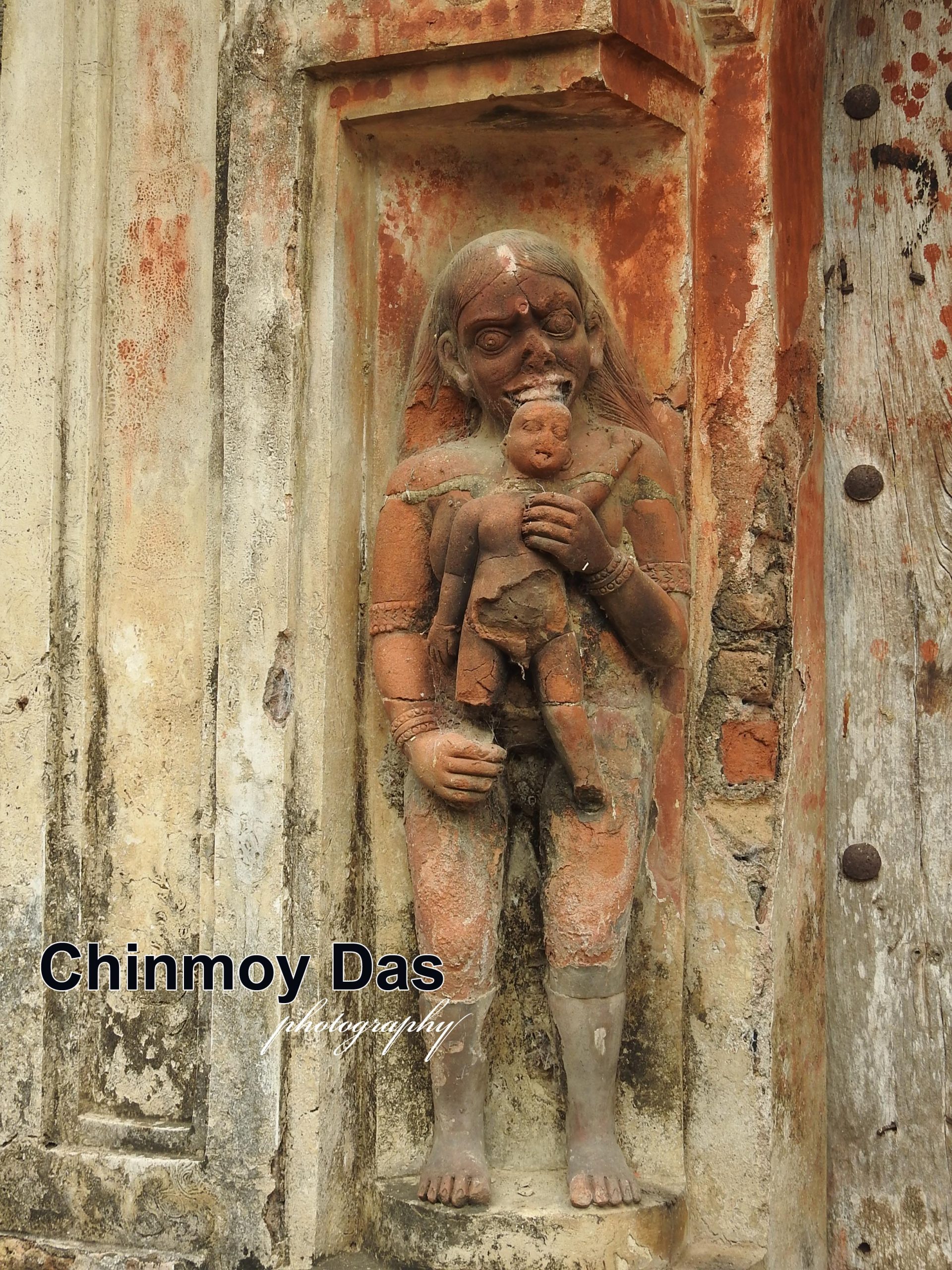
উত্তরের মন্দিরটিতে কিছু পৃথক বৈশিষ্ট আছে-- ১. দ্বারপালের বদলে, এটিতে দ্বারপালিকা মূর্তি। সেদুটিও আবার আস্ত নরদেহ ভোজনরত রাক্ষসী মূর্তি। এমন নজির একান্তই বিরল। বড় একটা দেখা যায় না। ২. এই মন্দিরের উত্তরের দেওয়ালটিতে একটি বড় প্যানেল আছে। তাতে দু'দিকে জোড়া স্তম্ভ সহ 'প্রতিকৃতি দ্বার' এবং ভিনিশীয় রীতির অর্ধোন্মুক্ত দ্বারপথে প্রিয়জনের প্রতীক্ষারত দ্বারবর্তিনী নারীমূর্তি।
খিলান এবং কার্ণিশের মাঝের প্রশস্ত অংশগুলিতে জ্যামিতিক প্যাটার্নের পঙ্খের কাজ করা।
পরিতাপের বিষয়, মন্দিরের সাথে সাথে টেরাকোটা ফলক আর পঙ্খের কাজগুলিও ভারী জরাজীর্ণ। আয়ু আর বেশী কাল নয়।
Three Shiva Temples, Alui (Ghatal)
Chinmoy Das
The Ghatal subdivision was formed from several parganas, including Chetua, Kutubpur-Chetua, Barda, Jahanabad-Barda, and Narajole. At one time, this entire region was under the control of Raja Shobha Singh. He undertook numerous public welfare projects, such as excavating tanks for agricultural irrigation, renovating rivers and canals to facilitate water-borne trade, and establishing new marketplaces to expand the commerce of rural handicrafts. It was particularly due to the advantages of waterways and markets that the silk industry began to flourish during his reign.
In later years, the silk industry prospered further, largely under the patronage of European merchants. Armenians, Dutch, French, and finally the British became involved in silk production and trade. Even today, many abandoned silk factories can be found throughout the Ghatal subdivision, all of which were established by European traders.
During that period, a large number of local people also became associated with the industry. Silk producers, weavers, brokers, middlemen, stockists, and merchants all participated in various capacities. Many of them accumulated considerable wealth. In 1793, the Permanent Settlement was introduced, and taking advantage of this system, several of them established zamindari estates of varying sizes.
Within the Ghatal subdivision lay the pargana of Barda, which served as the capital of Shobha Singh. Just west of Barda was a small village named Alui. The Bhunya family of this village was engaged in the silk trade. One member of the family, Rupchand Bhunya, used the profits from the business to establish a zamindari estate.
Although his estate was modest in size, Rupchand's devotion to religion was immense. During his lifetime, he founded four temples. The first was dedicated to the family deity, Radha-Damodar Jiu. Later, he established three Shiva temples in succession.
Rupchand died without issue. After his death, his property was divided among relatives and members of the extended family. In this division, the temple of the family deity came under joint ownership, while the three Shiva temples passed into the hands of two co-sharer families.
As long as the zamindari estate remained intact, the temples were properly maintained. However, once the estate was lost, the decline of the temples began. During the last half-century, their condition has deteriorated rapidly. Only the daily worship survives somehow. The maintenance of the temples has become beyond the means of the caretakers and hereditary priests. Gradually decaying, all three temples are now moving towards complete ruin. Before they disappear entirely, an attempt is being made here to preserve at least a record of them.
After establishing his zamindari, Rupchand first built the temple of the family deity. The Radha-Damodar temple was founded in 1860. (Its description has been provided in Journal No. 56.) One of the three Shiva temples built later once bore an inscription, though it has now disappeared. However, references to it survive in the writings of the late researchers Tarapada Santra and Professor Pranab Ray. Without altering the spelling, punctuation, or line arrangement, the inscription read as follows:
"Sri Sri Mahade /
ba San 1274 Sal /
Sri Rupchand Bhuinye /
Tahar Kirti Barada Pa /
ragane Jela Hugli Saki /
m Aloye Sri Ganesh Cha /
ndra Kundu Sri Mahindra /
Nath Kundu Saki /
m Senhati Hugli Iti."
This indicates that the Shiva temple was constructed in Bengali year 1274 (A.D. 1867), seven years after the construction of the family deity's temple in 1860.
The inscription refers to Barda Pargana as belonging to Hooghly District. This requires clarification. Ghatal was once under Jahanabad (present-day Arambagh subdivision) and the Mughal administrative unit of Sarkar Mandaran, established during Emperor Akbar's reign. When Hooghly District was created in 1795, Ghatal was included within it. Ghatal remained part of Hooghly for nearly seventy-five years before being permanently transferred to Medinipur District in 1872.
Let us now turn to the three temples built by Rupchand. They share many common features: all three stand on high plinths, are constructed of brick, face east, and follow the at-chala style of Bengal temple architecture. Each is square in plan, measuring approximately 10½ feet in length and width, with a height of about 25 feet. There is no porch; one enters the sanctum directly. The doorways are arched. Inside, the ceiling is formed by a dome resting on arches springing from the four walls and four corners.
Rupchand also embellished the temples with decorative work consisting of terracotta plaques and stucco (pankha) ornamentation. The southernmost temple contains only two doorkeeper figures and no other plaques. The remaining two temples feature three rows of plaques—one beneath the cornice and two rows on the corner projections. All are small plaques set within square niches.
Balak Krishna'r Taraka-badh (The child Krishna slaying Taraka), Sainik (Soldiers), Mridangabadak (Mridanga drummer), Shingabadak (Horn player), Har-Parvati (Shiva and Parvati), Mundamalini Chaturbhuja Kali (Four-armed Kali adorned with a garland of skulls), Singhabahini Chaturbhuja Durga (Four-armed Durga riding a lion), Kartik, Ganesh, Sadhupurush (Holy men), Sri Krishna'r Bakasura-badh (Krishna slaying the demon Bakasura), Dashavatarer Koyekti Murti (Several figures of the Ten Avatars)
The northern temple possesses certain distinctive features:
- Instead of male doorkeepers, it has female doorkeeper figures (Dwarapalikas). Remarkably, these figures are depicted as demonesses devouring entire human bodies—an exceedingly rare motif.
- On the northern wall of the temple is a large panel showing a symbolic doorway flanked by paired columns, along with a female figure standing at a partially open Venetian-style doorway, apparently waiting for a loved one.
The broad spaces between the arches and the cornice are decorated with geometric stucco patterns.
Sadly, not only the temples but also the terracotta plaques and stucco ornamentation have become severely dilapidated. Their remaining lifespan is likely very short.