সীতারাম মন্দির, বলরামপুর (ডেবরা)
চিন্ময় দাশ
মাত্রই শ'দেড়েক একর জমি নিয়ে গড়ে ওঠা গ্রাম। নাম-- বলরামপুর,সাহাপুর পরগণা -- বর্তমানে থানা-ডেবরা। পশ্চিম জেলা।
গ্রামের প্রবীণ জনেরা বলেন, একদিন পুরোটা জুড়েই ছিল এক জমিদারের বাস্তুভিটে। প্রাসাদের সাথে তুলনা করা যায়, বিশাল অট্টালিকা ছিল জমিদারের। হাতিশাল-ঘোড়াশাল ছিল, কাছারিবাড়ি ছিল, গোলাঘর, পাইকদের কুঠি, তোষাখানা-- ছিল যে আরও কত কিছু। মল্লিক পদবি ছিল জমিদারদের। তা থেকেই নাম হয়েছিল-- মল্লিকবেড়।
একবার কলেরা আর ম্যালেরিয়ার প্রকোপ দেখা দিয়েছিল। কংসাবতী নদীর এপার ওপার জুড়ে গ্রামের পর গ্রাম উজাড় হয়ে গিয়েছিল সেই মড়কে। সদর কোতোয়ালি থানার পাথরা, বালিপোতা; কেশপুর থানার গোপীনাথপুর, বাদাড়-- তেমনই সব গ্রাম।
মল্লিকবেড় ছিল নদীর আর খানিক নিম্ন স্রোতে। মল্লিকবেড়েও যখন মড়ক লাগল, জমিদার চলে যান গ্রাম ছেড়ে। ইংরেজদের হাতে কলকাতা তখন পূর্ণ বিকশিত। মল্লিকবাবুরা কলকাতাতেই চলে গেলেন চিরকালের মতো। সেদিন থেকে ঝোপ-ঝাড়, বন-জঙ্গল গ্রাস করতে লাগল মল্লিকবেড়কে।
বহু বহু বছর পরে, পরিত্যক্ত গ্রামটিতে মানুষজনের আসা যাওয়া শুরু হয়. শুরু হয় বন কেটে বসত গড়া. ডেবরা থানারই গণ্ডত গ্রাম থেকে গুঁড়ায় সামন্ত নামের এক কৃষক চলে আসেন গ্রামটিতে। কিছু জমি কিনে নতুন করে বসতি পাতেন সেখানে।
একদিন রাতে দেবতার স্বপ্নাদেশ পান গুরাই সামন্ত-- তোর জমিতেই আছি আমি। উদ্ধার করে পূজা শুরু কর।
সত্যিই তাই। বিশাল বিশাল সব মহীরুহে ঢাকা পুরো এলাকা। ঘন জঙ্গল, সূর্যের আলো ঢোকে,এমন ফাঁক-ফোকরটিও নাই। বিষাক্ত স্যাপ-খোপের আখড়া। কী আশ্চর্য, তার ভিতর থেকেই ফুটে উঠল দু'-দুটো মন্দির। সর্বাঙ্গে গাছপালার বিস্তার। পলেস্তারা নাই বললেই চলে. অতি জীর্ণ অবস্থা তাদের।
সাফ-সুতরো করে দেখা গেল, একটি মন্দিরে শিবের লিঙ্গমূর্তিটি দিব্যি বহাল আছে। অন্যটিতে কিছুই নাই। দেবতার কোনও চিহ্নই নাই গর্ভগৃহে। শেষমেশ মন্দিরের চূড়ার ভাঙা চক্র-চিহ্ন দেখে, সেটি নারায়ণ মন্দির বলে স্থির হয়।
বাজার থেকে রাম-সীতার ছবি এনে রাখা হয়েছে মন্দিরে। মন্দিরের নাম হয়েছে-- সীতা-রাম মন্দির। পূর্ণিমা তিথির দিনগুলিতে পুরুত ঠাকুর আসেন। শাঁখ-কাঁসর বাজিয়ে পূজা হয়। বছরের বাকি দিনগুলি বাড়ির মেয়ে-বৌরা জল-তুলসী দিয়ে প্রণাম করে যান দেবতাকে।
এমন যে অখ্যাত, অবজ্ঞাত এক মন্দির, তার কথা আমরা কেন বলতে বসেছি! বসেছি এজন্য যে, একদিন জেলার অন্যতম সেরা মন্দিরের শিরোপা ছিল এই দেবালয়ের মাথায়। গড়নে, অলংকরণে, কারুকাজে বিপুল গরিমা ছিল দেবালয়টির। হবে না-ই বা কেন? এ মন্দিরের স্থপতি ছিলেন ঠাকুরদাস শীল। গঙ্গার পশ্চিমে সেরা মন্দির-স্থপতির মুকুট ছিল ঠাকুরদাসের মাথায়। মেদিনীপুরের জমিদাররা ঠাকুরদাসের খাতায় নাম লিখিয়ে বছরের পর বছর বসে থাকতেন, তাঁকে দিয়ে একটি মন্দির গড়াবেন বলে। সেই ঠাকুরদাসের হাতেই মন্দিরটি গড়া হয়েছিল।
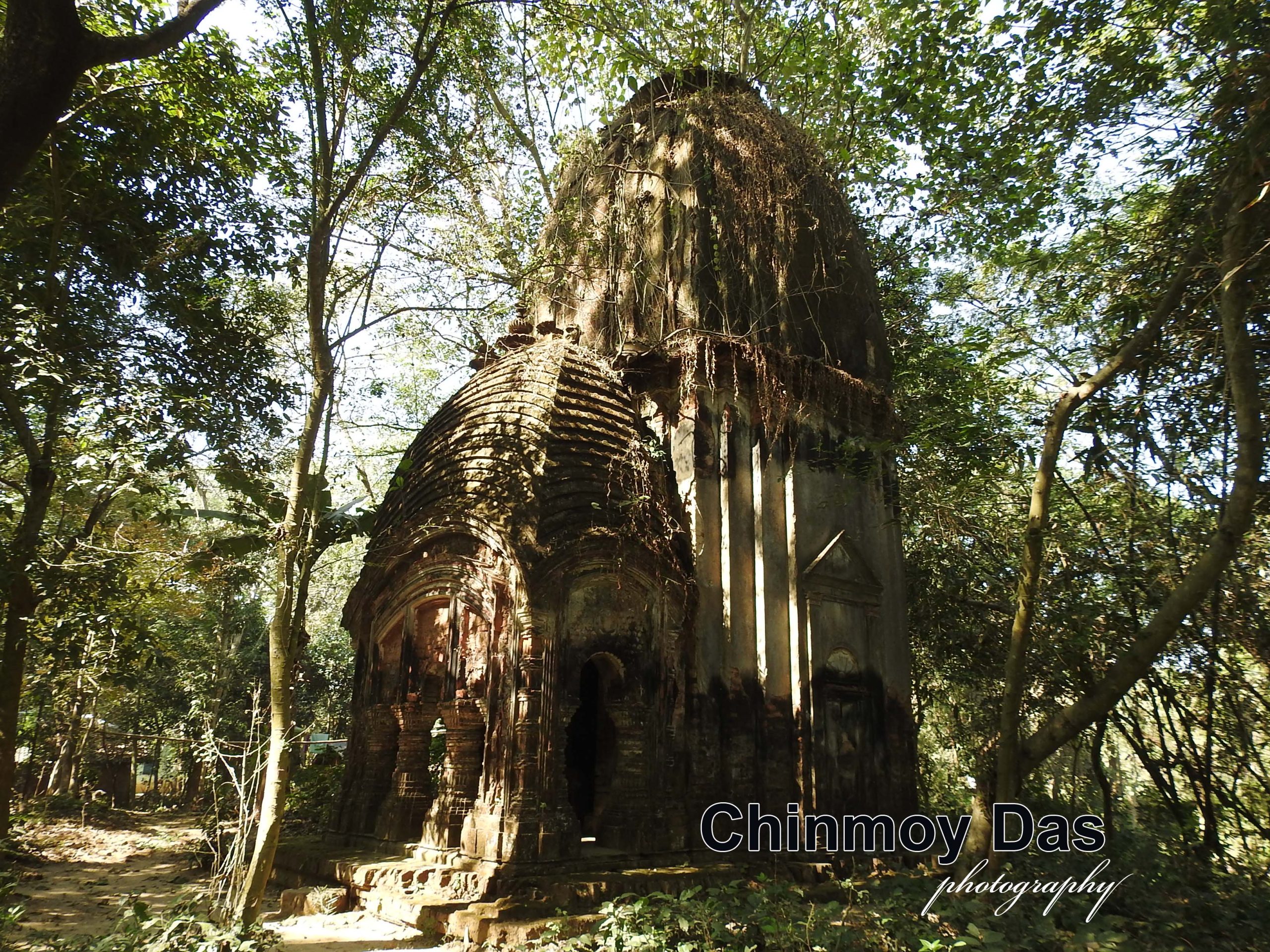
কলিঙ্গ-শৈলীর ' শিখর-দেউল ' রীতিতে নির্মিত এই মন্দির । দীর্ঘ দিনের অযত্নে অবহেলায় অতি করুণ দশা। পাদপীঠ আছে কি নাই। প্রায় সবটাই ভূমিগত। পিছনে বিমান বা মূল মন্দির। সামনে জগমোহন। মাঝখানে কোন অন্তরাল অংশ নাই এখানে। বিমানটি প্রায় ৪০ ফুট উচ্চতার বর্গাকার সৌধ। বাড় ও গন্ডী জুড়ে রথ-বিভাজন করা। প্রশস্ত রাহাপাগ, দু 'দিকে দুটি করে অনুরথ আর দুই কোণে দুটি কোণাপাগ-- এই নিয়ে সপ্তরথ বিন্যাস।
জগমোহনটি আয়তাকার। উচ্চতা প্রায় ফুট পঁচিশেক। এর বাড় অংশটি দালান-রীতির। গন্ডী বা মাথার ছাউনি অংশ চালা-রীতিতে নির্মিত। তার নিচের প্রান্ত বা কার্নিশে বেশ বঙ্কিম গড়ন। চালায় কলিঙ্গ-শৈলীর পীড়-রীতি প্রয়োগ করা হয়েছে। ১৭টি সমান্তরাল সরু থাকে ভাগ করা। থাকগুলি চিকন হওয়ায়, বেশ সুন্দর একটি সুষমা ফুটে উঠেছে মন্দিরে।
দালানের মাথায় আলসের উপর তিনটি শীর্ষক। প্রতিটিতেই বেঁকি, কলস, আমলক। চক্রগুলি কবেই লুপ্ত হয়েছে। টিকে আছে কেবল নিশান-দন্ডগুলিই। জগমোহনের ভিতরের ছাদ বা সিলিং হয়েছে টানা-খিলান করে। গর্ভগৃহের সিলিং চারটি পাশ-খিলানের মাথায় গম্বুজ স্থাপন করে নির্মিত।
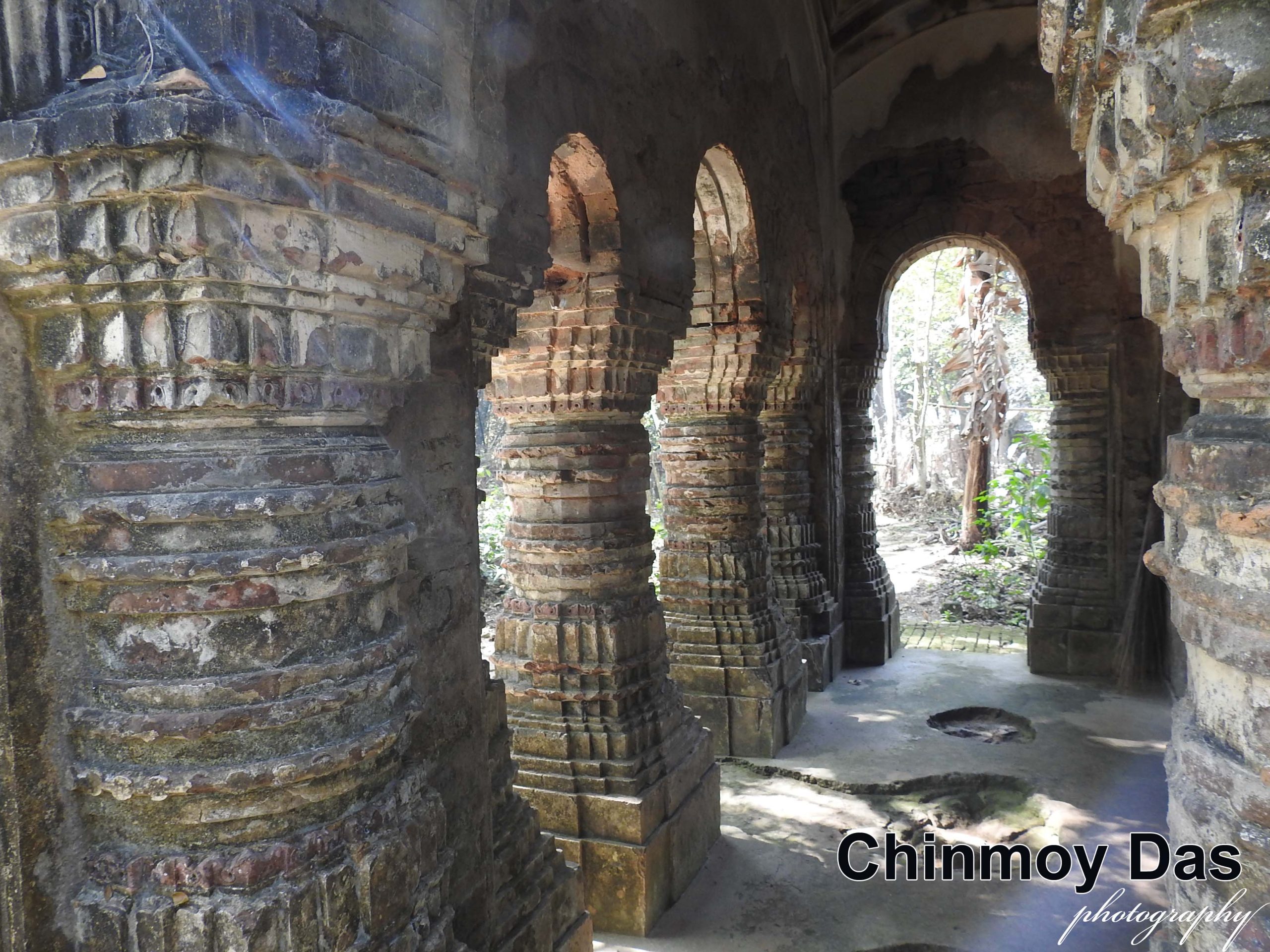
মন্দিরের বায়ুকোণ বরাবর একটি চাতালের চিহ্ন দেখা যায়। সেখানে দেখা যায়, দুটি ভাঙা স্তম্ভের নীচের একটু করে অংশ দেখা যায় কেবল। পঙ্খের সুন্দর মসৃন পলেস্তারায় চিকন প্রলেপ ঠাকুরদাসের কাজের ইঙ্গিত দেয় আজও।
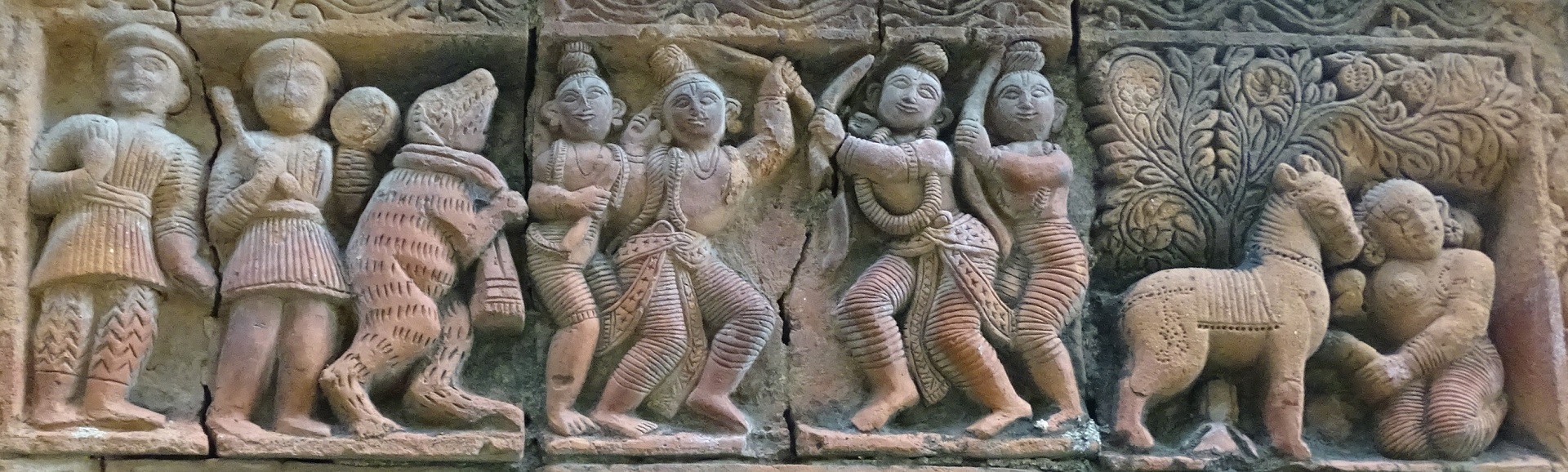
জগমোহনের দেওয়াল জুড়ে টেরাকোটার অলংকরণ ছিল। একটি-দুটি জীর্ণ ফলক ছাড়া, কিছুই আর টিকে নাই। তস্কর আর অসাধু প্রত্ন-গবেষকের দল সেসব লোপাট করে দিয়েছে। দাসপুর থানার সুরতপুর গ্রামের শীতলা মন্দির বা খড়্গপুর থানার চমকা গ্রামের শ্রীধর মন্দিরের ঠাকুরদাসের শিল্পকর্মের নমুনা দেখা যায়। অনুরূপ পারঙ্গমতা এখানেও দেখিয়েছিলেন তিনি।
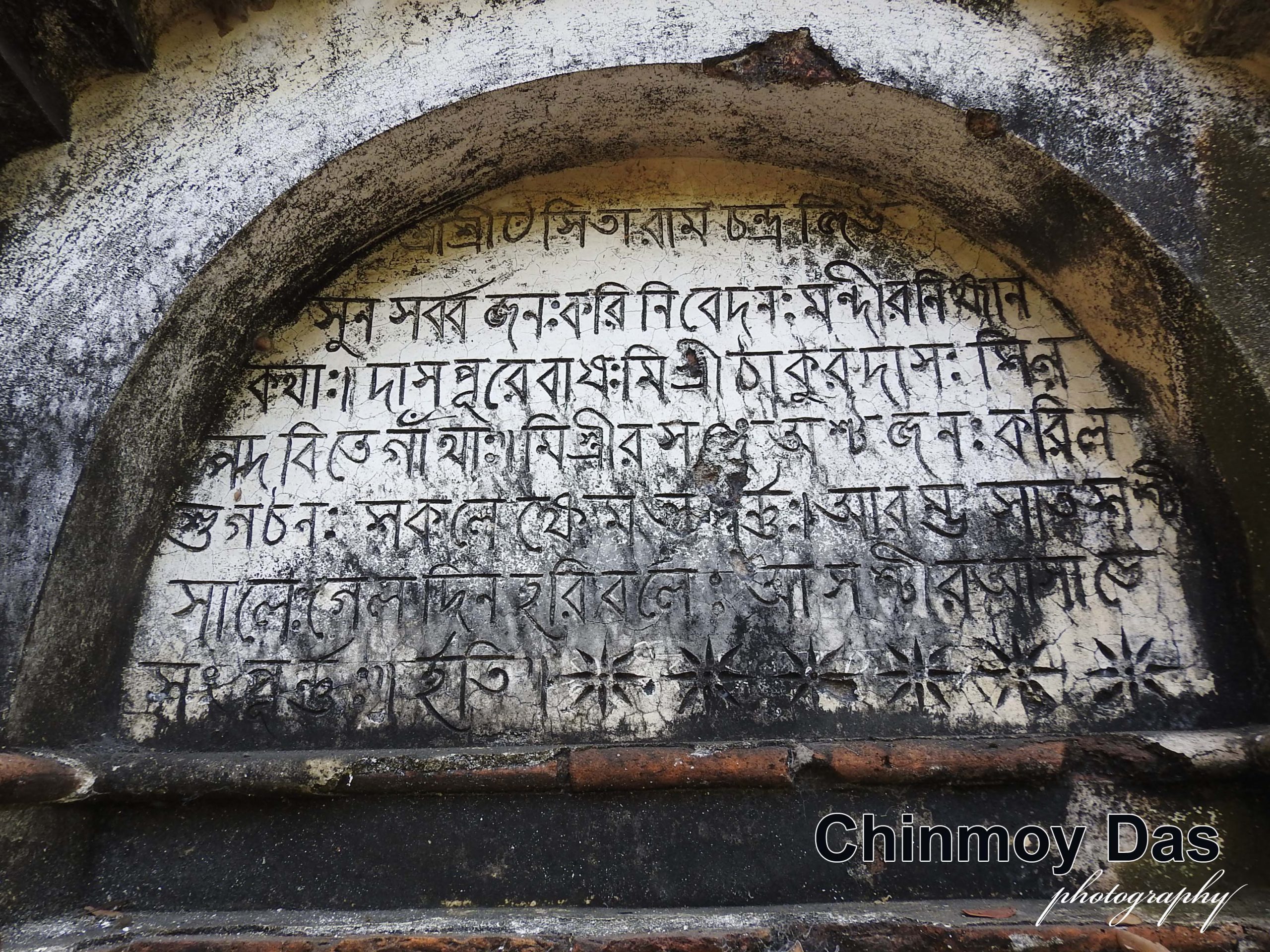
তিনটি বিশেষ বিষয় জানানো প্রয়োজন। ১. প্রতিষ্ঠা-ফলকটি এখনও আছে মন্দিরে। সুন্দর একটি পদ্য রচনা করা হয়েছে তার প্রতিপাদ্যে। ছবি দেওয়া হোল--পাঠক-পাঠিকাগণ তা থেকে রসের সন্ধান করতে পারবেন। ২. মন্দিরের বিমান অংশেরপশ্চিমের দেওয়ালে একটি ঘড়ি এঁকেছিলেন ঠাকুরদাস। মন্দিরে ঘড়ির ছবি কমই দেখা যায়। সেটি এখনও প্রায় অক্ষতই আছে। তারও ছবি দিলাম আমরা। ৩. বজ্রপাত নিবারণের জন্য, মন্দিরের মাথায় লৌহদন্ড বা উলঙ্গ নারী-মূর্তি স্থাপন করা হয়। এই মন্দিরে তা না করে, কেবল একটি বাক্য লিখে দিয়েছিলেন ঠাকুরদাস-- " বিদ্যুদগ্নিভয়ং নাস্তি পতিতে চ গৃহোদরে "। এটিও একান্তই বিরল নজির।
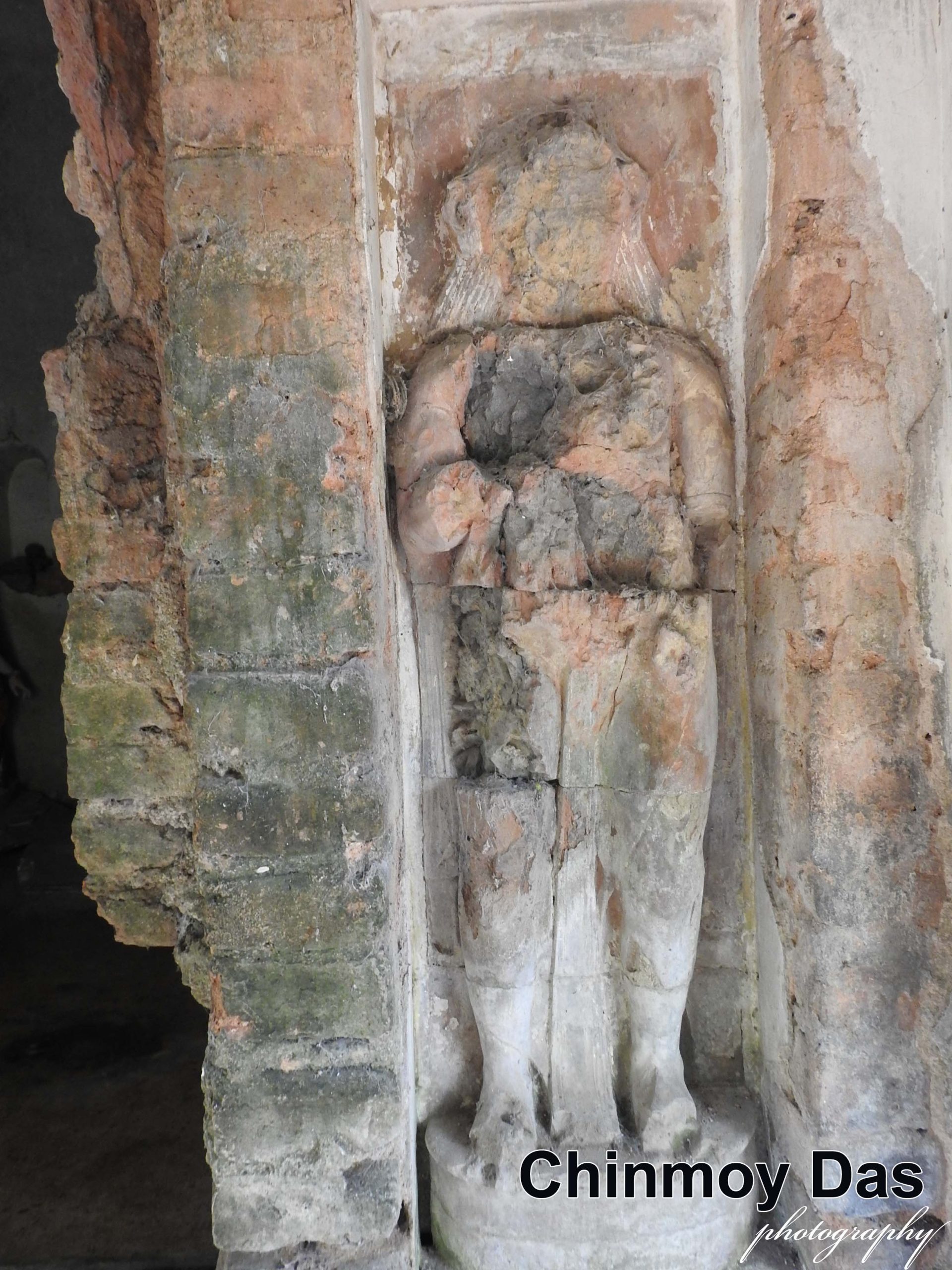
মন্দিরের পূর্ব এবং পশ্চিমের দেওয়ালে দুটি ' প্রতিকৃতি জগমোহন' রচিত আছে। সেগুলিও অলংকৃত। দুটি দ্বারপাল মূর্তি দেখা যায় মন্দিরে। গর্ভগৃহের দ্বারপথের দুদিকে স্থাপিত। তবে একেবারে অন্তিম দশা সেগুলির।
Sitaram Temple, Balrampur (Debra)
Chinmoy Das
A village spread over barely one hundred and fifty acres of land. Its name is Balarampur, in the former Sahapur Pargana, now under Debra Police Station in West Medinipore district.
The elderly residents of the village say that the entire area was once the homestead of a zamindar (landlord). The zamindar owned a huge mansion comparable to a palace. There were elephant stables, horse stables, a court house, granaries, quarters for guards, a treasury, and many other structures. The zamindars bore the surname Mallik, and from this the place came to be known as Mallikber.
At one time, a devastating outbreak of cholera and malaria struck the region. Village after village on both banks of the Kangsabati River was depopulated by the epidemic. Among the affected settlements were Pathra and Balipota under Kotwali Police Station, and Gopinathpur and Badar under Keshpur Police Station.
Mallikber lay somewhat downstream from these areas. When the epidemic reached Mallikber, the zamindar abandoned the village. By then, British Calcutta had developed into a flourishing city. The Mallik family permanently relocated to Calcutta. From that day onward, shrubs, bushes, and dense forests gradually engulfed Mallikber.
Many years later, people began returning to the abandoned village. Forests were cleared, and new settlements were established. A farmer named Gurai Samanta migrated there from Gandat village, also under Debra Police Station. He purchased some land and started a new homestead.
One night, Gurai Samanta received a divine command in a dream:
"I reside within your land. Unearth me and begin my worship."
And indeed, that proved to be true. The entire area was covered with gigantic trees and dense jungle so thick that hardly any sunlight could penetrate. It was a habitat for venomous snakes. Yet, remarkably, two temples emerged from within the wilderness. Trees and vegetation had overgrown them completely, and they stood in a severely dilapidated condition, with almost no plaster remaining.
After cleaning the site, it was discovered that one temple still housed a Shiva lingam in good condition. The other temple contained nothing. There was no trace of any deity within its sanctum. Finally, based on the broken wheel emblem atop its spire, it was concluded that it had originally been a temple of Narayana (Vishnu).
Pictures of Rama and Sita were brought from the market and installed in the shrine. Thus the temple came to be known as the Sita-Ram Temple. On full-moon days, a priest visits and performs worship accompanied by the sounds of conch shells and ritual cymbals. During the rest of the year, the women of the village offer water and sacred basil leaves and pay their respects to the deity.
Why should we speak about such an obscure and neglected temple?
Because there was a time when this shrine was regarded as one of the finest temples in the district. Its architecture, ornamentation, and craftsmanship possessed immense grandeur. And why should it not? The temple was designed by Thakurdas Shil, who was considered the foremost temple architect west of the Ganges. Zamindars of Medinipur would register their names and wait for years to commission a temple from him. It was by the hands of this renowned architect that the temple was built.
Constructed in the Kalinga-style Shikhara Deul tradition, the temple is today in a pitiable state due to prolonged neglect. Even its plinth is almost buried beneath the ground. At the rear stands the Vimana or main shrine, while the Jagamohana (assembly hall) stands in front. There is no intermediate vestibule between them.
The Vimana is a square structure approximately forty feet high. Its bada (base) and gandi (tower) are articulated with projections and recesses. A broad central raha-paga, two anuratha projections on either side, and two corner kona-pagas together create a Saptaratha (seven-fold) plan.
The Jagamohana is rectangular and about twenty-five feet high. Its lower portion follows the hall-type (dalan) style, while the upper roof section is constructed in the chala style. The cornice beneath is gracefully curved. The roof employs the Pidha form of Kalinga architecture. It is divided into seventeen parallel narrow tiers. Their slender proportions lend the temple an elegant harmony.
Above the hall stand three finials resting on the alasas. Each consists of a necking, a pot-shaped element, and an amalaka. The wheels that once crowned them have long disappeared, leaving only the flagstaffs intact.
The ceiling of the Jagamohana is formed with a continuous vault. The sanctum ceiling is constructed by placing a dome upon four side arches.
Near the northwestern corner of the temple, traces of a raised platform can be seen. Only the lower portions of two broken pillars remain there. The smooth and delicate layer of fine plaster still bears testimony to the craftsmanship of Thakurdas.
The walls of the Jagamohana were once richly adorned with terracotta panels. Apart from one or two weathered plaques, nothing survives today. Thieves and unscrupulous antiquities collectors have carried them away. Examples of Thakurdas's artistry can still be seen in the Shitala Temple at Suratpur in Daspur and the Shridhar Temple at Chamka in Kharagpur. He undoubtedly displayed similar mastery here as well.
Three special features deserve mention:
1. The foundation inscription still survives. A beautiful poem was composed for the inscription. A photograph is provided so that readers may appreciate its literary charm.
2. A clock was painted by Thakurdas on the western wall of the Vimana. Images of clocks are rarely found on temples. Remarkably, this one remains almost intact. A photograph of it is also included.
3. Instead of installing an iron lightning rod or a nude female figure as protection against lightning strikes, Thakurdas simply inscribed a Sanskrit sentence on the temple:
“Vidyudagnibhayaṃ nāsti patite ca gṛhodare”
(“There is no fear of lightning or fire should it strike the interior of the house.”)
This too is an exceptionally rare feature.
The eastern and western walls of the temple contain two ornamental replica Jagamohanas, both decorated with architectural embellishments. Two dvarapala (guardian) figures are also present, positioned on either side of the sanctum entrance. However, they are now in an extremely deteriorated condition.

)
