রাধাদামোদর মন্দির, মাংলই (পাঁশকুড়া থানা, মেদিনীপুর)
চিন্ময় দাশ
শত বর্ষ আয়ু হলে, তখন পুরাবস্তুর আখ্যা জোটে কোনও মন্দিরের কপালে। সেটি তখন হেরিটেজ বা ঐতিহ্য হিসাবেও গণ্য হয়ে উঠতে পারে। এমন মন্দিরের সংখ্যা মেদিনীপুর জেলায় বোধকরি এক হাজারের কম নয়। কিন্তু কেবলমাত্র অলঙ্করণের গৌরবে জেলার যে কয়েকটি মন্দির একেবারে সামনের সারিতে আছে, মাংলই গ্রামের এই মন্দির তার অন্যতম। আজ সেই সালঙ্কারা মন্দিরের কথা আমাদের এই প্রতিবেদনে।
সারা ভারতে হিন্দু দেবমন্দির নির্মিত হয়েছে মূলত ৩টি রীতিতে। উত্তর ভারতের নাগর রীতি, মধ্য ভারতের বেসর রীতি, আর দাক্ষিণাত্যের দ্রাবিড় রীতি। বাংলায় বর্তমানে মন্দিরের চারটি শৈলী দেখা যায়-- দালান, শিখর, রত্ন এবং চালা।
রত্ন-রত্ন রীতিকে বলা যায়, উত্তর ভারতের বিশালাকার সূচীমুখ দেবালয়গুলির ক্ষুদ্র সংস্করণ। এখানে রত্ন শব্দটির অর্থ হোল-- চুড়া। গর্ভগৃহ নির্মাণ করে, তার মাথার ছাউনির উপর রত্ন স্থাপন করা হয়। এতে মন্দিরের সৌন্দর্য এবং গরিমা বৃদ্ধি হয়। ছাউনি হিসাবে এক বা একাধিক তল স্থাপন করে, প্রতিটি তলেই চার বা ততোধিক রত্ন স্থাপিত হয়ে থাকে।
সাধারণভাবে মন্দির দুটি উপাদানে নির্মিত হয়-- ইট এবং পাথর। এই বিভাজন ছাড়াও, মন্দিরের আরও কিছু বিভাজন করা যায়। সেটি তার অলঙ্করণ বিচার করে। মন্দির অলঙ্করণের বিভিন্ন রীতি আছে। প্রধান এবং সর্বজনপ্রিয় হোল টেরাকোটা ফলক যুক্ত করা। মন্দিরের সৌন্দর্য এবং মহিমা দুইই বৃদ্ধি পায় তার ফলে। ইটের তৈরি মন্দির তো বটেই, পাথরের দেওয়াল দেওয়া মন্দিরেও পোড়ামাটির ফলক যুক্ত আছে, এমন উদাহরণও কম নাই।
টেরাকোটা ফলকে সমৃদ্ধ মন্দিরই সবচেয়ে জনপ্রিয়। তার সমাদর চিরকালীন। দেশে বিদেশে সর্বত্রই টেরাকোটা ফলক গুণীজনের দৃষ্টি কাড়তে সক্ষম হয়ে এসেছে। মেদিনীপুর জেলার যে কয়েকটি মন্দির, টেরাকোটা ফলকের গুণে জনপ্রিয়তা অর্জন করতে সমর্থ হয়েছিল, মাংলই গ্রামের এই মন্দির তাদের একটি।
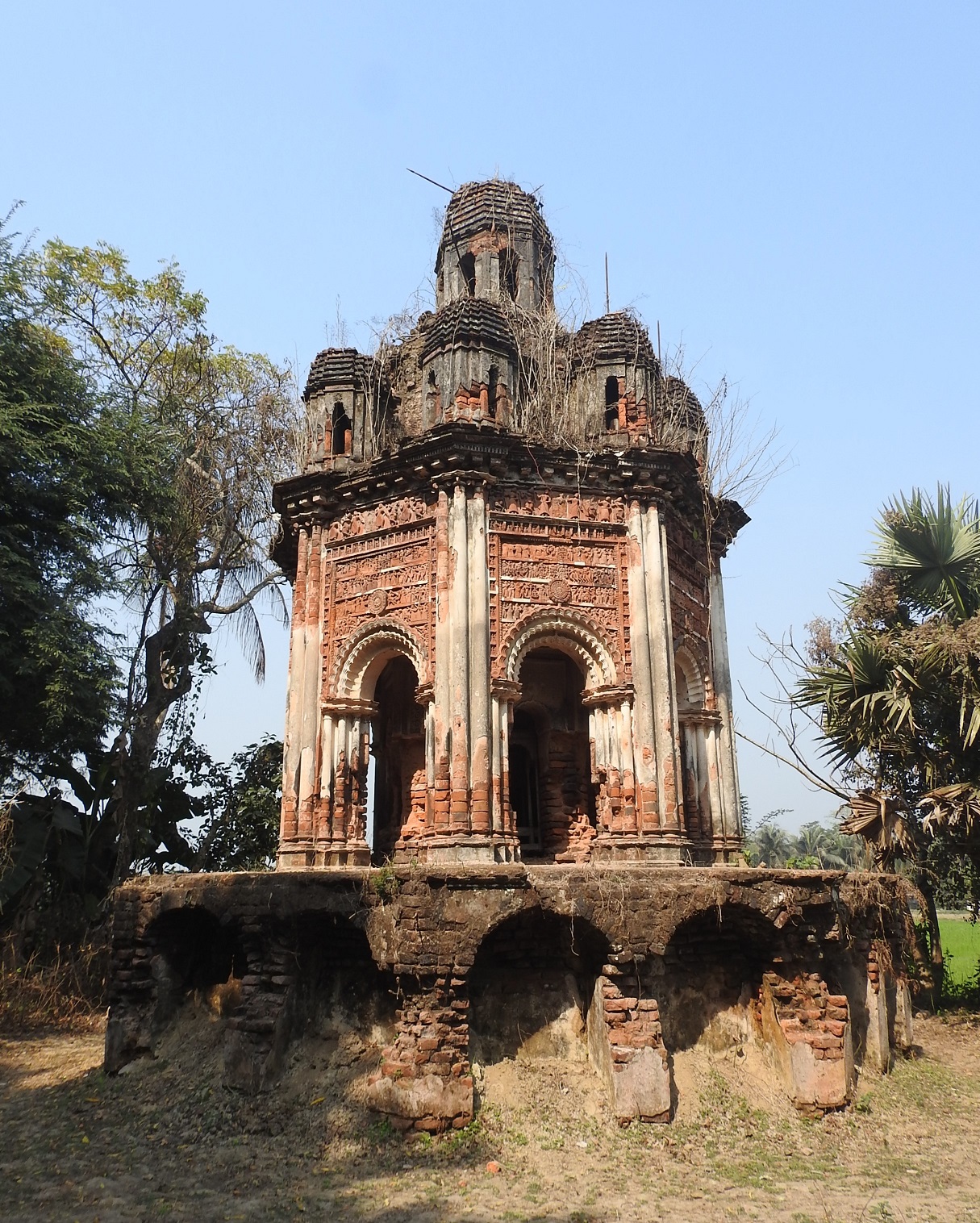
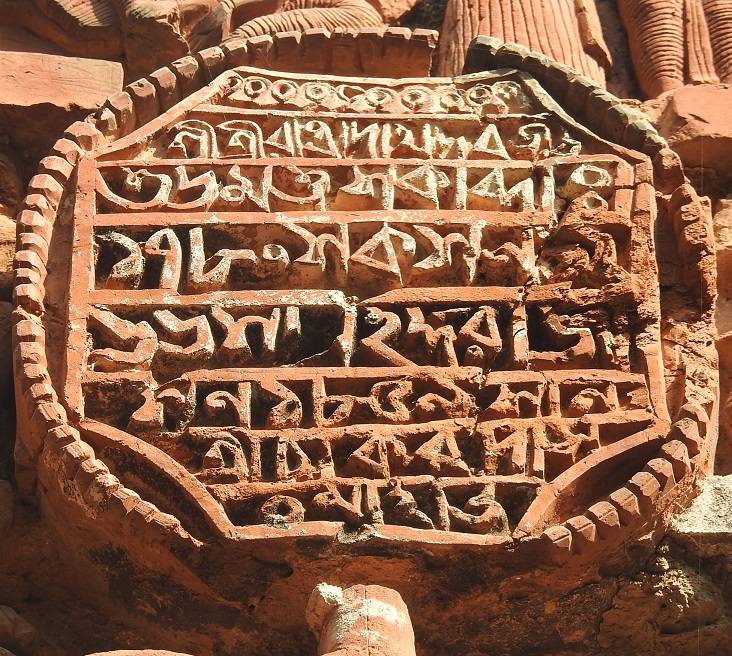
মন্দিরটি বিুষ্ণমন্দির। মন্দিরের পাশেই রয়েছে দেবতার একটি রাসমঞ্চ। এত সুন্দর, সারা অঙ্গ জুডে় এত অলংকৃত রাসমঞ্চ এই জেলায় খুব কমই আছে। কিন্তু এই মন্দির ও রাসমঞ্চের বর্তমানে অতি জীর্ণদশা। রাসমঞ্চে একটি প্রতিষ্ঠালিপি আছে। সেটির হুবহু বয়ান– ``শ্রীশ্রী রাধাদামুদরজীউ /শুভমস্তু সকাব্দাঃ /১৭৮০ সক সন ১২ /৬৬ সাল ইঙরাজী /সন ১৮৫৯ সাল /শ্রীঠাকুরদাস মাইতি''। অর্থাৎ দেড়শ বছর অতিক্রম করেছে এটির আয়ু।
একটু অতীত ইতিহাসে চোখ বুলিয়ে নেওয়া যাক। পাঁশকুড়া থানার লাইফ লাইন বলা যায় কংসাবতীকে। কৃষিজ সম্পদে বহুকাল থেকে সমৃদ্ধ পাঁশকুড়া থানা। এই থানার উর্বরতা নির্মাণ এবং আর্থিক সমৃদ্ধির মূল কারিগর কংসাবতী নদী। দাসপুর থানার শিলাবতীর মত, পাঁশকুড়া থানায় একসময় নীল এবং তুঁতচাষে গভীর ভূমিকা পালন করেছে কংসাবতীর অববাহিকা অঞ্চলগুলি। একসময় রেশম শিল্পের সুবাদে, তার উৎপাদন এবং বাণিজ্যের ফলে, বহু পরিবার ধনী হয়ে উঠতে পেরেছিল। সেসময় ইংরেজের প্রচলিত চিরস্থায়ী বন্দোবস্ত প্রথা চালু থাকায়, তাঁদের অনেকেই ছোট-বড় নানা মাপের জমিদারী প্রতিষ্ঠা করেছিলেন। পাঁশকুড়া থানায় আজ যত দেবমন্দির আছে, তার অধিকাংশই এইসকল জমিদার পরিবারের হাতে তৈরি হয়েছিল।
ধরে নেওয়া যায়, ঠাকুরদাসও সেই ধারাতেই জমিদারী এবং কুলদেবতার জন্য অনিন্দ্য সুন্দর এই মন্দির আর রাসমঞ্চটি প্রতিষ্ঠা করেছিলেন। বর্তমানে তাঁর বংশধরগণই মন্দির ও রাসমঞ্চের মালিক।
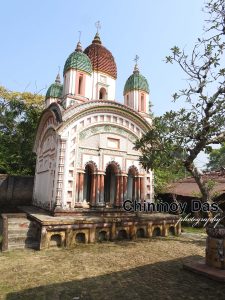
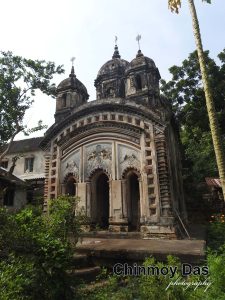
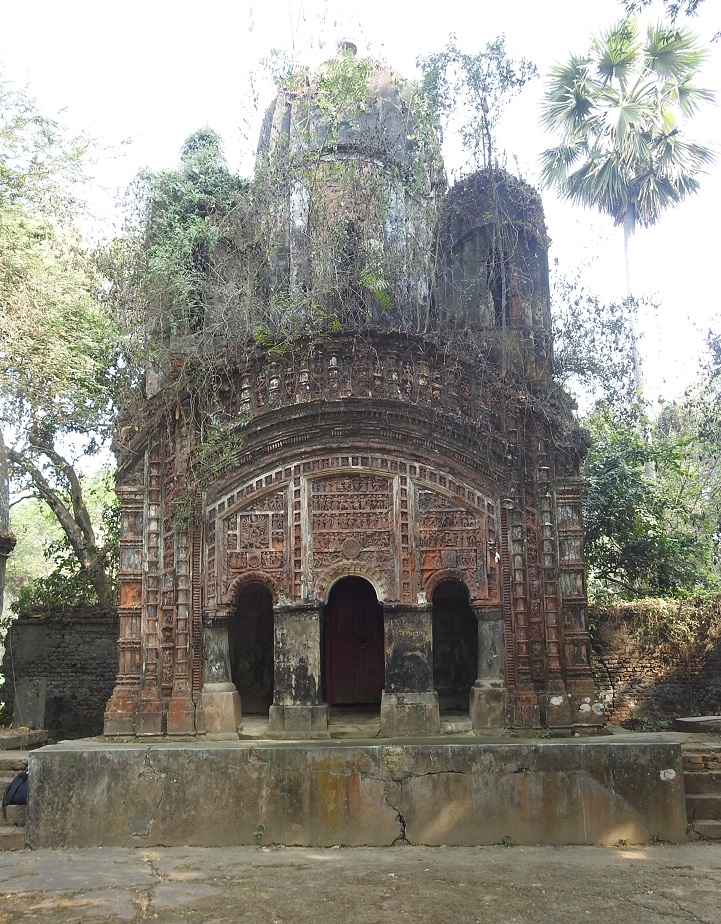
ইটের তৈরি বর্গাকার মন্দিরটি দক্ষিণমুখী। দৈর্ঘ্য-প্রস্থ উভয়ই সাড়ে ১৮ ফুট, উচ্চতা প্রায় ৩৫ ফুট। বাংলা ১২৪৪ সন বা ইং ১৮৩৭ সালে প্রতিষ্ঠিত মন্দিরটির গরিমা তার টেরাকোটা ফলকের জন্য। একই বেদীতে তিনটি মন্দির– মূল বড় মন্দির রাধা-দামোদরের, শালগ্রাম শিলা বিগ্রহে আরাধনা। পঞ্চ-রত্ন রীতির মন্দির, মাথার রত্নগুলিতে কলিঙ্গশৈলীর `রথ-বিভাজন' ও `পীঢ়ভাগ' রচিত। মূল মন্দিরের অলিন্দে ত্রি-খিলান দ্বারপথ। মাথার সিলিং `টানা খিলান'। গর্ভগৃহের একটিই দ্বারপথ, সিলিং হয়েছে পাশ-খিলানের উপর গম্বুজ স্থাপন করে।
দু'দিকে আছেন দুই মহাদেব, তাঁদের মন্দির দুটি শিখর দেউল রীতির। দৈর্ঘ্য-প্রস্থ সওয়া ৬ ফুট, উচ্চতা প্রায় ২০ ফুট। সিলিং চারটি অর্ধ-খিলান করে নির্মিত।
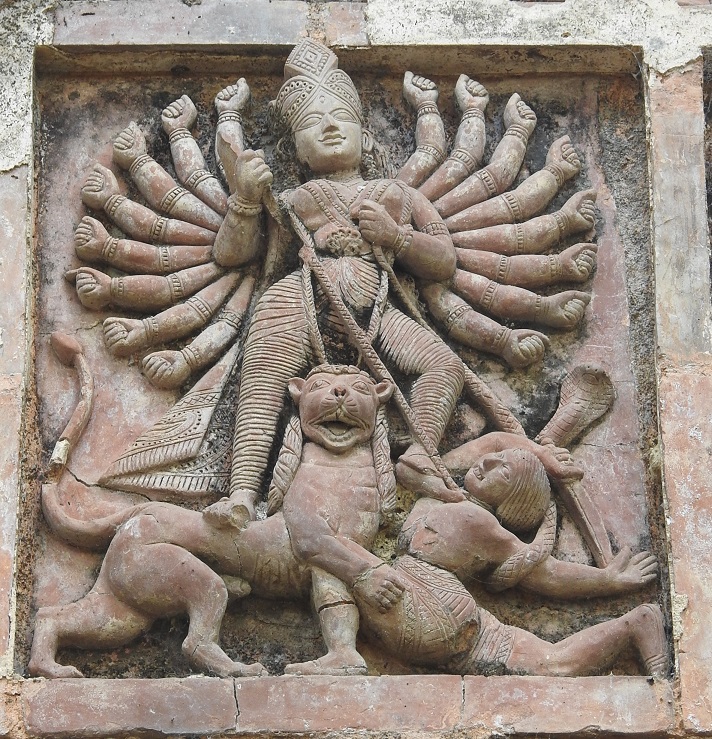
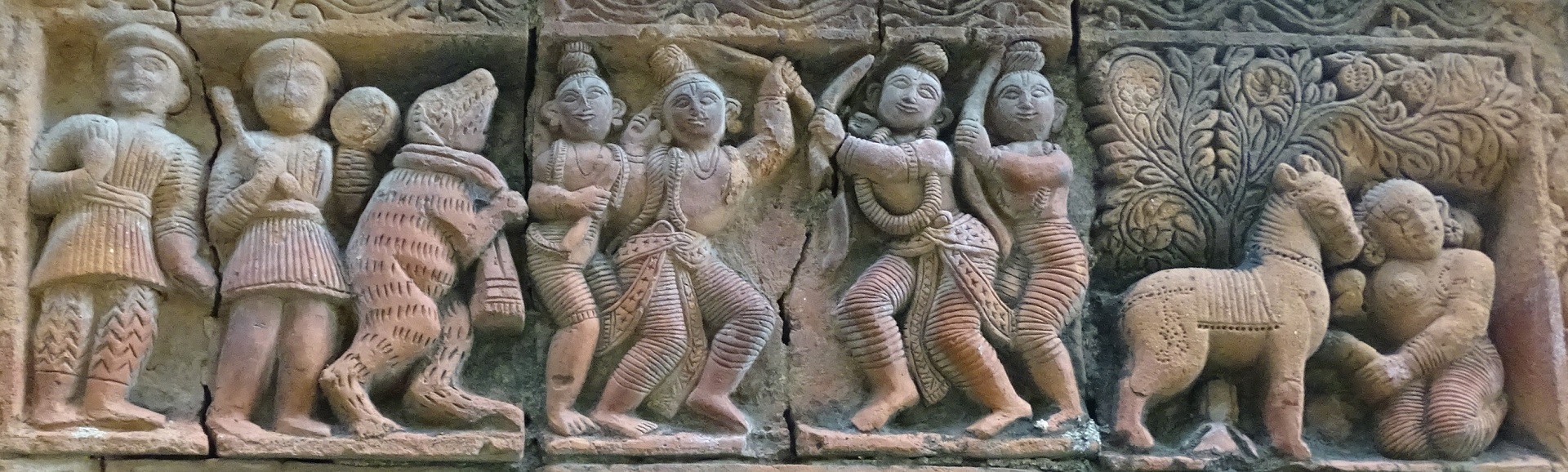
বিষ্ণু মন্দিরটি টেরাকোটা ফলকে সমৃদ্ধ। ফলকগুলি আছে সামনের দেওয়াল জুডে়। মুখ্য ফলকগুলি আছে তিনটি দ্বারপথের মাথায় তিনটি পৃথক প্যানেলে। মোটিফ-- কমলে কামিনী, অর্জুনের লক্ষভেদ, বকাসুর বধ, হিড়িম্বা বধ, গোপিনীগণ পরিবৃত রাধাকৃষ্ণ, রামবাবণের যুদ্ধ ইত্যাদি। অষ্টাদশভূজা দুর্গার ফলকটি উল্লেখযোগ্য।
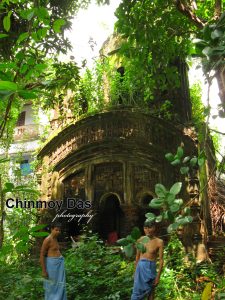
একটি রাসমঞ্চ আছ রাধা-দামোদরজীউর। শ্রেষ্ঠ সম্পদ সেটিই। মুখ্য চুড়ার সাথে দ্বিতলে আট এবং ত্রিতলে আট– এই নিয়ে সতেরো চুড়া রাসমঞ্চ। চুড়াগুলি কলিঙ্গধারায় পীঢ় ভাগ করা। আট কোণা সৌধ। দৈর্ঘ্য-প্রস্থ ১৬ ফুট, উচ্চতা ২৫ ফুট। পশ্চিমদিকের পাদপীঠে সিঁড়ি যুক্ত একটি ছোট সুড়ঙ্গদ্বার আছে উপরে উঠবার জন্য। যা একান্তই নজিরবিহীন। সিঁড়ির নীচের সিলিংগুলি নির্মাণে শিল্পী তাঁর দক্ষ হাতের ছাপ রেখে গেছেন।
অজস্র টরাকোটা ফলকে সমৃদ্ধ সেৌধটি। মোটিফ হিসাবে দেখা যায় : কৃষ্ণলীলা থেকে— গোপিনীদের বস্ত্রহরণ, ননীচুরি, নেৌকা পারাপার ইত্যাদি। রামায়ণ থেকে— সীতাহরণ, জটায়ুর যুদ্ধ, রাম-রাবণের যুদ্ধ, বানর সেনা, রামের অভিষেক ইত্যাদি। এর সাথে রৃপায়িত হয়েছে সমুদ্র মন্থন, দশভূজা বন্দনা, দুর্গার আবির্ভাব ইত্যাদি।
একেবারে উপরের সারিতে আট দিক জুডে় আটটি বড় প্যানেল। বড় বড় মূর্তিতে রাধা-কৃষ্ণ–গোপিনীদের লীলাক্রীড়া রচিত। পঙ্খের কাজে ময়ুরমূর্তিগুলিও নজর কেডে় নেয়।
কিন্তু মন্দির এবং রাসমঞ্চ-- দুটিরই আজ ভারী জীর্ণ দশা। সংস্কারের অভাবে, মৃত্যুর প্রহর গুনছে সৌধ দুটি। অথচ, রক্ষা করলে, জেলার ঐতিহ্যপূর্ণ প্রত্নসম্পদ হিসাবে গণ্য হতে পারত এগুলি।
*** সংযোজন : সুখের কথা, সম্প্রতি ধ্বংসপ্রায় মন্দিরটির সুরক্ষার কাজে উদ্যোগ নেওয়া হয়েছে। ঐতিহ্যের সংরক্ষণ এবং জন-সচেতনতা বৃদ্ধিতে এই কাজের উদ্যোক্তা 'কাশিজোড়া পরম্পরা হেরিটেজ অর্গানাইজেশন' নামের একটি সংস্থা। ঐতিহ্য ও পুরাতত্ত্বপ্রেমী শিক্ষক জনৈক রূপেশ সামন্ত মহাশয়ের তৎপর ভূমিকায় সৌধটি নবজীবন লাভ করতে পারবে, এমন আশা এখন করাই যায়।
Radhadamodar Temple, Manglai (Panskura Police Station, Medinipur)
Chinmoy Das
A temple earns the designation of an 'antique' only upon attaining an age of one hundred years. At that point, it may also come to be recognized as a heritage site. I believe the number of such temples in the district of Medinipur is no fewer than a thousand. However, among the select few temples in the district that stand at the very forefront—distinguished solely by the magnificence of their ornamentation—this temple in the village of Manglai ranks as one of the most prominent. Today, our report focuses on this exquisitely adorned temple.
Across India, Hindu temples have been constructed primarily in three distinct styles: the Nagara style of North India, the Vesara style of Central India, and the Dravida style of the Deccan. In Bengal today, four distinct temple architectural styles are observed: Dalan, Shikhar, Ratna, and Chala.
The Ratna style can be described as a miniature version of the colossal, spire-topped temples found in North India. Here, the term 'Ratna' signifies a pinnacle or spire. A sanctum sanctorum (*Garbhagriha*) is constructed, and a Ratna is subsequently placed atop its roof structure. This feature serves to enhance both the aesthetic beauty and the grandeur of the temple. One or more tiers are constructed to serve as the superstructure, with four or more gems typically embedded in each level.Generally, temples are constructed using two primary materials: brick and stone. Beyond this classification, temples can be further categorized based on their ornamentation. There are various styles of temple ornamentation; the most prominent and widely popular method involves the incorporation of terracotta plaques. This practice serves to enhance both the beauty and the grandeur of the temple. Indeed, there is no dearth of examples where terracotta plaques are incorporated—not only in brick-built temples but also in those featuring stone walls.Temples adorned with terracotta panels are undoubtedly the most popular; their appeal is timeless. Both at home and abroad, terracotta panels have consistently succeeded in capturing the attention of connoisseurs. Among the few temples in the district of Midnapore that have attained popularity by virtue of their exquisite terracotta panels, the temple in the village of Mangloi stands as a prime example.The temple is dedicated to Lord Vishnu. Situated right beside it is a *Rasmancha* (ceremonial pavilion) belonging to the deity. Such a magnificent structure—so profusely ornamented across its entire surface—is a rare sight within this district. Regrettably, however, both the temple and the *Rasmancha* currently lie in a state of extreme dilapidation. There is an inscription on the Rasmancha. Its exact wording is as follows — ``Śrīśrī rādhādāmudarajī'u/śubhamastu sakābdāḥ/1780 saka sana 12/66 sāla iṅarājī/sana 1859 sāla/śrīṭhākuradāsa mā'iti''.
In other words, it has now surpassed a lifespan of one hundred and fifty years.Let us take a brief look back at its history. The Kangsabati River can be aptly described as the lifeline of the Panskura police station area. For centuries, this region has been rich in agricultural resources; indeed, the Kangsabati River has been the primary architect behind both the fertility and the economic prosperity of this area. Much like the Shilabati River in the Daspur police station area, the basin regions of the Kangsabati once played a pivotal role in the cultivation of indigo and mulberry within the Panskura jurisdiction.At one time, thanks to the silk industry—specifically its production and trade—many families were able to amass considerable wealth. As the Permanent Settlement system introduced by the British was in force during that era, many of these families established *Zamindaris* (landed estates) of varying sizes. Indeed, the majority of the temples dedicated to deities currently found within the jurisdiction of the Panskura Police Station were built by these very *Zamindar* families.It can be presumed that Thakurdas, too, following this very tradition, established this exquisitely beautiful temple and *Rasmancha* (ceremonial platform) for his family deity. Currently, the ownership of both the temple and the *Rasmancha* rests with his descendants.The square-shaped temple, constructed of brick, faces south. It measures 18.5 feet in both length and width, with a height of approximately 35 feet. Established in the Bengali year 1244 (or 1837 AD), the temple derives its grandeur from its terracotta plaques. Three temples stand upon a single platform; the principal—and largest—temple is dedicated to Radha-Damodar, where worship is conducted through a *Shaligram Shila* idol. Built in the *Pancha-ratna* (five-pinnacle) style, the temple's crowning pinnacles feature structural elements—specifically the *Ratha-vibhaga* and *Pidha-bhaga*—characteristic of the Kalinga architectural tradition. The porch (*Alinda*) of the main temple features a triple-arched entrance. The ceiling of the porch is constructed using a *Tana Khilan* (spanning arch) technique. The *Garbhagriha* (sanctum sanctorum) possesses a single doorway, and its ceiling is formed by a dome resting upon lateral arches.Flanking the site on both sides stand two temples dedicated to Lord Shiva, both constructed in the *Shikhara-Deul* architectural style. Each measures 6.25 feet in length and width, with a height of approximately 20 feet. The ceilings are constructed using four semi-arches.The Vishnu temple is richly adorned with terracotta plaques. These plaques cover the entire front façade. The most prominent plaques are situated in three distinct panels positioned above the three doorways. The motifs include *Kamale-Kamini*, Arjuna piercing the fish-eye, the slaying of Bakasura, the slaying of Hidimba, Radha and Krishna surrounded by *Gopis*, and the battle between Rama and Ravana, among others. The plaque depicting the eighteen-armed Goddess Durga is particularly noteworthy.There stands a Rasmancha dedicated to Radha-Damodarjiu—a structure that constitutes its most prized possession. Featuring a central spire flanked by eight spires on the second tier and another eight on the third, this Rasmancha boasts a total of seventeen spires. The spires are articulated in the Kalinga style, characterized by distinct *pidha* sections. The edifice is octagonal in plan, measuring 16 feet in both length and width, with a height of 25 feet. Situated at the base on the western side is a small arched portal, fitted with a staircase, providing access to the upper levels—a feature that is truly unprecedented. In the construction of the ceilings beneath the staircase, the artisan has left behind the indelible imprint of their masterful craftsmanship.The monument is richly adorned with countless terracotta plaques. The motifs depicted include scenes from the *Krishna-lila*—such as the disrobing of the Gopis, the stealing of butter, and the river crossing—as well as scenes from the *Ramayana*—including the abduction of Sita, Jatayu's battle, the war between Rama and Ravana, the monkey army, and Rama's coronation. Additionally, the monument features depictions of the Churning of the Ocean, the adoration of the ten-armed Goddess, and the manifestation of Durga.The uppermost tier features eight large panels spanning the entire octagonal perimeter. These panels portray, through large-scale figures, the divine playful interactions (*lila*) of Radha, Krishna, and the Gopis. The peacock motifs, executed in exquisite stucco work, are also particularly eye-catching.However, both the temple and the Rasmancha are currently in a severely dilapidated state. Due to a lack of renovation, these two structures are now counting down their final moments. Yet, had they been preserved, they could have been recognized as significant heritage assets of the district.*** Update: Fortunately, initiatives have recently been undertaken to safeguard the temple, which was on the verge of ruin. The driving force behind this effort—aimed at heritage conservation and raising public awareness—is an organization named the 'Kashijora Parampara Heritage Organization.'One can now reasonably hope that this monument will be revitalized, thanks to the proactive efforts of Mr. Rupesh Samanta—a teacher with a deep passion for heritage and archaeology.