লোকেশ্বর শিব মন্দির, ময়নাগড় (থানা-- ময়না, মেদিনীপুর)
চিন্ময় দাশ
পরাক্রমী রাজা লাউসেন-এর নাম জানা যায় "ধর্মমঙ্গল" কাব্যে। তাঁর রাজধানী ছিল-- ময়নাগড়। যদিও আধুনিক ইতিহাসকারগণ লাউসেন-এর অস্তিত্বেই সন্দিহান। কিন্তু সাধারণের কথা বাদ দিই, স্বয়ং প্রাচ্যবিদ্যামহার্ণব নগেন্দ্রনাথ বসু তাঁর "বঙ্গের জাতীয় ইতিহাস" (রাজন্য কাণ্ড) গ্রন্থে জানিয়েছেন, ধর্মপূজা সম্বন্ধীয় বহু প্রাচীন গ্রন্থে লাউসেন রাজার নাম উল্লেখ আছে।
ইতিহাসের সাথেও নাড়ির যোগ লাউসেন-এর। ধর্মপাল যখন গৌড়ের অধিপতি, গোপভূমি-র রাজা ছিলেন জনৈক কর্ণসেন। ইছাই ঘোষের আক্রমণে পরাজিত ও রাজ্যচ্যূত হয়ে, ধর্মপালের কাছে আশ্রয় নেন কর্ণসেন। ধর্মপাল তাঁকে সেনাপতি হিসাবে নিয়োগ এবং নিজের শ্যালিকা রঞ্জাবতীর সাথে বিবাহ দিয়ে, নিজের সাম্রাজ্যের ময়নাগড়ে প্রতিষ্ঠা করেছিলেন। লাউসেন হলেন কর্ণসেন এবং রঞ্জাবতীর পুত্র। লাউসেন রাজা হয়ে, পর পর দুটি পরিখা দিয়ে ঘিরেছিলেন রাজধানী ময়নাগড়কে। বলা হয়, তিনিই গড়ের ভিতরে দেবী রঙ্কিনী এবং লোকেশ্বর শিবের বিগ্রহ প্রতিষ্ঠা করেছিলেন। লাউসেনের পরবর্তীকালে পরিত্যক্ত ময়নাগড় অধিকার করেছিলেন জনৈক জলদস্যু শ্রীধর হুই।
এদিকে, ময়নার লাগোয়া পশ্চিমে বালিসীতাগড় ছিল কলিঙ্গ নৃপতি কপিলেন্দ্রদেব-এর শাসনাধীন। সেখানে জনৈক কালিন্দীরাম সামন্ত ছিলেন তাঁর অধীনস্ত সামন্ত রাজা। কালিন্দীরামের অধঃস্তন পঞ্চম পুরুষ গোবর্ধনানন্দ, শ্রীধর হুইকে উৎখাত এবং ময়না অধিকার করে, বালিসীতা থেকে স্থায়ীভাবে রাজধানী তুলে এনেছিলেন ময়নাগড়ে। যেমন বীরত্ব, তেমনই সংগীত-পারদর্শিতা ছিল গোবর্ধনের। কলিঙ্গরাজ হরিচন্দন মুকুন্দদেব গোবর্ধনকে "বাহুবলীন্দ্র" খেতাব প্রদান এবং ময়নাকে স্বাধীন রাজ্য ঘোষণা করেছিলেন। তখন থেকে গোবর্ধনের রাজবংশ "বাহুবলীন্দ্র" পদবীতে পরিচিত এবং ময়নার অধিকারী হয়ে আছেন।
যাইহোক, রাজা লাউসেন এই লোকেশ্বর শিব প্রতিষ্ঠা করেছিলেন বলা হয় বটে, ইতিহাসের দাবি, লাউসেন ছিলেন "বৌদ্ধ নরপতি"। একসময় নিম্নবঙ্গের প্রধান বৌদ্ধ ধর্মকেন্দ্র ছিল তাম্রলিপ্ত বা আজকের তমলুক নগরী। এছাড়াও, তিনটি কেন্দ্র ছিল সন্নিহিত এলাকায়—দক্ষিণে সমুদ্র তীরবর্তী বাহিরী (কাঁথি থানা), পশ্চিমে মোগলমারী (দাঁতন থানা) এবং এই ময়না। জানা যায়, তিনটি সংঘারাম ছিল ময়নাতেই। বৌদ্ধ দেবতারা পরবর্তীকালে বহু স্থানে "ধর্ম-ঠাকুর" হিসাবে পূজিত হতে শুরু করেছিলেন। ময়নার নিকটবর্তী বৃন্দাবনচক গ্রামে আজও যে ধর্মঠাকুর আছেন, সেটি রাজা লাউসেন-এর প্রতিষ্ঠিত বলে জানা যায়। তবে লোকশ্রুতি বা কিংবদন্তি কবে আর ইতিহাসকে শিরোধার্য করেছে?
যাই হোক, ময়নাগড়ের এই মন্দিরে কোন প্রতিষ্ঠা-ফলক নাই। পুরাবিদগণের মতে, একাধিক বার সংস্কার হওয়া এই মন্দির উনবিংশ শতাব্দীর গোড়ার দিকে প্রতিষ্ঠিত হয়ে থাকতে পারে।
কালীদহ এবং মাকড়দহ নামের পর পর দুটি গভীর বর্গাকার গড়খাই দিয়ে ঘেরা ময়নাগড়। ভেতরেরটির দৈর্ঘ্য-প্রস্থ ৭০০ ফুট, বাইরেরটির ১৪০০ ফুট। বিশাল গড়ের ভিতরে প্রাসাদ, দরবার-ঘর ইত্যাদির সাথে দুটি মন্দির-- শ্যামসুন্দরজীউ এবং লোকেশ্বর শিব-এর। লাউসেন-এর পূজিতা দেবী রঙ্কিনী-র কথা আমরা বলেছি। দেবীর প্রাচীন বিগ্রহটি শিবমন্দিরে স্থাপিত আছে। শোনা যায়, এই মূর্তিতে দেবী কালিকার পূজা দিয়ে ডাকাতি করতে যেতেন শ্রীধর হুই।
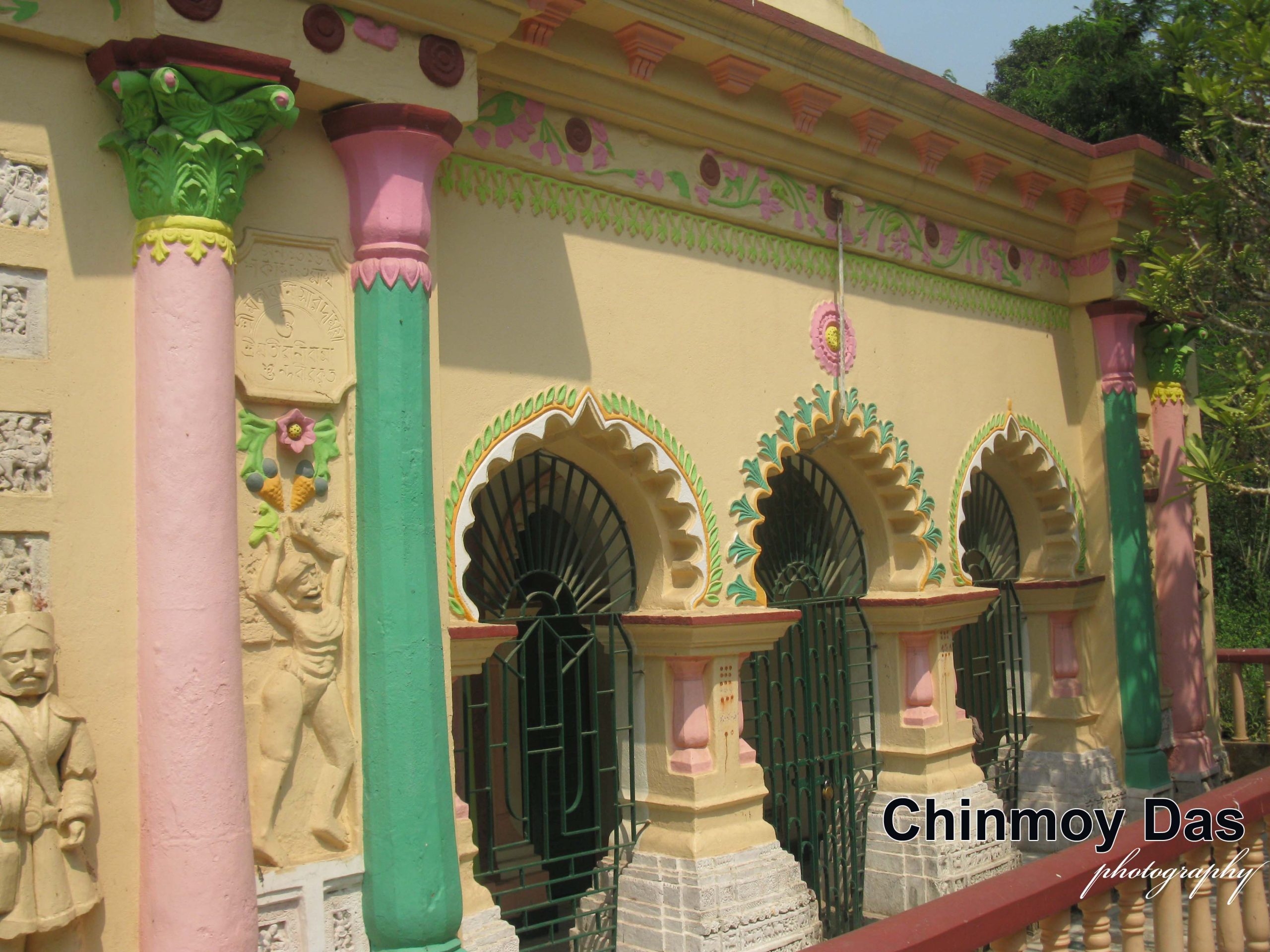
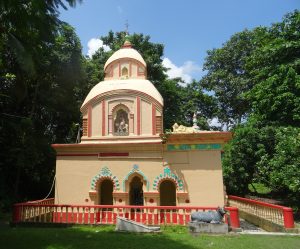
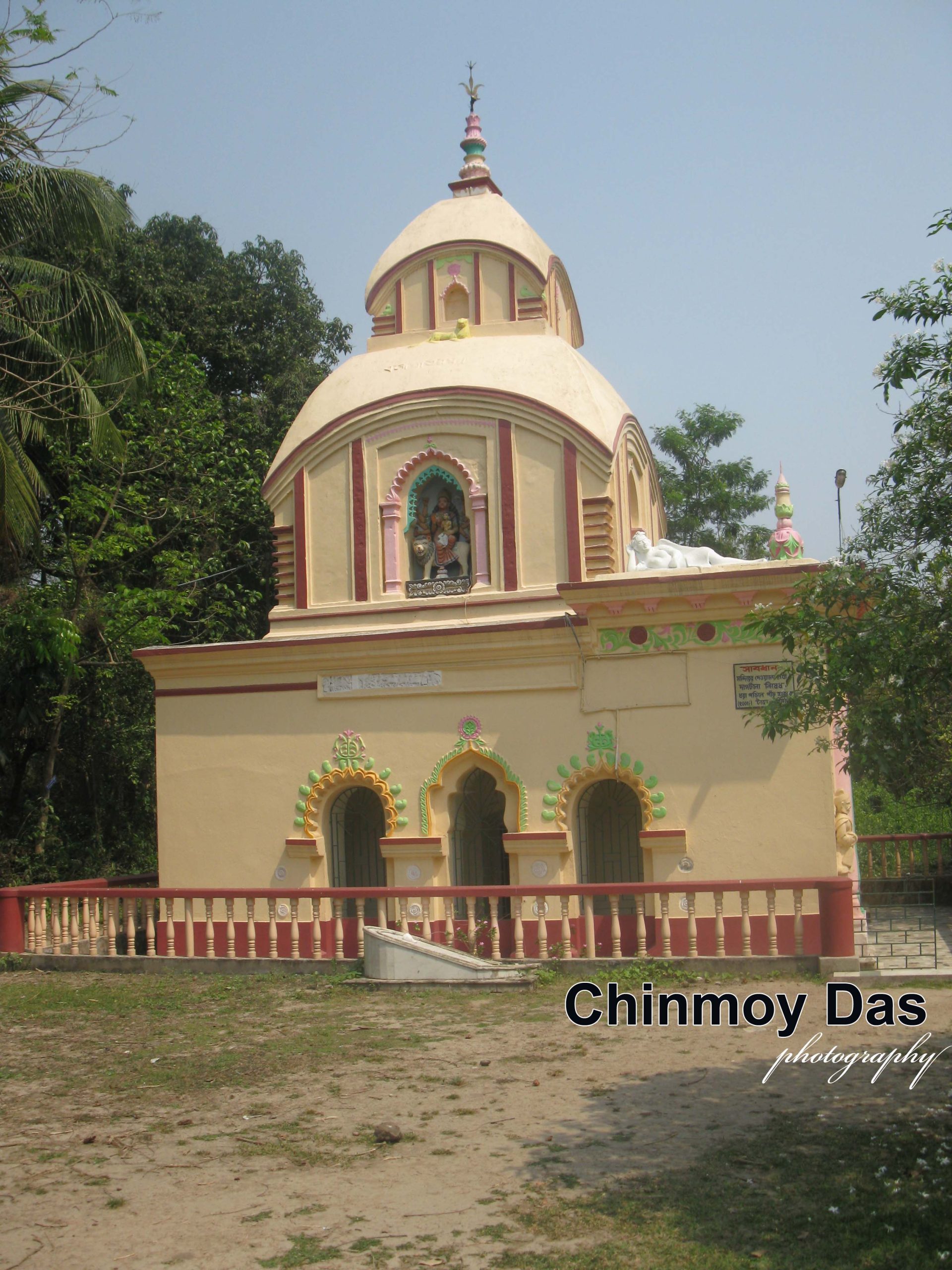
লোকেশ্বরের পূর্বমুখী মন্দিরটি ইটের তৈরী। ২৬ ফুট দৈর্ঘ্য আর ২৫ ফুট প্রস্থের প্রায় বর্গাকার গড়ন এই সৌধের। উচ্চতা প্রায় ৪০ ফুট। দালান এবং চালা-- দুই স্থাপত্য-রীতির মিশ্রণ দেখা যায় এই মন্দিরে। প্রথমে নীচে বড় আকারের একটি সমতল ছাউনির দালান-রীতির সৌধ নির্মিত হয়েছে। দালানের মাথায় গড়া হয়েছে চালা-রীতির মন্দির।
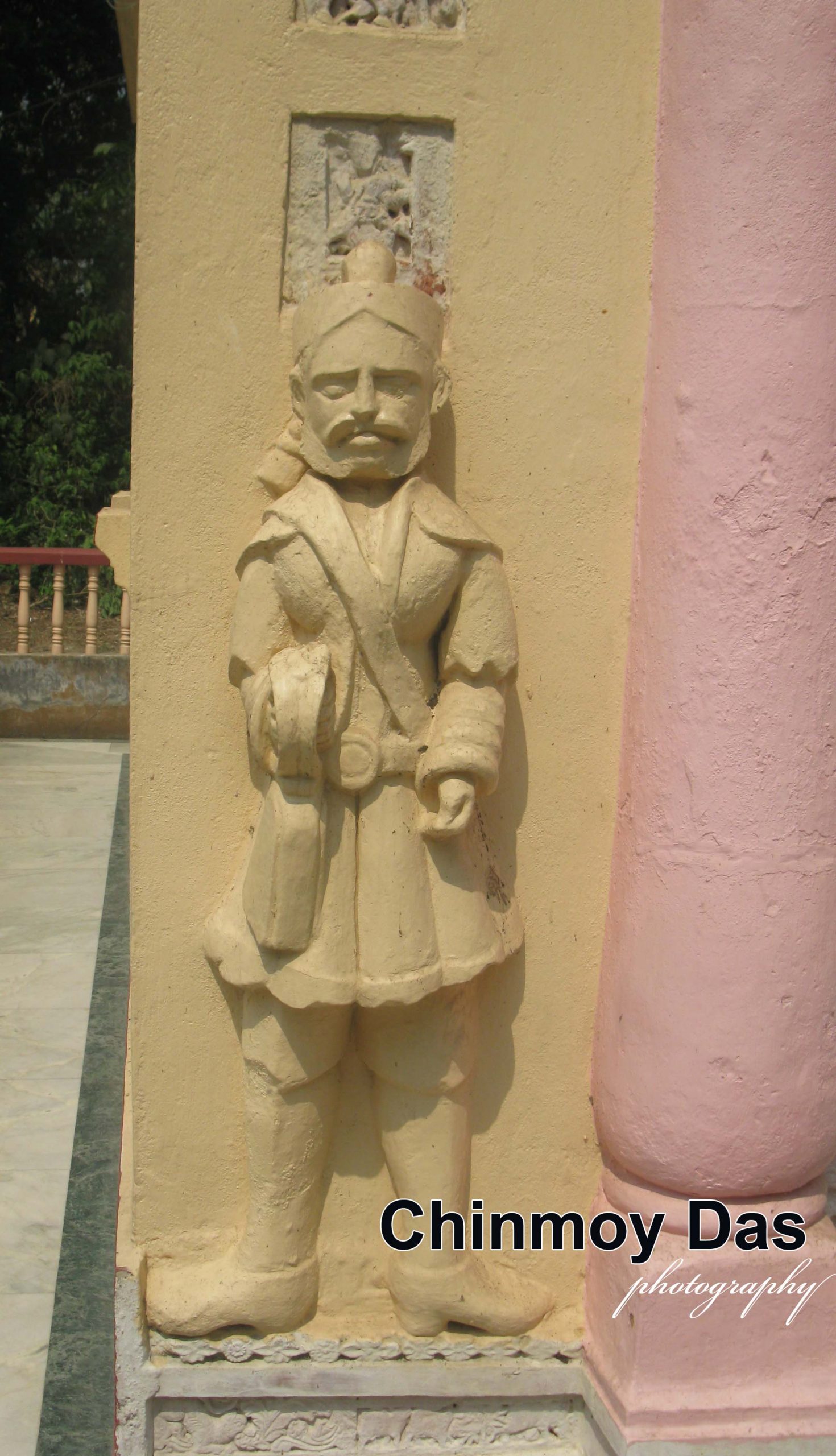
দালান অংশেই গর্ভগৃহ এবং দেবতার বিগ্রহ স্থাপিত। সামনে পূর্বদিকে তিন-খিলানের দ্বারপথ সহ একটি টানা অলিন্দ। এছাড়া, দক্ষিণেও অনুরূপ একটি অলিন্দ আছে। দক্ষিণের থামগুলি সাধারণ চতুস্কোণ রীতির। পূর্বদিকের সুদৃশ্য থামগুলি 'দরুণ-রীতি'তে নির্মিত।
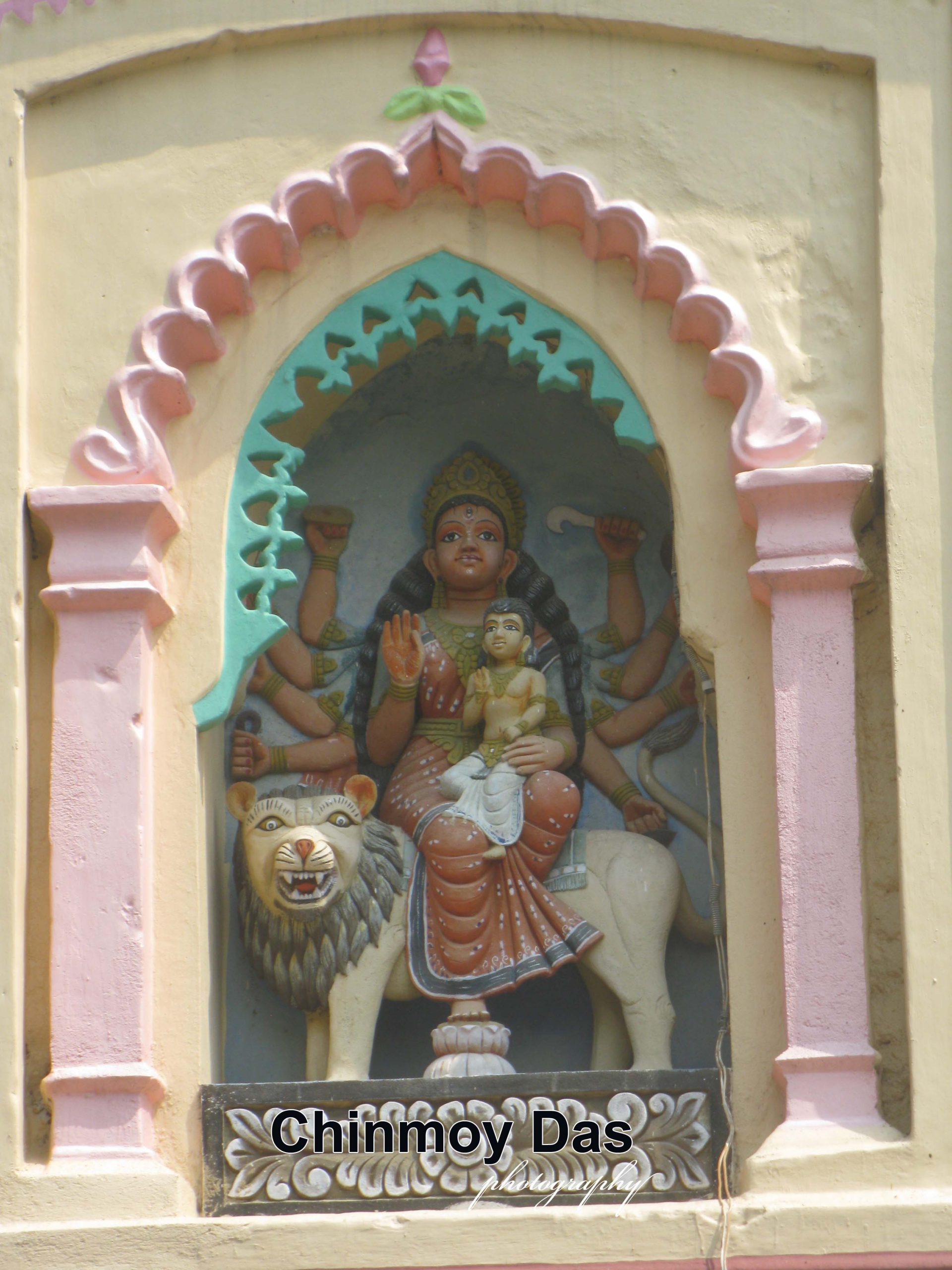
উপরের চালা মন্দিরটি 'আট-চালা রীতি'তে নির্মিত হয়েছে। গর্ভগৃহের মাথা বরাবর, দালানের ছাউনির উত্তর ও পশ্চিম অংশে, সেটির অবস্থান। চালাগুলির নীচের প্রান্ত, অর্থাৎ কার্নিশগুলির বঙ্কিম ভাবটি বেশ মনোরম। আট-চালার প্রত্যেক দিকের দেওয়ালে একটি করে 'প্রতিকৃতি দ্বারপথ' রচিত আছে। দশ-বারো বছর পূর্বে, সংস্কার কাজের সময়, সেগুলির গভীর অন্দরে মহাদেব, গণেশ-জননী ইত্যাদি মূর্তি স্থাপন করা হয়েছে। বদল করে ফেলা হয়েছে শীর্ষক অংশের আমলক কলস ইত্যাদির গড়নও।
পরিতোষের কথা এই, প্রাচীন ঐতিহ্যের অধিকারী এই সৌধটি বেশ সযত্ন রক্ষিত। নিত্য আরাধনা হয় দেবতার। বহু পূর্বকালে থেকে পাঠক পদবীর একটি ব্রাহ্মণ বংশ পৌরহিত্য করেন মন্দিরে। ময়নাগড়ের রাস উৎসব মেদিনীপুর জেলার মধ্যে শ্রেষ্ঠ। তার পাশাপাশি, শিব চতুর্দশী এবং গাজনেরও আয়োজন হয় আড়ম্বরের সাথে। তখনও হাজার হাজার মানুষের ঢল নামে এখানে। সেবাইত বাহুবলীন্দ্র পরিবার বুক দিয়ে আগলে রেখেছেন সৌধটিকে।
Lokeshwar Shiva Temple, Moynagarh (Police Station—Moyna, Medinipur)
Chinmoy Das
The name of the valiant King Lau Sen is known from the medieval Bengali epic Dharmamangal. His capital was said to be Moynagarh. Although modern historians often question the very existence of Lau Sen, numerous ancient texts related to the worship of Dharma mention his name. Even the renowned orientalist Nagendranath Basu, in his work Bangera Jatiya Itihas (Rajanya Kanda), recorded that many old religious texts contain references to King Lau Sen.
Lau Sen is also linked to historical traditions. During the reign of Dharmapala, ruler of Gauda, a certain Karna Sen was king of Gopbhum. Defeated and dispossessed by the attack of Ichhai Ghosh, Karna Sen sought refuge with Dharmapala. Dharmapala appointed him as a military commander and married him to his sister-in-law Ranjabati, establishing him at Moynagarh within his empire. Lau Sen was born to Karna Sen and Ranjabati. After ascending the throne, Lau Sen reportedly fortified Moynagarh by surrounding it with two successive moats. Tradition holds that he installed the images of Goddess Rankini and Lokeshwar Shiva within the fort. After Lau Sen's time, the abandoned fort of Moynagarh was allegedly occupied by a pirate chief named Shridhar Hui.
To the west of Moyna lay Balisitagarh, then under the rule of the Kalinga king Kapilendra Deva. One of his feudatory rulers was Kalindiram Samanta. The fifth-generation descendant of Kalindiram, Gobardhanananda, expelled Shridhar Hui, conquered Moyna, and shifted his capital permanently from Balisita to Moynagarh. Gobardhan was celebrated not only for his valor but also for his musical accomplishments. The Kalinga ruler Harichandan Mukunda Deva bestowed upon him the title “Bahubalindra” and declared Moyna an independent kingdom. Since then, Gobardhan's descendants have been known by the surname Bahubalindra and have remained the rulers of Moyna.
However, although tradition attributes the establishment of Lokeshwar Shiva to King Lau Sen, history suggests that Lau Sen was a Buddhist ruler. At one time, the principal Buddhist center of Lower Bengal was Tamralipta (modern Tamluk). Besides Tamralipta, three important Buddhist centers existed in the surrounding region—Bahiri on the southern coast (in present-day Contai subdivision), Moghalmari in the west (Dantan area), and Moyna itself. Historical records indicate that Moyna once contained three Buddhist monasteries (Sangharamas). In later times, Buddhist deities in many places came to be worshipped as Dharma Thakur. It is believed that the Dharma Thakur worshipped even today in nearby Brindabanchak village was established by King Lau Sen. Yet folklore and legend have rarely submitted themselves entirely to the demands of history.
In any case, there is no foundation inscription in this temple. According to archaeologists, the structure, which has undergone several renovations, was probably established in the early nineteenth century.
Moynagarh is enclosed by two successive deep square moats known as Kalidaha and Makardaha. The inner moat measures about 700 feet on each side, while the outer one measures approximately 1,400 feet. Within this vast fortified enclosure stand the palace, audience hall, and two temples—Shyamsundar Jiu and Lokeshwar Shiva. As mentioned earlier, Lau Sen's tutelary deity was Goddess Rankini. Her ancient image is now preserved inside the Shiva temple. Local tradition says that the pirate chief Shridhar Hui used to worship this image of the Goddess Kali before setting out on raids.
The east-facing temple of Lokeshwar is built of brick. The structure is nearly square in plan, measuring about 26 feet in length and 25 feet in width, with a height of roughly 40 feet. The temple displays a combination of dalan (flat-roofed hall) and chala (curved-roof) architectural styles. A large flat-roofed hall was first constructed at the base, and a chala-style shrine was subsequently erected above it.
The sanctum (garbhagriha) and the deity are housed within the dalan portion. On the eastern side is a long verandah with a triple-arched entrance, while a similar verandah exists on the southern side. The southern pillars are of a simple rectangular form, whereas the elegant eastern pillars are built in the Darun style.
The upper shrine is constructed in the Atchala (eight-roofed) style. It stands over the northern and western portions of the hall's roof, directly above the sanctum. The graceful curvature of the cornices beneath the roofs is particularly attractive. Each side of the Atchala shrine contains a false doorway (pratikriti dwarapath). During renovation work about ten or twelve years ago, images of Mahadeva, Ganesh-Janani, and other deities were installed within the recesses of these niches. The shapes of the crowning elements, including the amalaka and kalasha, were also altered.
Fortunately, this historic monument has been carefully preserved. Daily worship of the deity continues uninterrupted. A Brahmin family bearing the surname Pathak has served as the temple priests for many generations. The Rasa Festival of Moynagarh is regarded as one of the finest in Medinipur district. In addition, Shiva Chaturdashi and Gajan are celebrated here with great pomp and ceremony. During these occasions, thousands of devotees flock to the site. The Bahubalindra family, who serve as the temple's custodians, have protected and preserved the monument with great dedication.